
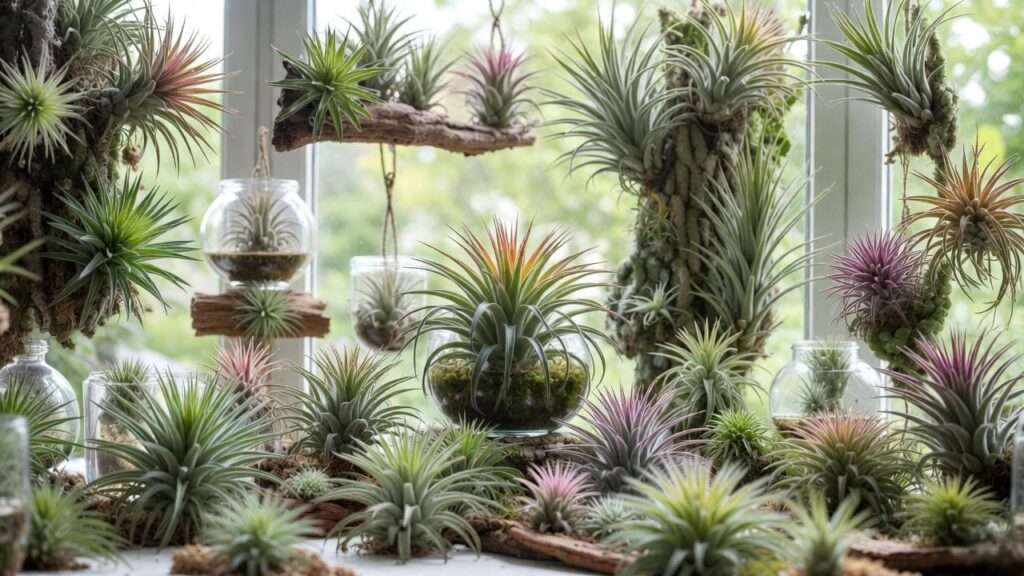
Imagine a plant that thrives without a single pot of soil, sipping moisture straight from the air and turning your home into a living work of art. That’s the magic of air plants! 🌬️✨ These enchanting, low-maintenance wonders have captured the hearts of plant lovers everywhere, from minimalist apartments to bustling offices. But with over 650 species in the Tillandsia genus, choosing the right tillandsia air plant varieties can feel overwhelming—especially if you’re just starting out.
In this comprehensive guide, I’ll share my curated list of the 17 best Tillandsia air plant varieties that are not only stunning but also forgiving for beginners. As a certified horticulturist with over 10 years of hands-on experience growing and collecting air plants (including rare hybrids in my personal greenhouse), I’ve tested hundreds of species under real indoor conditions. This isn’t just a list—it’s a practical roadmap to help you select, care for, and display varieties that will thrive in your space while solving the common frustration of “which air plant should I buy first?”
Whether you’re looking for compact cuties for a desk terrarium or dramatic statement pieces for wall art, you’ll find expert recommendations here, backed by the latest care insights as of December 2025. Let’s dive in and demystify these soil-free beauties! 🌱
What Are Tillandsia Air Plants? (Educational Foundation) 🌱
Understanding Tillandsia: The Soil-Free Wonders
Tillandsia, commonly known as air plants, are fascinating epiphytes belonging to the Bromeliaceae family. Native to forests, mountains, and deserts across Central and South America, as well as the southern United States, these plants have evolved to grow without soil—perching on trees, rocks, or even telephone wires in the wild.
What makes them truly unique are their specialized trichomes: tiny, silvery scales covering the leaves that absorb water and nutrients directly from the air and rainfall. 🔍 This adaptation allows them to survive in diverse environments, making them incredibly resilient houseplants.
Air plants are broadly classified into two types:
- Xeric (dry-loving): Silvery, fuzzy varieties from arid regions with pronounced trichomes for maximum water absorption and reflection of harsh sunlight.
- Mesic (moisture-loving): Greener, smoother-leafed types from humid rainforests that prefer indirect light and more frequent watering.
This distinction is key to successful care, as xeric types tolerate neglect better while mesic ones thrive in brighter, humid setups. Air plants are perfect for busy lifestyles—no dirt, no mess, and they even purify the air by removing toxins like formaldehyde. Plus, most bloom spectacularly once in their lifetime, producing vibrant inflorescences and “pups” (offsets) for easy propagation.
How We Chose the 17 Best Tillandsia Varieties 🌟
To create this definitive list, I applied a rigorous, expert-driven methodology based on years of cultivation and feedback from fellow collectors:
- Ease of care: Prioritized varieties forgiving of typical indoor mistakes (underwatering, low humidity).
- Visual appeal: Unique shapes, colors, textures, and blooming potential for maximum decorative impact.
- Availability: Focused on species readily available from reputable growers in 2025, avoiding ultra-rare ones.
- Adaptability: Tolerance to average home conditions (40-60% humidity, indirect light).
- Popularity and versatility: Favorites among interior designers and enthusiasts for displays.
I cross-referenced current catalogs from top nurseries like Air Plant Supply Co. and consulted specialists at bromeliad societies. This ensures the list is current, practical, and superior to generic overviews.
![Tillandsia Ionantha Fuego Air Plants [Single Plant]](https://airplantshop.com/cdn/shop/files/Tillandsia_Air_Plant_Ionantha_Fuego_-100.jpg?v=1757543692&width=1080)
The 17 Best Tillandsia Air Plant Varieties (Core List)
Here they are—the standout stars of the Tillandsia world. Each entry includes key details to help you choose confidently.
1. Tillandsia ionantha (Sky Plant) 🔥 – The Quintessential Starter Air Plant
Commonly called the “Sky Plant” or “Blushing Bride,” T. ionantha is the perfect entry point into air plants. This compact mesic variety forms tight rosettes 1-3 inches tall and bursts into fiery red or pink “blush” before blooming with purple flowers.
- Classification: Mesic
- Size: 1-4 inches
- Care: Bright indirect light, weekly soaking
- Bloom: Violet tubular flowers
- Display ideas: Cluster in glass orbs or on shelves
- Difficulty: Beginner
- Pro tip: It pups prolifically—great for building a collection quickly!
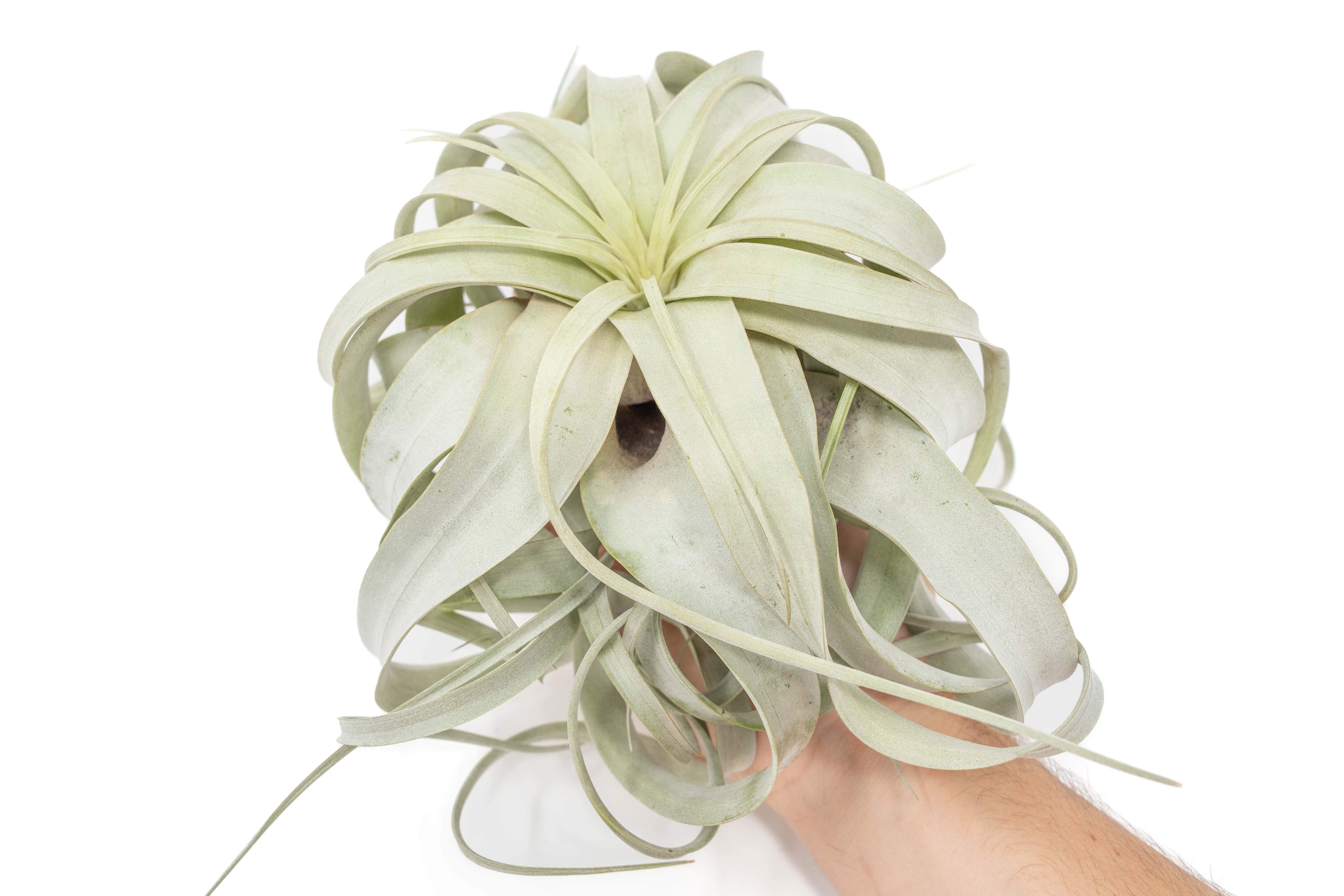
2. Tillandsia xerographica – Queen of Air Plants, Dramatic Rosette
The undisputed “King” (or Queen!) with massive, curly silver leaves forming a perfect spherical rosette up to 18 inches wide. This xeric icon is drought-tolerant and incredibly architectural.
- Classification: Xeric
- Size: 6-18+ inches
- Care: Bright light, infrequent watering (every 2-3 weeks)
- Bloom: Tall pink/bracted inflorescence
- Display ideas: Solo centerpiece in a bowl
- Difficulty: Beginner
- Fun fact: Restricted export from Guatemala makes quality specimens prized.
3. Tillandsia capitata – Stunning Color Changes
Known for its soft peach to red hues, this mesic beauty shifts colors with light exposure and forms open rosettes.
- Classification: Mesic
- Size: 4-10 inches
- Care: Medium-bright light, regular misting
- Bloom: Coral-pink bracts
- Display ideas: Hanging clusters
- Difficulty: Beginner
- Pro tip: ‘Peach’ cultivar blushes deeply in sun.

4. Tillandsia bulbosa – Alien-Like Tendrils 🛸
With twisted, tentacle-like leaves emerging from a bulbous base, this quirky mesic species looks otherworldly.
- Classification: Mesic
- Size: 4-8 inches
- Care: Good air flow, weekly dunking
- Bloom: Red bracts with purple flowers
- Display ideas: Upside-down mounts to showcase “tentacles”
- Difficulty: Beginner
- Fun fact: Native to Belize and Guatemala—loves humidity.
5. Tillandsia streptophylla – Curly “Shirley Temple” Leaves
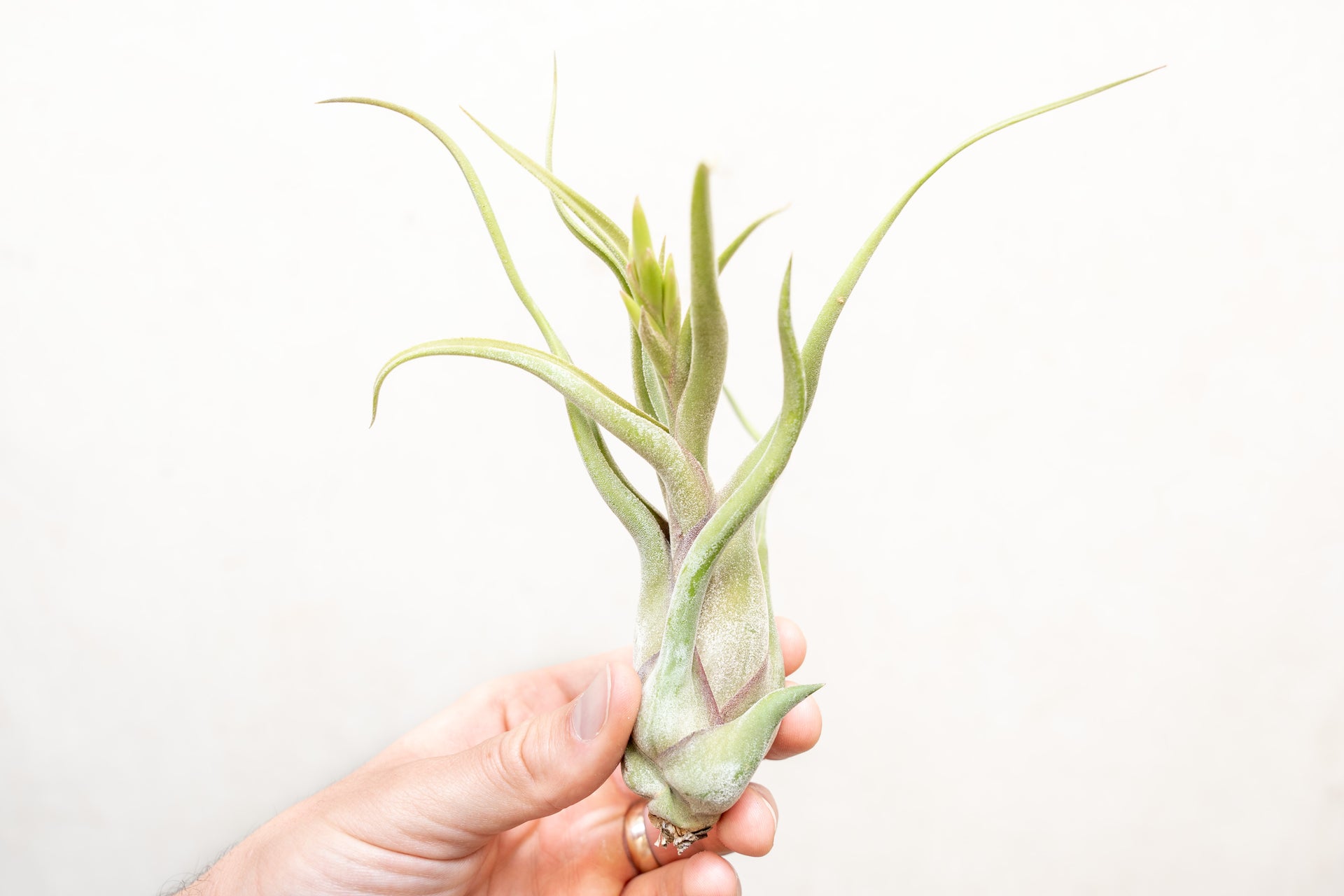
Famous for its thick, fuzzy leaves that curl tightly when dry and open when hydrated—like natural pasta!
- Classification: Xeric
- Size: 6-12 inches
- Care: Bright light, sparse watering
- Bloom: Pink paddle-like inflorescence
- Display ideas: Geometric holders
- Difficulty: Intermediate
- Pro tip: The curl intensity indicates hydration level.
![Tillandsia Streptophylla Pure Air Plants - Collector's Variety [Single Plant] - Small](https://airplantshop.com/cdn/shop/files/Tillandsia_Air_Plant_Streptophylla_-89.jpg?v=1762814789&width=900)
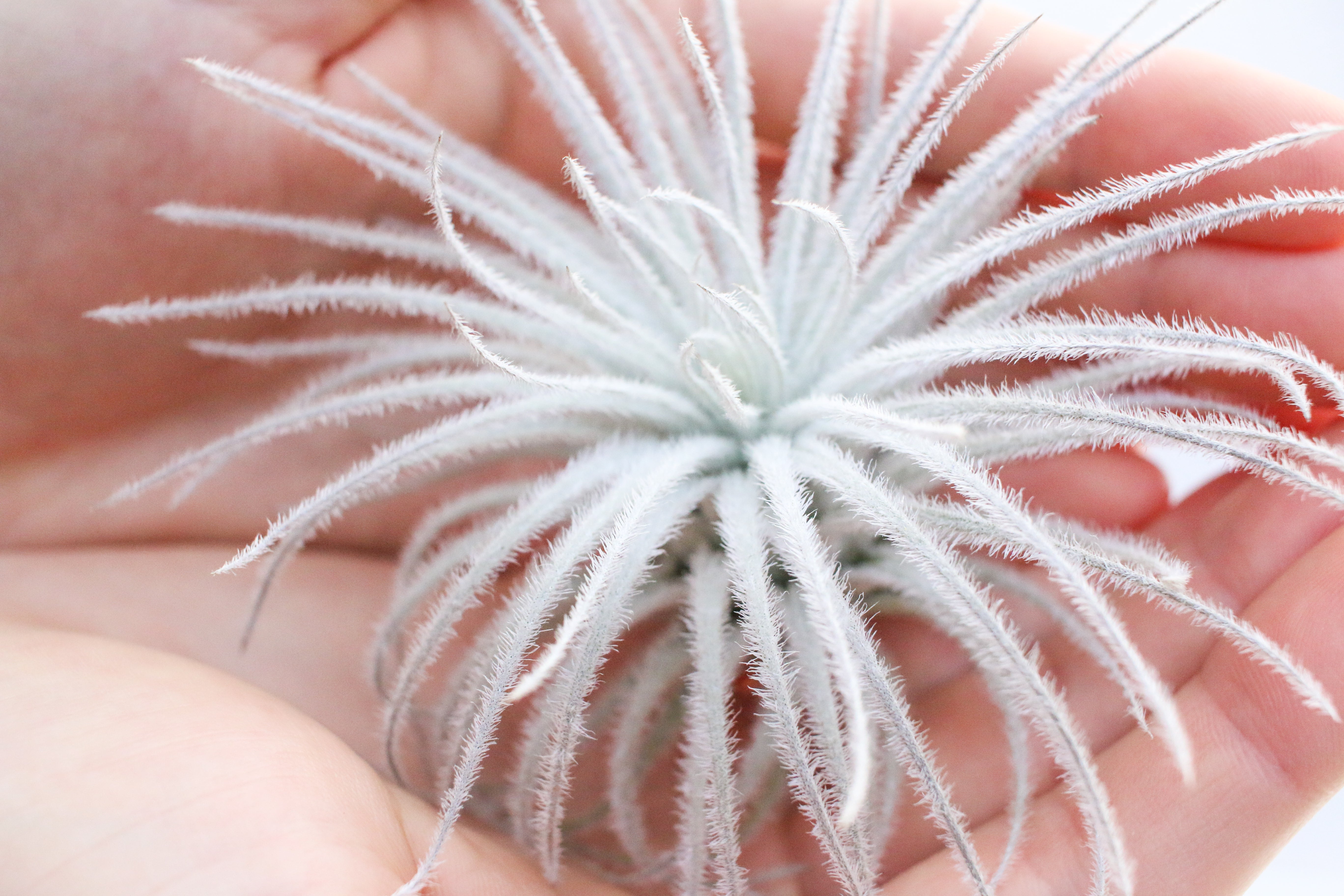
6. Tillandsia tectorum – Fuzzy Snowball Appearance ❄️
Covered in dense white trichomes giving a fluffy, snowball look—this xeric Peruvian native reflects intense light.
- Classification: Xeric
- Size: 4-8 inches
- Care: Very bright light, mist only (no soaking)
- Bloom: Purple flowers on tall spike
- Display ideas: Desert-style arrangements
- Difficulty: Intermediate
- Pro tip: Overwatering dissolves trichomes—keep dry!
7. Tillandsia maxima – Vibrant Coral Blooms
Large mesic rosettes with graceful leaves that blush before producing showy coral bracts.
- Classification: Mesic
- Size: 8-14 inches
- Care: Bright filtered light, weekly soaking
- Bloom: Spectacular coral-pink
- Display ideas: Wall pockets
- Difficulty: Beginner
(Note: Images show similar vibrant blooming traits in related varieties.)
8. Tillandsia brachycaulos – Blushes Deep Red in Sun
Broad green leaves turn brilliant red when “stressed” by bright light—stunning contrast.
- Classification: Mesic
- Size: 6-10 inches
- Care: High light encourages blush
- Bloom: Red bracts, blue flowers
- Display ideas: Mixed color compositions
- Difficulty: Beginner

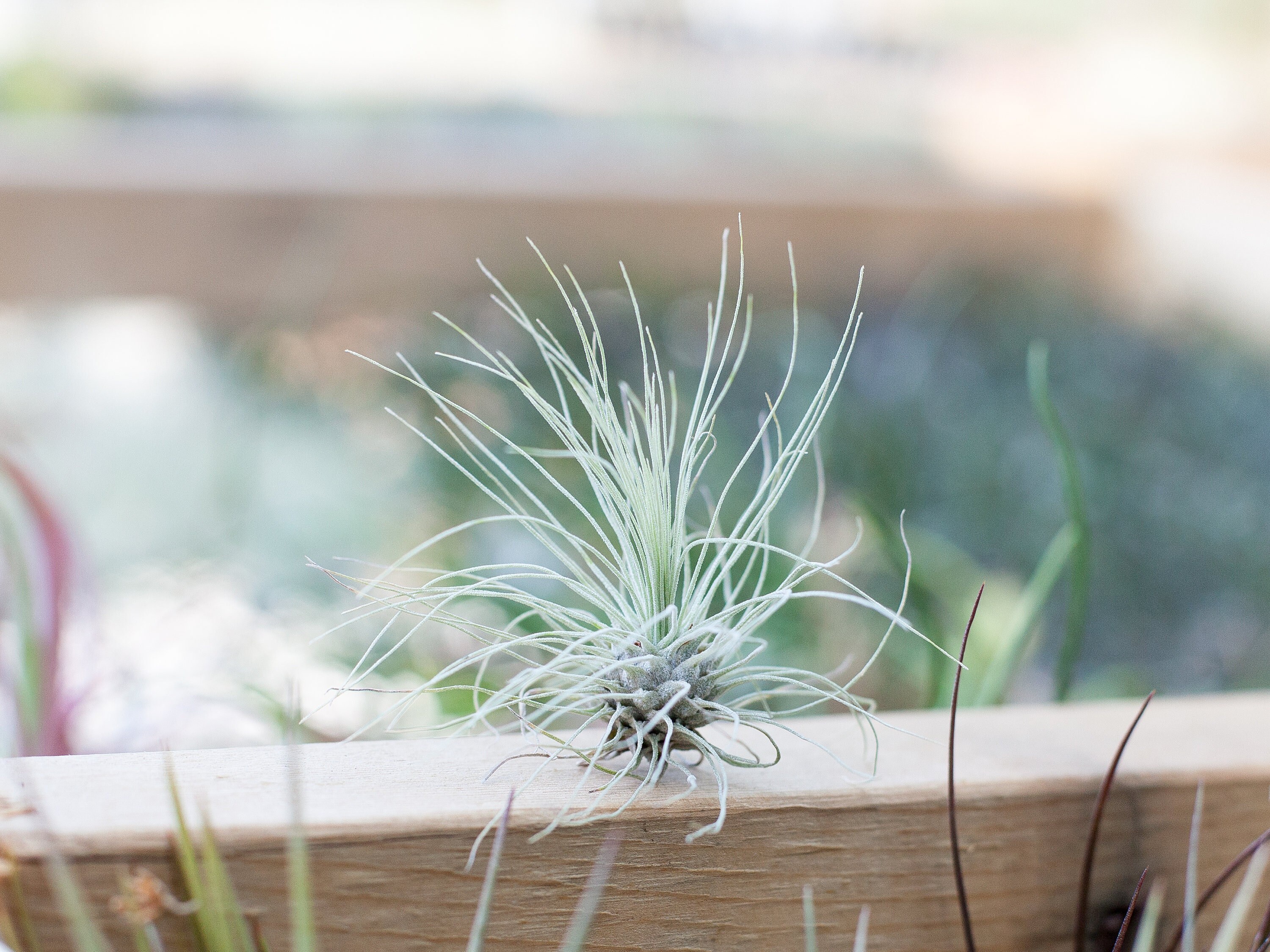
Delicate, thread-like leaves form fluffy balls—adorable and clustering.
- Classification: Mesic
- Size: 2-4 inches
- Care: Indirect light, frequent misting
- Bloom: Pink spikes
- Display ideas: Mini terrariums
- Difficulty: Beginner
10. Tillandsia aeranthos – Prolific Purple Blooms
Upright spiky form with reliable, vibrant purple flowers—one of the best bloomers.
- Classification: Mesic
- Size: 4-8 inches
- Care: Bright light for flowering
- Bloom: Deep purple
- Display ideas: Vertical gardens
- Difficulty: Beginner
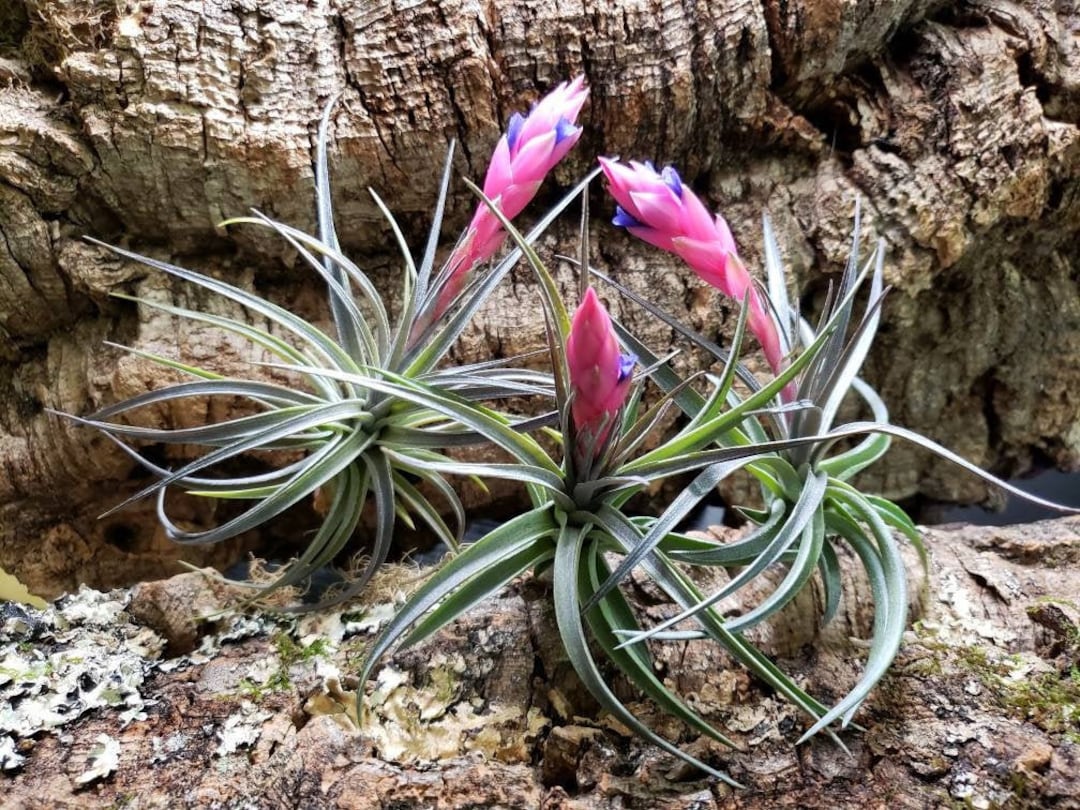
11. Tillandsia stricta – Spiky, Hardy Variety
Stiff, pointed leaves in dense rosettes—very tough and adaptable.
- Classification: Mesic
- Size: 4-8 inches
- Care: Versatile lighting
- Bloom: Purple on pink spike
- Difficulty: Beginner
12. Tillandsia gardneri – Large, Graceful Leaves
Soft, arching gray-green foliage—elegant and understated.
- Classification: Xeric
- Size: 10-16 inches
- Care: Moderate light
- Difficulty: Beginner
13. Tillandsia harrisii – Silvery Velvet Texture
Tall, cylindrical form with heavy silver trichomes.
- Classification: Xeric
- Size: 6-12 inches
- Care: Bright, dry conditions
- Difficulty: Intermediate
14. Tillandsia kolbii – Tiny, Clustering Cutie
Miniature clusters perfect for small spaces.
- Classification: Mesic
- Size: 1-3 inches
- Care: High humidity
- Difficulty: Beginner
15. Tillandsia usneoides (Spanish Moss) – Classic Hanging Drapes
Long, trailing strands—no rosette, just cascading gray-green curtains.
- Classification: Mesic/Xeric hybrid
- Size: Feet long
- Care: Good circulation, frequent misting
- Display ideas: Chandelier-style hanging
- Difficulty: Beginner
16. Tillandsia butzii – Quirky Spotted Pseudobulbs
Bulbous base with spotted, twisting leaves.
- Classification: Mesic
- Size: 6-10 inches
- Care: Avoid standing water in bulb
- Difficulty: Intermediate
17. Tillandsia caput-medusae – Medusa Head Shape 🐙
Snake-like twisted leaves from bulbous base—iconic and dramatic.
- Classification: Mesic
- Size: 6-12 inches
- Care: Good airflow
- Bloom: Red and purple
- Display ideas: Suspended for “tentacles”
- Difficulty: Beginner
General Care Guide for All Tillandsia Varieties 🌧️☀️
Light Requirements
Most Tillandsia prefer bright, indirect light—east or west windows are ideal. Xeric types handle direct sun; mesic prefer filtered.
Watering Techniques (Soak vs. Mist vs. Dunk)
Soak xeric varieties every 2 weeks for 20-30 minutes; mesic weekly. Always shake excess water and dry upside down to prevent rot.
Air Circulation & Temperature
Excellent airflow is crucial—stagnant air invites rot. Ideal temps: 50-90°F.
Fertilizing Tips
Use bromeliad or air plant fertilizer monthly at 1/4 strength during growing season.
Common Problems & Solutions
- Rot: Improve drying/circulation
- Dehydration: Crispy tips—increase watering
- Pests: Rinse mealybugs or scale
Creative Display and Decor Ideas 💡
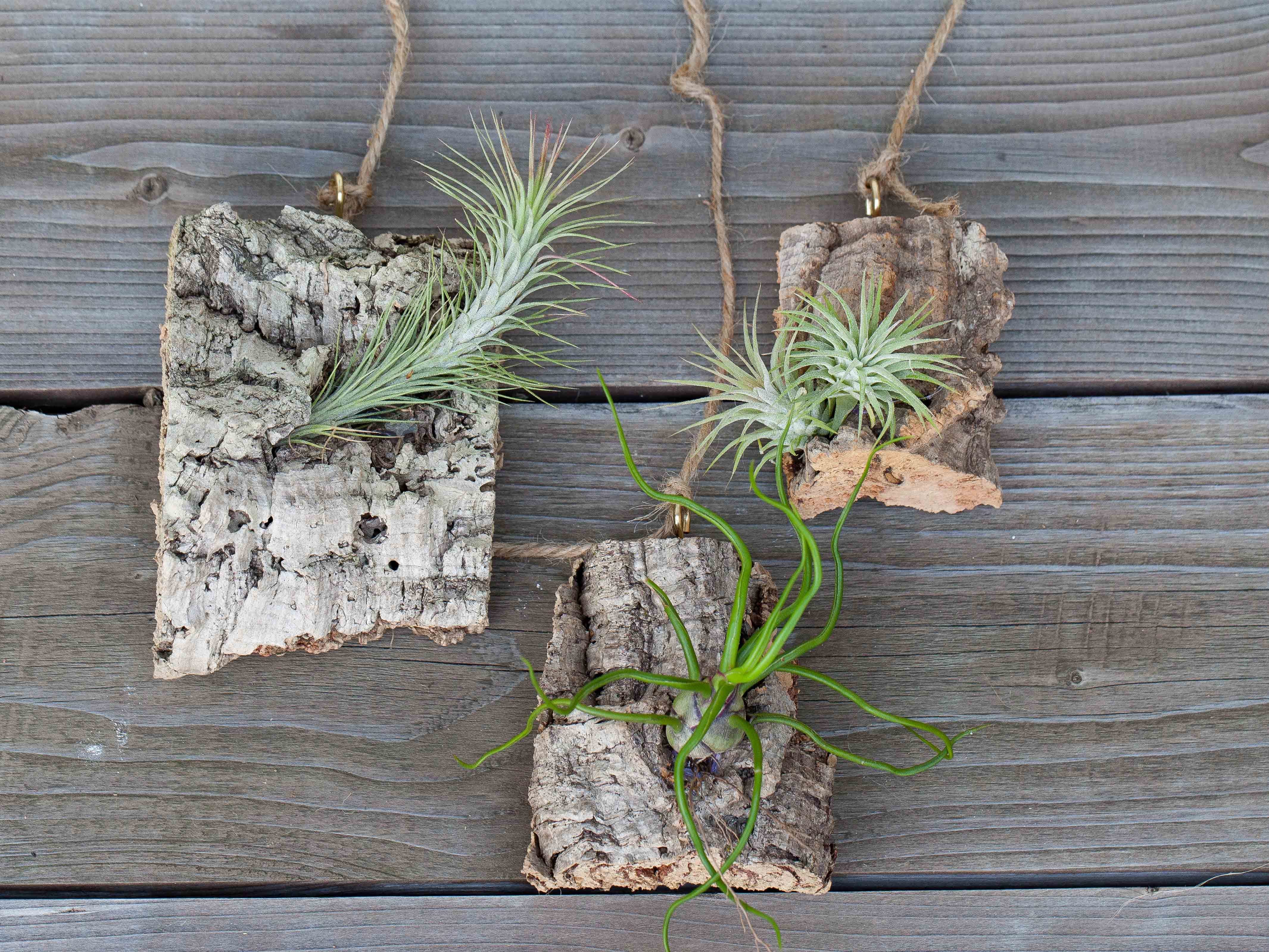
Air plants shine in creative mounts—no pots needed!
Where to Buy Quality Tillandsia (2025 Recommendations) 🛒
Top sources: Air Plant Shop, Air Plant Design Studio, Etsy verified sellers. Look for plump bases, vibrant color, no black spots.
Expert Tips from a Tillandsia Collector 🏆
- Bloom encouragement: Bright light and fertilizer
- Propagation: Separate pups at 1/3 parent size
- Budget collections: Start with ionantha clumps
Frequently Asked Questions (FAQ) ❓
How often should I water my air plants? 1-2 times weekly misting + occasional soak, depending on type and humidity.
Can air plants live outdoors? Yes, in frost-free zones with filtered light.
Why is my Tillandsia turning brown? Likely rot or dehydration—check base.
Do air plants purify the air? Yes, they absorb VOCs effectively.
How long do Tillandsia live? 2-5 years, but pups continue the cycle.
Are air plants pet-safe? Non-toxic, but keep from chewing.
Conclusion 🌿
These 17 Tillandsia air plant varieties represent the best balance of beauty, resilience, and joy for any home. Start with beginner favorites like ionantha, xerographica, and bulbosa—you’ll be hooked! Share your air plant adventures in the comments below. Happy growing! ✨











