
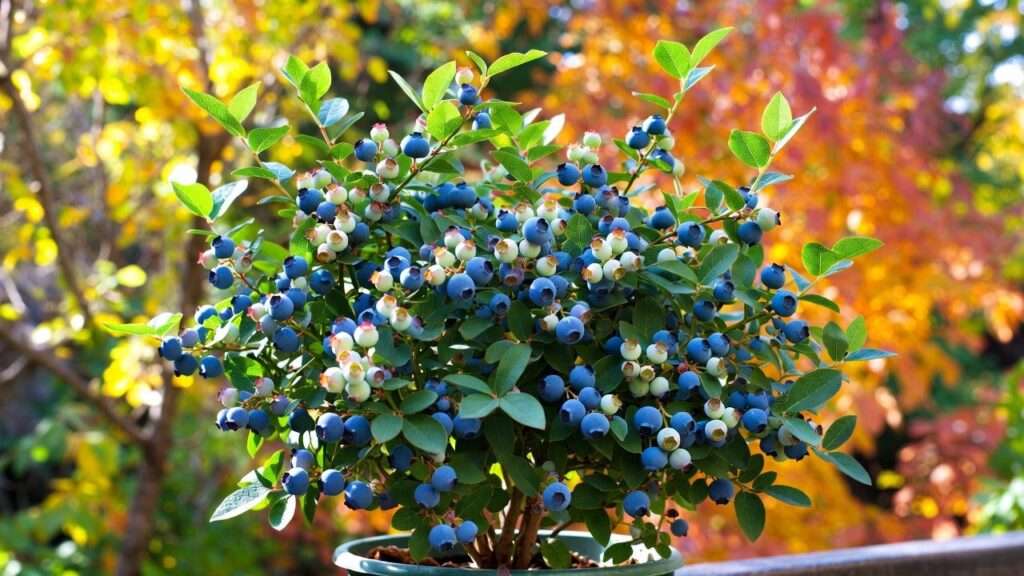
Imagine stepping out onto your tiny balcony, patio, or even a sunny windowsill, and plucking handfuls of sweet, juicy blueberries straight from a neat little bush—no vast garden needed! For urban dwellers, apartment gardeners, or anyone with limited space dreaming of fresh, homegrown superfruit, the Top Hat blueberry plant is a game-changer. This dwarf variety packs all the flavor of wild blueberries into a compact, ornamental package that’s perfect for container growing. In this ultimate guide, we’ll dive deep into everything you need to know to grow thriving Top Hat blueberries, from selection and planting to care, harvesting, and troubleshooting. Whether you’re a beginner or seasoned plant enthusiast, you’ll discover how this hardy hybrid can deliver bountiful harvests right where you live. 🏡🍇
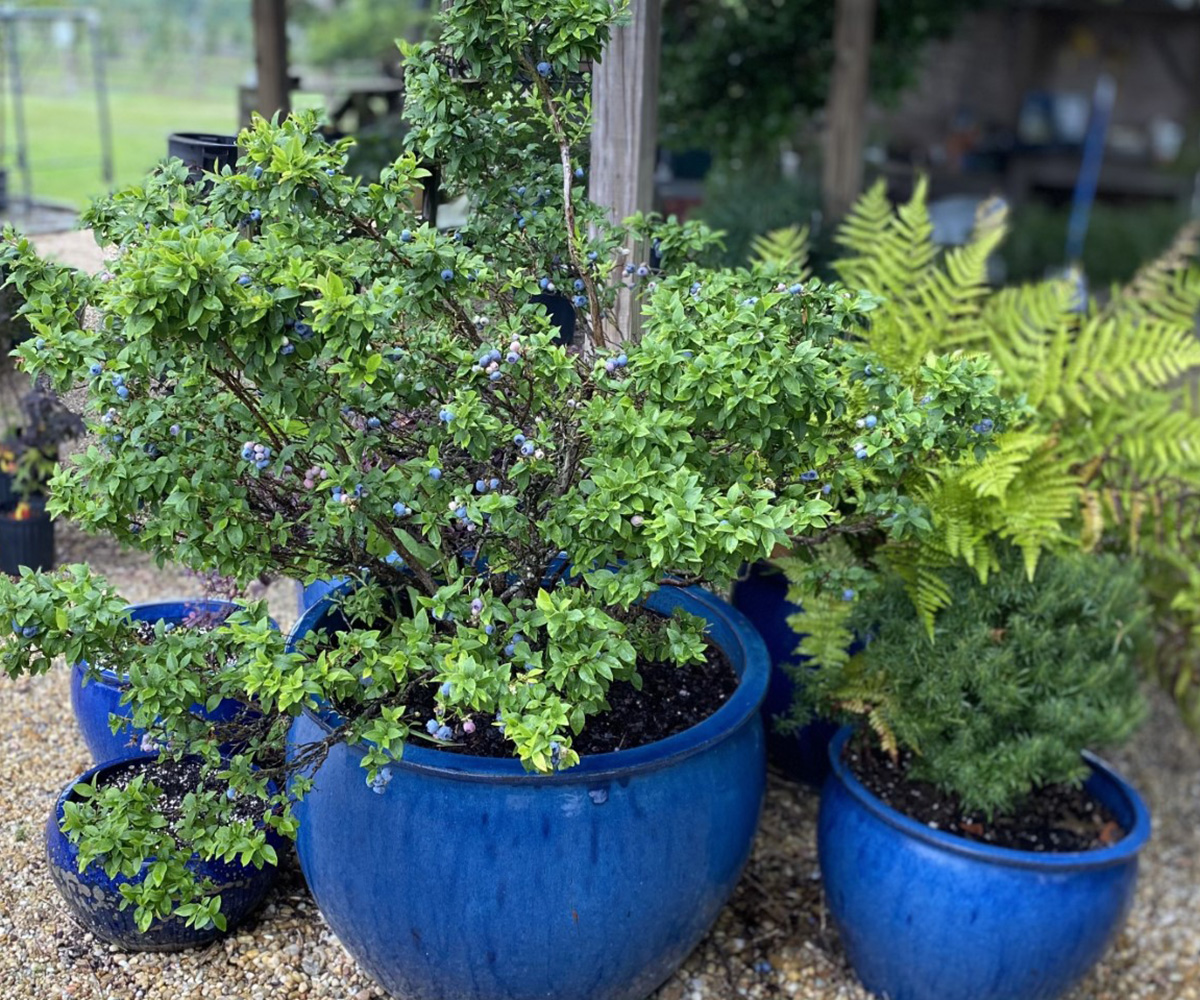
What is the Top Hat Blueberry Plant? A Closer Look at This Dwarf Gem 🔍🫐
The Top Hat blueberry (Vaccinium ‘Top Hat’) is a charming dwarf hybrid that’s specially bred for small-space gardening. Developed in the 1980s at Michigan State University through careful crosses between lowbush (Vaccinium angustifolium) and highbush (Vaccinium corymbosum) varieties, it combines the compact growth of wild lowbush blueberries with the larger, more flavorful fruit of highbush types. This intentional breeding makes Top Hat one of the most versatile blueberries available today—ideal for pots, borders, or even bonsai-style cultivation.
Origins and Unique Hybrid Background 📜
Top Hat traces its roots to pioneering work at Michigan State University, where breeders aimed to create a blueberry suited for container and ornamental use. Released in the late 1980s, it’s a half-high (or half-low) hybrid that captures the intense wild flavor of lowbush berries while offering easier management than full-sized bushes. Unlike traditional blueberries that can sprawl to 6-12 feet, Top Hat stays naturally mounded and petite, making it a favorite among modern gardeners.
Key Characteristics and Growth Habits 📏
- Size: Mature plants reach just 18-24 inches tall and wide, forming a perfect spherical shape—like a living top hat! This compact habit makes it excellent for tight spaces.
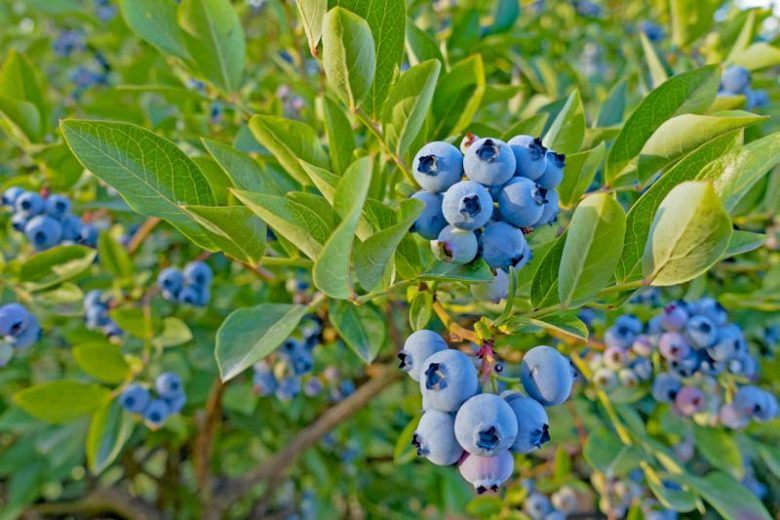
- Fruit: Produces pea-sized to medium dusky blue berries with a firm texture and that signature tangy-sweet, wild blueberry taste—far superior to many store-bought options.
- Bloom and Foliage: In late spring, it’s covered in delicate white, bell-shaped flowers that attract pollinators. Summer brings glossy green leaves, and fall delivers stunning bronze-orange-red foliage for multi-season interest.
- Hardiness: Exceptionally cold-tolerant, rated for USDA Zones 3-8 (down to -40°F/-40°C), with a need for 800-1,000+ chill hours to set fruit properly.
Why Choose Top Hat Over Other Blueberry Varieties? ⚖️
While full-sized highbush varieties like ‘Bluecrop’ or ‘Duke’ demand large gardens, and even other dwarfs like ‘Northsky’ may spread wider, Top Hat stands out for its ultra-compact form, minimal pruning needs, and dual role as edible and ornamental. It’s self-fertile (more on that later), produces reliably in pots, and even thrives as a bonsai subject—something few blueberries can claim. For small-space growers, it’s simply unmatched in convenience and charm.
Ideal Growing Conditions for Top Hat Blueberry Plants ☀️💧
Blueberries aren’t fussy once their basic needs are met, and Top Hat is no exception. The key to success lies in replicating their native acidic, woodland-like environment—even in a pot.
Sunlight Requirements 🌞
Top Hat thrives in full sun (at least 6-8 hours daily) for optimal fruit production and vibrant fall color. It tolerates partial shade, but expect fewer berries and lighter yields. On hot patios, afternoon shade can prevent leaf scorch in warmer zones.
Soil Preferences: The Key to Success 🪴
Acid-loving ericaceous plants like blueberries demand a soil pH of 4.5-5.5—far lower than most garden soils. In containers, this is easy to control. Use a specialized acidic potting mix, or create your own with 50% peat moss or coco coir, 30% pine bark fines, and 20% perlite for drainage. Avoid regular potting soil, which is often too alkaline and leads to nutrient lockout (yellowing leaves).
Test pH regularly with a simple kit; if it creeps above 5.5, amend with elemental sulfur or use acidic fertilizers.
Temperature and Hardiness Zones ❄️🔥
As a northern hybrid, Top Hat excels in cooler climates and requires 800-1,000 chill hours (hours below 45°F/7°C in winter) for proper budding. It’s hardy from Zone 3 to 8, surviving brutal winters but appreciating mulch or shelter in pots.
Pollination: Self-Fertile but Better with Friends 🐝
Top Hat is self-fertile, meaning a single plant can produce fruit without a partner. However, cross-pollination with another blueberry (even a different dwarf like ‘Northsky’ or ‘Polaris’) dramatically boosts berry size, quantity, and overall yield—often doubling your harvest. Bees love the flowers, so place pots outdoors during bloom for natural help.
Step-by-Step Planting Guide for Containers and Small Spaces 🏡
Container growing is where Top Hat truly shines. Follow these steps for a strong start.
Choosing the Right Container 🍯
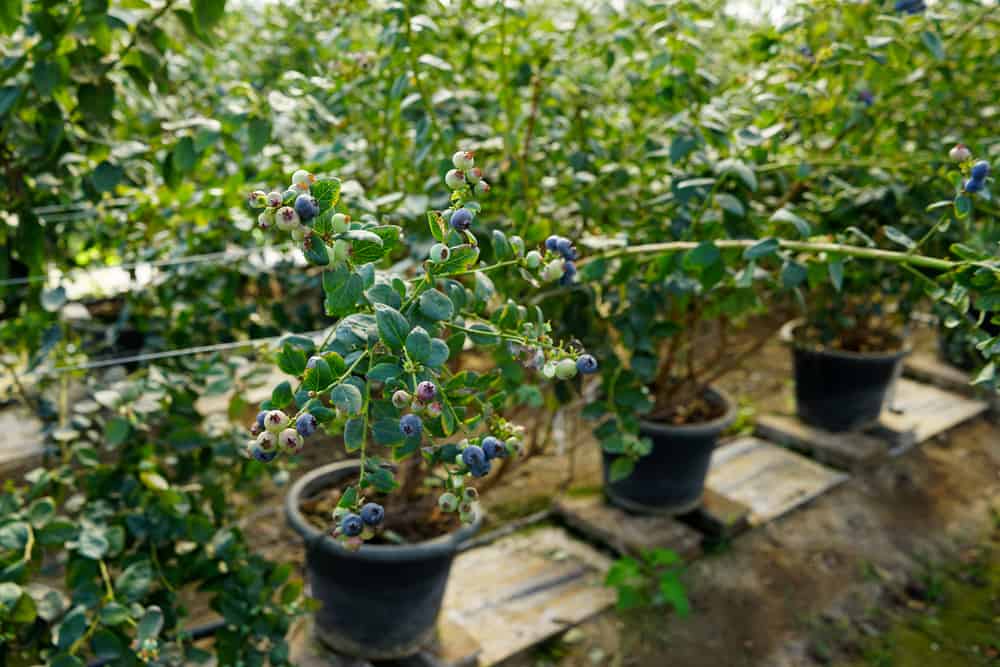
Start with a 12-18 inch diameter pot (at least 10-15 gallons for maturity); larger is better for root stability and moisture retention. Ensure multiple drainage holes to prevent root rot. Materials like terracotta, plastic, or glazed ceramic work well—avoid dark colors in hot climates to keep roots cool.
Best Potting Mix Recipe 🧪
For superior results:
- 40-50% sphagnum peat moss or coco coir (for acidity and moisture retention)
- 30% fine pine bark mulch (mimics forest floor, improves drainage)
- 20% perlite or pumice (for aeration)
Pre-moisten the mix, and consider adding slow-release acidic fertilizer at planting.
Planting Instructions: From Nursery Pot to Harvest-Ready 🌱
- Fill the pot halfway with mix.
- Remove the plant from its nursery container, gently loosen roots.
- Plant at the same depth as before—crown slightly above soil line.
- Fill around roots, firm gently, and water deeply.
- Top with 1-2 inches of pine needle or bark mulch to retain moisture and suppress weeds.
Plant in spring after frost danger passes, or fall in mild climates.
Essential Care Tips for Thriving Top Hat Plants 💦✂️
With the right ongoing care, your Top Hat blueberry plant will reward you with healthy growth, beautiful foliage, and generous crops year after year. This dwarf variety is remarkably low-maintenance compared to larger blueberries, but attention to a few key areas makes all the difference.
Watering Schedule: Keeping Roots Happy 🚰
Blueberries have shallow, fibrous roots that dislike drying out or sitting in water. Aim for consistently moist soil—think of a wrung-out sponge.
- In spring and summer, water deeply 1-2 times per week, or more during hot spells (daily if temperatures exceed 85°F/29°C).
- Use rainwater or distilled water when possible; tap water can raise pH over time.
- Check the top 2 inches of soil—if dry, water thoroughly until it drains from the bottom.
- In fall and winter, reduce to every 10-14 days, allowing slight drying between waterings.
Pro tip from years of container gardening: Install a saucer under the pot but empty it after 30 minutes to prevent soggy roots. Mulching with pine needles helps retain moisture and slowly acidifies the soil. 🌲
Fertilizing for Bountiful Berries 🌿
Top Hat performs best with light, targeted feeding—overdoing it leads to lush leaves but few fruits.
- Fertilize in early spring as new growth emerges, then again after harvest (mid-summer).
- Choose an acid-loving plant fertilizer (e.g., formulations for azaleas, rhododendrons, or holly—look for ammonium sulfate or sulfur-based).
- Organic options: Cottonseed meal, blood meal, or specialized blueberry fertilizers like Espoma Holly-Tone.
- Apply half the recommended rate for containers to avoid burn.
Avoid high-nitrogen lawn fertilizers—they’ll make the soil too alkaline. Monitor leaves: Dark green and vigorous means you’re on track!
Pruning and Maintenance: Low-Effort Beauty ✂️
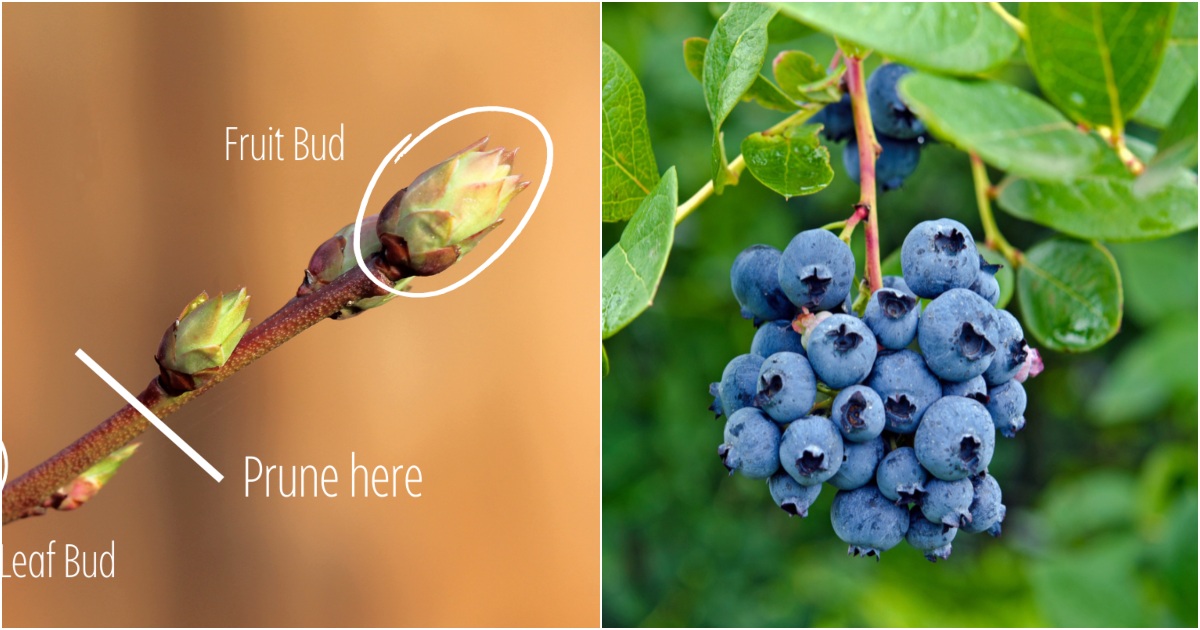
One of Top Hat’s biggest appeals is minimal pruning—perfect for busy gardeners.
- Prune in late winter or early spring while dormant.
- Remove any dead, damaged, or crossing branches.
- Thin out older stems (over 4-5 years old) to encourage new fruiting wood.
- For bonsai styling, lightly shape after flowering—Top Hat responds beautifully to clipping.
Mature plants rarely need heavy cuts; a quick annual tidy keeps the compact, rounded form intact.
Overwintering in Pots ❄️
Despite its Zone 3 hardiness, container roots are more exposed than in-ground plants.
- In Zones 3-5: Move pots to an unheated garage or bury in the ground/mulch pile.
- Wrap pots in burlap or bubble wrap for insulation.
- Water sparingly during dormancy; mulch heavily with straw or leaves.
- In milder zones, a sheltered spot against the house works fine.
Plants bounce back vigorously in spring—I’ve seen Top Hats survive -30°F with proper protection.
Harvesting and Enjoying Your Top Hat Blueberries 🍴🫐
The payoff! Nothing beats picking sun-warmed berries straight from your patio.
When and How to Harvest 👋
- Berries ripen mid-to-late summer (typically July-August, depending on your climate).
- Wait until they’re fully blue with a dusty bloom—taste one for peak sweetness (they don’t ripen further off the bush).
- Gently roll berries between thumb and forefinger; ripe ones detach easily.
- Harvest every few days for the best flavor and to encourage more production.
A single mature Top Hat can yield 3-8 pounds annually—impressive for its size!
Expected Yield and Flavor Profile 📊
Expect light crops in year 2-3, peaking by year 4-5. The small-to-medium berries burst with intense, wild blueberry tang—sweeter and more complex than many supermarket varieties. Perfect for fresh snacking, smoothies, or baking.
Storage and Uses: From Fresh Eating to Preserves 🥧
- Refrigerate unwashed berries up to 10-14 days in a breathable container.
- Freeze on trays then bag for up to a year—ideal for winter muffins or yogurt.
- Try jams, syrups, or dehydrating for healthy snacks.

Common Problems and Solutions: Troubleshooting Like a Pro 🛠️
Even easy-care Top Hat can face occasional issues—here’s how to spot and fix them fast.
Pests and Diseases 🐛
Fortunately rare, but watch for:
- Birds: Net plants during ripening (bird netting is inexpensive and effective).
- Aphids or scale: Hose off or use insecticidal soap.
- Powdery mildew: Improve air circulation; apply organic fungicide if needed.
- Mummy berry: Remove fallen fruit promptly.
Healthy, well-spaced plants resist most problems naturally.
Nutrient Deficiencies and Yellow Leaves 🍂
Chlorosis (yellowing between veins) signals high pH or iron deficiency.
- Test soil pH annually.
- Lower with soil sulfur, vinegar rinses (temporary), or acidic fertilizer.
- Chelated iron sprays provide quick relief.
Overwatering/Root Rot Warning ⚠️
Symptoms: Wilting despite wet soil, mushy roots.
- Ensure excellent drainage.
- Repot with fresh mix if rot sets in—cut away affected roots.
Expert Tips to Prevent Issues 🔑
- Annual pH check (kits cost under $10).
- Organic pine bark mulch for acidity and pest deterrence.
- Companion plant with herbs like thyme to repel insects.
Advanced Tips: Maximizing Yield in Tiny Spaces 🚀
Take your Top Hat game to the next level:
- Plant 2-3 in a large decorative container for cross-pollination and bigger berries.
- Train as bonsai for stunning edible art—use wire gently on young stems.
- Extend the season with succession planting or combining with early/late varieties.
- In very small spaces, grow vertically on trellises or espalier against walls.
- Hydroponic setups work surprisingly well for acid-loving dwarfs—pH control is easier.
Frequently Asked Questions (FAQs) ❓🫐
How long until Top Hat blueberries fruit? Light crops often appear in year 2, with full production (3+ pounds) by years 4-5. Patience pays off!
Can I grow Top Hat indoors? Yes, with 8+ hours of bright grow lights and hand-pollination (use a paintbrush). Outdoors is ideal for best yields.
Is Top Hat truly self-fertile? Absolutely—single plants fruit well. But adding a companion like ‘Northsky’ or ‘Polaris’ can increase harvest by 50-100%.
Best companions for bigger berries? Other half-high dwarfs: Northblue, Northcountry, or Polaris. All compact and compatible.
How to acidify soil naturally? Top-dress with pine needles, used coffee grounds, or oak leaves. Elemental sulfur offers longer-term correction.
Will Top Hat survive in hot climates (Zone 8)? Yes, with afternoon shade, extra mulch, and consistent moisture. It handles heat better than many blueberries.
Conclusion: Start Your Compact Blueberry Adventure Today! 🌿✨
The Top Hat blueberry plant truly democratizes home fruit growing—delivering wild-flavored superberries from balconies, patios, or tiny yards. Its dwarf size, ornamental appeal, cold hardiness, and easy container care make it the perfect choice for modern gardeners craving fresh, organic produce without the space commitment.
Armed with this comprehensive guide—from acidic soil secrets to overwintering hacks—you’re ready to succeed where others struggle. Plant your Top Hat today, nurture it through the seasons, and soon you’ll be enjoying handfuls of antioxidant-rich berries grown with your own hands. Small space, big rewards! 🫐💚
Happy gardening, and may your harvests be bountiful!











