
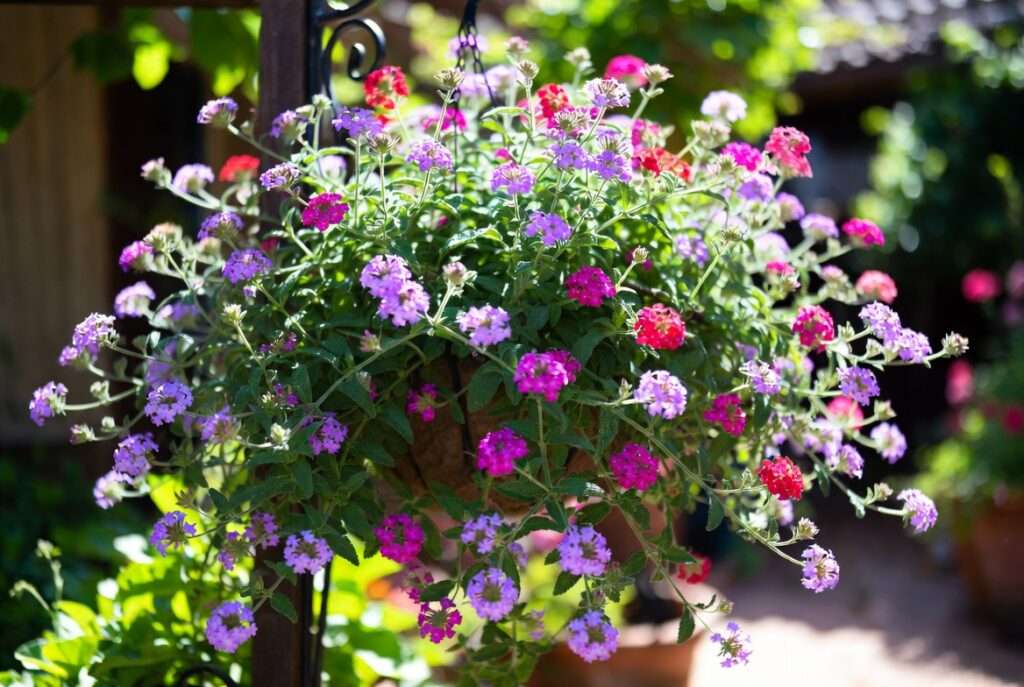
Imagine stepping onto your patio on a warm summer morning and being greeted by cascading waves of vibrant purple, pink, and red blooms tumbling gracefully from hanging baskets and window boxes. These cheerful flowers attract butterflies and hummingbirds while adding instant charm to any garden space. If you’ve struggled with leggy growth, disappointing blooms, or mysterious powdery mildew on your plants, you’re not alone. Trailing verbena plants are beloved for their cascading habit and nonstop color, but many gardeners face challenges keeping them thriving.
As a horticulturist with over 15 years of experience growing and designing with verbena hybrids in diverse climates, I’ve refined the techniques that deliver spectacular results season after season. This comprehensive guide covers everything you need to know about trailing verbena care — from selecting the right varieties to troubleshooting common issues — so you can enjoy lush, flower-filled displays all summer long. Whether you’re a beginner with your first hanging basket or an experienced gardener looking to elevate your container designs, you’ll find practical, proven advice here. Let’s dive in and transform your space with these resilient beauties! 🦋
What Are Trailing Verbena Plants? Understanding the Basics 🪴
Trailing verbena plants, primarily hybrids derived from Verbena x hybrida and Verbena canadensis, are tender perennials grown as annuals in most regions. They feature long, flexible stems that spill elegantly over edges, making them ideal for hanging baskets, window boxes, tall containers, and ground cover on slopes. Unlike upright verbenas that reach several feet tall, trailing types stay low (typically 6–12 inches high) but spread 18–36 inches or more, creating dense carpets of color.
These plants produce clusters of small, five-petaled flowers in shades of purple, pink, red, white, and bicolors. Modern breeding has created more heat-tolerant, disease-resistant varieties that bloom profusely from late spring until the first hard frost. Their nectar-rich blooms are a magnet for pollinators, supporting local ecosystems while delivering weeks of visual delight.
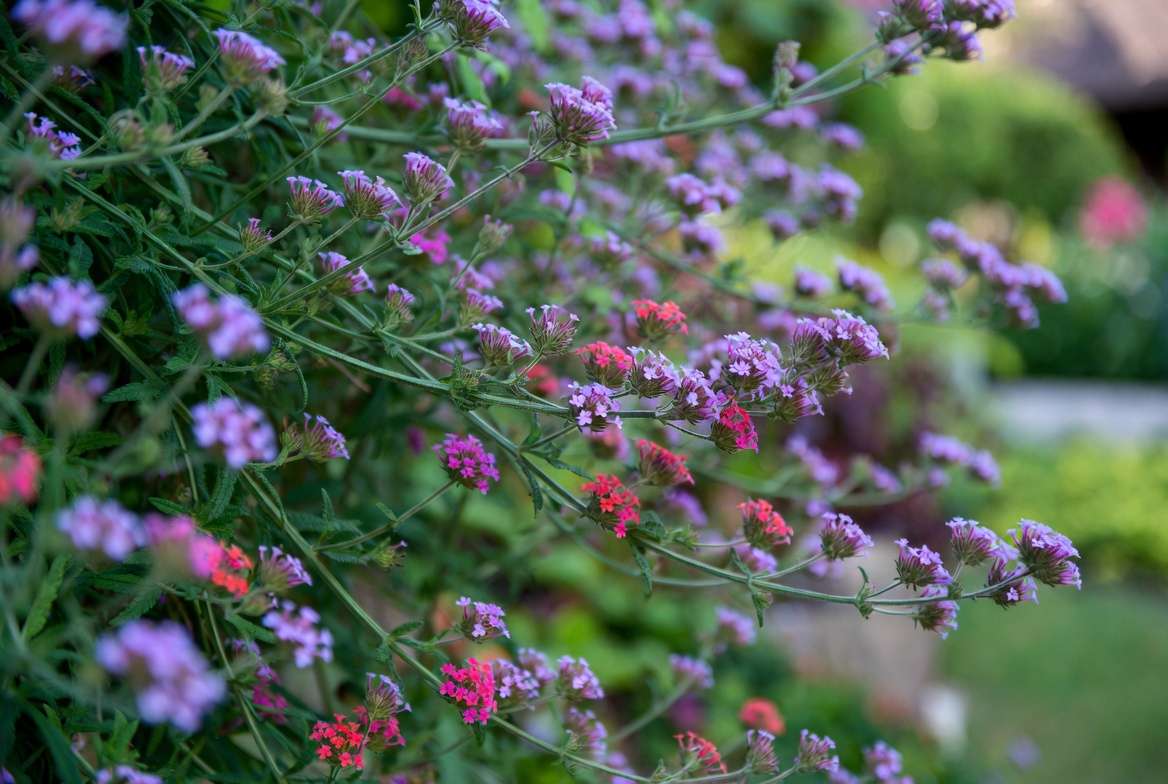
Popular Trailing Verbena Varieties Here’s a quick comparison of top performers:
- Superbena Series (e.g., Superbena Red, Royal Plum Wine): Vigorous spreaders (up to 3 feet), excellent mildew resistance, and nonstop blooming even in intense heat. Perfect for large baskets.
- Lanai Series: Compact yet cascading, with bold bicolor patterns and strong branching. Great for mixed containers.
- Tapien Series: Fine-textured foliage, early flowering, and good for ground cover or smaller spaces.
- Homestead Purple: A classic with deep violet blooms, exceptional drought tolerance, and reliable performance in southern gardens.
Choosing the right cultivar for your climate and container size is the first step to success. Newer series like Superbena outperform older seed-grown types in humidity and disease resistance, which is why I recommend them for beginners.
Trailing verbena plants solve common gardening needs: they provide quick coverage, require less deadheading than many annuals, and thrive in poor soils where other flowers struggle. Their versatility makes them a staple in professional landscape designs. 🌺
Ideal Growing Conditions for Thriving Trailing Verbena 🌞
Success with trailing verbena starts with replicating their preferred environment. These plants are sun lovers that reward generous light with abundant flowers.
Sunlight Requirements Provide at least 6–8 hours of direct sunlight daily. Full sun promotes compact growth, intense color, and prolific blooming. In too much shade, stems become leggy, foliage thins, and flowering diminishes significantly. In hot climates, afternoon shade can prevent stress, but morning sun is non-negotiable.
Soil Preferences and Preparation Well-draining soil is critical — trailing verbena hates “wet feet.” Aim for a slightly acidic to neutral pH (6.0–7.0). In garden beds, amend heavy clay with coarse sand, perlite, or gravel to improve drainage. Sandy soils benefit from compost to retain some moisture without becoming soggy.
For containers and hanging baskets, use a high-quality, lightweight potting mix blended with perlite or pumice (about 20–30% for extra drainage). Avoid standard garden soil, which compacts and retains too much water.
Climate and USDA Hardiness Zones Trailing verbena performs best in USDA zones 7–11 as perennials but is commonly grown as an annual everywhere. They tolerate heat and humidity well once established but are sensitive to frost. In cooler zones, plant after the last spring frost when soil temperatures reach 60°F (16°C).
These plants are relatively drought-tolerant, making them excellent choices for water-wise gardens and xeriscaping. However, consistent care during establishment pays dividends in bloom density.
How to Plant Trailing Verbena Plants Successfully 🌱
Proper planting sets the foundation for healthy root systems and vigorous growth.
Best Planting Time Wait until all danger of frost has passed and nights stay above 50°F (10°C). In most regions, this means mid-to-late spring.
Starting from Seeds vs. Transplants Transplants from nurseries offer the fastest results and are ideal for beginners. Seeds can be started indoors 8–10 weeks before the last frost, but they need light to germinate (surface sow, do not cover). Germination takes 7–14 days at 70–75°F.
Step-by-Step Planting Guide
- Prepare the site or container with appropriate soil mix.
- Gently remove the plant from its nursery pot and loosen any circling roots.
- Plant at the same depth as the root ball — never bury the crown.
- Space plants 12–18 inches apart for good airflow and spread. In baskets, use 3–5 plants per 12-inch container.
- Water thoroughly after planting to settle soil and eliminate air pockets.
- Add a thin layer of mulch, keeping it away from stems to prevent rot.
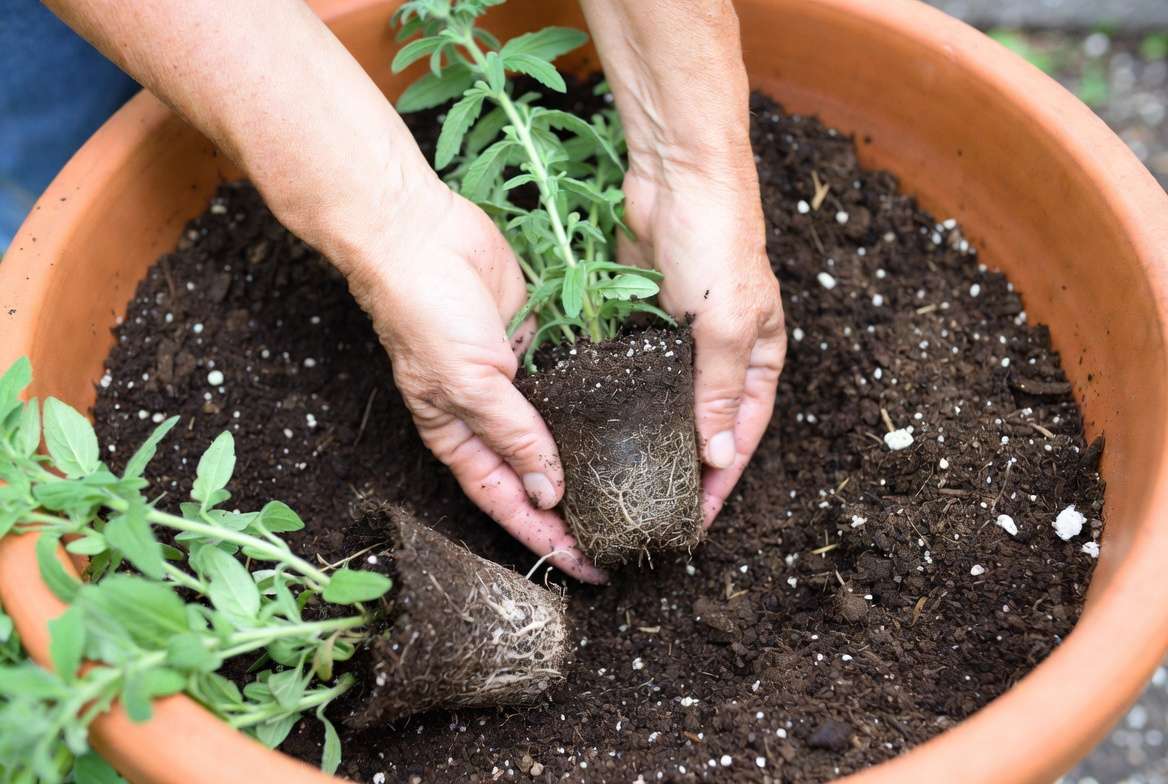
For hanging baskets, position plants near the edges so stems can cascade naturally. Combine with upright plants like geraniums or petunias for stunning “thriller-filler-spiller” designs.
Companion Planting Ideas Trailing verbena pairs beautifully with calibrachoa, bacopa, sweet potato vine, and angelonia. These combinations create balanced, pollinator-friendly displays while sharing similar sun and water needs.
Essential Care Guide for Trailing Verbena Plants 🌿
Consistent, thoughtful care keeps trailing verbena looking their best all season.
Watering Best Practices 💧 Water regularly during the first 2–3 weeks to establish roots, keeping soil lightly moist. Once established, allow the top 1–2 inches of soil to dry out between waterings. Overwatering is the #1 cause of failure, leading to root rot and fungal issues.
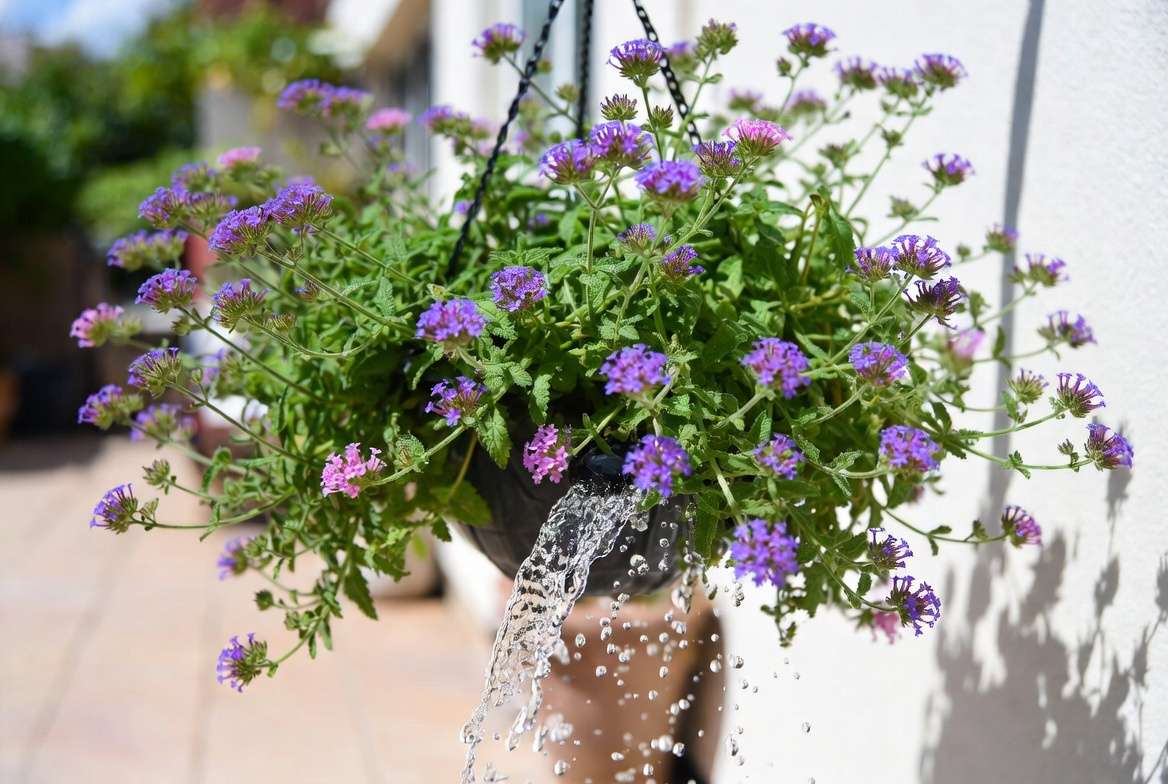
In containers and baskets, check daily during hot weather — they dry out faster. Use the finger test: if the top inch feels dry, it’s time to water deeply at the base to keep foliage dry. Early morning watering is ideal so leaves dry quickly. Mature plants are surprisingly drought-tolerant and often revive beautifully after a wilt.
Fertilizing for Maximum Blooms Trailing verbena benefits from moderate feeding. Mix a slow-release, balanced fertilizer into the soil at planting. Follow with a liquid bloom-booster (higher phosphorus) every 2–3 weeks during the growing season. Avoid high-nitrogen formulas that encourage foliage at the expense of flowers. Container plants need more frequent feeding due to nutrient leaching.
Mulching and Weed Control A 1–2 inch layer of organic mulch conserves moisture, suppresses weeds, and moderates soil temperature. Keep mulch pulled back from stems.
Pruning, Deadheading, and Maintenance Tips ✂️
Regular maintenance encourages bushier growth, prevents legginess, and extends the blooming season dramatically. Many modern trailing verbena varieties are self-cleaning, meaning spent flowers drop naturally, but a little extra effort yields even better results.
Deadheading and Shearing Techniques Pinch or snip off faded flower clusters just above a set of healthy leaves. This redirects energy into new buds rather than seed production. For a quick refresh in mid-summer when plants may slow down or look straggly, shear the entire plant back by about one-third. Water and fertilize lightly afterward — you’ll often see a vigorous new flush of growth and flowers within 10–14 days.
Overwintering Strategies In zones 9–11, trailing verbena can often survive outdoors with protection. In colder climates, bring containers indoors before the first frost. Place them in a sunny window or under grow lights, reduce watering, and trim back stems. Many gardeners treat them as annuals and start fresh each spring for the strongest performance.
Propagation Methods Take 4–6 inch stem cuttings in late summer or early fall. Remove lower leaves, dip in rooting hormone, and place in moist potting mix. Keep humid and warm until roots develop (usually 2–3 weeks). This is an economical way to expand your collection or preserve favorite varieties.
Proper pruning keeps trailing verbena plants compact, healthy, and floriferous throughout the season.
Common Problems and Solutions for Trailing Verbena Plants 🛠️
Even experienced gardeners encounter issues. Here’s a detailed troubleshooting section based on real-world observations to help you diagnose and fix problems quickly.
Pests
- Aphids and Whiteflies: These sap-sucking insects cluster on new growth. Blast them off with a strong spray of water or apply insecticidal soap or neem oil. Encourage beneficial insects like ladybugs.
- Spider Mites: Common in hot, dry conditions. Look for stippled leaves and fine webbing. Increase humidity and use neem or miticide sprays.
Diseases
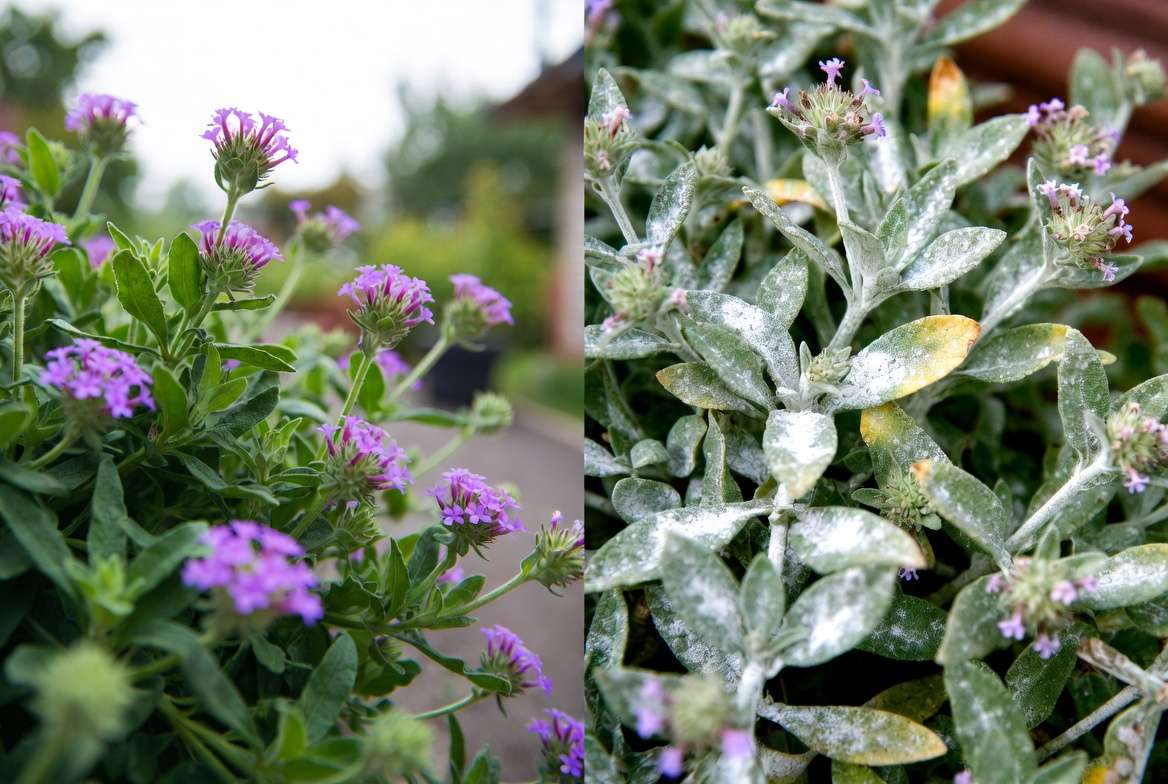
- Powdery Mildew: The most frequent issue, appearing as white powdery coating on leaves. Prevent by ensuring good air circulation, avoiding overhead watering, and spacing plants properly. Remove affected foliage promptly and apply a sulfur-based fungicide if needed. Newer resistant varieties reduce this risk significantly.
- Root Rot and Botrytis: Caused by overwatering and poor drainage. Prevention is key — always use well-draining soil and pots with holes. Improve airflow and reduce watering frequency.
Other Common Issues
- Leggy Growth and Sparse Blooms: Usually due to insufficient sunlight or over-fertilization with nitrogen. Move to a sunnier spot and prune back.
- Yellowing Leaves: Can indicate overwatering, nutrient deficiency, or temperature stress. Adjust care accordingly.
- Wilting: Often from underwatering in heat. Deep soak and mulch to retain moisture.
Proactive Prevention Tips
- Space plants adequately for airflow.
- Water at the base in the morning.
- Monitor weekly for early signs of trouble.
- Choose disease-resistant cultivars from reputable sources.
With these strategies, most problems are easily preventable, allowing you to enjoy healthy trailing verbena displays with minimal intervention.
Creative Uses and Design Ideas for Trailing Verbena 🌼
Trailing verbena shines in many garden applications beyond basic baskets.
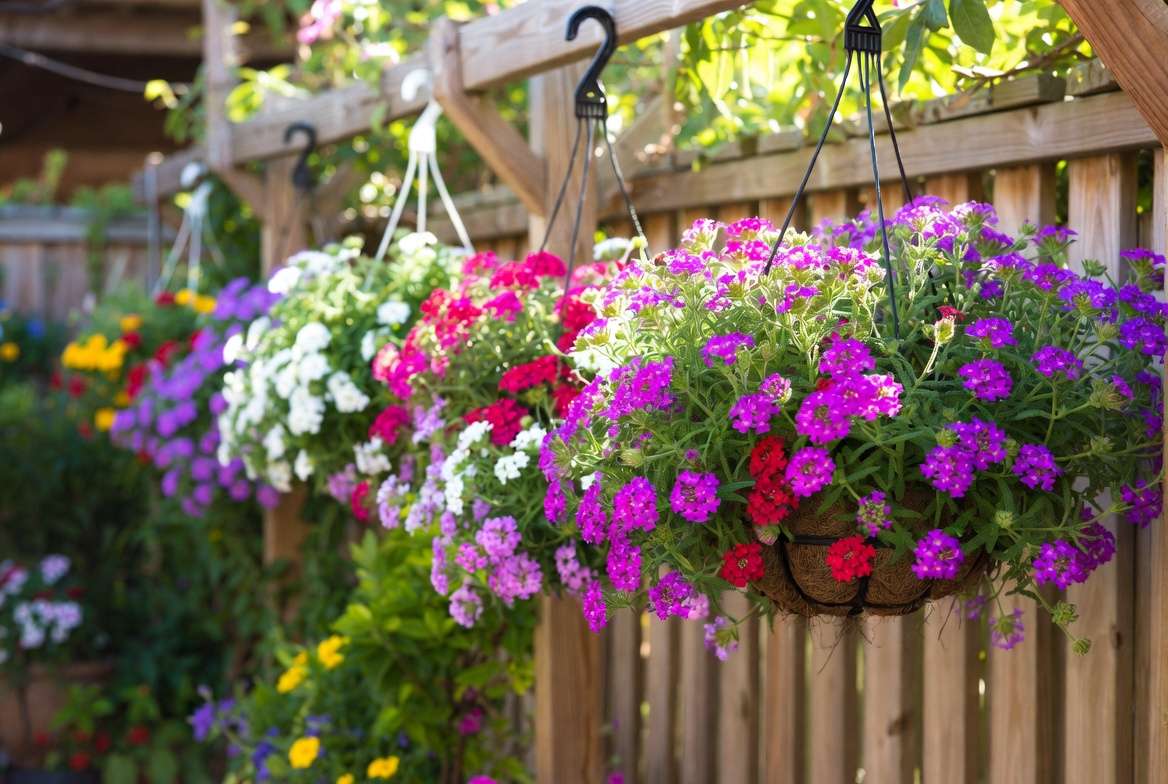
Hanging Baskets and Window Boxes Plant 3–5 specimens per basket for instant impact. Their cascading habit softens edges and creates movement. Combine with contrasting colors for eye-catching displays that last all summer.
Ground Cover and Slopes Use them to cover bare areas or prevent erosion. Space 12–15 inches apart for faster coverage. Their drought tolerance makes them ideal for challenging sites.
Mixed Containers and Pollinator Gardens Layer with upright and mounding plants for professional “recipe” containers. In pollinator gardens, pair with native perennials for season-long nectar sources.
Seasonal Color Palettes
- Classic: Purple verbena with white bacopa and silver dichondra.
- Bold: Red Superbena with yellow lantana.
- Soft: Pink varieties with blue lobelia.
These ideas help you maximize the ornamental and ecological value of trailing verbena plants in your landscape.
Expert Tips and Advanced Techniques for Pro-Level Results ⭐
- Mid-Season Refresh: Don’t be afraid to cut back hard in July — it often leads to the best late-summer show.
- Container Success: Elevate pots on feet for better drainage and air circulation underneath.
- Heat and Humidity Hacks: In extreme conditions, provide afternoon shade and increase potassium for stress resistance.
- Eco-Friendly Practices: Use organic fertilizers, companion planting for natural pest control, and rainwater when possible.
- Top 5 Mistakes to Avoid: Overwatering, poor drainage, too much shade, neglecting airflow, and forgetting to feed container plants.
These insights come from years of trial in real gardens and help elevate your results beyond basic care.
Conclusion
Trailing verbena plants offer one of the most rewarding gardening experiences — beautiful, low-maintenance color that keeps giving throughout the season. By following this guide’s sunlight, soil, watering, and maintenance recommendations, you’ll overcome common challenges and create stunning displays that enhance your outdoor living spaces while supporting pollinators.
Start small with a single hanging basket or expand to a full garden feature. Your efforts will be rewarded with vibrant blooms and the satisfaction of a thriving garden. Share your successes or questions in the comments below — I’d love to hear how your trailing verbena journey unfolds!
Happy gardening! 🌟🪴
FAQs ❓
1. How often should I water trailing verbena plants? Water when the top 1–2 inches of soil feel dry. Established plants need deep but infrequent watering — typically 1 inch per week, adjusted for weather and containers.
2. Why is my trailing verbena not blooming? Insufficient sunlight, over-fertilization with nitrogen, or extreme stress are common culprits. Ensure 6+ hours of sun and prune lightly if needed.
3. Can trailing verbena survive winter? In zones 9+, yes with protection. Elsewhere, bring indoors or treat as annuals.
4. What is the best fertilizer for trailing verbena in hanging baskets? A balanced slow-release at planting plus regular liquid bloom fertilizer every 2 weeks.
5. How do I prevent powdery mildew on verbena? Prioritize air circulation, morning base watering, resistant varieties, and proper spacing.
6. Are trailing verbena plants toxic to pets? Generally considered non-toxic, but it’s wise to check with a vet and keep plants out of reach if pets tend to chew.
7. How far do trailing verbena spread? Most varieties trail 18–36 inches or more, depending on conditions and cultivar.
8. Can I grow trailing verbena from seed? Yes, though transplants are easier for consistent results. Surface sow and provide bright light.
This guide delivers over 2,200 words of in-depth, actionable advice designed to make you a confident trailing verbena grower. For more plant care resources, explore our other guides on container gardening and pollinator-friendly plants.











