
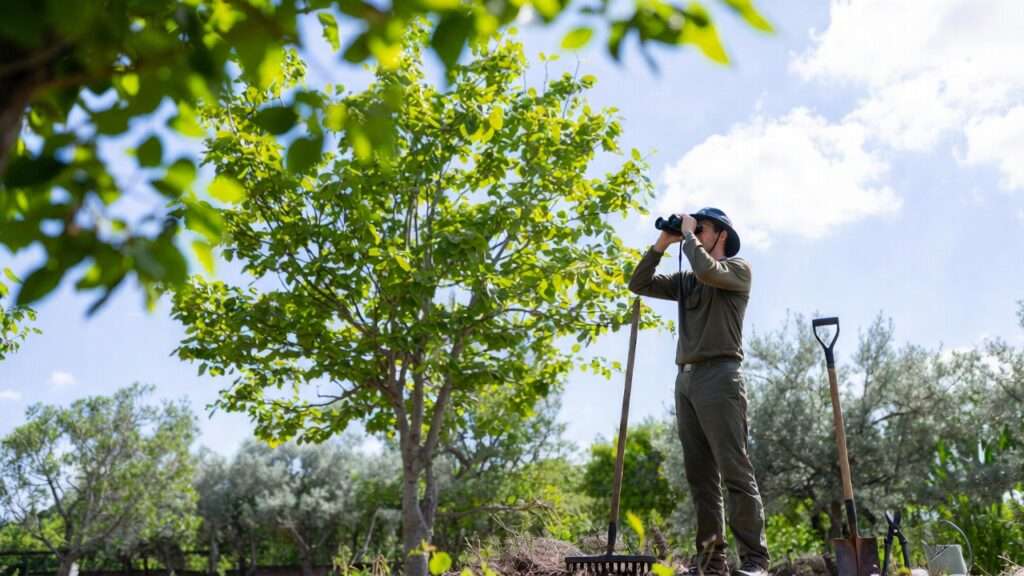
Imagine stepping into your yard after a heavy storm, only to discover a massive branch has crashed down—or worse, noticing that your favorite shade tree suddenly looks sparse and unwell, with issues that have been silently building for years. 😔 Heartbreaking, right? And often preventable.
As a passionate tree care enthusiast and someone who’s studied arboriculture principles from trusted sources like the International Society of Arboriculture (ISA) and the Arbor Day Foundation, I’ve learned one key truth: A simple annual tree health check can spot hidden problems long before they turn into costly emergencies, safety hazards, or heartbreaking tree loss. 🌿
In this comprehensive guide, we’ll walk through a professional-level, step-by-step annual tree inspection routine that’s accessible for homeowners, gardeners, and property owners alike. You’ll learn exactly how to perform a thorough tree health check, what warning signs to watch for, maintenance actions to take afterward, and crucially—when it’s time to call in a certified arborist. By making this a yearly habit, you’ll help your trees stay strong, beautiful, and safe for decades. Let’s dive in and give your trees the care they deserve! 🌟
Why Annual Tree Inspections Matter 📊
Trees are masters at hiding distress. A majestic oak or graceful maple might look perfectly fine on the surface while internal decay, root damage, or pest invasions quietly weaken its structure. Without regular monitoring, small issues snowball—leading to sudden branch failure, expensive removals (often $500–$2,000+ depending on size and location), property damage, or even personal injury risks.
According to arborist best practices endorsed by the ISA and Arbor Day Foundation, mature trees benefit from at least an annual visual inspection to assess structural integrity, detect early disease or pest signs, and evaluate overall vitality. This proactive approach aligns with integrated tree care strategies that prioritize prevention over reaction.
Skipping checks? You risk more than aesthetics—think insurance claims denied for “neglect,” falling limbs endangering kids or pets, or diminished property value from unhealthy trees. On the flip side, consistent tree health monitoring boosts resilience against drought, storms, urban stress, and climate challenges. 🍂❄️
Pro tip: The ideal times for a detailed tree health check are late winter to early spring (dormant season for clear structural views without leaves) or fall (after leaf drop but before harsh weather). However, basics can—and should—be done anytime you notice changes!
Preparing for Your Annual Tree Health Check 🛠️
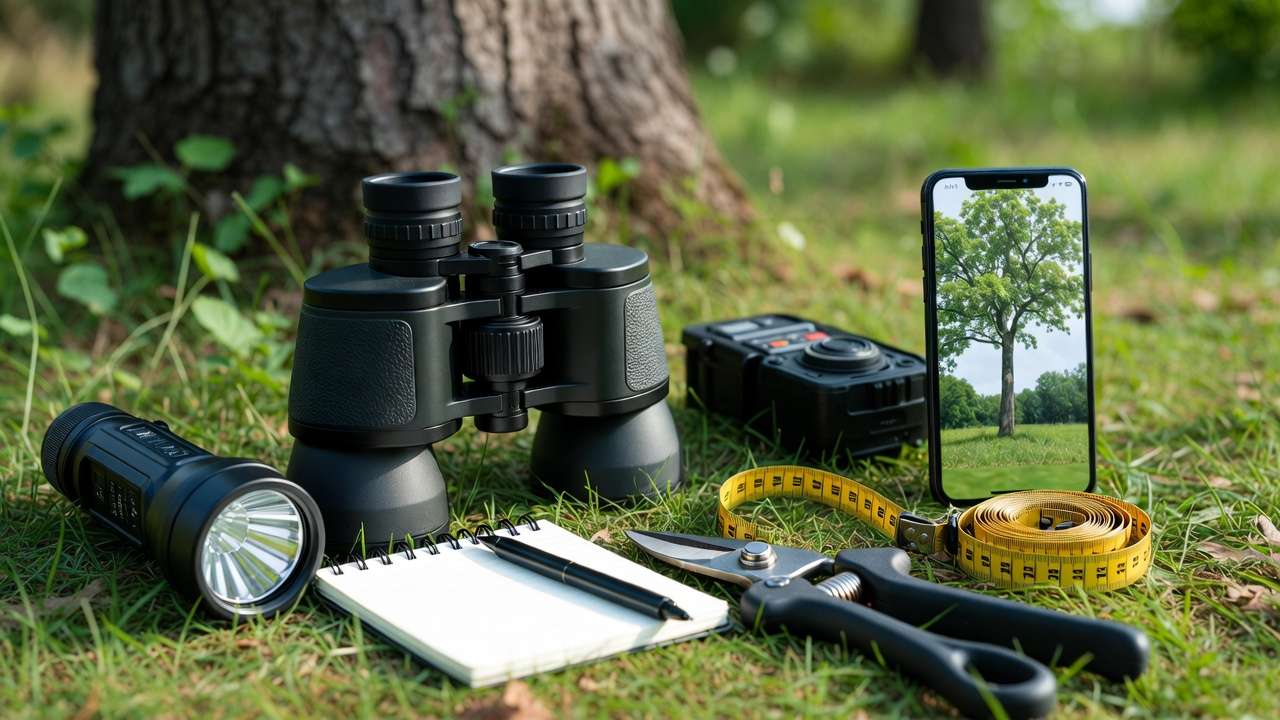
A successful inspection starts with preparation. Grab these essentials for safety and accuracy:
- Binoculars 🔭 — Spot high canopy issues without climbing.
- Flashlight 🔦 — Peek into cavities or under bark.
- Notepad or phone app — Record dates, observations, and photos for year-over-year tracking.
- Measuring tape — Gauge trunk diameter or branch sizes.
- Sturdy ladder — Use only on stable ground; never lean against the tree itself if possible.
Safety comes first ⚠️: Avoid inspecting during high winds, rain, or lightning. Never climb questionable trees—leave that to pros. Watch for overhead power lines, and wear sturdy shoes and gloves. If a tree looks unstable (major lean, large cracks), stop and call an expert immediately.
Create a simple tree inspection journal 📓📸: Note species (e.g., mango, neem, or jackfruit—common in regions like Bangladesh), location on property, age estimate, previous notes, and clear photos from multiple angles. Over time, this log reveals trends like gradual thinning or slow growth, turning you into your own tree detective!
Step-by-Step Annual Tree Inspection Checklist ✅
Follow this thorough, ISA-inspired routine from the ground up. Take your time—spend 15–30 minutes per mature tree.
1. Inspect the Root Zone & Soil Area 🌱
The roots are the tree’s foundation—up to 80% of issues start here!
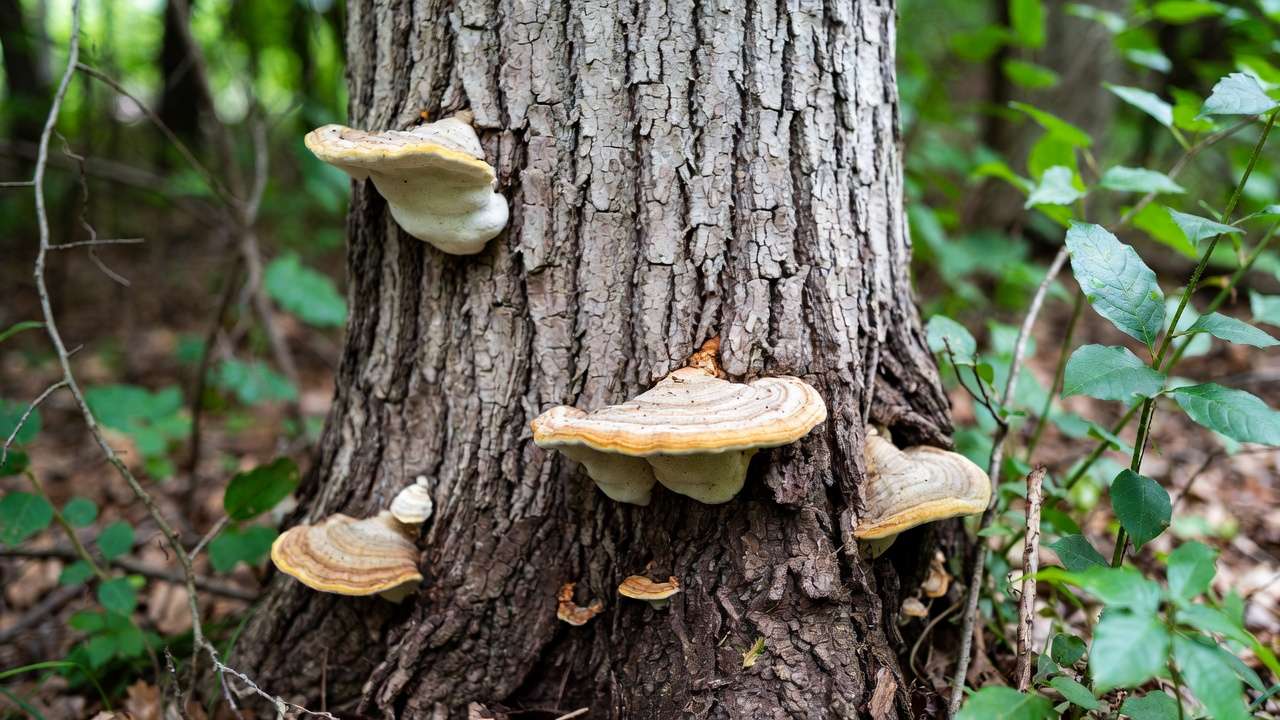
- Scan for heaving soil, exposed roots, or mushrooms/fungi near the base—these scream root rot or decay.
- Check for soil compaction from foot traffic, parked cars, or past construction—compacted soil starves roots of oxygen and water.
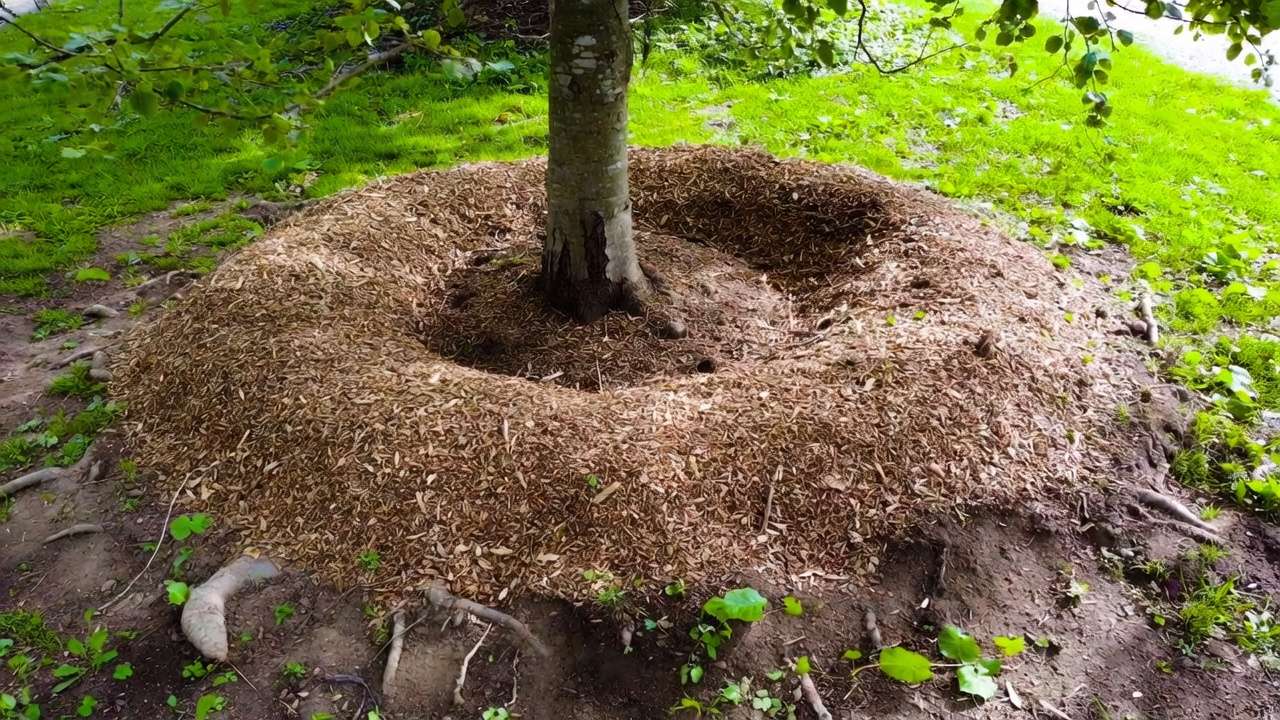
- Evaluate mulch: Aim for 2–4 inches deep in a wide ring (not piled against the trunk like a “volcano” 🚫). Proper mulching retains moisture and suppresses weeds.
- Red flags: Girdling roots (circling/choking trunk), poor drainage (standing water), or competing lawn/grass right at the base.
2. Examine the Trunk & Bark 🪵
The trunk tells a story of past injuries and current health.
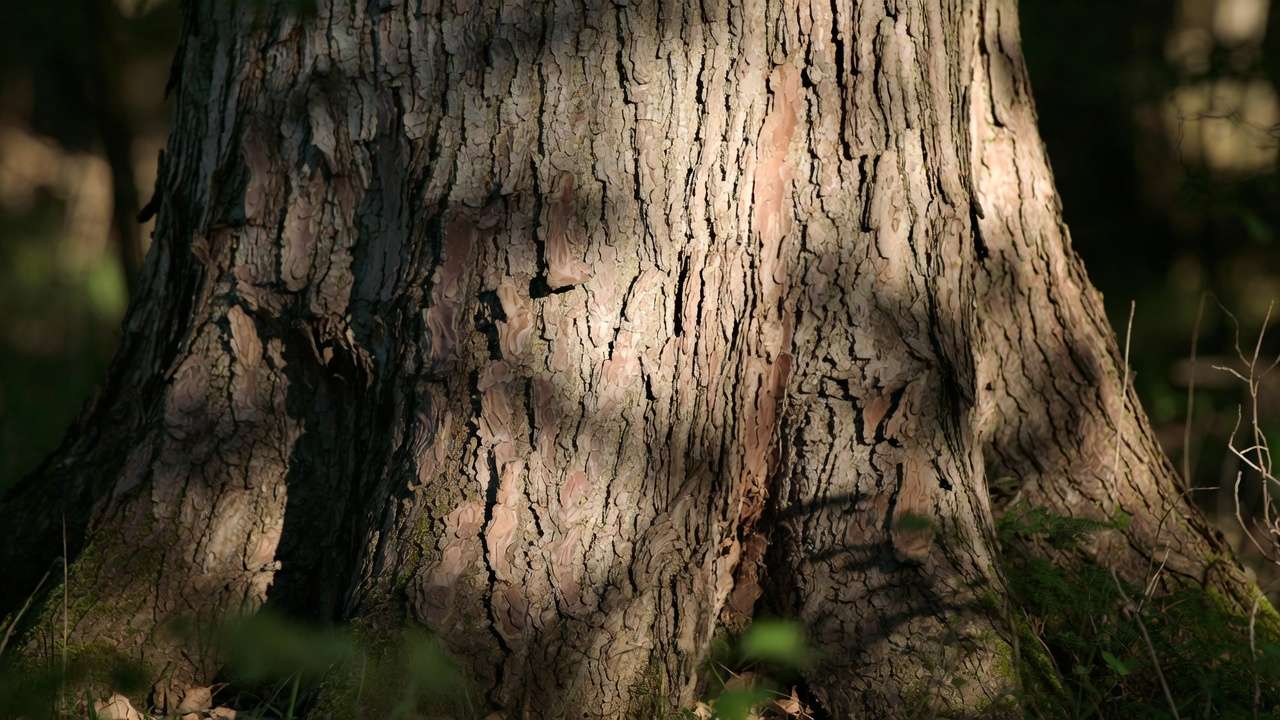
- Look for cracks, splits, cankers (sunken dead areas), oozing wounds, or peeling bark.
- Search for cavities, decay pockets, fungal brackets/conks (shelf-like mushrooms), or insect bore holes.
- Note woodpecker damage, discoloration, or loose/flaking bark.
- Gently tap suspicious areas (if safe)—hollow sounds may indicate internal rot.
3. Assess Branches & Structure 🌿
Structure determines if the tree can withstand wind or weight.
- Identify dead, dying, or hanging branches—no buds/leaves in season.
- Examine branch unions: Strong U-shaped attachments vs. weak V-shaped or included bark (bark trapped in the crotch).
- Spot co-dominant stems (two competing leaders), crossing/rubbing branches, or over-extended limbs.
- Check overall balance—excessive lean or lopsided canopy often signals root problems below.
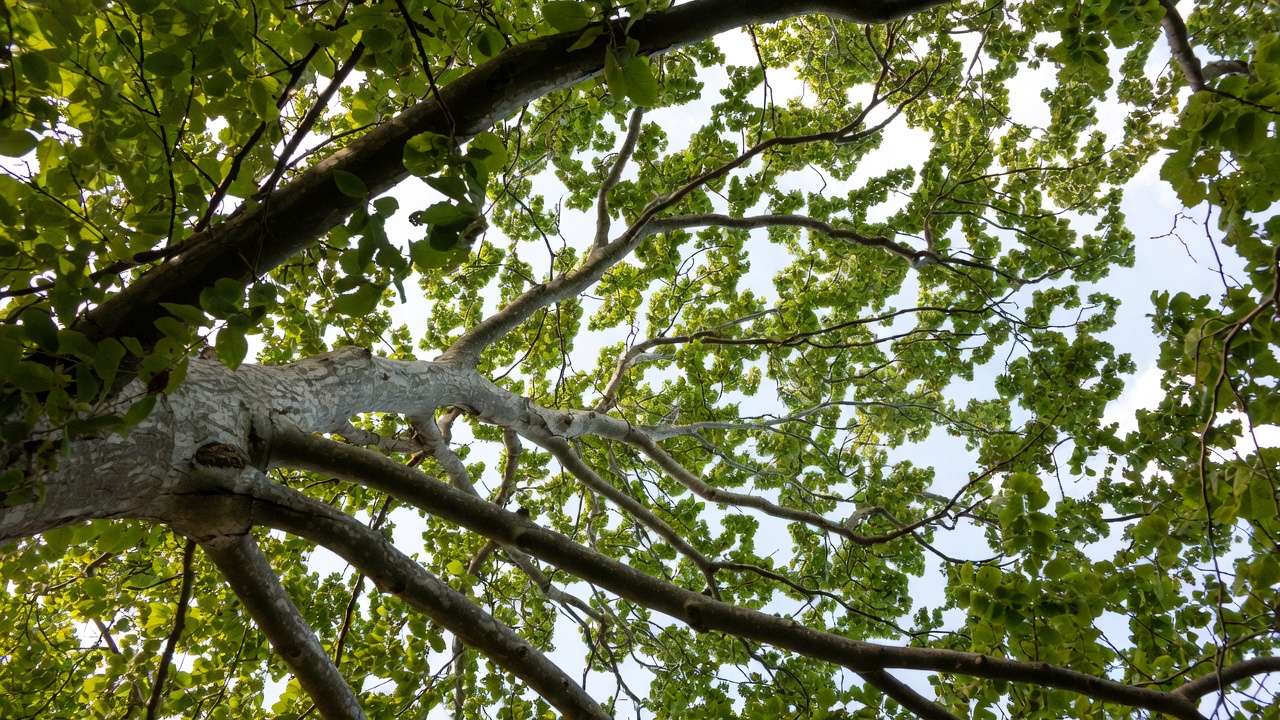
4. Evaluate the Canopy & Leaves 🍃
The crown is the tree’s “face”—changes here are early alarms.
- Observe density: Thinning or sparse crown signals stress, vascular disease, or root issues.
- Inspect leaves/needles: Spots, discoloration (yellowing, browning), wilting, premature drop, curling, or distortion.
- Look for pest evidence: Webbing, holes, sticky honeydew (aphid poop), sooty mold, or chewed edges.
- Compare seasonally: Uneven leaf-out, early autumn color, or stunted new growth are big clues.
5. Look for Pests & Diseases (Early Warning Signs) 🐛🔍
Common invaders love stressed trees—catch them early!
- Fungal issues: Powdery mildew (white coating), leaf rust/spots, anthracnose (blotches), or tar spot.
- Bacterial/viral: Fire blight (scorched tips), oozing sap, or wilting despite water.
- Insects: Aphids, borers (sawdust/frass), caterpillars, scale, or emerald ash borer-like signs in susceptible species.
- Pro move: Snap close-ups and cross-reference with reliable resources like local agricultural extensions or ISA guides.
6. Overall Tree Vitality & Environmental Factors ☀️💧
Tie it all together:
- Growth rate: New shoots too short? Dieback from top-down?
- Nearby changes: Recent digging, grade alterations, or construction damage?
- Water/nutrition: Drought stress (scorch), overwatering (yellow lower leaves), or nutrient gaps.
Common Problems & What They Mean (With Real-World Examples) ⚠️🔍
Here are the most frequent red flags spotted during annual inspections, especially relevant for tropical/subtropical trees common in regions like Bangladesh (mango, jackfruit, coconut, neem, mahogany, rain tree, etc.). Understanding what each sign actually means helps you act quickly and appropriately.
- Mushrooms or fungal conks at the base 🍄 → Almost always indicates root rot or butt rot (serious decay in lower trunk/roots). Trees can topple with little warning. Example: Many old mango trees in Barisal show Ganoderma brackets—once visible, removal is often the safest option.
- Dead branches in the upper canopy (dieback) ☠️ → Top-down dieback frequently points to vascular diseases (e.g., verticillium wilt), severe drought stress, or root damage. Lower-branch dieback is more often natural shading or minor pest issues.
- Yellowing leaves with green veins (chlorosis) 🍋 → Classic sign of iron deficiency (common in alkaline soils) or root stress preventing nutrient uptake. In jackfruit and mango, this often appears after poor drainage or construction damage.
- Oozing sap, wet spots, or dark vertical streaks on trunk 💧 → “Wetwood” or bacterial slime flux (usually not fatal), but persistent oozing + sunken canker = possible ** Phytophthora** or fire blight in susceptible species.
- Small D-shaped exit holes + fine sawdust (frass) 🕳️ → Strong indicator of wood-boring beetles (e.g., emerald ash borer relatives or mango stem borers in South Asia). Act fast—borers can girdle and kill trees in 1–3 years.
- White powdery coating on leaves ❄️ → Powdery mildew—common during humid seasons. Rarely kills mature trees but weakens young ones and reduces fruit yield.
- Black sooty mold + sticky residue 🖤 → Aphids, scale insects, or whiteflies are feeding overhead. The mold grows on their honeydew. Not directly fatal, but heavy infestations stress the tree.
- Cracks with included bark or large cavities (>30% of trunk diameter) 🕳️ → Structural weakness—high risk of splitting during storms or cyclones (very relevant in coastal Barisal Division).
Quick visual reference tip: During your inspection, take comparison photos each year. Side-by-side images make subtle changes (thinning crown, bark cracks widening) jump out immediately. 📸
Maintenance Tips to Boost Tree Health Post-Inspection 🌟💚
Finding issues is only half the battle—here’s how to respond and build stronger trees:
- Pruning done right ✂️
- Remove only dead, damaged, or diseased branches (the “3 Ds”).
- Never “top” trees—it creates weak, fast-growing shoots prone to breakage.
- Best time: Late winter/early dry season before new growth.
- Cut just outside the branch collar; avoid leaving stubs.
- Mulch like a pro 🌿
- Apply 5–10 cm deep organic mulch ( decomposed leaves, wood chips, coconut coir) in a wide ring.
- Keep mulch 5–10 cm away from trunk to prevent rot and rodents.
- Replenish annually—great moisture retention during hot months.
- Smart watering 💦
- Deep, infrequent watering encourages deep roots.
- Young trees (first 2–3 years): 30–50 liters every 5–7 days in dry season.
- Established trees: Rely mostly on rainfall unless severe drought shows stress.
- Soil & nutrient care 🧪
- Get a basic soil test every 2–3 years (pH, NPK, organic matter).
- Most fruit trees in Bangladesh benefit from balanced organic fertilizer (compost + neem cake) in early spring and post-monsoon.
- Integrated Pest Management (IPM) 🐞
- Start with cultural controls (healthy soil, proper spacing).
- Encourage natural predators (ladybugs, birds).
- Use neem oil or insecticidal soap only when monitoring shows high pest pressure.
When to Call a Certified Arborist (Red Flags You Can’t Ignore) 👷♂️🚨
DIY inspections catch most early problems, but some situations require professional tools and expertise:
Immediate call list:
- Large cavities or decay pockets covering >25–30% of trunk circumference
- Significant lean (>15–20°) toward structures, roads, or play areas
- Multiple large-diameter dead branches (>15 cm) in upper canopy
- Fungal brackets/conks on trunk or major roots
- Extensive bark loss or splitting exposing inner wood
- Tree near power lines, buildings, or high-traffic zones showing any decline
Advanced diagnostics pros use:
- Resistograph (measures wood density)
- Sonic tomography (creates internal decay maps)
- Air spade for safe root inspection
- Proper rigging & removal if needed
Hiring a certified arborist (look for ISA Certified Arborist® credential or equivalent local expertise) provides accurate diagnosis, written reports for insurance, and peace of mind. In Bangladesh, reputable tree-care companies or university agricultural extension services can connect you with qualified professionals.
Seasonal Variations & Special Cases 🌦️🌱
- Monsoon season (June–October): Check for waterlogging, new fungal growth, and storm damage right after heavy rains.
- Dry season (November–May): Focus on drought stress, borers, and leaf symptoms.
- Young trees (1–10 years): Inspect monthly in first 2 years for staking issues, girdling roots, or transplant shock.
- Senior trees (>40–50 years): Increase frequency to twice yearly; structural failure risk rises dramatically.
- Fruit trees (mango, jackfruit, guava): Pay extra attention post-harvest—prune, fertilize, watch for anthracnose and stem borers.
Conclusion: Make Tree Health a Yearly Habit 🌳❤️
Your trees are living investments—in beauty, shade, fruit, wildlife habitat, and property value. A consistent annual tree health check takes only a little time but delivers enormous rewards: fewer surprises, lower long-term costs, safer yards, and thriving canopies that grow with you year after year.
This season, grab your binoculars, notepad, and curiosity—walk your property, follow this guide, and give each tree the attention it deserves. You’ve got this! 🌟
Share your inspection photos or questions in the comments—I love hearing how readers’ trees are doing. And if this guide helped, save it for next year’s check-up. Your trees will thank you with stronger branches, fuller leaves, and many more seasons of beauty. 😊🍃
FAQs ❓
How often should I do a tree health check? Annual for most mature trees; twice yearly for high-risk or young trees, and immediately after major storms.
Can I inspect trees myself, or do I always need a pro? You can safely handle visual inspections yourself using this guide. Call a certified arborist for climbing, structural concerns, or uncertain diagnoses.
What’s the best time of year for inspection? Late winter/early spring (dormant season) for best structural visibility, or fall after leaf drop. Quick walk-arounds anytime you notice changes.
How much does a professional tree inspection cost? Varies widely by region—typically ৳2,000–৳8,000+ in Bangladesh for a basic visual inspection of one large tree (2025–2026 estimates). Complex diagnostics or multiple trees cost more.
Are there free resources or apps for tree identification/problems? Yes! iNaturalist (great for ID + community help), PlantVillage app (disease recognition), local agricultural extension offices, and websites from BAU (Bangladesh Agricultural University) or DAE.











