

Imagine stepping into your yard on a crisp spring morning, only to discover long, jagged cracks splitting the bark of your beloved young maple or fruit tree. 😱 These unsightly — and potentially deadly — wounds often stem from sunscald and frost cracks, caused by winter’s brutal temperature swings. The sunny side of the trunk heats up during the day, waking dormant cells, only for freezing nights to burst them apart. Young or thin-barked trees suffer most, but the good news? Tree trunk wrapping for harsh winters provides a simple, effective shield that reflects sunlight, stabilizes bark temperature, and prevents this heartbreaking damage. 🌳💪
As a horticulturist with over 15 years of experience helping homeowners and arborists in cold-climate regions protect landscapes, I’ve seen firsthand how proper wrapping saves trees from decline, reduces entry points for pests and diseases, and promotes stronger growth come spring. In this in-depth guide, we’ll cover the science behind winter threats, which trees need help, the best materials and techniques, common mistakes, alternatives, and more — so you can safeguard your trees confidently. Let’s dive in and ensure your trees thrive through the coldest months! ❄️
Why Trees Need Protection in Harsh Winters 🛡️
Winter isn’t just about cold — it’s about extreme fluctuations that stress tree trunks. Understanding these threats helps you act preventively.
What Is Sunscald (Southwest Winter Injury)? 🌞
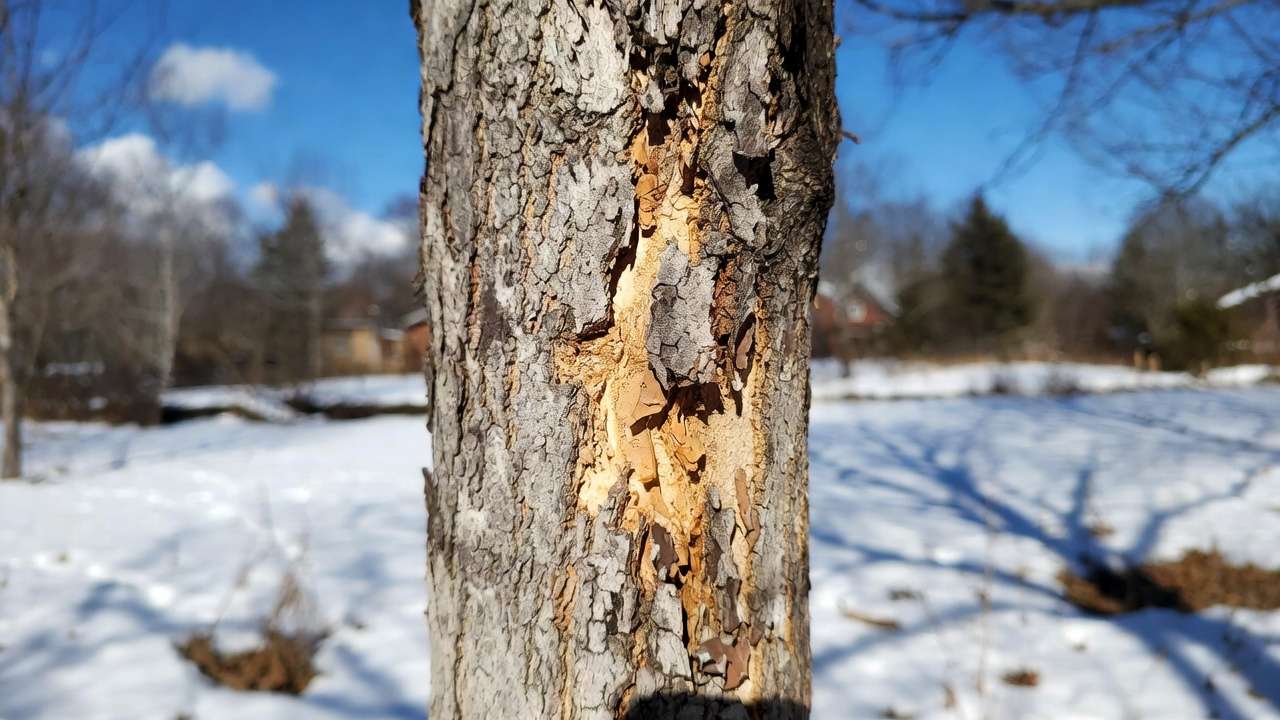
Sunscald, also called southwest injury, hits the south or southwest side of trunks hardest because that’s where winter sun strikes most directly. On clear days, bark temperatures can soar 40–70°F (22–39°C) above air temperature, activating cells beneath the bark as if spring has arrived. When night falls and temperatures plummet, those active cells freeze and burst, killing tissue. Over time, this leads to sunken, discolored, cracked, or peeling bark — often creating entry points for fungi, insects, and decay. Young trees lack shading from branches, making them especially vulnerable.
Frost Cracks and Temperature Fluctuations ❄️🔥
Frost cracks are deep vertical splits from rapid freeze-thaw cycles. Warm days expand outer tissues while inner wood stays frozen, then nighttime drops cause contraction and cracking — sometimes audible as loud “pops.” These cracks can reopen yearly and invite pathogens. Secondary problems include weakened structure and reduced nutrient flow.
Additional Winter Threats Addressed by Wrapping 🐰🦌
Wrapping doesn’t just fight temperature extremes — it deters rodents (mice, voles) gnawing bark for food when options are scarce, and protects against deer rubbing antlers in late winter. It also reduces windburn and desiccation on exposed trunks.
Pro Tip: In USDA zones 3–6 with intense sun and cold, wrapping is a game-changer for preventing cumulative damage that shortens tree lifespan.
Which Trees Benefit Most from Trunk Wrapping? 🎯
Not all trees need wrapping — focus on high-risk ones for best results.
High-Risk Tree Species 🌸
Thin-barked deciduous trees suffer most:
- Maples (especially Japanese, red, Norway, sugar)
- Fruit trees (apple, cherry, plum, crabapple, peach)
- Birch, ash, linden, honeylocust, redbud
- Willow, poplar/aspen, mountain ash
Young trees (first 2–5+ winters after planting) or newly transplanted ones are prime candidates, as their bark hasn’t thickened yet.
When Wrapping May Not Be Necessary 🚫
Mature trees with thick, corky bark (oaks, pines, most evergreens) rarely need it — their natural insulation handles fluctuations. Evergreens focus on anti-desiccation (e.g., burlap screens for windburn) rather than trunk wrapping.
Expert Insight: In open, sunny sites or after heavy pruning that exposes trunks, even tougher species can benefit temporarily. Always assess your local microclimate!
Best Materials for Tree Trunk Wrapping 🛠️
The key? Reflective, breathable materials that keep trunks cool and dry.
Recommended Options ♻️
- White plastic tree guards (spiral, rigid, or corrugated): Top choice for reflection, rodent protection, and reusability. They snap on easily and allow air flow.
- Breathable paper wraps (white-coated Kraft or crepe): Affordable, traditional, elastic to shed water while permitting ventilation. Last one season.
- Polypropylene fabric wraps (e.g., DeWitt): Stretchy, water-resistant, non-constricting — great for irregular trunks.
Materials to Avoid 🚫
Dark paper/plastic absorbs heat — worsening the problem! Burlap traps moisture (better for shrub wind protection). Tight, non-breathable wraps risk rot or girdling.
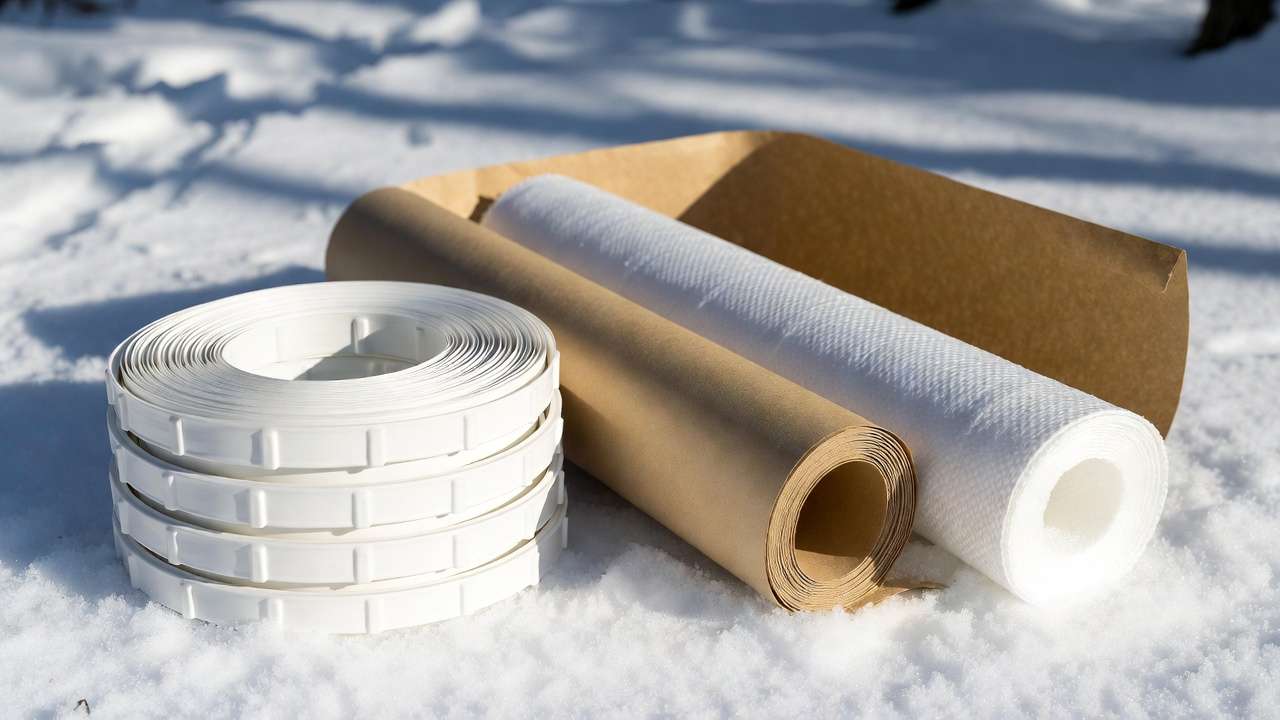
Pro Tip: Prioritize white/reflective surfaces to bounce sun rays away — keeping bark temperature stable is the goal, not warmth! ❄️
Step-by-Step Guide: How to Wrap Tree Trunks Properly 📋
Proper technique is everything — a poorly applied wrap can do more harm than good. Follow these steps for safe, effective protection.
When to Apply and Remove Wraps ⏰
- Apply: Late fall, after leaves have dropped and before the first hard freeze (typically November in northern zones). Bark should be dry.
- Remove: Early spring, as soon as the last hard frost has passed (usually March–April). Leaving wraps on too long traps moisture, harbors insects, and can cause bark softening or fungal issues.
Pro Tip: Set calendar reminders! Many gardeners forget removal in busy spring — mark your wrap date on your phone.
Preparation Steps Before Wrapping 🧹
- Clear grass, weeds, and debris from around the base of the trunk (at least 12–18 inches out).
- Gently scrape off any loose, flaking bark with a soft brush — never cut into live tissue.
- Give the tree a deep watering (1–2 inches) a day or two before wrapping if soil is dry. Hydrated roots help the tree withstand winter stress better.
Wrapping Techniques Step by Step 🌀
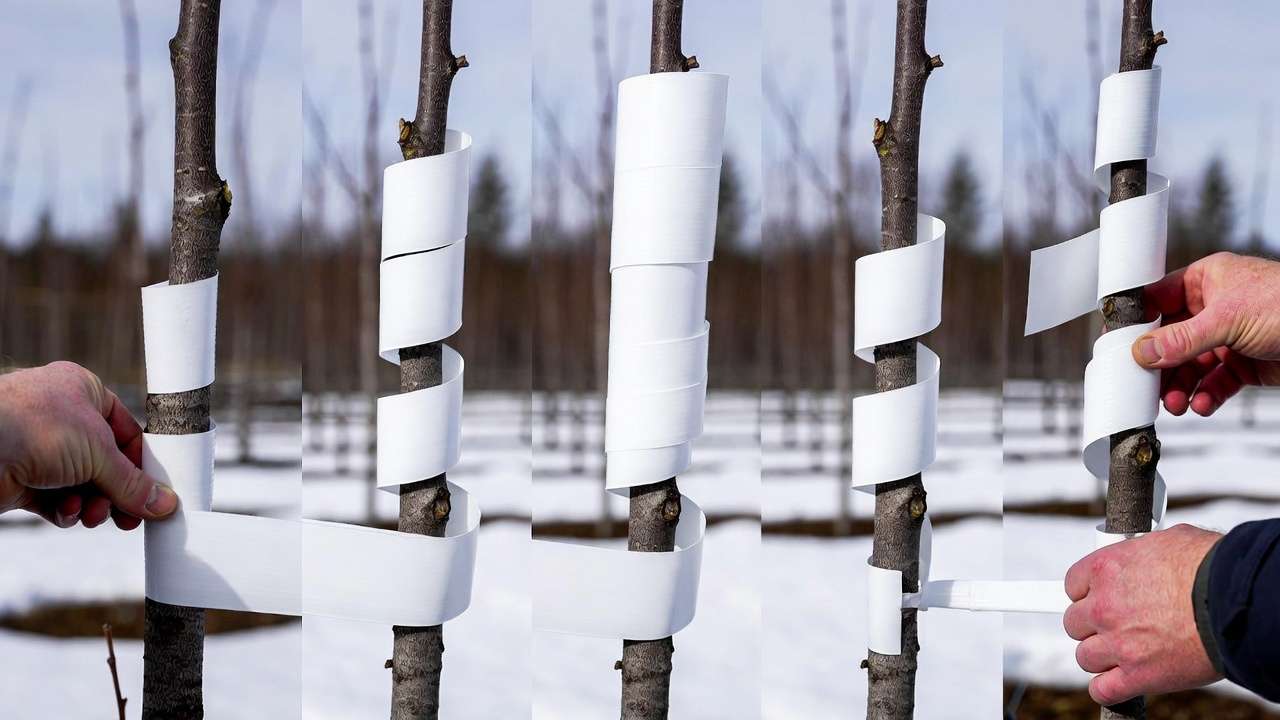
- Choose your starting point: Begin at the soil line or slightly below (especially for vole protection). If using spiral guards, start low.
- Apply in overlapping layers: Overlap each turn by about 1/3 to 1/2 of the material width. Spiral upward at a gentle angle until you reach the lowest branches or about 4–5 feet high (cover the entire trunk that receives direct winter sun).
- Secure properly: Use stretchy tape, twist ties, or the built-in clips on plastic guards. Keep tension loose — you should be able to slide two fingers between the wrap and bark. Never cinch tightly!
- For rigid/corrugated plastic tubes: Split the tube lengthwise if needed, slide it over the trunk, and zip or snap it closed. Ensure small ventilation gaps remain.
- Double-check coverage: The south and southwest sides must be fully protected. For very young saplings, wrap all the way around.
Visual Example: Picture a young apple tree with white spiral guards climbing like a candy cane up the trunk — neat, reflective, and snug but not tight. 🍎
Common Mistakes to Avoid & Quick Fixes ⚠️
- Too tight → causes girdling (constricted vascular tissue) → tree decline. Fix: Loosen immediately if you notice constriction.
- Wrapping too high → unnecessary and can damage lower branches. Stop at lowest scaffold branches.
- Wet material → promotes rot. If wrap gets soaked, remove and replace with dry material.
- Leaving on year-round → invites borers, rodents nesting, and moisture buildup. Always remove in spring!
Additional Winter Tree Care Tips for Harsh Conditions 🛡️
Wrapping is powerful, but combine it with these practices for complete winter defense.
Mulching for Root Protection 🍂
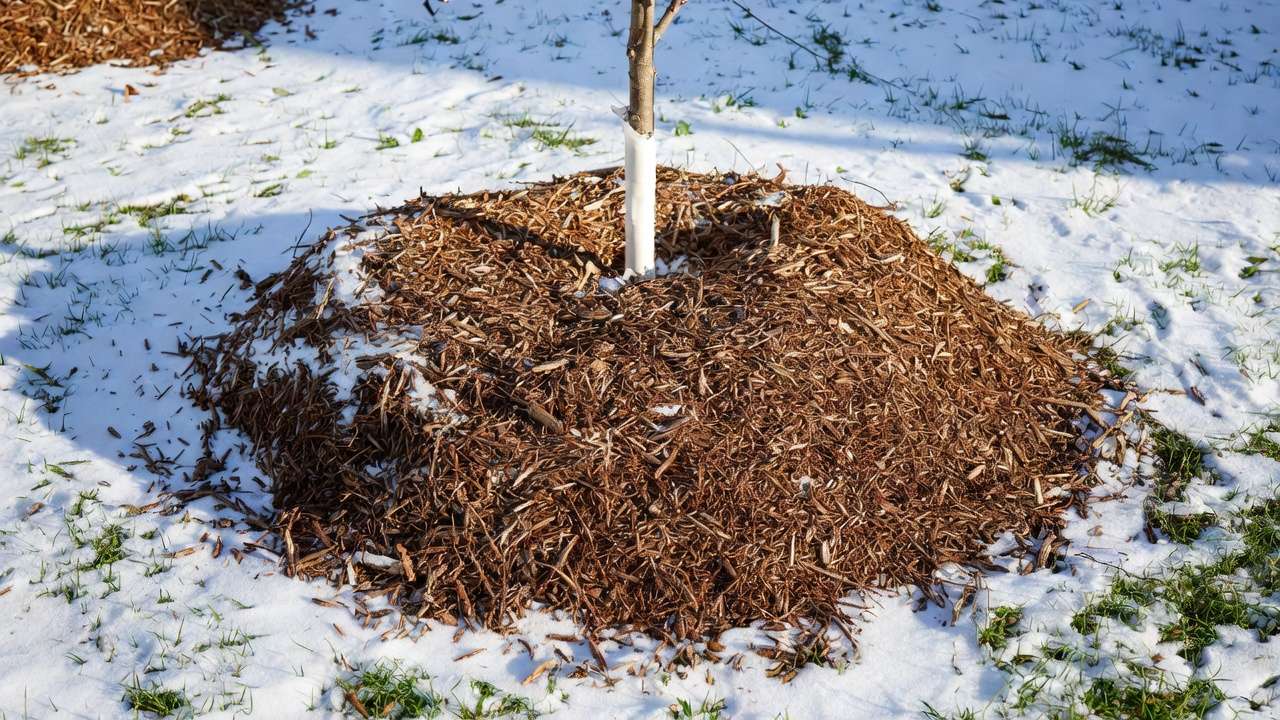
Apply 3–4 inches of shredded hardwood mulch or pine needles in a wide “donut” shape around the base — keep mulch 2–3 inches away from the trunk to prevent rot and rodents. Mulch insulates roots, retains soil moisture, and moderates soil temperature swings.
Fall Watering to Prevent Desiccation 💧
Evergreens and young deciduous trees lose water through needles/leaves even in winter. Give a deep soak (slow drip for several hours) in late fall before the ground freezes — this is often called “winter watering.”
Wildlife Deterrents 🦌🐀
- Install hardware cloth cylinders (¼-inch mesh) around the base for vole/mouse protection.
- Use commercial repellents (odor-based) or motion-activated lights/sprinklers for deer.
- Combine wrapping with fencing in high-pressure areas.
Strategic Pruning & Site Selection 🌿
Avoid heavy pruning in late summer/fall — it exposes fresh tissue. When planting new trees, choose locations with afternoon shade (e.g., east side of a building) to reduce sunscald risk naturally.
Risks and Downsides of Tree Trunk Wrapping ⚠️
No method is perfect. Here’s what experienced arborists watch for:
- Moisture trapping → especially with non-breathable materials or if left on too long → can lead to fungal cankers or bacterial wetwood.
- Insect habitat → overwintering sites for borers or scale if not removed promptly.
- Over-reliance → wrapping doesn’t protect roots from heaving or extreme drought — use as part of a holistic plan.
- Cost/time for many trees → large orchards or windbreaks may need alternatives like paint or shelters.
Expert Advice: Inspect wrapped trees during mild winter thaws. If you see mold, sogginess, or insect activity, remove the wrap early and treat as needed.
Alternatives to Traditional Trunk Wrapping 🔄
For gardeners seeking lower maintenance or different aesthetics, consider these proven options:
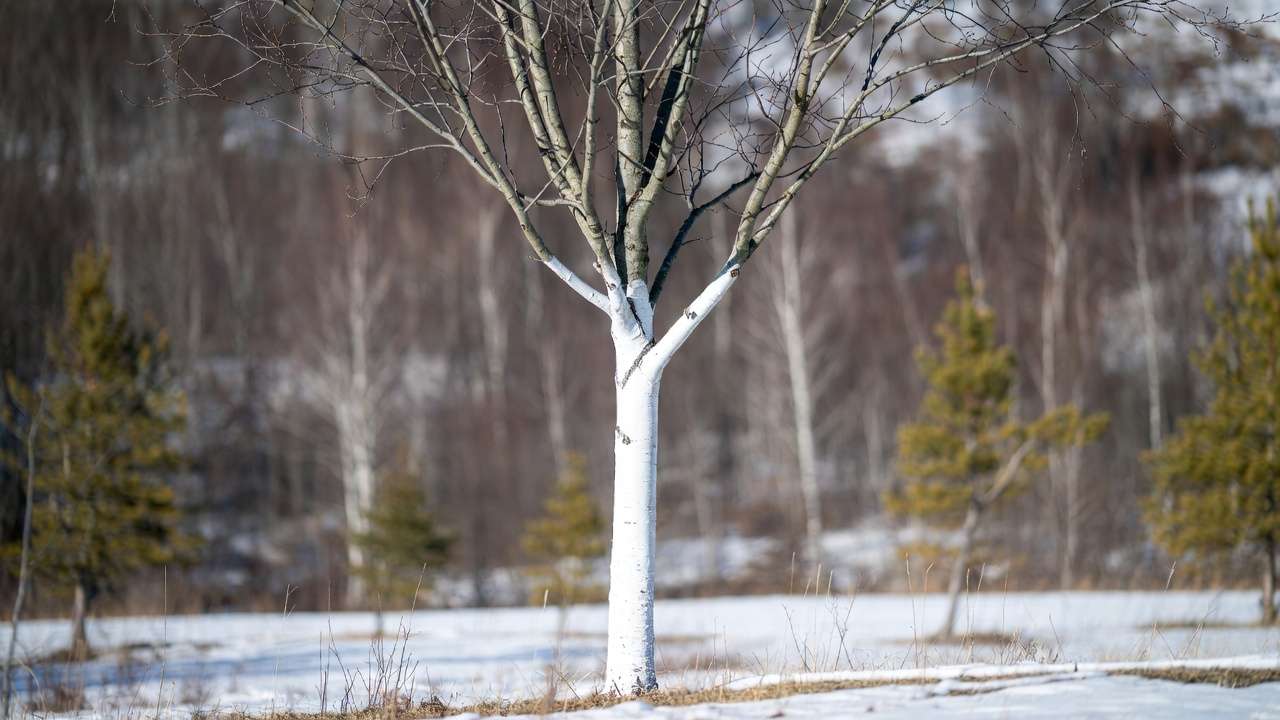
- White latex paint (diluted 50/50 with water): Brush on the trunk and lower branches. Reflects sunlight just like white wraps. Lasts 1–2 years, inexpensive, and looks natural.
- Corrugated plastic tree tubes / shelters: Tall, vented tubes for both sunscald and rodent protection — popular for orchards.
- Hardware cloth or metal cylinders: Excellent for vole/deer protection without covering the entire trunk.
- Anti-desiccation sprays (e.g., Wilt-Pruf): For evergreens — creates a waxy barrier to reduce winter burn.
- Strategic planting & shading: Position new trees where buildings, fences, or taller evergreens cast winter shade on the trunk.
Many professionals now prefer paint for mature thin-barked trees — it’s permanent-ish, low fuss, and very effective.
Frequently Asked Questions (FAQs) ❓
Here are the questions I hear most often from gardeners just like you when they’re first learning about winter tree protection.
1. Does tree trunk wrapping actually warm the tree? No — and that’s actually a very good thing! The main purpose of tree trunk wrapping for harsh winters is to reflect sunlight and prevent the trunk from heating up too much during the day. The goal is temperature stability, not warmth.
2. How many winters should I wrap my trees? Most young trees need protection for the first 2–5 winters after planting (sometimes longer in very cold climates or for especially thin-barked species). Once the bark becomes thicker and rougher (usually by year 5–8 depending on species and growing conditions), natural protection is usually sufficient.
3. Can I use household items like old bedsheets, burlap, or aluminum foil? Not recommended.
- Bedsheets and burlap trap moisture → high risk of rot and fungal problems
- Aluminum foil can heat up and burn bark Stick with purpose-made white tree wrap, white plastic guards, or diluted white latex paint.
4. My tree already has sunscald cracks — will wrapping help now? Yes, but with care. Wrapping can prevent the cracks from getting worse during the current winter and reduce new damage. However, you should also: • Clean the wound edges very gently • Consider applying tree wound dressing (only if recommended by current arborist guidelines in your region) • Monitor closely for signs of disease
5. Is tree trunk wrapping necessary every single winter? Not necessarily forever. Most trees only need it while young and vulnerable. After the bark thickens and the tree develops more canopy shade, you can usually stop. Some gardeners in extremely sunny + cold areas choose to wrap high-value or borderline-hardy trees longer — use your judgment and observe how the tree responds.
Conclusion: Give Your Trees the Winter Protection They Deserve ❤️❄️
Protecting the trunks of young and thin-barked trees is one of those small gardening tasks that delivers huge long-term results.
A single roll of quality tree wrap or a few white spiral guards can:
✦ Prevent painful bark splitting ✦ Stop rodents from girdling young trees ✦ Greatly reduce the risk of long-term sunscald damage ✦ Help your trees grow faster and stronger ✦ Save you from expensive tree removal or major trunk repair later
The very best time to act is right now — late fall — before the really hard freezes arrive.
Quick winter checklist recap ✓ Deep water in late fall ✓ Apply mulch properly ✓ Install tree trunk wrapping for harsh winters on vulnerable trees ✓ Protect from wildlife ✓ Remove wraps promptly in spring
Do this simple set of tasks each year for the first few winters and you will very likely never have to deal with serious sunscald, frost cracks, or vole girdling on your young trees.
Your future self (and your beautiful, healthy trees) will thank you! 🌳✨











