
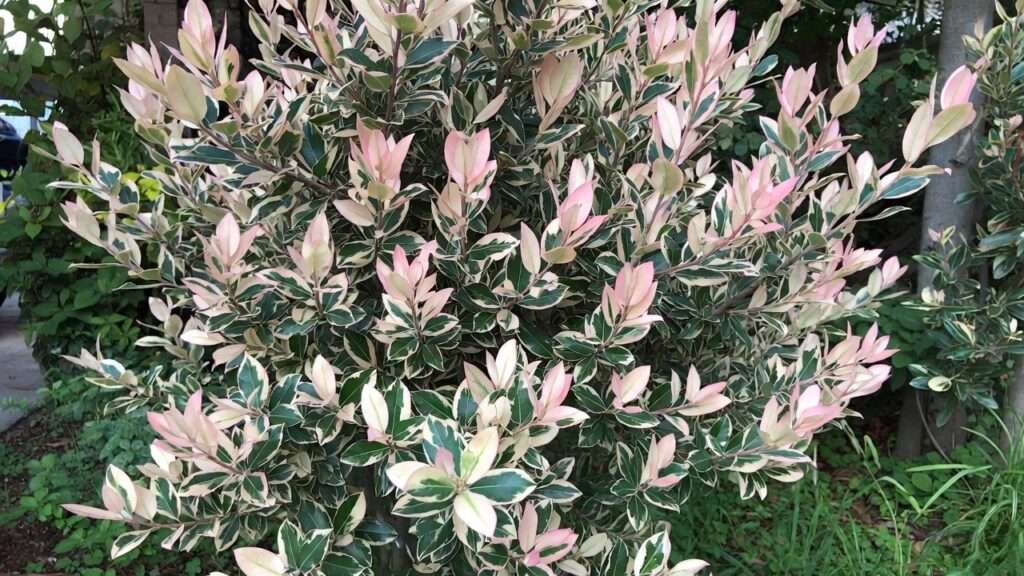
Imagine stepping into your garden and being greeted by a burst of soft pink, creamy white, and fresh green foliage dancing in the breeze—like a living watercolor painting that changes with the seasons. That’s the magic of the tri-color willow tree (Salix integra ‘Hakuro-nishiki’), also known as the dappled willow or variegated Japanese willow. But all too often, gardeners watch in frustration as those stunning colors fade to plain green, leaves drop prematurely, or the plant becomes leggy and unkempt. The good news? With the right care, you can keep your tri-color willow tree exploding with vibrant variegated foliage year after year. In this ultimate guide, I’ll share proven strategies from years of hands-on experience growing these beauties, helping you achieve show-stopping results that will make your landscape the envy of the neighborhood. ✨
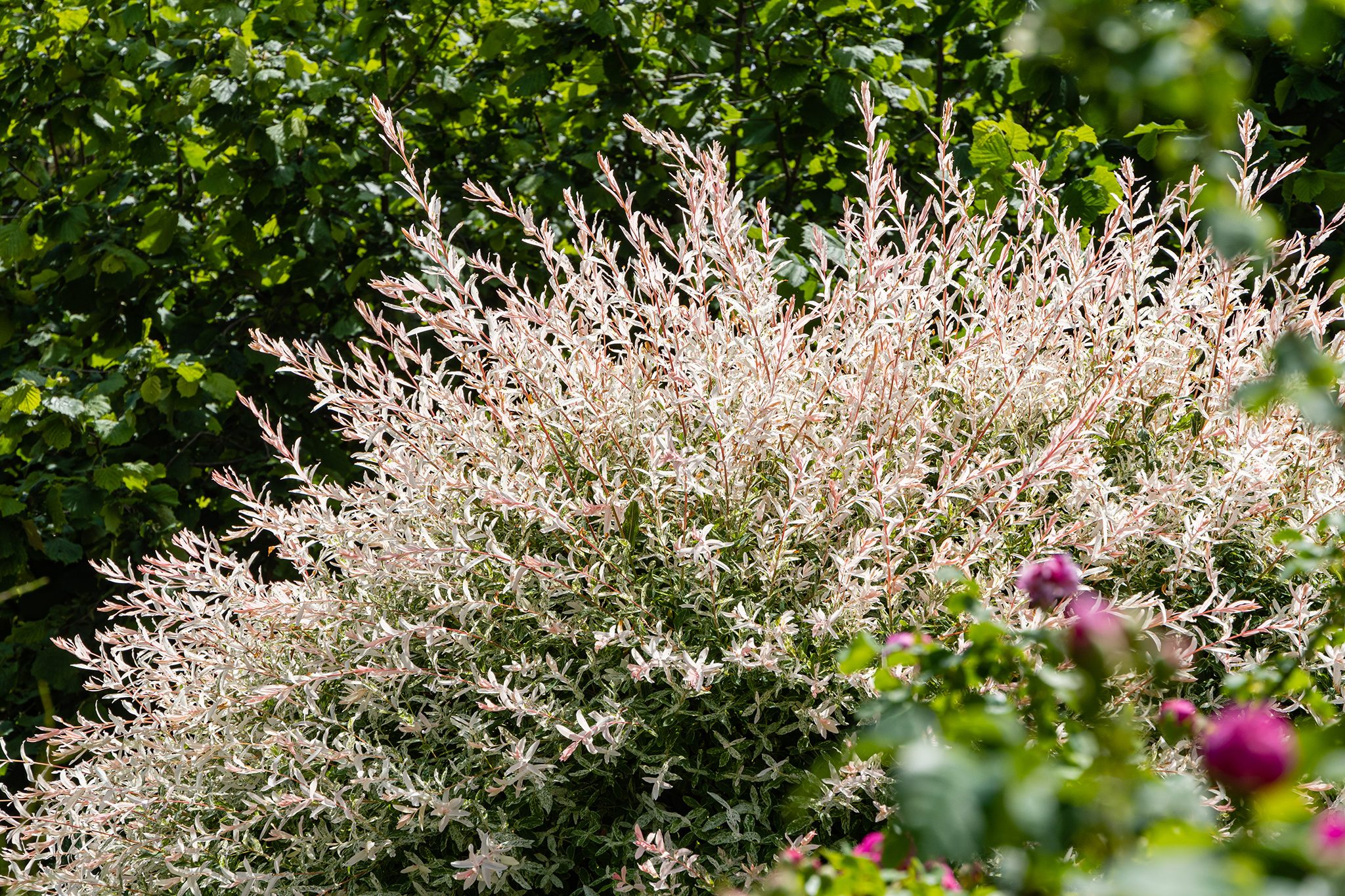
What Is a Tri-Color Willow Tree? Understanding This Stunning Variegated Beauty 🌈
The tri-color willow tree, botanically known as Salix integra ‘Hakuro-nishiki’, is a captivating deciduous shrub that’s often grafted onto a standard to create a small tree form. Native to Japan, Korea, and parts of Russia, this cultivar has skyrocketed in popularity for its extraordinary foliage that emerges pink in spring, matures to a mix of pink, white, and green, and provides subtle winter interest with reddish stems.
Botanical Background and Origins
Salix integra is a species of willow naturally growing as a multi-stemmed shrub. The ‘Hakuro-nishiki’ variety—meaning “brocade cloth” in Japanese—refers to its mottled, fabric-like leaf patterns. It’s not a true weeping willow but shares the genus’s love for moisture. Hardiness spans USDA zones 4-9, though it performs best in zones 5-7 where summers aren’t excessively hot.
Key Characteristics and Visual Appeal
What sets this plant apart is its seasonal foliage show:
- Spring: New growth flushes bright pink.
- Summer: Leaves develop tri-color variegation—pink tips, white splashes, and green bases.
- Fall: Subtle yellow tones before leaf drop.
- Winter: Young stems turn red or coral in colder zones, adding structure.
Growth rate is fast—up to 2-3 feet per year under ideal conditions—with mature sizes of 8-10 feet tall and wide in shrub form, or 4-6 feet canopy on grafted tree standards.
Shrub vs. Tree Form: Which One Should You Choose? 🏡
- Shrub Form: Natural multi-stemmed habit, ideal for hedges, screens, or mass plantings. Easier to propagate and more forgiving of hard pruning.
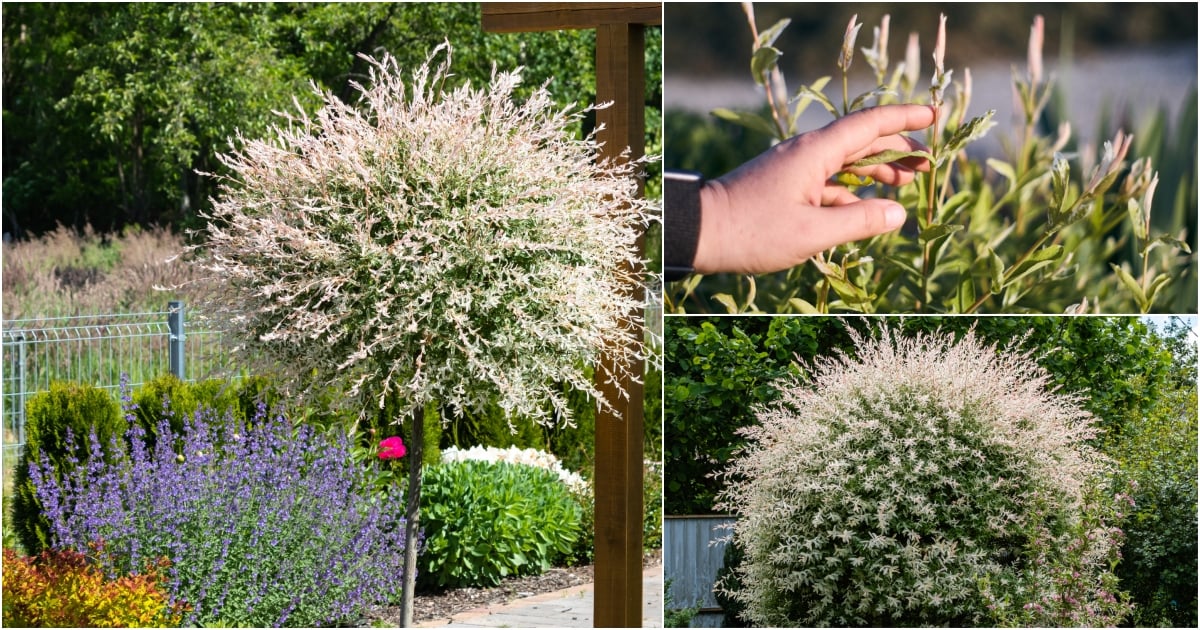
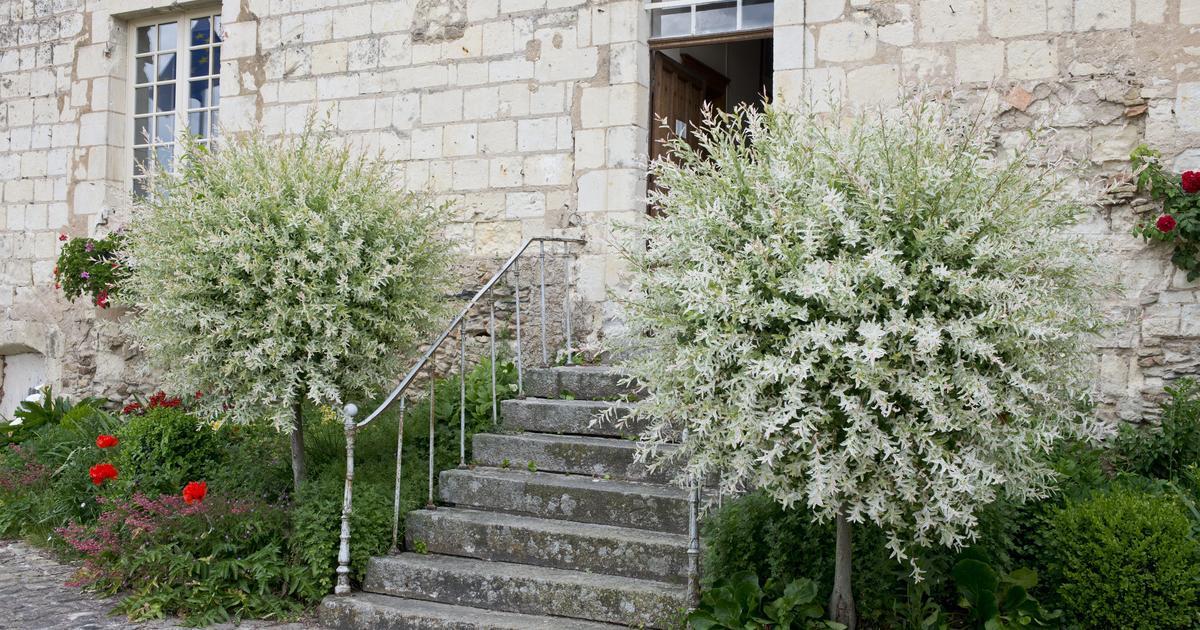
- Tree Form (Standard): Grafted on a clear stem for a lollipop shape—perfect as a focal point in small gardens or containers.
Pro tip from my experience: Choose tree form for patios or entryways where you want elevation, but shrub form for bolder color impact in borders. Both thrive with similar care, but tree forms need extra attention to remove rootstock suckers.
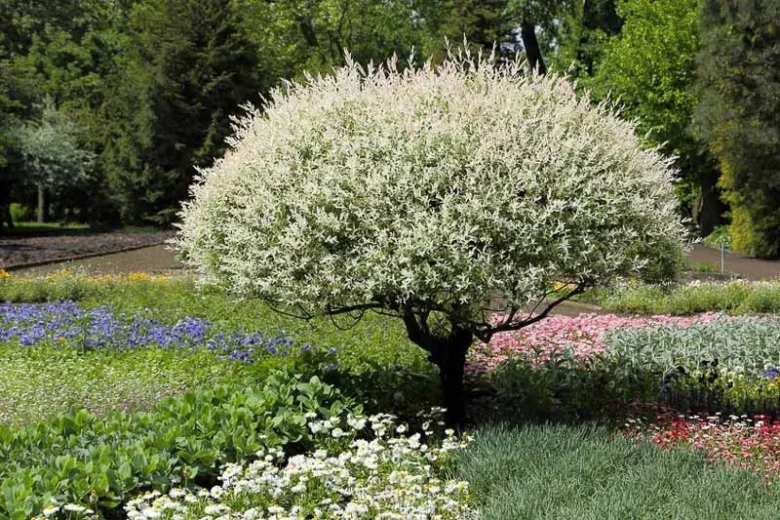
Planting Your Tri-Color Willow: Get It Right from the Start 🌱
Success starts with proper planting. I’ve seen countless tri-color willows struggle because of poor site selection or rushed installation—avoid those pitfalls!
Best Time to Plant
Spring or fall are ideal when soils are workable and temperatures moderate. Avoid midsummer heat stress or frozen winter ground.
Choosing the Perfect Location
- Sunlight: Full sun (6+ hours daily) is crucial for maximum variegation and pink intensity. Part shade works but leads to weaker colors and leggier growth.
- Soil: Prefers moist, fertile, well-drained loam but tolerates clay or occasional wet feet better than most shrubs. pH adaptable (acidic to alkaline).
Step-by-Step Planting Guide
- Dig a hole twice as wide and equal depth to the root ball.
- Amend heavy clay with compost for drainage; add organic matter to sandy soils for moisture retention.
- Position the plant so the top of the root ball is level with ground.
- Backfill gently, water deeply to settle soil, and mulch 2-3 inches deep (keep away from trunk).
- Space shrubs 5-8 feet apart; tree forms 6-10 feet.
Common mistakes: Planting too deep (leads to rot) or in dry, compacted soil. For containers, use large pots with drainage holes and quality potting mix.
Expert Insight: Companion Plants That Enhance Variegation
Pair with dark evergreens (like boxwood) or bold perennials (coneflowers, black-eyed Susans) for contrast that makes the variegated leaves pop. Near water features? It’s a natural fit!
Essential Care Basics: Watering, Fertilizing, and Soil Management 💧
Ongoing care is where many gardeners see their tri-color willow thrive or falter. These plants are forgiving if you understand their needs—rooted in my decades of cultivating willows in various climates.
Watering Schedule for Lush Growth
Tri-color willows love moisture but hate soggy roots. During the first year, water deeply 1-2 times per week (about 1-2 inches), allowing the top 2 inches of soil to dry slightly between waterings. Established plants are more drought-tolerant but perform best with consistent moisture, especially in hot summers.
- Signs of under-watering — Wilting leaves, browning edges, reduced new growth.
- Signs of over-watering — Yellowing leaves, mushy stems, root rot.
Pro insight: These willows tolerate wet soils better than most ornamentals (great near ponds), but improve drainage in heavy clay to prevent issues. In containers, check daily in heat—pots dry out fast!
Fertilizing for Maximum Color Intensity
Feed sparingly—over-fertilizing leads to lush green growth at the expense of variegation. Apply a balanced, slow-release fertilizer (like 10-10-10) in early spring as new growth emerges. For organic lovers, compost or well-rotted manure works wonders.
- Avoid high-nitrogen feeds late in summer (promotes weak growth susceptible to frost).
- If colors seem dull, a light foliar feed with seaweed extract can boost vibrancy.
Expert tip: In poor soils, fertilize twice—spring and early summer. Always water well after applying to prevent burn.
Soil Amendments and pH Tips
Ideal soil is fertile loam with pH 5.5-7.5. Test your soil; if too alkaline, incorporate sulfur or pine needles. For compaction, annual top-dressing with compost improves structure and microbial life.
Pruning Mastery: The Secret to Explosive Variegated Growth ✂️
Pruning is the #1 key to maintaining that stunning tri-color foliage. Without it, plants revert to green and become woody. I’ve revived many “lost cause” willows with aggressive cuts—trust the process!
Why Pruning Is Non-Negotiable for Vibrant Foliage
Variegation appears on new growth. Hard pruning stimulates juvenile shoots bursting with pink and white.
When to Prune
Late winter to early spring (before bud break) is best. Avoid fall pruning—it invites disease and winter damage.
Pruning Techniques
For Shrub Form
- Coppice (cut to 6-12 inches above ground) every 1-3 years for maximum color.
- Or thin selectively: Remove oldest stems at base, leaving younger ones.
For Tree Form (Standard)
- Maintain the head: Cut back branches to outward-facing buds for rounded shape.
- Remove suckers from the rootstock immediately—they’re often plain green and vigorous.
Step-by-step:
- Use sharp, clean tools (bypass pruners for thin stems, loppers for thicker).
- Cut at 45-degree angles just above buds.
- Step back frequently to assess shape.
- Dispose of debris to reduce disease.
Safety note: Wear gloves—willows can irritate skin.
:strip_icc()/101554115_preview-d65eb62c586844a2af290c0ab650a3a8.jpg)
Pro Tip: Avoiding Reversion to Plain Green Leaves 🛑
Reversion happens when green shoots outgrow variegated ones. Prune reverted branches completely—don’t hesitate!
Common Problems and Solutions: Troubleshooting Your Tri-Color Willow 🔍
Even with the best care, issues can arise—pests, diseases, or environmental stress. Drawing from years of diagnosing and treating tri-color willows in client gardens and my own, here’s how to spot and fix the most common problems quickly.
Pests: Identification and Organic Control
Tri-color willows are generally pest-resistant, but a few culprits love their tender leaves.
- Aphids: Tiny sap-suckers cluster on new growth, causing curled leaves and sticky honeydew. Blast with water hose; introduce ladybugs or use insecticidal soap.
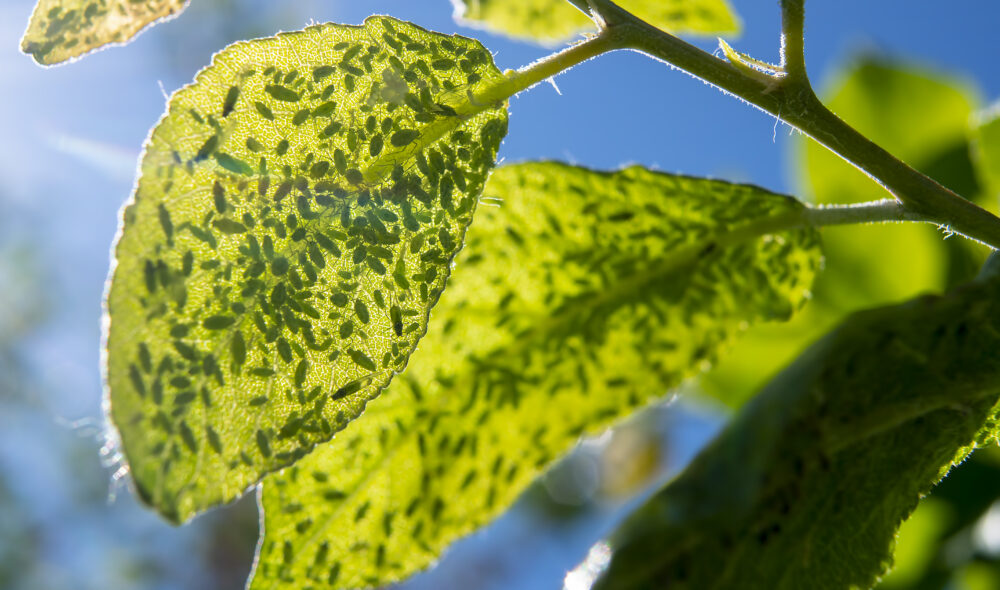
- Willow Leaf Beetles: Metallic blue-black adults and larvae skeletonize leaves. Hand-pick or use neem oil early.
- Spider Mites: Fine webbing and stippled leaves in hot, dry conditions. Increase humidity and spray with miticide if severe.
Prevention: Encourage beneficial insects with diverse plantings and avoid broad-spectrum pesticides.
Diseases: Spotting and Preventing Issues
Fungal diseases thrive in wet conditions—good airflow is key.
- Willow Scab: Black spots on leaves/stems, leading to defoliation. Prune affected parts and apply copper fungicide in spring.
- Anthracnose/Canker: Sunken lesions on twigs. Remove infected branches and improve circulation.
- Rust: Orange pustules on undersides. Rake fallen leaves and use sulfur-based treatments.
Cultural fix: Space properly, prune for airflow, and water at base to keep foliage dry.
Environmental Stress
- Fading Colors: Too little sun or no pruning—move to full sun and hard-prune.
- Leaf Drop/Dieback: Over/under watering or winter injury. Mulch roots in cold zones.
- Wind/Frost Damage: Protect young plants with burlap in exposed sites.
Expert Fixes: Reviving a Struggling Plant
I’ve brought back many near-dead specimens:
- Assess roots—trim rot, repot if needed.
- Hard prune to healthy wood.
- Fertilize lightly and water consistently.
- Monitor for recovery—new pink growth often appears in weeks.
Propagation: Multiply Your Tri-Color Willows Easily at Home 🌿✨
Why buy more when you can propagate dozens for free? Success rate is near 100% with this method.
Softwood vs. Hardwood Cuttings
- Softwood (early summer): Faster rooting from new growth.
- Hardwood (late fall/winter): Dormant sticks store well.
Step-by-Step Guide
- Take 6-12 inch cuttings (pencil-thick).
- Remove lower leaves, dip in rooting hormone (optional but boosts).
- Insert into moist potting mix or water.
- Cover with plastic for humidity; place in bright indirect light.
- Roots in 4-6 weeks—pot up when vigorous.
Common errors: Too much direct sun or letting soil dry out.
Landscape Design Ideas: Showcasing Your Tri-Color Willow 🎨
Let its colors shine:
- Specimen in lawns or beds.
- Hedge for privacy with regular pruning.
- Containers on patios (use dwarf varieties).
- Near ponds or with bold companions like purple smokebush.
Seasonal Care Calendar: Year-Round Maintenance Checklist 📅
A consistent routine keeps your tri-color willow tree looking its best through every season. Here’s a practical, month-by-month checklist based on what works reliably across different climates.
Spring (March–May)
- Prune hard in late winter/early spring before buds swell—this triggers the brightest pink new growth. 🌸
- Fertilize with a balanced slow-release formula as leaves emerge.
- Plant new specimens or transplant established ones.
- Divide/Mulch: Add 2-3 inches of organic mulch, keeping it away from the base.
- Monitor for early pests like aphids.
Summer (June–August)
- Water deeply during dry spells—aim for moist (not waterlogged) soil.
- Deadhead/Prune lightly if needed to encourage a second flush of colorful growth.
- Scout weekly for pests and treat organically early.
- Enjoy peak variegation—perfect time for photos! 📸
Fall (September–November)
- Reduce watering as rains increase and growth slows.
- Clean up fallen leaves to prevent fungal overwintering.
- Apply a final layer of mulch for root insulation.
- Take hardwood cuttings for propagation.
Winter (December–February)
- In zones 4-5, wrap young tree-form trunks with burlap to prevent sunscald.
- Enjoy the red/coral stem color on bare branches.
- Plan next year’s pruning—mark any dead wood.
Pro tip: In colder regions, site plants in protected microclimates to minimize winter dieback.
Frequently Asked Questions (FAQs) ❓
Why is my tri-color willow turning green instead of pink and white?
The most common cause is insufficient pruning or too much shade. Variegated foliage only appears on new growth—hard prune annually and ensure full sun for maximum color.
Can tri-color willow grow in containers?
Yes! Dwarf or standard forms thrive in large pots (at least 20-24 inches diameter) with excellent drainage. Use quality potting mix, water frequently, and fertilize regularly. Bring indoors or protect in zones below 5.
Is the tri-color willow deer-resistant?
Moderately—deer may nibble tender new shoots, especially in winter. Use repellents or fencing for heavy pressure areas.
How fast does a tri-color willow tree grow?
Expect 2-3 feet per year in ideal conditions. Growth slows after establishment but responds dramatically to pruning.
Is it toxic to pets?
Yes—willows contain salicin (similar to aspirin). Ingestion can cause gastrointestinal upset in dogs and cats. Keep an eye on curious pets and consult a vet if needed.
Will it tolerate wet soil or standing water?
Better than most ornamentals! It’s excellent for rain gardens or near ponds, but avoid permanent submersion.
My plant has dieback—can I save it?
Often yes. Cut back to healthy wood, improve drainage/watering, and watch for new growth in spring.
Conclusion: Enjoy Years of Dazzling Color with Proper Care 🌟
The tri-color willow tree (Salix integra ‘Hakuro-nishiki’) is one of the most rewarding ornamental plants you can grow—offering season-long interest with its ever-changing pink, white, and green foliage. While it asks for full sun, consistent moisture, and bold annual pruning, the payoff is a breathtaking focal point that elevates any garden.
By following this ultimate care guide—planting correctly, watering thoughtfully, pruning confidently, and troubleshooting issues early—you’ll unlock the full potential of this variegated beauty. Whether you choose the elegant tree form or lush shrub habit, your tri-color willow can deliver vibrant, healthy growth for decades.
Ready to transform your landscape? Start with that late-winter prune and watch the magic unfold this spring. Happy gardening—your garden’s new star is waiting to shine! 🌿✨











