
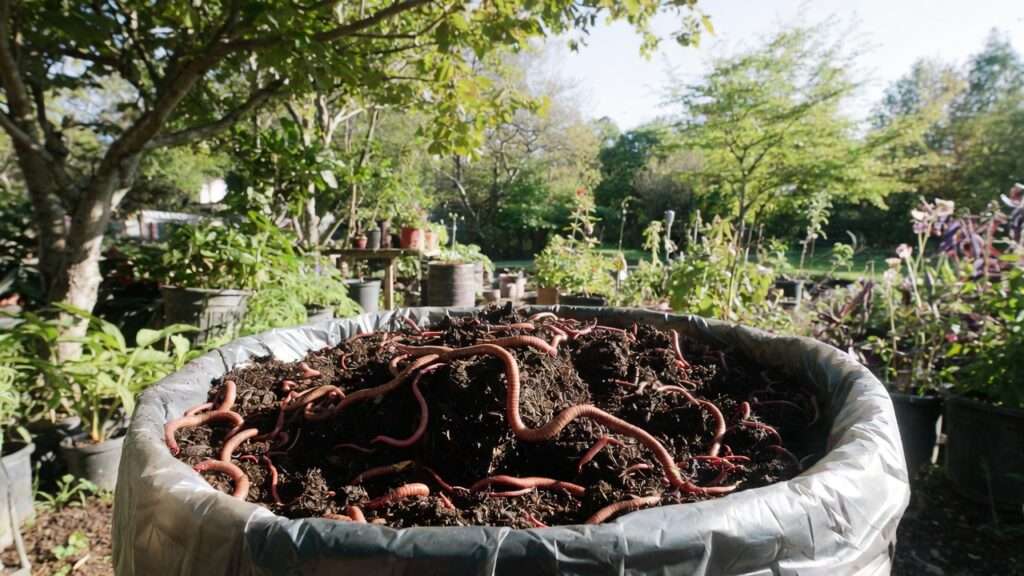
Imagine this: You lift the lid of your worm bin, excited to harvest that dark, crumbly gold—vermicompost—to feed your thriving tomato plants, fruit trees, or indoor houseplants… only to be met with a swirling cloud of tiny fruit flies or a sea of crawling mites 😩. Your heart sinks. Is your vermicomposting adventure ruined? Are your precious red wigglers in danger?
You’re not alone. Troubleshooting worm bin pests is one of the most common challenges faced by home vermicomposters, especially those using worm castings to boost plant growth and soil health in gardens big and small. The good news? Most worm bin pests are more of a nuisance than a disaster, and with the right identification and natural fixes, you can restore balance quickly—without harming your worms or the environment.
In this in-depth guide, we’ll walk you through every major invader you’ll likely encounter: fruit flies, fungus gnats, mites, ants, black soldier fly larvae, and occasional uninvited guests like centipedes. You’ll learn exact identification tips (with key visual cues), why they show up in the first place, step-by-step elimination methods using safe, organic solutions, and proven prevention strategies to keep your bin pest-free for good. Whether you’re a beginner or seasoned composter, this skyscraper-level resource draws from years of hands-on vermicomposting experience, university extension resources (like Cornell Composting), and real-world gardener feedback to help you produce the richest, healthiest castings for lush plants and trees 🌳.
By the end, you’ll have the tools to turn pest problems into stronger, more resilient worm bins—and happier gardens. Let’s dive in and get your vermicompost system back on track! 🛠️
Why Pests Invade Worm Bins in the First Place 🤔
Pests don’t randomly target worm bins; they arrive because conditions are just right for them. Understanding the root causes is the first step to effective troubleshooting worm bin pests and preventing future outbreaks.
Here are the top 5 attractors:
- Overfeeding 🍎 – Excess food scraps (especially fruits and veggies) decompose quickly, releasing odors and moisture that draw flies and mites.
- Too wet bedding 💧 – Worm bins should feel like a wrung-out sponge (60–80% moisture). Soggy conditions encourage mold, fungus gnats, and mites.
- Exposed food scraps 🗑️ – Unburied kitchen waste is an open invitation to fruit flies, ants, and more.
- Warm temperatures 🔥 – Ideal worm range is 55–77°F (13–25°C), but hotter weather speeds decomposition and pest reproduction (common in summer or indoor heated spaces).
- Poor airflow 🌬️ – Stale, compacted bedding creates anaerobic pockets that favor unwanted critters.
Quick self-audit checklist to spot issues early:
- Squeeze a handful of bedding—only a few drops of water should come out.
- Check if food is buried at least 2–4 inches deep under bedding.
- Smell the bin—healthy vermicompost smells earthy, not rotten or sour.
- Note temperature and recent weather/feed changes.
Fixing these fundamentals often reduces pests dramatically before targeting specific invaders.
Common Worm Bin Pests: Identification Guide 📸
Spotting the culprit quickly saves time and stress. Here’s a detailed breakdown of the most frequent visitors, with descriptions to help you identify them on sight.
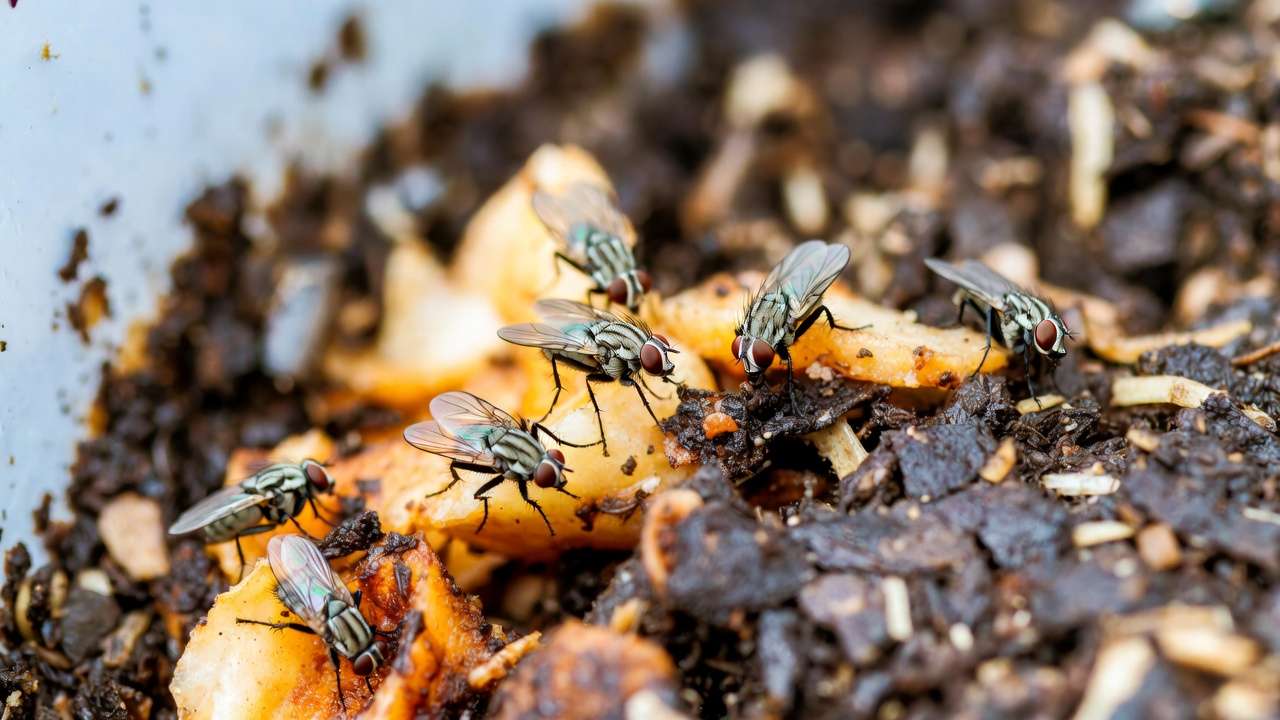
Fruit Flies & Fungus Gnats 🪰 Fruit flies are tiny (about 1/8 inch), tan or reddish-brown with bright red eyes, often hovering around the bin lid. Fungus gnats are darker, mosquito-like, and linger near moist soil or bedding. Signs: Clouds when you open the bin, eggs/larvae on exposed food. They thrive on fermenting scraps and indicate overripe food or excess moisture—not directly harmful to worms, but annoying and a sign to act fast.
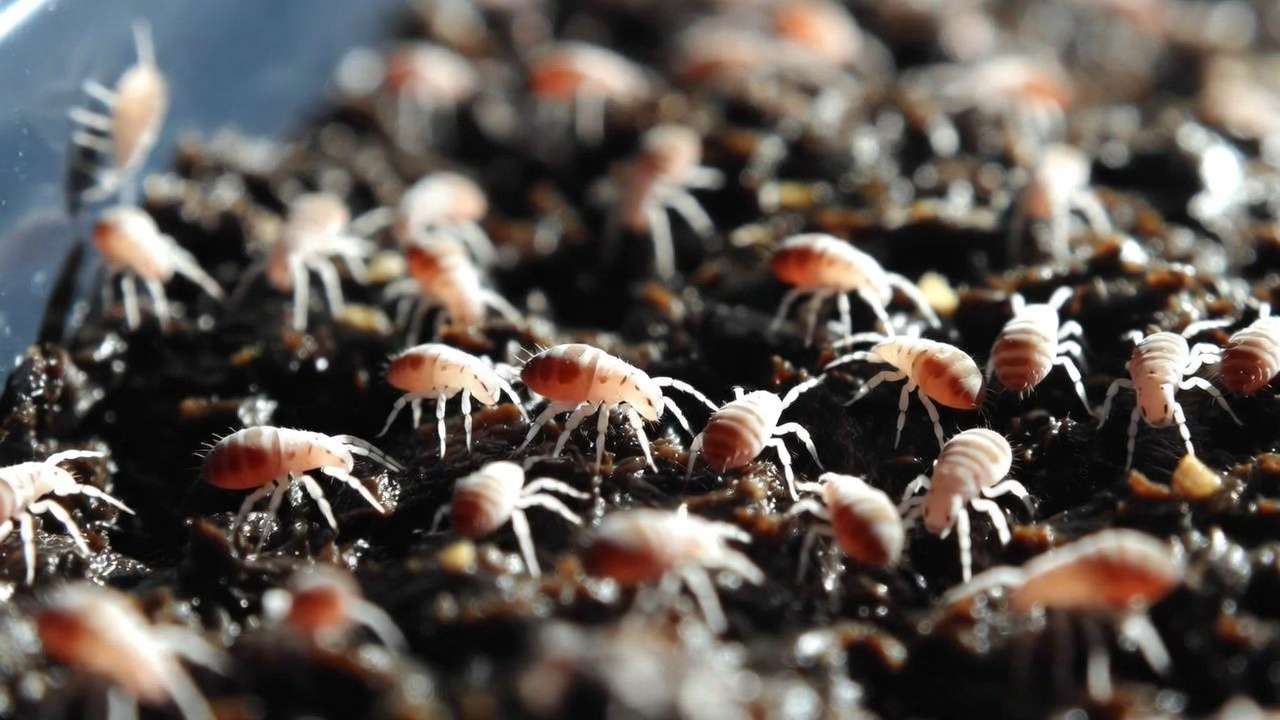
Mites (Red, White, & Mold Mites) 🕷️ Mites are microscopic to pinhead-sized. White mites look like tiny moving pearls or dust; red/brown mites crawl quickly on surfaces. Harmless mites help break down organics, but huge populations (thousands covering everything) signal overly wet or acidic conditions. Rarely predatory on healthy worms, but overwhelming numbers stress the bin ecosystem.
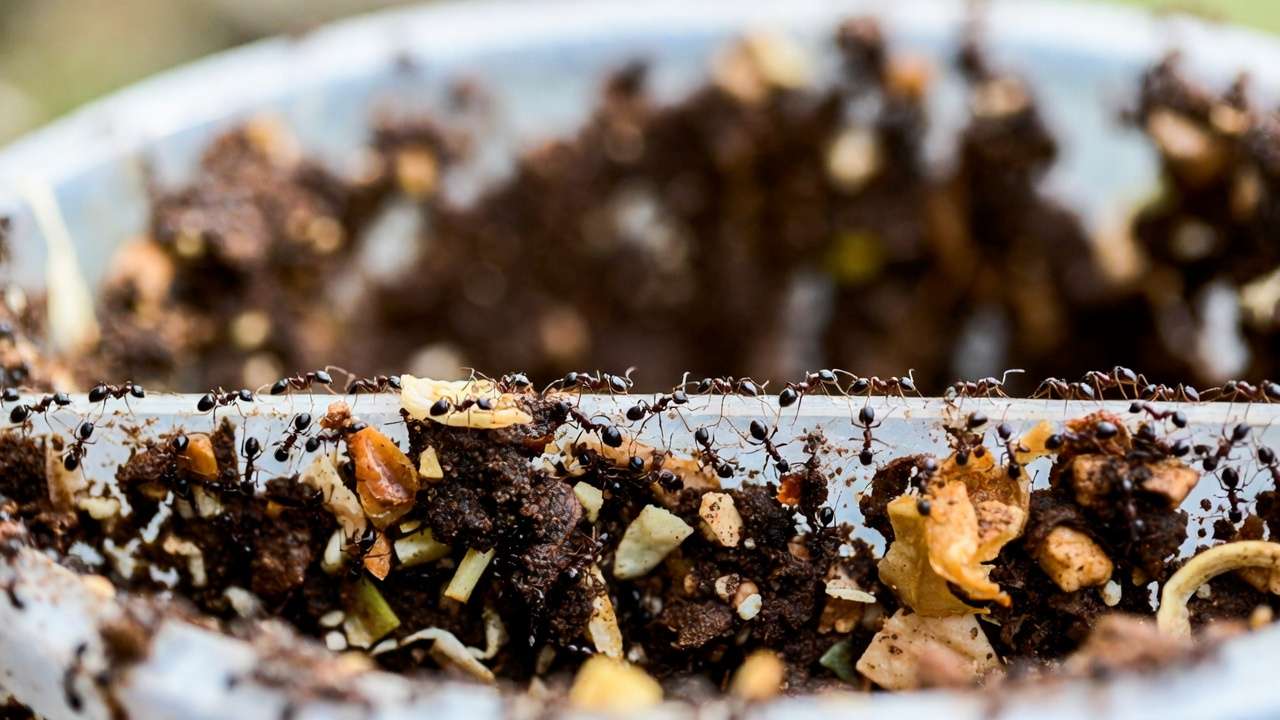
Ants 🐜 Small black, brown, or red ants marching in lines, often building nests in dry bedding corners. They seek sweet/moist food scraps and can sting if disturbed (though most bin ants are harmless). Ants appear when bins are too dry or food is accessible—sometimes they farm aphids elsewhere and “visit” for honeydew-like residues.
Black Soldier Fly Larvae (BSFL) / Maggots 🪱 Large (up to 1 inch), segmented, grayish-brown larvae with tough skin (not soft like housefly maggots). They wriggle aggressively and have a distinct head. Often considered beneficial—they outcompete harmful flies and break down tough waste fast—but can dominate and crowd worms if unchecked.
Other Occasional Invaders
- Centipedes/millipedes – Fast-moving predators (centipedes bite worms) or harmless detritivores (millipedes).
- Potworms – Tiny white worms that thrive in cold, wet conditions (not red wigglers).
- Sowbugs/pill bugs – Crustaceans that munch decaying matter harmlessly.
- Rove beetles – Predatory; eat eggs/young worms if abundant.
(Pro tip: Snap a close-up photo next time and compare to online guides from sources like Uncle Jim’s Worm Farm or Urban Worm Company for confirmation.)
Step-by-Step Troubleshooting & Elimination Strategies 🛠️
General Fix Framework – Restore Balance First ⚖️
Before pest-specific attacks, reset the bin ecosystem:
- Pause feeding for 1–2 weeks to let worms catch up.
- Fluff and aerate bedding gently with a hand fork to improve oxygen flow.
- Adjust moisture – Add dry shredded newspaper/cardboard if soggy; mist lightly if dry. Aim for that wrung-out sponge feel.
- Bury food deeper – Always cover scraps with 2–4 inches of fresh bedding.
- Optimize temperature – Move bin to a cooler spot if over 80°F; insulate in cold weather.
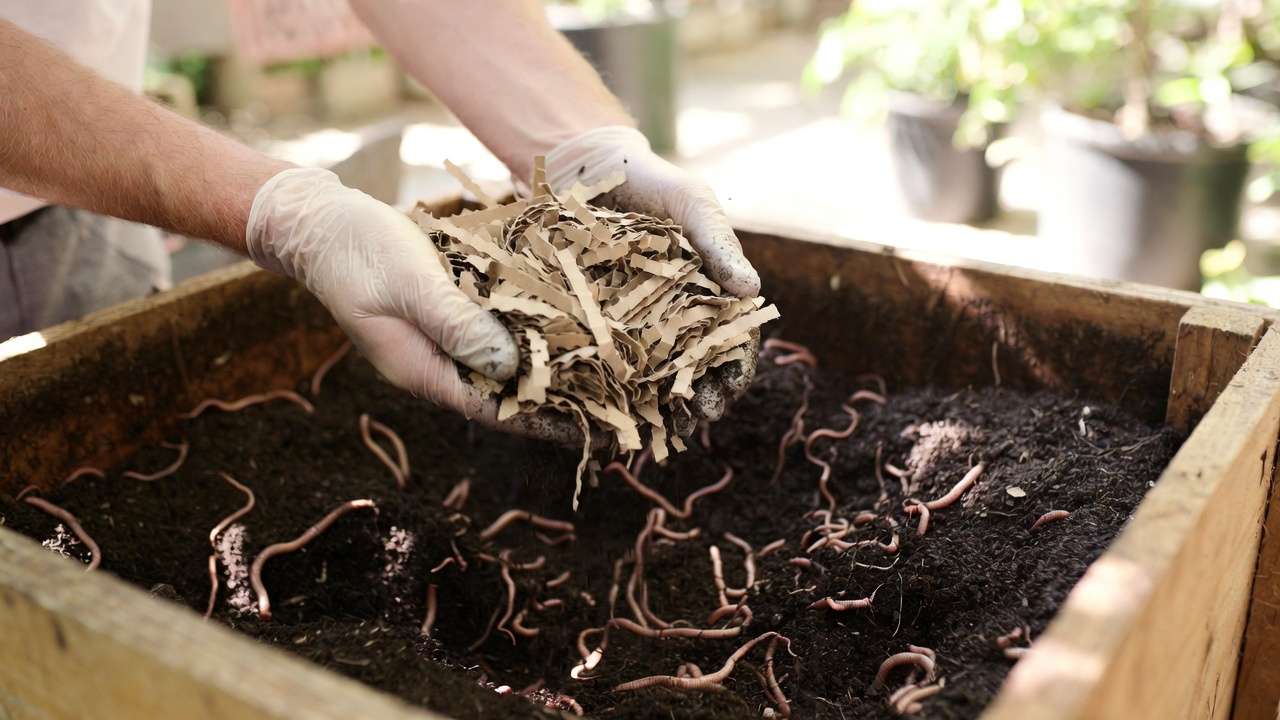
These steps alone solve 70–80% of pest issues by making the bin less inviting.
Pest-Specific Solutions
Fruit Flies 🍎🪰
- Immediate traps → Fill a jar with apple cider vinegar + a drop of unscented dish soap. Cover with plastic wrap poked with tiny holes—flies enter but can’t escape. Place near bin and refresh every few days.
- Prevent eggs → Freeze scraps 24 hours before adding (kills eggs/larvae ❄️).
- Extra weapons → Food-grade diatomaceous earth (DE) sprinkled lightly on surface (dries out flies without harming worms). Sticky traps or mosquito dunks/bits (BTI) for larvae.
- Long-term → Bury food completely, add more browns (cardboard), and reduce fruit-heavy feeds in summer.
Mites 🕸️
- Dry them out → Reduce moisture aggressively (add layers of dry paper/cardboard). Expose bin to indirect light/air for a day or two (mites hate dry + light).
- Natural repellents → Lightly dust with cinnamon powder or food-grade DE 🌿—both dehydrate mites safely.
- Monitor → A few mites are normal; only act if populations explode.
Ants 🐜
- Barriers → Elevate bin legs in shallow water dishes (ants won’t cross moats). Apply food-grade DE or cinnamon around base/rim.
- Baits outside bin → Use borax + sugar mix in a separate container far from worms (ants take it back to colony). Avoid toxic sprays near bin!
- Bin tweaks → Keep moist (ants prefer dry), bury food well, add citrus peels temporarily (deters but don’t overdo—acidic).
Black Soldier Fly Larvae
- Coexist if possible — BSFL aren’t predatory and speed composting.
- Reduce if overwhelming → Add more bedding/browns, harvest castings sooner, or use BTI (mosquito bits) sparingly (kills fly larvae but worms tolerate).
- Harvest bonus → Collect larvae for chicken/bird feed—high-protein treat!
Centipedes & Predators
- Manual removal → Pick out visible ones with tweezers/gloves.
- Favor worms → Improve conditions (moisture, food burial) so worms thrive and outcompete.
Black Soldier Fly Larvae 🪱 Black soldier fly larvae (often just called “BSFL” or “soldier grubs”) are one of the most misunderstood visitors. They look intimidating—plump, segmented, armored-looking creatures up to an inch long—but they’re rarely a true threat to red wigglers. In fact, many experienced vermicomposters view them as helpful allies because they:
- Rapidly consume tough, high-carbon materials (like corn cobs or melon rinds) that worms struggle with
- Outcompete houseflies and fruit flies (their larvae are far less problematic)
- Produce their own valuable frass (castings)
When to intervene: Only if their numbers explode and they begin crowding out worms or dominating the bin.
- Gentle reduction → Add extra dry bedding (shredded cardboard, coconut coir) to make the environment less appealing to flies laying eggs.
- BTI option → Sprinkle mosquito bits/dunks (containing Bacillus thuringiensis israelensis) sparingly on the surface. BTI targets fly larvae specifically and is considered safe for worms, plants, and humans when used as directed.
- Harvest early → Sift castings sooner than usual; BSFL tend to migrate to the surface when mature and ready to pupate. Many people collect them as high-protein feed for chickens, fish, or reptiles 🐔🐟.
Centipedes, Millipedes, Rove Beetles & Other Predators
- Centipedes → Fast, flat, multi-legged hunters with venomous forcipules. They will eat worm eggs, juveniles, and even adults if populations are high. Solution: Manually remove every one you see (gloves recommended). Improve overall bin conditions so worms reproduce faster than predators can eat. Avoid over-moist, cool conditions that favor centipedes.
- Rove beetles → Slender, fast-moving black beetles. Adults are predatory, but larvae can also harm worms. Solution: Same as centipedes—manual removal + balance the bin ecosystem.
- Millipedes, sowbugs/pill bugs → Mostly harmless detritivores. They help break down tough bedding but can become numerous in very wet bins. Solution: Reduce moisture and remove excess if they’re damaging young plants later via castings.
Prevention: Keep Pests Away for Good 🔒
The best pest control is a bin that naturally discourages invaders. Here’s your long-term playbook:
Optimal Feeding Practices
- Feed only what worms can finish in 3–5 days (start small if unsure).
- Chop or blend scraps to speed decomposition.
- Bury food in pockets and cover immediately with 2–4 inches of fresh bedding.
- Alternate “greens” (veggie/fruit scraps) with “browns” (shredded paper, cardboard, dry leaves).
- Freeze scraps 24–48 hours before adding during warm months ❄️—kills fruit fly eggs and slows fermentation odors.
- Avoid meat, dairy, oily foods, and citrus in large quantities (these attract worse pests).
Bin Maintenance Routine Checklist Weekly:
- Fluff/aerate gently
- Check moisture (squeeze test)
- Bury new food deeply
- Empty traps if using
Monthly:
- Harvest castings if bin is 2/3 full
- Add fresh bedding layer
- Inspect for pest signs early
Location & Design Tips
- Elevate bins on bricks/legs to deter ants and rodents.
- Use bins with secure, ventilated lids (no gaps bigger than 1/8 inch).
- Outdoors: Place in shade; indoors: avoid direct heat sources.
- Moat trick: Set bin legs in shallow dishes of water + a drop of dish soap—ants won’t cross.
Natural Repellents (Use Sparingly)
- Cinnamon powder 🌿 – sprinkle lightly to deter ants and mites.
- Neem cake or neem meal – mix into top layer (mild insect repellent, worm-safe).
- Dry citrus peels 🍊 – small amounts deter ants and flies (don’t overdo—too acidic).
- Crushed eggshells – add grit and slightly deter soft-bodied pests.
Seasonal Adjustments
- Summer → More frequent checks, freeze scraps, extra browns, better ventilation.
- Winter → Insulate bins (bubble wrap, moving to garage), reduce feeding, watch for potworms in cold/wet conditions.
Healthy, happy worms are your best defense—strong populations quickly outcompete or consume pest eggs/larvae.
Using Pest-Free Worm Castings in Your Plant & Tree Care 🌳
Once pests are under control, your reward is premium, organic fertilizer. Worm castings are prized for:
- Balanced N-P-K + micronutrients
- Beneficial microbes that suppress soil diseases
- Improved water retention and soil structure
Application Tips to Avoid Re-Introducing Pests
- Screen castings through 1/8–1/4 inch mesh to remove any lingering larvae.
- Let harvested castings “cure” 2–4 weeks in open air (dries out any hitchhikers).
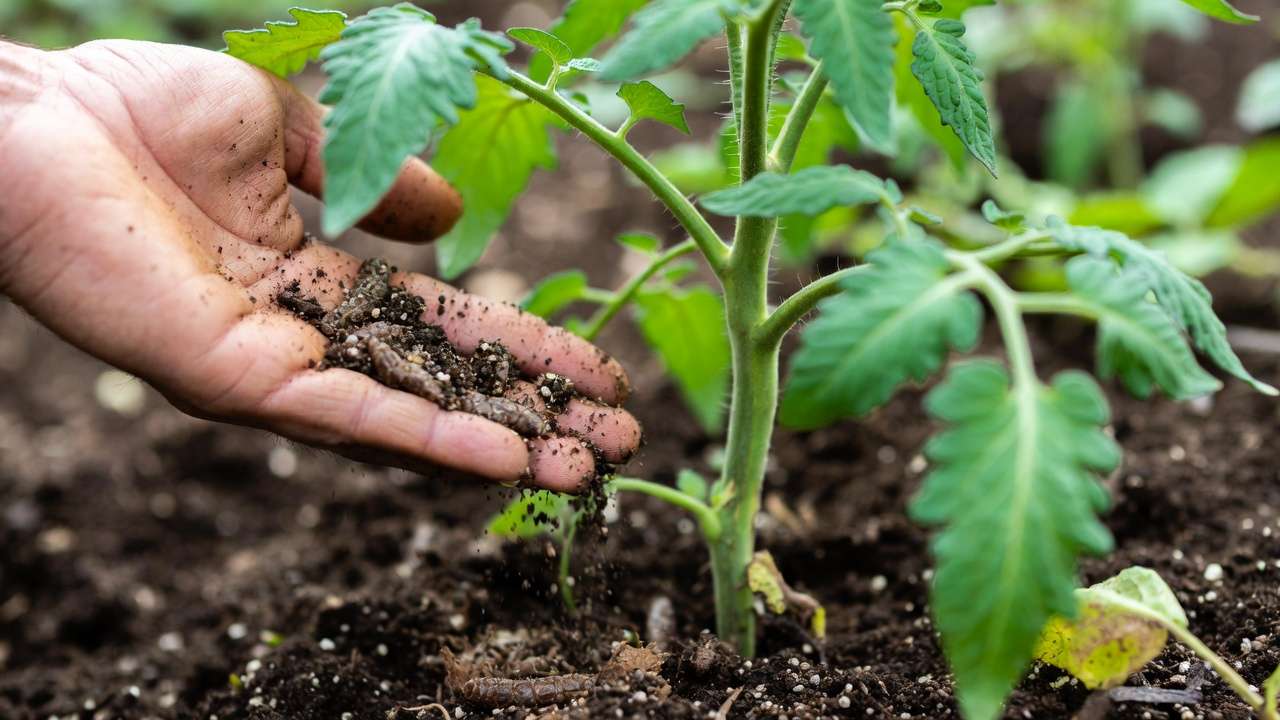
- Top-dressing → Sprinkle ½–1 inch around plant bases, lightly scratch in.
- Worm casting tea → Steep 1 cup castings in 1 gallon non-chlorinated water for 24–48 hours; strain and dilute 1:10. Use as foliar spray or soil drench.
- For trees → Mix into mulch rings around fruit trees or incorporate into planting holes for new saplings—many gardeners report noticeably faster growth and better fruit set after switching to pest-free vermicompost.
Real reader example: “After fixing a bad fruit fly issue, my bell peppers went from average to producing 3x more fruit in the same space—castings made the difference!” 🌶️
Common Mistakes to Avoid ❌
- Spraying chemical insecticides or using toxic baits inside/near the bin → Kills worms instantly.
- Over-reacting to harmless helpers (small mite numbers, occasional BSFL).
- Ignoring moisture/food burial → Root cause of 90% of pest problems.
- Adding too much fresh food after an infestation → Allows pests to rebound fast.
- Using potting soil instead of proper bedding → Often brings in fungus gnats.
FAQs ❓
Are mites in worm bins dangerous to humans or plants? Most are harmless decomposers. Only predatory species (rare) pose any risk, and they don’t transfer to plants via castings.
How do I get rid of fruit flies overnight? Apple cider vinegar + dish soap traps work fastest. Combine with freezing future scraps and burying food deeply.
Is diatomaceous earth safe for worms? Yes—food-grade DE is non-toxic to worms when used lightly on the surface. It dehydrates soft-bodied pests.
Do black soldier fly larvae hurt my red wigglers? Rarely. They usually coexist peacefully and even help compost faster.
Why do pests appear more in summer? Higher temperatures speed decomposition, increase odors, and boost pest reproduction cycles.
Can I use essential oils to repel pests? Some (peppermint, tea tree) work mildly but can irritate worms if overused. Stick to proven methods first.
What if I see tiny white worms that aren’t red wigglers? Likely potworms—harmless but indicate very wet, acidic conditions. Dry out bin to encourage red wigglers.
How long does it take to get rid of ants? Usually 1–3 weeks with barriers, baits (outside), and better moisture/food management.
Will pests spread to my houseplants? Fruit flies/fungus gnats can if you use infested castings fresh. Screen and cure castings first.
Can I restart my bin if pests are overwhelming? Yes—move worms to a fresh bin with new bedding, discard old material carefully (outdoors, away from house), and restart slowly.
Conclusion & Next Steps 🎉
Troubleshooting worm bin pests doesn’t have to be stressful or defeat your vermicomposting dreams. By understanding why invaders arrive, identifying them quickly, applying targeted natural fixes, and—most importantly—maintaining a balanced, happy bin, you’ll turn potential frustration into one of the most rewarding parts of organic gardening.
A pest-free worm bin means endless free, nutrient-rich castings that supercharge your vegetables, houseplants, fruit trees, and garden beds 🌿🍅🍊. Your worms (and your plants) will thank you!
Action steps for today:
- Do the moisture squeeze test and quick audit.
- Set up an apple cider vinegar trap if you see flies.
- Bury any new food extra deep tonight.
You’ve got this! Drop a comment below with your biggest pest win or question—I love hearing from fellow gardeners and vermicomposters. Happy composting! 🪱🌱











