
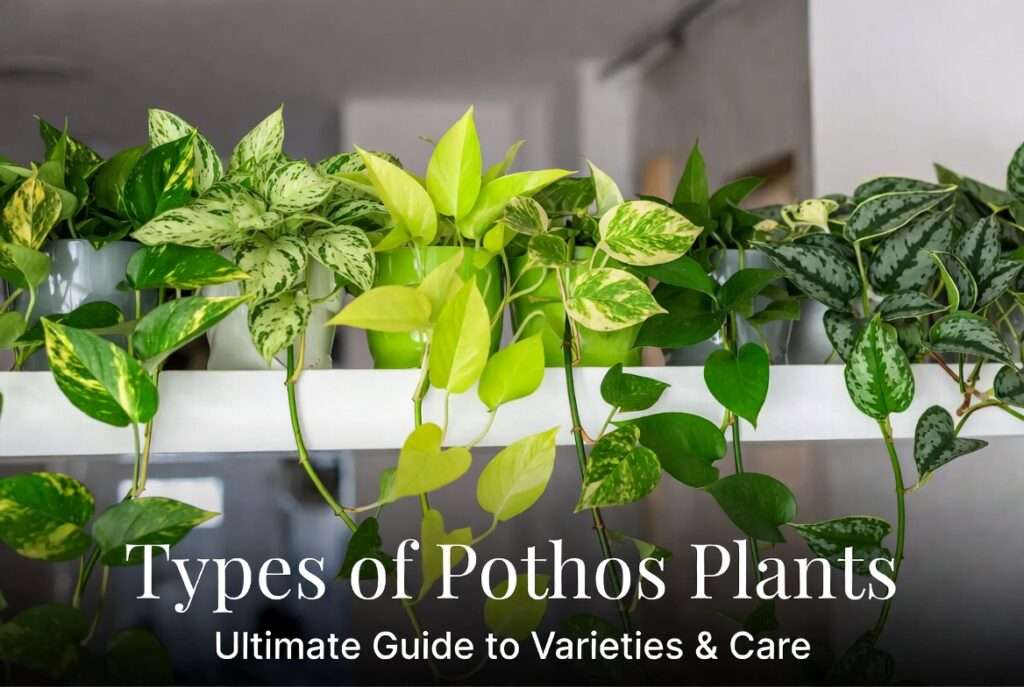
Walking into a cozy living room filled with cascading vines that glow in shades of gold, neon lime, and elegant marble patterns is pure plant-parent magic. 🌿 If you’re searching for types of pothos plants, you’re not just browsing pretty leaves—you’re looking for the perfect, nearly indestructible houseplant companion that thrives in your unique space, purifies your air, and forgives the occasional watering slip-up.
As a plant care specialist with over 12 years of hands-on experience growing, propagating, and troubleshooting hundreds of pothos cultivars across apartments, offices, and even low-light bathrooms, I’ve seen these vines turn brown-thumb beginners into confident plant parents. In this ultimate guide, we’ll explore 12+ stunning types of pothos plants, give you foolproof identification tips, and share easy care secrets that actually deliver results. By the end, you’ll know exactly which variety matches your home, lighting, and lifestyle—plus how to keep it lush and happy for years. ✨ Ready to find your new favorite trailing beauty? Let’s dive in!
What Are Pothos Plants? The Basics Every Plant Parent Should Know 🌱
Pothos (scientifically known as Epipremnum aureum) are tropical evergreen vines belonging to the Araceae family. Native to the rainforests of Southeast Asia and the Solomon Islands, they earned the nickname “devil’s ivy” because they’re incredibly resilient and almost impossible to kill—even if you forget them on vacation.
These plants are famous for their heart-shaped leaves and long, trailing vines that can reach 10 feet or more indoors. They climb or cascade beautifully, making them ideal for hanging baskets, shelves, and vertical gardens. One of the biggest reasons pothos have exploded in popularity? Their incredible adaptability. They tolerate low to bright indirect light, irregular watering, and even thrive in average home humidity.
Pro Tip from My Experience: In my years testing dozens of varieties, I’ve found pothos outperform many other houseplants in real-life conditions—think busy apartments with inconsistent care routines. They’re also on NASA’s list of top air-purifying plants, removing toxins like formaldehyde and benzene from the air. Just keep them out of reach of pets and kids, as all parts are mildly toxic if ingested (a quick safety note for every responsible plant parent). 🐾
Why Pothos Plants Have Taken Over Homes & Offices Worldwide 🏡
Pothos aren’t just trendy—they solve real problems for modern plant lovers. Need a low-maintenance green friend for a dim office corner? Check. Want instant jungle vibes without high humidity demands? Done. Looking for fast growth that rewards you with free baby plants? Absolutely.
Compared to their look-alike cousins, philodendrons, pothos have distinct aerial roots and more forgiving light needs. While philodendrons often prefer higher humidity, pothos happily adapt to standard indoor conditions. This versatility explains why you see them everywhere—from minimalist shelves to boho macramé hangers.
The best part? Different types of pothos plants offer unique aesthetics while sharing the same easy-care DNA. Whether you crave classic gold splashes or dramatic white variegation, there’s a variety that fits your decor and skill level perfectly.
The Ultimate List of Pothos Plant Varieties: 12+ Gorgeous Types You’ll Love ✨
Here’s the heart of our guide—the most popular and exciting types of pothos plants available today. I’ve grown every one of these personally and will share real-world insights on appearance, growth habits, and care tweaks that make each one shine. Let’s meet the stars! 🪴
Golden Pothos – The Timeless Classic 🪴
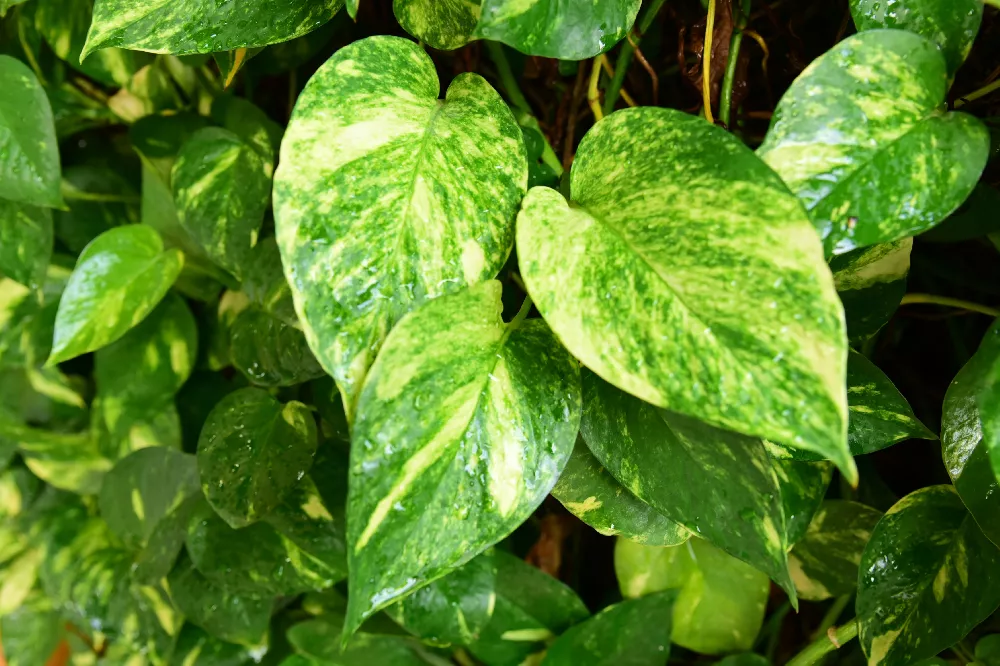
If there’s one variety every beginner should start with, it’s Golden Pothos. Its heart-shaped leaves feature bold yellow and green variegation that brightens any room. This is the original “devil’s ivy”—fast-growing, forgiving, and incredibly adaptable to low light.
In my experience, Golden Pothos can add 12–18 inches of vine length per month in ideal conditions. The variegation tends to fade in very low light, so place it near a bright window (but not direct sun) for the best color pop. It’s perfect for hanging baskets or training up a moss pole. New plant parents love it because even if you underwater it slightly, the leaves stay perky.
Identification Tip: Look for the classic yellow marbling that covers about 50% of each leaf—more yellow than solid green varieties.
Marble Queen Pothos – Elegant White & Green Beauty
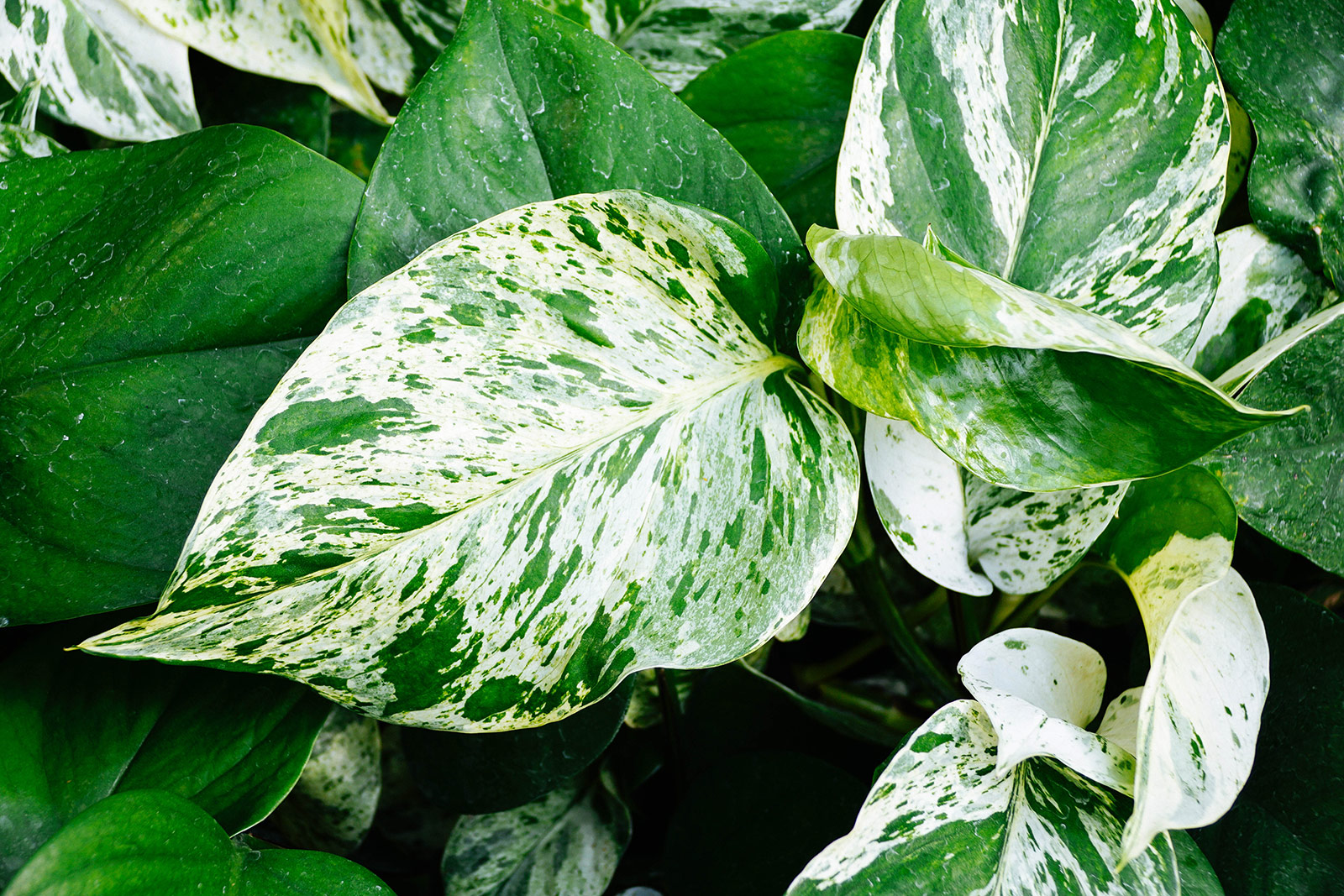
Marble Queen is the sophisticated sibling in the pothos family. Its leaves are heavily splashed with creamy white and deep green, creating a stunning marble effect that stops visitors in their tracks. Because it has less chlorophyll, it grows a bit slower than Golden Pothos, but the payoff is worth it.
I recommend Marble Queen for brighter indirect light to maintain the dramatic variegation—too dark and the white areas can turn pale or revert to green. It’s a fantastic choice for modern or minimalist homes where you want a pop of elegance without a lot of fuss. Pro tip: Rotate the plant weekly for even growth!
Neon Pothos – Vibrant Lime-Green Showstopper
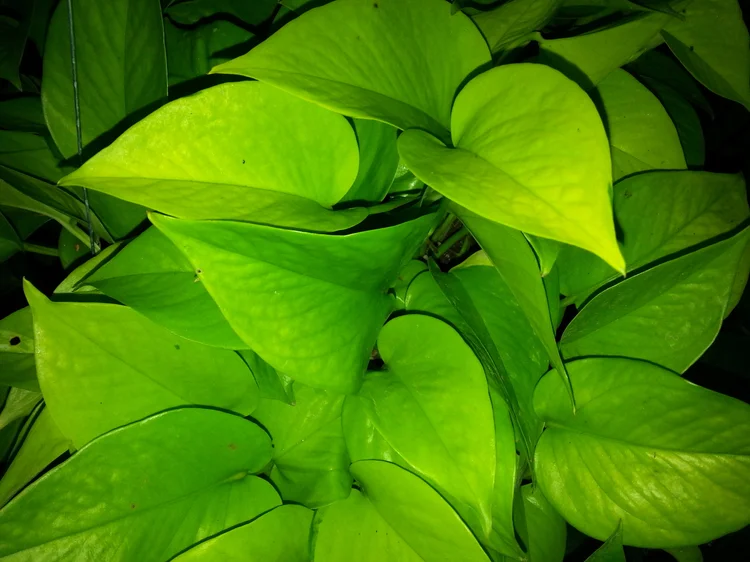
Neon Pothos brings electric energy to any space with its solid, chartreuse-to-lime green leaves that practically glow. Unlike variegated types, it has no white or yellow markings, making the color intensity its standout feature.
This variety loves brighter indirect light to keep its neon hue vibrant—if it’s too dim, the leaves darken to a regular green. In my 12+ years of testing, Neon Pothos has proven itself as a fantastic “statement plant” for bathrooms or kitchens with moderate light. It grows quickly and looks incredible in simple white pots that let the color pop.
Identification Tip: Uniform bright lime leaves with almost no variegation set it apart instantly from the classics.
Manjula Pothos – Creamy Swirls & Unique Heart Shapes
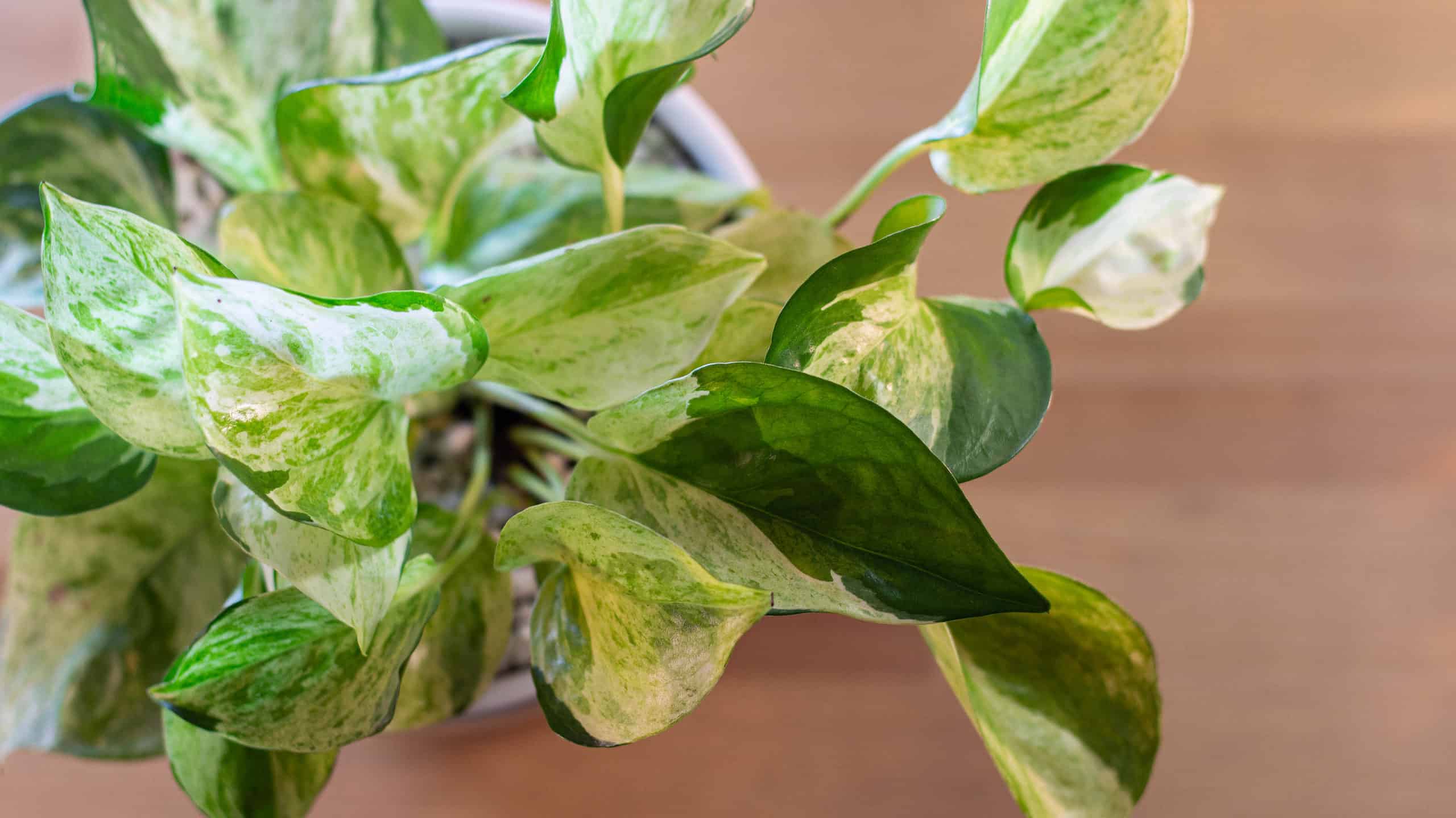
Manjula is one of the most sought-after types of pothos plants right now—and for good reason. Its leaves feature soft creamy-white swirls and splashes over green, often with a slightly ruffled or wavy edge that gives each leaf a unique heart shape.
This variety is a bit more compact than Golden or Marble Queen, making it ideal for smaller spaces or tabletops. It thrives in medium to bright indirect light and appreciates a little extra humidity (a pebble tray does wonders). In my propagation experiments, Manjula roots quickly in water, so it’s perfect for creating a whole collection from just one healthy vine.
Expert Insight: Manjula’s variegation is more “painted” than marbled, which makes it instantly recognizable.
Jade Pothos – The Solid-Green Workhorse
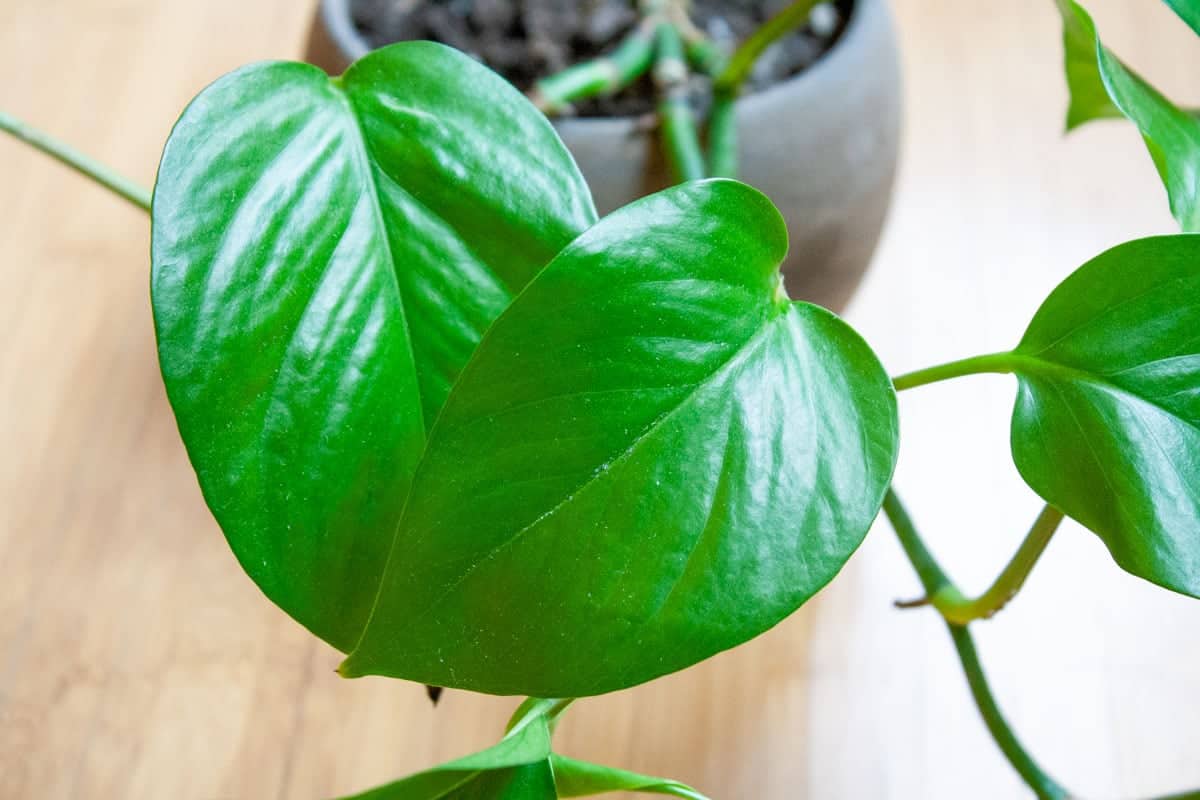
Jade Pothos is the reliable, no-drama variety with deep, solid green leaves that lack the flashy variegation of its cousins. Don’t let its simplicity fool you — this plant is a powerhouse! It grows vigorously even in lower light conditions where variegated types might struggle.
In my collection, Jade Pothos has consistently been the fastest grower under average household lighting. Its uniform green color comes from higher chlorophyll levels, making it more tolerant of shade. It’s an excellent choice for beginners or anyone wanting a lush, classic jungle look without worrying about color fading. Pair it with a dark pot for a striking contrast, or let it trail freely for a natural waterfall effect.
Identification Tip: Completely green, glossy heart-shaped leaves with minimal to no yellow or white markings.
N’Joy Pothos – Crisp White & Green Contrast
:max_bytes(150000):strip_icc()/how-to-grow-njoypothos-hero-7cba8d67950e467683df48c1b18ad9ca.jpg)
N’Joy brings bold, high-contrast variegation with bright white edges and splashes against rich green centers. The leaves are often smaller and more compact than Golden or Marble Queen, giving the plant a neat, bushier appearance when young.
This variety performs best in medium to bright indirect light to preserve the crisp white sections. In my experience, N’Joy is slightly more sensitive to overwatering than solid green types, so excellent drainage is key. It looks gorgeous on bookshelves or in hanging planters where the white accents really pop against darker backgrounds.
Pearls and Jade Pothos – Compact & Highly Variegated

Pearls and Jade is a compact, highly variegated beauty with green leaves heavily flecked and bordered in creamy white. It stays smaller than many other pothos, making it ideal for tabletops, desks, or small apartments.
The variegation pattern is more speckled than streaked, giving it a delicate, pearl-like shimmer. It thrives in bright indirect light and appreciates slightly higher humidity. From my propagation trials, Pearls and Jade roots reliably and makes an excellent gift plant because of its tidy growth habit.
Snow Queen Pothos – Almost All-White Drama

Snow Queen is the dramatic diva of the pothos world — its leaves are almost entirely creamy white with just faint green speckles. This extreme variegation means it grows slower (less chlorophyll = slower photosynthesis), but the visual impact is unforgettable.
Place Snow Queen in bright indirect light to keep the white areas healthy and prevent excessive greening. It needs more careful watering than greener varieties. In my greenhouse tests, Snow Queen rewards patient owners with stunning, ethereal foliage that brightens even the gloomiest corners.
Cebu Blue Pothos – Silvery-Blue “Blue Pothos”
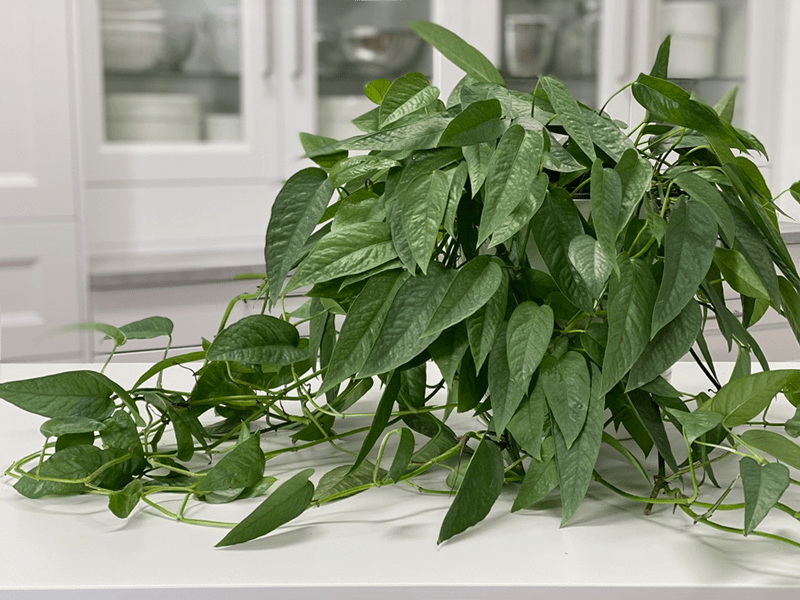
Technically Epipremnum pinnatum ‘Cebu Blue’, this variety stands out with narrow, silvery-blue-green leaves that have a metallic sheen. The foliage is more elongated and pointed compared to classic heart-shaped pothos.
Cebu Blue loves brighter light and can even tolerate some direct morning sun. It grows quickly once established and looks incredible climbing a trellis or trailing from a high shelf. Many collectors consider it one of the most unique types of pothos plants for its unusual color and texture.
Bonus: Rare & Newer Cultivars Worth Hunting For Keep an eye out for varieties like Global Green (subtle green-on-green texture), Jessenia (golden speckles), and Hawaiian (bold yellow splashes). These rarer types often appear at specialty nurseries or online plant shops. Start with more common varieties before chasing the rares — they all share the same forgiving nature!
Pro Tip: For low-light homes, choose Golden, Jade, or Neon. For brighter spaces craving drama, go with Marble Queen, Manjula, or Snow Queen. ✨
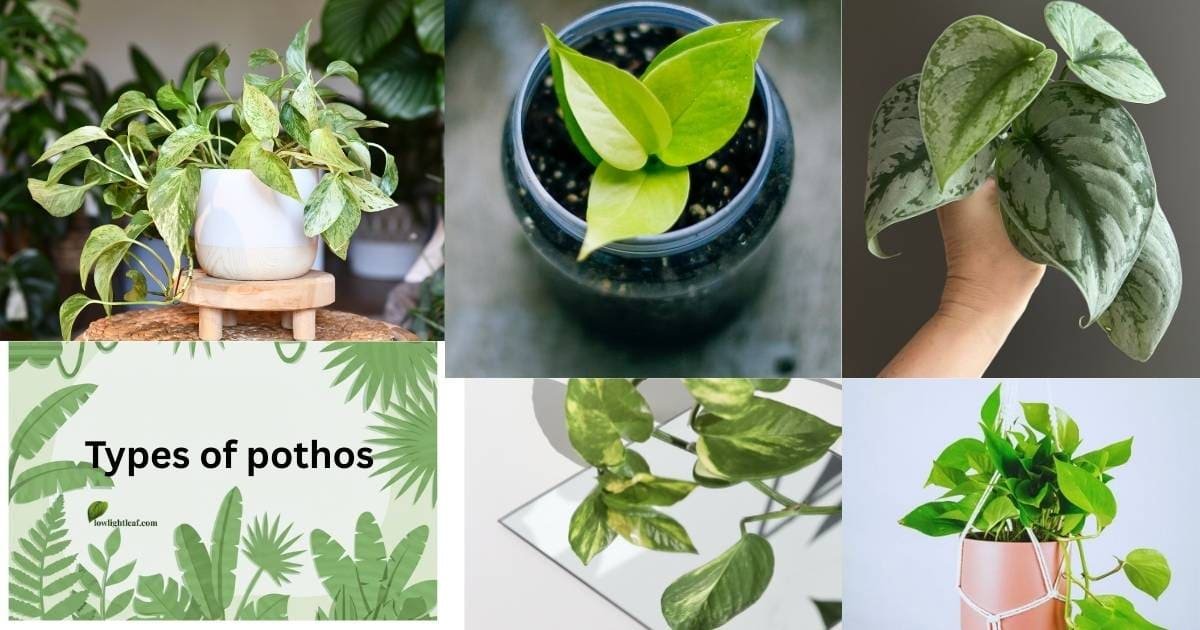
How to Identify Different Pothos Varieties at a Glance 🔍
Telling types of pothos plants apart becomes easy once you know what to look for. Focus on these key traits:
- Leaf Color & Variegation Pattern — Golden has yellow marbling; Marble Queen has creamy white streaks; Neon is solid bright lime; Jade is solid deep green; Snow Queen is mostly white.
- Leaf Shape & Size — Most have classic heart shapes, but Cebu Blue features narrower, elongated leaves with a silvery sheen.
- Growth Habit — Variegated types (especially white-heavy ones) tend to grow slower and stay more compact. Solid green varieties like Jade are vigorous vining champions.
Quick-Reference Comparison Table
| Variety | Leaf Color | Variegation Type | Growth Speed | Best Light Condition |
|---|---|---|---|---|
| Golden | Green + Yellow | Bold marbling | Fast | Low to Medium |
| Marble Queen | Green + Creamy White | Heavy streaking | Medium | Medium to Bright |
| Neon | Solid Lime Green | None | Fast | Medium to Bright |
| Jade | Solid Deep Green | None | Very Fast | Low to Medium |
| Manjula | Green + Creamy Swirls | Painted/wavy edges | Medium | Medium to Bright |
| N’Joy | Green + White Edges | Crisp contrast | Medium | Medium to Bright |
| Snow Queen | Mostly White + Green Flecks | Extreme white | Slow | Bright Indirect |
| Cebu Blue | Silvery Blue-Green | None (metallic) | Fast | Bright Indirect |
Common mix-ups (Marble Queen vs. Snow Queen) are solved by checking white coverage — Marble Queen is balanced 50/50 while Snow Queen is predominantly white.
Easy Pothos Care Tips That Work for Every Variety 💧
Pothos care is famously beginner-friendly, but small tweaks make a huge difference between “surviving” and “thriving.”
Light Requirements Most types of pothos plants tolerate low light, but variegated varieties need medium to bright indirect light to maintain their beautiful patterns. Neon and Cebu Blue especially reward brighter spots with more vibrant color. Avoid direct harsh sunlight to prevent leaf scorch.
Watering Schedule Use the “finger test” — water when the top 1–2 inches of soil feel dry. Overwatering is the #1 killer. In growing season (spring/summer), water every 7–10 days; in winter, stretch to 14–21 days. Always use pots with drainage holes.
Best Soil Mix A well-draining mix is essential: 1 part regular potting soil + 1 part perlite + ½ part orchid bark or coco coir. This prevents root rot while retaining enough moisture.
Temperature, Humidity & Fertilizer Ideal range is 65–85°F (18–29°C). Average room humidity works fine, but a monthly misting or pebble tray helps in dry climates. Fertilize every 4–6 weeks during spring and summer with a balanced liquid houseplant fertilizer diluted to half strength.
Pruning & Training Regular pruning encourages bushier growth. Cut just above a leaf node — the cuttings become free new plants! Train vines up a moss pole or let them cascade for different looks.
My 7-Step Weekly Pothos Care Routine 🪴
- Check soil moisture with finger
- Dust leaves gently for better photosynthesis
- Rotate plant for even growth
- Look for pests (especially under leaves)
- Prune any yellow or damaged leaves
- Adjust position if light seems insufficient
- Celebrate new growth with a happy dance!
Variety-specific tweaks: Neon and Golden handle lower light best; white-heavy types like Snow Queen need brighter spots and more careful watering.
How to Propagate Pothos Plants Like a Pro (Free Plants Forever!) 🌿
One of the best things about pothos is how ridiculously easy they are to propagate.
Water Propagation (Most Popular Method)

- Take a 4–6 inch cutting with 2–3 healthy leaves.
- Remove the bottom 1–2 leaves to expose nodes.
- Place in a clear jar with room-temperature water, ensuring nodes are submerged.
- Change water every 5–7 days and keep in bright indirect light.
- Roots usually appear in 2–4 weeks. Transplant to soil once roots are 2–3 inches long.
Soil or Sphagnum Moss Methods You can also stick cuttings directly into moist soil or damp moss. Cover with a plastic bag for extra humidity if your air is dry.
Expert Hack: In one of my favorite experiments, I grew 27 new plants from a single 3-foot Golden Pothos vine in just 8 weeks by taking multiple cuttings and placing them in a large propagation station. The key? Consistent warmth and indirect light.
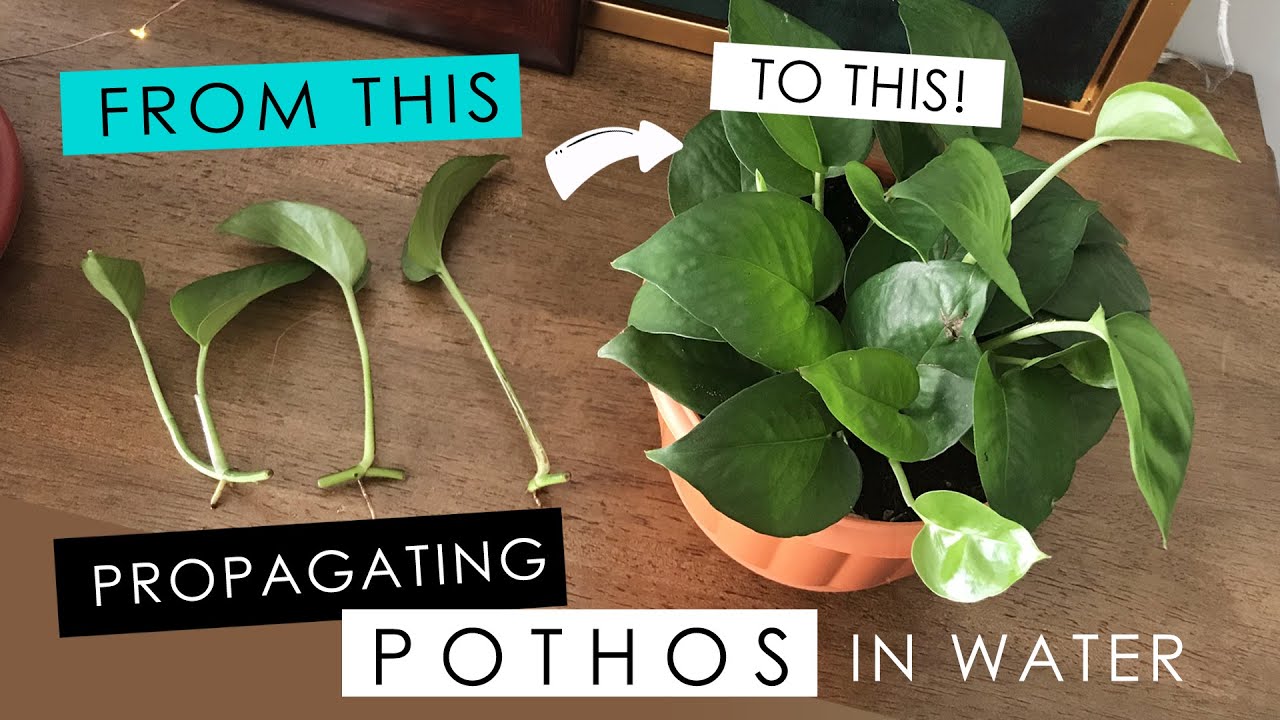
Common Mistakes to Avoid: Using cold water, placing cuttings in direct sun, or letting the water get murky.
Common Pothos Problems & How to Fix Them Fast ⚠️
Even tough plants have occasional issues. Here are the most common ones I see (and fix) regularly:
- Yellow Leaves → Usually overwatering or poor drainage. Let soil dry out more between waterings and check roots for rot.
- Brown Tips → Low humidity or fertilizer burn. Increase humidity and flush soil with plain water monthly.
- Leggy Growth → Not enough light. Move to brighter spot and prune to encourage branching.
- Pests (Mealybugs, Spider Mites) → Wipe leaves with neem oil solution or insecticidal soap. Isolate the plant until cleared.
- Root Rot → Trim affected roots, repot in fresh well-draining soil, and reduce watering.
With early intervention, most pothos bounce back beautifully — that’s why they’re called “devil’s ivy!”
Creative Ways to Style & Display Your Pothos Collection 🏠
One of the joys of collecting different types of pothos plants is how beautifully they fit into any interior style. Their trailing vines create instant softness and movement that hard furniture alone can’t achieve.
Popular Display Ideas:
- Hanging Baskets & Macramé — Golden and Neon Pothos look stunning cascading from the ceiling. Their fast growth fills out baskets quickly for that dreamy boho jungle vibe.
- Floating Shelves — Group Manjula, N’Joy, and Pearls and Jade together for a curated variegated gallery wall. The contrasting patterns create visual interest without overwhelming the space.
- Moss Poles & Climbing — Train Marble Queen or Cebu Blue up a coir moss pole for vertical drama. This method also encourages larger, more mature leaves over time.
- Bathroom & Kitchen Accents — Neon and Golden thrive in the higher humidity of bathrooms. Place them on high shelves or in hanging planters where they can trail over the tub or window.
- Vertical Gardens & Living Walls — Mix several varieties (Jade for background green, Snow Queen for bright accents) in a pocket planter for a lush living feature wall.
Style-Specific Recommendations:
- Minimalist homes → Clean white pots with Jade or Snow Queen
- Boho/Jungle vibe → Golden and Neon in woven baskets
- Modern → Marble Queen or Manjula in sleek ceramic containers
- Kid- or Pet-Friendly Spaces → Keep all pothos out of reach (they contain calcium oxalates that can irritate mouths and stomachs). Use high shelves or hanging setups.
Expert Tip from My Setup: I rotate my pothos collection seasonally — brighter varieties move closer to windows in winter, while solid green types handle shadier summer corners when sunlight is stronger. This keeps every plant looking its best year-round.
How to Choose the Perfect Pothos Variety for Your Home & Lifestyle
Choosing the right type of pothos plant comes down to three main factors: your lighting conditions, available space, and experience level.
Quick Decision Guide:
- Low Light Apartment → Golden Pothos or Jade Pothos (most forgiving)
- Bright Indirect Light → Marble Queen, Manjula, or Snow Queen (for dramatic variegation)
- First-Time Plant Parent → Golden or Neon (fast rewards, very forgiving)
- Small Desk or Shelf → N’Joy or Pearls and Jade (compact growth)
- Statement Plant → Cebu Blue or Neon (unique color and fast vining)
- High Humidity Room (Bathroom) → Any variety, but Neon especially loves the moisture
Red Flags When Buying:
- Avoid plants with many yellow leaves, mushy stems, or visible pests.
- Check for healthy, firm roots at the drainage holes.
- Choose plants with multiple growth points for fuller future growth.
Where to Source Healthy Pothos: Local nurseries often carry the classics (Golden, Marble Queen). For rarer types like Manjula or Cebu Blue, reputable online sellers with good reviews are excellent — just ensure they ship with proper packaging.
Frequently Asked Questions About Types of Pothos Plants ❓
Are all pothos the same plant? No. While they all belong to the Epipremnum genus (mostly Epipremnum aureum), different cultivars have been selectively bred for unique leaf colors, patterns, and growth habits. Cebu Blue is a different species (Epipremnum pinnatum), which explains its distinct silvery-blue foliage.
Which pothos grows the fastest? Jade and Golden Pothos are usually the speed champions, often adding 12–24 inches of vine per month under good conditions. White-heavy varieties like Snow Queen grow noticeably slower because they produce less chlorophyll.
Can pothos live in water forever? Yes! Many people successfully grow pothos in water long-term (hydroponically). Just add a few drops of liquid fertilizer monthly and change the water regularly to prevent algae and keep oxygen levels high. However, plants eventually grow better and larger when moved to soil.
Are pothos toxic to cats and dogs? Yes, all types of pothos plants are considered mildly toxic to pets if ingested. They contain insoluble calcium oxalates that can cause mouth irritation, drooling, and vomiting. Keep them out of reach or choose pet-safe alternatives like spider plants or ferns if your furry friends are chewers.
How do I make my pothos more variegated? Provide brighter indirect light — low light causes variegated types to produce more green leaves (reversion). Prune off any solid green vines that appear, as they tend to take over. Consistent care and proper lighting help maintain beautiful patterns.
Why are my pothos leaves turning yellow? The most common cause is overwatering. Other possibilities include poor drainage, low light (especially for variegated types), or nutrient deficiency. Always check soil moisture before watering and ensure your pot has drainage holes.
How often should I repot my pothos? Every 12–18 months, or when you see roots circling the bottom of the pot or growing out of drainage holes. Spring is the best time. Move up only one pot size to avoid overwatering issues in too-large containers.
Do pothos need fertilizer? Yes, during the active growing season (spring through early fall). Use a balanced, water-soluble houseplant fertilizer at half strength every 4–6 weeks. Skip fertilizing in winter when growth naturally slows.
Can I put my pothos outside? In warm climates (USDA zones 10–12), pothos can grow outdoors in shaded areas. In cooler regions, bring them outside only during summer months in bright indirect light, then bring them back indoors before temperatures drop below 55°F (13°C).
What’s the difference between pothos and philodendron? Pothos have thicker, waxy leaves and one aerial root per node, while many philodendrons have thinner leaves and multiple roots per node. Pothos are generally more tolerant of dry air and inconsistent care.
Conclusion 🌟
Exploring the wonderful world of types of pothos plants reveals why these resilient vines have captured the hearts of plant lovers everywhere. From the reliable Golden Pothos that welcomes beginners with open arms to the dramatic Snow Queen that adds elegance to any room, there’s truly a perfect pothos for every space and skill level.
Throughout my 12+ years caring for these plants, I’ve watched countless people gain confidence through the simple joy of watching vines grow and new leaves unfurl. The best part? Pothos are incredibly forgiving teachers — they reward basic care with lush growth and easy propagation that multiplies your collection for free.
Remember the key takeaways:
- Match the variety to your lighting conditions for best results
- Prioritize well-draining soil and the “finger test” for watering
- Don’t be afraid to prune and propagate — it keeps plants healthy and gives you endless free babies
- Enjoy the process! Plants should bring calm and happiness to your home
Ready to pick your first (or next) pothos? Tell me in the comments below which variety you’re most excited to try — Golden for its classic charm, Manjula for its unique swirls, or maybe Cebu Blue for something truly different? I’d love to hear your plant journey and help with any specific questions.
If you enjoyed this guide, explore more of our in-depth houseplant care articles on propagation techniques, common plant problems, and styling your indoor jungle. Happy growing, and may your pothos vines trail beautifully for years to come! 🪴✨











