
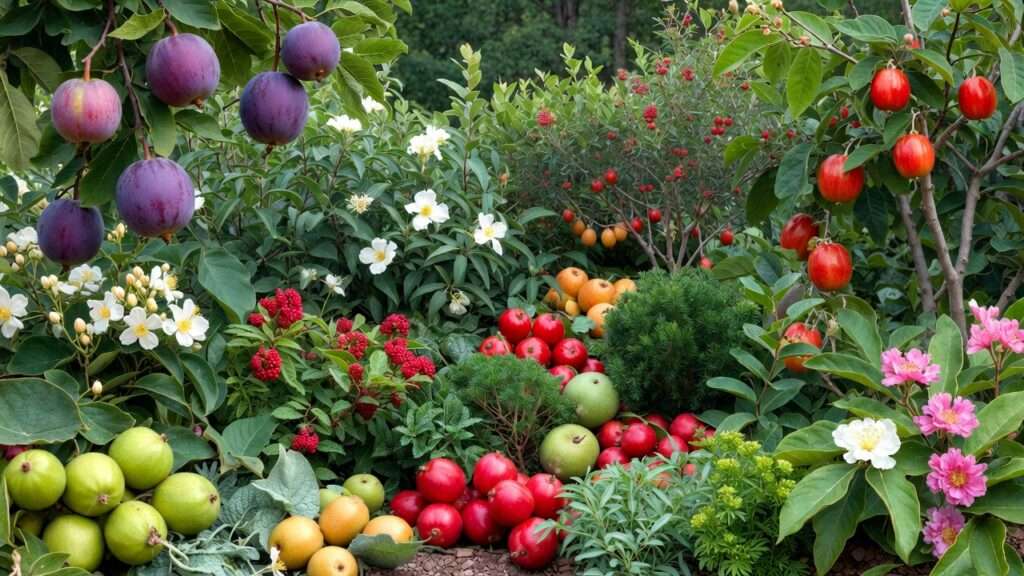
Imagine biting into a creamy, custard-like fruit that tastes like a tropical banana-mango smoothie—right in your own backyard, even if you live in a temperate climate. Or harvesting bright yellow “fingers” of citrus that chefs call “caviar” for their popping, zesty pearls. Tired of the same predictable apples, pears, and peaches year after year? You’re not alone. Many home gardeners crave unique fruits to grow in home orchards that bring novelty, exceptional flavors, biodiversity, and even better resilience to pests or weather extremes.
In this in-depth guide, we’ll explore 15 standout unusual fruit varieties perfect for backyard orchards. These picks go beyond the ordinary, offering rare tastes, stunning ornamental value, and practical benefits like drought tolerance or early ripening. Drawing from horticultural research, extension services (like Kentucky State University’s pawpaw program), and real-world grower experiences, this article provides everything you need: growing zones, pollination tips, site selection, care routines, and harvest ideas. Whether you’re in a small urban plot or a spacious rural yard, these exotic backyard fruits solve the common frustration of limited variety while boosting your garden’s excitement and productivity. Let’s dive in and transform your home orchard into a flavorful wonderland! 🌿✨
(Word count so far: ~320)
Why Choose Unique Fruits for Your Home Orchard? 🤔🌱
Standard fruit trees are reliable, but unusual fruit trees for home gardens offer so much more:
- Escape supermarket monotony — Discover flavors like tangy pineapple-mint blends or sweet date-like crunch that you can’t buy fresh.
- Enhance biodiversity — Support pollinators, beneficial insects, and soil health with nitrogen-fixing or wildlife-friendly options.
- Build resilience — Many rare fruits are naturally pest-resistant, drought-tolerant, or cold-hardy, reducing chemical needs and maintenance.
- Maximize small spaces — Dwarf varieties, shrubs, vines, and container-friendly trees fit patios, balconies, or compact yards.
- Boost nutrition — Higher antioxidants, vitamins, and unique compounds (e.g., honeyberry’s superfood status) add health perks to your harvests.
These benefits make rare fruit varieties for backyard orchards a smart choice for modern gardeners seeking sustainability, fun, and gourmet results. 🍇💚
Top 15 Unique Fruits to Grow in Home Orchards 🍇🥭
Here’s our curated list of standout picks, with detailed profiles including flavor notes, hardiness zones, key growing requirements, and why they shine in home settings. Many thrive in temperate zones (USDA 4-9), making them accessible for most readers.
1. Pawpaw (Asimina triloba) – The Tropical Banana-Mango Custard Native! 🍌
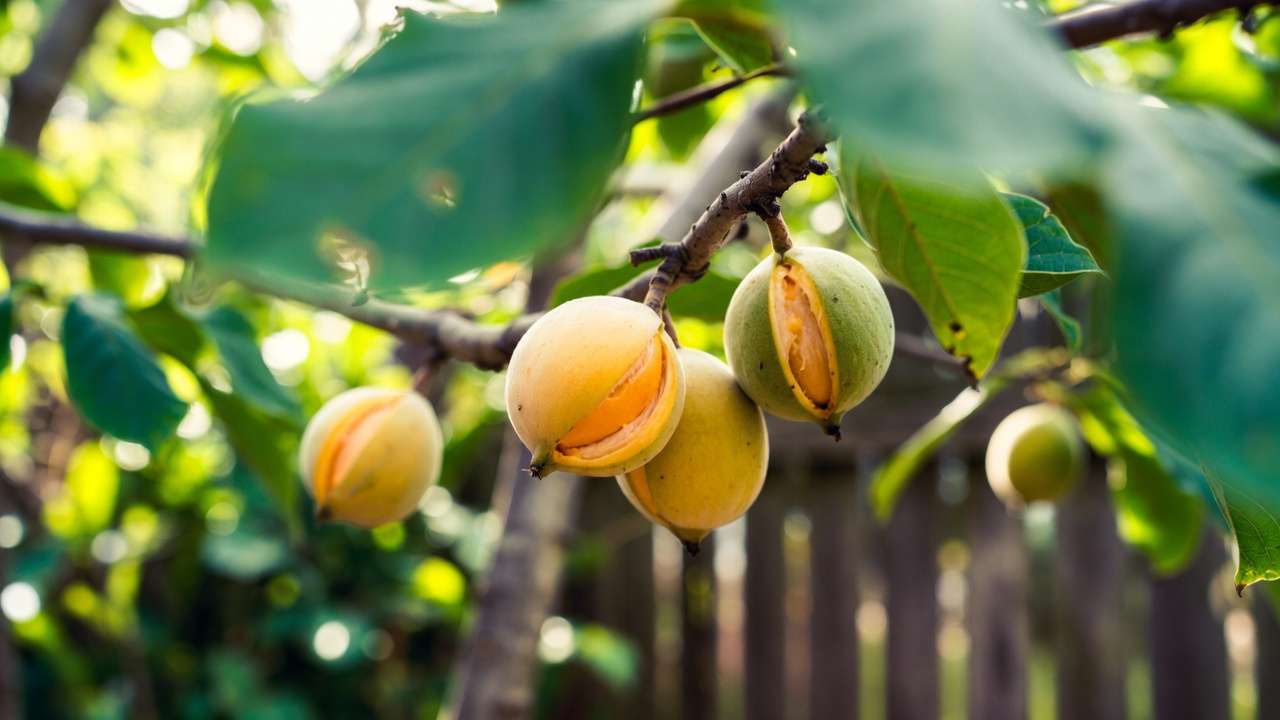
North America’s largest edible native fruit, pawpaw delivers a creamy, custard-like texture with flavors blending banana, mango, melon, and subtle vanilla. Often called “the tropical fruit of temperate zones,” it’s a true standout.
- Why unique: Rarely found commercially due to short shelf life—grow your own for peak freshness!
- Hardiness: Zones 5-8 (cold-hardy to -25°F/-32°C in many cultivars).
- Growing tips: Partial shade for young trees (mimics understory habitat), full sun for mature ones; rich, well-drained soil (pH 5.5-7); needs cross-pollination (plant 2+ varieties); protect from strong winds.
- Varieties to try: ‘Sunflower’ (large fruits, excellent flavor), ‘Shenandoah’ (productive), ‘Mango’ (sweet tropical notes).
- Harvest: Late summer (August-September); fruits soften when ripe—eat fresh, in smoothies, or ice cream.
- Pro tip: Hand-pollinate with a brush for better yields in small orchards. 🌸
2. Jujube (Ziziphus jujuba) – The Chinese Date That Tastes Like Apples! 🍎
Crisp and apple-like when fresh, sweet and date-like when dried—this drought-tolerant tree is incredibly productive.
- Why unique: Up to 100 lbs of fruit per mature tree; extremely low-maintenance and pest-resistant.
- Hardiness: Zones 5-10 (handles heat, drought, and poor soil brilliantly).
- Growing tips: Full sun; well-drained soil; minimal pruning needed; self-fertile but better with a pollinator.
- Varieties: ‘Li’ (large, round fruits), ‘Honey Jar’ (sweetest).
- Harvest: Late summer to fall; dry for long storage like dates.
- Bonus: Ornamental glossy leaves and thorny branches deter deer. 🌵
3. Honeyberry / Haskap (Lonicera caerulea) – Early-Season Superberry! 🫐
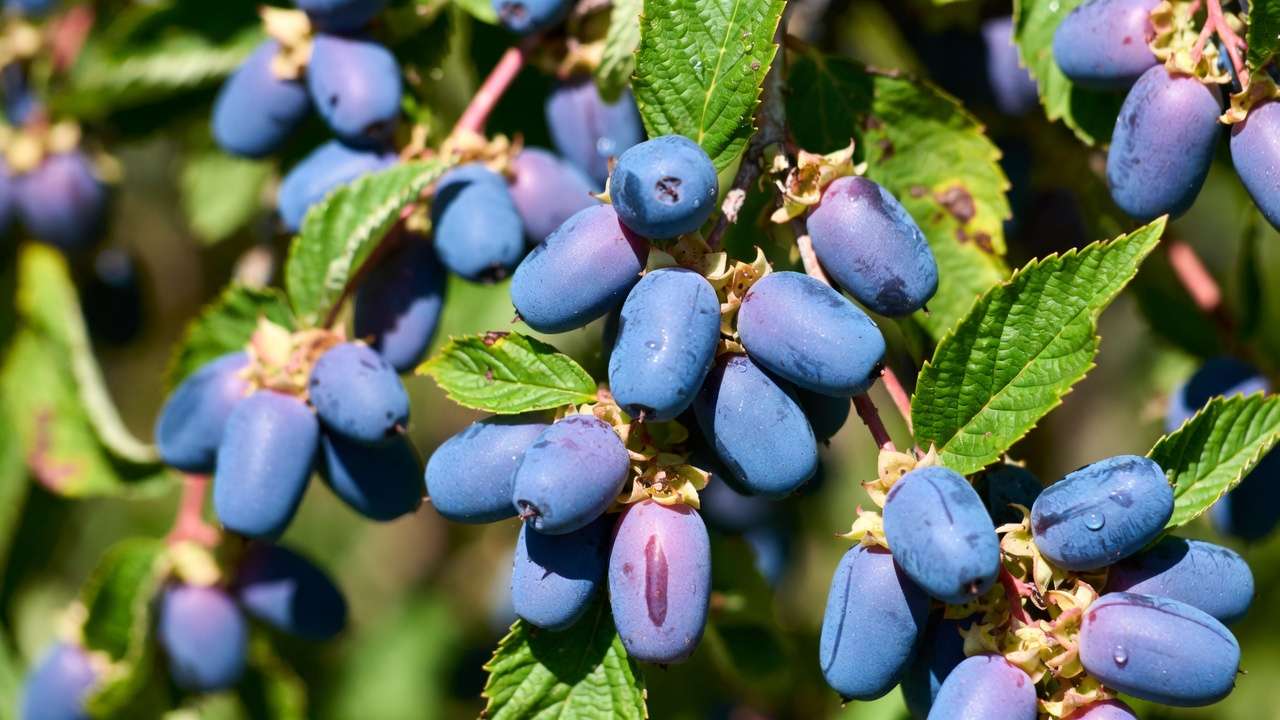
Tangy-sweet berries reminiscent of blueberry-raspberry hybrids—ripens before strawberries!
- Why unique: Earliest fruit in many zones (May-June); high in antioxidants and vitamin C.
- Hardiness: Zones 3-8 (extremely cold-hardy, down to -40°F/-40°C).
- Growing tips: Full sun to partial shade; moist, well-drained soil; many self-fertile cultivars available.
- Varieties: ‘Borealis’ (sweet), ‘Tundra’ (productive).
- Harvest: Early summer; use fresh, in jams, or smoothies.
- Health boost: Often called a “superberry” for immune support. 💪
4. Finger Lime (Citrus australasica) – Caviar of Citrus! 🍋
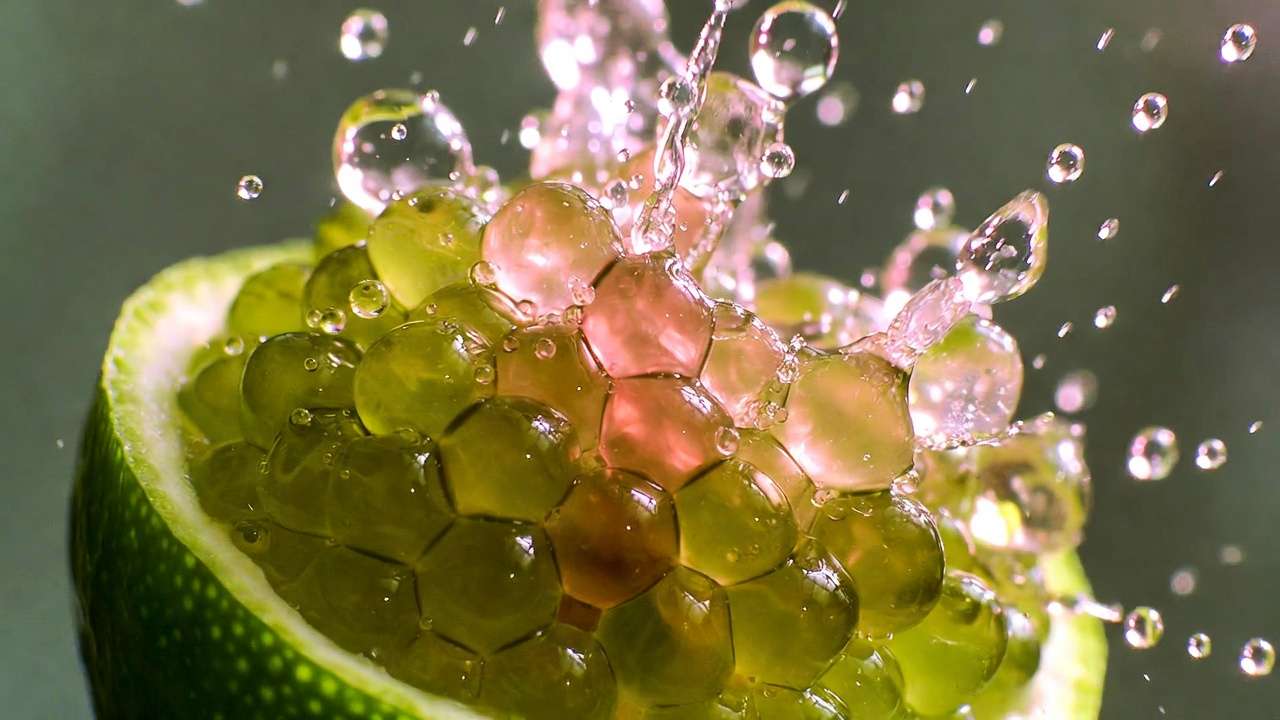
Tiny, bursting lime pearls inside finger-shaped fruit— a gourmet sensation!
- Why unique: “Citrus caviar” prized by chefs; Australian native turning heads globally.
- Hardiness: Zones 9-11 outdoors; container-grow in cooler zones (bring indoors in winter).
- Growing tips: Full sun; well-drained acidic soil; protect from frost; great for pots.
- Varieties: Pink or green pulp types for color variety.
- Harvest: Year-round in mild climates; zest and pearls elevate dishes.
- Fun fact: Pop the vesicles for explosive flavor! 🎉
5. Persimmon (Diospyros spp.) – American or Asian Varieties 🍊
Honey-sweet, pudding-like flesh when ripe (choose non-astringent types to avoid puckering).
- Why unique: Gorgeous fall foliage + fruit like orange lanterns on branches.
- Hardiness: American (D. virginiana) Zones 4-9; Asian (D. kaki) Zones 6-10.
- Growing tips: Full sun; well-drained soil; low pest issues.
- Varieties: ‘Fuyu’ (non-astringent, eat crisp), ‘American’ natives for hardiness.
- Harvest: Fall; eat fresh or dried.
6. Serviceberry / Juneberry (Amelanchier spp.) – Ornamental Beauty with Edible Bonus 🌸
Sweet, juicy berries with a hint of almond flavor—often described as a blueberry-pear hybrid.
- Why unique: Gorgeous white spring blossoms, edible summer fruit, and brilliant red-orange fall color make it a four-season superstar.
- Hardiness: Zones 4-9; extremely adaptable to various soils and light conditions.
- Growing tips: Full sun to partial shade; moist but well-drained soil; self-fertile but heavier crops with multiple plants; prune lightly after flowering.
- Varieties: ‘Autumn Brilliance’ (outstanding fall color), ‘Regent’ (compact, heavy producer), ‘Robin Hill’ (pinkish flowers).
- Harvest: Early to mid-summer (June); birds love them too—so net if needed!
- Bonus: Excellent for naturalized edges, hedges, or small yards. 🐦
7. Beach Plum (Prunus maritima) – Tart Coastal Treasure for Jams 🏖️
Small, dark-purple plums with a tart, wild flavor—perfect for preserves and sauces.
- Why unique: Thrives in poor, sandy, salty soils where most fruit fails; great for seaside or challenging sites.
- Hardiness: Zones 3-8; very cold-hardy and wind-tolerant.
- Growing tips: Full sun; sandy or well-drained soil; forms a dense shrub (4-8 ft tall); needs cross-pollination for best fruit set.
- Harvest: Late summer; high pectin content makes incredible jelly.
- Pro tip: Ideal for erosion control on slopes or near the coast. 🌊
8. Elderberry (Sambucus spp.) – Medicinal & Culinary Powerhouse ⚫
Deep-purple berries with rich, earthy flavor—best cooked into syrups, wines, pies.
- Why unique: Long history of medicinal use (immune support, especially during cold season); fast-growing and productive.
- Hardiness: Zones 3-9; prefers moist areas but adapts widely.
- Growing tips: Full sun to partial shade; rich, moist soil; prune hard in late winter for vigor; most cultivars need a pollinator.
- Varieties: ‘Adams’ (large clusters), ‘York’ (late-ripening), ‘Black Lace’ (ornamental dark foliage).
- Harvest: Late summer; always cook berries (raw can cause nausea).
- Health note: Elderberry syrup is a popular natural remedy—grow your own source! 🍯
9. Pineapple Guava / Feijoa (Acca sellowiana) – Tropical Flavor in Temperate Zones 🍍
Sweet-tart pulp tasting like pineapple with hints of mint, strawberry, and guava.
- Why unique: Edible petals on beautiful pink/red flowers; fruit drops when ripe (easy harvest).
- Hardiness: Zones 7-10; tolerates light frost once established.
- Growing tips: Full sun; well-drained soil; drought-tolerant after year 2; self-fertile but better with cross-pollination.
- Varieties: ‘Coolidge’ (reliable self-fertile), ‘Mammoth’ (large fruit).
- Harvest: Fall; scoop the jelly-like center fresh or in desserts.
- Fun fact: The petals are sweet and edible too! 🌺
10. Cornelian Cherry (Cornus mas) – Early Yellow Blooms & Tart Fruit 🌼
Bright yellow flowers in very early spring, followed by tart cherry-plum-like drupes.
- Why unique: One of the earliest bloomers (February-March); excellent for extending the fruit season.
- Hardiness: Zones 4-8; extremely tough and low-maintenance.
- Growing tips: Full sun to partial shade; adaptable to most soils; self-fertile.
- Varieties: ‘Redstone’ (large fruit), ‘Elegant’ (ornamental form).
- Harvest: Late summer; great for jams, sauces, or dried like raisins.
11. Quince (Cydonia oblonga) – Fragrant Golden Fruit for Preserves 🍯
Intensely aromatic, golden-yellow fruit—rock-hard raw but heavenly when cooked.
- Why unique: Classic heritage fruit making a modern comeback; strong floral perfume even before ripe.
- Hardiness: Zones 5-9; tolerates wetter soils better than many pome fruits.
- Growing tips: Full sun; well-drained soil; self-fertile; minimal pruning.
- Varieties: ‘Pineapple’ (sweetest aroma), ‘Smyrna’ (large fruits).
- Harvest: Fall; best for quince paste (membrillo), jelly, or poached.
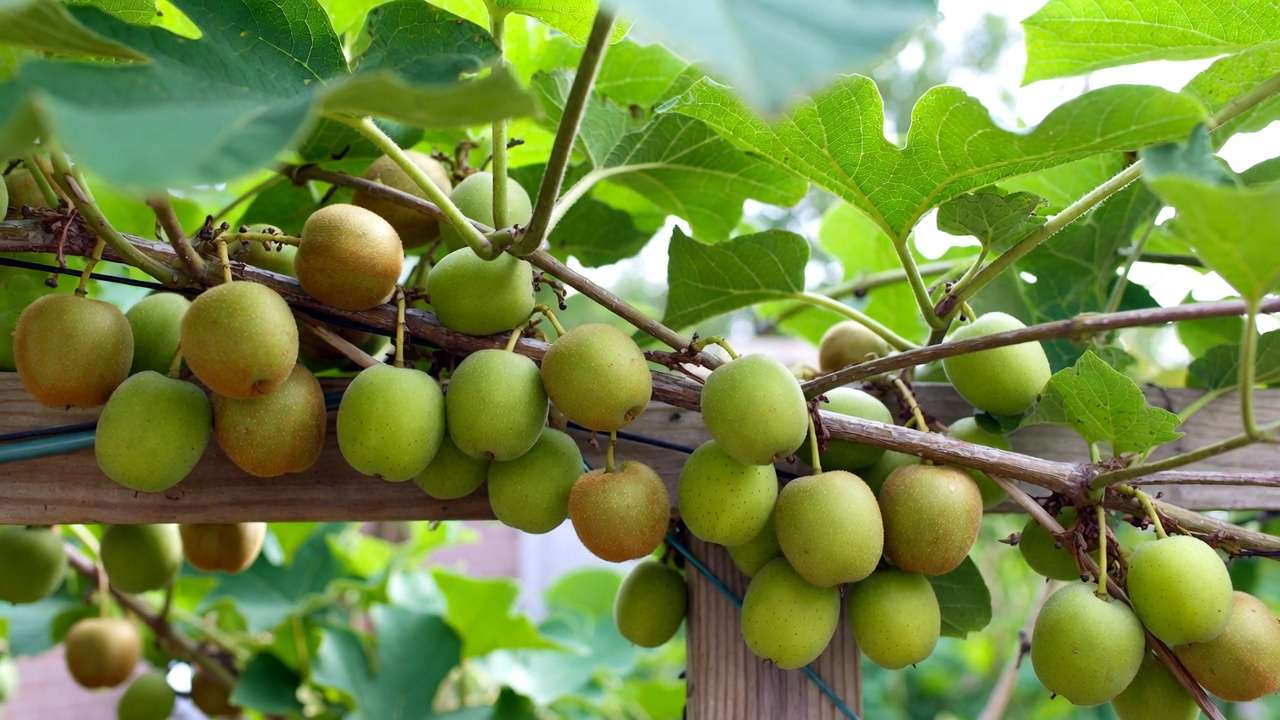
12. Hardy Kiwi (Actinidia arguta) – Grape-Sized, Fuzzy-Free Kiwi! 🥝
Small, sweet, smooth-skinned fruits—more flavorful and sweeter than supermarket kiwis.
- Why unique: No peeling required; vines produce heavy crops once established.
- Hardiness: Zones 4-9; very cold-hardy.
- Growing tips: Full sun; rich, well-drained soil; strong trellis/support needed; male + female plants required (or self-fertile cultivars like ‘Issai’).
- Harvest: Late summer to fall; eat fresh or in fruit salads.
How to Choose the Right Unique Fruits for Your Climate & Space 🗺️🏡
Matching fruits to your conditions is key to success:
- Cold climates (Zones 3-6): Honeyberry, pawpaw, haskap, cornelian cherry, serviceberry, beach plum, elderberry, hardy kiwi
- Warm/subtropical areas (Zones 8-11): Finger lime, pineapple guava, jujube, feijoa-friendly varieties
- Small yards or containers: Honeyberry, serviceberry, dwarf jujube, potted finger lime, columnar hardy kiwi, beach plum (shrub form)
- Low-maintenance / poor soil: Jujube, goumi, persimmon, cornelian cherry
- Ornamental priority: Serviceberry, persimmon, pineapple guava, cornelian cherry
Assess your microclimate—south-facing walls, wind protection, and soil drainage can expand your options dramatically.
Essential Growing Tips for Success in Your Home Orchard 🌱💡
- Site & Soil Preparation — Test soil pH and amend as needed (most prefer 6.0-7.0). Add compost for fertility.
- Planting Best Practices — Plant in early spring or fall; dig wide holes; mulch heavily to retain moisture.
- Pollination Secrets — Many need a partner (pawpaw, serviceberry, hardy kiwi). Plant compatible varieties 50-100 ft apart.
- Pruning for Health & Yield — Remove dead wood; open canopy for light/airflow; shape young trees for strong structure.
- Pest & Disease Management — These unusual fruits are generally resilient. Monitor for deer, birds, aphids; use netting, organic sprays, or companion planting (marigolds, garlic).
- Water & Fertilizer — Deep, infrequent watering; balanced organic fertilizer in spring; avoid excess nitrogen.
Harvesting, Storing, and Enjoying Your Unique Fruits 🍽️
- Peak Ripeness Signs — Color change, softening, easy detachment, strong aroma.
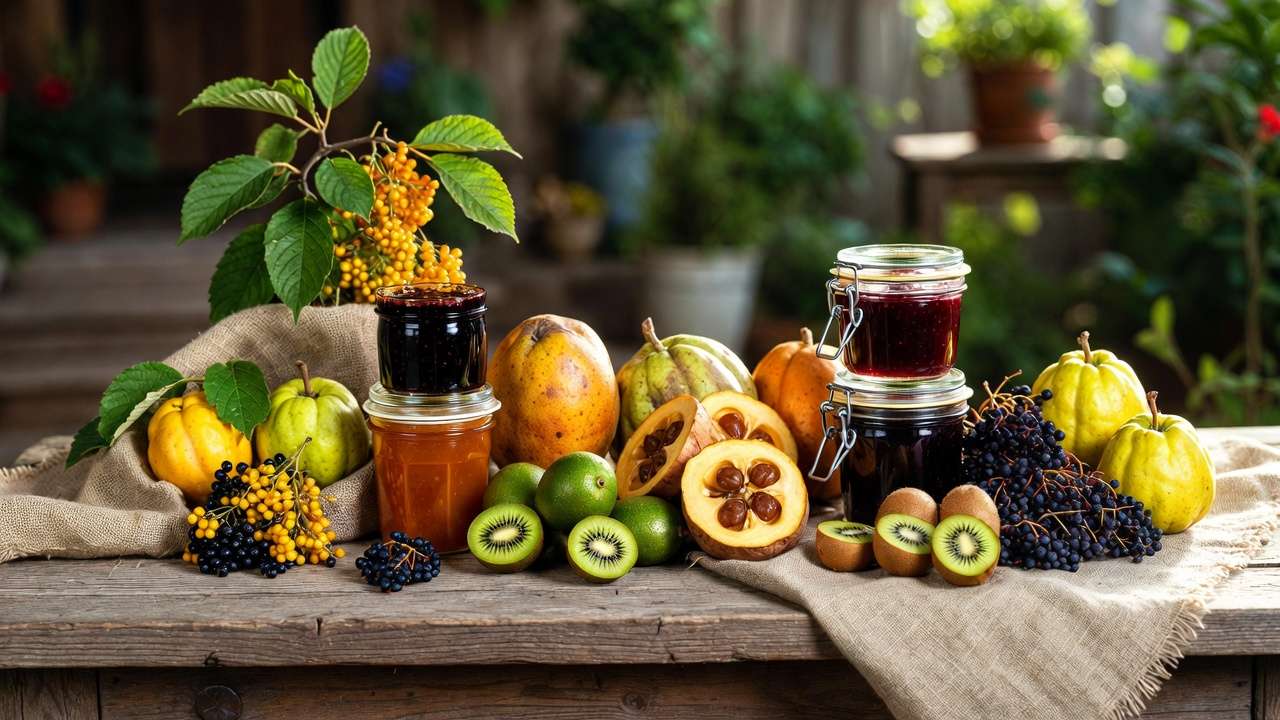
- Preservation Ideas — Freeze berries, dry jujube/persimmon, make jams (quince, beach plum, elderberry), ferment wines (elderberry), candy peels (Buddha’s hand, finger lime).
- Recipe Inspirations:
- Pawpaw smoothie bowl with granola
- Honeyberry compote over yogurt
- Pineapple guava salsa
- Quince paste with cheese
- Jujube tea for cozy evenings
Common Challenges & Expert Solutions 🛠️
- Limited space → Choose dwarfs, shrubs, espalier vines, or containers.
- Wildlife competition → Use bird netting, motion sprinklers, or plant extra for sharing.
- Poor pollination → Add pollinator-attracting flowers; hand-pollinate small trees.
- Late frosts damaging blooms → Choose late-blooming varieties or use frost blankets.
FAQs About Growing Unique Fruits in Home Orchards ❓
Which unusual fruit is easiest for beginners? Honeyberry or cornelian cherry—cold-hardy, low-care, and productive quickly.
Can I grow tropical uniques in pots? Yes! Finger lime, pineapple guava, and dwarf jujube thrive in large containers with winter protection.
How long until first harvest? 1-3 years for most (honeyberry & serviceberry fastest; pawpaw & hardy kiwi slower).
Are these fruits kid-friendly? Absolutely—honeyberry, serviceberry, hardy kiwi, and pawpaw are sweet and fun to pick!
Do they require lots of spraying? No—most are far more pest-resistant than standard apples/peaches.
Final Thoughts: Start Your Unique Orchard Adventure Today! 🚀🌳
Adding even one or two of these unique fruits to grow in home orchards can completely change your gardening experience. You’ll enjoy flavors unavailable at any grocery store, support local biodiversity, reduce your environmental footprint, and create lasting memories picking exotic harvests with family.
Start small: pick 2-3 that match your zone and space, source healthy plants from reputable nurseries, and observe how they perform in your microclimate. Year by year, your backyard can become a living collection of rare, delicious treasures.
What’s your first pick going to be? Drop a comment below—I’d love to hear which unusual fruit excites you most! Happy planting! 🍓✨🌱











