
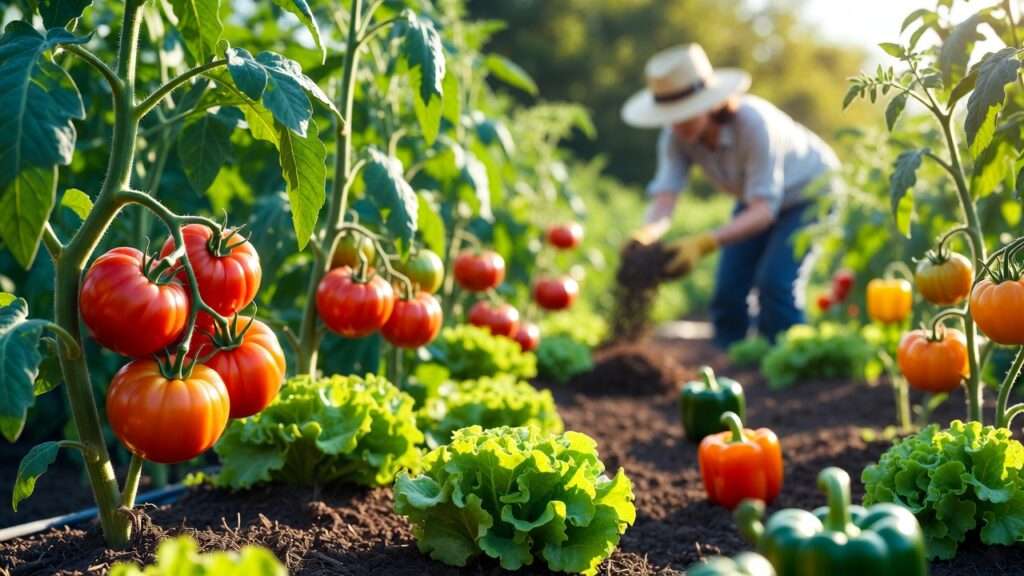
Imagine stepping into your backyard vegetable patch and harvesting plump, juicy tomatoes, crisp lettuce, and vibrant peppers that taste better than anything from the store—all without relying on synthetic fertilizers. The secret? Using compost to fertilize vegetable gardens turns ordinary kitchen scraps and yard waste into “black gold” that nourishes your plants naturally, builds resilient soil, and supports healthier harvests year after year. 🌿
In today’s world of rising food costs and growing interest in sustainable gardening, more home growers are turning to organic methods. Compost isn’t just a soil amendment—it’s a complete, slow-release fertilizer packed with essential nutrients, beneficial microbes, and organic matter that improves soil structure, retains moisture, and boosts plant immunity. According to university extension services like Oregon State and University of Minnesota, gardeners who incorporate compost properly see improved yields, reduced watering needs, and healthier ecosystems in their plots. 📈
This comprehensive guide walks you through everything: why compost outperforms many commercial options, how to choose or make the best type for edibles, exact amounts to avoid common pitfalls like nutrient imbalances, ideal timing (hint: fall often wins!), application techniques, troubleshooting mistakes, and pro tips for maximum results. Whether you’re a beginner with a few raised beds or an experienced gardener aiming for bigger harvests, you’ll gain the tools to create nutrient-rich, living soil that produces abundantly. Let’s dig in! 💚
Why Use Compost to Fertilize Vegetable Gardens? The Science & Real Benefits 🌍
Compost acts as nature’s perfect slow-release fertilizer. Unlike synthetic options that deliver quick N-P-K spikes (nitrogen, phosphorus, potassium), compost provides a balanced, gradual nutrient supply while feeding the soil food web—billions of microbes, fungi, earthworms, and beneficial bacteria that make nutrients available to plants over time.
Key Nutrients Compost Provides Typical mature compost offers about 1-3% N, 0.5-1% P, and 1-2% K, plus essential micronutrients like calcium, magnesium, iron, and trace elements. These levels vary by ingredients, but the real magic lies in organic matter: it releases nutrients slowly, preventing burn and runoff common with chemical fertilizers. 🧪
Soil Health Superpowers
- Improved Structure: Organic matter binds clay particles into crumbs for better drainage in heavy soils and increased water-holding in sandy ones—up to 20% more moisture retention!
- Microbial Life Boost: Compost introduces diverse bacteria and fungi that cycle nutrients, suppress diseases, and break down organic residues.
- Water & Drought Resistance: Enhanced soil porosity reduces compaction and erosion while improving infiltration.
- pH Buffering & Disease Suppression: Many composts nudge pH toward neutral and introduce antagonistic microbes that fight pathogens like damping-off or root rot.
Environmental & Cost-Saving Wins By composting yard trimmings and kitchen scraps, you divert waste from landfills (reducing methane emissions) and cut fertilizer bills—often saving $50–200 annually for a medium garden. It’s a closed-loop system that builds long-term soil fertility instead of depleting it. ♻️
Compost vs. Synthetic Fertilizers (Quick Comparison)
| Aspect | Compost | Synthetic Fertilizers |
|---|---|---|
| Nutrient Release | Slow & steady | Fast & immediate |
| Soil Building | Yes—improves structure & biology | No—can degrade over time |
| Risk of Burn/Runoff | Low | Higher |
| Cost Long-Term | Low (make your own!) | Ongoing purchases |
| Environmental Impact | Positive | Potential pollution |
Switching to compost creates a thriving, self-sustaining garden ecosystem—exactly what modern organic vegetable growers aim for.
Choosing or Making the Right Compost for Vegetable Gardens 🛠️
Not all compost is created equal, especially for edibles where food safety and nutrient quality matter.
Types Ideal for Edibles
- Homemade backyard compost: Best control—use veggie scraps, leaves, grass clippings (untreated), coffee grounds.
- Vermicompost (worm castings): Super nutrient-dense and microbe-rich; excellent for side-dressing.
- Municipal/leaf-based: Often screened and tested; check for herbicide residues.
- Mushroom compost: High in organics but can be alkaline—test pH first.
- Avoid fresh manure near edibles due to pathogen risks (E. coli, Salmonella); always compost it fully.
What “Finished” Compost Looks Like ✅
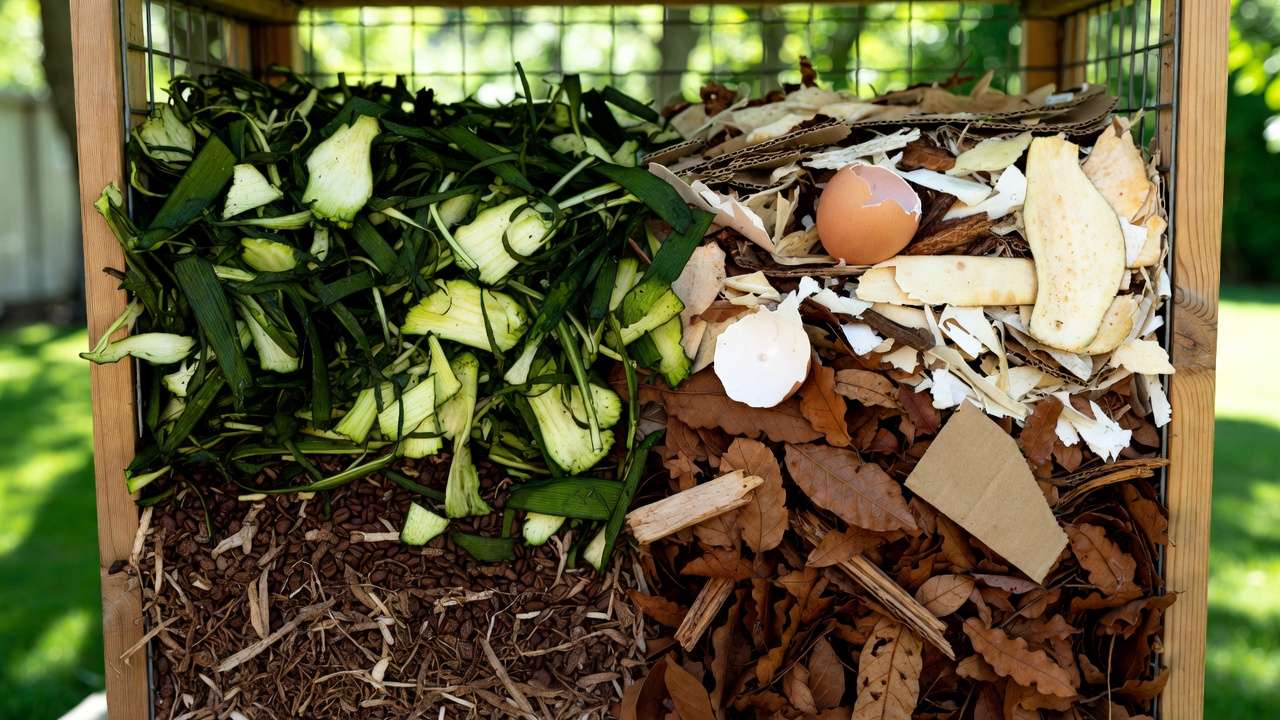
- Dark, crumbly, earthy smell (like forest floor).
- No recognizable original materials.
- Temperature ambient (not hot).
- Passes “germination test”: seeds sprout well in it.
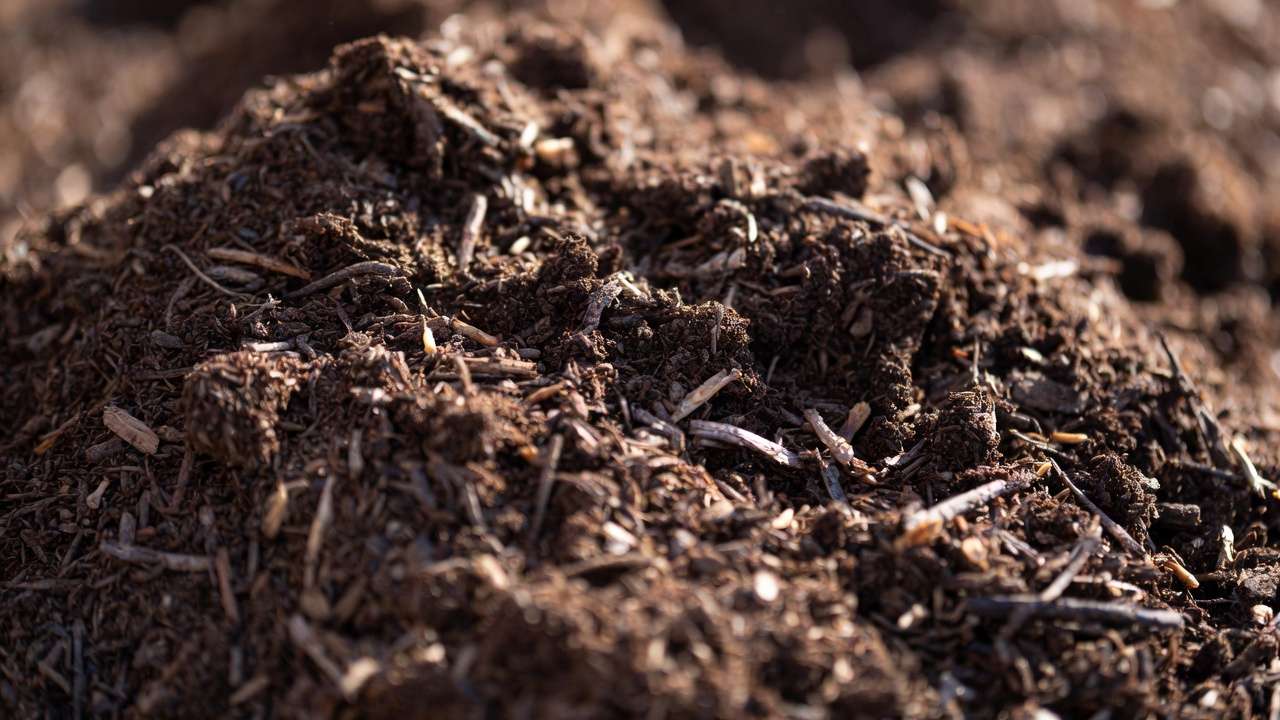
Materials to Use & Avoid Safe Greens (nitrogen-rich): veggie scraps, coffee grounds, fresh grass. Safe Browns (carbon-rich): dry leaves, cardboard, straw. Never Add: Diseased plants, meat/dairy (attracts pests), treated wood, pet waste, invasive weeds with seeds, or persistent herbicide-contaminated materials (like some commercial hay).
Quick Guide to Home Composting Basics Use hot composting (turn pile, maintain 130–160°F for pathogen kill) or cold (slower but easier). Aim for 25:1–30:1 carbon:nitrogen ratio. Tumblers speed things up for small spaces! Expert tip from extension pros: Test maturity—mature compost won’t heat up or smell bad.
Stay tuned—next we’ll cover exact amounts and avoid overdoing it! 🌟
How Much Compost Should You Actually Use? (Dosage Guidelines) ⚖️
One of the most common questions gardeners ask—and one of the biggest sources of disappointment—is “How much is too much?” Using compost to fertilize vegetable gardens is incredibly forgiving compared to chemical fertilizers, but balance still matters to prevent nutrient imbalances, especially with phosphorus buildup over time.
General Recommendations for New vs. Established Beds
- New beds or poor soil: Apply 2–4 inches (about ½–1 cubic yard per 100 square feet) and incorporate it into the top 6–8 inches. This jump-starts soil biology and structure.
- Established vegetable gardens: Top-dress with ¼–1 inch annually (roughly ¼–½ cubic yard per 100 sq ft). Many university extension services (Cornell, Oregon State, UC Master Gardeners) recommend the lower end for maintenance to avoid excess salts or nutrient lockup.
Calculating Exact Amounts Based on Bed Size Simple formula: Amount needed (cubic feet) = Bed area (sq ft) × Desired depth (inches) ÷ 12
Examples:
- 4 ft × 8 ft raised bed (32 sq ft) needing 2 inches incorporated → 32 × 2 ÷ 12 = ~5.3 cubic feet (~0.2 cubic yards).
- 100 sq ft plot getting ½ inch top-dress → 100 × 0.5 ÷ 12 = ~4.2 cubic feet.
Use a wheelbarrow (typically holds 3–5 cubic feet) or buy in bulk bags labeled by volume. Pro tip: Weigh a sample bucket if buying bagged compost—moist finished compost weighs roughly 800–1,200 lbs per cubic yard.
Soil Test Warning: Watch Phosphorus Buildup & When to Reduce Applications Many vegetable gardeners overuse compost high in phosphorus (especially manure-based), leading to excesses that can tie up micronutrients like zinc and iron, or even cause environmental runoff issues in sensitive watersheds.
- Get a soil test every 2–3 years (inexpensive through local extension offices or kits).
- If phosphorus is already “high” or “very high,” switch to low-P sources (leaf-based or pure veggie compost) and reduce to ¼ inch or less annually.
- Aim for balanced fertility—compost should be your primary source, with targeted organic supplements only if tests show deficiencies.
Compost Application Rates for Specific Crops (Heavy vs. Light Feeders)
- Heavy feeders (tomatoes, corn, squash, broccoli, peppers): 1–2 inches incorporated pre-planting + side-dress mid-season.
- Medium feeders (lettuce, beans, beets, onions): ½–1 inch.
- Light feeders (carrots, radishes, herbs): ¼–½ inch or just top-dress lightly.
Adjust based on your soil starting point—sandy soils often need more organic matter; clay soils benefit from thinner layers to avoid compaction.
The Best Timing – When to Add Compost for Maximum Results ⏰
Timing is everything when using compost to fertilize vegetable gardens. Apply at the wrong moment and nutrients may leach away or tie up; apply at the right time and your plants get steady access exactly when they need it most.
Fall Application: The #1 Recommended Time Most experts agree fall is king.
- Why? Winter freeze-thaw cycles and soil microbes slowly incorporate the compost, building structure and releasing nutrients by spring planting.
- How: After harvest, spread 1–2 inches over beds, then cover with mulch (straw, shredded leaves) to prevent erosion and keep it in place.
- Bonus: Fall-applied compost reduces early weed pressure and improves spring soil workability.
Spring Boost: Pre-Planting Amendments & Side-Dressing
- 2–4 weeks before planting: Incorporate ½–1 inch into the top 4–6 inches.
- Avoid applying right at planting if using thick layers—give microbes time to start breaking it down.
- Early side-dress: When seedlings are 4–6 inches tall or transplants are established.
Mid-Season Top-Ups & Side-Dressing During Growth
- Reapply lightly (¼–½ inch) around plants in July/August for heavy feeders.
- Side-dress in a band 3–4 inches from the stem, then water in or lightly scratch into soil.
- Avoid piling against stems to prevent rot.
Seasonal Calendar Example for Temperate Climates (Adapt for Your Zone)
- Fall (Sept–Nov): Main application after clearing beds
- Late Winter/Early Spring (Feb–April): Light top-dress if soil looks depleted
- Late Spring (May–June): Pre-plant or at transplant
- Summer (July–Aug): Side-dress for long-season crops
- Tropical/subtropical gardeners: Split applications into wet/dry season cycles, always lightly.
Step-by-Step: How to Apply Compost in Your Vegetable Garden 🧑🌾
Now we get to the hands-in-the-dirt part! The beauty of using compost to fertilize vegetable gardens is its versatility—you can incorporate it deeply for new beds, top-dress lightly around growing plants, or side-dress for a mid-season nutrient boost. Below are proven, low-effort methods that work for in-ground plots, raised beds, containers, and rows.
Preparing the Bed Before Application
- Clear debris: Remove spent plants, weeds, and large rocks.
- Lightly loosen soil surface (2–4 inches) with a garden fork or broadfork—no deep tilling needed if you’re practicing no-till gardening.
- Water the bed lightly if it’s bone-dry; moist soil helps compost integrate faster.
- Have your compost ready—sift if it’s chunky to remove large pieces.
Method 1 – Incorporating into Soil (Best for New Beds or Heavy Amendments)
- Spread 1–4 inches evenly over the bed.
- Use a digging fork, broadfork, or garden spade to mix into the top 6–8 inches (avoid going deeper than 12 inches to preserve soil layers).
- For no-till preference: Lay cardboard or thick mulch first, then add compost on top and plant directly into it next season.
- Water thoroughly after mixing to settle and activate microbes. Best for: Spring prep of new beds, fall soil building.
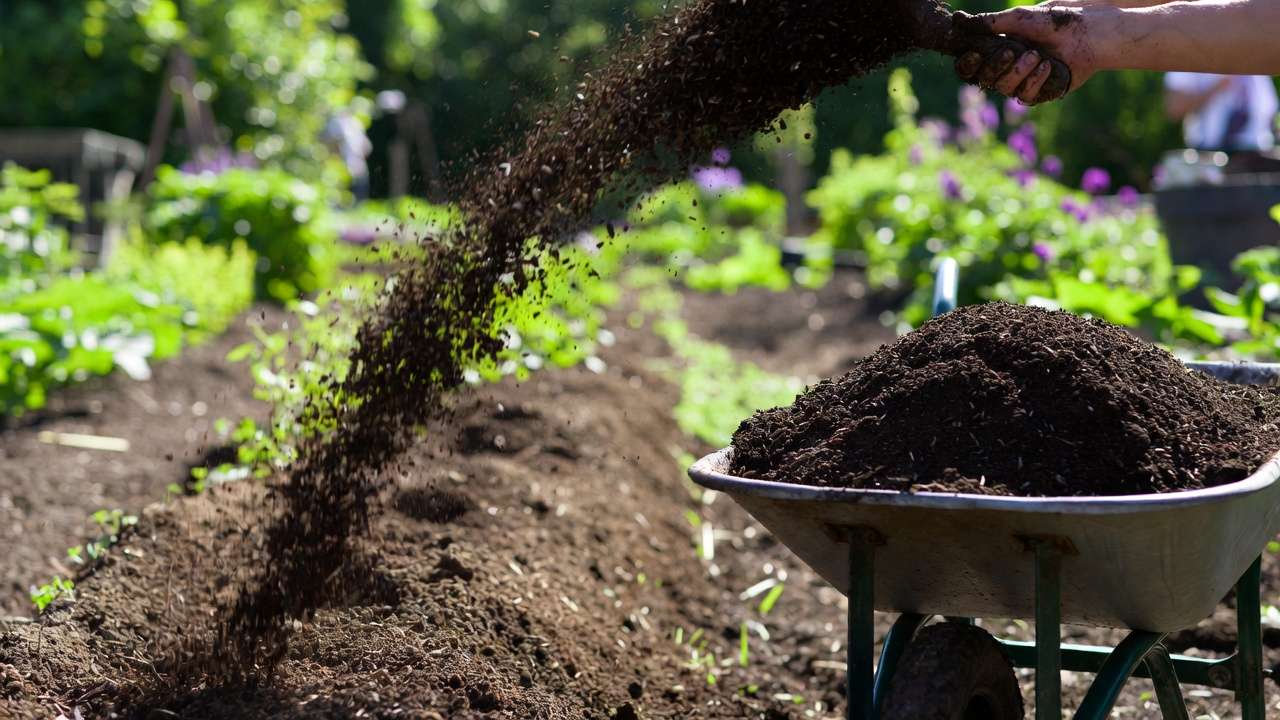
Method 2 – Top-Dressing & Mulching (Ideal for Established Plants & Low Effort)
- Gently rake back any existing mulch.
- Spread ¼–1 inch of finished compost in a thin, even layer around plants (keep 1–2 inches away from stems to prevent rot).
- Re-mulch on top with straw, shredded leaves, or grass clippings (untreated).
- Water lightly to help nutrients percolate downward. Benefits: Protects soil from erosion, suppresses weeds, feeds surface roots and microbes continuously. Best for: Maintenance in established beds, container gardens, and during the growing season.
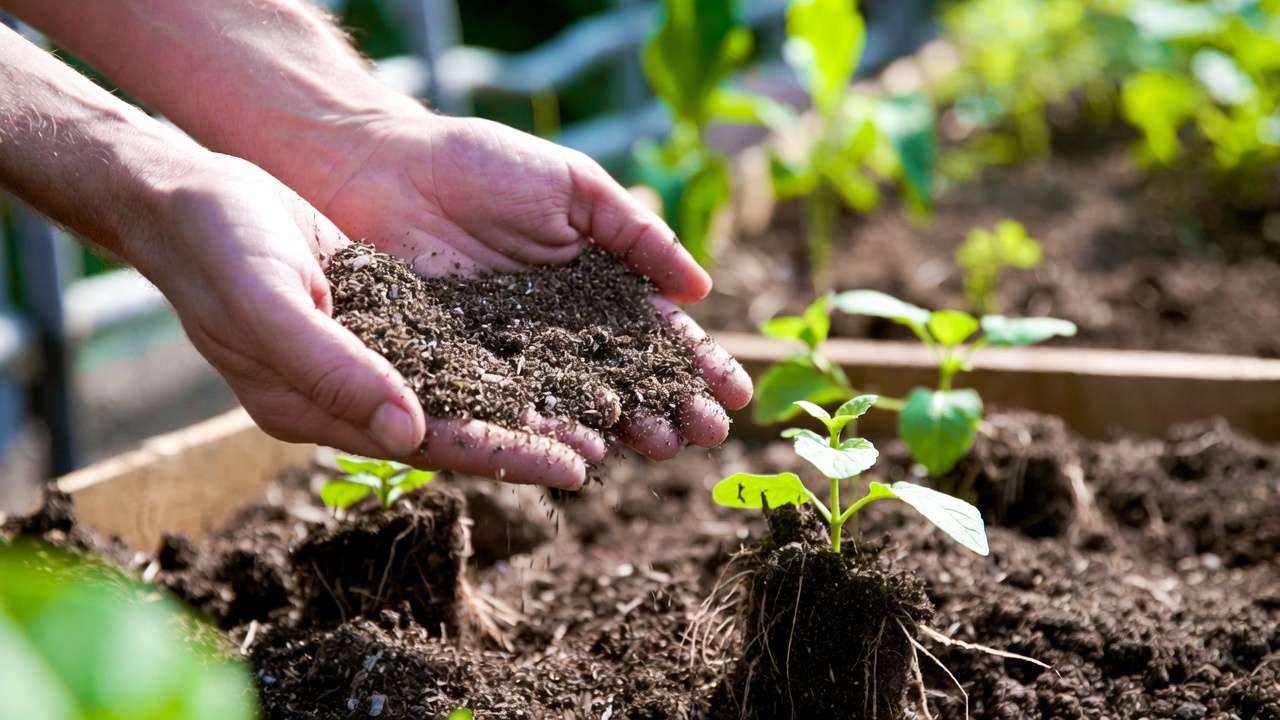
Side-Dressing Around Growing Plants
- When plants are 6–12 inches tall (or showing first flowers/fruit set):
- Make a shallow trench or band 3–4 inches from the base of plants.
- Sprinkle ½–1 cup of compost per plant (or ¼–½ inch layer in the band).
- Lightly scratch or rake in, then water deeply. Excellent for: Tomatoes, peppers, squash, cucumbers, and other heavy feeders needing a mid-season boost.
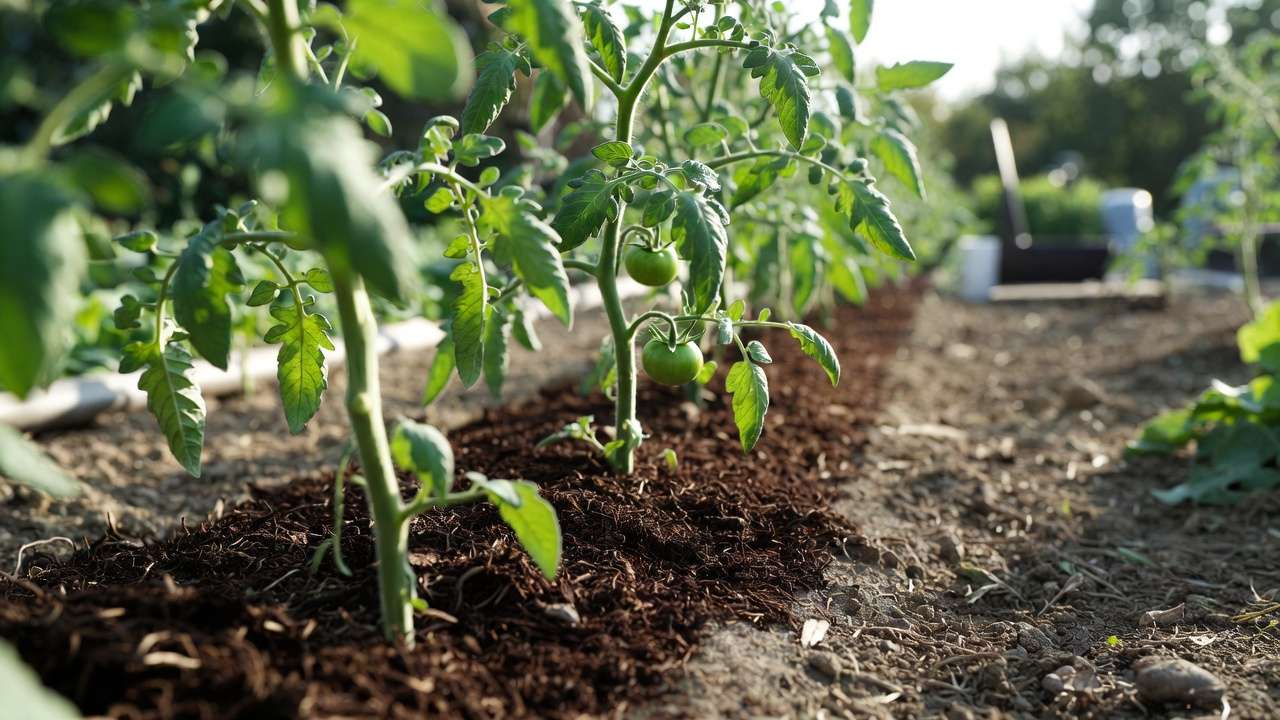
Using Compost in Raised Beds, Containers & Rows
- Raised beds: Same rates as in-ground, but top-dress more often (every 4–6 weeks) since they drain faster.
- Containers & pots: Mix 20–30% compost into potting soil at planting; top-dress ¼ inch monthly during growth.
- Rows: Apply in strips between rows, then hill soil slightly over it for clean harvesting.
Visual Aid Suggestion: Imagine a photo sequence here—spreading compost, mixing with fork, side-dressing tomatoes, finished mulched bed. (In a live article, we’d embed step-by-step images!) 📸
Common Mistakes & Troubleshooting When Using Compost 🍅
Even experienced gardeners slip up sometimes. Here are the most frequent issues and how to fix them quickly.
Too Much Compost? Signs of Over-Application & Fixes
- Yellowing leaves, stunted growth, or wilting despite watering → possible salt buildup or nutrient imbalance.
- Fix: Flush soil with deep watering, reduce future applications, get a soil test. Switch to lower-nutrient leaf-based compost.
Immature Compost Problems (Burning Roots, Nutrient Tie-Up)
- Smells bad, looks uneven, or heats up after application → not fully finished.
- Can temporarily lock up nitrogen as microbes break down unfinished materials.
- Fix: Use only dark, crumbly, earthy-smelling compost. If you suspect immaturity, wait 2–4 weeks before planting or dilute with garden soil.
Weed Seeds, Pests & Pathogens – Prevention Tips
- Hot composting (130–160°F for several days) kills most weed seeds and pathogens.
- Avoid adding diseased plants or raw manure near edibles.
- Municipal compost is usually heat-treated and safe—ask for testing info.
- If weeds sprout: Hand-pull early; mulch thickly to smother.
pH & Nutrient Imbalance Fixes
- Compost is usually near-neutral, but mushroom compost can raise pH.
- Test soil annually; adjust with elemental sulfur (to lower) or lime (to raise) if needed.
- Excess phosphorus → reduce applications and plant phosphorus-hungry cover crops like buckwheat in off-season.
Bonus Tips for Supercharged Results with Compost 🌟
- Pair with cover crops: Sow clover, vetch, or rye in fall; chop and drop in spring, then top with compost for double soil-building power.
- Enhance with worm castings: Mix 10–20% vermicompost into your pile or use straight as a premium side-dress—it’s packed with enzymes and growth hormones.
- Make compost tea: Steep 1 part finished compost in 5–10 parts water for 3–7 days (stir daily), strain, dilute 1:10, and foliar-feed or soil drench every 2 weeks.
- Long-term strategy: Rotate heavy, medium, and light feeders; never leave soil bare—always cover with compost + mulch.
Real-World Examples & Case Studies 📖
- Clay soil transformation: A gardener in the Midwest started with heavy, cracked clay. After three years of 1–2 inches annual fall compost + cover crops, soil became crumbly, dark, and full of earthworms—tomato yields doubled.
- Tomato yield boost: Organic growers using consistent side-dressing and top-dressing reported 30–50% larger fruit and fewer blossom-end rot issues compared to synthetic-only plots.
- Urban small-space win: A balcony gardener with 4 large pots mixed 25% homemade compost into potting mix and top-dressed monthly—harvested steady greens and herbs all season with minimal watering.
Frequently Asked Questions (FAQs) ❓
Can I use fresh compost directly on vegetables? No—fresh or immature compost can burn roots or tie up nitrogen. Always use fully finished (dark, crumbly, no heat/smell) compost.
How long does compost take to break down in the garden? Finished compost is already broken down; it continues to release nutrients slowly over 1–3 years. Raw materials in the pile take 2–12 months depending on method.
Is mushroom compost safe for all veggies? Usually yes, but it’s often alkaline (pH 7.5–8). Test soil first and avoid acid-loving crops like potatoes or blueberries unless amended.
Do I still need other fertilizers if I use compost? In most cases, no—good compost provides balanced nutrition. Soil tests guide any supplements (e.g., extra potassium for tomatoes if deficient).
Can compost attract pests? Finished compost rarely does. Avoid meat/dairy in piles; cover fresh additions with browns.
Conclusion – Your Path to a Thriving, Compost-Fueled Vegetable Garden 🌻
You’ve now got the complete roadmap: from understanding why compost is superior, choosing/making the right kind, dialing in amounts and timing, applying it correctly, avoiding pitfalls, and amplifying results with pro tricks. Using compost to fertilize vegetable gardens isn’t just a technique—it’s an investment in living soil that pays dividends in bigger, tastier harvests, lower costs, and a healthier planet.
Start small this season: Test a bed or two, track your progress (maybe note plant vigor and yield), and adjust next year. Before long, your garden will hum with microbial life, and you’ll wonder how you ever gardened without it. Happy composting—and here’s to your best vegetable season yet! 💚🥕











