
In today’s world of shrinking urban yards, tiny balconies, cramped patios, and micro-backyards, traditional grass lawns often feel more like a chore than a charm. Picture this: you’re squeezing a mower into a 4×6-foot patch just to keep it tidy, battling constant watering in dry spells, and watching edges creep into your precious plant beds. 😩 If you’re dealing with limited outdoor space and craving a beautiful, functional ground cover that doesn’t demand endless upkeep, you’re not alone.
Using gravel vs. grass in minimal spaces is a hot debate among home gardeners, especially those focused on plant care and tree health. Many search for smarter alternatives that save time, conserve water, reduce maintenance, and still look inviting—while supporting nearby trees, potted plants, or small garden features. The good news? Both options have their place, but the “winner” depends on your specific needs, climate, and goals.
As a horticulture enthusiast with years of experience designing and maintaining small-space gardens (including urban plots where every square inch counts), I’ve helped countless homeowners make this exact choice. In this in-depth guide, we’ll compare gravel and grass head-to-head for minimal spaces, break down pros/cons, share real-world examples, installation tips, and plant/tree compatibility advice. By the end, you’ll know exactly which low-maintenance ground cover wins for your tiny garden. Let’s dig in! 🌱
Why Minimal Spaces Demand Smarter Ground Cover Choices 📏🌵
Small gardens amplify every decision. With limited square footage, issues like poor drainage, intense sun/shade from nearby buildings or trees, competing roots, and high foot traffic become magnified. Traditional turf grass, while lush, often struggles here: it requires frequent mowing (even in tiny areas), regular watering (up to several times a week in hot weather), edging to prevent overgrowth, and fertilization to stay green—tasks that feel overwhelming when space is tight.
Rethinking ground cover brings huge benefits:
- Time savings — No more weekly mowing in awkward corners.
- Water conservation — Crucial in drought-prone or water-restricted areas.
- Better plant integration — Easier to surround trees with mulch-like covers or add container plants without lawn competition.
- Eco perks — Reduced chemical use, better drainage, and support for pollinators (if chosen thoughtfully).
Gravel often shines in xeriscape-style setups for ultra-low upkeep, while grass (especially dwarf or micro varieties) wins for soft, green appeal in shaded or play-friendly spots. The key is matching the choice to your microclimate and lifestyle.
Understanding Grass in Minimal Spaces 🌾👣
Grass remains a classic for good reason—it provides a soft, natural surface and cooling effect. But in small spaces, it needs careful selection.
Pros of Grass in Small Gardens
- Natural feel and usability — Perfect for bare feet, kids/pets, or as a soft “carpet” under seating.
- Cooling and biodiversity — Grass shades soil, reduces heat, and supports pollinators/insects even in tiny patches.
- Plant-friendly — Complements container plants, borders young trees without root competition, and blends seamlessly with flower beds.
Cons of Grass in Tiny Yards
- High maintenance — Mowing, edging, watering, and weed control eat time; small patches dry out fast or get patchy.
- Water and resource demands — Can use 50-70% more water than alternatives in hot climates; struggles in poor soil or heavy shade.
- Aesthetic issues — Patchy results in confined areas; invasive edging into paths or beds.
Best Grass Types & Varieties for Minimal Spaces
Opt for slow-growing, dwarf, or low-water options:
- Micro-clover or white clover mixes — Low-growing (2-4 inches), nitrogen-fixing, drought-tolerant, rarely needs mowing.
- Buffalo grass or Zoysia (dwarf varieties) — Native-adapted, slow-growing, excellent for dry or sunny micro-lawns.
- Fine fescue blends — Shade-tolerant for north-facing tiny yards.
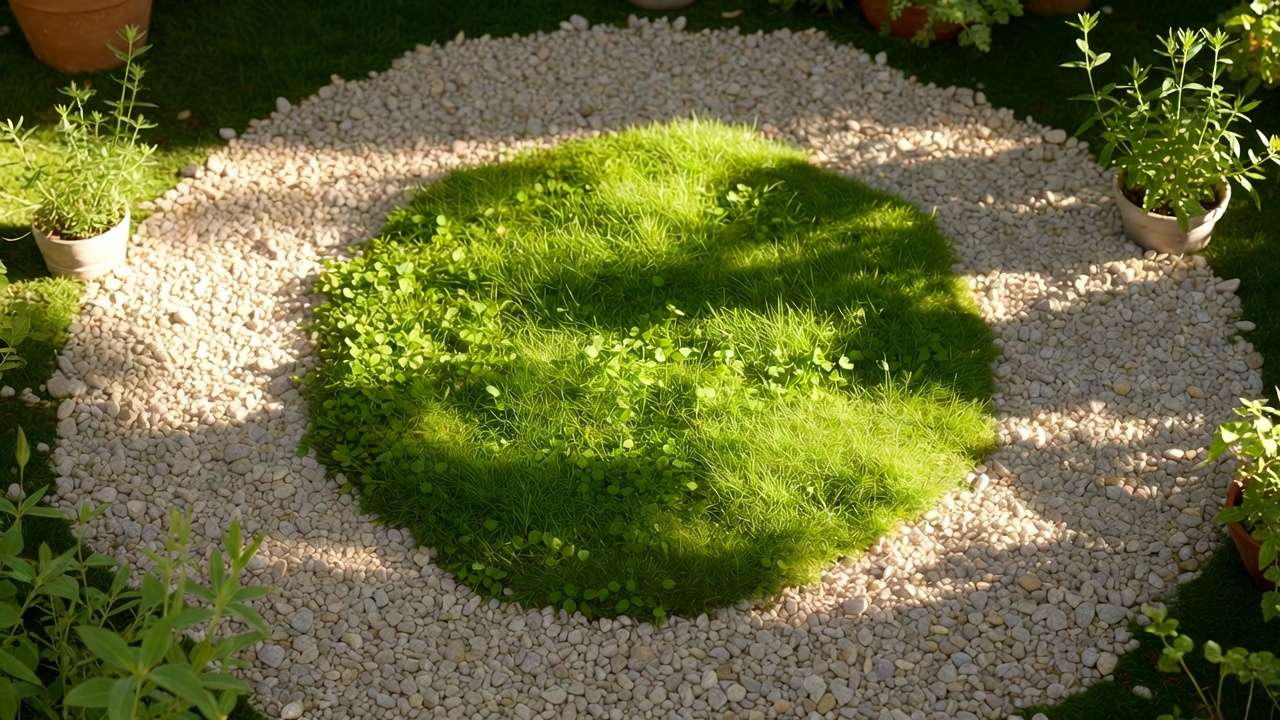
These create “micro-lawns” — small, intentional green patches that feel intentional rather than obligatory.
Understanding Gravel in Minimal Spaces 🪨✨
Gravel offers a modern, clean look with serious low-maintenance appeal, especially in xeriscape designs.
Pros of Gravel as a Ground Cover
- Ultra-low maintenance — No mowing, minimal watering after setup; just occasional raking/weeding.
- Superior drainage — Prevents waterlogging around tree bases (reducing root rot risk) and handles rain well.
- Cost-effective long-term — Initial install pays off with no fertilizers/pesticides; customizable colors/textures (pea gravel, river rock, decomposed granite).
- Space-maximizing aesthetics — Clean lines make tiny areas feel larger and more modern; great mulch substitute around plants/trees.
Cons of Gravel in Small Gardens
- Heat buildup — Absorbs/reflects sun, raising soil temps (can stress plants/trees in full sun; up to 10-20°F hotter than grass).
- Weed potential — Organic debris (leaves, twigs) collects, creating compost pockets for weeds over time.
- Debris trapping — Hard to clean fallen leaves/twigs; shifting/sinking possible without proper base.
- Comfort — Less soft underfoot; chairs may sink; not ideal for play areas.
Best Gravel Types for Small-Space Gardens
- Pea gravel (rounded, 1/4-1/2 inch) — Comfortable to walk on, good drainage.
- Decomposed granite — Compactable for paths, natural look.
- Crushed stone/decorative aggregates — Textural variety; choose light colors to reduce heat.
Head-to-Head Comparison: Gravel vs. Grass in Minimal Spaces ⚔️
Here’s a practical breakdown (imagine a clean table in the full article!):
- Maintenance Effort — Grass: High (weekly mowing/watering); Gravel: Low (occasional raking/weeding).
- Water Usage — Grass: Moderate-high (regular irrigation); Gravel: Very low (mostly rainfall).
- Initial Cost — Grass: Lower (seed/sod); Gravel: Higher (material + install), but long-term savings.
- Heat/Microclimate — Grass: Cools area; Gravel: Warms (avoid full-sun plantings).
- Weed Control — Grass: Competes naturally; Gravel: Needs barriers + vigilance.
- Aesthetics/Usability — Grass: Soft, green; Gravel: Modern, textured.
- Eco Impact — Grass: Supports wildlife; Gravel: Permeable but less biodiversity.
- Plant/Tree Compatibility — Grass: Good for companions; Gravel: Excellent mulch-like protection for roots.
Gravel often edges out for water savings and ease in hot/dry minimal spaces, but grass wins for comfort and ecology.
When to Choose Grass Over Gravel (and Vice Versa) 🏆🌿
After weighing the details, the decision boils down to your priorities, local conditions, and how you use the space. Here’s a clear guide based on real small-garden scenarios I’ve observed and helped design over the years.
Choose Grass (or a Micro-Lawn) If:
- You crave that soft, green, barefoot-friendly surface — especially valuable in tiny yards where kids, pets, or relaxation happen right on the ground. 👣
- Your space gets partial shade (from buildings, trees, or fences) — many grasses thrive here while gravel can look stark.
- Biodiversity and pollinator support matter — even a small clover-grass mix feeds bees and improves soil health naturally.
- You have reliable irrigation and don’t mind occasional upkeep for a lush look.
- Mental health perks: Studies show green spaces reduce stress; a mini-lawn patch can feel calming in urban settings.
Choose Gravel If:
- Water conservation is non-negotiable — gravel slashes usage dramatically (often 50-90% less than turf in hot climates), perfect for drought-prone areas or water-restricted regions.
- Ultra-low maintenance is your top goal — no mowing, rare watering, and easy raking beat weekly grass care in cramped spots.
- You want excellent drainage around tree bases to prevent rot, especially in clay-heavy or poorly draining soils common in small urban plots.
- Modern, clean aesthetics appeal — gravel makes tiny spaces feel larger, more structured, and contemporary.
- Long-term cost savings win out after the initial install.
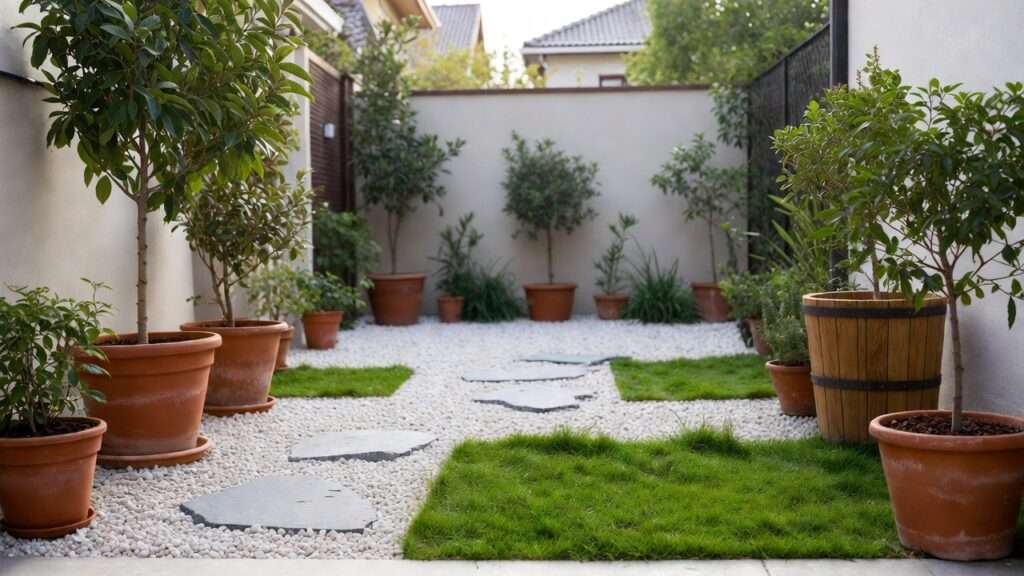
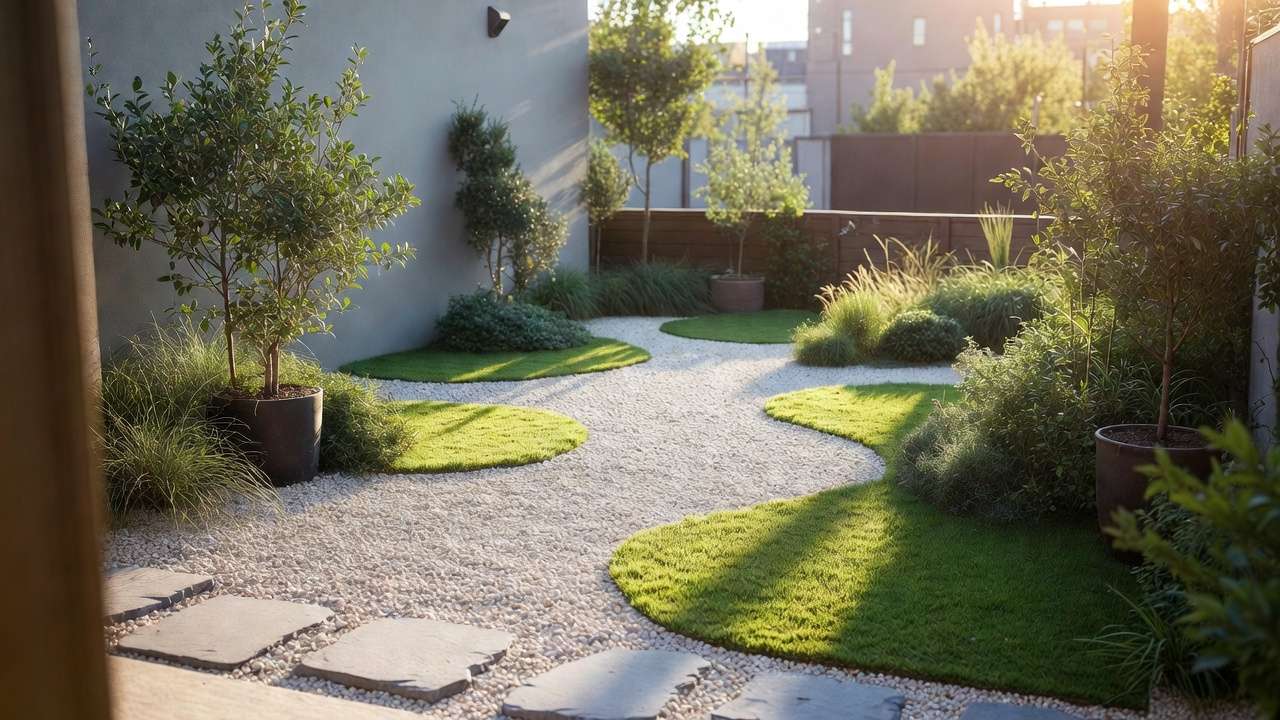
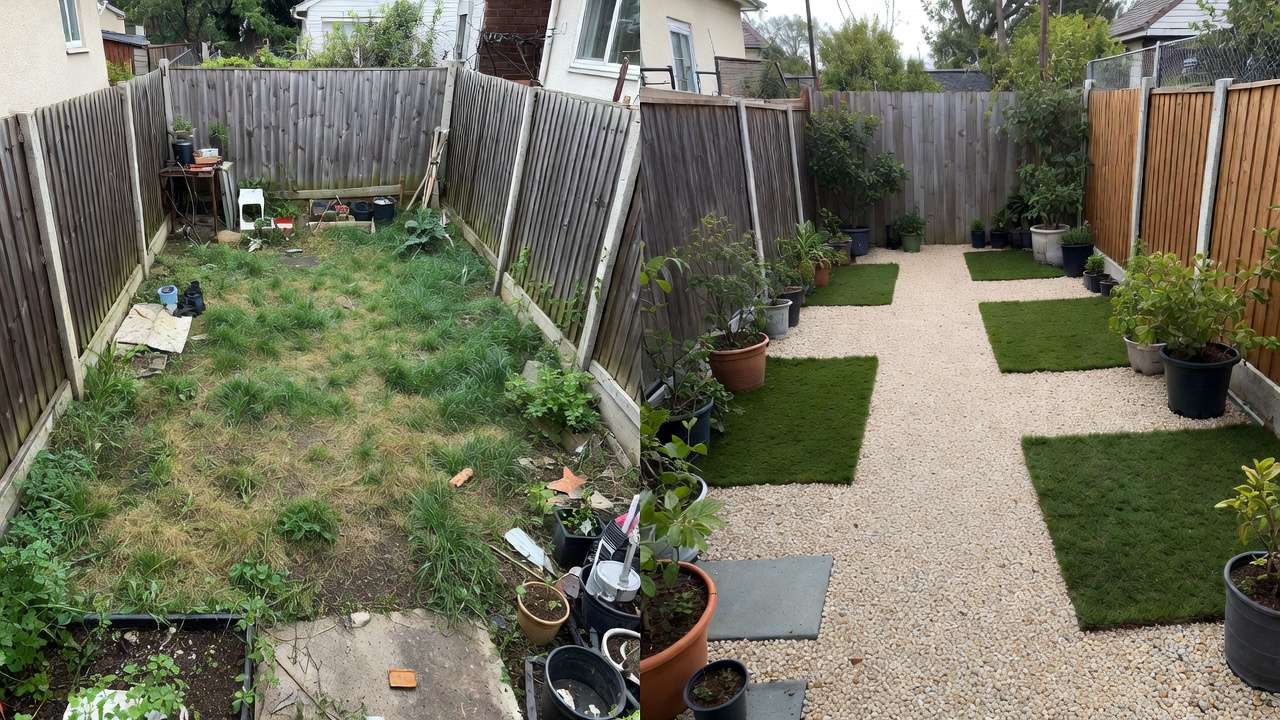
The Hybrid Sweet Spot (My Favorite Recommendation for Many Clients!) Combine both for the best of both worlds: Use gravel for paths, borders, or around trees/plants as mulch-like cover, then keep small “islands” of micro-lawn or clover for softness and greenery. This reduces overall maintenance while keeping visual interest and ecological benefits. Examples include gravel paths leading to a cozy micro-lawn seating area surrounded by potted trees. 🌳🪨
Design Ideas & Real-World Examples for Small Spaces 🎨✨
Small spaces thrive on creativity. Here are proven ideas tailored to minimal footprints:
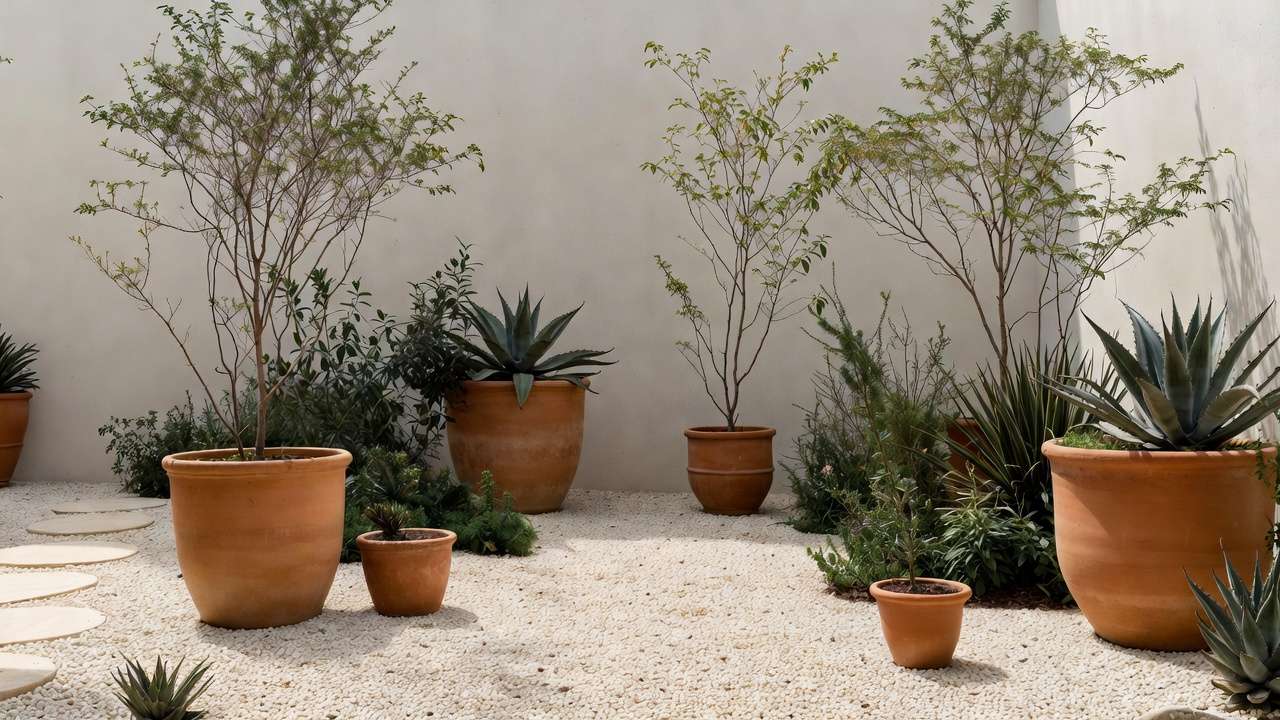
- Gravel Zen Courtyard with Potted Trees Cover most of a tiny patio or balcony in light pea gravel for clean lines and drainage. Add 2-3 large pots with dwarf fruit trees (like Meyer lemon or columnar apple) or ornamental evergreens. The gravel acts as mulch, retaining moisture for roots while keeping weeds down. Add a small bench — instant peaceful retreat! (Great for urban balconies in hot climates.)
- Micro-Lawn “Carpet” Surrounded by Gravel Borders Install a 4×6 ft patch of slow-growing Zoysia or micro-clover in the center for soft green appeal. Surround it with a 1-2 ft gravel border to define the space, suppress weeds, and ease edging. This hybrid looks intentional, not skimpy, and cuts mowing to once a month.
- Gravel + Succulents/Ornamental Grasses for Texture Use decomposed granite or river rock as base cover, then plant drought-tolerant succulents (e.g., sedum, echeveria) and low grasses (like blue fescue) in clusters. The gravel highlights their forms and reduces competition — ideal for sunny tiny backyards.
- Before-and-After Inspiration
- Urban balcony transformation: From patchy grass struggling in containers → full gravel base with vertical trellises and hanging plants around a central tree pot. Result: 80% less watering, zero mowing.
- Cramped backyard revamp: Remove struggling turf → install gravel paths + one micro-lawn circle under a young shade tree. Owners report halving yard time while enjoying birds attracted to the clover.
(Pro tip: Light-colored gravel reflects less heat than dark; pair with shade plants to counter warmth.)
Step-by-Step Installation Guide for Each Option 🛠️🌱
Installing a Micro-Lawn in Minimal Space
- Assess & Prep — Test soil pH (aim 6.0-7.0); amend with compost if needed. Remove old grass/weeds.
- Choose Material — Seed dwarf varieties or lay pre-grown plugs/sod strips for faster results.
- Install — Level soil, spread seed evenly (or place plugs 6-12 inches apart), top with thin compost layer. Water gently daily until established (2-4 weeks).
- Edging & Maintenance — Use metal/plastic edging to contain spread; mow high (3+ inches) infrequently.
- Tree Tip — Keep grass 1-2 ft from tree trunks to avoid competition.
Installing Gravel Ground Cover the Right Way
- Clear Area — Remove sod/weeds (smother with cardboard 4-6 weeks if possible).
- Base Prep — Add 2-4 inches compacted crusher run or sand for stability; slope slightly for drainage.
- Weed Barrier Reality — Use permeable fabric only in non-tree areas (fabric can harm tree roots by blocking air/water). Around trees, skip it — let gravel act as natural mulch.
- Add Gravel — Spread 2-4 inches deep (pea gravel for comfort, decomposed granite for paths). Rake smooth.
- Common Mistakes to Avoid — Don’t over-compact near plants; avoid plastic sheeting (traps moisture/heat); refresh top layer every few years if sinking occurs.
Plant & Tree Care Tips When Using Gravel or Grass 🌳💚
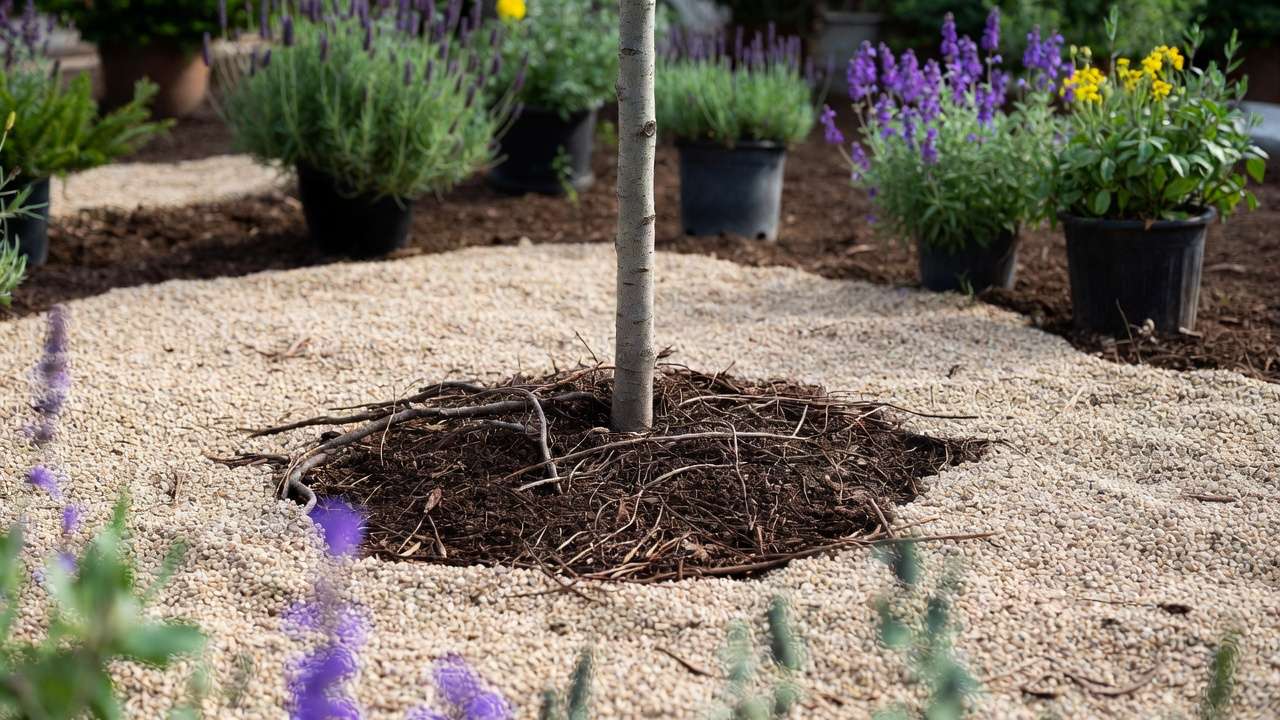
Gravel shines as mulch around established trees: It conserves soil moisture, moderates temperature swings (warmer in cool seasons, but monitor in extreme heat), and prevents mower damage to bark. Keep it 2-3 inches deep, pulled back 3-6 inches from trunks to allow air circulation and avoid rot.
Watch for heat stress near gravel in full sun — plant heat-tolerant companions like lavender, salvia, or agave. Grass works well around young trees but needs consistent moisture; avoid over-fertilizing to prevent weak growth.
Companion ideas:
- Gravel setups: Succulents, yarrow, Russian sage — low-water winners.
- Grass setups: Herbs (thyme, oregano) or bulbs for seasonal pops.
Expert insight: In over 15 years of small-space gardening (from balcony consults to tiny urban yards), gravel excels for water-wise tree health but needs thoughtful plant selection to avoid a barren vibe. Grass/micro-lawns bring life and softness — hybrids often deliver the happiest results.
Common Mistakes to Avoid in Small-Space Ground Cover 🌵❌
- Skipping soil prep → leads to poor drainage or weak establishment.
- Ignoring microclimate — full-sun gravel can scorch plants; shady grass may thin.
- Over-relying on one material — pure gravel risks heat/weed issues; pure grass in tiny spots becomes high-maintenance.
- Poor edging — causes gravel migration or grass invasion.
- Forgetting long-term — gravel needs occasional top-up; grass needs seasonal overseeding.
Conclusion: Making the Best Choice for Your Tiny Garden ✨
Using gravel vs. grass in minimal spaces isn’t about one being universally better — it’s about alignment with your life. Gravel dominates for water savings, ease, and modern looks in sunny/dry tiny yards. Grass (especially low-grow varieties) wins for comfort, ecology, and that classic green feel in shadier or play-oriented spots. Hybrids often strike the perfect balance.
Start small: Test a patch of each in your space this season. Observe water needs, heat, weeds, and enjoyment. Your tiny garden can be beautiful, functional, and low-effort — no matter which path you choose.
Ready to transform your space? Assess sunlight, water access, and usage today, then experiment! Share your results in the comments — I’d love to hear what works for you. 🌟
FAQ Section ❓
Is gravel really lower maintenance than grass in small yards? Yes — no mowing or frequent watering after setup. Occasional raking/weeding beats weekly grass care, especially in confined areas.
Does gravel damage tree roots or plants? Not if installed properly (pulled back from trunks, no impermeable barriers). It often benefits roots by retaining moisture and preventing rot — better than grass competition in many cases.
Can I combine gravel and grass in a minimal space? Absolutely! Gravel borders/paths + micro-lawn patches create beauty, function, and reduced upkeep.
How much does gravel cost vs. maintaining a small lawn? Gravel: Higher upfront ($1-4/sq ft installed) but near-zero ongoing. Small lawn: Low initial but $200-500+/year in water, fertilizer, tools/time for tiny areas.
What’s the most eco-friendly option for tiny gardens? Depends: Micro-clover/grass mixes boost biodiversity and cool air; permeable gravel saves water and supports drainage. Hybrids often win for balance.











