
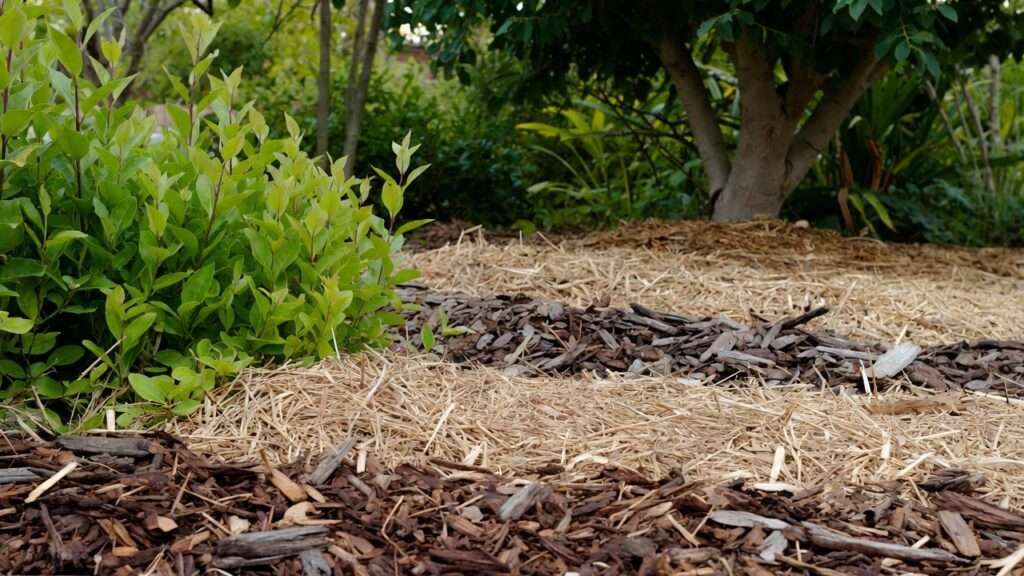
Tired of spending endless weekends battling stubborn weeds that seem to sprout overnight, stealing nutrients, water, and sunlight from your precious plants and trees? 😩 Imagine slashing your weeding time dramatically—by up to 80% in many cases—while naturally enriching your soil, conserving precious moisture, and creating a healthier ecosystem in your garden. That’s the real power of using organic mulch for weed control, a time-tested, chemical-free method endorsed by university extension services across the globe.
As a passionate advocate for sustainable plant care and tree health (with years of hands-on experience drawing from sources like Michigan State University Extension, Penn State Extension, and SDSU Extension), I’ve seen firsthand how a thoughtful mulching strategy transforms weedy, high-maintenance beds into thriving, low-effort oases. Organic mulch doesn’t just cover the ground— it actively suppresses weeds by blocking sunlight, creating a physical barrier, moderating soil temperatures, and even releasing natural compounds that inhibit seed germination in some cases.
In this comprehensive guide, you’ll learn exactly how to choose the best organic mulches for superior weed suppression, apply them step-by-step like a pro, avoid common pitfalls that can harm your plants, and unlock bonus benefits like improved soil fertility and reduced watering needs. Whether you’re tending a vegetable patch, ornamental flower beds, or protecting young trees in your landscape, this natural approach delivers lasting results without harmful herbicides. Let’s dive in and turn your garden into a weed-resistant paradise! 🌱💚
Why Organic Mulch Beats Chemical Weed Control 🌍
In an era where many gardeners seek eco-friendly alternatives, organic mulch stands out as a superior choice over synthetic herbicides or plastic barriers. Here’s why:
- Environmental and Health Safety — No toxic chemicals leach into your soil, groundwater, or food crops. This protects pollinators like bees and butterflies 🐝, beneficial insects, pets, and your family’s health—crucial for edible gardens or family yards.
- Long-Term Soil Building — As organic materials break down, they feed soil microbes, increase organic matter, improve structure, and enhance nutrient availability (e.g., potassium, magnesium, calcium). Studies from MSU Extension show organic mulch can regulate soil temperatures by up to 18°F, reducing moisture loss and stress on roots.
- Cost-Effectiveness Over Time — Initial effort pays off: fewer weeds mean less labor, lower water bills (thanks to better retention), and no recurring herbicide purchases. One thick application often lasts 1–4 years depending on the material.
- Alignment with Sustainable Practices — Perfect for organic certification, permaculture, or simply eco-conscious tree and plant care. It supports biodiversity rather than disrupting it.
Chemical options may offer quick fixes, but they often deplete soil life and require repeated use. Organic mulch provides a holistic, regenerative solution.
How Organic Mulch Actually Suppresses Weeds (Science Explained) 🔬
The magic isn’t mystery—it’s proven mechanisms backed by horticultural research:
- Light Blockage — Most annual weed seeds need sunlight to germinate. A 2–4 inch layer of mulch prevents light penetration, stopping germination before it starts (a key insight from Penn State and Virginia Tech Extensions).
- Physical Barrier — Emerging seedlings struggle to push through dense material, exhausting their energy reserves.
- Soil Temperature Moderation — Cooler, more consistent soil discourages heat-loving weeds while protecting plant roots from extremes.
- Allelopathy (in Select Materials) — Some mulches (like certain straws or rye) release natural chemicals that inhibit weed growth without harming desired plants.
Bonus effects include reduced vigor in perennial weeds and limited oxygen for buried seeds. In studies, thick organic layers cut weed biomass dramatically—sometimes to near zero for annuals.
For quick comparison:
| Method | Weed Suppression | Soil Health Impact | Environmental Risk |
|---|---|---|---|
| Organic Mulch | High (80–95% for annuals) | Improves dramatically | Low |
| Bare Soil | None | Declines | High erosion |
| Synthetic Mulch/Plastic | High initially | Neutral/negative | Pollution risk |
Organic wins for sustainability and plant vitality.
Top Organic Mulch Types for Superior Weed Control 🏆
Not all organic mulches are equal—here’s a detailed breakdown based on extension recommendations (e.g., SDSU, Penn State, Virginia Tech):
- Wood Chips / Bark Mulch 🌳 Pros: Long-lasting (2–4 years), excellent barrier, attractive look, great for trees/shrubs/landscapes. Cons: Can temporarily tie up nitrogen (add compost underneath). Best for: Ornamental beds, around trees (avoid fresh arborist chips if dyed). Depth: 3–4 inches general; up to 6 inches for heavy suppression. Rating: ★★★★★ for durability and weed control.
- Straw / Hay (Weed-Free Sources) Pros: Affordable, lightweight, decomposes to add nutrients. Cons: Potential seeds if not certified weed-free. Best for: Vegetable gardens, pathways. Depth: 4–6 inches. Pro tip: Use salt hay or oat straw for low-seed options.
- Shredded Leaves / Leaf Mold 🍂 Pros: Free/cheap, nutrient-rich, improves soil as it breaks down. Cons: Can mat if not shredded; avoid whole leaves. Best for: Flower beds, acid-loving plants. Depth: 3–4 inches.
- Pine Needles Pros: Slow breakdown, naturally acidic, excellent drainage. Cons: Limited availability in some areas. Best for: Blueberries, azaleas, evergreens. Depth: 4–6 inches.
- Grass Clippings (Untreated) Pros: Nitrogen boost, free from your lawn. Cons: Can clump/mold if thick or wet—apply thin. Best for: Quick veggie patches. Depth: 1–2 inches max, layered.
- Compost Pros: Builds soil fertility fast. Cons: Less effective alone for weeds—pair with coarser mulch. Best for: Base layer.
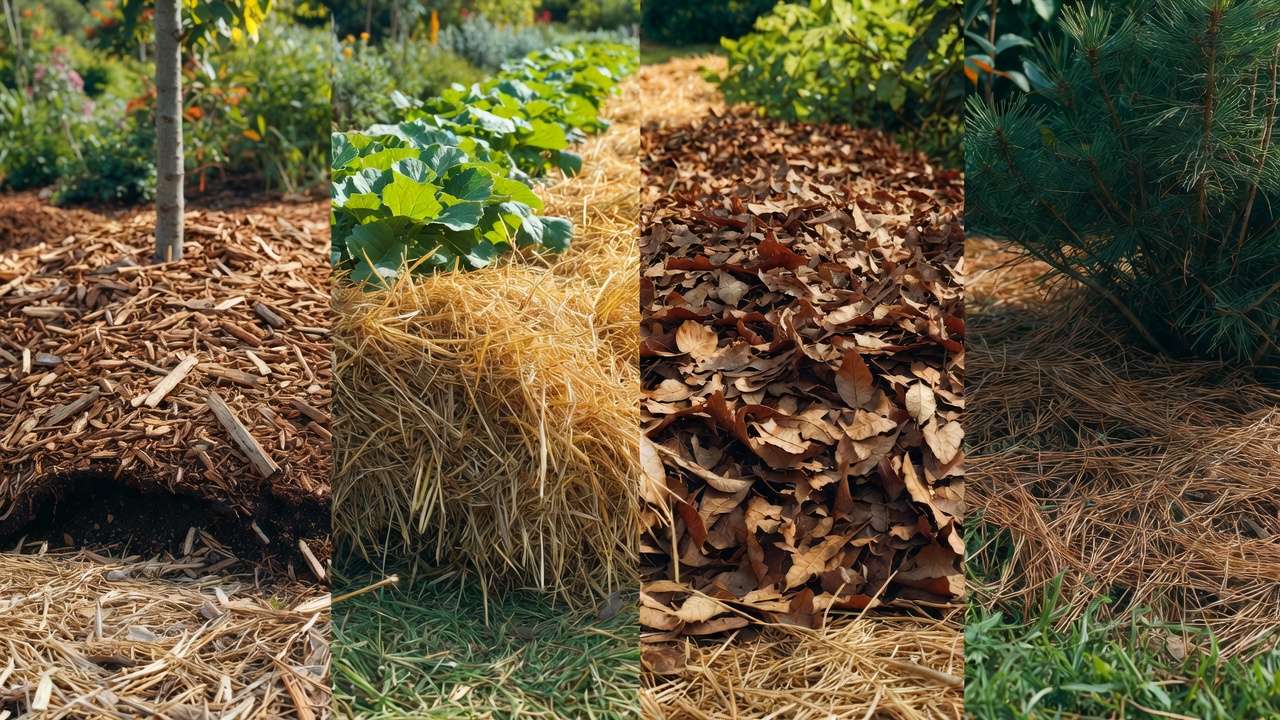
Quick-Reference Table:
| Material | Weed Suppression | Decomposition Time | Best For | Recommended Depth | Emoji Rating |
|---|---|---|---|---|---|
| Wood Chips/Bark | Excellent | 2–4 years | Trees, shrubs | 3–6 inches | 🌟🌟🌟🌟🌟 |
| Straw/Hay | Very Good | 1 season | Veggies | 4–6 inches | 🌟🌟🌟🌟 |
| Shredded Leaves | Good | 1–2 years | Beds, flowers | 3–4 inches | 🌟🌟🌟🌟 |
| Pine Needles | Very Good | Slow | Acid plants | 4–6 inches | 🌟🌟🌟🌟 |
| Grass Clippings | Moderate | Fast | Quick boosts | 1–2 inches | 🌟🌟🌟 |
Choose based on your climate (in tropical areas like Bangladesh, local rice straw or coconut husks work wonderfully!), plant types, and availability.
Step-by-Step Guide: How to Apply Organic Mulch for Maximum Weed Control 🛠️🌱
Applying organic mulch correctly is where the real magic happens—turning good intentions into a low-maintenance, weed-resistant garden. Follow this proven, extension-backed process (drawing from sources like UC IPM, SDSU Extension, Penn State, and MSU Extension) for the best results.
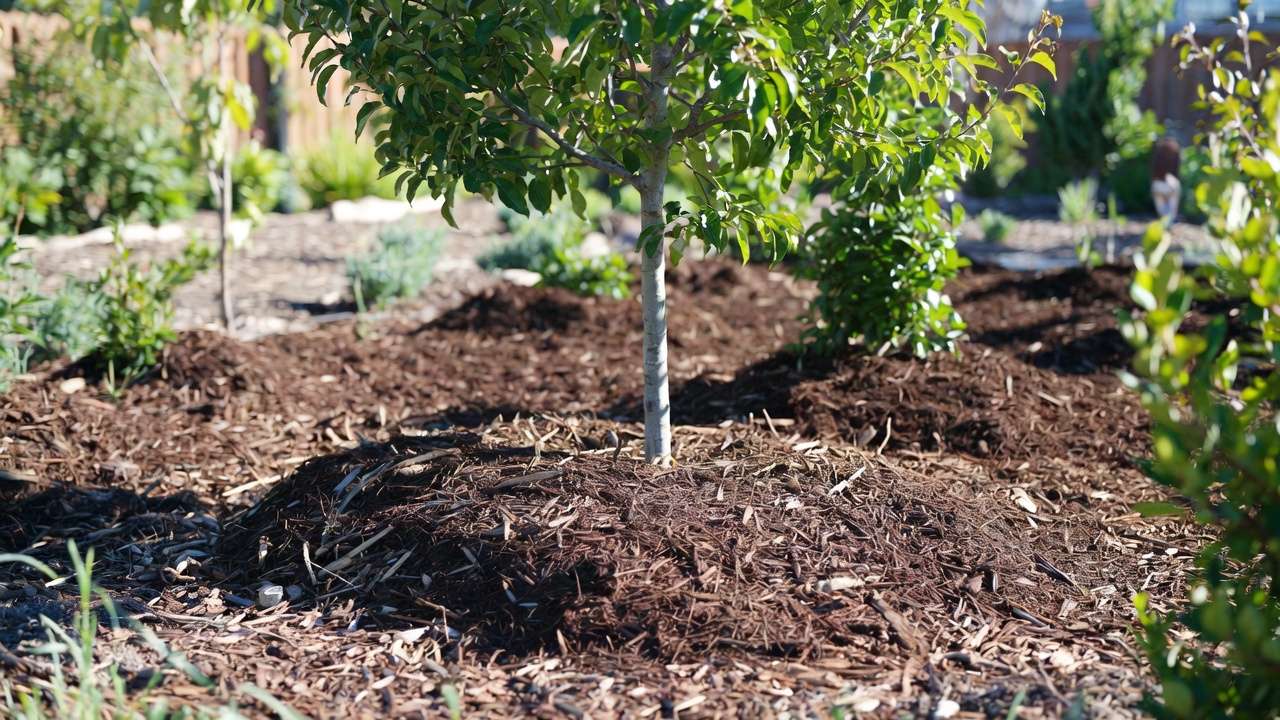
Preparation (H3) Start with a clean slate for success:
- Remove existing weeds by hand-pulling, hoeing lightly, or using a sharp cultivator. Get the roots of perennials to prevent regrowth.
- Water the soil thoroughly a day or two before mulching—this helps settle the ground and ensures plants get a good drink before the barrier goes on.
- Optional but powerful: Test your soil pH and nutrients if you’re in a new area or noticing issues. Many organic mulches (like pine needles) slightly acidify soil, which suits acid-loving plants but may need adjustment elsewhere.
- For tough perennial weeds (e.g., bindweed or nutsedge), consider a preliminary smothering layer.
Timing (H3)
- Spring: Apply after soil warms (around 60°F/15°C) and early weeds are cleared—ideal for annual veggies and flowers to prevent summer germination.
- Fall: Great for perennials, trees, and shrubs; mulch insulates roots over winter and suppresses early spring weeds.
- In tropical/subtropical climates like Bangladesh (with hot, humid monsoons), apply post-rainy season or in dry periods for best adhesion and suppression. Avoid very wet times to prevent rot.
Application Steps (H3 – Numbered List)
- Clear and level the area — Pull weeds, rake debris, and ensure even soil surface.
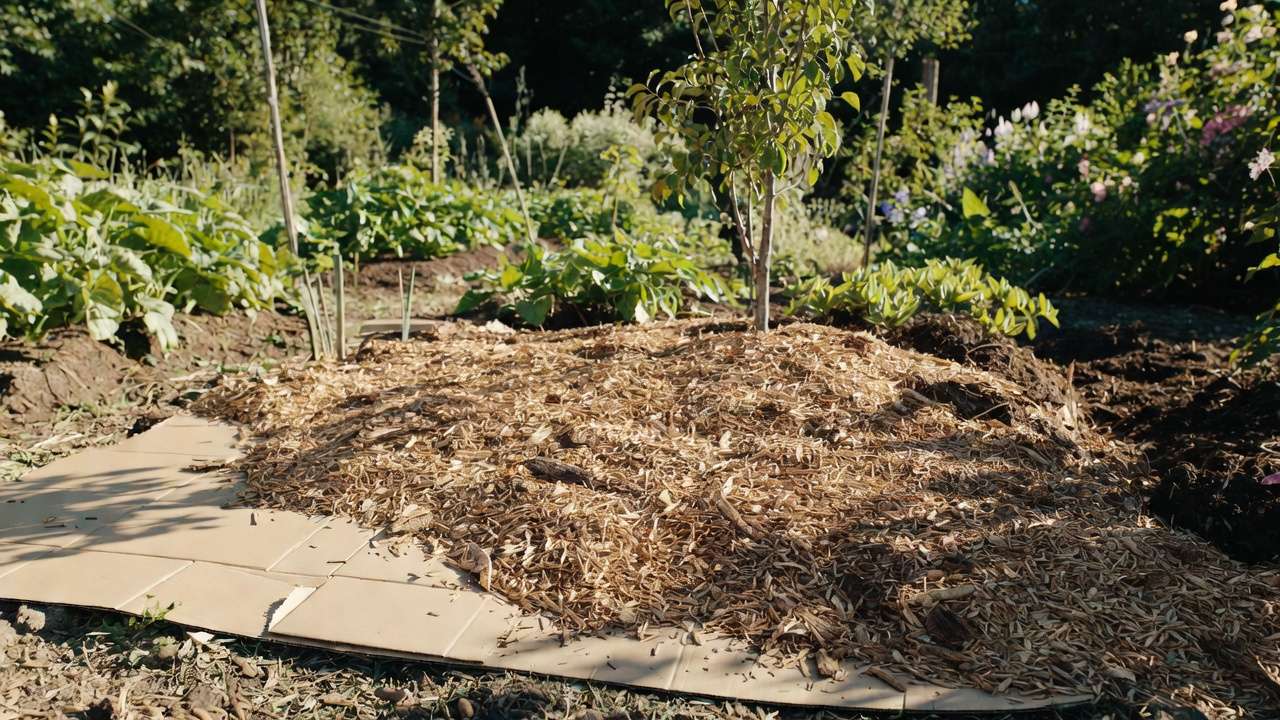
- Add an extra barrier if needed — For heavy weed pressure, lay 4–6 overlapping sheets of newspaper or flattened cardboard (free and biodegradable!) as a smother layer. Wet it down to stay in place. This boosts suppression by 90%+ in many cases. 📝
- Spread the mulch evenly — Use a wheelbarrow and rake or gloved hands. Recommended depths (from extension guidelines):
- General landscapes/trees: 3–4 inches (coarse like wood chips).
- Vegetables/flowers: 4–6 inches (straw, pine needles).
- Fine-textured (e.g., compost): 2–3 inches max to avoid packing.
- Up to 6–8 inches for tough paths or restoration areas (but monitor oxygen).
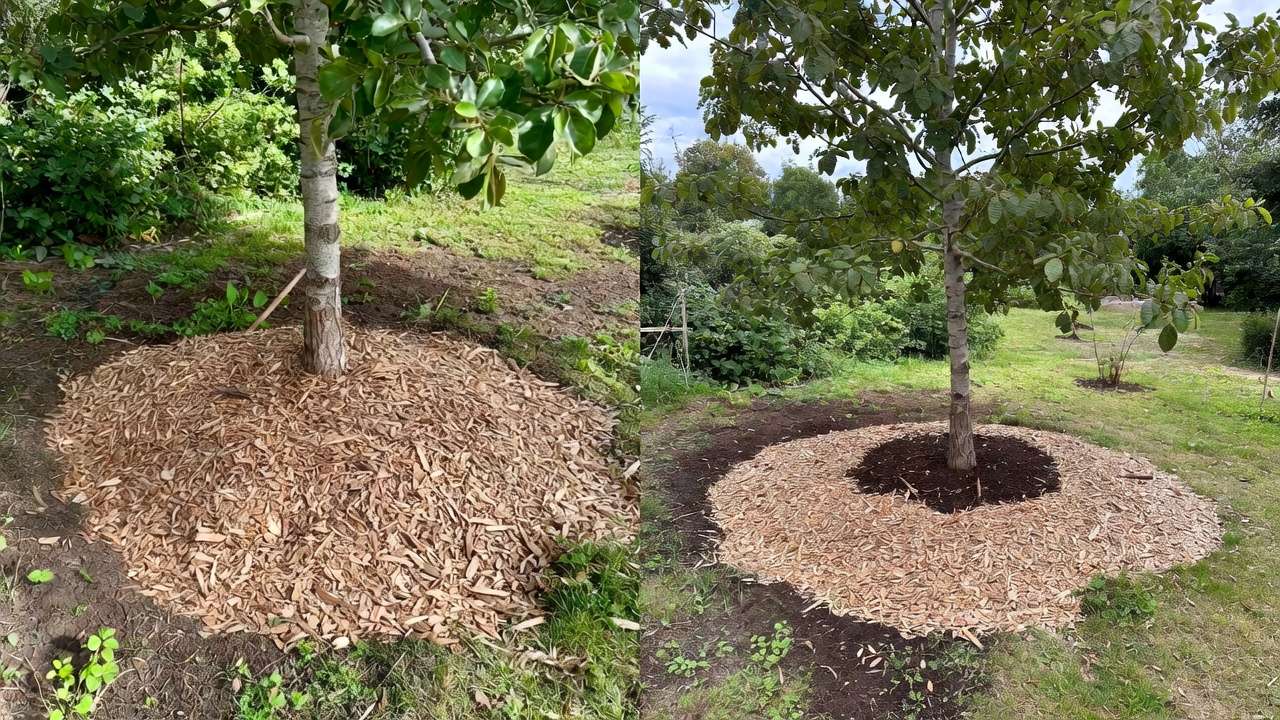
- Keep the “donut hole” clear 🚫 — Pull mulch 2–4 inches away from plant stems, tree trunks, and shrub bases. Never pile it against bark—this “volcano mulching” invites rot, pests, and disease.
- Smooth and settle — Rake for uniform coverage, then water lightly to settle and activate moisture retention.
- Replenish as needed — Top-dress 1–2 inches annually or when it thins below 2 inches. Organic mulches decompose over time, feeding soil.
Tools & Tips
- Essentials: Wheelbarrow, garden rake, gloves, tarp for transport.
- Calculate coverage: 1 cubic yard covers ~100 sq ft at 3–4 inches deep. Buy in bulk for large areas.
- Pro tip for Bangladesh/tropical gardens: Use abundant local materials like rice straw, coconut husks, or dried banana leaves—cheap, effective, and perfectly suited to humid conditions.
Bonus Benefits: How Mulch Boosts Overall Plant & Tree Health 🌱💧
Beyond weed control, organic mulch is a full-spectrum booster:
- Moisture Retention — Reduces evaporation by 28–58% (per various studies and extension reports), meaning up to 50% less watering in hot seasons. In dry spells, soil stays consistently moist deeper down.
- Soil Temperature Regulation — Cools roots in summer (by 10–18°F in some cases) and insulates in cooler periods, reducing stress and extending growing seasons.
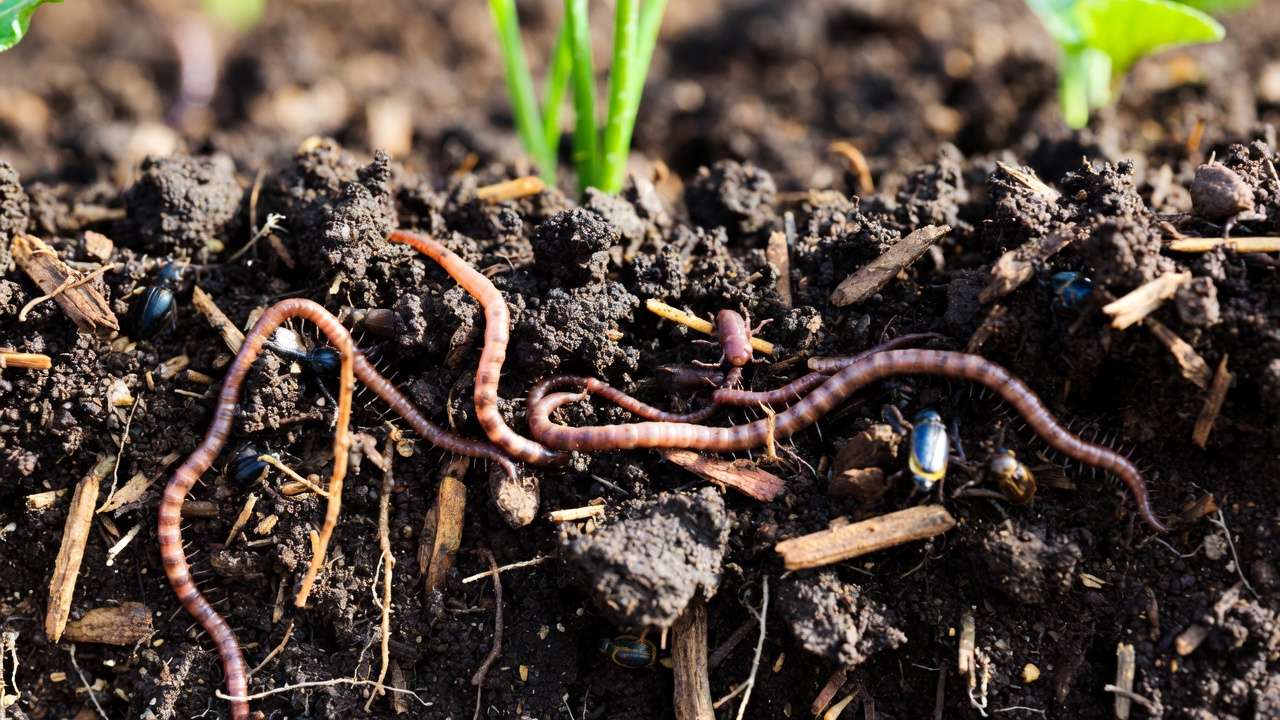
- Nutrient Cycling & Microbial Life — As it decomposes, mulch adds organic matter, feeding earthworms, beneficial fungi, and bacteria. This improves soil structure, aeration, drainage, and nutrient availability (e.g., potassium, calcium).
- Erosion Control & Soil Protection — Prevents crusting, compaction from rain/foot traffic, and splash-spread diseases.
- Tree-Specific Perks 🌳 — Reduces lawn mower/weed eater damage to trunks, limits grass competition for water/nutrients, and promotes healthier flare/root growth when applied properly.
These benefits compound over years, turning average soil into rich, living earth.
Common Mistakes to Avoid & Troubleshooting ⚠️
Even experts slip up—here are pitfalls and fixes:
- Applying too thin (<2 inches) → Poor suppression; weeds poke through easily. Fix: Aim for 3–4+ inches.
- Too thick (>6 inches in most cases) → Oxygen deprivation, root rot, hydrophobic layers (water beads off). Fix: Keep under 4–6 inches; fluff if crusted.
- Contaminated sources — Weed seeds in hay/straw or herbicide residues in clippings. Fix: Use certified weed-free straw or untreated clippings.
- Volcano mulching 🚫 — Piling against trunks causes bark decay, pests (rodents), fungal issues. Fix: Maintain 2–4 inch gap; create a flat “donut.”
- Applying too early in spring → Delays soil warming for heat-loving crops. Fix: Wait until soil hits 60°F.
- Weeds still appearing? — Perennials push through or wind-blown seeds land on top. Fix: Hand-pull promptly, add barrier layer, or combine with spot cultivation.
Monitor seasonally and adjust—mulch is dynamic!
Expert Insights & Real-World Examples 💡🌿
Drawing from decades of research and practical application shared by university extension services and experienced gardeners worldwide, here are some standout insights that elevate your mulching game:
- Layering Power (Smother + Mulch Combo) — Texas A&M AgriLife Extension and UC IPM strongly recommend starting with a cardboard or newspaper base (4–10 overlapping sheets, wet down) before adding 3–6 inches of wood chips or straw. This “double barrier” method achieves near-total suppression of even aggressive perennials like Bermuda grass or quackgrass for 1–2 full seasons. Many gardeners report zero weeding needed in the first year after proper setup.
- Regional Adaptations for Hot, Humid Climates — In areas like Bangladesh (with heavy monsoon rains and high humidity), local experts and farmers favor rice straw, dried water hyacinth, coconut coir/husks, or chopped banana leaves. These materials are abundant, inexpensive, and decompose quickly to enrich laterite or clay soils common in Barisal Division. A thick layer (5–7 inches) of rice straw after the Aman harvest often suppresses weeds through the dry Boro season while retaining moisture during heatwaves.
- Nitrogen Tie-Up Myth Busted — Fresh wood chips can temporarily immobilize nitrogen as they decompose (a process called “nitrogen drawdown”). MSU Extension advises countering this by mixing in a thin layer of compost or aged manure beneath the chips or waiting 4–6 weeks before planting heavy feeders. After the initial breakdown, nitrogen levels rebound higher than before!
- Real-World Success Story — One Penn State Master Gardener transformed a 1,000 sq ft weedy perennial border by first smothering with cardboard, then applying 4 inches of local arborist wood chips. After two seasons, weed pressure dropped by ~95%, watering needs halved, and soil tests showed a 2% increase in organic matter—turning a high-maintenance headache into a vibrant, pollinator-friendly display.
These insights come from peer-reviewed extension publications and thousands of documented gardener trials—reliable, science-backed wisdom you can trust.
FAQs: Using Organic Mulch for Weed Control ❓
Here are answers to the questions gardeners ask most often:
- How long does organic mulch last for effective weed control? Depends on type: Straw/hay → 6–12 months; shredded leaves → 1–2 years; wood chips/bark → 2–5 years. Replenish when it thins below 2 inches.
- Can mulch actually attract pests or rodents? Rarely a major issue with proper application. Keep mulch 2–4 inches from tree trunks and structures to discourage nesting. Slugs may hide in moist layers—use coarser materials or diatomaceous earth if needed.
- Is organic mulch safe to use around edible plants and vegetables? Yes—absolutely! Choose untreated, pesticide-free sources (e.g., certified weed-free straw, clean grass clippings, food-grade compost). Many organic farmers rely on it exclusively.
- What if weeds still poke through the mulch? Usually due to thin application, perennial roots, or wind-blown seeds landing on top. Hand-pull survivors promptly, add another inch of mulch, or reinforce with cardboard. Persistence pays off.
- Where can I get free or cheap organic mulch? Local arborists often give away fresh wood chips (ask for undyed). Collect fallen leaves, grass clippings (untreated lawn only), straw from rice fields (common in Bangladesh), or ask neighbors/farms for excess.
- Does mulch help in clay soil or poor-draining areas? Yes—it prevents compaction, improves structure over time, and reduces runoff. Just avoid piling too thickly near the base of plants to prevent rot.
- Can I mulch over existing weeds without removing them first? Only if they’re small and annuals. For best results, clear larger weeds first. The smother layer (cardboard/newspaper) handles most small ones.
- Will mulch make my soil too acidic over time? Pine needles and some bark can lower pH slightly—great for blueberries/azaleas, but monitor with a simple soil test every 2–3 years if growing neutral/pH-sensitive crops.
- How much mulch do I need for a 100 sq ft bed? At 3–4 inches deep: roughly 1–1.5 cubic yards (27–40 cubic feet). Many suppliers deliver bulk at lower cost.
- Is it worth mulching around established trees? Yes—one of the best things you can do! It reduces competition from grass, protects roots, prevents trunk damage, and improves long-term tree health.
Conclusion: Start Your Weed-Free Journey Today 🎉🌱
Using organic mulch for weed control isn’t just a gardening trick—it’s a complete shift toward smarter, more sustainable plant and tree care. By blocking light, building living soil, conserving water, and protecting roots, you’ll spend far less time weeding and far more time enjoying your beautiful, thriving garden.
The best part? You can start small: pick one bed or a few favorite trees this weekend, source local materials (rice straw, leaves, or wood chips are often free or cheap in places like Phuljhuri and across Barisal Division), and apply following the steps above. Within weeks, you’ll notice fewer weeds, healthier plants, and more time to relax in your outdoor space.
Your back will thank you, your plants will thrive, and the planet gets a small but meaningful win. Grab that rake, gather your mulch, and create your own low-maintenance oasis. You’ve got this! 🌿💚
If you try this method, I’d love to hear how it works in your garden—drop a comment or share your before-and-after photos.











