
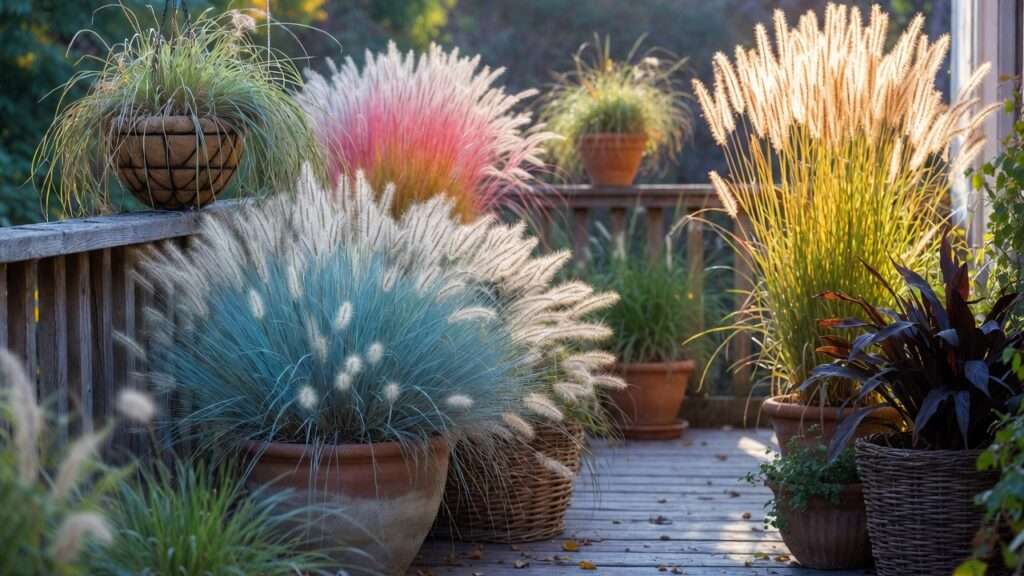
Picture this: a gentle breeze ripples through soft, feathery plumes on your balcony or patio, creating instant movement and life in what might otherwise feel like a static space. If you’re dealing with limited ground area, urban living, or just want low-effort beauty that lasts through seasons, using ornamental grasses in containers is one of the smartest gardening moves you can make. These graceful plants deliver texture, height, color changes, and that mesmerizing sway—without the risk of them taking over your yard like they might in open soil.
As a passionate plant care expert with years of hands-on experience designing container displays for balconies, patios, and small decks, I’ve seen firsthand how ornamental grasses solve real problems: they add privacy screening, provide year-round interest (even in winter with structural seed heads), attract birds with seeds, and require surprisingly little upkeep once established. They’re drought-tolerant, pest-resistant, and incredibly versatile—perfect as solo stars or mixed with flowers for dynamic combos.
In this in-depth guide, we’ll dive deep into the best varieties (updated with top performers that thrive in pots), step-by-step planting, creative design ideas, foolproof care routines, overwintering secrets, and troubleshooting tips. Whether you’re a beginner eyeing your first pot or a seasoned gardener wanting pro-level results, you’ll walk away ready to create stunning, low-maintenance oases. Let’s get your space swaying! 🌾💚
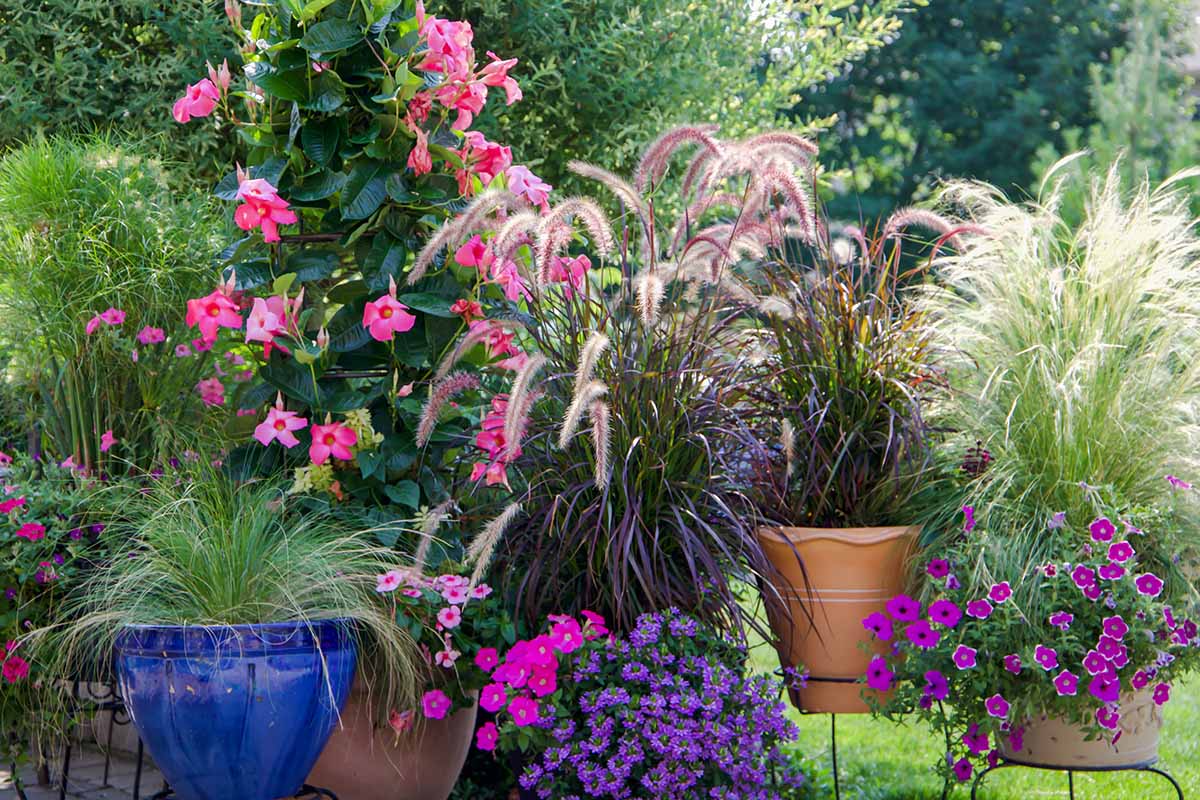
Why Choose Ornamental Grasses for Containers? The Key Benefits 🌱
Container gardening with ornamental grasses isn’t just trendy—it’s practical and rewarding. Here’s why they stand out:
- Space-Saving Magic — Ideal for patios, balconies, decks, rooftops, or entryways with no in-ground options. Pots let you rearrange for sun, wind protection, or seasonal vibes.
- Low-Maintenance Appeal — Most are drought-tolerant after establishment, rarely bothered by pests or diseases, and need minimal fertilizing—perfect for busy lifestyles.
- Year-Round Interest — Spring fresh growth, summer plumes, fall color shifts (think reds, golds, purples), and winter architectural structure that holds snow beautifully. They support wildlife too—birds flock to seed heads! 🐦
- Versatility in Design — Serve as “thrillers” (tall focal points), “fillers” (mid-height texture), or even “spillers” in combos; control aggressive spreaders effortlessly.
- Hardiness Considerations — Roots in pots are more exposed, so expect 1-2 zones less cold tolerance than ground planting. Smart selection and overwintering make them reliable even in cooler climates. ❄️
From my experience, these benefits make grasses superior to many annuals for long-term value—invest once, enjoy for years!
Best Ornamental Grasses for Containers: Top Varieties by Category 🌈
Selecting the right cultivar is key to success in pots. Focus on compact to medium-sized options with non-invasive habits. Here are proven favorites based on performance, with approximate mature sizes, light needs, and highlights:
Upright & Architectural Grasses (Great as Thrillers)
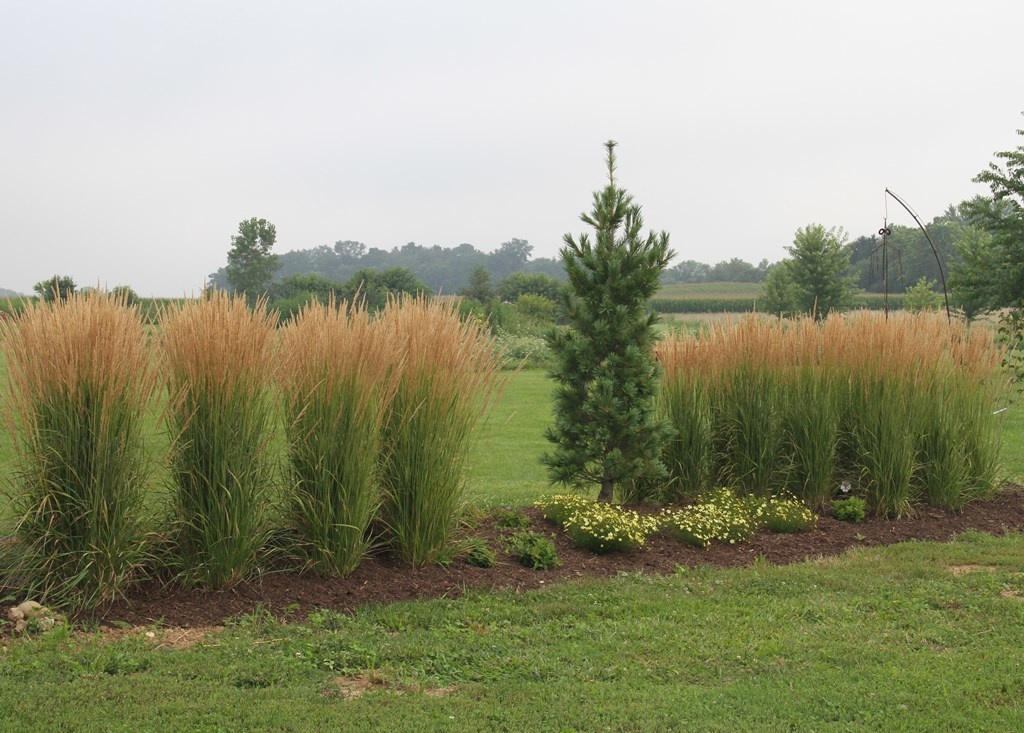
- Feather Reed Grass (Calamagrostis x acutiflora ‘Karl Foerster’) — 4-5 ft tall; upright form with feathery plumes starting early summer; full sun; excellent structure and one of the most reliable for containers—stays neat year-round.
- Switchgrass (Panicum virgatum ‘Cheyenne Sky’ or ‘Apache Rose’) — 3-5 ft; airy pinkish plumes, blue-green leaves turning red in fall; full sun; adds airy drama and seasonal color pops.
Arching & Flowing Grasses (Soft Movement & Drama)
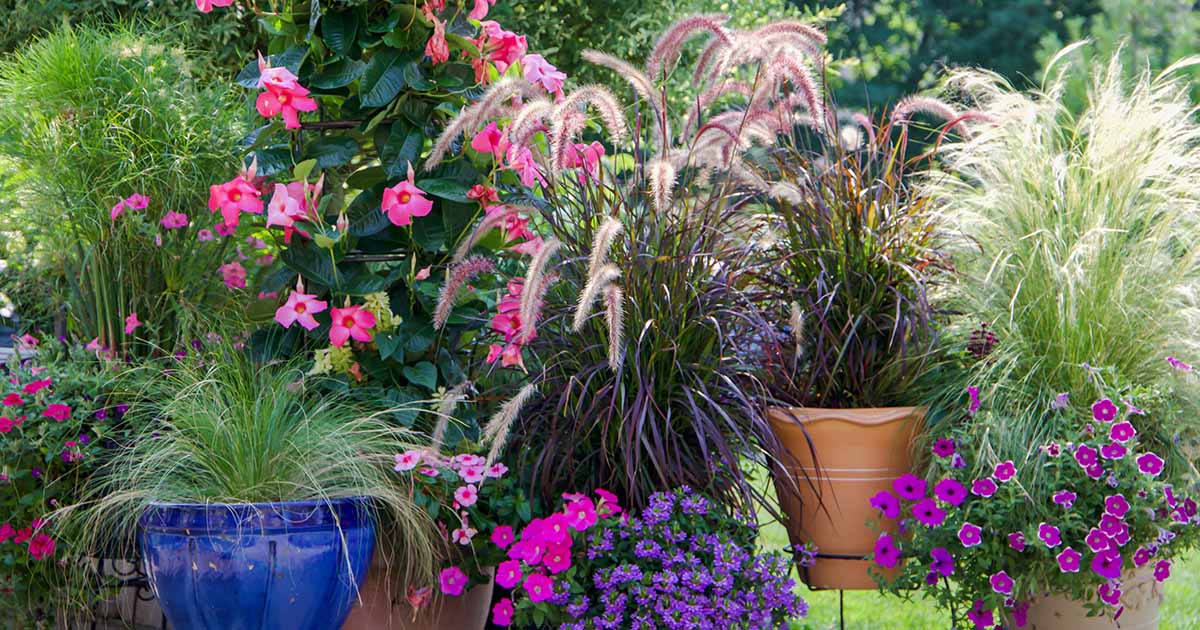
- Fountain Grass (Pennisetum alopecuroides ‘Hameln’ or ‘Desert Plains’) — 2-4 ft; fluffy bottlebrush plumes; burgundy-tinged varieties; full sun; cascades beautifully over pot edges.
- Purple Fountain Grass (Pennisetum setaceum ‘Fireworks’ or ‘Rubrum’) — 3-4 ft; vibrant purple/red foliage all season; fluffy plumes; full sun; treat as annual in zones below 8-9, but the color is unbeatable! 🔥
Compact & Colorful Options (Ideal for Smaller Pots or Balconies)
- Little Bluestem (Schizachyrium scoparium ‘Carousel’ or ‘Standing Ovation’) — 2-4 ft; blue-green turning copper-orange in fall; full sun; compact, upright, and stunning autumn hues.
- Mexican Feather Grass (Nassella tenuissima) — 1-2 ft; wispy, ponytail-like texture; drought-tolerant; full sun; delicate and ethereal—perfect for modern minimalist pots.
Grass-Like Plants (Sedges & Rushes for Texture & Shade)
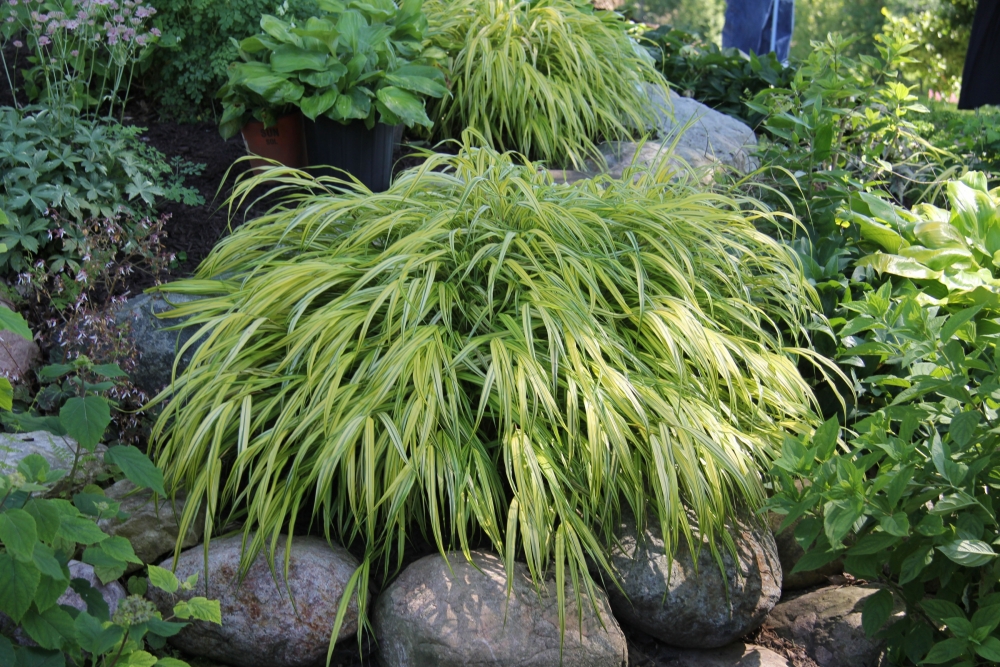
- Japanese Forest Grass (Hakonechloa macra ‘Aureola’) — 1-2 ft; cascading golden-variegated leaves; part shade to shade; brightens dim balconies beautifully.
- Blue Arrows Rush (Juncus inflexus ‘Blue Arrows’) — 2-3 ft; upright blue-green stems; full sun to part shade; adds vertical punch and works in wetter mixes.
Pro Tip: Always choose dwarf or compact cultivars for pots—they adapt better and prevent overcrowding. Start small if you’re new! 🌟
How to Plant Ornamental Grasses in Containers: Step-by-Step Guide 🪴
Planting is straightforward, but doing it right sets your grasses up for years of success. Follow these steps for healthy roots and vigorous growth.
- Choose the Right Pot — Select containers at least 12–18 inches in diameter and depth for compact grasses; go 24+ inches wide/deep for taller varieties like ‘Karl Foerster’. Always ensure multiple drainage holes to prevent root rot. Lightweight materials (fiberglass, resin, or glazed ceramic) make moving pots easier on balconies. Terracotta looks classic but dries out faster—line with plastic if needed.
- Prepare the Soil Mix — Use a high-quality, well-draining potting mix as your base. Amend with 20–30% perlite, coarse sand, or horticultural grit for extra drainage—essential since grasses hate wet feet. Avoid heavy garden soil, which compacts and stays soggy. A slightly acidic to neutral pH (6.0–7.0) works best for most species.
- Timing is Key — Plant in spring after the last frost or early fall (6–8 weeks before first frost) so roots establish before extreme heat or cold.
- Planting Steps
- Fill the pot about one-third full with your amended mix.
- Gently remove the grass from its nursery pot; tease apart any circling roots.
- Position at the same soil depth it was growing before (crown at soil level).
- Fill around the roots, firming gently to eliminate air pockets.
- Leave 1–2 inches of space below the rim for watering.
- Water thoroughly until it drains from the bottom. Apply a slow-release, balanced fertilizer (like 10-10-10) at half strength.
- Initial Aftercare — Keep soil consistently moist (not soggy) for the first 2–4 weeks. Place in the appropriate light (full sun for most, part shade for hakonechloa). Mulch the surface with bark or gravel to retain moisture and suppress weeds.
With proper planting, your grasses will root deeply and thrive with minimal fuss.
Stunning Container Design Ideas & Combinations 🎨
The real magic happens when you design thoughtfully. Ornamental grasses excel in the “thriller-filler-spiller” formula, providing backbone and movement.
- Solo Statement Pot — Plant a single dramatic specimen like Purple Fountain Grass ‘Fireworks’ or Phormium in a large, modern planter. The arching form and color create instant focal point—perfect for entryways or small patios.
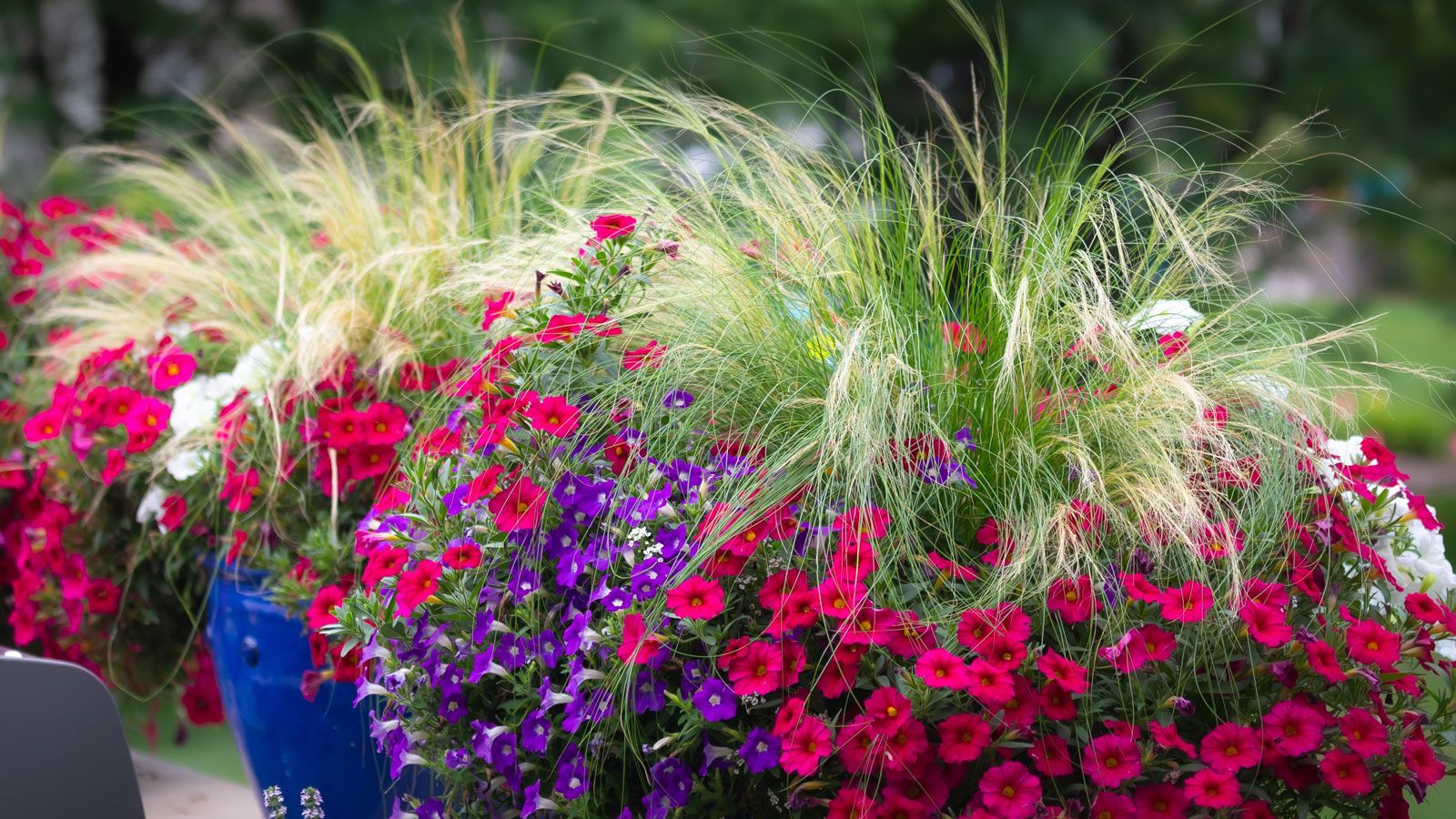
- Thriller-Filler-Spiller Trio — Use upright Feather Reed Grass as thriller, compact Little Bluestem or colorful annuals (petunias, calibrachoa) as fillers, and trailing sweet potato vine or creeping Jenny as spillers. This layered look adds depth and color contrast.
- Monochrome Magic — Combine blue-toned grasses (Blue Lyme Grass, ‘Blue Paradise’ Little Bluestem) with silver foliage companions like dusty miller or artemisia for a cool, sophisticated coastal vibe.
- Seasonal Interest Display — For fall/winter, pair switchgrass with ornamental kale, redtwig dogwood stems, or pansies. The grass provides structure while companions add pops of color.
- Mixed Texture Group — Create a vignette with cascading Japanese Forest Grass, upright Blue Arrows Rush, and spiky carex. Position where wind catches them for natural, soothing motion—ideal at dusk or for mindfulness spaces. 🌬️
Bonus Expert Insight: Group 3–5 pots of varying heights for visual rhythm. Place taller grasses at the back or center to frame views and create privacy on balconies.
Essential Care Tips for Thriving Container Grasses 💧🌞
Once planted, ornamental grasses are famously easy to care for—especially in containers where you control the environment. Here’s the detailed routine I’ve refined over years of balcony and patio trials.
- Watering Water deeply but allow the top 1–2 inches of soil to dry between sessions. In peak summer, this might mean 1–2 times per week depending on pot size, heat, and wind exposure. Most grasses (especially fountain grass, switchgrass, little bluestem) become quite drought-tolerant after the first growing season. Overwatering is the #1 killer in containers—always check soil moisture with your finger rather than following a strict schedule. In rainy periods, skip watering entirely. Morning watering is best to reduce fungal risk.
- Sunlight Requirements The majority of ornamental grasses perform best in full sun (6+ hours of direct sunlight daily). This includes feather reed grass, fountain grass, switchgrass, little bluestem, and Mexican feather grass. For shadier balconies or patios, choose part-shade to full-shade tolerant options like Japanese forest grass (Hakonechloa), variegated sweet flag (Acorus ‘Ogon’), or certain carex species. Insufficient light leads to floppy growth and fewer plumes—observe your space’s sun pattern before buying.
- Fertilizing Grasses are not heavy feeders. Apply a balanced, slow-release granular fertilizer (10-10-10 or 14-14-14) in early spring as new growth emerges, using about half the label rate to avoid lush, weak growth that flops. A light liquid feed (fish emulsion or seaweed extract) in midsummer can boost vigor if plants look pale. Stop fertilizing by late August to allow hardening off before winter.
- Pruning & Grooming Cut back most warm-season grasses (fountain grass, switchgrass, little bluestem) to 4–6 inches above the soil in late winter or very early spring—before new shoots appear. This removes dead foliage and encourages fresh growth. Cool-season grasses (like feather reed grass) can be lightly tidied in fall or left standing for winter interest, then cut back in spring. Annually, rake out accumulated dead leaves from the crown to improve airflow and prevent rot.
- Dividing Every 2–4 years (or when the center dies out or the pot becomes root-bound), divide in early spring. Tip the pot, remove the root ball, use a sharp spade or knife to cut into 3–5 sections (each with roots and shoots), refresh the soil mix, and replant. This rejuvenates vigor and gives you free plants!
- Pest & Disease Management Ornamental grasses are remarkably trouble-free. Occasional issues include spider mites (in very hot, dry conditions—hose off or use insecticidal soap) or fungal leaf spot (improve airflow and avoid overhead watering). Good cultural practices prevent almost everything.
Overwintering Ornamental Grasses in Pots: Zone-Specific Advice ❄️
Container-grown grasses experience colder root-zone temperatures than in-ground plants—often 1–2 USDA hardiness zones less forgiving. Here’s how to protect them:
- Zones 7 and warmer — Most hardy grasses (Karl Foerster, Hameln fountain grass, switchgrass, little bluestem) overwinter outdoors with no special care. Mulch the soil surface with 2–3 inches of bark or straw for extra insulation.
- Zones 5–6 — Move pots to a sheltered spot against a south-facing wall, group them together for mutual warmth, and wrap pots in burlap, bubble wrap, or frost cloth. Add a thick mulch layer over the soil.
- Zones 4 and colder — Bring borderline-hardy grasses into an unheated garage, shed, or covered porch where temperatures stay above 20°F (-7°C). Water sparingly (just enough to prevent complete drying). Tender varieties like purple fountain grass are usually treated as annuals in these zones.
- General Tips — Never let pots sit in standing water during winter thaw/freeze cycles. Check periodically for desiccation—occasional light watering may be needed on dry, windy winter days.
Common Mistakes to Avoid & Pro Troubleshooting Tips ⚠️
Even experienced gardeners slip up sometimes. Here are the pitfalls I see most often:
- Using pots that are too small → Roots dry out quickly and plants become stressed. Solution: Start with generous sizes.
- Poor drainage → Root rot sneaks in fast. Solution: Always add extra perlite/grit and ensure holes are large.
- Overwatering in winter → Dormant grasses need far less moisture. Solution: Water only when soil is dry several inches down.
- Skipping division → Crowded pots produce weaker growth and can crack containers. Solution: Divide every few years.
- Planting too deep → Buried crowns rot. Solution: Keep crown at soil level.
- Ignoring wind exposure → Tall grasses can tip over. Solution: Use heavy pots or add weights/stakes for stability.
Frequently Asked Questions (FAQs) ❓
Can ornamental grasses survive winter in pots? Yes—especially hardy varieties with proper protection. Expect reduced hardiness in containers; mulch, shelter, or garage overwintering works wonders.
Are ornamental grasses deer-resistant? Most are moderately to highly deer-resistant (fountain grasses, switchgrass, feather reed grass). Deer may nibble young tips in food-scarce winters—test in your area.
How often should I water container grasses? Deeply 1–2 times per week in summer; much less in spring/fall and barely in winter. Always check soil moisture first.
What are the best ornamental grasses for shade containers? Japanese forest grass (Hakonechloa), variegated sweet flag, carex (sedge varieties), and some rushes shine in low-light spots.
Can I mix ornamental grasses with flowering plants? Absolutely! Grasses provide structure, texture, and movement while bold blooms (salvia, echinacea, rudbeckia, calibrachoa) add color. They complement each other beautifully.
Do ornamental grasses spread or become invasive in pots? No—containers naturally contain any spreading tendency. Even naturally aggressive types (like miscanthus) stay well-behaved when pot-bound.
With these comprehensive strategies, your container grasses will deliver years of graceful beauty, minimal effort, and maximum wow factor. Start with one or two pots this season, observe what thrives in your specific microclimate, and watch your small space transform into a living, breathing sanctuary. Happy planting! 🌾💚











