
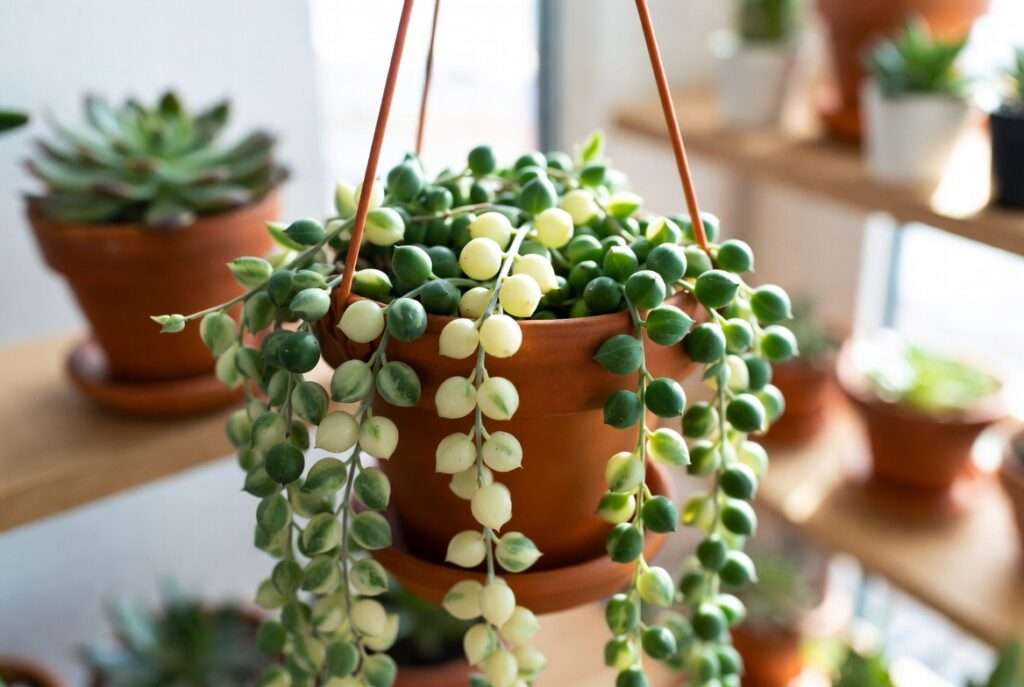
Imagine walking into your living room and being greeted by elegant, cascading strands of tiny, pearl-like leaves striped with creamy white and soft green — a living piece of jewelry that catches the light beautifully. The variegated string of pearls plant is one of the most enchanting succulents for indoor gardeners, yet many plant lovers struggle to keep its striking variegation vibrant or prevent common issues like leaf drop and leggy growth.
If you’ve recently brought home this beauty or are considering adding one to your collection, you’re in the right place. With over 12 years of hands-on experience as a horticulturist specializing in trailing succulents and rare variegated plants, I’ve successfully grown dozens of these stunners and helped countless plant parents turn struggling specimens into showstoppers. This comprehensive guide shares everything you need to know to thrive with your variegated string of pearls plant. 🌱
What Is the Variegated String of Pearls Plant? Origins and Characteristics 🪴
The variegated string of pearls plant, botanically known as Senecio rowleyanus ‘Variegata’ (now often classified under Curio rowleyanus), is a captivating cultivar of the popular String of Pearls succulent. Native to the arid regions of South Africa, this trailing succulent has evolved to store water in its unique bead-like leaves, allowing it to survive in harsh environments.
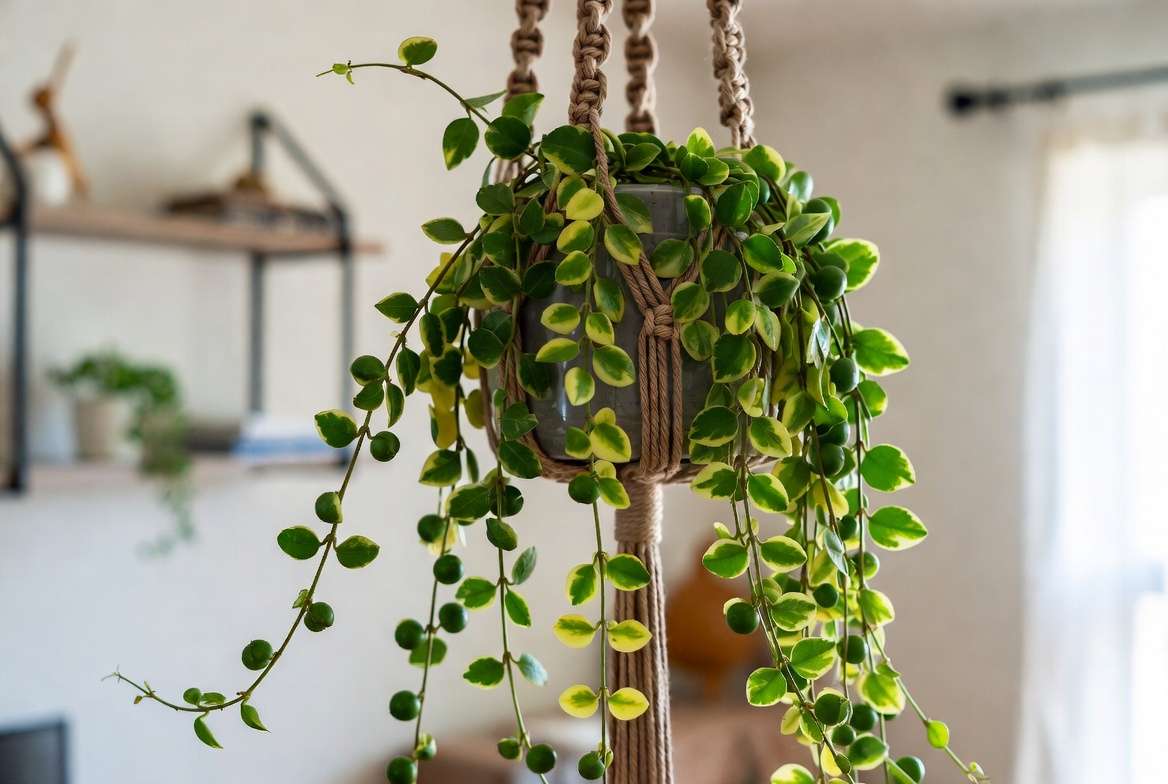
What sets the variegated variety apart is its stunning foliage: each small, spherical “pearl” displays creamy white to pale yellow variegation along the edges or throughout, often accented with subtle pink hues under bright light. The thin, wiry stems can trail up to 6–8 feet long over time, creating a dramatic waterfall effect in hanging baskets or on high shelves. ✨
Unlike the standard green String of Pearls, the variegated version has less chlorophyll in its leaves due to the white patterning. This makes it slightly more sensitive to improper care, but the reward — a truly unique, collector-worthy plant — is well worth the effort.
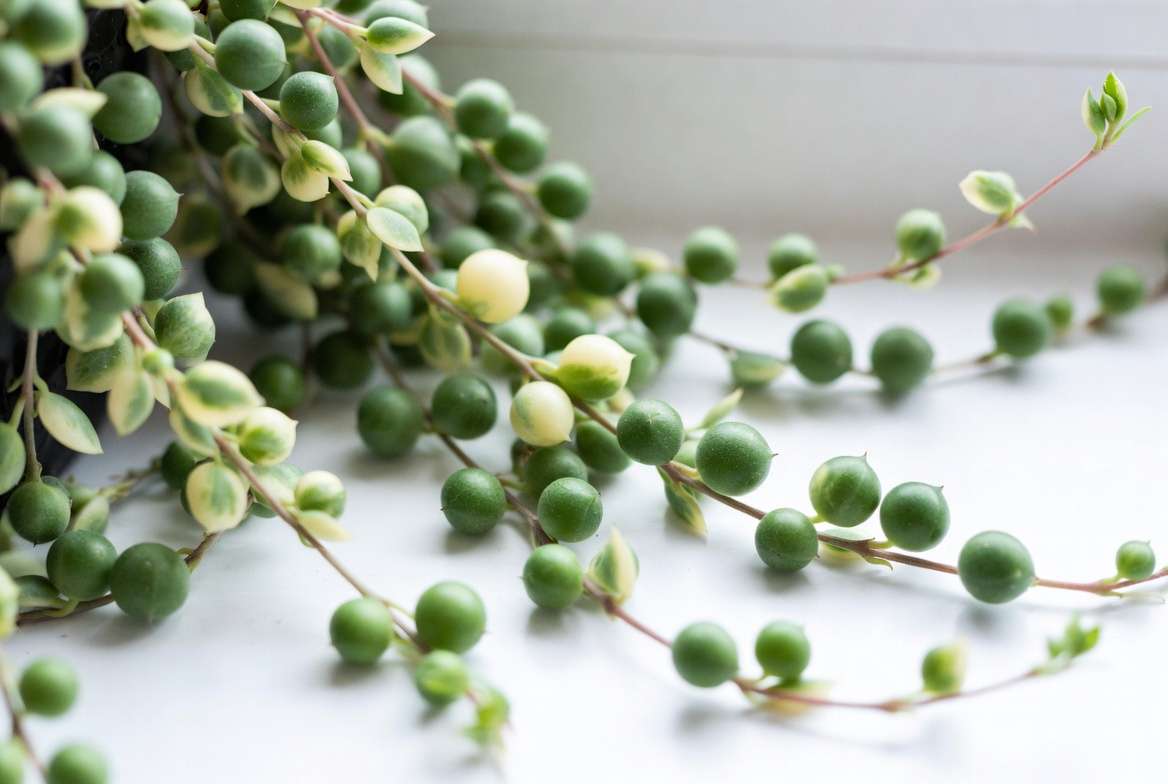
Key identifying features include:
- Pearl-shaped leaves with translucent windows (fenestrations) that help with photosynthesis
- Delicate purple or pinkish stems that contrast beautifully with the variegation
- Small, cinnamon-scented white flowers that appear in spring or summer when conditions are ideal
Understanding these characteristics is the first step toward providing the tailored care this plant deserves.
Benefits of Growing a Variegated String of Pearls Plant 🌟
Beyond its undeniable aesthetic appeal, there are many practical reasons to grow this succulent. Its trailing habit makes it perfect for small spaces, vertical gardening, and adding softness to modern or boho interiors. As a succulent, it’s relatively drought-tolerant once established, making it forgiving for busy plant parents or beginners who occasionally forget a watering day.
Many enthusiasts also appreciate its air-purifying qualities and the calming ritual of caring for trailing plants. Watching new pearls form and vines lengthen brings a sense of accomplishment and joy. For pet owners, it’s generally considered non-toxic to cats and dogs (though it’s always wise to keep plants out of reach to prevent chewing).
In my experience, the variegated string of pearls plant often becomes a conversation starter and a cherished member of the plant family.
Essential Growing Conditions for Success 💡
Light Requirements – Getting Variegation Right ☀️
Proper lighting is crucial for maintaining the beautiful variegation that makes this plant special. The variegated string of pearls plant thrives in bright indirect light for at least 8–10 hours daily. Too little light causes the plant to become leggy, with elongated stems and smaller, less colorful pearls as it stretches toward the nearest light source.
East or west-facing windows are often ideal. South-facing windows work well if you diffuse the light with sheer curtains during the hottest hours. In lower-light homes, supplemental grow lights (full-spectrum LED) can make a dramatic difference. I recommend keeping the plant within 12–18 inches of a grow light for 12–14 hours during darker winter months.
Pro Tip: Monitor how the variegation responds. Strong light often enhances the pink and cream tones, but direct harsh sun can scorch the delicate white areas. Rotate your plant regularly for even growth.
Watering Best Practices – Avoid the #1 Killer 💧
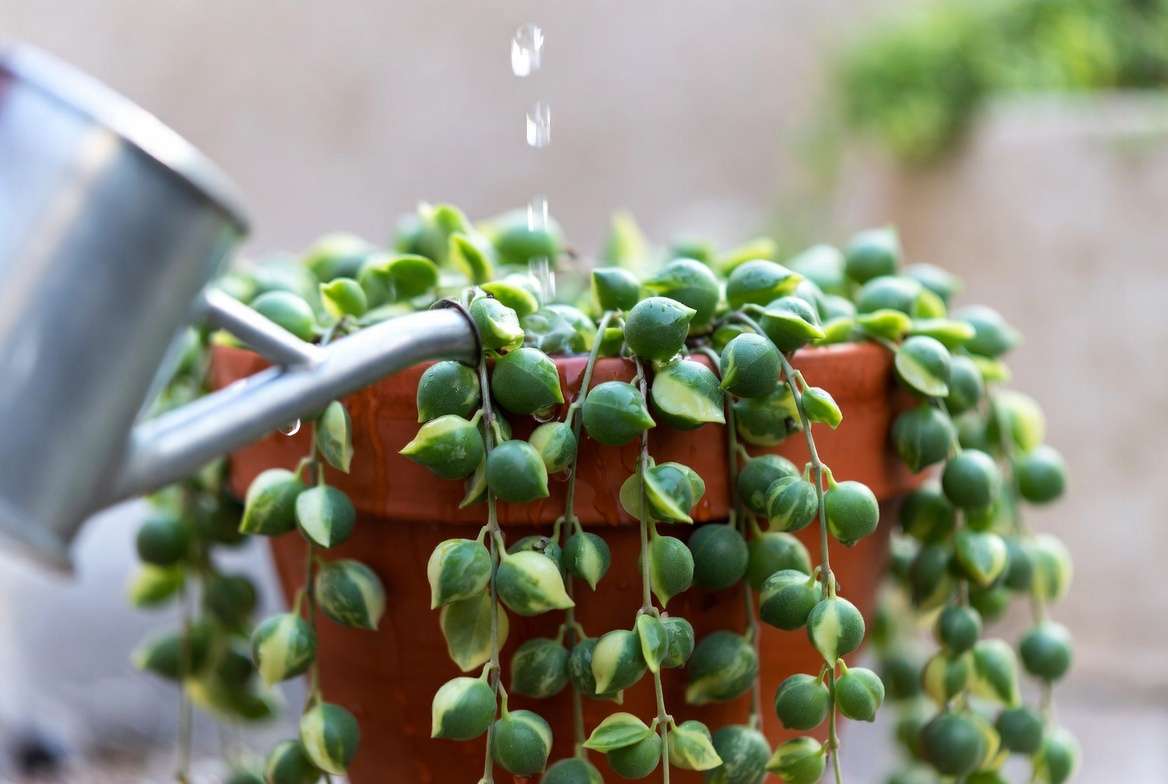
Overwatering is the fastest way to lose a variegated string of pearls plant. These succulents prefer the “soak and dry” method: water thoroughly until it drains from the bottom, then allow the soil to dry out almost completely before watering again.
In the active growing season (spring and summer), this typically means watering every 7–14 days, depending on your home environment. In fall and winter, reduce to every 3–4 weeks or longer.
How to check: Stick your finger 2–3 inches into the soil or use a moisture meter. If in doubt, wait another few days — these plants are more tolerant of underwatering than overwatering.
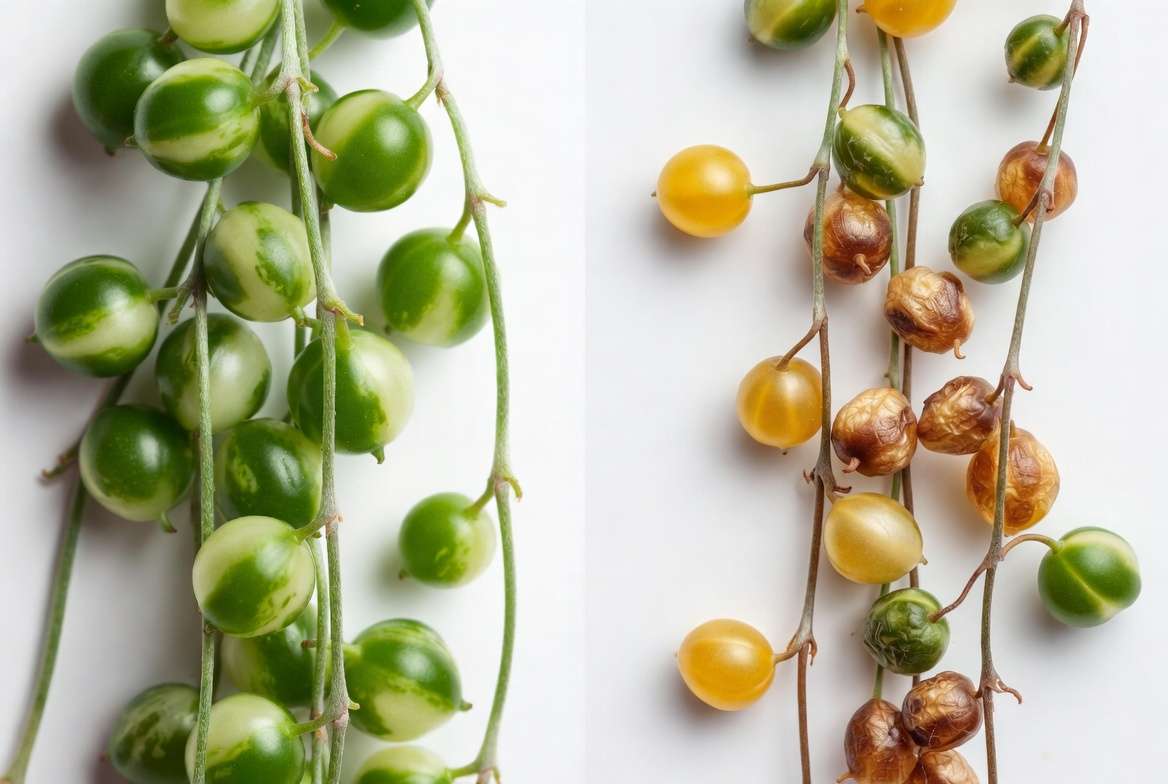
Signs you’re underwatering include shriveled or deflated pearls. Overwatering shows as yellowing, mushy leaves, or black rot at the base. Always use pots with excellent drainage holes.
H3: Soil and Potting Mix – The Foundation of Healthy Roots 🪴
The right soil mix is non-negotiable for a healthy variegated string of pearls plant. These succulents hate sitting in wet soil, so a fast-draining, gritty medium is essential to prevent root rot while providing enough nutrients for trailing growth.
Recommended mix (my go-to recipe after years of testing):
- 50% high-quality cactus/succulent potting mix
- 30% perlite or pumice
- 20% coarse sand or horticultural grit
- A handful of activated charcoal to keep the mix fresh and prevent bacterial buildup
Commercial options like FoxFarm Cactus Mix work well when amended with extra perlite. Avoid regular potting soil — it retains too much moisture and can suffocate the delicate roots.
When repotting, choose a terracotta pot or a hanging basket with plenty of drainage holes. Terracotta helps wick away excess moisture, which is particularly beneficial for variegated varieties that are slightly more prone to rot than their solid-green cousins.
H3: Temperature, Humidity & Air Circulation 🌡️
The variegated string of pearls plant prefers average room temperatures between 65–80°F (18–27°C) during the day and slightly cooler nights. It can tolerate brief dips to 50°F (10°C) but should be protected from frost and cold drafts.
Humidity-wise, this succulent enjoys average household levels (40–50%). In very dry climates or during winter heating season, occasional misting or a pebble tray can help, but avoid overdoing it — excess moisture on the pearls can invite fungal issues. Good air circulation is key; a gentle fan on low can prevent stagnant air that encourages pests.
In my experience growing these in various home environments, stable temperatures and good airflow consistently produce the longest, healthiest trailing vines.
Step-by-Step Planting and Repotting Guide 🛠️
Repot your variegated string of pearls plant every 2–3 years or when you notice roots crowding the pot. The best time is during the active growing season in spring or early summer.
Step-by-step process:
- Gently remove the plant from its current pot, shaking off old soil carefully to avoid damaging the fragile stems and roots.
- Inspect roots for any signs of rot and trim affected areas with sterilized scissors.
- Place fresh drainage material (e.g., pebbles or broken terracotta) at the bottom of the new pot.
- Position the plant at the same depth as before, spreading the roots gently.
- Fill with the prepared soil mix, firming lightly around the base.
- Water sparingly after repotting and keep in bright indirect light for a week while it settles.
Newly repotted plants may experience temporary “shock” with some leaf loss — this is normal. Consistent care will quickly bring it back to full glory.
Propagation Mastery – Multiply Your Variegated String of Pearls 🌱
One of the most rewarding aspects of owning a variegated string of pearls plant is how easily it propagates. Stem cuttings offer the highest success rate and are an excellent way to create new plants while maintaining the beautiful variegation.
Detailed Propagation Method:
- Select a healthy 4–6 inch stem with plump pearls.
- Use clean, sharp scissors to make a cut just below a node.
- Allow the cutting to callus over for 1–2 days in a warm, dry spot (this prevents rot).
- Place the cutting on top of moist (not wet) soil or in water. For soil propagation, lay the stem horizontally and gently press the nodes into the mix.
- Keep in bright indirect light and mist lightly if the top soil dries out.
- Roots typically form within 2–4 weeks. Once new growth appears, treat as a mature plant.
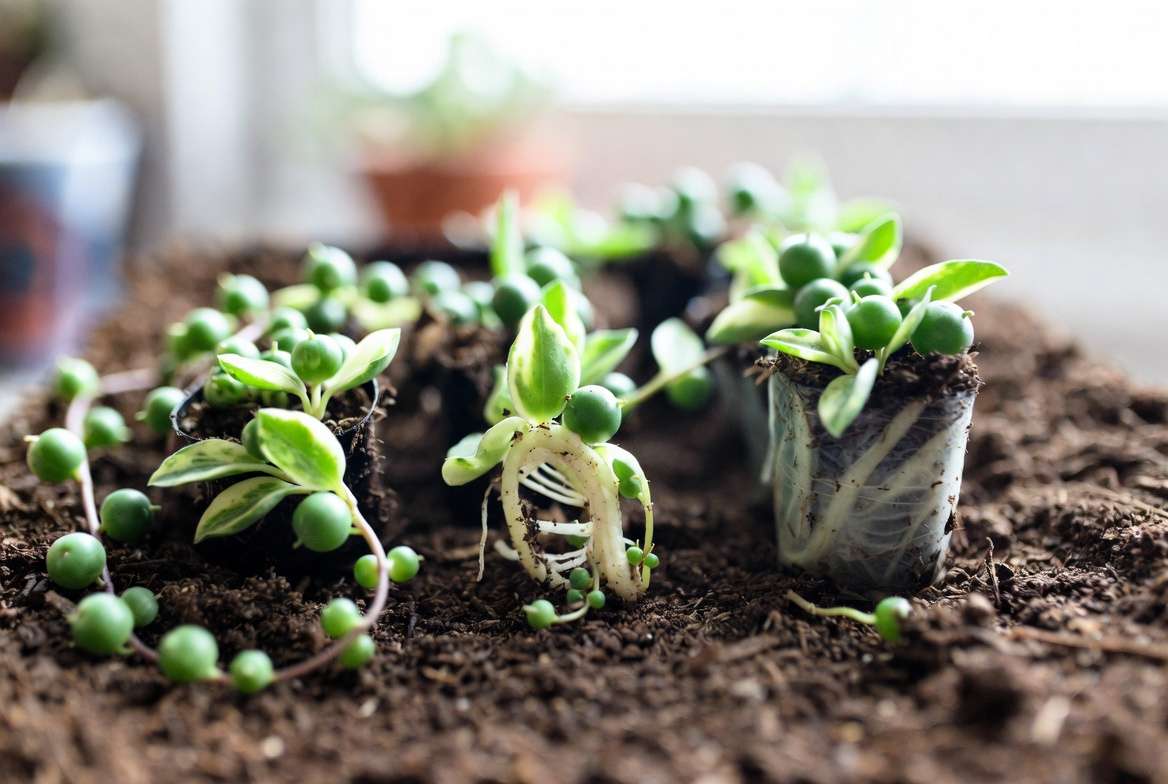
Water vs. Soil Success Rates: In my trials, soil propagation yields stronger root systems faster, but water propagation lets you watch root development — great for beginners. To preserve strong variegation, always propagate from the most vibrant stems, as weaker light during rooting can cause reversion to greener foliage.
You can create an entire hanging display from just one healthy mother plant within a single season!
Fertilizing for Lush Growth and Vibrant Variegation 🌿
While not heavy feeders, variegated string of pearls plants benefit from regular nutrition during the growing season to support trailing growth and maintain their striking colors.
Use a balanced, diluted succulent fertilizer (such as 5-5-5 or lower) every 4–6 weeks from spring through early fall. I prefer organic options like compost tea or seaweed extract for gentler feeding that reduces the risk of fertilizer burn on sensitive variegated leaves.
Important signs:
- Pale or fading variegation often indicates nutrient deficiency.
- Brown tips or overly soft growth can mean over-fertilization.
Always water the plant first before applying fertilizer, and never feed during the dormant winter period when growth slows naturally.
Pruning, Training & Display Ideas 💇♀️
Regular pruning encourages bushier growth and prevents the plant from becoming too sparse at the top. Trim leggy sections in spring, and use the cuttings for propagation — win-win!
Creative display ideas that maximize its beauty:
- Hanging macrame planters near bright windows
- High bookshelves where vines can drape naturally
- Mixed succulent arrangements in wide, shallow bowls
- Vertical wall planters for modern living walls
Training the vines around hoops or along shelves creates stunning custom shapes over time.
Common Problems and Solutions (Troubleshooting Bible) ⚠️
Even experienced growers encounter challenges. Here’s a comprehensive troubleshooting table based on real cases I’ve helped resolve:
| Problem | Symptoms | Common Causes | Solutions |
|---|---|---|---|
| Yellowing pearls | Leaves turn yellow and soft | Overwatering, poor drainage | Reduce watering, improve soil mix, check roots |
| Shriveled pearls | Deflated, wrinkled appearance | Underwatering | Thorough soak, adjust schedule |
| Leggy growth | Long stems, small sparse pearls | Insufficient light | Move to brighter spot or add grow lights |
| Loss of variegation | Pearls turning mostly green | Low light or reverted stems | Increase light, prune green sections |
| Pests (mealybugs) | White cottony spots | Poor air circulation | Isolate plant, use neem oil or insecticidal soap |
Root Rot Rescue: If caught early, remove affected roots, repot in fresh dry mix, and withhold water for 10–14 days. Prevention is always better — err on the side of underwatering.
Spider mites and aphids can also appear. Regular inspection of the undersides of pearls and stems is your best defense.
Seasonal Care Calendar – Year-Round Success 📅
Spring/Summer: Active growth period. Increase watering and fertilizing. Prune and propagate freely.
Fall: Gradually reduce water as days shorten.
Winter: Dormancy phase. Minimal watering, bright light still essential. Protect from cold windows and heaters.
Consistent seasonal adjustments prevent many common disappointments.
Advanced Tips from a Succulent Expert ✨
After growing hundreds of trailing succulents, here are my top insider secrets:
- Selective pruning of solid green stems helps preserve variegation over generations.
- Companion plants like String of Hearts or Sedum can create gorgeous mixed baskets.
- For extra-long vines, provide support initially and allow natural trailing later.
- Use rainwater or distilled water if your tap water is hard — this prevents mineral buildup on the pearls.
Long-term, well-cared-for plants can live 5–10 years or more, becoming family heirlooms.
Frequently Asked Questions (FAQs) ❓
Why is my variegated string of pearls turning green? Low light levels cause the plant to produce more chlorophyll, reducing variegation. Move it to brighter indirect light.
Is the variegated string of pearls plant toxic to pets? It is generally considered non-toxic, but ingestion can cause mild stomach upset. Keep out of reach of curious pets.
How fast does it grow? Under optimal conditions, vines can grow 6–12 inches or more per month during the growing season.
Can it grow outdoors? Yes, in USDA zones 9–11 or during warm summers. Provide afternoon shade and bring indoors before temperatures drop.
How do I revive a struggling plant? Assess light and watering first. Many plants bounce back beautifully after repotting in fresh mix and proper placement.
Conclusion
Caring for a variegated string of pearls plant is a rewarding journey that combines beauty, patience, and a bit of horticultural know-how. By following the detailed techniques in this guide — from perfecting light and watering to mastering propagation and troubleshooting — you’ll be well on your way to growing a lush, cascading masterpiece that brings joy for years to come. 🌟
Have you tried growing this stunning succulent yet? Share your experiences, photos, or questions in the comments below. I love connecting with fellow plant enthusiasts and offering personalized advice where possible.
For more expert succulent care guides, explore our articles on String of Hearts, String of Bananas, and other trailing beauties. Happy planting! 🪴✨











