
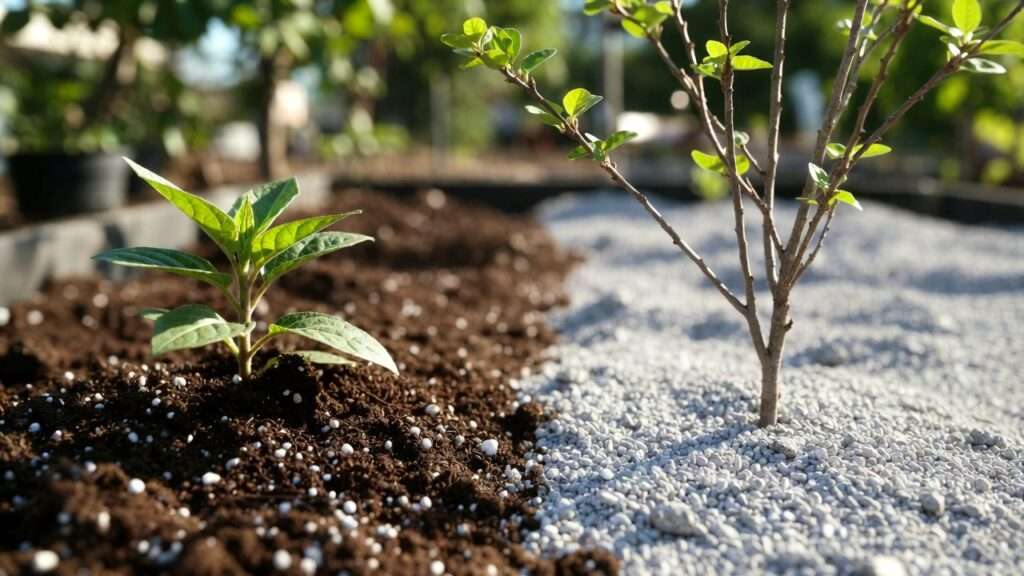
Have you ever repotted your favorite houseplant only to watch it wilt from too much water… or dry out completely despite daily checks? 😩 You’re not alone—many gardeners struggle with getting the moisture balance just right in pots, raised beds, or even tree planting mixes. The secret often lies in two humble soil amendments: vermiculite and perlite. Understanding the vermiculite vs. perlite differences can transform your plant care game, preventing root rot in succulents, keeping seed starts hydrated, and helping young trees establish stronger roots in challenging soils.
As a passionate plant and tree care expert with over a decade of hands-on experience in tropical, subtropical, and temperate gardening (including helping gardeners in humid regions like Bangladesh optimize container mixes), I’ve tested countless combinations. In this in-depth guide, we’ll break down their origins, properties, key differences, best uses, mixing strategies, and more—so you can confidently choose (or blend) them for healthier plants and thriving trees. Let’s dive in! 💚
What Exactly Is Perlite? Origins, Properties, and Benefits 🍿
Perlite starts as a naturally occurring volcanic glass mined from deposits around the world. When heated to around 1,600°F (870°C), it pops like popcorn, expanding up to 20 times its original size into lightweight, white, porous granules that resemble tiny Styrofoam balls.
Key Properties of Perlite
- Superior drainage and aeration — Its open, honeycomb-like structure creates air pockets that allow excess water to flow away quickly while oxygen reaches roots.
- Low water retention — Holds only about 3–4 times its weight in water, then drains freely.
- Neutral pH (typically 7.0–7.5), sterile, and inert — Adds no nutrients or pathogens.
- Doesn’t compact over time, maintaining long-term soil structure.
- Lightweight and dust-prone (always dampen before mixing to minimize inhalation).
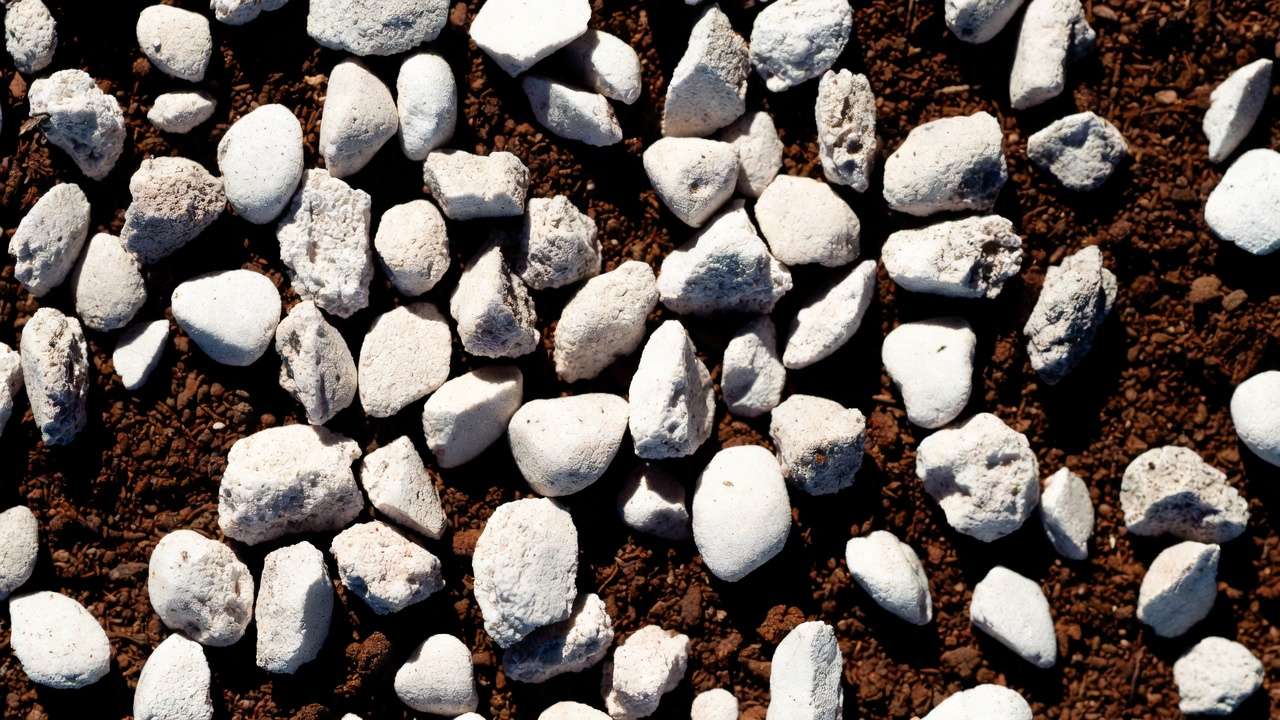
Top Benefits for Plant Care Perlite shines when preventing waterlogged roots is priority #1. It reduces the risk of root rot in heavy rains or overwatering—common issues for container-grown plants. In clay-heavy garden soils, it loosens texture for better root penetration. For trees in pots (like dwarf citrus or figs), adding perlite ensures roots get the oxygen they need without sitting in soggy medium. 🌿
In my experience, gardeners who switch to perlite-heavy mixes for succulents see dramatically fewer rot issues within weeks.
What Exactly Is Vermiculite? Origins, Properties, and Benefits 🧽
Vermiculite is a naturally occurring mica mineral, heated to expand into golden-brown, accordion-shaped flakes that look almost worm-like (hence the name, from Latin “vermis” meaning worm).
Key Properties of Vermiculite
- Exceptional water retention — Absorbs up to 16 times its weight in water, releasing it slowly like a built-in reservoir.
- Holds and slowly releases nutrients — Attracts cations like potassium, magnesium, and calcium, making fertilizers more available to roots.
- Good aeration initially, but can compact slightly over time in very wet conditions.
- Neutral to slightly alkaline pH (7.0–8.0), sterile when horticultural-grade.
- Less dusty than perlite, with a spongy texture.
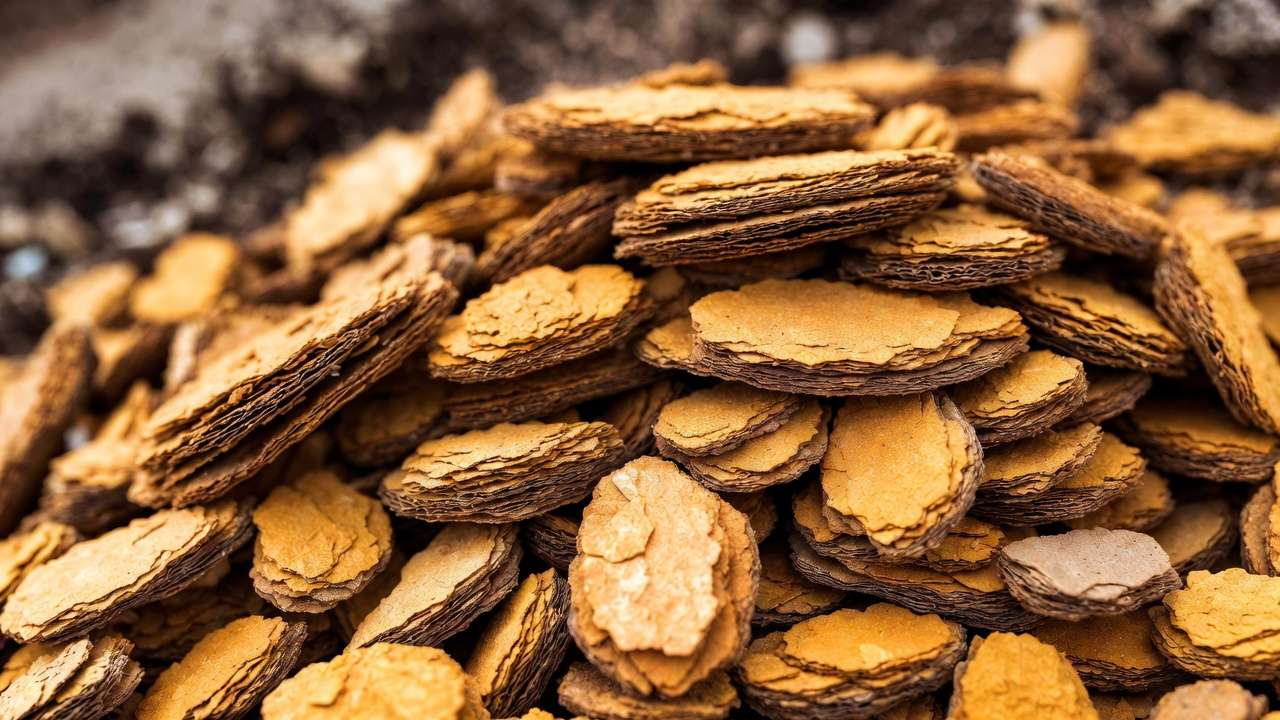
Top Benefits for Plant Care Vermiculite excels at maintaining consistent moisture—perfect for plants that hate drying out between waterings. It reduces watering frequency in sandy soils or hot climates, supports seed germination by keeping the top layer damp, and boosts nutrient uptake for young or hungry plants. For moisture-loving houseplants like ferns or peace lilies, or young fruit trees in dry spells, it can be a lifesaver. 🌱
Important safety note (updated 2025–2026 guidelines): Modern horticultural vermiculite sold for gardening is rigorously tested and asbestos-free (unlike some pre-1990 insulation-grade material from certain mines). The EPA confirms minimal risk for consumer use when handled properly—always use in well-ventilated areas and dampen to control dust. Stick to reputable brands labeled “horticultural” or “gardening grade.”
Vermiculite vs. Perlite: Head-to-Head Comparison 📊
The real magic happens when you compare them side-by-side. Here’s a clear breakdown:
| Feature | Perlite | Vermiculite | Winner Depends On… |
|---|---|---|---|
| Water Retention | Low (3–4x weight) | High (up to 16x weight) | Moisture-loving vs. drought-tolerant plants |
| Aeration/Drainage | Excellent | Good | Need for fast-draining soil |
| Appearance | White, chunky granules | Golden-brown, flaky | — |
| Nutrient Holding | Minimal | Holds/releases some | Need for extra nutrient availability |
| Compaction Over Time | Resists | Can compact in wet conditions | Long-term container use |
| pH | Neutral (7.0–7.5) | Neutral-slightly alkaline | — |
| Cost | Generally cheaper | Slightly more expensive | Budget considerations |
| Dust/Safety | Dusty (dampen before use) | Less dusty | Handling preference |
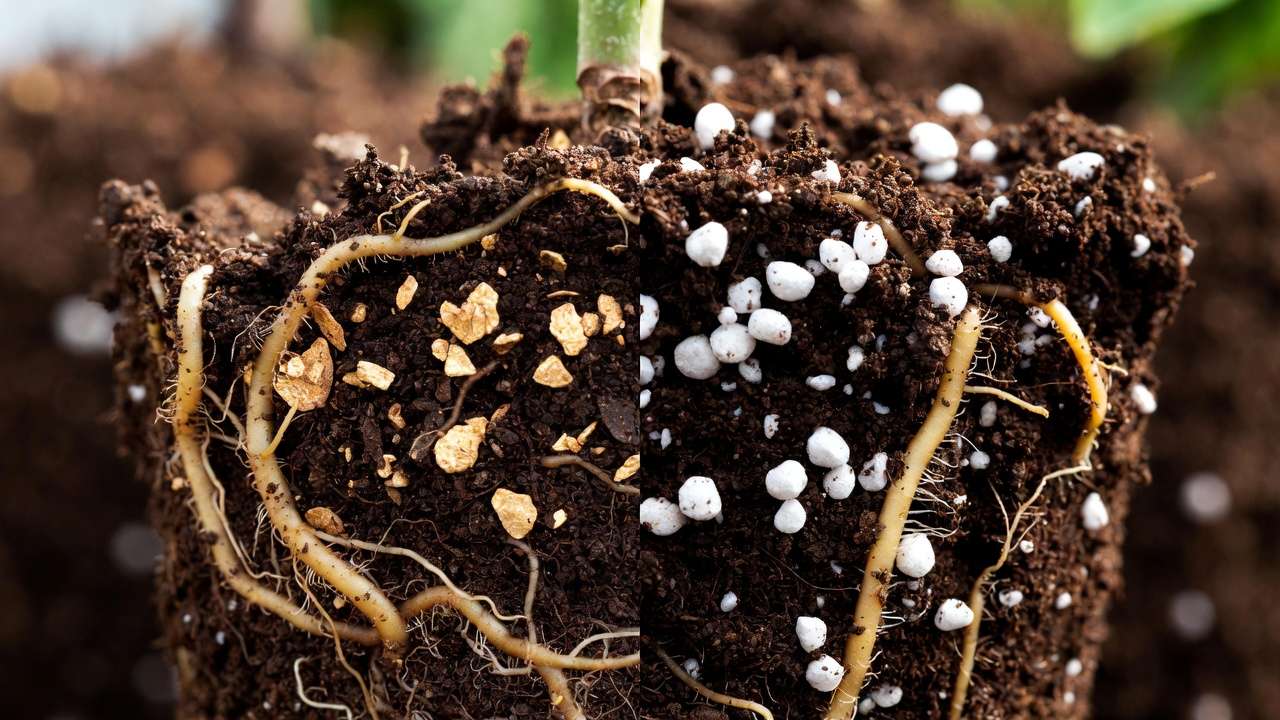
Moisture Management – The Biggest Difference Perlite lets water pass through quickly—ideal for preventing soggy soil. Vermiculite acts like a sponge, holding onto moisture longer. In humid areas (like many parts of Bangladesh), perlite often prevents fungal issues; in drier seasons, vermiculite keeps roots happy.
Aeration, pH, Cost, and Other Factors Both are pH-neutral and sterile, but perlite wins for pure aeration in heavy soils. Vermiculite adds a slight nutrient boost. Cost-wise, perlite is usually more budget-friendly for large garden beds or tree planting.
Expert insight: Neither is “better”—it’s about mimicking your plants’ natural habitat. Desert natives love perlite’s dryness; rainforest understory plants crave vermiculite’s humidity. 🌍
When to Use Perlite: Best Plants and Scenarios
Perlite truly excels in situations where excess moisture spells trouble. Its primary superpower is creating fast-draining, highly aerated soil that mimics the gritty, well-oxygenated conditions many plants crave in their native habitats.
Best Uses for Perlite in Plant and Tree Care
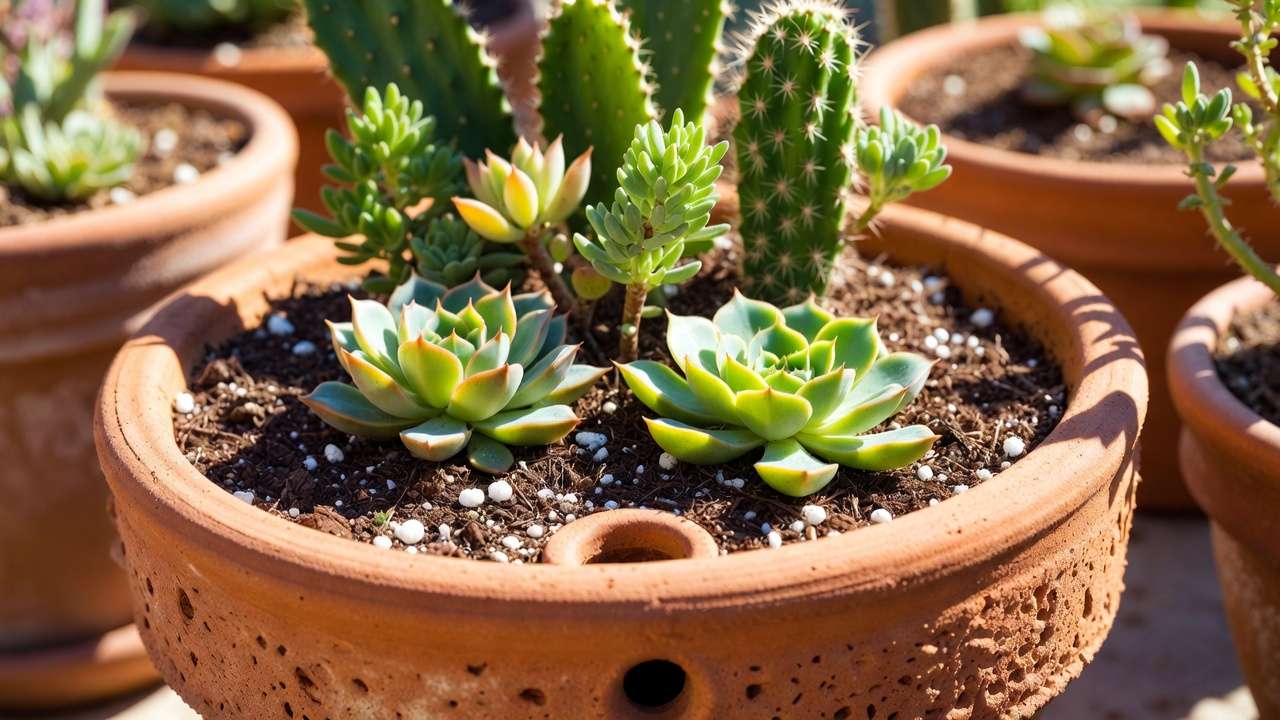
- Succulents, cacti, and drought-tolerant herbs like lavender, rosemary, and sedums — these plants hate wet feet, and perlite prevents rot by letting water escape quickly.
- Heavy clay soils in gardens or raised beds — mixing in 20–30% perlite loosens compaction, improves root penetration, and reduces waterlogging after rains (very relevant in humid areas like Barisal Division!).
- Container-grown trees such as dwarf citrus, figs, olives, or bonsai — perlite ensures roots get oxygen even in limited space, promoting vigorous growth without soggy conditions.
- Rooting cuttings and propagation — a pure perlite medium or 50/50 perlite/sand mix minimizes damping-off and encourages strong root development.
Practical Mixing Ratios For succulents/cacti: 30–50% perlite + standard potting soil (or even higher for ultra-draining mixes). For general potting: 20–30% perlite to boost drainage without drying out completely.
Real-world example from my trials: Adding 30% perlite to a standard mix for potted mango or jackfruit saplings in tropical climates dramatically reduced root issues during monsoons. Your plants will thank you with perkier leaves and faster establishment! 🪴
When to Use Vermiculite: Best Plants and Scenarios ~300 words
Vermiculite steps up when consistent moisture is the key to success. Its sponge-like quality holds water and nutrients, releasing them gradually to keep roots happy without constant watering.
Best Uses for Vermiculite in Plant and Tree Care
- Seed starting and germination — sprinkle a thin layer over seeds or mix 10–20% into starting trays to maintain even dampness without sogginess (ideal for tomatoes, peppers, or flower seeds).
- Moisture-loving houseplants like ferns, peace lilies, calatheas, and African violets — vermiculite reduces the stress of drying out in air-conditioned rooms.
- Vegetables in dry or sandy soils — tomatoes, cucumbers, and leafy greens benefit from 10–20% vermiculite to cut watering frequency.
- Young trees and shrubs needing steady hydration during establishment, such as hydrangeas, young fruit trees (mango, guava), or ornamentals in hot/dry spells — it helps bridge gaps between waterings.
- Hanging baskets and window boxes prone to quick drying.
Practical Mixing Ratios Seed starting: 20–30% vermiculite + peat/coir/perlite blend. General moisture mixes: 10–25% vermiculite to retain water without compacting too much.
Pro tip: In regions with erratic rainfall like parts of Bangladesh, a light vermiculite addition to potting mixes for young saplings can make all the difference during dry stretches. 🌿
Can You Use Both? Mixing Perlite and Vermiculite
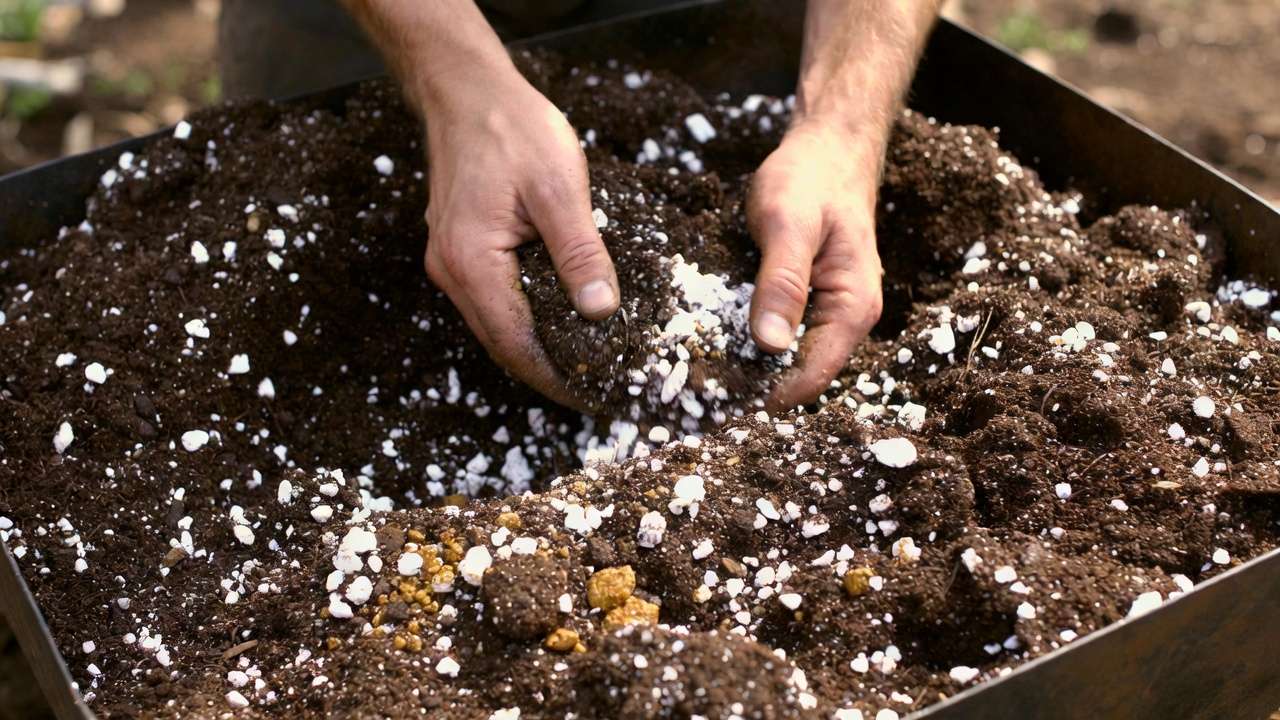
Yes—and often, the best results come from combining them! A balanced blend gives you excellent drainage and reliable moisture retention, creating a forgiving medium for a wide range of plants.
The Power of Combining Perlite and Vermiculite
- Classic seed-starting mix: Equal parts (1:1:1) peat/coir + perlite + vermiculite — perfect aeration, moisture, and sterility.
- All-purpose potting mix: 50–60% base soil/compost + 20% perlite + 10–20% vermiculite — great for most houseplants and veggies.
- Succulent/cactus upgrade: Heavy on perlite (30–40%) with just 5–10% vermiculite if extra slight moisture buffer needed.
Many premium commercial potting soils already include both in small percentages for that “Goldilocks” balance—not too wet, not too dry. Experiment in small batches: Start with your usual mix, add 10% each of perlite and vermiculite, and observe how watering needs change. It’s a game-changer for inconsistent climates! 😊
Alternatives to Perlite and Vermiculite
Concerned about mining impacts or looking for more sustainable options? Plenty of eco-friendly substitutes work well in organic gardening.
Natural and Modern Alternatives
- Pumice or scoria — volcanic rocks similar to perlite for drainage/aeration; longer-lasting and less dusty.
- Rice hulls (parboiled) — renewable byproduct; excellent aeration + some moisture hold; breaks down slowly to add organic matter.
- Coconut coir or peat moss alternatives — for moisture retention (coir is more sustainable).
- Coarse sand, horticultural grit, or bark fines — budget drainage boosters.
- Biochar — holds water/nutrients like vermiculite while improving soil biology long-term; increasingly popular in 2025–2026 sustainable mixes.
For fully organic setups, rice hulls + coir + compost often outperform mined amendments in both performance and planet-friendliness. ♻️
Common Mistakes, Safety Tips, and FAQs ~400 words
H2: Troubleshooting and Expert Tips
- Overusing vermiculite in humid/wet climates → leads to compaction and root rot; limit to 15–20% max.
- Perlite dust — always dampen before mixing and work outdoors/well-ventilated to avoid inhalation.
- Safety update (2025–2026): Horticultural vermiculite is asbestos-free per EPA guidelines—minimal risk for home use when dampened and handled properly. Avoid old insulation-grade vermiculite; buy labeled gardening products from trusted sources.
H2: Vermiculite vs. Perlite FAQs ❓ Can I substitute one for the other? Rarely—use perlite for drainage needs, vermiculite for moisture; swapping often causes problems. Which is better for orchids? Perlite (or bark/perlite mix) for epiphytic types; vermiculite rarely helps. Is vermiculite organic? It’s natural but mined; not certified organic unless specified. Does perlite break down? No—it stays lightweight and effective for years. Best for seed starting? Often both in equal mix for ideal balance. Can I use them in garden beds? Yes—perlite for clay soils, vermiculite for sandy ones. Which costs less? Perlite usually wins on price for bulk use.
Conclusion
Mastering the vermiculite vs. perlite differences boils down to one question: Does your plant need fast drainage to avoid rot, or steady moisture to prevent drought stress? Perlite keeps things airy and dry—perfect for succulents, cacti, and many container trees. Vermiculite holds water and nutrients like a gentle reservoir—ideal for seeds, ferns, and thirsty veggies or young saplings.
The smartest approach? Test blends tailored to your local conditions (humid Barisal rains? Lean perlite-heavy). Start small, observe your plants’ response, and adjust. With the right amendment—or combo—your houseplants will perk up, seeds will sprout reliably, and trees will establish deeper roots faster.
Ready to upgrade your mixes? Grab both, experiment, and share your wins (or funny failures!) in the comments below—I love hearing real gardeners’ stories! Subscribe for more practical tree and plant care guides tailored to tropical/subtropical growing. Your green friends are counting on you! 🌳💚











