
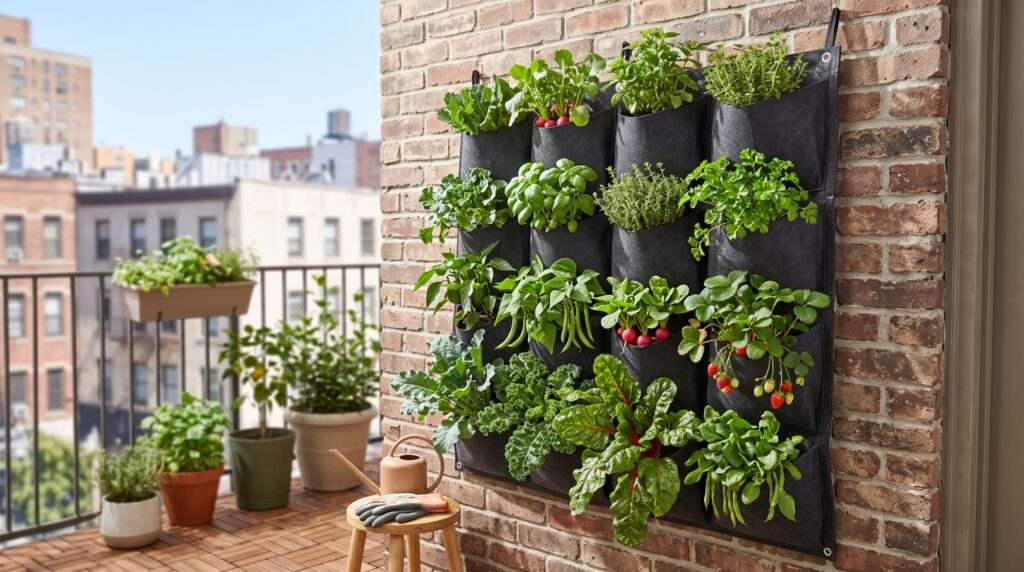
You stare at your tiny balcony or concrete patio and think, “I just don’t have the space for a real garden.” As a plant care specialist, I hear this frustration daily from aspiring urban gardeners. But what if I told you that you are looking at the problem from the wrong angle? Instead of looking out, you need to look up. If you want to transform a cramped area into a lush, productive urban farm, vertical grow bags for vegetables are the ultimate game-changer.
In my years of designing tight-space gardens, I have seen clients double, or even triple, their harvest yields simply by utilizing vertical space. You do not need a sprawling backyard to enjoy fresh, organic produce. In this comprehensive guide, we will cover exactly how to choose the right materials, select the highest-yielding crops, and master the watering techniques necessary to keep your vertical garden thriving all season long. Let’s get growing! 🌻
The Vertical Advantage: Why Choose Grow Bags? 🌱
Traditional plastic or terracotta pots take up valuable floor space. While they have their place, they are incredibly inefficient when you only have a few square feet to work with. Wall-mounted or hanging fabric planters solve this problem instantly.
But the benefits go far beyond just saving space:
-
Air Pruning: Unlike solid plastic pots where roots circle and become bound, the breathable fabric of grow bags exposes root tips to the air. This stops forward growth and encourages the plant to produce a massive network of tiny feeder roots.
-
Superior Drainage: Overwatering is the number one killer of container plants. Fabric planters naturally drain excess water, preventing root rot.
-
Temperature Control: Dark plastic pots bake in the summer sun. Breathable fabric allows for evaporative cooling, protecting delicate root systems during heatwaves.
-
Pest Reduction: Elevating your plants gets them out of reach from common ground-dwelling pests like slugs, snails, and rabbits. 🐛
Expert Insight: When setting up a vertical garden on a balcony, always check your building’s weight and structural limits. Wet soil is incredibly heavy. I always recommend securing hanging bags directly into wall studs or heavy-duty balcony railings.
Selecting the Best Bags & Top Veggies 🍅
Not all vertical gardening setups are created equal. The market is flooded with cheap, flimsy organizers masquerading as legitimate gardening equipment. Making the right choices here will determine your harvest’s success.
Material Matters: Choosing Your Grow Bag 🛍️
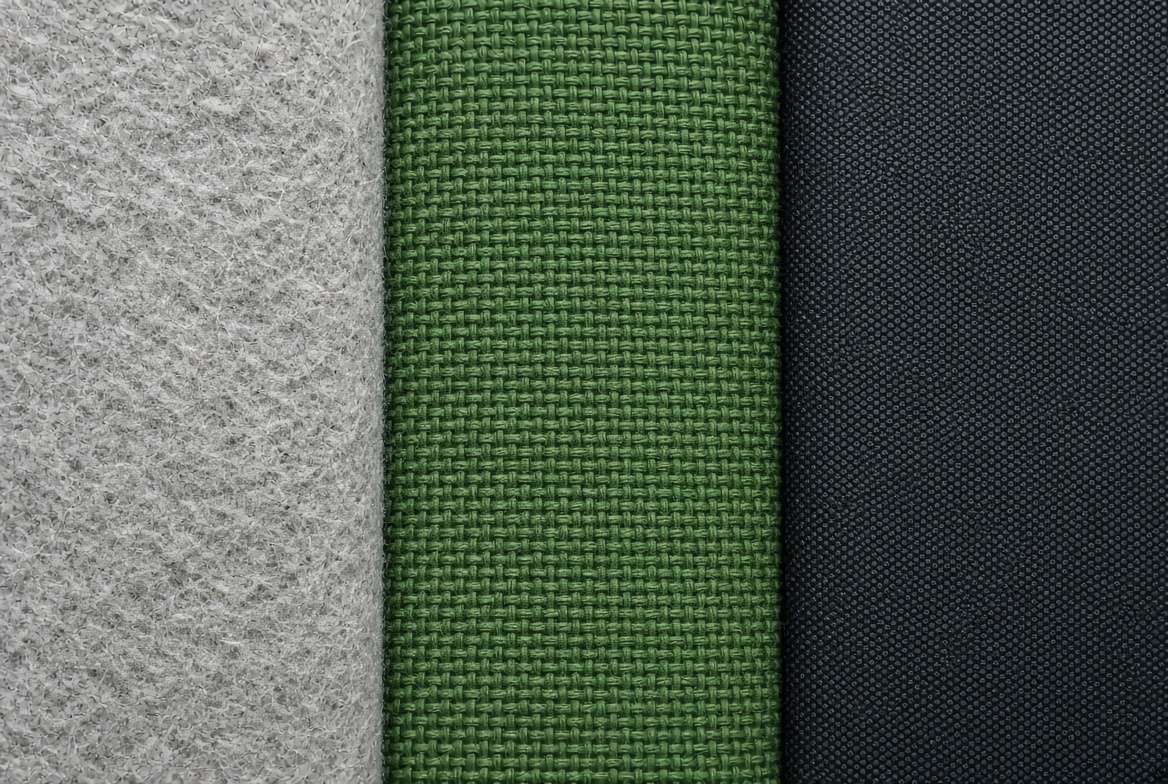
When shopping for vertical planters, the material is your most important consideration. You need something that balances breathability with durability.
-
Heavy-Duty Felt: This is the gold standard. Look for thick, non-woven felt. It holds moisture well while still allowing for exceptional air pruning.
-
Woven Canvas: Highly durable and structurally sound, but it tends to dry out slightly faster than felt. Great for shady balconies.
-
Recycled PET Plastic: Eco-friendly and highly rot-resistant. Make sure the manufacturer guarantees UV resistance, or the material will degrade quickly in direct sunlight.
Pocket Size & Placement 📏
A common mistake I see beginners make is buying vertical planters with tiny, shallow pockets—often designed for small succulents or decorative herbs—and trying to grow heavy-feeding vegetables in them.
-
Small Pockets (4-6 inches deep): Suitable only for microgreens, shallow herbs like thyme, or small radishes.
-
Medium Pockets (6-8 inches deep): Ideal for leafy greens, bush beans, and compact peppers.
-
Large Pockets (8+ inches deep): Required for root vegetables, determinate cherry tomatoes, and trailing squashes.
The Best Vegetables for Vertical Grow Bags 🥬
To maximize your harvest, you need to select plants that naturally thrive in confined spaces and tolerate slightly drier root zones. Here are the top performers for fabric pocket gardens:
-
Leafy Greens: Spinach, Swiss chard, arugula, and loose-leaf lettuce are the undisputed champions of vertical gardening. They have shallow roots and produce quickly.
-
Bush Beans: Opt for bush varieties over pole beans. They stay compact, do not require trellising, and yield an abundant harvest.
-
Radishes & Baby Carrots: These fast-growing root veggies do exceptionally well in medium-to-deep pockets, as the loose potting mix prevents resistance against the growing root.
-
Cherry Tomatoes (Determinate/Patio Varieties): Plant these in the bottom, deepest pockets of your vertical setup so they have room to cascade downwards. 🍅
-
Strawberries: While technically a fruit, everbearing strawberries look beautiful trailing down a vertical bag and keep pests far away from the sweet fruit. 🍓
What to Avoid 🚫
Knowing what not to plant is just as crucial for your success. Save yourself the heartbreak and avoid:
-
Deep Root Crops: Full-sized carrots, parsnips, and daikon radishes will stunt and deform.
-
Heavy Vines: Full-sized pumpkins, melons, and indeterminate tomatoes will snap the pockets or pull the entire rig down due to their massive weight.
-
Large Brassicas: Cabbage, broccoli, and cauliflower require far too much space and nutrients for a standard vertical pocket.
Step-by-Step Setup & Pro Care Guide 💧
A successful vertical harvest is rarely an accident; it is the result of careful planning and precise execution. The way you install your vertical grow bags for vegetables, the soil you fill them with, and how you deliver water will dictate your success. Let us break down the exact steps to turn those empty fabric pockets into a thriving green wall.
The Perfect Soil Recipe 🪴
One of the most common reasons vertical setups fail is the use of standard garden topsoil. Heavy dirt compacts quickly in confined pockets, strangling roots and turning your grow bag into a brick. You need a growing medium that is incredibly lightweight, nutrient-dense, and highly absorbent.
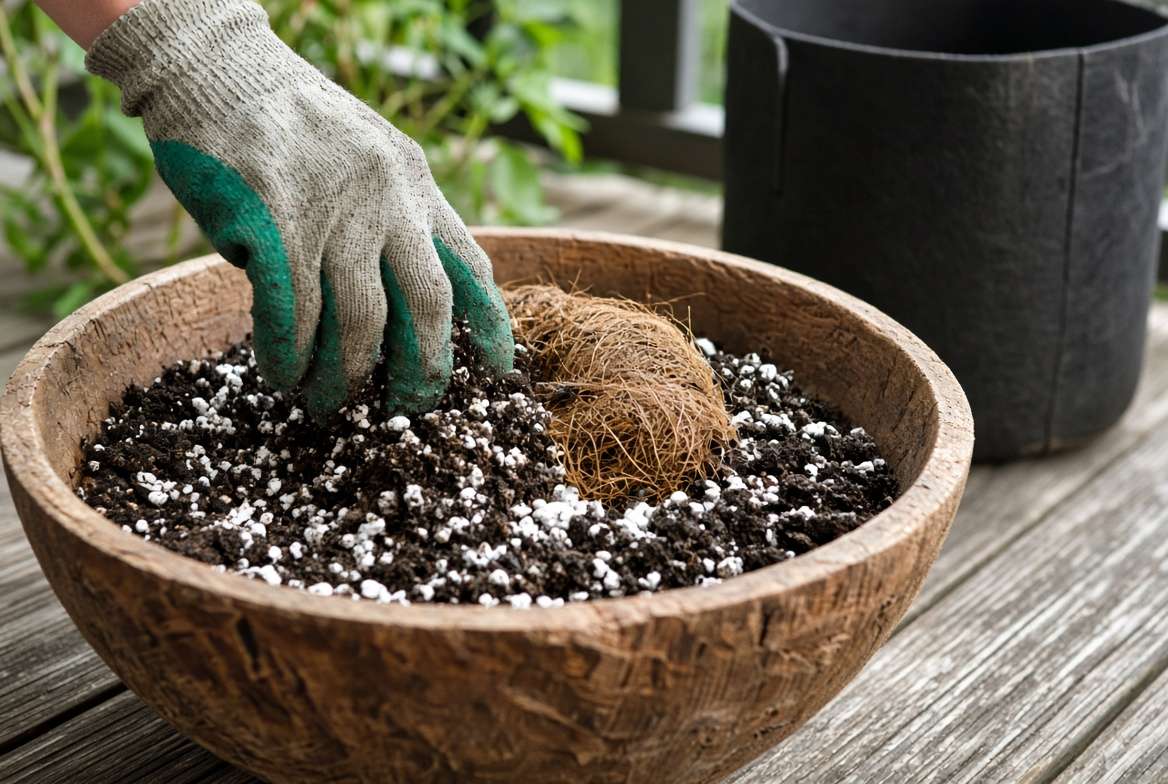
Here is a master recipe utilized by urban agriculture experts for maximum yield in fabric containers:
-
50% High-Quality Potting Soil: This forms your lightweight base. Look for an organic mix that is loose and fluffy.
-
25% Coco Coir or Peat Moss: This is crucial. Because fabric pockets are exposed to air on all sides, they dry out rapidly. Coco coir acts like a sponge, holding onto water and releasing it slowly.
-
15% Perlite or Pumice: To guarantee that oxygen can reach the root system, perlite provides necessary aeration and prevents the soil from compacting over time.
-
10% Organic Compost or Worm Castings: Vegetables are heavy feeders. Adding rich organic matter provides a slow drip of essential microbiology and nutrients.
Expert Insight: “Vertical bags dry out faster than ground soil. Mixing 20% to 25% coco coir into your potting mix is the secret to retaining essential moisture without waterlogging the pockets.”
Installation & Sunlight 🌞
Before you add a single ounce of soil, you must secure your setup. Wet soil, maturing plants, and a heavy watering session can add significant weight to your planters.
Securing Your Planters: Always utilize the metal grommets provided on the grow bags. Use heavy-duty zip ties for balcony railings, or stainless-steel hooks drilled directly into wall studs if mounting on a fence or wall. Never rely on drywall anchors, as the weight will pull them out.
Chasing the Sun: Vegetables are solar-powered. Most fruiting crops (like cherry tomatoes and peppers) require 6 to 8 hours of direct sunlight daily.
-
South-Facing: Ideal for sun-loving vegetables.
-
East/West-Facing: Perfect for leafy greens and herbs that appreciate a little afternoon shade.
-
North-Facing: You will struggle to grow vegetables here, though you might have luck with shade-tolerant herbs like mint or parsley.
Mastering Irrigation: The Toughest Challenge 💦
Watering is the undisputed heavyweight champion of vertical gardening challenges. If you use a standard watering can, the water will likely cascade down the front of the fabric, leaving the roots bone-dry.
To overcome the “cascade effect,” utilize these proven irrigation strategies:
-
Top-Down Watering Strategy: When you water the top tier, gravity will pull the excess moisture down to the lower pockets. To balance this, plant drought-tolerant herbs (like rosemary or thyme) in the top pockets, and moisture-loving plants (like spinach or strawberries) in the bottom pockets.
-
The Ice Cube Trick: For deep penetration without runoff, place a few large ice cubes on the soil surface of each pocket during peak summer heat. They melt slowly, allowing the coco coir to absorb the water completely.
-
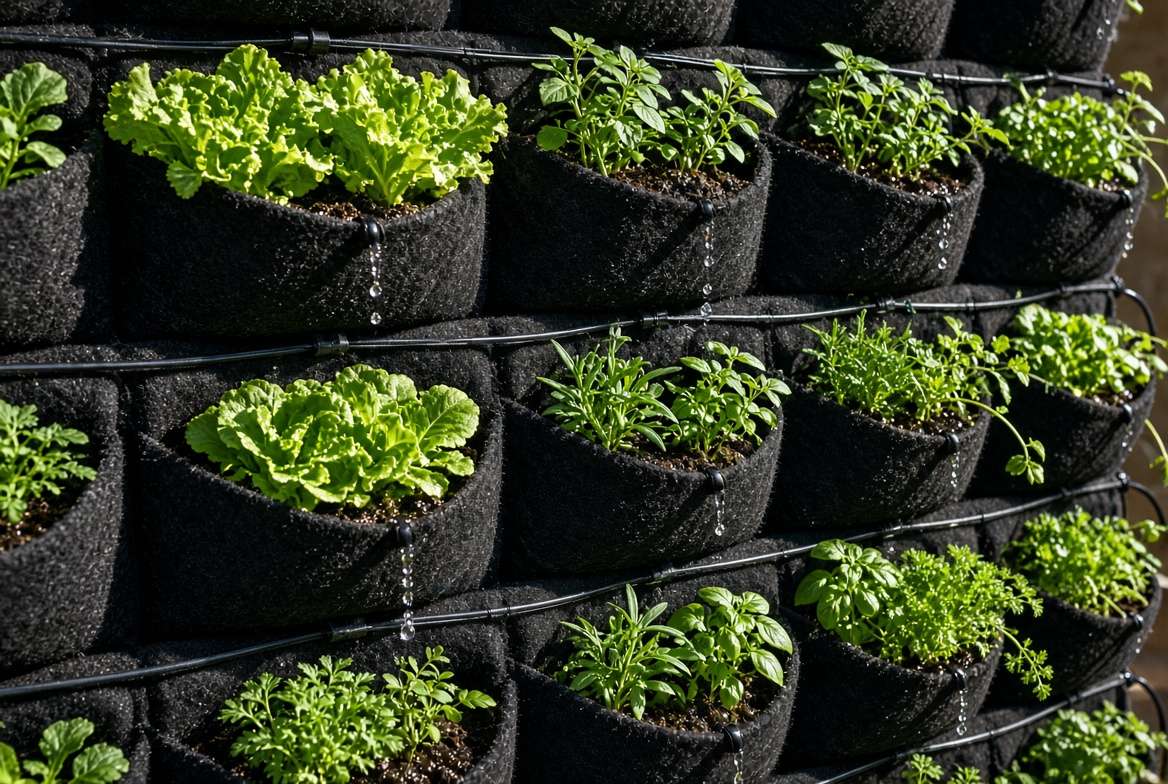
Micro-Drip Irrigation: If you are serious about doubling your harvest, install a simple micro-drip system. Running a 1/4-inch drip line with a single emitter into each pocket ensures consistent, deep watering without the manual labor. Connect it to an automatic timer, and your garden becomes virtually maintenance-free.
Troubleshooting & Advanced Care 🛠️
Growing in elevated fabric pockets requires a slight shift in how you feed and protect your plants. Because the environment is highly controlled, you can easily tweak conditions to fix problems as they arise.
Stopping Nutrient Runoff 🧪
Because you will be watering vertical grow bags more frequently than a traditional raised bed, nutrients wash out (leach) from the soil much faster. If your lower leaves start turning yellow, your plants are likely hungry.
The Solution:
-
Slow-Release Granules: At planting time, mix organic, slow-release granular fertilizer into every single pocket.
-
Liquid Feeding: Once your vegetables begin to flower or set fruit, supplement with a liquid fertilizer (like fish emulsion or liquid kelp) every 10 to 14 days. Apply this directly to the root zone, not the leaves.
Pest Management in Tight Spaces 🛡️
A dense wall of foliage looks beautiful, but it can restrict airflow and create a haven for pests like aphids, spider mites, or whiteflies.
-
Prioritize Airflow: Do not over-plant your pockets. If the seed packet says to thin seedlings to one plant per 6 inches, follow those instructions diligently. Crowded plants compete for resources and invite powdery mildew.
-
Companion Planting: Dedicate a few strategic pockets to pest-deterrent flowers. Marigolds repel nematodes and whiteflies, while sweet alyssum attracts predatory wasps that will happily eat your aphid populations. 🌼
-
Neem Oil: Keep a bottle of organic, cold-pressed neem oil handy. At the first sign of leaf damage, spray the tops and bottoms of the foliage in the early evening to stop infestations in their tracks.
Expert FAQs: Your Vertical Gardening Questions Answered 👩🌾
To help you get the absolute most out of your vertical space, here are the most common questions urban gardeners ask about fabric pocket planters.
How long do fabric vertical grow bags typically last?
A high-quality, heavy-duty felt or canvas grow bag will generally last 3 to 5 growing seasons. Exposure to harsh winter freezes and intense summer UV rays will eventually break down the fibers. To maximize their lifespan, take them down and store them indoors during extreme off-season weather.
Do I need to empty and clean the bags during winter?
Yes! Leaving old roots and depleted soil in the pockets over winter is a recipe for fungal diseases the following spring. At the end of the harvest season:
-
Dump the used soil into a compost bin (you can amend and reuse it next year).
-
Brush out the pockets.
-
Wash the grow bags in a washing machine on a gentle, cold cycle with a mild detergent.
-
Air dry them completely before folding them away. 🧼
Can I set this up indoors for winter growing?
Absolutely, but you must make two critical adjustments. First, indoor walls cannot get wet; ensure your vertical planter has a waterproof backing or hang it inside a large shower/wet room environment. Second, vegetables require intense light. You will need to mount full-spectrum LED grow lights directly facing the bags to simulate the summer sun. 💡
Seasonal Crop Rotation in Vertical Pockets 🔄
When gardening in small spaces, it is easy to fall into the habit of planting the exact same crops in the exact same pockets year after year. However, just like traditional raised bed gardening, vertical grow bags for vegetables benefit immensely from seasonal crop rotation.
Rotating your crops prevents the buildup of soil-borne pathogens and stops heavy-feeding plants from completely depleting specific nutrients in the potting mix. Here is a foolproof seasonal rotation strategy for your vertical garden:
The Cool Season: Spring & Autumn 🍂
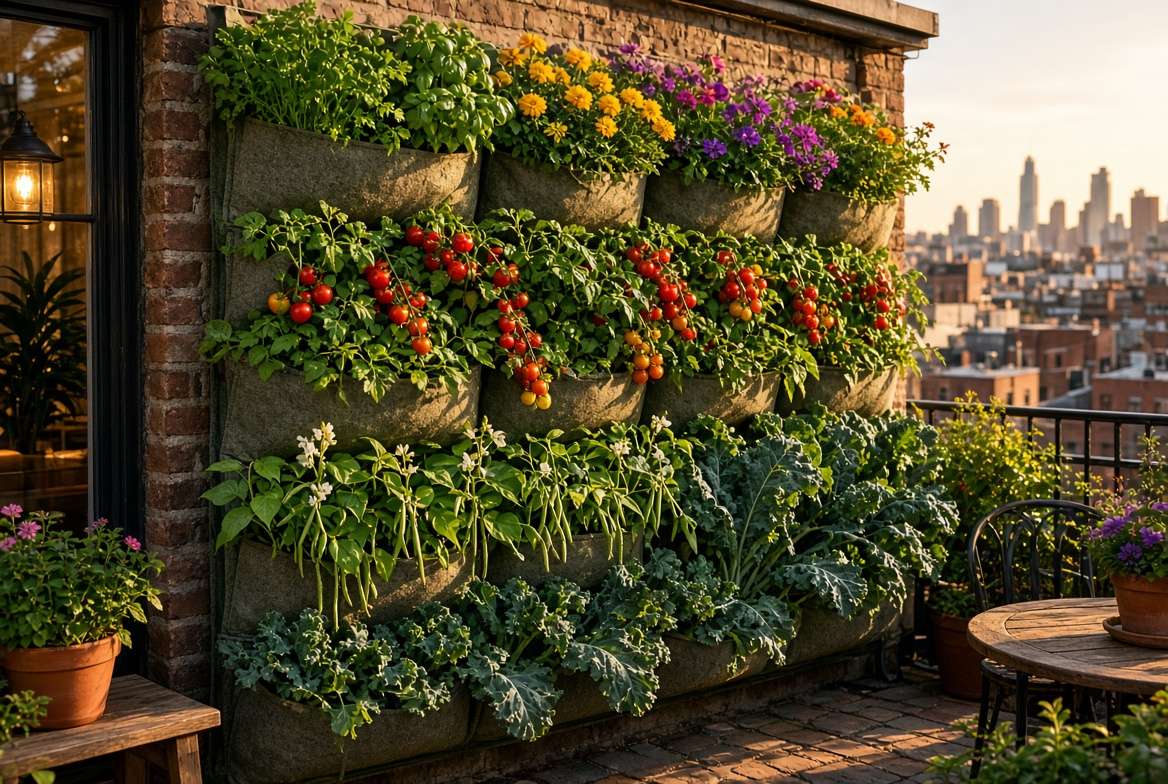
When the temperatures are mild, your vertical bags should be overflowing with leafy greens and fast-growing root vegetables. These plants appreciate the cooler soil temperatures that fabric bags naturally provide.
-
Top Pockets: Spinach, arugula, and cilantro.
-
Middle Pockets: Radishes, baby beets, and bush peas (which will beautifully drape down).
-
Bottom Pockets: Swiss chard and kale, which can handle a bit more moisture settling at the base.
The Warm Season: Summer ☀️
As the summer heat kicks in, transition your pockets to sun-loving, fruit-bearing crops. Before planting, always top-dress each pocket with a handful of fresh compost to replenish the soil energy.
-
Top Pockets: Heat-tolerant herbs like oregano, basil, and thyme.
-
Middle Pockets: Compact bush beans and dwarf bell peppers.
-
Bottom Pockets: Determinate cherry tomatoes or trailing nasturtiums (an excellent edible flower that acts as a trap crop for aphids).
The Winter Rest (or Overwintering) ❄️
If you live in a region with hard freezes, winter is the time to empty, wash, and store your bags, as outlined in our FAQ section. However, if you are in a mild climate (Zone 8 or above), you can utilize this time to grow garlic or plant a “green manure” cover crop, like crimson clover, to fix nitrogen back into the soil for the next spring.
Expert Insight: “To make crop rotation effortless in vertical setups, I label my rows with small wooden tags: ‘Heavy Feeders’ (tomatoes/peppers), ‘Light Feeders’ (greens), and ‘Legumes’ (beans/peas). Every season, I simply shift the tags down one row!”
Scaling Your Urban Farm: From Balcony to Green Wall 🏙️
Once you experience the thrill of harvesting a salad directly off your wall, you will inevitably want to expand. Scaling a vertical garden is much easier than expanding a ground-level plot, provided you follow a few design principles.
Creating a Modular System
Do not try to cover an entire wall all at once. Start with one high-quality, multi-pocket grow bag. Once you master the watering and feeding schedule for that specific unit, hang a second bag adjacent to it. By building your garden modularly, you can easily isolate pest problems and scale your drip irrigation system one T-connector at a time.
The Aesthetic Living Wall 🌿
If you want your vegetable garden to double as a stunning architectural feature on your patio, incorporate companion planting for visual texture. Mix dark purple basil next to bright green lettuce, or let trailing lobelia spill out between your pepper plants. The dense foliage will eventually cover the fabric completely, creating a seamless, floating “green wall” of edible food.
Conclusion: The Sky is the Limit 🚀
Lack of ground space should never stand between you and the joy of growing your own fresh, organic food. By leveraging vertical grow bags for vegetables, you can bypass the limitations of concrete patios, tiny balconies, and cramped urban yards.
Remember the core pillars of vertical success: invest in highly breathable fabric, utilize a moisture-retaining soil mix rich in coco coir, select compact or shallow-rooted crops, and master your top-down irrigation strategy. With these expert techniques in your gardening toolkit, you are fully equipped to transform any sunny, blank wall into a highly productive, lush urban oasis.











