
Imagine this: You step into your backyard orchard, excited for the first big harvest from your young apple or peach tree. But instead of plump, evenly ripened fruit, you find shaded branches with spotty production, tangled growth that’s hard to reach, or even branches snapping under fruit weight. 😩 The culprit? Often, it’s choosing the wrong pruning technique from the start.
If you’re like many home gardeners or small-scale orchard enthusiasts, you’ve probably searched for “vertical leader vs. vase pruning technique” because you’re facing that exact dilemma. The vertical leader (also called central leader) creates a tall, conical shape with a dominant upright trunk, while the vase (open center) forms a low, bowl-like structure with an open middle. One might give you stronger structure and potentially higher total yield; the other offers easier picking, better light, and lower disease risk. But which one truly wins for your trees, space, and goals?
As a horticulturist with over 15 years of hands-on experience guiding backyard growers through successful fruit tree establishment (from dwarf apples in small plots to semi-standard peaches in humid climates), I’ve seen both methods transform struggling trees into productive powerhouses. In this comprehensive guide, we’ll dive deep into the differences, pros/cons, species-specific advice, step-by-step training, and a clear decision framework — so you can confidently pick the right technique and enjoy healthier trees + bigger, better harvests. 🍎🍑 Let’s get pruning!
What Is the Vertical Leader (Central Leader) Pruning Technique? 📏🎄
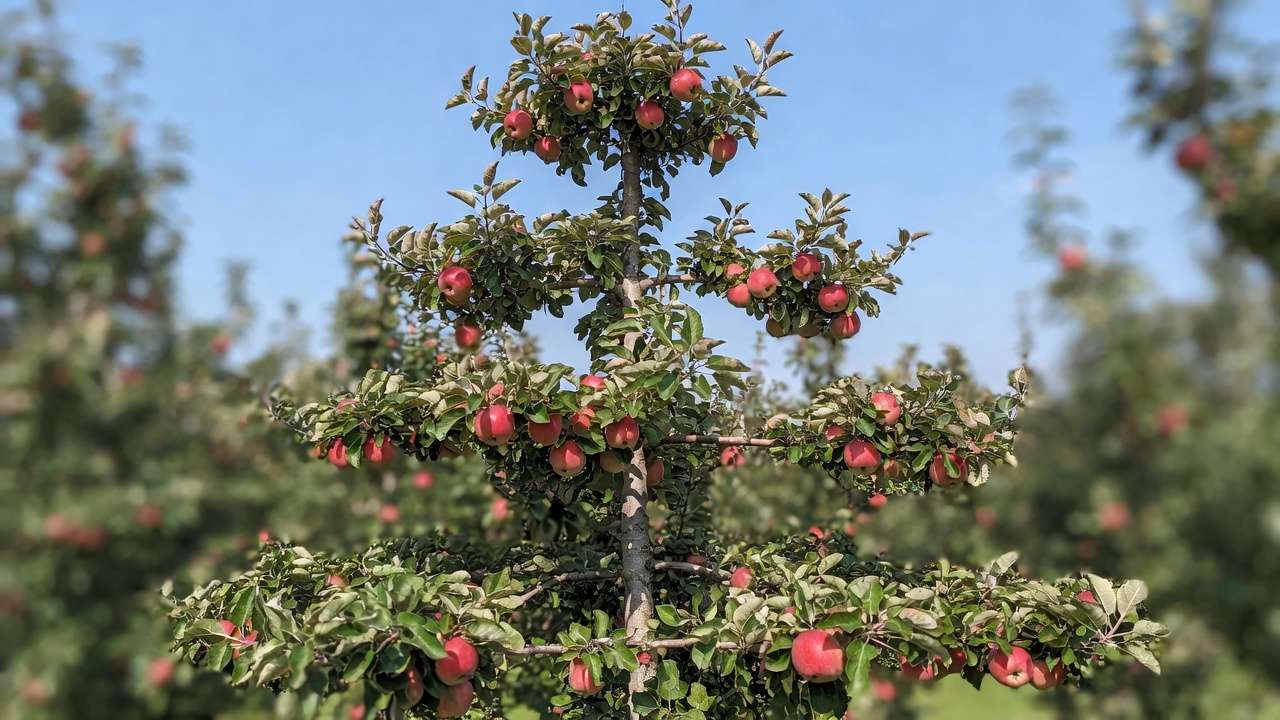
The vertical leader technique, commonly known as central leader pruning, trains the tree to develop a single dominant upright trunk (the “leader”) with well-spaced lateral branches arranged in tiers. The overall shape resembles a classic Christmas tree or pyramid — tall and narrow at the top, wider at the base.
Key goals include building a strong central framework that supports heavy fruit loads, mimics the natural upright growth of many pome fruits, and provides excellent wind resistance in exposed areas.
Primary benefits:
- Superior structural strength — ideal for bearing large crops without limb breakage
- Natural form for upright-growing varieties
- Better snow/ice shedding in colder climates
- Efficient use of vertical space in larger yards
This method shines when you want a taller tree with balanced branch distribution and good light penetration to lower limbs through careful spacing.
What Is the Vase (Open Center) Pruning Technique? 🏺🌸
The vase or open center technique removes the central leader early in the tree’s life, creating 3–5 main scaffold branches that radiate outward like the arms of a bowl or vase. The center stays completely open to sunlight and air.
Key goals focus on maximizing light and airflow to every part of the canopy, promoting even ripening, reducing fungal diseases (especially in humid regions), and keeping the tree at a manageable height for easy harvesting — no ladders needed!
Primary benefits:
- Exceptional sunlight penetration → uniform fruit color, flavor, and quality
- Improved air circulation → lower risk of diseases like peach leaf curl or brown rot
- Lower overall height → safer, easier maintenance and picking
- Ideal for vigorous stone fruits that produce on new wood
This shape looks like an open umbrella or bowl, perfect for reaching in to harvest or spray.

Head-to-Head Comparison: Vertical Leader vs. Vase Pruning 🌟⚖️
Let’s break it down side-by-side so you can see the trade-offs clearly. (Many gardeners wish they’d had this table before planting!)
| Aspect | Vertical Leader (Central Leader) | Vase (Open Center) |
|---|---|---|
| Tree Height | Taller (often 12–20+ ft on semi-standard rootstocks) | Shorter & more compact (8–15 ft typical) |
| Light Penetration | Good on outer/lower branches; center can shade if not thinned | Excellent — sunlight reaches all fruiting areas |
| Yield Potential | Higher total volume possible; quality even with thinning | Often higher quality fruit; slightly less total volume |
| Disease Resistance | Moderate; depends on airflow & thinning | Superior in humid/wet climates |
| Ease of Harvest | Requires ladder for upper fruit | Ground-level or short step-stool access |
| Maintenance Effort | Moderate ongoing; more height control needed | Higher initial cuts; easier annual thinning |
| Tree Strength | Excellent load-bearing; wind-resistant | Good but relies on strong scaffolds |
| Best For | Upright growers, larger spaces, max production | Small yards, disease-prone areas, easy access |
Pros and cons of vertical leader pruning ✅❌ ✅ Strong trunk supports heavy crops • Natural for many varieties • Good for wind-prone spots ❌ Can get too tall • Risk of shading inner branches • Harder to harvest high fruit
Pros and cons of vase pruning ✅❌ ✅ Max light/airflow → better fruit quality & health • Low height = easy care • Disease prevention ❌ Less structural strength for very heavy loads • Requires decisive early cuts • Not ideal for very upright trees
The hybrid option: Modified central leader 🔄 Many experts (including university extensions and home orchard pros) recommend the modified central leader as the best compromise for backyard growers. It starts like a central leader (strong trunk + tiers) but “modifies” by heading back the top leader at 5–8 ft, allowing more light into the center while retaining strength. This shape looks like a truncated pyramid or satellite dish — reachable, productive, and versatile! 🌟
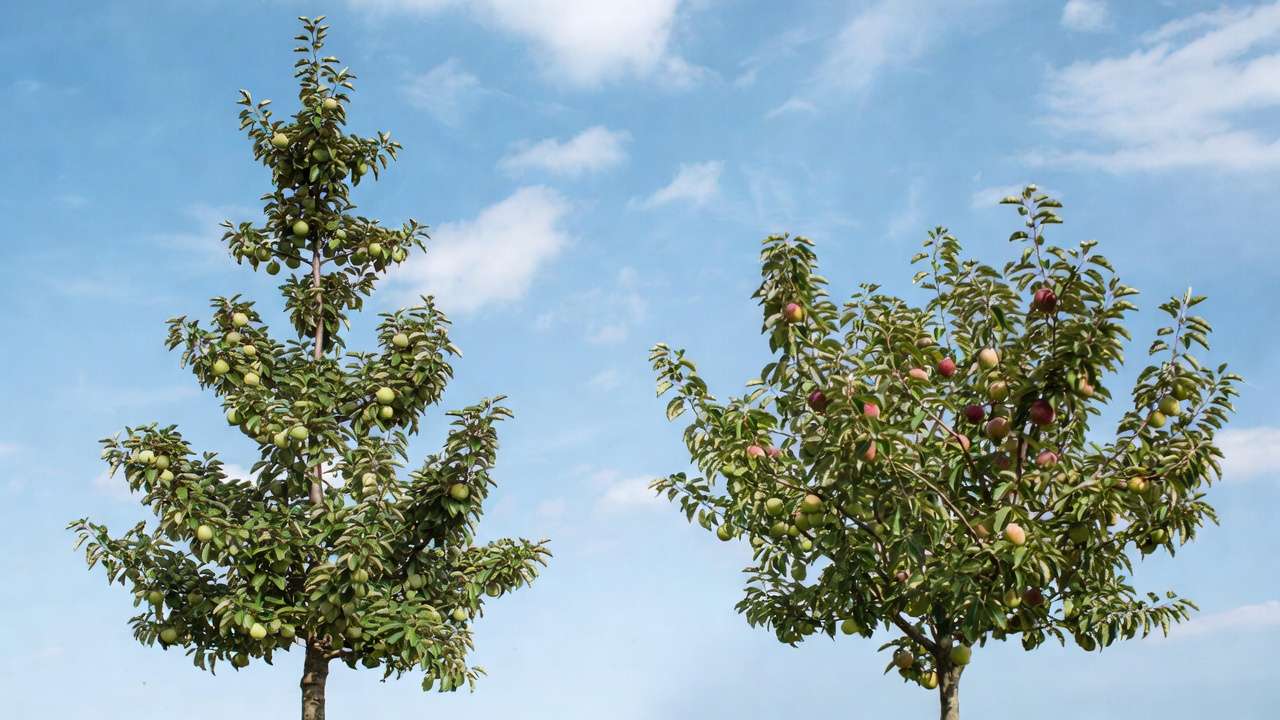
Which Trees Should You Prune with Which Technique? 🌳🍑
The “best” method depends heavily on species — here’s the most detailed, expert-backed breakdown:
- Apples 🍏: Vertical leader or (preferably) modified central leader. Apples fruit on spurs from older wood; upright habit suits central structure. Vase possible on dwarfs but less common — risks uneven ripening.
- Pears (European & Asian) 🍐: Vertical leader or modified central leader. Strong upright growth; central trunk handles weight well.
- Peaches & Nectarines 🍑: Almost always vase/open center. Vigorous growers need max light/air to prevent disease; fruit on 1-year wood demands renewal pruning.
- Plums 🍑: Japanese → vase; European → vertical leader or modified. Japanese plums spread naturally; Europeans stay upright.
- Cherries 🍒: Sweet → vertical/modified central leader; Tart/sour → vase or modified. Sweet cherries grow tall; tarts benefit from openness.
- Apricots, Almonds, Persimmons 🌰: Vase or modified central leader. Apricots/al monds love light; persimmons handle modification well.
Quick-reference chart:
- Vase/Open Center: Peaches, Nectarines, Japanese Plums, Tart Cherries, Apricots
- Vertical/Modified Central Leader: Apples, European Pears, Sweet Cherries, European Plums, Persimmons
On dwarf/semi-dwarf rootstocks, you have more flexibility — many backyard growers successfully use modified central leader across the board for easier management. 🌱
Step-by-Step: How to Train & Prune Using Each Technique 🛠️🌱
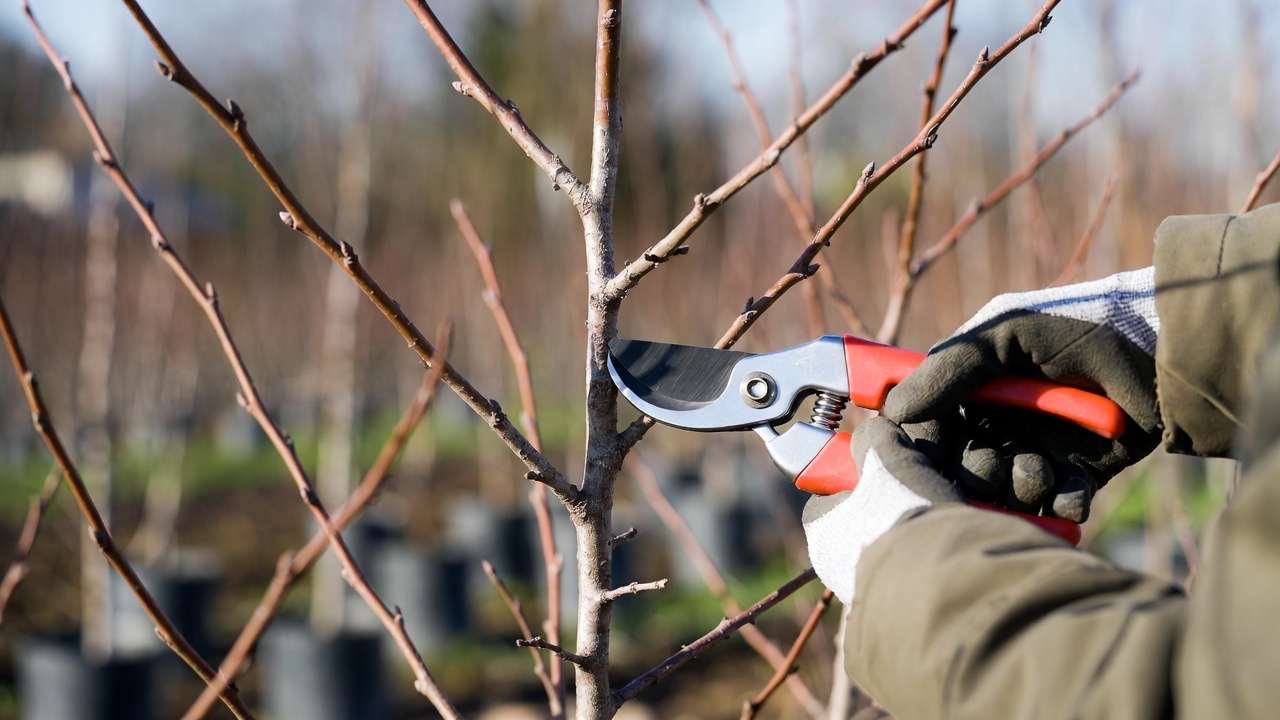
Proper training in the first 3–4 years sets the permanent framework of your fruit tree — get this right and future maintenance becomes much easier. Below are clear, year-by-year guides for both methods. Always prune during the dormant season (late winter/early spring before buds swell) unless noted otherwise. Use sharp, clean bypass pruners for small cuts and loppers/pruning saw for larger ones. 🌿
Year-by-Year Formative Pruning Guide
Vertical Leader / Central Leader Training (Years 1–4)
- Year 1 (Planting year) At planting: Choose the strongest, straightest shoot as the leader. Cut it back to 24–36 inches above ground (depending on rootstock vigor). Remove all side shoots below 18–24 inches to create a clear trunk. Select 4–5 strong lateral branches spaced evenly around the trunk and 6–12 inches apart vertically; remove the rest. Head back laterals by ⅓ to encourage branching.
- Year 2 In late winter: Let the leader grow unchecked (or head lightly if too vigorous). Select 3–4 additional scaffold branches in year-2 zones, keeping wide crotch angles (45–60°). Remove competing upright shoots and any branches below the first tier. Maintain dominance of the central leader by removing or subordinating any shoot trying to compete.
- Year 3–4 Continue adding tiers every 12–18 inches. Head the leader back annually by 12–24 inches to encourage side branching and control height. Thin out crowded laterals, keeping the best-angled ones. Aim for a balanced pyramid shape with no branch more than half the diameter of the trunk at the attachment point.
Vase / Open Center Training (Years 1–4)
- Year 1 (Planting year) At planting: Cut the whip back to 24–30 inches. Choose 3–5 strong, wide-angled shoots spaced evenly around the trunk (ideally 120° apart if 3 scaffolds). Remove the central leader completely and all other shoots. Head selected scaffolds back to 2–3 buds to force outward growth.
- Year 2 Select the strongest 3–5 scaffolds from last year’s growth. Remove any inward-growing, vertical, or weak shoots. Head each scaffold back by ⅓–½ to encourage side branching. Eliminate any new shoots attempting to become a central leader.
- Year 3–4 Allow scaffolds to develop secondary branches. Thin out crowded or crossing wood inside the vase. Head scaffold tips lightly each year to keep the tree spreading rather than shooting upward. The goal is an open bowl shape with no central growth taller than the scaffolds.
Summer Tweaks for Both Systems ☀️
- Late spring/early summer: Pinch or rub off water sprouts, suckers, and narrow-angled shoots. Use branch spreaders, weights, or ties to improve crotch angles (aim for 45–60°). Summer pruning reduces vigor and helps control height in vertical leader systems.
Maintenance Pruning for Mature Trees (Annual Routine) 🔄
- Remove the “3 Ds” first: Dead, Diseased, Damaged wood.
- Thin out water sprouts, suckers from the base, and inward-growing/crossing branches.
- For vertical leader: Head back the leader annually if height control is needed; thin crowded areas to maintain light penetration.
- For vase: Renew old fruiting wood (especially on peaches/nectarines); remove 20–30% of older branches each year to stimulate new growth.
- Always use thinning cuts (remove entire branch at collar) rather than heading cuts on mature wood to avoid stimulating excessive regrowth.
Common Mistakes to Avoid ⚠️
- Over-pruning in one season (never remove >25–30% of canopy on mature trees).
- Leaving narrow crotch angles (prone to splitting under load).
- Ignoring disease — always disinfect tools between cuts/trees (1:9 bleach solution or alcohol).
- Pruning in fall — increases risk of winter injury and disease entry.
Factors to Help You Decide: Which Technique Fits YOUR Situation? 🤔
Ask yourself these key questions to choose wisely:
- What rootstock is your tree on? Dwarf (8–12 ft) or semi-dwarf (12–18 ft) → modified central leader or vase works beautifully. Standard (18–25+ ft) → vertical leader often better for strength.
- What are your main goals?
- Maximum fruit quantity → vertical leader
- Highest fruit quality & even ripening → vase
- Easiest picking & low maintenance → vase or modified central
- Small yard or patio → vase or heavily modified central
- What’s your climate like? Humid, rainy, or fungal-prone areas (common in many parts of Bangladesh and tropical/subtropical zones) → vase/open center dramatically reduces peach leaf curl, brown rot, and scab. Windy or cold-winter areas → vertical leader offers better wind resistance and snow/ice shedding.
- How much time & effort can you invest? Vase requires more aggressive early pruning but easier annual care. Vertical leader needs consistent height control but less drastic initial shaping.
Expert Tip 🌟 For 80% of backyard growers — especially on dwarf/semi-dwarf rootstocks and in home settings — the modified central leader is the sweet spot. It gives you the strength of a central trunk plus better light and easier access than a full pyramid. Many university extension services now recommend it as the default for apples, pears, and even some stone fruits.
Additional Tips for Success & Troubleshooting 🌟🔧
- Essential Tools Sharp bypass pruners, loppers, folding pruning saw, pole pruner (for tall vertical leaders), branch spreaders/weights, wound dressing (optional — modern consensus says most cuts heal fine without it).
- Best Pruning Time Dormant season (December–February in Dhaka region, before buds swell). Light summer pruning OK for vigor control. Never prune during active growth except pinching tips.
- Post-Pruning Care Water deeply after heavy pruning. Apply balanced fertilizer in early spring. Mulch to retain moisture and suppress weeds. Monitor for pests/disease and act quickly.
- Troubleshooting a Poorly Trained Tree
- Too tall/narrow → Convert to vase by removing central leader over 2–3 years.
- One-sided growth → Head back dominant side, encourage weak side.
- Broken scaffolds → Select new replacement leader and train it upward.

Frequently Asked Questions (FAQs) ❓
Can I change from vertical leader to vase later in life? Yes, but it’s stressful. Remove the central leader gradually over 2–3 years while developing new scaffolds. Best done on younger trees (under 8 years).
Is vase pruning better for small gardens? Usually yes — lower height and compact spread make it ideal for patios, backyards, or urban lots.
Why do experts sometimes disagree on apples? Older recommendations favored central leader for apples. Newer research (better rootstocks, disease pressure) shows modified central or even vase can produce excellent quality on dwarfs.
How much can I safely prune at once? On young trees: up to 50–60%. On mature trees: no more than 25–30% of canopy in one year to avoid shock and excessive regrowth.
Do I need to seal pruning cuts? Generally no — trees compartmentalize naturally. Only seal large cuts (>3 inches) in high-disease areas if desired.
Conclusion: Pick Your Winner & Get Pruning! 🎉🍎
You’ve now got the full picture: vertical leader vs. vase pruning technique isn’t about one method being universally “better” — it’s about matching the pruning system to your specific fruit tree species, rootstock, climate, space, harvest goals, and lifestyle.
Here’s a quick recap of the most important takeaways:
- Choose vertical leader (central leader) or modified central leader when you want strong structural support, maximum total yield potential, natural upright growth, and good performance in windy or colder conditions. This is the go-to for most apples 🍏, European pears 🍐, sweet cherries 🍒, European plums, and persimmons.
- Choose vase (open center) when you prioritize the highest fruit quality, even ripening, maximum disease prevention (especially in humid, rainy climates like much of Bangladesh), and easy, ladder-free harvesting. This is almost mandatory for peaches 🍑, nectarines, Japanese plums, apricots, almonds, and tart cherries.
- For the majority of home gardeners — especially with dwarf or semi-dwarf trees in urban/suburban yards — the modified central leader often delivers the best balance: solid framework + improved light/airflow + reachable height. 🌟
- Early training (years 1–4) is critical — invest the time now and you’ll save years of frustration later.
- Annual maintenance pruning is lighter and more enjoyable when the basic shape is correct from the beginning.
No matter which path you choose, consistent, thoughtful pruning is one of the highest-ROI activities you can do in your garden. A well-pruned tree rewards you with healthier growth, dramatically better fruit quality and quantity, easier pest/disease management, and — most importantly — joy every time you step outside and pick your own ripe, delicious fruit. 🌿🍑











