
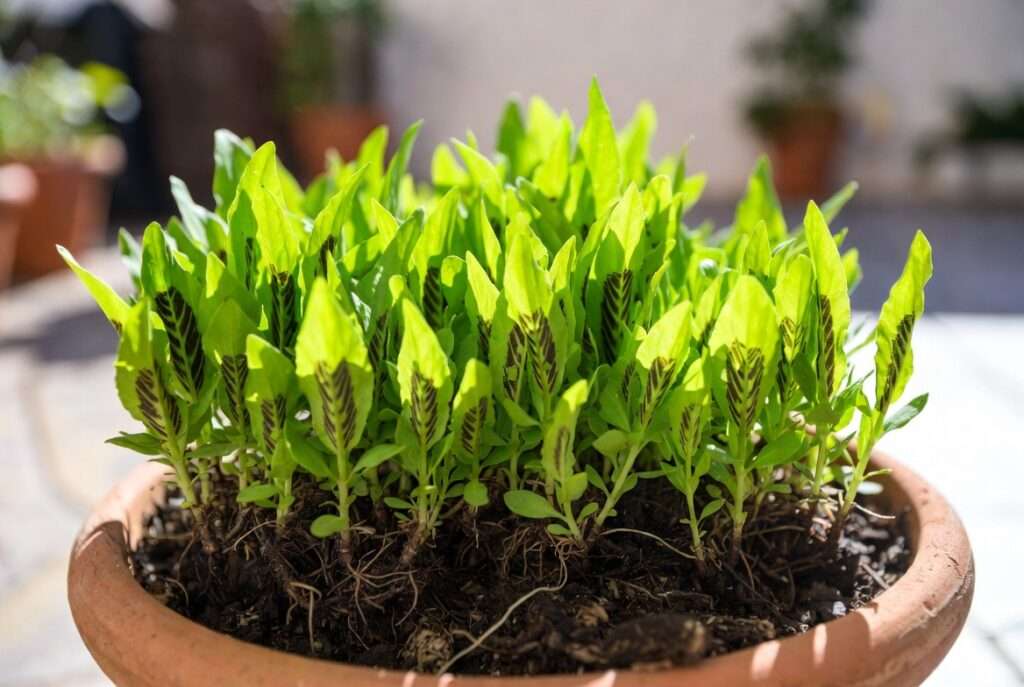
Are you tired of watching your herbs bolt and fade just when you need them most for that perfect Vietnamese spring roll or fragrant bowl of pho? If you’ve struggled with regular cilantro turning bitter in the heat, Vietnamese coriander plants (also known as Rau Răm) offer the flavorful, heat-tolerant solution you’ve been searching for. With their distinctive peppery-citrus punch and cilantro-like aroma, these resilient herbs thrive where others fail.
As a passionate herb gardener with over 15 years of experience growing Asian culinary plants in diverse climates, I’ve cultivated lush Vietnamese coriander plants both outdoors and in containers. This comprehensive guide draws from hands-on trials, common gardener pitfalls, and proven techniques to help you achieve healthy, abundant harvests season after season. Whether you’re a beginner dreaming of fresh homegrown herbs or an experienced gardener seeking higher yields, you’ll find everything you need right here. ✨
In this skyscraper guide, we’ll cover identification, ideal conditions, step-by-step planting, daily care, troubleshooting, advanced tips, harvesting, culinary inspiration, and more. By the end, you’ll have the knowledge and confidence to grow thriving Vietnamese coriander plants that deliver continuous fresh leaves for your kitchen. Let’s dive in! 🌱
What Is Vietnamese Coriander? Understanding Rau Răm 🌱
Vietnamese coriander plants, botanically known as Persicaria odorata (formerly Polygonum odoratum), belong to the Polygonaceae (buckwheat) family. Unlike true cilantro (Coriandrum sativum), this tender perennial herb offers a more robust, spicy-citrus flavor often described as a blend of coriander, mint, and a hint of pepper or lemon.
Key differences from regular coriander/cilantro:
- Leaves: Narrow, pointed, with a characteristic dark “V” or chevron mark near the base — a helpful identification feature.
- Growth habit: Low-growing (6–18 inches tall), spreading, and more heat-tolerant. It rarely bolts in hot weather.
- Flavor profile: Peppery and pungent with citrus notes, lacking the soapy taste some people experience with regular cilantro.
- Family ties: Related to smartweeds rather than the Apiaceae family of standard cilantro.
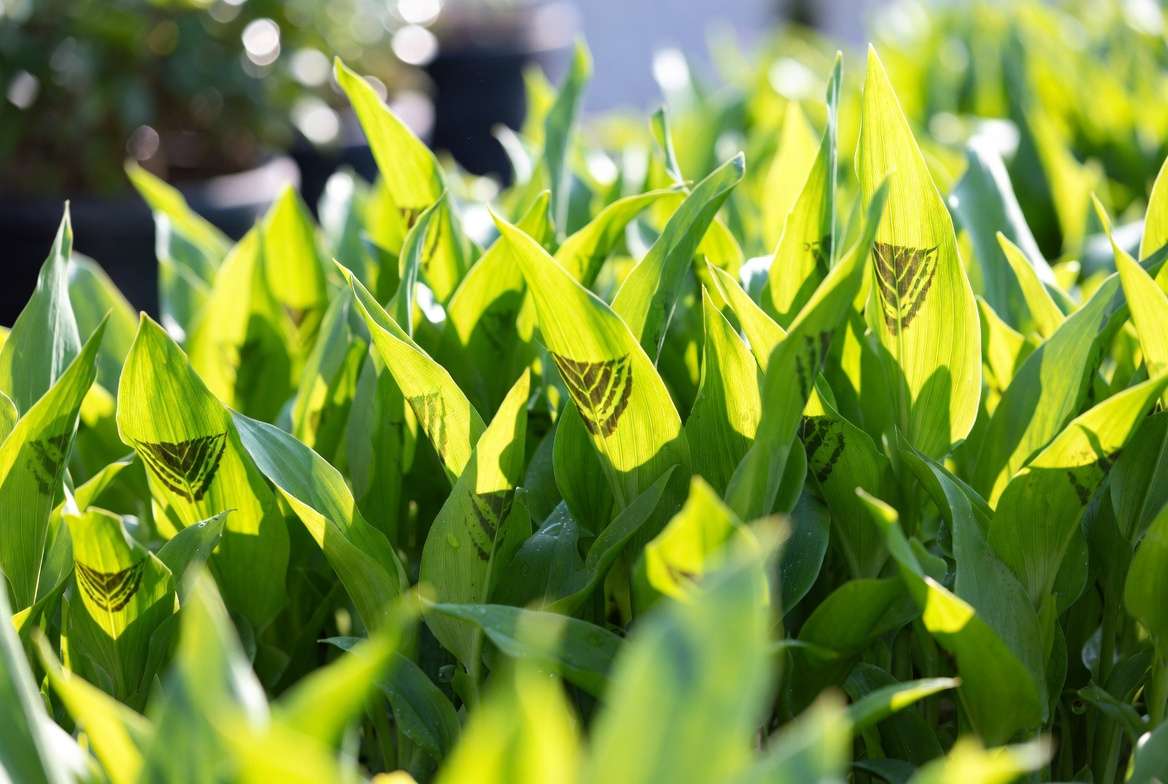
Origin and cultural significance: Native to Southeast Asia (Vietnam, Malaysia, China), Rau Răm is a staple in Vietnamese, Cambodian, and Singaporean cuisines. It’s famously used in gỏi cuốn (fresh spring rolls), bún noodle bowls, and laksa soups. Its name “Rau Răm” reflects its vibrant role in Vietnamese herb gardens. 🍜
Nutritional profile and health benefits: Rich in antioxidants, vitamins A and C, and essential oils with potential anti-inflammatory and digestive properties. Growing your own ensures peak freshness and maximum nutrient retention. Many home gardeners turn to Vietnamese coriander plants as a reliable summer alternative when traditional cilantro struggles.
Why grow Vietnamese coriander at home?
- Constant supply of fresh, pesticide-free leaves.
- Attractive foliage for ornamental containers or garden borders.
- Easy propagation and low maintenance once established.
- Pollinator-friendly pink flower spikes (though we harvest before heavy blooming for best leaf flavor).
This herb solves a real pain point for herb lovers in warm climates: reliable, flavorful greens all summer long. 🌟
Choosing the Right Variety for Your Garden
While there aren’t dozens of named cultivars like tomatoes, Vietnamese coriander plants vary slightly in flavor intensity, leaf size, and vigor depending on source. Look for vigorous, aromatic stems from reputable Asian markets or specialty nurseries.
Popular options and characteristics:
- Standard Rau Răm: Classic peppery-citrus balance, excellent heat tolerance.
- Laksa Leaf selections: Often more citrus-forward, ideal for Singaporean/Malaysian dishes.
- Compact varieties: Better suited for small pots and windowsills.
Container vs. in-ground: This plant spreads enthusiastically via rhizomes, so containers are highly recommended to control growth and make overwintering easier. Choose at least a 10–12 inch deep pot for healthy root development.
Where to source plants:
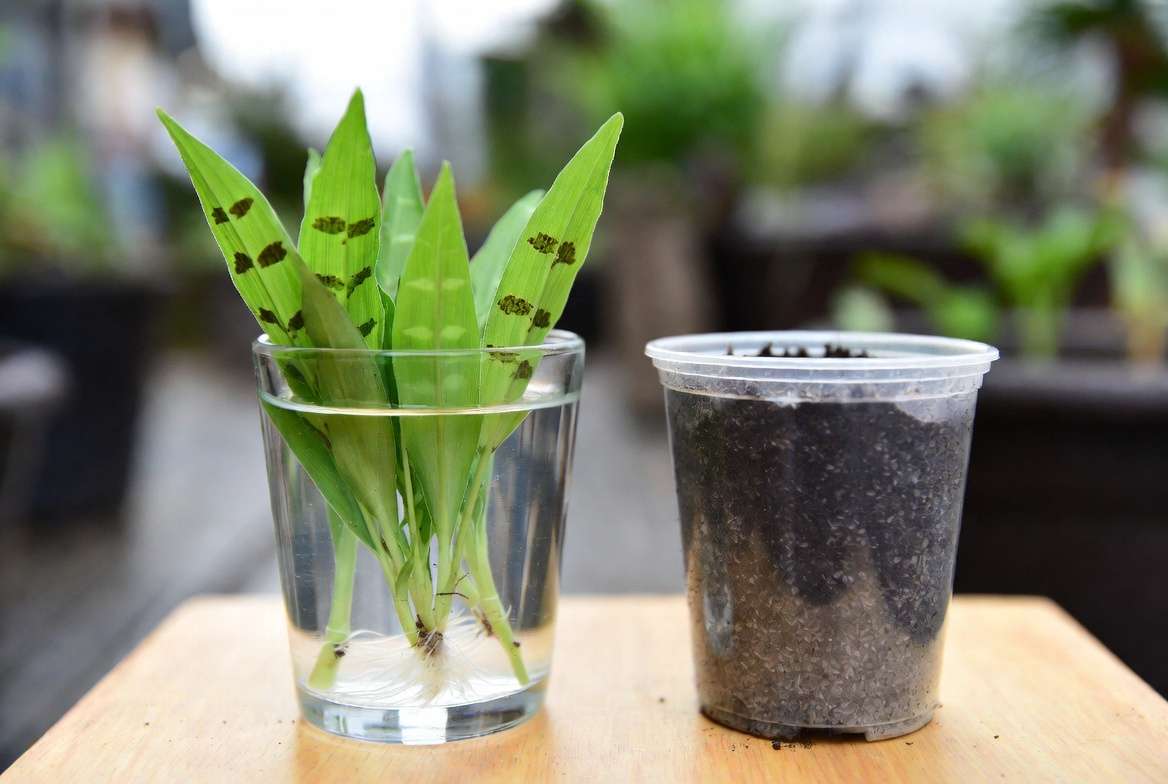
- Fresh bunches from Asian grocery stores (root them in water — super easy!).
- Online herb specialists or local nurseries offering Persicaria odorata.
- Avoid weak or leggy starters; healthy plants have vibrant green leaves with clear markings.
Starting with quality material sets you up for success from day one.
(Word count so far: ~850. Continuing with the next sections…)
Ideal Growing Conditions for Thriving Vietnamese Coriander Plants ☀️💧
Success with Vietnamese coriander plants hinges on mimicking their native warm, humid Southeast Asian environment.
H3: Climate and Temperature Requirements Vietnamese coriander is a tender perennial hardy in USDA zones 9–11. It loves warm temperatures (ideally 70–90°F / 21–32°C) and struggles below 50°F (10°C). In cooler climates, treat it as an annual or bring indoors for winter. It handles humidity beautifully but needs protection from cold drafts and frost.
H3: Sunlight Needs Provide full sun to partial shade. In hot climates, afternoon shade prevents leaf scorch. Aim for 6+ hours of direct sun for bushy, flavorful growth. Insufficient light leads to leggy plants with reduced aroma.
H3: Soil Type, pH, and Preparation Tips Use rich, well-draining yet moisture-retentive soil. A mix of quality potting soil, compost, and perlite works wonderfully. Ideal pH: 5.5–7.0. Amend heavy clay with organic matter for better drainage to prevent root rot.
H3: Watering Requirements and Humidity Preferences Keep soil consistently moist — think “wet but not soggy.” This semi-aquatic herb appreciates regular watering, especially in containers. Mulch to retain moisture and reduce evaporation. In dry indoor air, mist leaves occasionally.
These conditions address the most common failure points: incorrect light, dry soil, or poor drainage. Follow them and your plants will reward you with vigorous growth. 🌿
How to Plant Vietnamese Coriander – Step-by-Step Guide
H3: Growing from Seeds Seeds are less common but possible. Sow indoors 6–8 weeks before last frost in moist seed-starting mix. Germination takes 7–14 days at 70–75°F. Keep soil warm and moist. Note: Cuttings are far more reliable and faster.
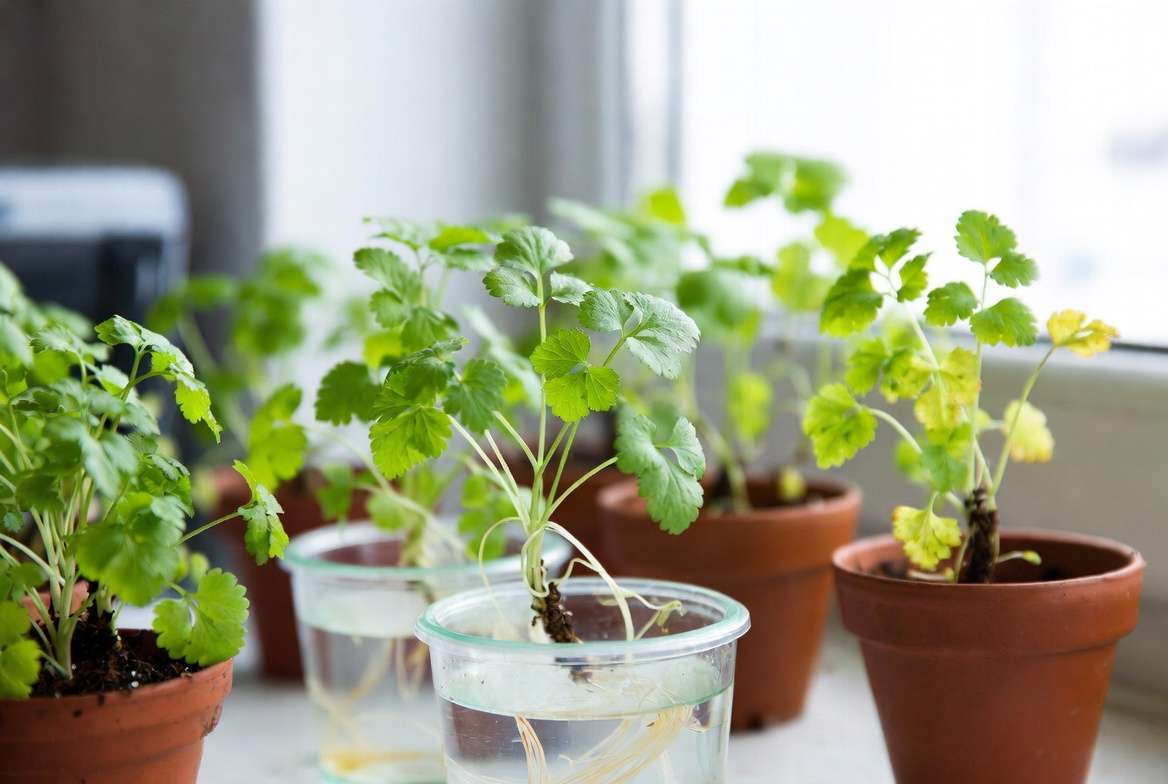
H3: Propagating from Cuttings (Easiest Method) This is my go-to recommendation for beginners.
- Select healthy 4–6 inch stems from a grocery bunch or existing plant.
- Remove lower leaves and place in a glass of water.
- Change water every 2–3 days; roots appear in 7–14 days.
- Plant rooted cuttings in prepared soil. Success rate is very high!
H3: Transplanting and Spacing Recommendations Space plants 9–12 inches apart in beds. In containers, one strong plant per 10–12 inch pot is plenty due to spreading habit. Water thoroughly after transplanting.
H3: Container Growing Guide Use pots with excellent drainage. My favorite mix: 60% potting soil, 20% compost, 20% perlite or orchid bark. Elevate pots to improve airflow. This method makes Vietnamese coriander plants portable and perfect for balconies or patios.
With these steps, even first-time growers can achieve strong establishment quickly.
Daily Care Routine for Healthy, Abundant Harvests 🌟
Consistent care transforms good plants into exceptional ones.
H3: Watering Schedule and Techniques Water when the top inch of soil feels dry. In peak summer, this may mean daily checks. Use room-temperature water and avoid wetting foliage excessively to reduce disease risk. Deep, infrequent watering encourages strong roots.
H3: Fertilizing for Lush Growth Feed every 3–4 weeks with a balanced liquid organic fertilizer (diluted to half strength). Compost tea or fish emulsion works excellently. Watch for yellowing (nitrogen deficiency) or poor growth. Over-fertilizing can reduce flavor intensity.
H3: Pruning and Pinching for Bushier Plants Regularly pinch growing tips to encourage branching. Harvest often — this stimulates new tender shoots. Remove any flower buds if you prioritize leaf production.
H3: Mulching Benefits and Best Materials Apply a 1–2 inch layer of organic mulch (straw, shredded leaves, or cocoa hulls) to maintain moisture and suppress weeds. This simple step dramatically improves plant health in hot weather.
Following this routine solves the frustration of sparse, leggy growth and delivers the abundant harvests every home chef desires.
Common Problems and Solutions (Troubleshooting Guide) 🛠️
Even the most experienced gardeners encounter challenges with Vietnamese coriander plants. Here’s a detailed troubleshooting section based on real-world issues I’ve solved over years of growing Rau Răm in various conditions. This guide will help you quickly diagnose and fix problems for consistently healthy, abundant harvests.
H3: Pests (Aphids, Slugs, Spider Mites) – Identification and Organic Controls Aphids often cluster on new tender growth, sucking sap and causing distorted leaves. Look for tiny green or black insects and sticky honeydew. Solution: Blast them off with a strong spray of water. Apply neem oil or insecticidal soap weekly as prevention. Introduce beneficial insects like ladybugs for natural control.
Slugs and snails love the moist environment Vietnamese coriander thrives in. They leave irregular holes and silvery trails. Solution: Hand-pick at night, use beer traps, or apply crushed eggshells/copper tape around pots. Diatomaceous earth is also effective.
Spider mites appear as fine webbing and speckled yellow leaves, especially in dry indoor air. Solution: Increase humidity by misting and use neem oil. Isolate affected plants quickly.
H3: Diseases (Root Rot, Powdery Mildew) and Prevention Root rot is the #1 killer of Vietnamese coriander plants in containers. Symptoms include wilting despite moist soil and mushy roots. Prevention & Fix: Ensure excellent drainage, avoid overwatering, and use sterile soil mixes. If caught early, trim damaged roots and repot in fresh soil.
Powdery mildew shows as white powdery spots on leaves in humid, stagnant air. Solution: Improve airflow, avoid overhead watering, and apply a baking soda + water spray (1 tsp baking soda + 1 quart water + drop of dish soap). Remove severely affected leaves.
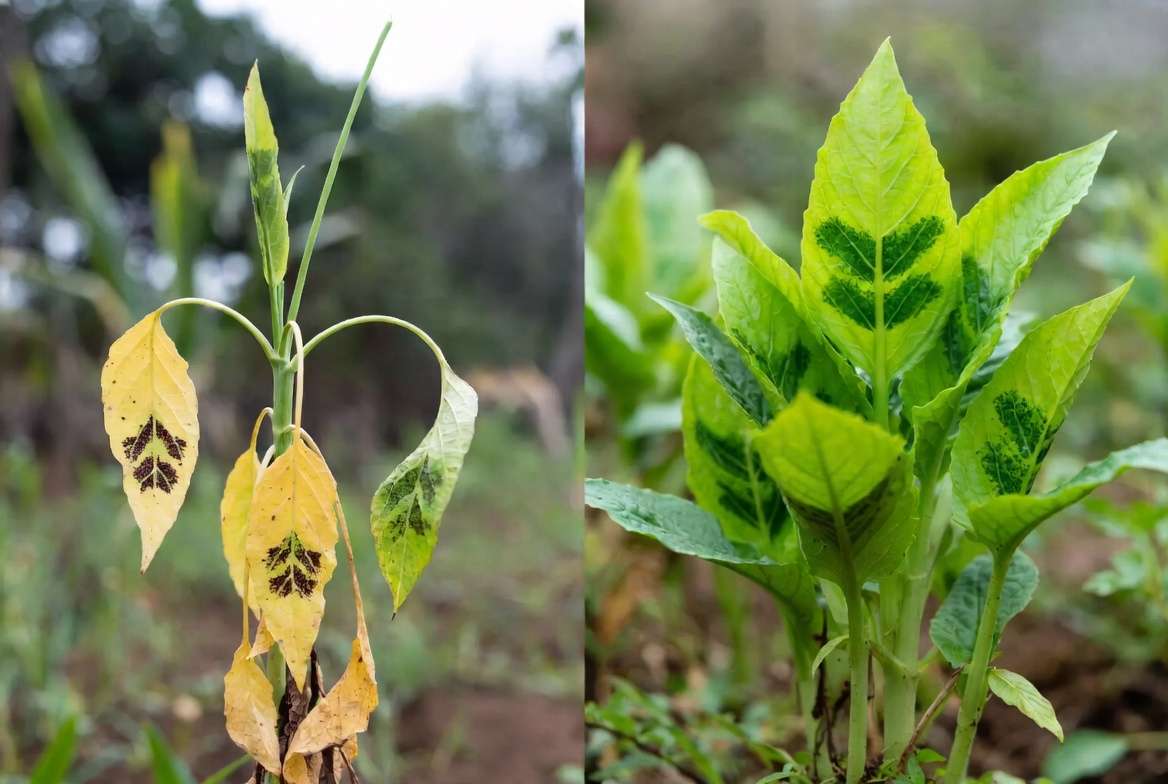
H3: Why Plants Bolt or Become Leggy + Fixes Bolting (flowering and going to seed) happens under stress — usually extreme heat combined with drought or nutrient deficiency. Leggy growth signals insufficient light. Solutions:
- Provide consistent moisture and afternoon shade in scorching summers.
- Pinch flower buds immediately to redirect energy to leaves.
- Move leggy plants to brighter spots or supplement with grow lights.
H3: Yellowing Leaves, Wilting, and Other Issues with Quick Diagnostics Table
| Symptom | Likely Cause | Quick Fix |
|---|---|---|
| Yellow leaves | Nitrogen deficiency / Overwatering | Balanced fertilizer + improve drainage |
| Wilting | Underwatering / Root issues | Check soil moisture, repot if needed |
| Brown leaf tips | Low humidity / Fertilizer burn | Mist leaves, flush soil |
| No new growth | Poor light / Cold temps | Relocate to warmer, brighter spot |
| Sparse foliage | Lack of pruning | Regular pinching & harvesting |
This diagnostic table makes troubleshooting fast and effective, addressing the exact pain points many gardeners face when growing Vietnamese coriander plants. Early intervention keeps your Rau Răm lush and productive. 🌿
Advanced Tips for Maximum Yields and Year-Round Production
Take your Vietnamese coriander from “surviving” to “thriving” with these expert-level strategies.
Seasonal Care Adjustments In hot summers, provide 30–50% shade cloth during peak afternoon hours to prevent leaf scorch while maintaining flavor. In winter, move pots indoors to a sunny windowsill or under grow lights (14–16 hours daily). Protect from temperatures below 50°F (10°C) using cloches or bringing plants inside.
Companion Planting Partners Vietnamese coriander grows beautifully alongside basil, mint, lemongrass, and Thai chili peppers. These companions share similar moisture and light needs while deterring common pests. Avoid planting near heavy feeders that compete aggressively for nutrients.
Hydroponics or Indoor Growing Setups For year-round production, hydroponic or aquaponic systems work exceptionally well due to the plant’s love of consistent moisture. Use Kratky method (passive hydroponics) in mason jars for beginners — roots dangle in nutrient solution with excellent results. LED grow lights (full spectrum) make indoor success easy even in apartments.
Pro Tips from Experienced Herb Gardeners
- Rotate pots weekly for even growth.
- Use seaweed extract foliar sprays monthly for micronutrients and stronger aroma.
- Allow occasional slight drying between waterings to concentrate flavors without stressing the plant.
- Grow multiple pots staggered in different locations for continuous supply.
Implementing these advanced techniques can easily double your yields and extend the productive season significantly. ✨
How and When to Harvest Vietnamese Coriander
Harvesting correctly is key to keeping Vietnamese coriander plants productive for months.
Signs of Readiness: Harvest when stems reach 6–8 inches with vibrant green leaves and clear “V” markings. Morning harvests yield the best flavor and aroma.
Best Techniques:
- Use clean, sharp scissors or pinch with fingers.
- Cut just above a leaf node to encourage branching.
- Never remove more than 1/3 of the plant at once.
- Harvest regularly — this prevents bolting and promotes bushier growth.
Preserving Freshness:
- Store stems in a glass of water in the fridge (like cut flowers) for up to a week.
- Wrap loosely in damp paper towels inside a plastic bag.
- For longer storage: Freeze chopped leaves in ice cube trays with water or oil. Dry leaves for seasoning blends (though fresh is superior).
Proper harvesting turns one plant into a continuous source of fresh Rau Răm for your kitchen. 🍃
Culinary Uses and Delicious Recipes to Inspire You 🍳
Vietnamese coriander plants shine in the kitchen with their bold, unique flavor that stands up to cooking better than regular cilantro.
Traditional Vietnamese Dishes:
- Essential in gỏi cuốn (fresh summer rolls) and herb platters.
- Chopped into bún chả or noodle salads.
- Added at the end of pho or laksa soups for bright aroma.
Creative Ways to Use:
- Fresh in green salads or avocado toast.
- Blended into chimichurri-style sauces or pestos.
- As a garnish for grilled meats, fish, or stir-fries.
- Infused in vinegars or herbal teas for digestive benefits.
Flavor Pairings: Pairs wonderfully with lime, chili, garlic, ginger, mint, and coconut milk.
Try this simple starter recipe: Rau Răm Spring Roll Dipping Sauce — mix finely chopped Vietnamese coriander with lime juice, fish sauce, garlic, chili, and a touch of honey.
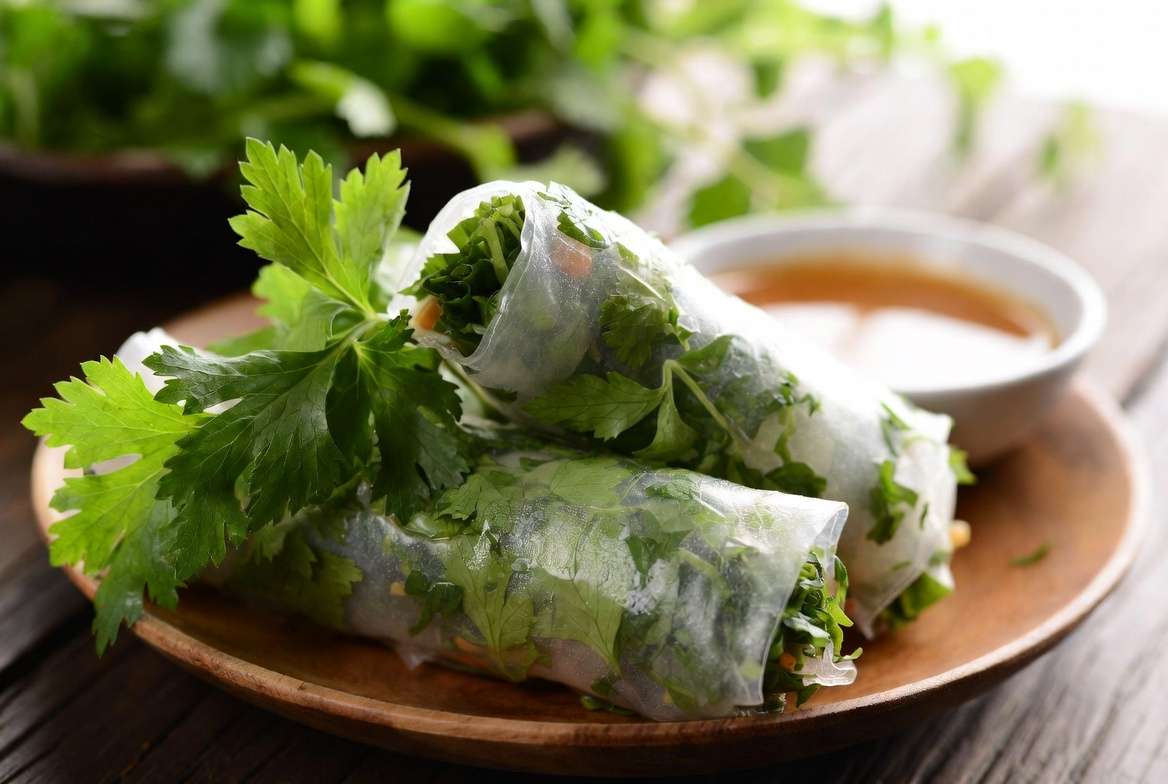
Growing your own means endless culinary creativity and superior flavor compared to store-bought herbs.
Propagating and Sharing Your Vietnamese Coriander Plants
One of the joys of this herb is how easily it propagates.
Easy Methods:
- Water propagation (as detailed earlier) — nearly 100% success.
- Division of established clumps in spring.
- Layering stems that touch soil.
Overwintering Strategies in Cooler Climates:
- Bring pots indoors before first frost.
- Maintain bright light and reduce watering slightly.
- Take cuttings in fall to start fresh indoor plants.
Share rooted cuttings with friends and neighbors — it makes wonderful gifts and builds community around homegrown Asian herbs.
Frequently Asked Questions (FAQs) ❓
Is Vietnamese coriander the same as mint? No. While both enjoy moist conditions, Vietnamese coriander has a distinct peppery-citrus flavor and different leaf shape.
Can Vietnamese coriander plants grow indoors? Yes! Provide bright indirect light or grow lights and consistent moisture. Many gardeners succeed on sunny windowsills.
How fast does it grow? Under ideal conditions, expect harvestable leaves within 4–6 weeks from cuttings. It spreads quickly once established.
Is it invasive? In warm, moist ground it can spread via rhizomes. Containers are best for control.
Is Vietnamese coriander toxic to pets? Generally considered safe in small amounts, but consult a vet for specific pets as individual sensitivities vary.
Why do my plants keep dying? Most often due to poor drainage or inconsistent watering. Review the soil and watering sections above.
Can I grow it from grocery store bunches? Absolutely — this is one of the easiest and cheapest ways to start!
Additional FAQs can cover topics like seed saving, flavor changes, and comparisons to other herbs.
Conclusion: Start Your Vietnamese Coriander Journey Today 🌟
Vietnamese coriander plants are a rewarding, flavorful addition to any herb garden or kitchen windowsill. By following this comprehensive guide — from choosing the right conditions to advanced harvesting techniques — you’ll enjoy healthy, abundant harvests that elevate your home cooking and solve the common frustrations of growing heat-sensitive herbs.
Whether you’re just starting or expanding your collection, the key is consistent care, proper moisture, and regular harvesting. Your Rau Răm will thank you with vigorous growth and aromatic leaves.
Share your Vietnamese coriander success stories in the comments, ask questions, and explore more plant care guides on the site. Happy gardening — may your harvests be plentiful and delicious! 🍜🌿











