
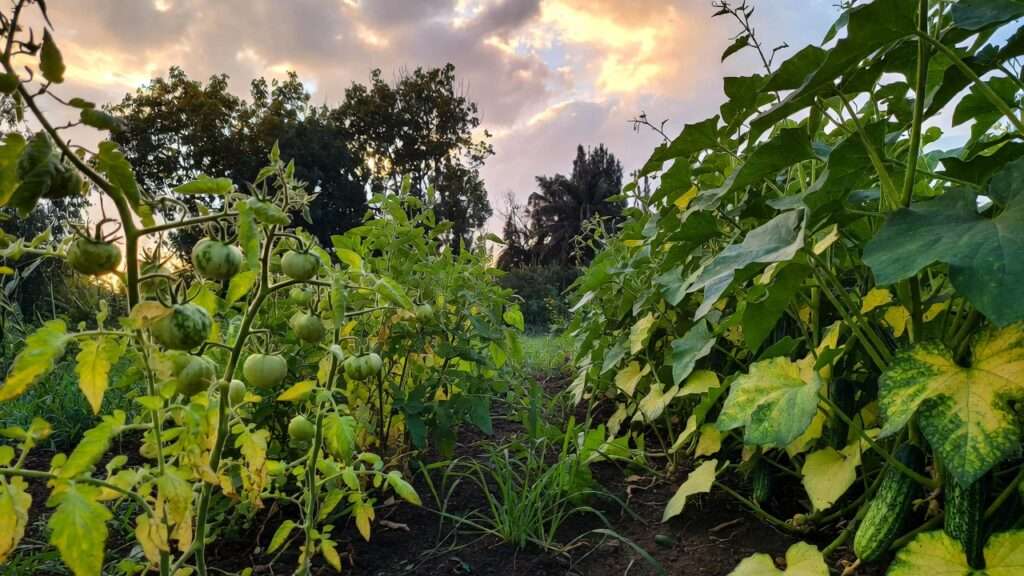
Imagine stepping into your lush garden one humid morning in Barisal, only to discover your beloved tomato plants sporting bizarre yellow-green mottled patterns, twisted leaves, and fruits that look strangely marbled or undersized. Your once-vibrant cucumbers are stunted, barely climbing the trellis, and your papaya trees show odd ring-like spots on the leaves. 😔 What invisible culprit is quietly sabotaging your hard work?
This is the heartbreaking reality of viral plant diseases — one of the most insidious threats to home gardens, orchards, and small-scale farms worldwide. Unlike fungal or bacterial infections that often announce themselves with visible mold or rot, plant viruses work silently, hijacking plant cells to multiply while robbing your crops of vigor, yield, and beauty. In tropical and subtropical regions like Bangladesh, with high humidity and year-round growing seasons, these viruses thrive, spreading rapidly through aphids, thrips, contaminated tools, and even infected seeds. 🌧️
Once a plant is infected, there is no cure — the virus persists for the plant’s lifetime, and in many cases, the only solution is removal to protect the rest of your garden. Globally, viral diseases cause billions in agricultural losses annually, affecting everything from vegetables to fruit trees. But here’s the good news: with early detection, smart prevention, and proven management strategies, you can dramatically reduce the risk and keep your plants thriving. 🌱💪
In this comprehensive viral plant diseases overview, we’ll dive deep into the basics of plant viruses, the telltale symptoms to watch for, the most destructive viruses gardeners face in 2026 (including emerging threats), how they spread, accurate diagnosis tips, and — most importantly — practical, expert-recommended ways to protect your garden. Whether you’re a home gardener in Mathba growing tomatoes and brinjal, or caring for mango and papaya trees, this guide goes beyond basic articles to deliver skyscraper-level depth, real-world examples, and actionable advice tailored for humid climates like ours. Let’s arm you with the knowledge to win this invisible battle!
What Are Plant Viruses? Understanding the Basics 🦠
Plant viruses are microscopic, non-living infectious agents consisting of genetic material (RNA or DNA) wrapped in a protein coat. Unlike bacteria or fungi, they cannot reproduce on their own — they must invade living plant cells, hijacking the plant’s machinery to make copies of themselves. This process disrupts normal cell function, leading to the characteristic symptoms we see.
Key differences from other diseases:
- No visible spores, mycelium, or bacterial ooze — symptoms are often systemic and “internal.”
- Antibiotics and most fungicides are useless; viruses laugh at them! 😂
- They are extremely stable — some, like Tobacco Mosaic Virus (TMV), can survive in dried plant debris for decades.
Transmission happens primarily through:
- Vectors — insects like aphids, thrips, whiteflies, and leafhoppers that suck sap and carry the virus from plant to plant.
- Mechanical means — pruning shears, hands, or even brushing against infected plants (especially TMV).
- Seed and pollen — some viruses pass to the next generation.
- Weeds and alternate hosts — acting as reservoirs.
In 2026, with global trade and climate shifts increasing virus movement, understanding these basics is your first line of defense. Prevention truly is worth pounds of cure here!
Common Symptoms of Viral Infections – Spot Them Early! 👀
Early recognition is crucial — the sooner you identify a viral infection, the faster you can isolate the plant and stop spread.
General signs include:
- Mosaic patterns — light and dark green or yellow mottling, like a patchwork quilt on leaves.
- Chlorosis — yellowing between veins or overall pale foliage.
- Stunting — reduced growth, dwarfed plants that never reach full size.
- Distortion — curled, crinkled, shoestring-like, or twisted leaves.
- Ring spots — circular yellow or brown rings on leaves, stems, or fruits.
- Vein clearing — veins turn translucent or yellow.
- Reduced yield, deformed fruits, and in severe cases, plant death (though viruses rarely kill outright).
Here are some real-world visual examples of classic viral symptoms to help you spot trouble fast:
These show typical mosaic and mottling from tobamoviruses like TMV on tomato leaves.
For cucumber mosaic virus (a super common one in our region):

Notice the severe yellow mottling and distortion — classic CMV signs!
And here’s Tomato Spotted Wilt Virus in action, with its dramatic bronzing and ring spots:
Leaf Symptoms (H3): Mosaic, mottling, shoestring leaves (narrow, strap-like). Fruit & Flower Damage (H3): Ring spots, marbling, reduced size, blossom drop 🍅. Whole Plant Effects (H3): Stunting, wilting despite watering, dieback of tips.
If you see these, don’t wait — act fast!
The Most Common & Destructive Viral Plant Diseases (H2 – Core Skyscraper Section) 🔥
Here in Mathba, Barisal, with our warm, humid climate and intensive vegetable growing (tomatoes, cucumbers, brinjal, papaya, potatoes), certain viruses hit hardest. Below are the top threats gardeners and small farmers face in 2026 — based on global patterns, regional reports, and ongoing outbreaks.
For each virus, I’ll cover symptoms, primary hosts, transmission, impact, and why it’s a big deal locally.
- Tobacco Mosaic Virus (TMV) & Tomato Mosaic Virus (ToMV) These ultra-stable tobamoviruses are classics — they survive in soil, debris, tools, and even on clothing for years! Mechanical spread is king here (pruning, handling). Symptoms: Sharp light/dark green mosaic on leaves, sometimes dark green blisters or fern-like distortion. Fruits may show yellow spots or uneven ripening. Here are clear examples of TMV/ToMV on tomato leaves — notice the characteristic patchwork pattern:
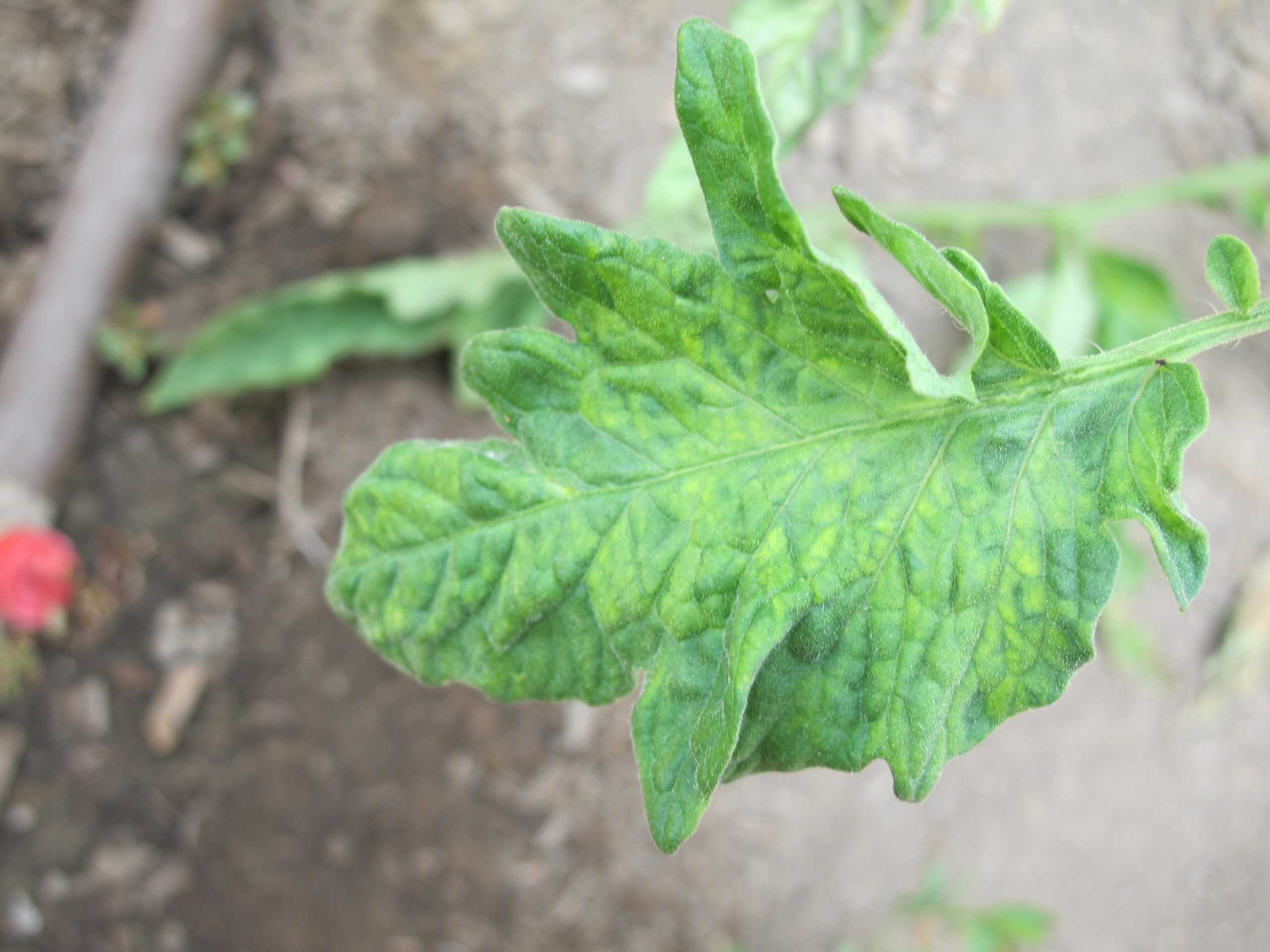
Impact: Yield loss 20–50%, widespread in home gardens due to poor sanitation. Many older tomato varieties are susceptible.
- Cucumber Mosaic Virus (CMV) The aphid-borne champion — infects over 1,200 plant species! Thrives in our humid summers. Symptoms: Bright yellow mottling, leaf distortion, shoestring leaves, stunted plants, poor fruit set. Cucumbers often become bitter and bumpy. Check these real photos of severe CMV distortion:

Impact: Devastating for cucurbits (cucumber, bottle gourd, pumpkin) and tomatoes — can wipe out 70–90% of yield if aphids are uncontrolled.
- Tomato Spotted Wilt Virus (TSWV) Thrips-vectored tospovirus — causes dramatic bronzing and ring spots. Very common in rainy seasons. Symptoms: Bronze patches, ring/spot patterns on leaves/fruits, wilting, tip dieback. Fruits show concentric rings or mottling. Dramatic visuals here:

Impact: High losses in tomatoes, peppers, and ornamentals — thrips make it hard to control.
- Papaya Ringspot Virus (PRSV) Major threat to papaya in tropical Asia, including Bangladesh — aphid-transmitted potyvirus. Symptoms: Ring spots on leaves/fruits, mosaic, leaf distortion, stunted growth, reduced fruit quality. Spot the rings in these examples:
Impact: Can destroy entire papaya orchards — yield drops 50–100% in susceptible varieties.
- Potato Virus Y (PVY) Common in potatoes and tomatoes/peppers — aphid spread, causes mosaic and yield loss. Symptoms: Mottling, vein necrosis, leaf drop. Impact: Reduces tuber size and quality — big problem for potato growers.
Emerging Threat in 2026: Tomato Brown Rugose Fruit Virus (ToBRFV) 🚨 This new tobamovirus (first detected ~2014–2015 in Middle East) has exploded globally — now in dozens of countries across Asia, Europe, Americas. It overcomes traditional TMV/ToMV resistance genes (Tm-2²) and spreads mechanically like wildfire via tools, hands, seeds, and contaminated fruit. Symptoms: Brown rugose (wrinkled) spots on fruits, mosaic on leaves, yellow spots, reduced yield. No widespread reports yet in Bangladesh (as of early 2026), but it’s a looming danger with imported seeds/seedlings and trade. Stay vigilant — many sources call it the most serious current threat to tomato production worldwide!
How Viral Diseases Spread – Know Your Enemy’s Tactics 🦟🔄
Understanding transmission pathways is the key to breaking the infection cycle. Here are the main ways viruses travel in home gardens and small farms:
- Insect Vectors (the #1 culprit in our humid climate) Aphids, thrips, whiteflies, and leafhoppers act like flying taxis. They feed on an infected plant, pick up the virus, then move to healthy ones — often within seconds.
- CMV and PVY = non-persistent (aphids transmit quickly after short feeding).
- TSWV = persistent (thrips keep the virus longer). In Mathba’s rainy season, aphid populations explode — one infected weed patch can spark a garden-wide outbreak!
- Mechanical Transmission Your hands, pruning shears, stakes, or even tying string can transfer stable viruses like TMV/ToBRFV. A single contaminated tool can infect dozens of plants in minutes. Fun fact: TMV remains infectious on dried tobacco for over 50 years — talk about tough! 😱
- Seed & Pollen Transmission Some viruses (e.g., certain strains of CMV, ToMV) pass directly into seeds. Buying cheap, uncertified seeds is a common way new viruses enter gardens.
- Weed & Alternate Host Reservoirs Many viruses survive on wild plants (nightshade weeds, amaranth, black nightshade). These act as “silent carriers” — aphids feed there, then jump to your crops.
- Human Activities & Global Trade Imported seedlings, shared cuttings, or even discarded infected fruits from markets can introduce exotic strains like ToBRFV.
Quick takeaway: Most spread is preventable with good habits — more on that soon!
Diagnosis: Is It Really a Virus? 🔍
Not every yellow leaf or stunted plant is viral. Many gardeners confuse viruses with:
- Nutrient deficiencies (e.g., magnesium = interveinal yellowing)
- Herbicide drift (distorted, cupped leaves)
- Fungal diseases (powdery mildew, early blight)
- Environmental stress (heat, drought, overwatering)
DIY Diagnostic Tips
- Look for systemic patterns — symptoms appear on new growth and spread throughout the plant (typical of viruses).
- Check for mosaic + distortion combo — very virus-specific.
- Rule out pests — aphids or thrips present? Likely vectoring virus.
- Test one plant — remove a suspect leaf, rub it on a healthy indicator plant (e.g., tobacco or petunia for TMV). If symptoms appear in 7–14 days, virus confirmed (old-school but effective!).
When to Get Professional Help
- Send samples to the nearest agricultural university lab (e.g., BAU in Mymensingh or local DAE office) for ELISA or PCR testing — accurate and increasingly affordable.
- In 2026, smartphone apps with AI image recognition (like PlantVillage or local Bangla-language versions) are getting surprisingly good at preliminary diagnosis.
Early and accurate identification saves the rest of your garden!
Prevention & Management – Your Best Defense (No Cure Exists!) 💪🌱
Since there is no chemical cure for plant viruses once infection occurs, prevention and rapid response are everything. Here’s the expert-level, layered strategy I recommend for gardeners in humid regions like Barisal:
A. Cultural Practices (Your Strongest Weapon)
- Use certified virus-free seeds and resistant varieties Look for labels like “TMV resistant,” “ToMV resistant,” or “high resistance to CMV/TSWV.” 2026 top picks for our region:
- Tomato: ‘Tygress’, ‘Tribute’, ‘Sakata’ hybrids (ToBRFV tolerance emerging)
- Cucumber: ‘Marketmore 76’, ‘Poinsett’ series
- Papaya: ‘Red Lady’ (some PRSV tolerance)
- Strict Sanitation
- Disinfect all tools between plants (10% bleach solution, 1 minute soak).
- Remove and burn/destroy infected plants immediately — do not compost! 🔥
- Never smoke tobacco near plants (TMV source).
- Wash hands and change clothes after handling suspect plants.
- Weed & Alternate Host Control Keep garden borders clean of nightshades, amaranth, and other reservoir weeds.
B. Vector Management (Break the Insect Chain)
- Use reflective mulches (silver plastic) — confuses aphids and reduces landing by 50–80%.
- Install fine insect netting/row covers over young plants.
- Release beneficial insects (ladybugs, lacewings) or encourage them with companion flowers. 🐞
- Apply insecticidal soaps, neem oil, or horticultural oils early morning — target aphids/thrips safely without harming pollinators.
C. Garden Hygiene & Crop Rotation
- Rotate crops (avoid planting tomatoes/potatoes in same spot for 3+ years).
- Remove old crop debris at season end.
- Space plants properly for good airflow — reduces humidity-loving vectors.
Integrated Pest Management (IPM) Tip Combine all methods above — studies show IPM reduces viral incidence by 70–90% compared to no management. Patience and consistency win here!
Special Focus: Protecting Trees & Woody Plants from Viruses 🌳🛡️
While most viral disease discussions focus on vegetables, fruit trees, mango, citrus, papaya, guava, and other woody perennials in our Barisal region face their own serious viral threats. These infections can persist for years (even decades) in long-lived trees, gradually reducing fruit quality, size, and overall tree vigor.
Common Viruses Affecting Trees in Tropical/Subtropical Climates (2026)
- Citrus Tristeza Virus (CTV)
- Widespread in Bangladesh citrus orchards (especially mandarins & sweet oranges)
- Symptoms: Quick decline (sudden wilting/death on susceptible rootstocks), stem pitting, yellowing, small misshapen fruits
- Transmission: Aphids (Toxoptera citricida is most efficient)
- Impact: Can kill mature trees within 1–3 years on sensitive rootstocks
- Papaya Ringspot Virus (PRSV) – already covered, but critical for backyard papaya trees
- Often starts with ring spots → progresses to severe stunting and poor fruit set
- Plum Pox Virus (PPV) – emerging concern for stone fruits (plum, peach, apricot) in northern Bangladesh
- Symptoms: Pox-like rings/shots on fruits, leaf distortion
- Highly regulated internationally
- Apple Mosaic Virus & other Ilarviruses – occasional in apple/guava
- Bright yellow mosaic patterns on leaves
Management Differences for Trees vs. Vegetables
- Removal is drastic — infected trees are usually removed only when severely declining (to prevent spread).
- Use certified virus-tested planting material — this is non-negotiable for new orchards or home saplings.
- Grafting — avoid taking budwood/scions from unknown sources.
- Vector control is lifelong — regular monitoring for aphids and application of systemic insecticides (when permitted) on young trees.
- Top-working (re-grafting healthy scions onto infected rootstocks) sometimes works for mild cases.
- Long-term strategy: Plant resistant/tolerant rootstocks (e.g., rough lemon for tristeza tolerance).
Protecting trees requires a 5–10 year mindset — start clean and stay vigilant!
Real-World Case Studies & Gardener Success Stories 📖🌱
- The Tomato Mosaic Crisis of 2024 – Mathba Village A local farmer planted 200+ tomato seedlings from an unverified nursery. Within 6 weeks, 70% showed classic TMV mosaic. What worked: Immediate removal of all symptomatic plants, tool disinfection with bleach between every row, switching to resistant hybrid seeds the next season → recovered 85% of expected yield in year 2.
- CMV Outbreak in Summer Cucumbers (2025) Heavy rains brought massive aphid flights. One gardener lost his entire cucumber trellis. Success turnaround: Installed silver reflective mulch, planted marigolds and nasturtiums as trap crops, sprayed neem weekly → next season had only minor infections and double the harvest!
- Papaya Ringspot Lesson in a Backyard Orchard A family in Barisal lost 12 mature papaya trees over two years. Recovery: Replaced with PRSV-tolerant ‘Red Lady’ variety, removed all old infected debris, controlled weeds aggressively → now harvesting healthy fruits again.
These stories show that even after major losses, smart prevention turns the tide.
Frequently Asked Questions (FAQs) ❓
Can viral plant diseases spread to humans or pets? No — plant viruses are highly specific to plants and cannot infect humans, animals, or even most other organisms. You’re safe handling infected plants (just wash hands afterward to avoid spreading to other plants).
Is there any treatment or cure once a plant is infected? Unfortunately, no reliable cure exists in 2026. Infected plants remain infected for life. The best “treatment” is immediate removal to protect healthy ones.
How do I know if my seeds are virus-free? Buy certified, tested seeds from reputable companies (BRAC, BADC, East-West Seed, etc.). Look for labels mentioning virus testing/resistance.
What are the best resistant tomato varieties for our region in 2026? ‘Tygress’, ‘Tribute’, ‘Ansal’, ‘BARI Tomato-14’, and emerging ToBRFV-tolerant hybrids from multinational breeders.
Can companion planting help prevent viral diseases? Yes, indirectly! Marigolds, nasturtiums, garlic, and basil can repel or trap aphids/thrips, reducing vector pressure.
Conclusion & Final Tips 💚🌟
Viral plant diseases are silent, stubborn, and sometimes heartbreaking — but they are far from unbeatable. With early symptom recognition, strict sanitation, resistant varieties, vector control, and consistent garden hygiene, you can keep your tomatoes juicy, your cucumbers climbing, your papaya sweet, and your mango trees strong for many seasons to come.
Your Action Plan Today
- Walk your garden this week — look closely at leaves and fruits for mosaic, rings, distortion.
- Disinfect all tools tonight.
- Plan your next planting with certified/resistant seeds.
- Share your photos or experiences in the comments — let’s help each other stay one step ahead!
Knowledge + vigilance = thriving garden victory. You’ve got this, fellow gardener! 🌱✨
If you found this viral plant diseases overview helpful, save it, share it with other plant lovers in Mathba and Barisal, and subscribe for more in-depth plant care guides tailored to our beautiful delta region.
Happy gardening — and may your plants stay virus-free! 🍅🥒🌳











