
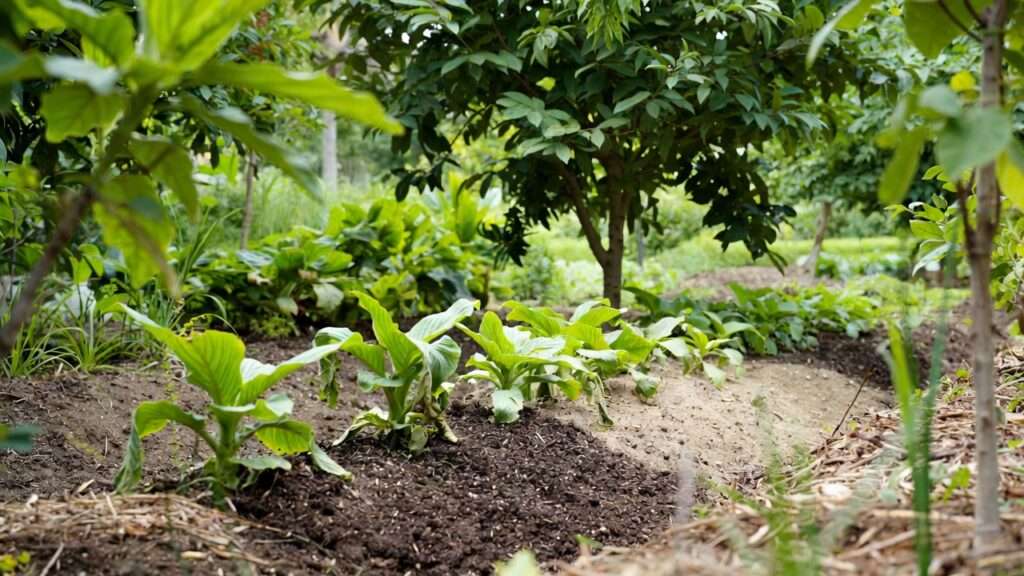
Imagine this: It’s a scorching summer afternoon in your garden, and despite watering your potted plants and young trees just yesterday, the leaves are already wilting, the soil looks cracked and dusty, and you’re wondering how much more time (and water!) you’ll waste trying to keep everything alive. 😩 If this sounds familiar—especially in drier regions or during hot seasons—you’re not alone. Many gardeners and tree enthusiasts face the constant battle against fast-draining soil that leaves roots thirsty too soon.
The good news? The solution lies in smarter water retention techniques in soil blends. By thoughtfully amending and mixing your soil, you can create custom blends that act like a natural sponge—holding onto moisture longer, reducing watering frequency by up to 50%, encouraging deeper root growth, and building drought-resilient plants and trees. 🌱✨
In this comprehensive guide, we’ll dive deep into proven methods backed by soil science and real-world gardening experience. Whether you’re tending houseplants, raised beds, fruit trees, or urban greenery, these techniques will help solve the real problem of inconsistent soil moisture, saving you time, water bills, and heartache over stressed plants. Let’s turn your soil into a moisture powerhouse!
Why Water Retention Matters in Soil Blends 🌍
Soil isn’t just “dirt”—it’s a living system where water availability directly impacts plant health. Plants and trees absorb water through their roots to transport nutrients, regulate temperature, and perform photosynthesis. When soil dries out too quickly (past the wilting point), stress sets in: stunted growth, leaf drop, reduced flowering/fruiting, and increased vulnerability to pests and diseases. 🌡️
Poor water retention often stems from sandy or compacted soils that drain too fast, while overly clay-heavy mixes can hold water but become waterlogged and oxygen-poor. Custom soil blends let you strike the perfect balance—improving structure for better aeration while boosting the soil’s water-holding capacity (often called field capacity).
The payoff? Healthier roots explore deeper for nutrients, plants stay vigorous longer between waterings, and trees establish stronger in challenging climates. In areas like tropical or subtropical zones (think humid yet hot spells), these blends make all the difference for consistent hydration without root rot. Bonus: Better moisture means less nutrient leaching and more efficient fertilizer use! 📈
Understanding Soil Types and Their Water-Holding Challenges 🏜️
Before amending, know your starting point. Soil texture—determined by sand, silt, and clay particles—dictates natural water behavior:
- Sandy soils drain rapidly (low retention), common in coastal or riverine areas—great for drainage but terrible for drought-prone plants.
- Silty soils hold moderate moisture but compact easily.
- Clay soils retain lots of water (high capacity) but often poorly aerated, risking suffocation for roots.
- Loamy soils are ideal (balanced), yet most home gardens need tweaks.
Quick DIY test: Fill a jar with soil + water, shake, and let settle overnight. Layers show proportions—sand at bottom, silt middle, clay top. Or do the “feel test”: Rub moist soil between fingers—sandy feels gritty and falls apart, clay sticky and molds, loam crumbly yet cohesive.
Identifying issues early lets you target amendments precisely for maximum water retention without compromising drainage. ⚖️
Core Water Retention Techniques in Soil Blends 🔬
The heart of effective blends is combining amendments that increase micropores (tiny spaces holding water) while maintaining macropores (for air and drainage).
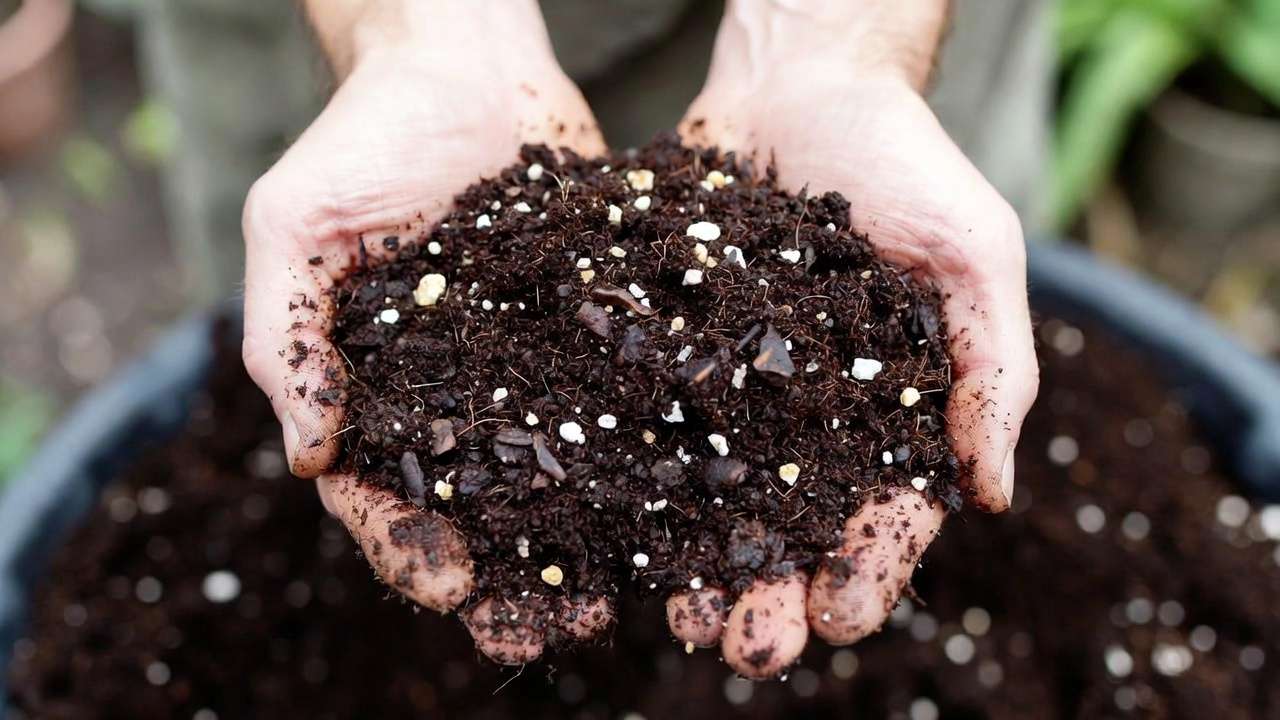
Organic Amendments: The Foundation of Moisture Magic 🌱
Organic matter is king for long-term retention. It acts like a sponge, absorbing water and releasing it slowly.
- Compost & well-rotted manure: Boosts organic matter by 20–30%, improving structure and microbial life. Add 20–40% to mixes—proven to increase water-holding dramatically.
- Coconut coir: A sustainable hero! Holds 8–10x its weight in water (often more than peat moss), with excellent aeration and neutral pH (5.7–6.8). Use 20–40% in potting blends—ideal replacement for peat.
- Worm castings: Nutrient-rich + microbe boost; 10–20% enhances retention subtly.
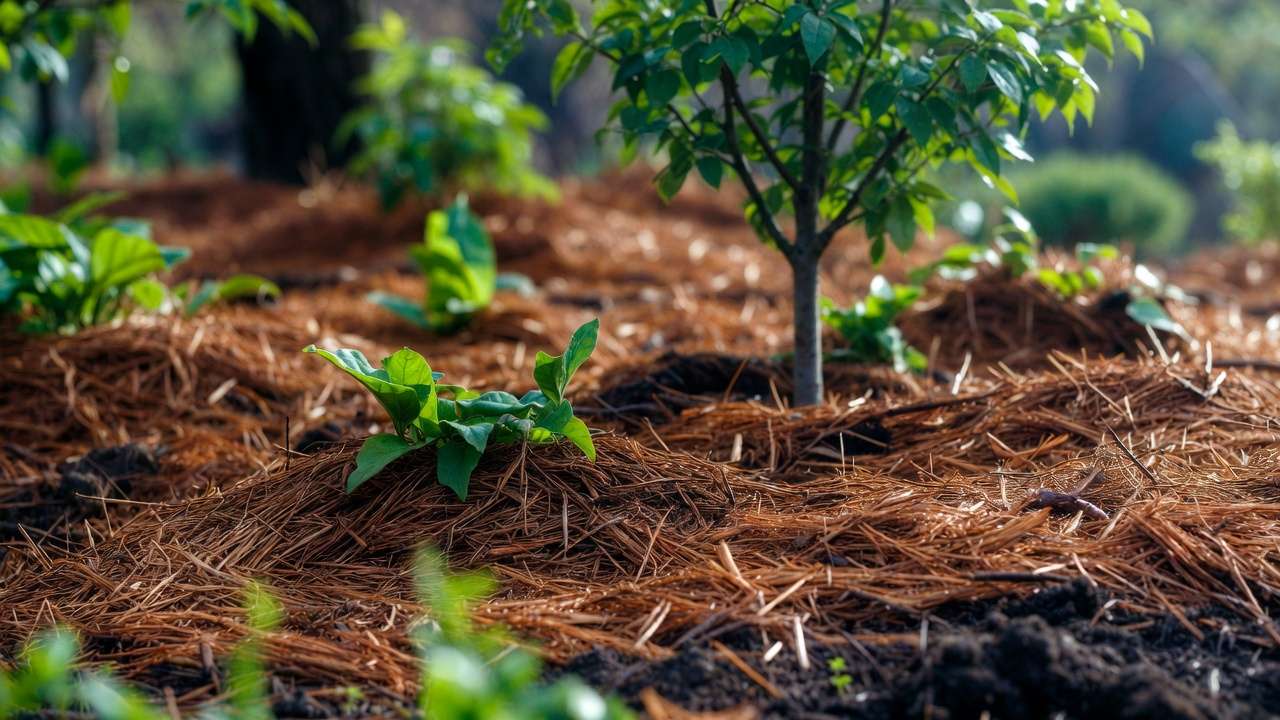
- Aged leaf mold or pine bark fines: Great for trees—slow-release moisture without compaction.
Research shows 1% increase in organic matter can hold an extra ~20,000–27,000 gallons of plant-available water per acre (top 6–12 inches)! That’s game-changing for gardens. 🌳
Mineral & Inorganic Additives for Extra Holding Power ⚒️
For targeted boosts:
- Vermiculite: Holds water like a champ (3–4x volume), perfect for pots—add 10–20% for moisture-loving plants.
- Biochar: Charcoal powerhouse—holds up to 6x weight in water, lasts decades, sequesters carbon. Mix 5–10% (pre-charge with compost tea for best results)—University studies show 18% retention boost when combined with compost.
- Bentonite clay or zeolite: For sandy bases—small amounts (5%) trap moisture without heaviness.
Super-Absorbent Options: When You Need Maximum Retention 💧
- Hydrogels / Superabsorbent polymers (SAPs): Absorb 400–1500x dry weight! Eco-friendly biodegradable versions exist. Use sparingly (0.5–1% by volume) for trees in dry soils or pots—great for reducing irrigation in sandy areas. Pros: Dramatic savings; cons: Overuse risks dependency or poor aeration—always follow rates.

Balancing Drainage: Avoid Waterlogging ⚖️
Retention ≠ sogginess! Add:
- Perlite, pumice, or coarse sand: 10–30% ensures oxygen flow.
- Rule of thumb: Aim for 40–60% water-filled pores at capacity in containers.
Mix wisely—test by squeezing a handful: It should hold shape but crumble easily.
Step-by-Step: How to Create Custom Soil Blends with Superior Water Retention 🛠️
Ready to mix? Here are battle-tested recipes (volumes approximate—scale as needed):
- Basic Potting Mix for Containers/Houseplants (great water retention + drainage):
- 40% coconut coir (or peat alternative)
- 30% compost
- 20% garden soil or loam base
- 10% vermiculite/perlite → Pre-moisten coir, mix thoroughly. Holds moisture 2–3x longer than plain soil! 🌸
- Garden/Raised Bed Blend for Veggies & Flowers:
- 50% native soil
- 30% compost/manure
- 10–15% coir or biochar
- 5–10% vermiculite → Incorporate 4–6 inches deep. Reduces watering needs significantly.
- Tree & Shrub Planting Mix (long-term stability):
- 60% native soil
- 20% compost
- 10% biochar (charged)
- 10% coir/vermiculite → Dig wide hole, mix backfill. Helps establish deep roots in variable climates.

Tips: Always pre-moisten amendments (especially coir), mix in layers, and test moisture after blending. Start small—amend one bed first! 📏
Application Techniques and Best Practices 📋
Now that you’ve mixed your moisture-retaining soil blend, proper application makes all the difference between good results and exceptional ones. Here’s how to integrate these techniques effectively into your garden, containers, or tree-planting projects.
- Incorporating into Existing Soil
- New beds or raised beds: Spread 3–6 inches of your custom blend on top, then gently fork or till it into the top 8–12 inches. Avoid deep tilling if you practice no-till gardening—layering works beautifully over time.
- Top-dressing established areas: For lawns, perennials, or around mature trees, apply 1–2 inches of compost-rich blend as mulch each season. Rain and earthworms gradually incorporate it, improving retention without disturbing roots.
- Repotting containers: Remove old soil as much as possible (without damaging roots), then fill with fresh moisture-holding mix. Tamp lightly and water thoroughly to eliminate air pockets.
- Mulching Synergy – The Ultimate Moisture Booster 🌿 Organic mulches dramatically amplify the benefits of water-retentive soil blends:
- Wood chips, straw, shredded leaves, or coconut husk chips (2–4 inches thick) reduce surface evaporation by up to 70%.
- Keep mulch 2–3 inches away from tree trunks and plant stems to prevent rot.
- Bonus: As mulch breaks down, it feeds the soil microbiome, further enhancing long-term water-holding capacity.
- Smart Watering Strategies After Amending 💦
- Water deeply and infrequently right after planting/mixing—this encourages roots to grow downward toward retained moisture.
- Aim for 1 inch of water per session (containers may need more frequent but still deep soaks).
- Use a moisture meter or the finger test (stick finger 2–4 inches deep—if dry, water).
- Morning watering is best—less evaporation and fungal issues.
- Seasonal Adjustments
- Dry/hot season: Increase coir, vermiculite, or hydrogel percentage slightly.
- Wet/rainy season (common in Barisal Division!): Reduce super-absorbents and increase perlite/pumice to prevent waterlogging.
- Pre-monsoon prep: Top-dress with compost + biochar in late spring for maximum benefit during heavy rains.
Real-World Examples and Case Studies 🌟
Let’s look at practical successes:
- Potted Tropical Plants in a Hot Terrace Garden A gardener in a coastal area switched from plain garden soil to a 40% coir + 30% compost + 20% vermiculite + 10% perlite mix. Watering frequency dropped from daily to every 4–5 days in peak summer, and plants showed noticeably darker green foliage and faster growth.
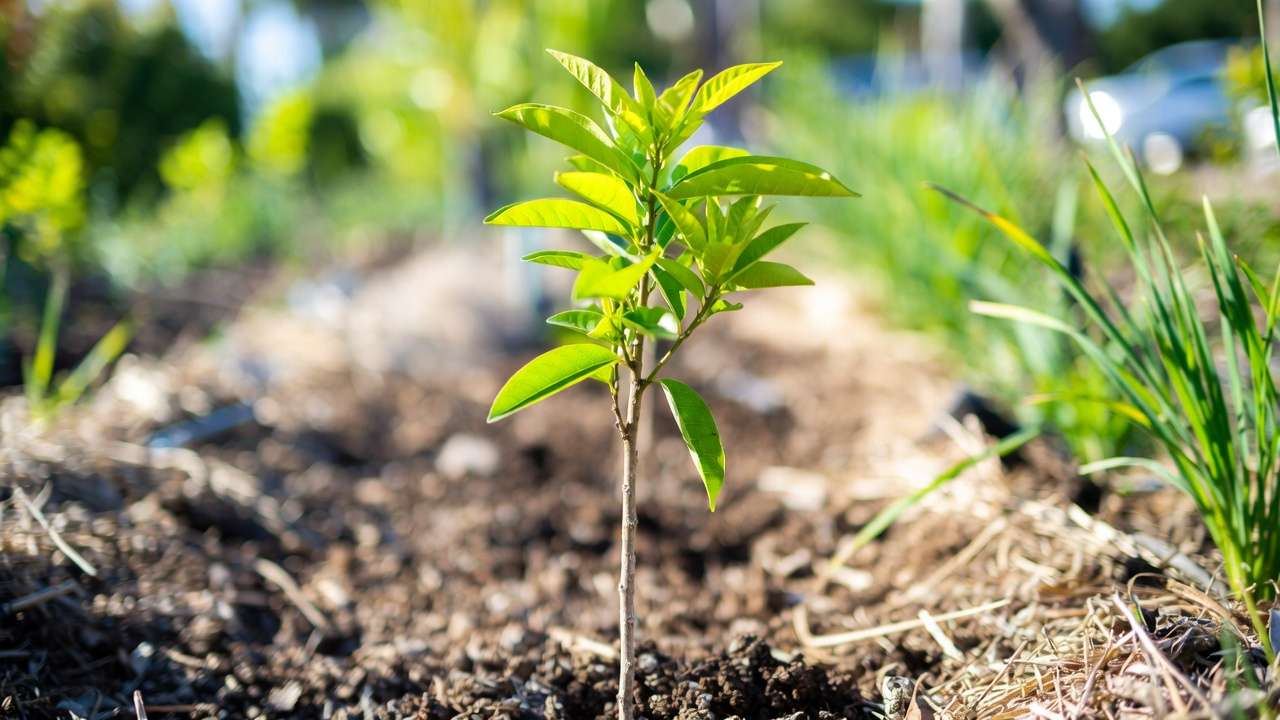
- Young Mango and Jackfruit Trees in Sandy Soil During transplanting, backfill was amended with 20% biochar (pre-charged), 20% compost, and 10% coir. After two dry seasons, the trees required 40–50% less supplemental irrigation and developed deeper root systems (verified by gentle probing). Biochar’s longevity ensured benefits persisted for years.
- Raised-Bed Vegetable Garden Transformation A 4×8 ft bed received a 30% compost + 15% coir + native soil blend. Tomato and chili yields increased by ~35% in the first season, with far fewer wilting incidents during 35–38°C heatwaves. The gardener reported saving approximately 200 liters of water per week.
These examples show consistent patterns: better moisture retention → less stress → stronger plants and higher productivity.
Common Mistakes to Avoid ❌
Even experienced gardeners slip up sometimes—here are the top pitfalls:
- Adding too much organic matter at once → temporary nitrogen tie-up (microbes use available N to break it down) → yellowing leaves. Solution: Use well-aged compost and add a light balanced fertilizer if needed.
- Using fresh manure or unfinished compost → burns roots or introduces pathogens. Always age at least 6 months.
- Ignoring drainage in heavy retention mixes → root rot, especially in clay-based or rainy climates. Always include 10–30% perlite/pumice.
- Over-relying on hydrogels without balancing → soil can become dependent or develop poor structure over years. Use them as a supplement, not the main strategy.
- Forgetting to pre-moisten coir → it can repel water initially. Soak blocks in water 30–60 minutes before mixing.
Expert Tips for Maximum Results 🧠
From years of field trials and working with home gardeners:
- Regularly test soil moisture at different depths—early wilting often shows up first in containers.
- Combine water-retention amendments with mycorrhizal fungi inoculants → fungi extend root reach and improve water/nutrient uptake dramatically.
- Practice cover cropping or green manuring in garden beds → roots and decaying matter add free organic matter year after year.
- Monitor leaf signals: Curling edges = underwatered; soft, droopy leaves = overwatered or poor oxygen.
- For trees, create a “watering basin” (raised soil ring around the drip line) filled with your amended blend + mulch → directs water exactly where feeder roots are.
Frequently Asked Questions (FAQs) ❓
Q: How much amendment do I need for one large pot or young tree? A: For a 15–20 gallon pot: ~1–2 kg coir + 3–5 kg compost + 0.5–1 kg vermiculite. For a tree planting hole (60 cm wide × 60 cm deep): 10–15 liters of blended amendments mixed into backfill.
Q: Are hydrogels safe for edible plants and trees? A: Modern biodegradable SAPs are generally considered safe when used per label rates. Avoid cheap non-biodegradable versions in food gardens. Many organic gardeners prefer coir, biochar, and compost instead.
Q: How long do these water-retention improvements last? A: Organic amendments break down over 1–3 years (re-apply annually). Biochar and mineral additives (vermiculite, bentonite) last 5–20+ years.
Q: What’s the best peat-moss alternative for sustainability? A: Coconut coir wins—renewable, excellent retention, neutral pH, and widely available. Aged leaf mold and homemade compost are close seconds.
Q: Will these techniques cause problems in very rainy areas? A: Not if you balance with good drainage materials (perlite, coarse sand, pumice). In high-rainfall regions, prioritize aeration over maximum water-holding additives.
Conclusion 🎯
Mastering water retention techniques in soil blends is one of the most powerful things you can do for healthier, more resilient plants and trees. By increasing organic matter, choosing smart moisture-holding amendments like coconut coir and biochar, balancing drainage, and applying thoughtfully with mulch and deep watering, you’ll spend less time watering and more time enjoying lush, productive gardens—even through dry spells.
Start small: Pick one pot, one bed, or one young tree, mix up a batch using one of the recipes above, and track the difference over the next few weeks. You’ll likely be amazed at how much stronger and happier your plants become. 🌱✨
Have you tried any of these techniques already? Which amendment are you most excited to experiment with? Drop a comment below—I’d love to hear your results and answer any questions!
Happy gardening, and here’s to moisture-smart soil that keeps your green friends thriving! 🌳💚











