
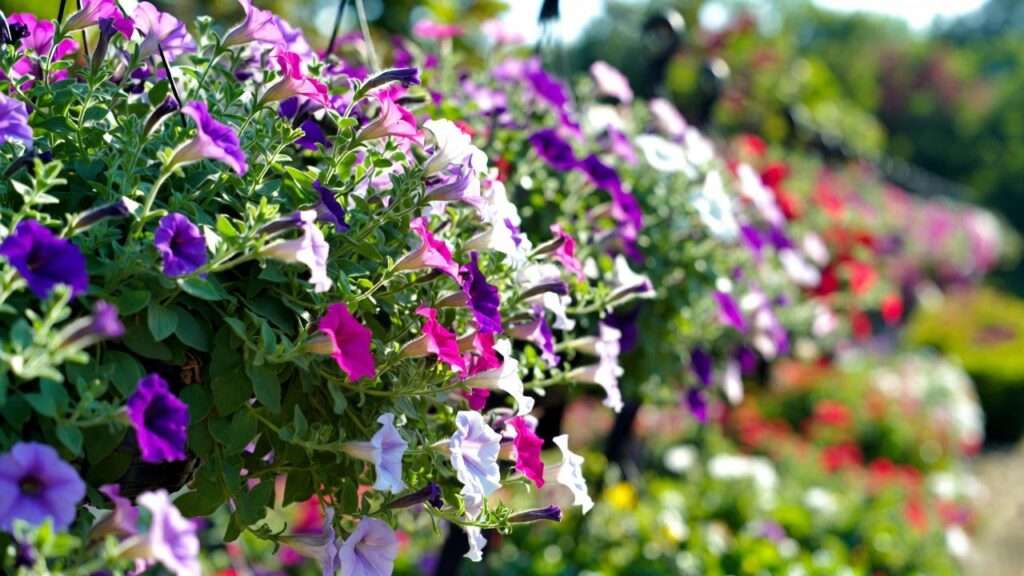
Imagine stepping into your garden on a warm summer morning and being greeted by a breathtaking cascade of vibrant purple, pink, and white blooms spilling over hanging baskets or carpeting your flower beds in a riot of color that lasts from spring straight through to the first frost. That’s the magic of Wave petunia plants – the award-winning spreading petunias that have revolutionized home gardening with their low-maintenance, nonstop flowering power. 🌺
If you’ve ever struggled with petunias that fizzle out mid-season or require constant deadheading, Wave petunias are the game-changer you’ve been waiting for. These vigorous hybrids deliver explosive color with minimal effort, making them perfect for beginners and busy gardeners alike. In this ultimate guide, written by a horticulturist with over 15 years of hands-on experience growing Wave petunias across various climates and conditions, I’ll share proven, easy tips to help you achieve those jaw-dropping, vibrant, nonstop blooms you’ve always dreamed of. Whether you’re planting in containers, baskets, or directly in the ground, you’ll have everything you need for success. Let’s dive in! 🌿
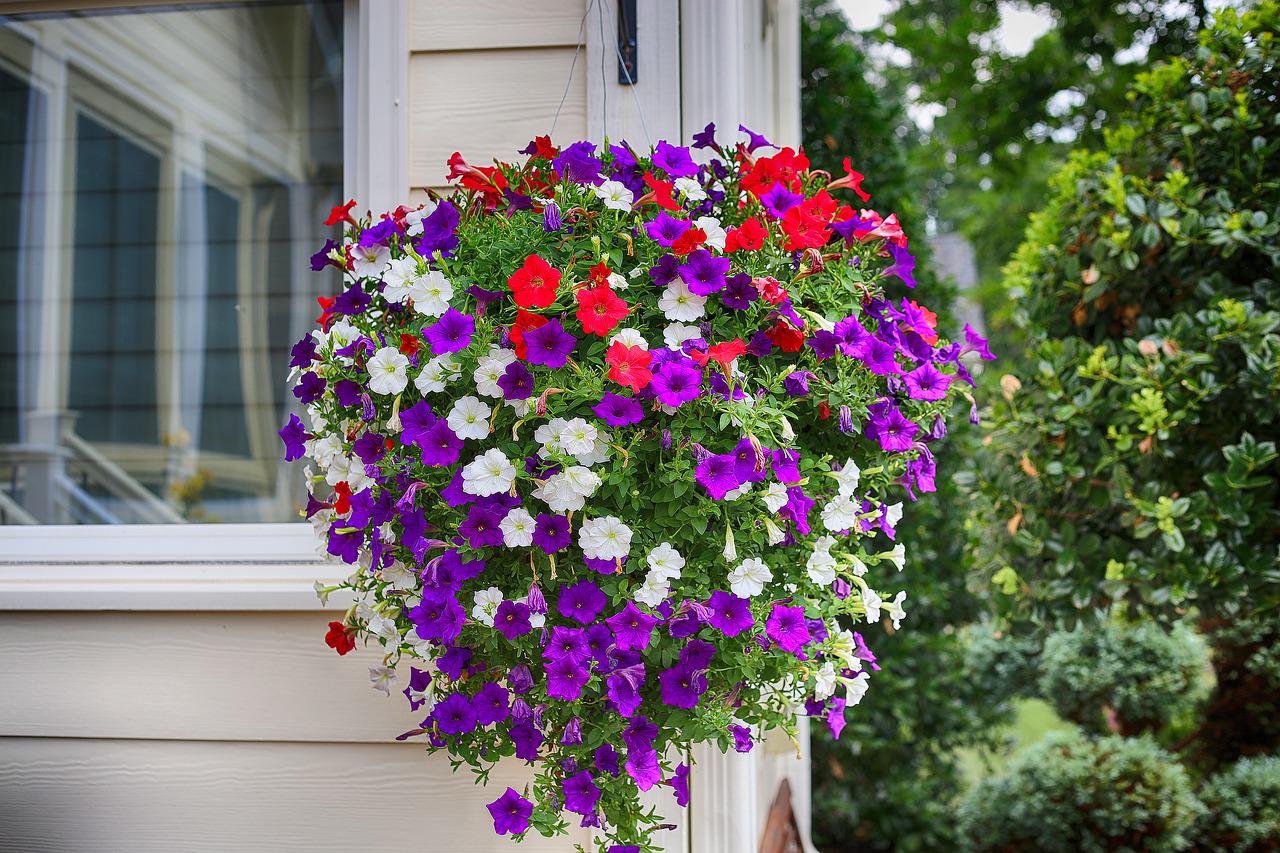
Caption for carousel: Stunning examples of Wave petunia plants in full bloom, cascading from hanging baskets and creating vibrant displays.
What Are Wave Petunia Plants? Understanding This Award-Winning Series 🌟
Wave petunias (Petunia x hybrida Wave series) are a breakthrough in petunia breeding, introduced in the mid-1990s by PanAmerican Seed (now part of Ball Horticultural Company). They earned instant fame when the original Purple Wave won an All-America Selections (AAS) award for its groundbreaking spreading habit and prolific blooming.
Unlike traditional petunias that grow upright and require frequent deadheading to keep blooming, Wave petunias are bred for vigorous, low-growing, spreading growth. They form dense mats or trailing mounds covered in trumpet-shaped flowers, often hiding the foliage entirely during peak bloom. These hybrids are heat-tolerant, drought-resistant once established, and self-cleaning – meaning spent flowers drop off naturally without needing removal.
The History and Development of Wave Petunias
The Wave series started with Purple Wave in 1995, the first petunia to spread up to 4 feet while staying just 6 inches tall. Breeders continued refining the line, leading to sub-series like Easy Wave, Shock Wave, and Tidal Wave. Today, Waves are among the most popular annuals worldwide, backed by extensive trials from university extensions and proven performance in real gardens.
Key Differences Between Wave, Tidal Wave, Supertunia, and Traditional Petunias
While often compared to Proven Winners’ Supertunia series (another vigorous hybrid line), Wave petunias are distinct:
- Traditional Petunias: Upright, need deadheading, smaller spread.
- Wave Petunias: Classic spreaders (3-4 ft), low height (5-7 inches), medium-large flowers.
- Easy Wave: More mounded, controlled spread (2.5-3 ft), height 6-12 inches, earlier blooming.
- Shock Wave: Compact, early blooming, smaller flowers (1.5-2 inches), spread 2.5-3 ft, ideal for baskets.
- Tidal Wave: Tallest and most versatile (16-22 inches), spread up to 5 ft, can climb with support or form hedges based on spacing.
- Supertunias: Similar vigor but often more mounding/trailing combo, slightly different breeding (Proven Winners vs. Ball/PanAmerican).
Caption: Comparing Wave petunia varieties – from compact Shock Wave to towering Tidal Wave.
Popular Wave Petunia Varieties
Favorites include:
- Purple Wave (classic deep purple)
- Easy Wave Burgundy Velour (rich velvet tones)
- Shock Wave Coconut (pure white)
- Tidal Wave Hot Pink (bold, hedge-forming)
Colors range from pastels to neons, solids to veined patterns.
Why Choose Wave Petunias for Your Garden? Top Benefits 🌈
Wave petunias stand out for:
- Massive Spread: Up to 4-5 feet per plant, perfect as ground cover on slopes or erosion control.
- Nonstop Blooms: Self-cleaning – no deadheading required for continuous flowers.
- Tolerance: Heat, light drought, and some disease resistance.
- Versatility: Excel in hanging baskets, containers, window boxes, borders, or mass plantings.
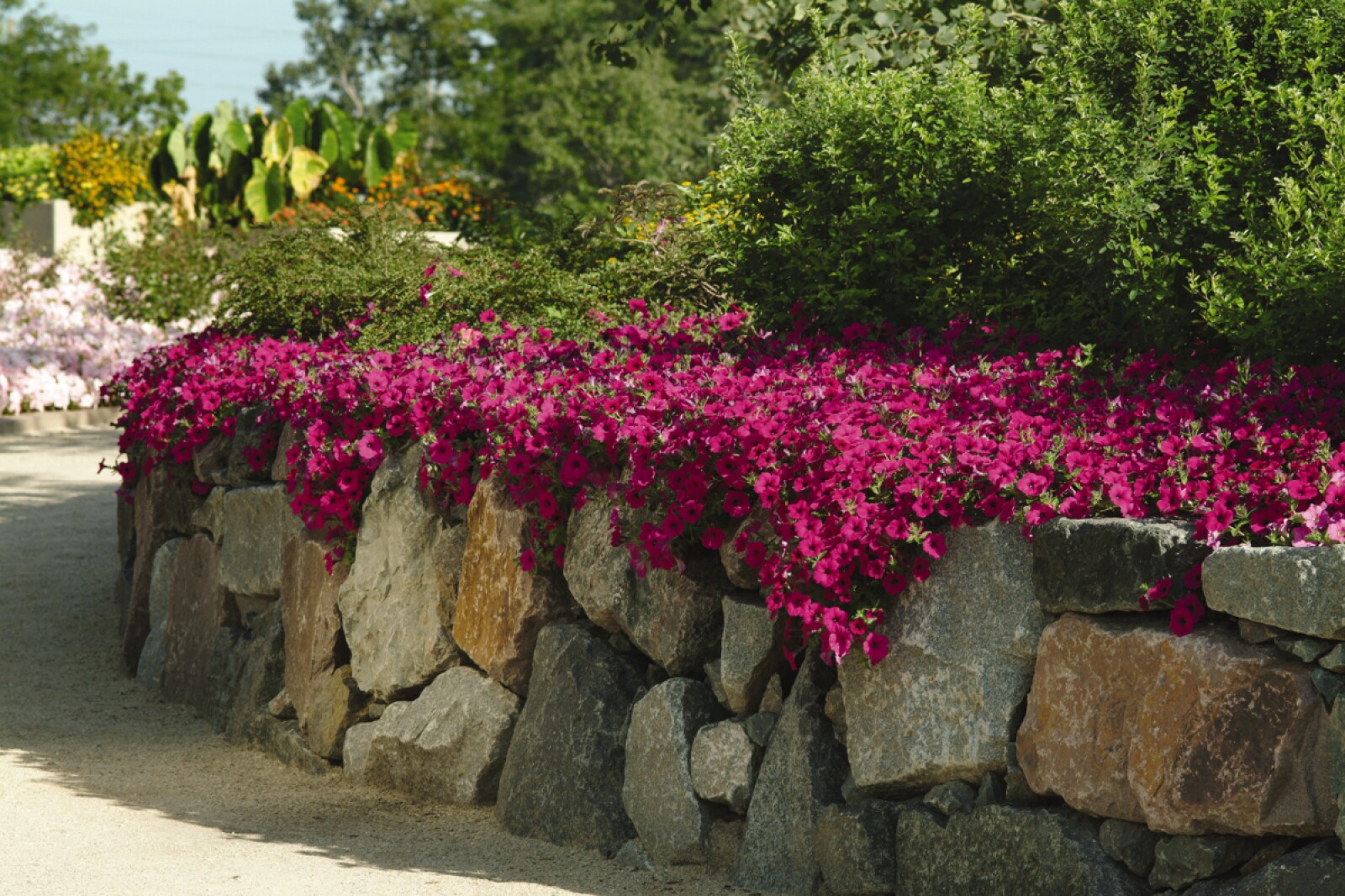
Caption: Wave petunias as spreading ground cover in garden beds.
They attract pollinators and provide months of low-maintenance color.
When and Where to Plant Wave Petunias 📅
Timing and location are crucial for getting your Wave petunia plants off to a strong start. These heat-loving annuals thrive in warm conditions and full sun, but planting too early can stunt growth or cause frost damage.
Best Planting Time by USDA Zone
- Zones 9–11: Treat as perennials; plant in fall or early spring for year-round color.
- Zones 7–8: Plant after last frost (mid-April to May) for summer blooms; possible overwintering indoors.
- Zones 3–6: Plant in late spring (May–June) after all danger of frost has passed. Use as annuals.
Always check your local frost dates via university extension services. I’ve grown Waves successfully in Zone 6 by waiting until soil temperatures reach 60°F (15°C).
Starting from Seed vs. Buying Transplants (Pros & Cons)
Starting Wave petunias from seed is challenging due to tiny seeds and long germination time (10–14 weeks to bloom).
- From Seed: Cheaper, more variety options. Start indoors 10–12 weeks before last frost under grow lights. Pros: Cost-effective for mass plantings. Cons: High failure rate for beginners.
- Buying Transplants: Recommended for most gardeners. Nursery-grown starts bloom sooner and are more reliable. Look for sturdy stems, dark green leaves, and no flowers yet (encourages rooting over blooming).
In my experience, transplants give 4–6 weeks head start on blooms.

Caption: Close-up of planting healthy Wave petunia transplants into prepared soil or containers.
Ideal Sunlight, Soil, and Location Requirements ☀️
- Sunlight: Full sun (6+ hours direct daily). Partial shade reduces blooming dramatically.
- Soil: Well-draining, slightly acidic to neutral (pH 6.0–7.0). Amend heavy clay with compost; use premium potting mix for containers.
- Location: South-facing beds, elevated baskets for drainage, or slopes for spreading display. Avoid low spots where water pools.
Step-by-Step Planting Guide for Success 🛠️
Follow these expert steps for robust establishment and maximum spread.
Preparing the Soil and Containers
For in-ground: Loosen soil to 12 inches deep, incorporate 2–3 inches compost or aged manure. For containers: Use pots with drainage holes; fill with soilless mix amended with slow-release fertilizer.
Proper Spacing for Maximum Spread
Spacing controls habit:
- Classic Wave: 12–18 inches for dense mat.
- Easy Wave: 18–24 inches.
- Tidal Wave: 24–36 inches (closer for hedge, wider for trailing).
Tighter spacing = faster coverage; wider = individual mounds.
Planting Depth and Initial Watering Tips
Plant at same depth as nursery pot. Water deeply after planting to settle roots. Mulch around plants to retain moisture and suppress weeds.
Essential Care Tips for Vibrant, Nonstop Blooms 💧
The secret to those envy-worthy displays? Consistent but not excessive care.
Watering Schedule – How to Avoid Common Mistakes
Wave petunias are drought-tolerant once established but perform best with even moisture.
- Containers/baskets: Water when top 1–2 inches dry (often daily in heat).
- In-ground: 1 inch per week; deep, infrequent watering encourages roots.
- Mistake to avoid: Overhead watering (promotes disease); use soaker hoses or drip.
Pro tip: In extreme heat, baskets may need twice-daily watering.

Caption: Proper watering and fertilizing techniques for container-grown Wave petunias.
Fertilizing Secrets for Explosive Color
Waves are heavy feeders.
- At planting: Incorporate slow-release 14-14-14.
- Ongoing: Weekly liquid feed (half-strength balanced, e.g., 20-20-20) or biweekly bloom booster (higher phosphorus, like 15-30-15).
- Signs of deficiency: Pale leaves = nitrogen needed; few blooms = more phosphorus.
I’ve achieved the most vibrant colors with consistent soluble feeding.
Pruning and Pinching: Do Wave Petunias Really Need Deadheading?
No! Waves are self-cleaning. However, mid-season trim (cut back by 1/3 in July) rejuvenates leggy plants and sparks fresh growth.
Supporting Trailing Growth in Baskets and Beds
Use coco-lined baskets for best drainage. In beds, let them trail naturally over edges.
Common Problems and Proven Solutions 🐛
Even the toughest Wave petunia plants can face challenges, but most issues are preventable or easily fixed with the right knowledge. After growing thousands of Waves over the years, here are the most common problems I see—and my trusted solutions.
Yellow Leaves and Leggy Growth – Causes & Fixes
Yellowing leaves usually signal nutrient imbalance or watering issues:
- Lower leaves yellow: Nitrogen deficiency—feed with balanced fertilizer.
- Overall pale/yellow: Overwatering or poor drainage—let soil dry slightly between waterings.
- Legginess (long stems, few flowers): Insufficient light or overcrowding—move to full sun and trim back by half.
A mid-season “haircut” in late July works wonders for rejuvenation.
Pests (Aphids, Budworms) and Organic Control Methods
- Aphids: Tiny sap-suckers cluster on new growth. Blast with water hose or use insecticidal soap/neem oil weekly.
- Tobacco budworms: Caterpillars that eat flowers/buds. Hand-pick at dusk or use Bt (Bacillus thuringiensis), an organic bacterium safe for pollinators.
- Preventive tip: Encourage beneficial insects with nearby marigolds or alyssum.
Diseases (Powdery Mildew, Root Rot) Prevention and Treatment
- Powdery mildew: White powder on leaves in humid conditions. Improve air circulation, avoid overhead watering, and apply sulfur-based fungicide at first sign.
- Root rot: Soggy soil kills roots. Always use well-draining mix and pots with holes.
Wave petunias have better disease resistance than older varieties, but good cultural practices are key.
Caption: Identifying and treating common Wave petunia pests and diseases before they spread.
Weather-Related Issues: Heat Stress, Frost Protection, Rain Damage
- Heat stress: Wilting despite watering—provide afternoon shade in 95°F+ temps.
- Late spring frost: Cover with frost cloth or bring containers indoors.
- Heavy rain: Can cause flower browning—gentle shake plants after storms.
Expert Tips for Show-Stopping Displays 🎨
Want magazine-worthy results? These pro tricks make all the difference.
- Color combinations: Pair Purple Wave with white Shock Wave and lime-green sweet potato vine for classic contrast. Try Easy Wave Coral Reef with blue lobelia for a tropical vibe.
- Perfect companions: Verbena, calibrachoa, geraniums, and trailing vinca all share similar needs.
- Living mulch: Use Wave petunias under roses or around veggies to suppress weeds and add beauty.
- Overwintering: In zones 7–8, cut back, dig up, pot, and keep in a cool bright spot indoors (50–60°F). Success rate is about 60–70% with good light.
Caption: Stunning color combinations and companion planting ideas with Wave petunias.
Wave Petunias in Containers vs. In-Ground Planting: Which Performs Better? 🪴
Both shine, but here’s a quick comparison:
| Aspect | Containers/Hanging Baskets | In-Ground Planting |
|---|---|---|
| Spread & Trailing | Dramatic cascading effect | Dense ground cover or borders |
| Watering Needs | Higher (daily in summer) | Lower once established |
| Fertilizing | More frequent (weekly) | Less frequent |
| Winter Survival | Must bring indoors | Possible in zones 9–11 |
| Overall Performance | Often more vibrant due to fresh soil | Excellent for large-scale coverage |
My verdict: Containers give the “wow” factor; in-ground offers effortless mass color.
Seasonal Care Calendar for Year-Round Success 📆
- Spring (March–May): Start seeds indoors or buy transplants; plant after last frost; begin fertilizing.
- Summer (June–August): Peak bloom—water/fertilize consistently; trim mid-season if needed.
- Fall (September–October): Reduce fertilizer; enjoy extended color in mild climates; collect seeds if desired.
- Winter (November–February): Clean up dead plants; plan next year’s colors; overwinter cuttings if attempting.
Frequently Asked Questions (FAQ) ❓
Do Wave petunias need deadheading? No! They’re self-cleaning and drop spent blooms naturally.
How far do Wave petunias spread? Classic Wave: 3–4 feet; Tidal Wave: up to 5 feet; Shock Wave: 2–3 feet.
Can Wave petunias grow in shade? They tolerate very light shade but bloom best in full sun (6+ hours).
Why are my Wave petunias not blooming? Common causes: insufficient sun, lack of fertilizer, or root-bound containers.
Are Wave petunias perennial or annual? Tender perennials treated as annuals in most climates (hardy only in zones 10–11).
How often should I fertilize Wave petunias? Weekly with liquid fertilizer or use slow-release at planting plus monthly top-ups.
Can I grow Wave petunias indoors? Possible with very bright south-facing windows or grow lights, but they prefer outdoor conditions.
Final Thoughts: Start Your Wave Petunia Journey Today 🌿
With their unbeatable combination of low maintenance and nonstop, vibrant blooms, Wave petunia plants remain one of the smartest choices for adding months of effortless color to any garden. Follow the easy tips in this guide—full sun, consistent feeding, and proper watering—and you’ll be rewarded with cascading waves of flowers that make neighbors stop and stare. 🌸
Whether you’re filling hanging baskets, covering bare slopes, or creating colorful containers, Wave petunias deliver reliable beauty year after year. Grab some transplants this spring, experiment with colors, and enjoy the show!
I’d love to see your Wave petunia displays—share photos in the comments or tag us on social media. Happy gardening! 🌺











