
Remember those carefree childhood moments when you’d pick up a spinning seed from the ground and toss it into the air, watching it twirl gracefully down like a tiny helicopter? 🚁 Those enchanting winged seeds, known scientifically as samaras, have captivated generations. But if you’ve ever looked at a pile of them in your yard and wondered, what trees have helicopter seeds, you’re in the right place!
These whimsical samaras—often called whirlybirds, spinning jennies, or maples’ helicopters—are nature’s brilliant adaptation for wind dispersal. In this expert guide, we’ll explore 11 common trees that produce these fascinating helicopter seeds, with detailed identification features, growing habits, and practical tree care tips. Whether you’re identifying mystery seedlings sprouting in your garden, managing an overload of samaras on your lawn, or considering planting one of these beauties, this comprehensive resource will empower you with knowledge drawn from years of arboricultural experience.
As a certified arborist with over 15 years specializing in tree care and plant propagation, I’ve helped countless homeowners navigate the joys and challenges of these prolific seed producers. Let’s uncover the secrets behind these spinning wonders and turn your curiosity into confident tree stewardship! 😊
:max_bytes(150000):strip_icc()/trees-with-helicopter-seeds-samara-fruit-5186309-hero-b11bf5769404484d875e076c712896bd.JPG)
What Are Helicopter Seeds (Samaras)? 🌀
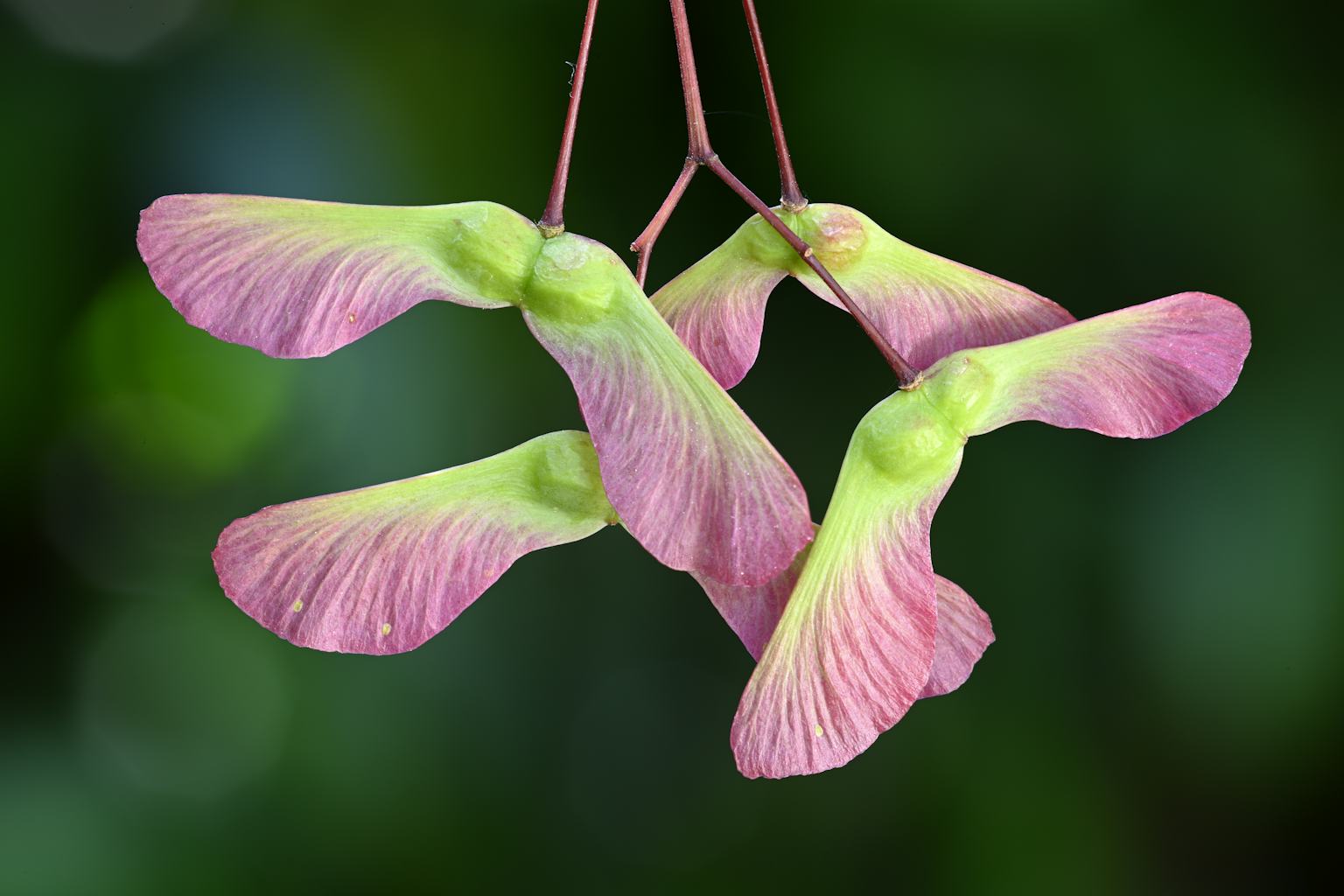
Before diving into specific trees, let’s clarify exactly what makes a seed a “helicopter.” Helicopter seeds are a type of fruit called samaras—dry, winged structures that rely on wind for dispersal. Unlike fleshy fruits that attract animals, samaras are lightweight and aerodynamic, allowing them to glide or spin far from the parent tree.
The Science Behind the Spin 🔬
The magic lies in autorotation. As the samara falls, air flows over the wing, creating lift on one side and drag on the other. This causes the seed to spin rapidly, slowing its descent and increasing travel distance—sometimes hundreds of feet! Studies in biomimicry have even drawn inspiration from maple samaras for designing micro-drones and single-bladed helicopters.
Fun fact: A single mature maple tree can produce tens of thousands of samaras in a heavy “mast” year, leading to those memorable spring showers of spinning seeds. 🌬️
Why Trees Evolved This Feature 🌬️
This dispersal strategy offers key advantages:
- Reduces competition: Seeds land away from the parent’s shade and root system.
- Colonizes new areas: Ideal for disturbed soils, like after fires or in urban landscapes.
- Survives in windy environments: Common in temperate regions with open canopies.
Single vs. Double-Winged Samaras ⚖️
Not all helicopter seeds look identical:
- Double-winged (paired samaras): Classic “helicopters” from maples, forming a V or U shape.
- Single-winged: From ashes and some elms; these paddle-like keys still spin effectively.
- Circular or disc-like: Found on elms and hoptrees, creating a fluttering descent.
Understanding these differences is crucial for accurate tree identification, especially when seedlings emerge.
(Word count so far: ~650)
11 Common Trees with Helicopter Seeds: Detailed Profiles 🌳
Here are 11 of the most widespread trees producing helicopter-like samaras, prioritized by commonality in North America and Europe (with global notes). Each profile includes visual identification cues, habitat preferences, and expert care advice to help you maintain healthy specimens or control unwanted growth.
1. Red Maple (Acer rubrum) 🍁
The red maple is one of the most iconic producers of true helicopter seeds in eastern North America.
- Seed Description: Paired samaras with reddish wings, 1-2 inches long, dropping in spring. Often tinged red, matching the tree’s flowers and fall foliage.
- Identification Tips: Opposite branching, palmate leaves with 3-5 lobes and serrated edges. Brilliant red autumn color; bark smooth gray when young, furrowed with age.
- Growth Habits: Fast-growing (up to 60-90 feet tall), adaptable to wet or dry soils. USDA Zones 3-9.
- Care Tips: Thrives in full sun to part shade. Prune in late winter to avoid sap bleed. Excellent for shade and wildlife—birds love the seeds! Tolerant of urban pollution but monitor for leaf scorch in dry conditions. For propagation, collect fresh samaras and stratify in the fridge for 90-120 days.
:max_bytes(150000):strip_icc()/redmaple-GettyImages-158794274-33ef7d19976f478795f17c2e3b93b404.jpg)
2. Silver Maple (Acer saccharinum) 🌳
Known for prolific seed production, silver maples are often the culprits behind yard “helicopter invasions.”
- Seed Description: Large, green-to-brown paired samaras, among the biggest (up to 3 inches across). Heavy drops in late spring.
- Identification Tips: Leaves with silvery undersides that flash in wind; deeply lobed with sharp teeth. Fast growth, brittle branches.
- Growth Habits: 50-80 feet tall, prefers moist soils near water. Zones 3-9.
- Care Tips: Tolerates wet feet but prone to storm damage—prune regularly to strengthen structure. Avoid planting near foundations due to aggressive roots. Seedlings pull easily when young; mulch to suppress germination.
3. Norway Maple (Acer platanoides) 🌍
A popular landscape tree, but invasive in parts of North America.
- Seed Description: Wide-angled paired samaras, abundant and persistent.
- Identification Tips: Broad, dark green leaves with milky sap when broken. Yellow fall color.
- Growth Habits: 40-60 feet, dense canopy. Zones 4-7.
- Care Tips: Full sun preferred. Control invasiveness by removing seedlings promptly. Good urban tree but avoid in natural areas—opt for natives instead.
4. Japanese Maple (Acer palmatum) 🎋
Beloved ornamental with delicate samaras.
- Seed Description: Smaller, reddish paired helicopters.
- Identification Tips: Finely dissected, lacy leaves; many cultivars with varied colors.
- Growth Habits: 15-25 feet, slow-growing. Zones 5-8.
- Care Tips: Protect from afternoon sun in hot climates; prefers acidic, well-drained soil. Ideal for containers or bonsai. Stratify seeds for reliable germination.
5. Sugar Maple (Acer saccharum) 🍂
The source of maple syrup and classic U-shaped samaras.
- Seed Description: Horse-chestnut-like paired wings, dropping in fall.
- Identification Tips: 5-lobed leaves with smooth margins; stunning orange-red fall display.
- Growth Habits: Slow to 60-100 feet. Zones 3-8.
- Care Tips: Needs deep, fertile soil; intolerant of compaction or salt. Tap for syrup in late winter!
6. Field Maple (Acer campestre) 🇪🇺
Common in Europe, compact and hedge-friendly.
- Seed Description: Nearly horizontal paired wings.
- Identification Tips: Small, rounded leaves; corky bark on twigs.
- Growth Habits: 30-50 feet, tolerant of pruning. Zones 5-8.
- Care Tips: Drought-resistant once established; excellent for hedges or bonsai.
7. Sycamore Maple (Acer pseudoplatanus) 🏞️
(Note: Distinct from American planetree sycamore, but produces similar V-shaped samaras.)
- Seed Description: Paired, V-shaped with rounded wings.
- Identification Tips: Large leaves, mottled peeling bark.
- Growth Habits: Fast-growing to 60 feet+. Invasive in some regions.
- Care Tips: Thrives near water; messy with seeds and bark—site carefully.
8. Green Ash (Fraxinus pennsylvanica) 🌿
Single-winged “keys” that spin like paddles.
- Seed Description: Clusters of single-winged samaras, hanging through winter.
- Identification Tips: Compound leaves with 7-9 leaflets; diamond-patterned bark.
- Growth Habits: 50-70 feet, wet-tolerant. Zones 3-9.
- Care Tips: Threatened by emerald ash borer—plant resistant cultivars. Full sun; great for moist sites.
:max_bytes(150000):strip_icc()/greenashtreeGettyImages-1062282082-224261a720b14e4184ce64b6b65d1b7f.jpg)
9. American Elm (Ulmus americana) 🏛️
Circular samaras for a fluttering drop.
- Seed Description: Small, fringed wafer-like with central seed.
- Identification Tips: Vase-shaped crown; serrated, asymmetrical leaves.
- Growth Habits: 60-80 feet historically; DED-resistant varieties now available.
- Care Tips: Needs room to spread; prune young trees for strong form.
10. Winged Elm (Ulmus alata) 🍃
- Seed Description: Small samaras with corky wings on branches.
- Identification Tips: Corky “wings” on twigs; southern native.
- Growth Habits: 40-60 feet. Zones 6-9.
- Care Tips: Low-maintenance, drought-tolerant.
11. Common Hoptree (Ptelea trifoliata) 🌸
Disc-like samaras with a unique wafer shape.
- Seed Description: Circular, winged discs smelling of citrus.
- Identification Tips: Compound leaves, fragrant flowers; butterfly host.
- Growth Habits: Shrub or small tree to 20 feet.
- Care Tips: Shade-tolerant; attracts pollinators and giant swallowtails.
Expert Care Tips for Trees with Helicopter Seeds 🌱
Now that we’ve identified the main culprits behind those twirling samaras, let’s get practical. As an arborist, I’ve spent years advising homeowners on managing these trees—from curbing invasive seedlings to successfully propagating new ones. Here are battle-tested tips to keep your landscape healthy and enjoyable.
Managing Excessive Seedlings 🚧
Heavy mast years can turn your lawn into a forest overnight! Silver maples and Norway maples are notorious for prolific seed drops.
- Prevention first — Rake or vacuum samaras soon after they fall, before germination (usually within weeks in moist spring conditions).
- Mulch magic — Apply 2-4 inches of organic mulch around beds to block light and suppress sprouting.
- Easy removal — Young seedlings (under 6 inches) pull out effortlessly by hand after rain. For larger ones, use a weed wrench tool to avoid disturbing soil.
- Pro insight → In my experience, consistent early intervention prevents a “maple forest” takeover. Avoid herbicides unless necessary—manual methods are eco-friendly and effective.

Growing from Helicopter Seeds 👶
Yes, you can grow your own tree from those free-falling samaras! Success rates are high with proper technique, especially for maples.
Step-by-step propagation guide:
- Collect fresh → Gather green or newly brown samaras in spring/early summer.
- Clean and dry → Remove wings if desired; air-dry for a few days.
- Cold stratification → Most species need 90-120 days of chilling to break dormancy. Place in a moist paper towel inside a zip bag in the refrigerator (not freezer!).
- Plant → Sow in pots with well-draining seed mix once roots emerge. Keep moist and in indirect light.
- Transplant → Harden off seedlings after first true leaves, then move outdoors.
Japanese and red maples germinate reliably this way—I’ve started hundreds for clients!
Pruning and Maintenance ✂️
Proper pruning enhances structure, reduces mess, and promotes health.
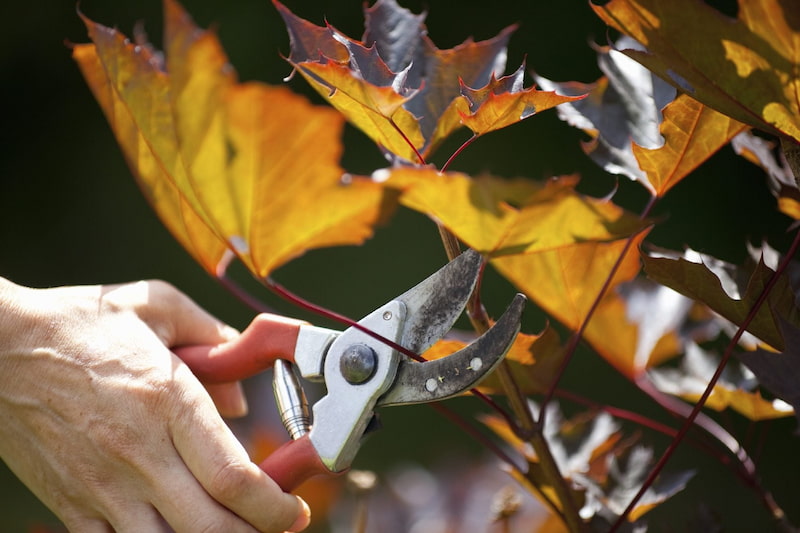
- Timing — Prune during dormancy (late fall to early winter) for maples to minimize sap flow. Ashes and elms tolerate summer pruning better.
- Technique — Remove dead, diseased, or crossing branches. For fast-growers like silver maple, thin crown annually to prevent weak attachments.
- Tools — Use sharp bypass pruners for small cuts; loppers or saws for larger. Always disinfect between trees.
- Expert tip — Never remove more than 25% of canopy at once—stresses the tree and invites pests.
Pest and Disease Watch 🐛
Vigilance is key—these trees face specific threats.
- Emerald Ash Borer (EAB) → Devastating invasive beetle killing millions of ash trees. Signs: D-shaped exit holes, canopy dieback, serpentine galleries under bark.
- Action: Insecticide treatments for valuable trees; remove infested ones promptly. Plant non-ash alternatives.

- Maple issues → Tar spot (black leaf spots), verticillium wilt (wilting branches), anthracnose.
- Prevention: Good airflow via pruning; rake fallen leaves.
- Elm challenges → Dutch Elm Disease—choose resistant cultivars like ‘Princeton’ or ‘Valley Forge’.
Regular inspections (at least twice yearly) catch problems early, saving trees and money.
(Word count so far: ~2,650)
Environmental Impact and Fun Facts 🌍😄
These helicopter seed producers play vital roles beyond our yards.
- Ecological benefits → Provide food for squirrels, birds (finches adore ash keys), and habitat structure. Red maples support diverse pollinators.
- Invasiveness concerns → Norway maple and (in some areas) tree of heaven (Ailanthus altissima—similar spinning samaras, not covered here) outcompete natives. Always check local invasive lists before planting.
- Climate resilience → Many species (red maple, green ash alternatives) adapt well to changing conditions.
- Biomimicry inspiration → Engineers study samara flight for wind turbines and aerial sensors!
Fun family activity: Host helicopter seed races! Split samaras and stick on noses for classic “pinwheel” fun—or time how long they spin from a height.
Frequently Asked Questions (FAQs) ❓
Q: Are all helicopter seeds from maple trees? A: No! While maples (Acer genus) produce the classic double-winged “helicopters,” ashes (single-winged keys), elms (wafer-like), and hoptree (discs) also spin or flutter similarly.
Q: When do helicopter seeds fall? A: Primarily spring to early summer, triggered by warming temperatures. Some (like sugar maple) drop in fall; ashes often persist into winter.
Q: Can I grow a tree from a helicopter seed? A: Absolutely—many gardeners do! Cold stratification is key for most species. Expect 50-80% germination with fresh seeds.
Q: Are helicopter seeds messy? A: Prolific producers like silver and Norway maples can create significant litter, clogging gutters and sprouting everywhere. Natives like red maple are generally less overwhelming.
Q: What if I have too many seedlings in my yard? A: Compost them, pot for giveaways, or donate to local restoration projects. They’re valuable for reforestation!
Q: Which helicopter seed tree is best for my landscape? A: Depends on space and goals—Japanese maple for ornamentals, red maple for native shade, avoid invasives like Norway in natural areas.
Conclusion: Embrace the Whirl! 🚁💚
Helicopter seeds aren’t just childhood nostalgia or yard chores—they’re a remarkable example of evolutionary ingenuity that connects us to the natural world. By recognizing these 11 common trees, understanding their samaras, and applying expert care techniques, you’ll transform potential frustrations into appreciation and stewardship.
Whether you’re identifying a mystery tree, taming seedlings, or starting your own grove, remember: every spinning samara is an opportunity for growth. Happy planting! 🌿











