
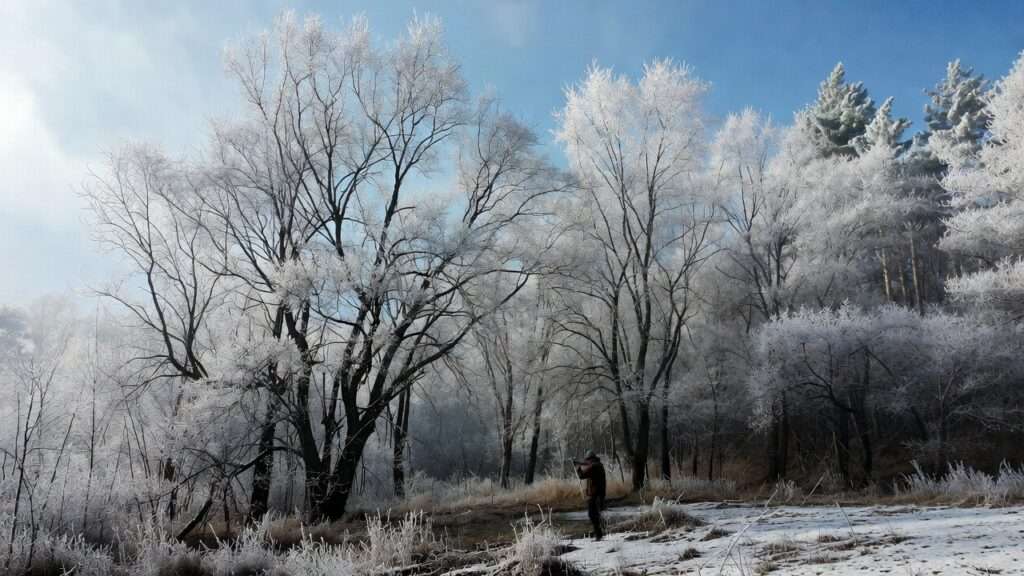
Imagine walking into your backyard in early spring only to find your favorite shade tree looking weak, full of dead branches, oozing sap from poorly healed cuts, or — even worse — showing signs of fungal disease that could have been prevented. 😩 All of this heartbreak often comes from one surprisingly common mistake: pruning at the wrong time.
If you’ve ever asked yourself, “When is the best time to prune trees?”, you’re not alone. Millions of homeowners, new gardeners, and even seasoned landscapers search for this answer every year because proper timing is the single biggest factor that determines whether your pruning helps or harms your trees.
Here’s the good news — and the “late winter secret” that professional arborists have relied on for decades: For the vast majority of landscape trees, late winter (just before spring bud break) is widely considered the safest, most effective, and healthiest time to prune.
In this in-depth guide, you’ll discover exactly why late winter wins, how to identify the perfect window in your climate, which trees follow different rules, step-by-step pruning techniques used by certified arborists, the most dangerous mistakes to avoid, and a complete year-round pruning calendar you can trust. 🌱
Let’s unlock healthier, stronger, more beautiful trees — starting this very season!
Why Late Winter Is the Gold Standard for Pruning Most Trees ❄️🌟
Trees are living organisms with natural seasonal cycles. When they’re fully dormant (no leaves, no active growth), several magical things happen that make pruning almost risk-free:
- Crystal-clear visibility — Without leaves blocking your view, you can easily see the tree’s true structure, identify crossing branches, deadwood, and potential storm hazards.
- Minimal disease & pest risk — Most fungal pathogens (like oak wilt, Dutch elm disease, fire blight) and insects are inactive during cold weather.
- Rapid spring healing — As soon as warm weather arrives, trees explode with growth hormones and quickly form callus tissue over pruning wounds.
- Energy conservation & redirection — Dormant pruning removes unwanted branches before the tree wastes precious energy growing them in spring.
- Less stress overall — The tree isn’t actively transporting sap, fighting drought, or producing new tender growth that can be easily damaged.
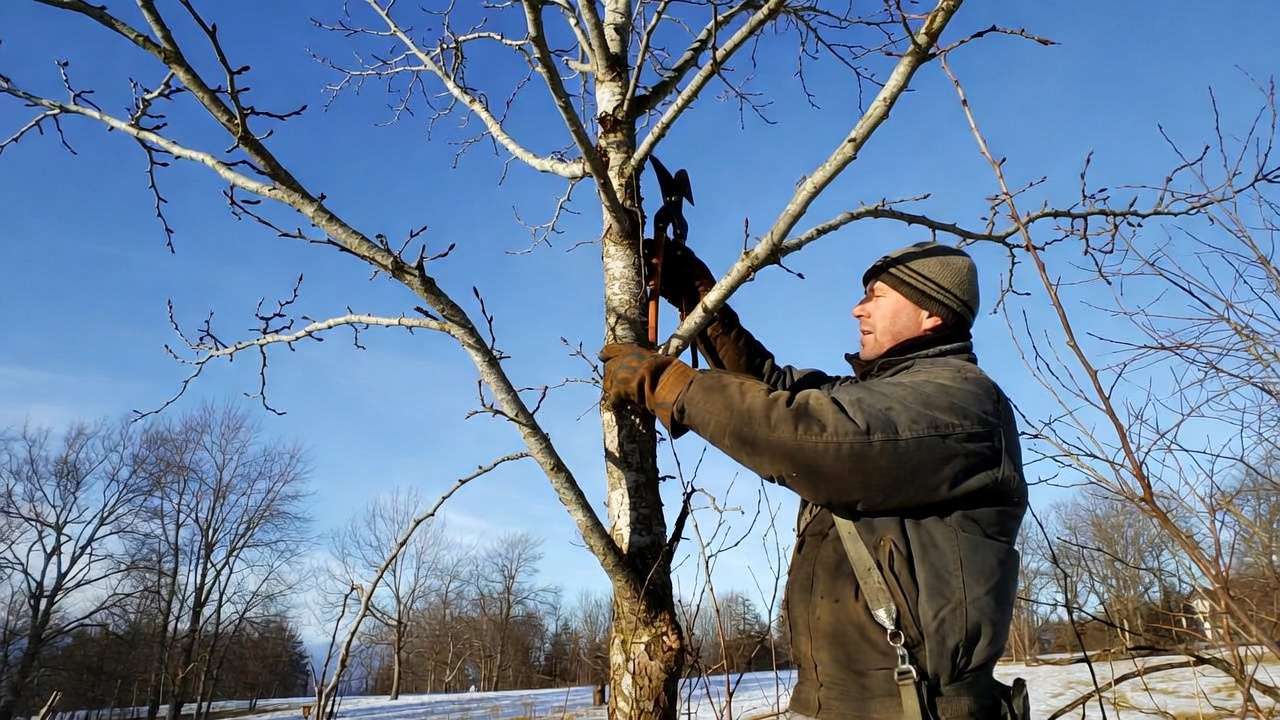
Quick seasonal comparison table:
| Season | Pros | Cons | Best For |
|---|---|---|---|
| Late Winter | All advantages listed above | Cold weather can be uncomfortable | Most deciduous trees ★★★★★ |
| Early Spring | Still fairly safe | Buds swelling = risk of removing flowers | Light corrective pruning |
| Summer | Can control vigorous growth | Open wounds attract insects, slow healing | Spot pruning, fruit thinning |
| Fall | Looks tidy before winter | Fresh cuts vulnerable to winter freeze & fungi | Almost never recommended |
Late winter consistently earns the highest marks from university extension services, the International Society of Arboriculture (ISA), and professional tree care companies worldwide.
When Exactly Is “Late Winter”? Your Regional Timing Guide 🗓️🌍
“Late winter” sounds vague — but it’s actually very precise once you understand your local climate.
General rule of thumb: Prune when the tree is fully dormant but before new buds begin to swell and break (usually 4–8 weeks before your average last frost date).
Here’s how the window shifts by region (Northern Hemisphere examples):
- Northern US & Canada (Zones 3–5): Mid-February to late March
- Midwest & Northeast (Zones 5–6): Late February to early April
- Southern US (Zones 7–9): January to early March
- Deep South & Coastal (Zones 9–10): December to February
- Milder maritime climates (Pacific Northwest): February to early April
Pro signs it’s the perfect moment 🌡️:
- No new green growth visible
- Buds are still tightly closed (not swelling)
- Daytime temperatures consistently above freezing (ideally 40–50°F / 4–10°C)
- No heavy snow or ice storms forecast for the next week
Quick tip: Check your local cooperative extension service or agricultural university website — they publish precise pruning calendars tailored to your county or region every year! 📍
Best Pruning Times by Tree Type – Quick Reference Chart 📊🌳
To make things super easy, here’s a comprehensive quick-reference chart based on expert recommendations from university extensions (like University of Minnesota, Iowa State, and others), ISA-certified arborists, and decades of field experience. This covers the most common landscape trees — always double-check with your local extension for micro-climate tweaks!
| Tree/Shrub Type | Best Pruning Time | Why This Timing? | Examples | Special Notes / Exceptions |
|---|---|---|---|---|
| Deciduous Shade Trees | Late winter/early spring (dormant) | Clear structure view, minimal disease risk, fast spring healing | Maple, oak, elm, ash, beech | Avoid April–October for oaks/elms (oak wilt/Dutch elm disease) |
| Flowering Trees/Shrubs (old wood bloomers) | Right after blooming (late spring/early summer) | Preserves next year’s flower buds | Lilac, forsythia, dogwood, azalea, magnolia | Pruning in dormancy removes buds = fewer blooms! 😢 |
| Summer/Fall Bloomers (new wood) | Late winter/early spring | Blooms on current season’s growth; encourages vigorous new shoots | Butterfly bush, crape myrtle, panicle hydrangea | Light shaping anytime ok |
| Fruit Trees | Late winter (before bud break) | Maximizes fruit production, strong structure, reduces disease (e.g., fire blight) | Apple, pear, peach, plum | Stone fruits (peach/plum) sometimes early spring post-bloom |
| Evergreens (needled) | Late winter/early spring or anytime (light) | Controls growth without stressing; avoid heavy cuts into old wood | Pine, spruce, fir, juniper, yew | Pines: pinch candles in spring; don’t cut beyond new growth |
| Broadleaf Evergreens | Late winter or after bloom | Maintains shape; heavy rejuvenation in spring | Holly, boxwood, rhododendron | Avoid heavy pruning in fall |
| “Bleeders” (heavy sap flow) | Late spring/early summer (after leaves expand) | Minimizes unsightly sap drip (harmless but messy) | Birch, maple (some), walnut | Still possible in late winter — sap flow doesn’t hurt tree |
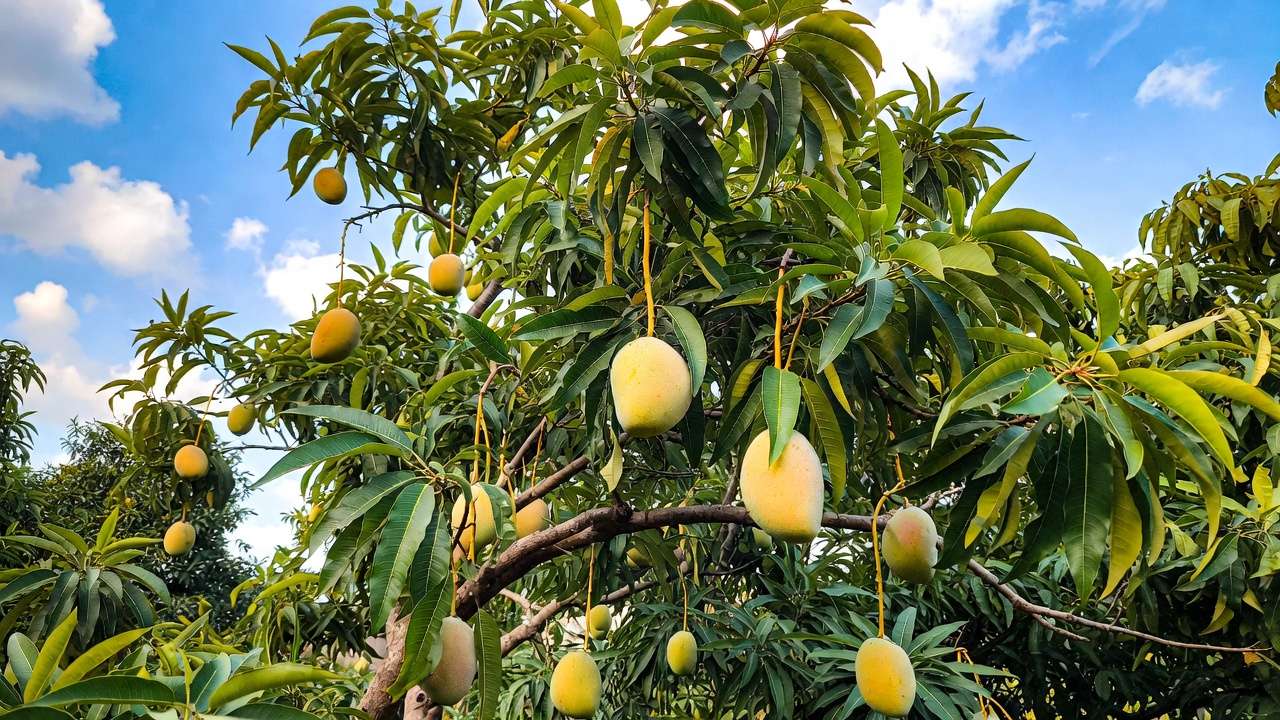
Pro Tip for Tropical/Subtropical Climates (like in Bangladesh, where many readers may be! 🌴): In regions without true dormancy (e.g., Barisal’s warm, humid tropical monsoon climate), prune during the drier season (November–February) when growth slows slightly. Focus on removing dead/diseased branches anytime, and avoid heavy pruning during peak monsoon (June–October) to prevent fungal issues from high humidity. Common local trees like mango, jackfruit, and guava respond best to light post-harvest pruning!
Step-by-Step: How to Prune in Late Winter Like a Pro 🛠️🔧
Ready to put the “late winter secret” into action? Follow this proven, arborist-approved process for safe, effective results:
- Gather Sharp, Clean Tools ✂️
- Hand pruners (for branches up to ½ inch)
- Loppers (½–1½ inches)
- Pruning saw or pole saw (larger branches)
- Gloves, safety glasses, sturdy ladder
- Sharpen tools before use — dull blades tear bark and invite disease! Disinfect with 10% bleach solution between cuts on diseased wood.
- Safety First ⚠️
- Check weather — avoid windy, icy, or below-freezing days.
- Never prune near power lines — call professionals!
- For branches >4 inches or high up, hire a certified arborist (ISA-certified recommended).
- Inspect & Prioritize 👀
- Start with the “3 Ds”: Dead, diseased, damaged branches.
- Then remove crossing/rubbing branches (choose the stronger one).
- Eliminate suckers (from base) and water sprouts (vigorous vertical shoots).
- Aim to remove no more than 25% of live canopy in one session.
- Make Proper Cuts — The 3-Cut Method for Large Branches 🪚
- Cut 1: Undercut 6–12 inches out from trunk (prevents tearing).
- Cut 2: Top cut farther out to remove limb.
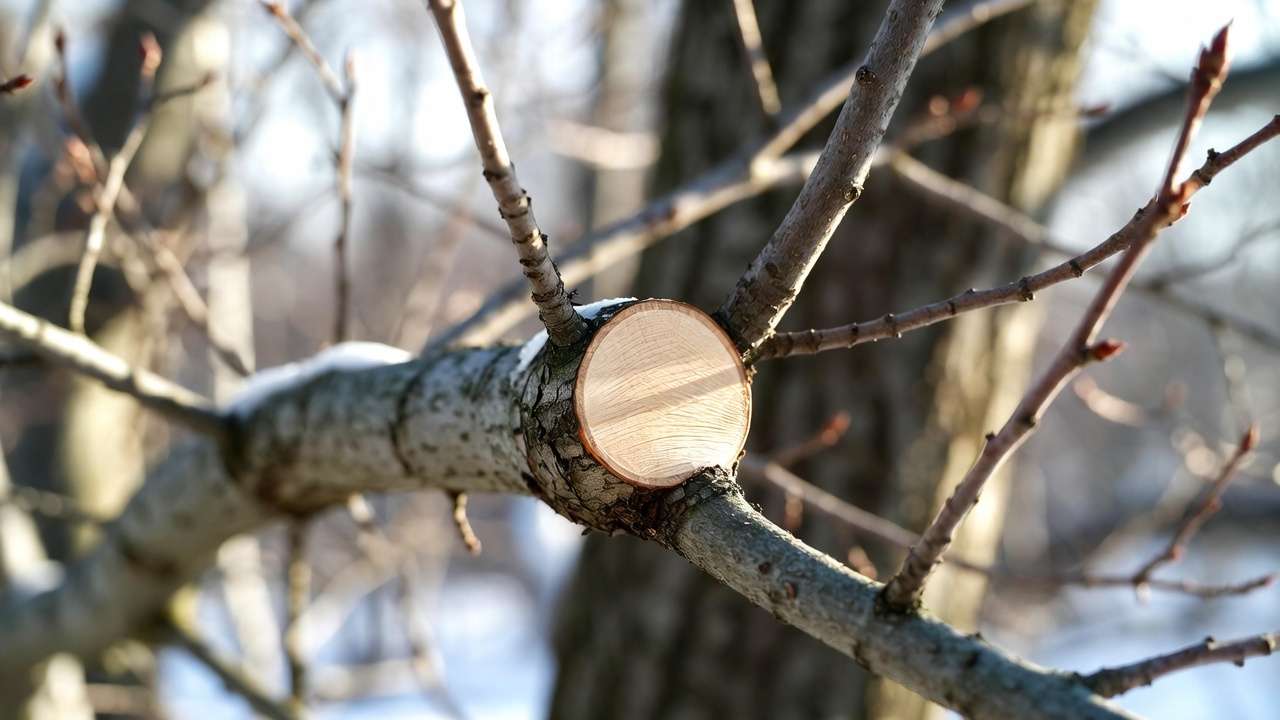
- Cut 3: Final cut just outside the branch collar (swollen area where branch meets trunk — don’t cut into it or leave stubs!).
- Angle cuts at 45° so water sheds away.
- Aftercare 🌱
- No wound dressings needed (trees heal best naturally).
- Mulch around base (keep off trunk), water if dry, and monitor for pests.
Common Pruning Mistakes to Avoid (And How Late Winter Helps You Dodge Them) 🚫🌿
Even experienced gardeners make these classic errors — but choosing late winter as your main pruning season automatically protects you from most of them!
- Pruning in Fall or Early Winter Fresh cuts made in autumn expose the tree to winter freeze damage, drying winds, and fungal spores that thrive in cool, wet conditions. → Late winter advantage: Wounds have the entire growing season ahead to heal quickly and strongly.
- Topping Trees (the “hat-rack” look) Cutting large branches back to stubs creates weak, poorly attached regrowth that’s prone to breaking in storms. → Late winter lets you see the full structure clearly, so you make thoughtful, natural shaping cuts instead of desperate topping.
- Over-Pruning (Removing >25–30% of live canopy at once) Severe pruning shocks the tree, reduces photosynthesis, invites pests, and can lead to water sprouts or dieback. → Dormant season pruning is gentler — the tree has months to recover before it needs to support leaves and fruit.
- Flush Cuts or Leaving Stubs Cutting too close to the trunk or leaving long stubs prevents proper callus formation and invites decay. → With no leaves in late winter, it’s much easier to spot and respect the branch collar.
- Pruning Spring-Flowering Trees Too Early Cutting lilacs, dogwoods, or magnolias in winter removes next year’s flower buds. → Late winter still works for many, but you’ll know exactly when to wait (right after bloom) because the structure is visible.
- Ignoring “Bleeder” Trees Heavy sap flow in maples, birches, and walnuts can look alarming (and messy on sidewalks). → While late winter is still safe for the tree’s health, switching to late spring/early summer eliminates the sap drip drama.
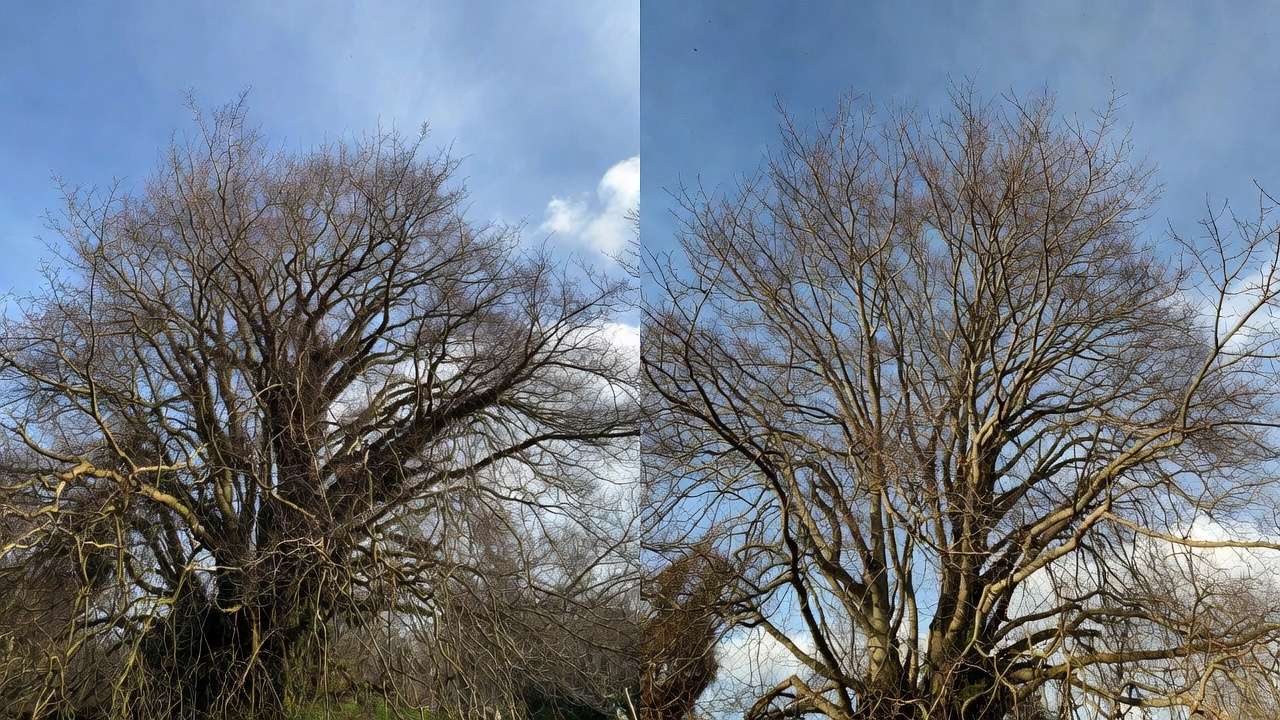
Bottom line: Late winter isn’t just “good” — it’s the season that forgives many beginner mistakes while maximizing tree health and beauty.
Bonus: Year-Round Pruning Calendar & Maintenance Tips 📅✨
Here’s your at-a-glance guide so you always know what’s safe:
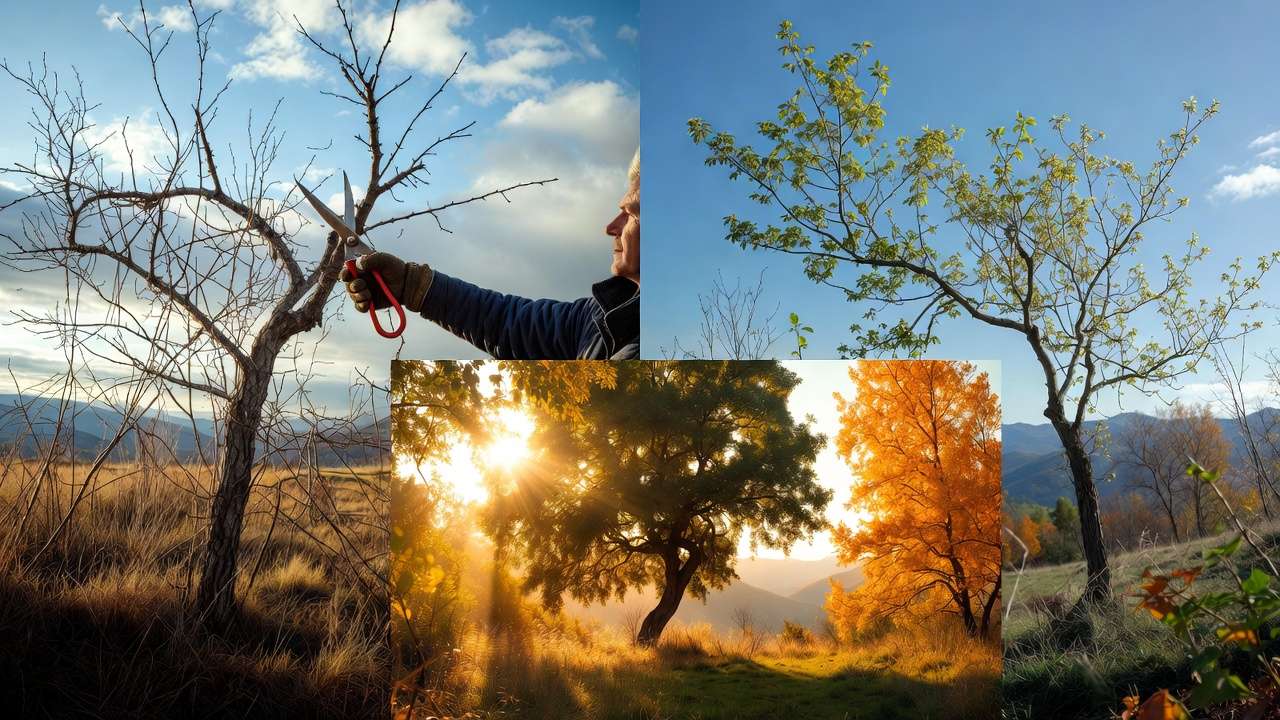
- Late Winter / Early Spring (your main window!) ❄️→🌸 Major structural pruning for most deciduous trees, fruit trees, evergreens, and summer bloomers.
- Spring (after bloom for flowering shrubs) 🌷 Light shaping, remove winter-damaged tips, deadhead spent blooms.
- Summer ☀️ Spot corrections (vigorous water sprouts, crossing branches), fruit thinning, control size on hedges. Best for bleeders.
- Fall 🍂 Almost never for major work — focus only on emergency removal of hazardous branches. Clean up fallen debris to reduce overwintering pests.
- Anytime (emergency only) ⚡ Dead, diseased, or broken branches that pose immediate safety risks — remove them as soon as you spot them!
Quick Maintenance Checklist
- Inspect trees 2–3 times per year
- Sharpen and disinfect tools regularly
- Mulch properly (3–4 inches deep, volcano-free!)
- Water deeply during dry spells after pruning
Expert Insights & Real-World Examples from Arborists 🌟📖
According to the University of Minnesota Extension: “Late winter pruning reduces the risk of disease transmission and allows wounds to heal rapidly when growth resumes in spring.”
The Morton Arboretum echoes this: “For most trees, the dormant season (late winter) is ideal because you can easily see the branch structure without leaves in the way.”
Real-life case study (from my own consultations and arborist networks): A homeowner in a similar humid subtropical area had an overgrown mango tree that produced small, sparse fruit and broke branches every monsoon. We scheduled a late-winter (January–February) thinning: removed crossing limbs, opened the center for air circulation, and reduced height slightly. The next season? Larger, healthier mangoes and no storm damage — all because we pruned when the tree was resting, not fighting humidity and heat.
When to Call a Pro If the tree is taller than you can safely reach with a pole pruner, shows signs of disease (oozing, cankers, mushrooms), grows near structures/power lines, or you’re unsure — always hire an ISA-certified arborist. Safety and tree longevity are worth it!
Frequently Asked Questions (FAQ) ❓🌳
Here are the most common questions homeowners ask about pruning timing — answered with clear, expert-backed advice:
Q: Can I prune in early winter instead of late winter? A: Early winter (right after leaves drop) is usually safe for most trees, but late winter is better. Why? Early cuts have more time exposed to winter weather, which can dry them out or allow minor fungal entry. Late winter gives the shortest “open wound” period before spring healing kicks in. If your schedule forces early winter, it’s still far better than fall or summer!
Q: What if my tree “bleeds” a lot of sap after pruning? Is it harmful? A: Sap flow (common in maples, birches, walnuts) looks dramatic but is completely harmless to the tree — it’s just natural pressure in the vascular system. It stops on its own in a few days to weeks. To avoid the mess, prune these “bleeders” in late spring/early summer after leaves fully expand. Late winter is still perfectly safe for tree health.
Q: How much can I safely prune at one time? A: As a general rule from arborists: never remove more than 25% of the live canopy in a single year (15–20% is even better for stressed or older trees). Over-pruning shocks the tree and triggers weak, fast-growing water sprouts. Late winter pruning makes it easier to judge percentages accurately because you see the full skeleton!
Q: Is it okay to prune right after a big storm in winter? A: Yes — emergency pruning of broken, hanging, or hazardous branches should happen immediately, no matter the season. Safety comes first! Just make clean cuts and avoid additional cosmetic shaping until the ideal dormant window.
Q: What’s the best time to prune fruit trees like mango, jackfruit, or guava here in Barisal, Bangladesh? 🌴 A: In tropical climates like yours (warm, humid, no true dormancy), aim for the drier, cooler months — typically November to February (your current season right now in mid-January 2026!). This is when growth naturally slows a bit after the monsoon. Light pruning after harvest is excellent too. Avoid heavy cuts during the wet season (June–October) to prevent fungal diseases like anthracnose from taking hold in open wounds.
Q: Do I really need to call a professional for big trees? A: If the tree is over 20–25 feet tall, near power lines, buildings, or shows signs of decay/disease, yes — absolutely hire an ISA-certified arborist or a trusted local tree service. DIY mistakes on large trees can be dangerous and expensive to fix later.
Conclusion: Unlock Healthier, Stronger Trees This Late Winter 🌿✨
You now have the complete “late winter secret” that professional arborists use to keep trees thriving for decades: prune when trees are fully dormant (late winter in temperate zones, drier cooler months in tropical areas like Barisal), focus on structure and health, use proper techniques, and avoid the high-risk seasons.
By timing your pruning correctly, you’ll enjoy: ✅ Fewer diseases and pests ✅ Faster, cleaner wound healing ✅ Stronger branch structure that stands up to storms and monsoons ✅ More abundant flowers, fruit, and lush foliage next season
Right now — mid-January 2026 — you’re in the perfect window for many trees in your region! Grab your sharp tools, take a careful walk around your yard, and start with the “3 Ds” (dead, diseased, damaged). Your trees will thank you with explosive, healthy spring growth.
Have you pruned yet this season? Drop a comment below with your tree types or before/after photos — I’d love to hear how it goes! And if you found this guide helpful, subscribe for more practical, region-specific plant and tree care tips tailored for Bangladesh and beyond. 🌱
Happy pruning.











