
Imagine this: You’ve nurtured your tomato seedlings indoors for weeks, dreaming of that first sun-warmed, vine-ripened bite. You rush to plant them out early, eager for summer’s bounty… only to wake up to blackened, wilted leaves after an unexpected late frost. 🥀 Heartbreaking, right? Or worse—planting too late, watching your tomatoes struggle as fall chills arrive before the fruit ripens. I’ve seen this disappointment countless times in my 20+ years as a horticulturist and extension specialist, working with gardeners across climates.
But it doesn’t have to happen to you. The secret to a bumper crop of juicy, flavorful tomatoes lies in one key question: when should you plant tomatoes? Timing isn’t just a suggestion—it’s the foundation of success. Plant at the optimal moment, and your tomatoes will thrive with vigorous growth, abundant fruit set, and resistance to common issues like blossom drop or disease.
In this comprehensive guide, drawn from USDA data, university extension research, and real-world experience, we’ll cover everything you need: temperature requirements, regional timelines, indoor starting tips, signs of readiness, variety choices, and more. By the end, you’ll have a personalized plan for your garden, ensuring the healthiest plants and the most bountiful harvest possible. Let’s turn that tomato dream into reality! 🍅✨

Understanding Tomato Growth Cycles and Temperature Needs 🌡️
Tomatoes (Solanum lycopersicum) are tender warm-season annuals native to the Andes, evolved for consistent warmth. They’re highly sensitive to cold, which explains why precise timing is critical for germination, growth, and fruit production.
Why Tomatoes Are Warm-Season Crops
Tomatoes thrive in daytime temperatures of 70–85°F (21–29°C) and nighttime lows above 55°F (13°C). Below 50°F (10°C), growth slows dramatically; anything under 32°F (0°C) causes frost damage or death.
Even light frost blackens leaves and stems, halting photosynthesis and inviting disease. Research from Oregon State University Extension confirms that tomatoes are among the most frost-sensitive vegetables—unlike cool-season crops like lettuce or peas that tolerate chills.

The Three Main Growth Phases
- Seed Germination: Optimal at soil temperatures of 70–85°F (21–29°C). Seeds can sprout as low as 50°F but take weeks longer and risk rot.
- Vegetative Growth: Seedlings to mature plants need steady warmth for strong stems and leaves. Cool nights cause purpling or stunting.
- Fruit Set and Ripening: Flowers form best at 65–80°F. Above 95°F or below 55°F at night triggers blossom drop—no pollination, no tomatoes. Extreme heat also causes sunscald or cracking.
Expert Temperature Table:
| Stage | Minimum Temp | Optimal Temp | Maximum Temp |
|---|---|---|---|
| Germination (Soil) | 50°F | 70–85°F | 95°F |
| Vegetative Growth (Air) | 55°F night | 70–85°F day | 95°F |
| Fruit Set (Night) | 55°F | 60–70°F | 75°F |
| Ripening | 60°F | 68–77°F | 85°F |
(Data adapted from USDA and university extension sources.)
Key Factors That Determine the Best Planting Time 🗓️
No one-size-fits-all date exists—timing depends on your local climate.
Your Local Last Frost Date
The golden rule: Transplant outdoors 1–2 weeks after your average last spring frost date, when soil hits 60°F+.
Find yours using tools like the Old Farmer’s Almanac frost calculator (enter ZIP code) or USDA resources. Always check the 10-day forecast—averages are guides, not guarantees.
USDA Hardiness Zones and Regional Differences
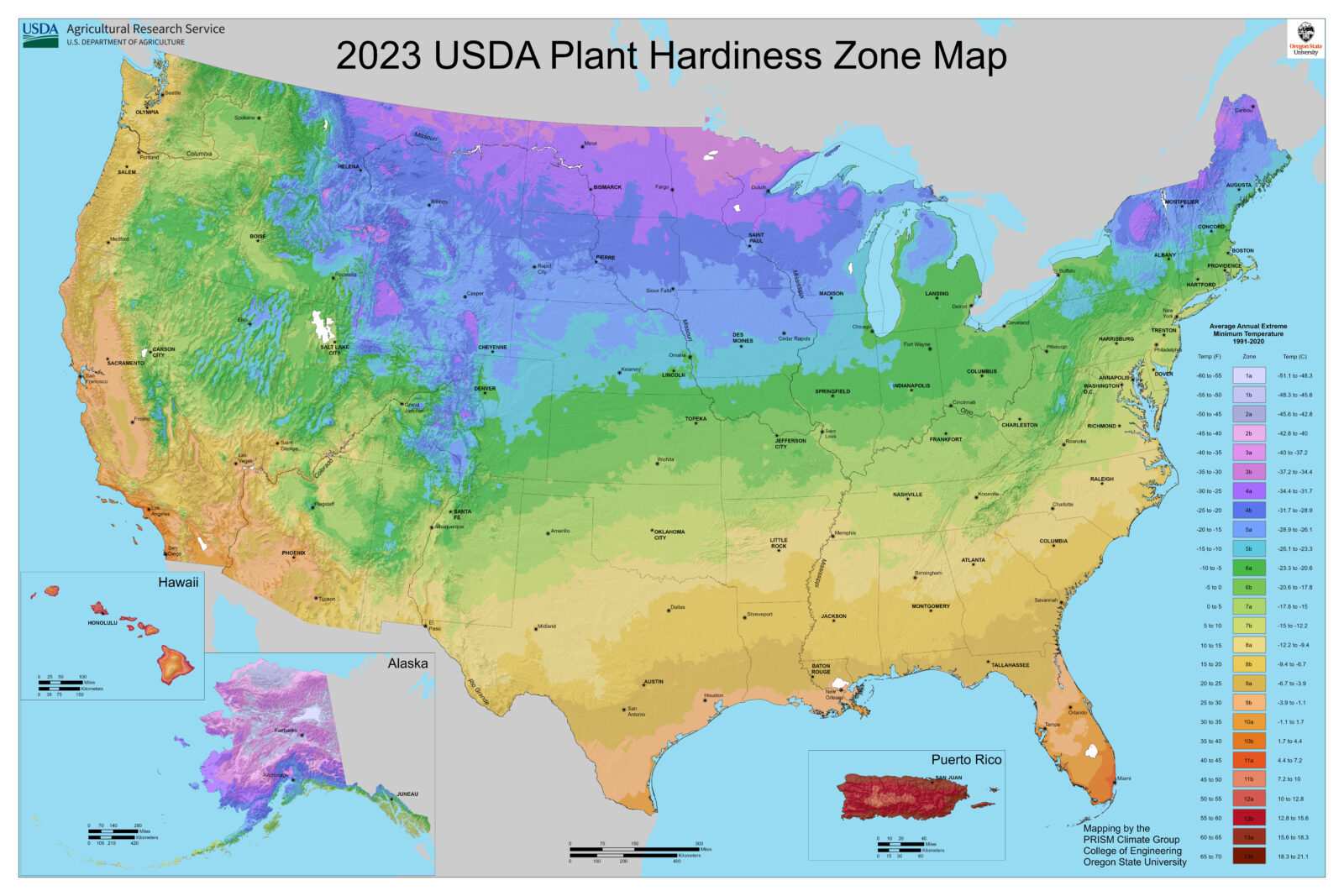
The 2023 USDA Plant Hardiness Zone Map (updated with 30 years of data) divides the U.S. into zones based on average minimum winter temperatures.
Microclimates matter: Urban areas warm faster; valleys collect cold air.
Day Length and Sunlight Requirements
Tomatoes need 6–8 hours of direct sun daily. Longer northern days help short-season zones, but southern heat demands shade cloth in peak summer.
Soil Temperature Matters More Than Air
Air might feel warm, but cold soil shocks roots. Use a soil thermometer at 4–6 inches deep—aim for 60°F minimum, ideally 65–70°F for fastest growth (per Oregon State and Penn State Extensions).
General Planting Timeline Guidelines 📅
Most gardeners start seeds indoors for a head start.
Starting Seeds Indoors (Recommended for Most Regions)
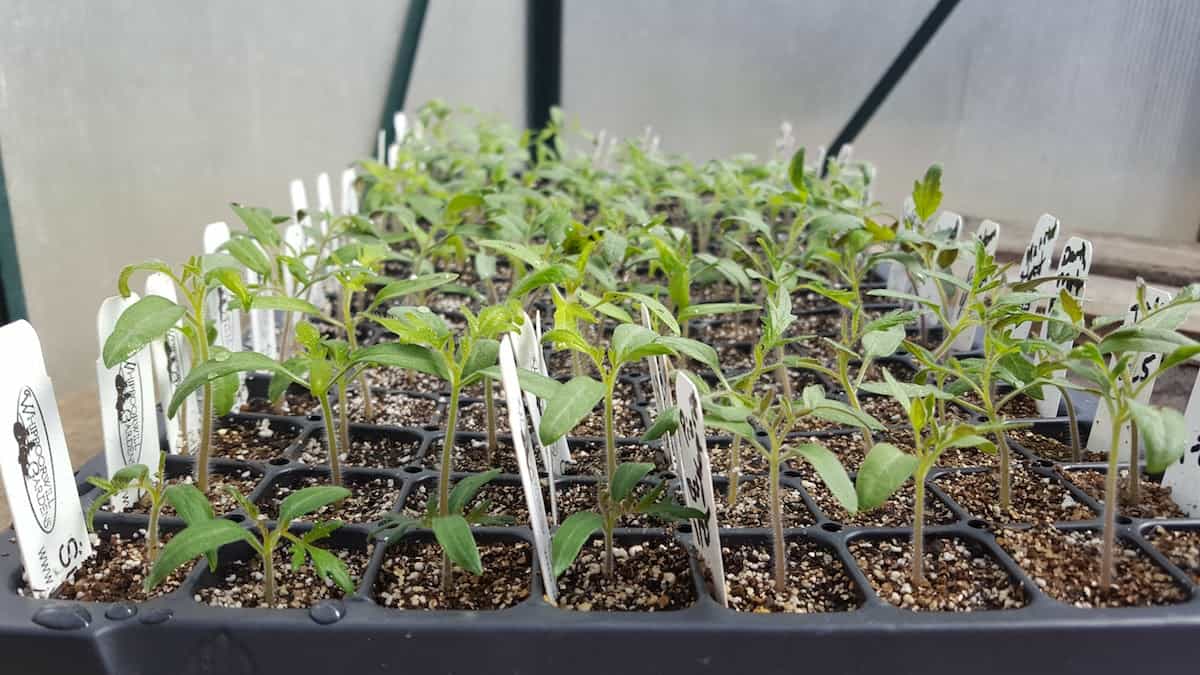
Begin 6–8 weeks before your last frost date. This produces sturdy 6–8-inch transplants ready for the garden.
Example timeline:
- Last frost: May 15
- Start seeds: March 15–April 1
- Transplant: Late May–early June
Use grow lights if natural light is limited.
Transplanting Seedlings Outdoors
Wait until nights stay above 50°F and soil is 60°F+. Harden off seedlings gradually over 7–10 days.

Direct Sowing Outdoors
Only viable in Zones 9–11 after soil warms. Elsewhere, it shortens your season too much.
Quick-Reference Planting Timeline by USDA Zone:
| Zone | Avg. Last Frost | Start Seeds Indoors | Transplant Outdoors |
|---|---|---|---|
| 3–4 | Mid-May–June | Mid-March | Late May–June |
| 5–6 | Early–Mid-May | Early–Mid-March | Mid–Late May |
| 7 | Mid-April | Mid-February | Late April–May |
| 8 | Early April | Early February | Mid–Late April |
| 9 | Rare/Mid-March | January–February | March–April |
| 10–11 | Rare/No frost | Year-round/Fall | Year-round/Winter |
(Based on USDA, Almanac, and extension data; adjust for local microclimates.)
Month-by-Month Planting Guide for Major Regions 🌎
Northern U.S. & Canada (Zones 3–6)
Last frost often mid-May. Start indoors March; transplant late May–June. Choose early varieties (55–70 days to maturity) like ‘Sungold’ or ‘Early Girl’.
Midwest & Northeast (Zones 5–7)
Variable weather—watch forecasts. Transplant after Mother’s Day in many areas. Succession plant for extended harvest.
Southern U.S. (Zones 8–10)
Multiple seasons possible. Spring planting March–April; fall planting August for winter harvest in Zone 10.
Pacific Northwest & Coastal Areas
Cool, foggy summers. Use wall-o-water protectors or black mulch to warm soil. Varieties like ‘Stupice’ tolerate cooler temps.
Southwest & Desert Regions
Intense heat—plant early spring or fall to avoid 100°F+ blossom drop. Shade cloth essential in summer.
International Readers (UK, Australia, Europe equivalents)
UK: Transplant after late May frosts. Australia: Spring (Sept–Nov) in temperate zones. Europe: Similar to U.S. equivalents (e.g., Zone 8 like Mediterranean).
Tip Box: For continuous harvest, practice succession planting—sow/transplant every 2–3 weeks! 🌿
Signs Your Garden Is Ready for Tomato Planting ✅
Beyond calendars and charts, nature and simple checks provide reliable cues that it’s safe to plant tomatoes outdoors.
Natural Indicators from Nature 🌸
Gardeners have relied on phenological signs (nature’s calendar) for centuries—backed by modern research from extensions like Cornell and Purdue.
- Dandelions in full bloom: Signals soil has warmed sufficiently.
- Oak leaves the size of a squirrel’s ear: Traditional in the Midwest—indicates low frost risk.
- Lilacs or forsythia finishing bloom: Common markers for post-frost safety.
These align roughly with soil temperatures reaching 60°F.

Soil and Weather Checks You Can Do at Home 🛠️
The most accurate method: Measure soil temperature yourself.
Insert a soil thermometer 4–6 inches deep in the morning for 3–5 consecutive days. If consistently 60°F or higher (ideally 65°F+), you’re good to go.
Also:
- Check the 10–14 day forecast for nighttime lows above 50°F.
- Ensure seedlings are hardened off and show sturdy stems with true leaves.
Expert Tip: If you’re eager and conditions are borderline, use protective tools to plant 1–2 weeks earlier safely. Wall-o-Water tepees (water-filled tubes) create a mini-greenhouse effect, raising temperatures 10–15°F around the plant. Row covers, cloches, or black plastic mulch also help warm soil faster. 🛡️

Common Tomato Planting Timing Mistakes (And How to Avoid Them) ⚠️
In my experience consulting thousands of gardeners, these are the top timing errors:
- Planting too early: Biggest culprit—late frosts kill or stunt plants. Avoid by waiting for soil warmth, even if days feel summery.
- Planting too late: In short-season areas, delays mean fruit doesn’t ripen before fall frost. Start seeds indoors on schedule.
- Ignoring fall planting: In mild climates (Zones 9+), missing August/September windows for winter crops.
- Not accounting for variety maturity days: Long-season heirlooms need earlier starts.
Real example: A client in Zone 5 planted Memorial Day weekend—safe average—but a freak frost hit. Lost everything. Now she uses protectors and waits for soil checks. Lesson learned!

Variety Selection Affects Planting Timing 🍅
Choosing the right tomato variety tailors timing to your climate for better success.
Early-Season vs. Late-Season Varieties
- Early-season (50–70 days to maturity): Ideal for cool/short seasons. ‘Early Girl’ (hybrid, 55 days), ‘Sungold’ (cherry, 57 days), ‘Stupice’ (cool-tolerant heirloom). Plant standard time—get fruit faster.
- Main/late-season (70–90+ days): Heirlooms like ‘Brandywine’ or ‘Cherokee Purple’ for superior flavor, but need longest warm period. Start indoors extra early or use protectors in marginal zones.
:max_bytes(150000):strip_icc()/1318057-LGPT-eb7dd47e58284df695cbfd443b2589f4.jpg)
Determinate vs. Indeterminate Growth Habits
- Determinate (bush): Compact, fruit ripens in a concentrated period. Great for containers or short seasons—plant slightly later if space-limited.
- Indeterminate (vining): Continuous production until frost. Need earlier planting and strong support for maximum yield.
Match variety to your frost dates + days to maturity for perfect timing.
Advanced Tips for Maximizing Your Tomato Harvest 🚀
Go beyond basics:
- Succession planting: Every 2–3 weeks from spring through midsummer for non-stop tomatoes.
- Fall/winter crops: In Zones 9–11, plant July–September for holiday harvests.
- Season extenders: Hoop houses, low tunnels, or greenhouses add weeks/months.
- Companion timing: Plant basil or marigolds simultaneously—deters pests, enhances flavor.
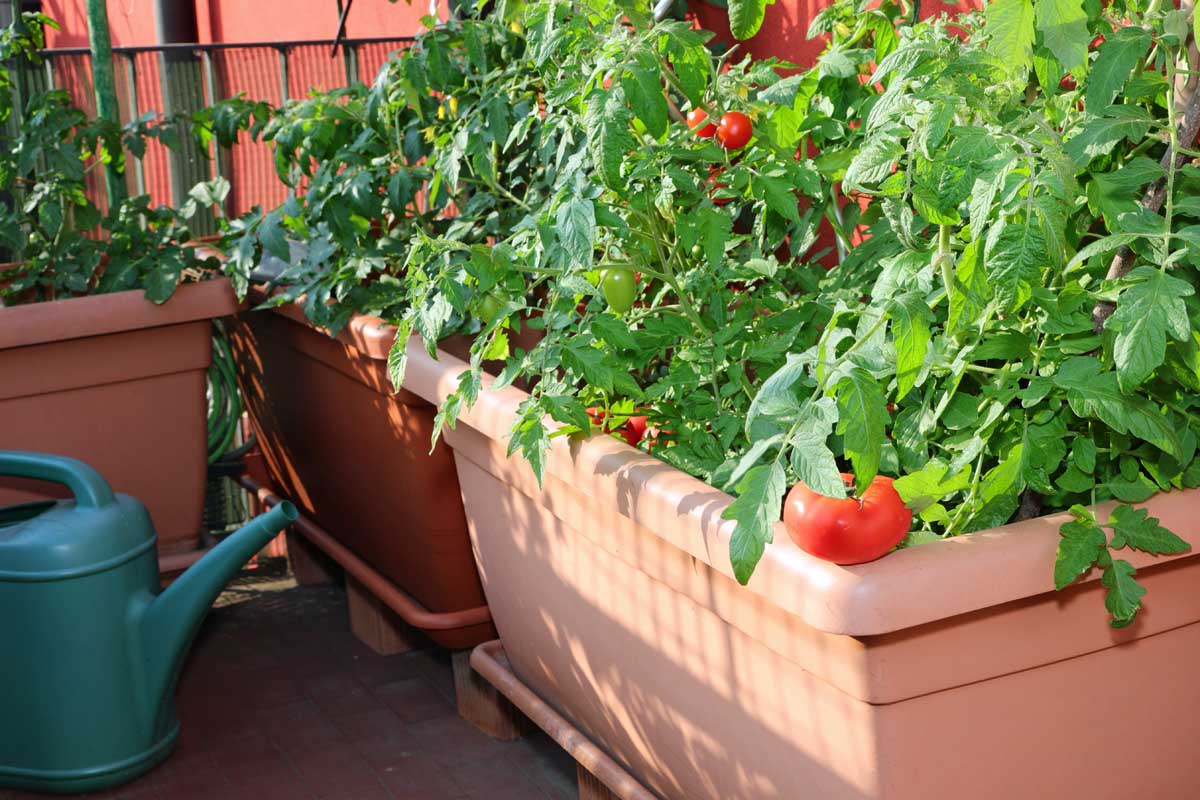
Container gardeners: Same rules apply, but pots warm faster—monitor closely.
Frequently Asked Questions (FAQ) ❓
When should you plant tomatoes in pots/containers? Same outdoor timing, but containers can go out slightly earlier with protection since soil warms quicker. Use 5–20 gallon pots for best results.
Can you plant tomatoes in summer? Yes, in mild climates for fall crops. In hot areas, avoid peak heat—opt for heat-tolerant varieties.
What if I missed the ideal planting window? Buy larger nursery transplants or choose quick-maturing varieties. Still possible to get a decent harvest.
How late can I plant tomatoes and still get fruit? Aim for 100+ days before first fall frost. In Zone 6, no later than early July for most varieties.
When to plant tomatoes in Texas/Florida/California? Texas: Spring March–April, fall August. Florida: North—spring/fall; South—winter. California: Coastal year-round mild; inland—avoid extreme heat.
Should I plant tomatoes on Mother’s Day? Common rule in Midwest/Northeast, but check soil temp and forecast—better safe than sorry!
Conclusion 🌟
The ultimate rule for when to plant tomatoes: After all danger of frost has passed, nighttime temperatures reliably above 50–55°F, and soil warmed to at least 60°F. This timing—combined with starting seeds indoors and choosing suitable varieties—sets you up for vigorous plants, heavy fruit set, and that glorious bountiful harvest.
Don’t guess—use your local frost dates, soil thermometer, and the guidelines here to plan confidently. Your future self (and neighbors sharing your excess tomatoes) will thank you! 🍅











