

Imagine spending a weekend and a small fortune on premium grass seed, carefully preparing your soil, and watering diligently—only to watch sparse, patchy results emerge weeks later. Sound familiar? For countless homeowners passionate about plant care and creating beautiful outdoor spaces, when to plant grass is the make-or-break factor that determines whether you’ll enjoy a lush, green lawn or face ongoing frustration.
Timing truly is everything in lawn establishment. Planting at the right moment gives your grass the best chance to develop strong roots, resist weeds, pests, and disease, and thrive season after season. In this comprehensive guide, we’ll dive deep into the science, regional calendars, step-by-step processes, and expert strategies to help you succeed—no matter where you live. Whether you’re starting a new lawn, overseeding an existing one, or simply want to elevate your yard’s health alongside your trees and garden beds, this resource will save you time, money, and disappointment. ✨
By the end, you’ll know exactly when to plant grass in your specific climate, how to choose the perfect type, and how to nurture it for professional-level results. Let’s grow that dream lawn together! 🌿
Why Timing Matters More Than You Think 🌡️
Proper timing isn’t just a gardening preference—it’s grounded in plant biology and environmental science. Grass seed germination and establishment depend heavily on soil temperature, moisture availability, and seasonal growth cycles. When conditions align, seedlings develop robust root systems quickly. When they don’t, you risk weak growth, fungal issues, or total failure.
The Science Behind Grass Germination and Establishment Grass seeds need consistent warmth and moisture to sprout. Cool-season grasses germinate best when soil temperatures are between 50–65°F (10–18°C), while warm-season varieties prefer 65–75°F (18–24°C) or higher. Air temperature, sunlight, and day length also play key roles in helping young plants photosynthesize and strengthen.
Planting too early in cold soil can leave seeds dormant or rotting. Planting too late exposes tender seedlings to extreme heat, drought, or frost, stressing them before roots establish. Successful lawns often show 2–3x better density and resilience when seeded in optimal windows.
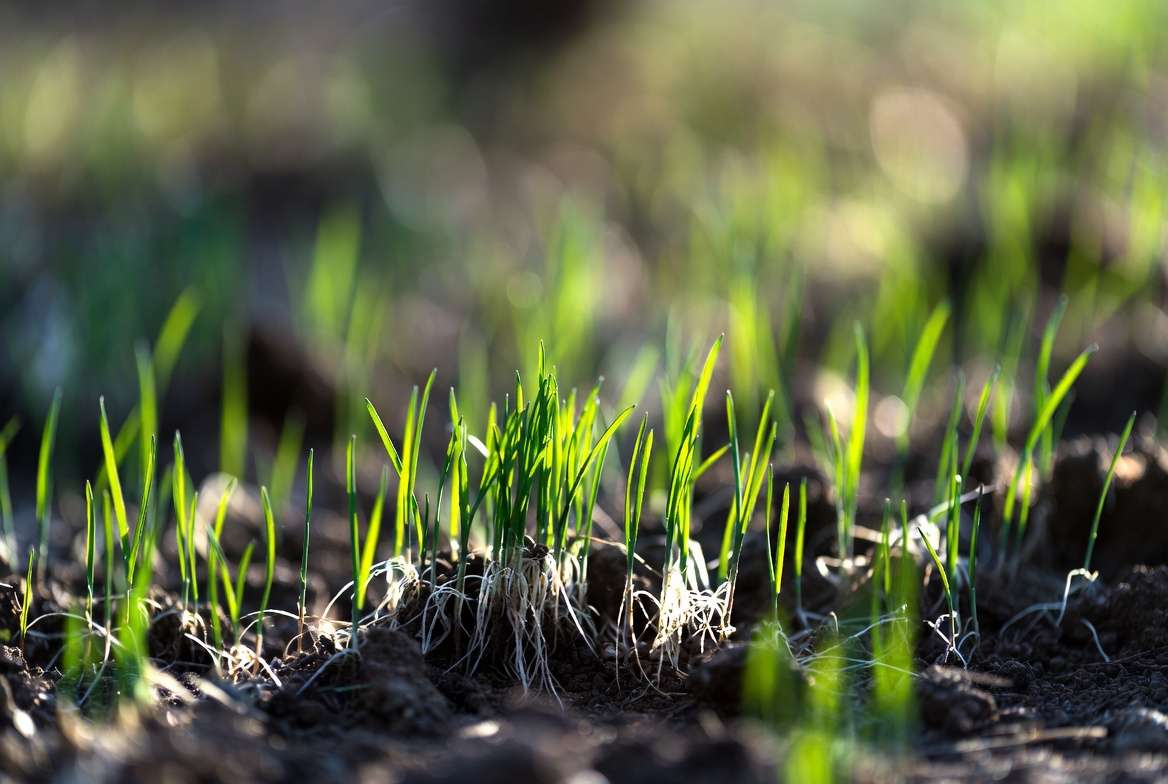
Risks of Planting Too Early or Too Late
- Too early (spring chill): Slow germination, weed competition, and potential winter damage.
- Too late (summer heat): Shallow roots, high water needs, increased disease pressure like brown patch.
- Dormant seeding in winter: Can work but risks poor seed-to-soil contact or washaway from melt.
How Climate Change is Shifting Traditional Planting Windows Warmer winters and unpredictable springs are pushing optimal soil temperatures earlier or later in many regions. Savvy gardeners now rely more on soil thermometers and local extension data rather than calendar dates alone. Monitoring trends from USDA resources helps future-proof your lawn efforts.
A quick comparison table (visualize or add one in the final post):
| Season | Cool-Season Success Rate | Warm-Season Success Rate |
|---|---|---|
| Early Fall | Excellent 🌟 | Moderate |
| Spring | Good | Excellent 🌟 |
| Summer | Poor | Good (with care) |
Understanding Different Grass Types – Choose Before You Plant 🌾
Selecting the right grass is as crucial as timing. Matching varieties to your climate ensures better performance and fewer headaches.
Cool-Season Grasses (Kentucky Bluegrass, Fescue, Ryegrass) ❄️ These thrive in northern and transitional areas with temperatures 60–75°F. They grow actively in spring and fall, staying green longer into cooler months but may go dormant (brown) in intense summer heat. Ideal for Zones 3–6 and parts of the Transition Zone. Tall fescue is particularly drought-tolerant and shade-friendly.
Warm-Season Grasses (Bermuda, Zoysia, St. Augustine, Centipede) ☀️ Perfect for southern climates (Zones 8–11), these love heat and full sun. They green up late spring, peak in summer, and go dormant in winter. Bermuda is aggressive and traffic-tolerant; Zoysia is slower but dense and weed-resistant.
Transition Zone Challenges and Solutions In Zones 6–7 (e.g., parts of Missouri, Kentucky, Virginia), both types can work but require careful selection. Many homeowners use blends or overseed warm-season bases with cool-season ryegrass for year-round color.
How to Identify What Grows Best in Your Area Enter your zip code into USDA Hardiness Zone tools or contact your local Cooperative Extension office. Consider sunlight, soil type, traffic, and water availability. For tree-heavy yards, prioritize shade-tolerant options like fine fescue. 🌳
The Best Time to Plant Grass by Season
Spring Planting Guide 🌼 Spring works well for both types but demands precision. For cool-season grasses, aim for early spring once soil hits 50–55°F. Warm-season grasses do best in late spring/early summer when soil reaches 65°F+. Pros: Longer establishment before summer. Cons: Weed pressure and potential late frosts. Water consistently and avoid pre-emergent herbicides that block new seed.

Fall Planting – Often the #1 Recommended Season 🍂 For cool-season grasses, early fall is golden. Soil is warm for quick germination, air is cool to reduce stress, and roots develop deeply before winter. In northern states, mid-August to mid-September; further south, September–October. This timing often yields the strongest, most resilient lawns. Warm-season grasses can be fall-seeded in some areas but prefer spring.
Summer Planting – When It’s Possible (and When to Avoid) 🏖️ Generally risky due to heat stress. Possible in cooler summers or with heavy irrigation for warm-season types in early summer. Avoid for cool-season entirely unless in very mild climates.
Winter Planting Considerations ❄️ Dormant seeding (spreading seed on frozen ground) can succeed for cool-season grasses in cold regions. Seeds wait for spring warmth. Success depends on good soil contact and minimal erosion.
Regional Planting Calendars – Your Location Matters 🗺️
Your geographic location and USDA Hardiness Zone are the biggest predictors of success when determining when to plant grass. Here’s a detailed breakdown to help you pinpoint the ideal window for your yard.
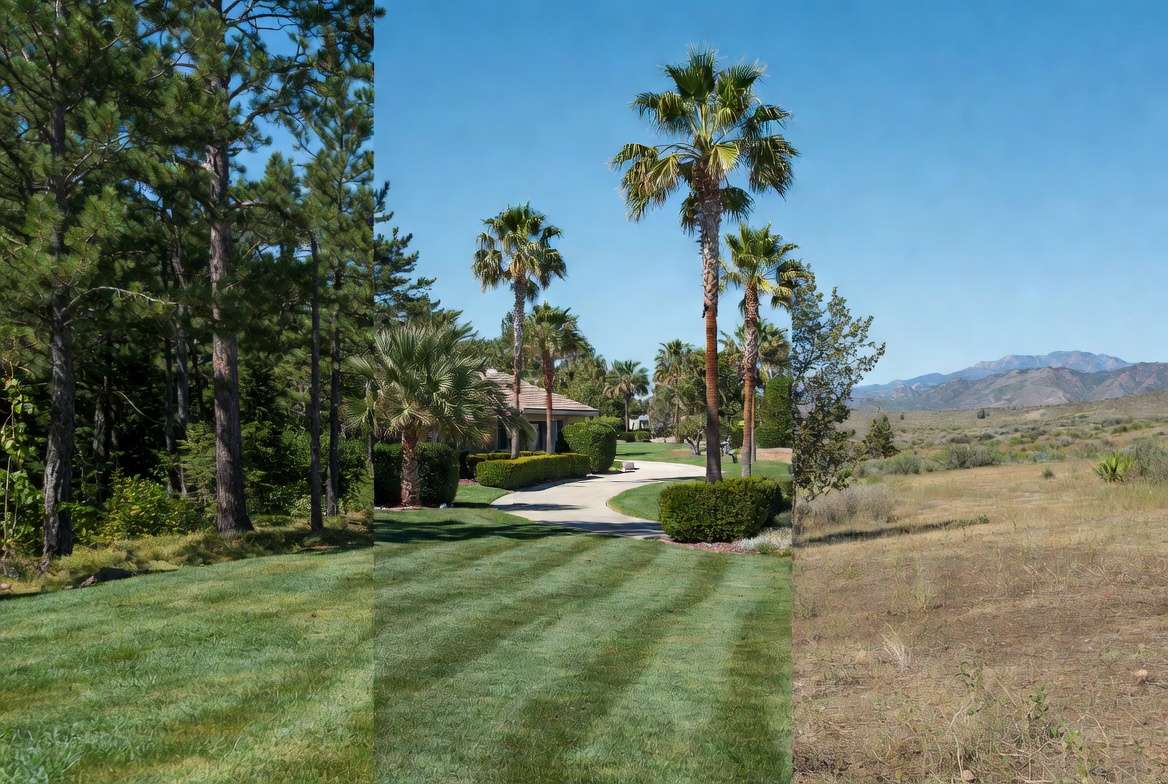
Northern & Cold Climates (USDA Zones 3-6) In these areas, fall is king for cool-season grasses. Target mid-August through early October, when soil temperatures are still 55–65°F but nights are cooling. This allows 6–8 weeks of root growth before the ground freezes. Spring planting (late April–early June) is a solid second option once soil warms consistently. Avoid summer heat and late fall after mid-October. Popular choices: Kentucky bluegrass, perennial ryegrass, and tall fescue blends. 🌲
Southern & Warm Climates (Zones 8-11) Warm-season grasses shine here. Plant in late spring to early summer (May–July) when soil temperatures reliably exceed 65°F. This gives the grass the entire hot season to establish before winter dormancy. Fall is generally too late as growth slows dramatically. For overseeding with cool-season ryegrass to maintain winter green, do so in October–November. Bermuda, Zoysia, and St. Augustine are top performers in sunny southern yards. ☀️
Transition Zone (Zones 6-7) This challenging band across the central U.S. allows flexibility but requires strategy. Cool-season grasses do best when planted in early fall (late August–September). Warm-season types prefer late spring (May). Many experts recommend tall fescue or blended lawns for year-round resilience. Monitor local frost dates closely.
Western & Coastal Regions (Drought-Tolerant Considerations) In drier western states, focus on fall planting for cool-season varieties and incorporate drought-resistant options like fine fescue or buffalograss. Coastal areas with mild climates often enjoy extended planting seasons from early spring through fall. Always factor in water restrictions and choose native-adapted grasses to conserve resources. 🌵
For quick reference, consider creating or consulting a visual calendar based on your zip code from reliable sources like your state university extension service.
Key Factors That Influence When to Plant Grass 🔑
Timing isn’t one-size-fits-all. Several environmental elements can shift your ideal planting window by weeks.
Soil Temperature vs. Air Temperature – The Real Secret Use a soil thermometer (inexpensive and essential tool) inserted 2–4 inches deep. This is far more accurate than air temperature alone. Cool-season grasses: 50–65°F soil. Warm-season: 65–75°F+.
Local Weather Patterns and Microclimates Urban heat islands, slopes, shaded areas under trees, and proximity to water bodies all create unique microclimates. A south-facing slope may warm earlier than a northern one. Track your local 10-day forecast and historical data.
Soil Quality, pH, and Drainage Testing Before planting, test your soil through a local extension office or kit. Most grasses prefer pH 6.0–7.0. Amend heavy clay with compost or sand for drainage, and enrich sandy soils with organic matter. Poor soil is one of the top reasons even perfectly timed plantings fail. 🧪
Sunlight, Shade, and Yard-Specific Conditions Full-sun lawns need different varieties and timing than shady spots under mature trees. In shaded areas, opt for fine fescue and plant earlier in fall to allow establishment before leaf drop.
Water Availability and Irrigation Setup Consistent moisture is critical for the first 3–4 weeks. Ensure you have a reliable watering plan or automatic system before seeding.
Step-by-Step Guide to Planting Grass Successfully 🛠️
Follow this professional process for maximum results.
Preparing Your Soil Like a Pro
- Remove weeds, rocks, and debris.
- Test and amend soil 4–6 weeks before planting.
- Till or aerate to 4–6 inches deep.
- Level the area and create a firm seedbed by rolling lightly. Add a starter fertilizer high in phosphorus. 🌱
Choosing the Right Seed, Sod, or Plugs
- Seed: Most economical, best for large areas and cool-season fall planting.
- Sod: Instant results, ideal for warm-season or high-traffic areas.
- Plugs/Sprigs: Great for warm-season grasses like Zoysia or St. Augustine. Buy fresh, high-quality, regionally adapted products from reputable suppliers.
Seeding Rates, Spreading Techniques, and Starter Fertilizer Follow package rates (typically 5–10 lbs per 1,000 sq ft). Use a spreader for even coverage, then gently rake or roll seeds into soil. Apply starter fertilizer at planting.
Watering Schedule for the Critical First 3 Weeks Keep the top ½ inch of soil consistently moist but not waterlogged. Light, frequent watering (2–3 times daily) until germination, then gradually reduce to deeper, less frequent sessions to encourage deep roots.
Mulching and Protection Strategies Apply a thin layer of straw or peat moss to retain moisture and prevent erosion. Use erosion blankets on slopes.
Aftercare for a Thriving Lawn – The First 8 Weeks and Beyond 🌟
Mowing, Fertilizing, and Weed Control Timeline
- First mow when grass reaches 3 inches (usually 3–6 weeks post-germination). Never remove more than 1/3 of the blade.
- Fertilize lightly at 4–6 weeks, then follow a seasonal schedule.
- Delay broadleaf weed killers until the lawn is well-established (usually 8–10 weeks).
Dealing with Common Early Issues
- Thin spots: Overseed and improve watering.
- Diseases (brown patch, dollar spot): Improve air circulation and avoid overwatering.
- Pests: Monitor for grubs and use beneficial nematodes where appropriate.
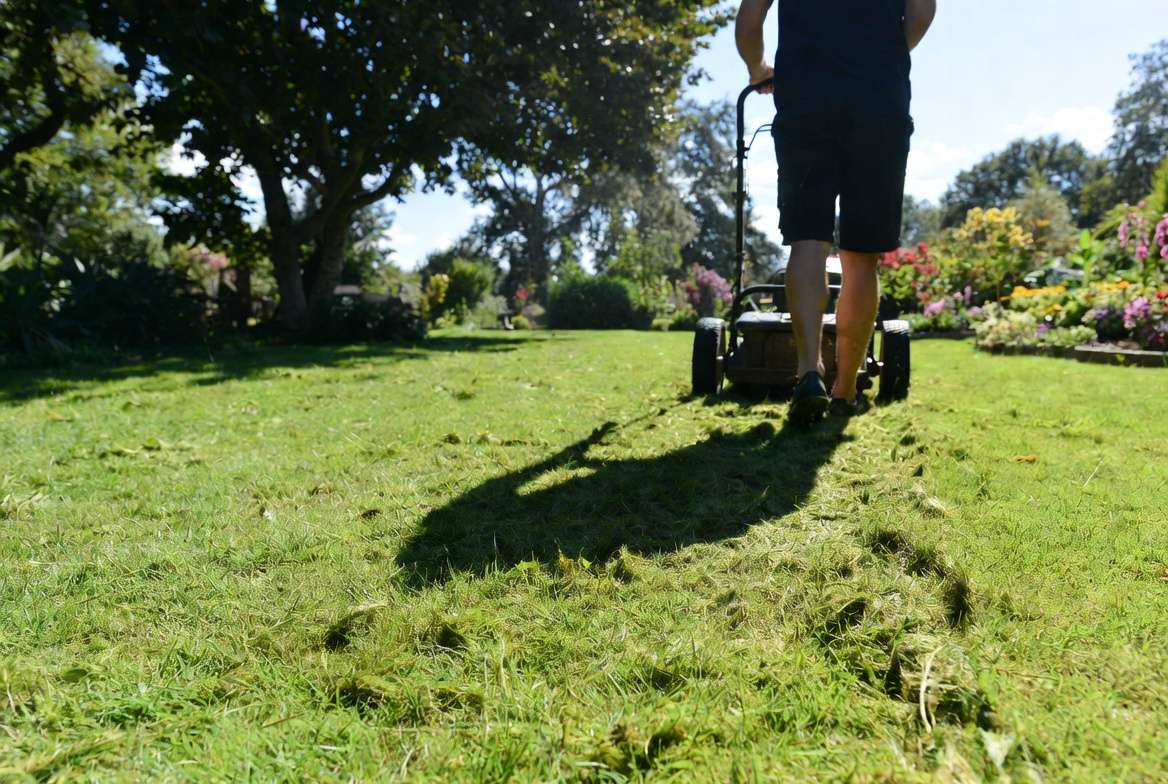
Long-Term Maintenance Tips for Year-Round Success Develop a seasonal lawn care calendar that integrates with your tree and plant care routine. Aerate annually, topdress with compost, and maintain proper mowing height (2.5–4 inches depending on grass type).
Common Mistakes to Avoid When Planting Grass ❌
- Ignoring soil temperature and planting by calendar alone.
- Using the wrong grass type for your region or conditions.
- Inconsistent watering leading to dry-out or rot.
- Planting too deep or too shallow.
- Applying pre-emergent herbicides too close to seeding.
- Skipping soil preparation.
- Over-fertilizing new seedlings.
- Mowing too soon or too short.
Avoiding these pitfalls dramatically increases your success rate.
Expert Tips and Advanced Techniques for Better Results 💡
- Overseeding Existing Lawns: Best in early fall for cool-season grasses to thicken thin areas.
- Eco-Friendly Approaches: Choose native or pollinator-friendly mixes and reduce chemical use.
- Drought-Resistant Varieties: Look for improved cultivars bred for lower water needs.
- Integrating with Trees: Plant grass that tolerates shade and avoid compacting soil around tree roots.
Consider soil solarization or biofungicides for organic establishment.
Frequently Asked Questions (FAQs) ❓
When is the absolute best time to plant grass seed? Early fall for cool-season grasses and late spring for warm-season grasses in most regions.
Can I plant grass in summer? It’s possible for warm-season types with intensive care, but not recommended for cool-season.
Seed vs. sod – which is better? Seed is more affordable and offers better root establishment long-term; sod provides instant gratification.
How long until I see results after planting? Germination in 7–21 days; full establishment in 6–10 weeks.
What’s the best grass for shady yards? Fine fescue or shade-tolerant tall fescue blends.
How do I know if my soil is ready? Test temperature and pH; it should be workable and free of weeds.
Can I plant grass over existing grass? Yes, via overseeding, but prepare the surface well.
What about dormant seeding in winter? Effective in cold climates if done correctly on prepared soil.
Do I need to water every day? Yes, lightly and frequently during germination phase.
How does climate change affect grass planting? It shifts windows, making soil monitoring even more important.
Conclusion 🌿
Mastering when to plant grass transforms your lawn from a source of frustration into a beautiful, low-maintenance asset that complements your trees, plants, and overall landscape. By aligning planting with natural growth cycles—favoring early fall for cool-season and late spring for warm-season—you set the foundation for deep roots, vibrant color, and resilience.
Take action today: Check your soil temperature, determine your zone, and mark your calendar. A thriving lawn is within reach with the right timing and care. Share your location and grass goals in the comments—I’d love to offer more tailored advice!
For more plant care wisdom, explore our guides on tree selection, shade gardening, and organic lawn maintenance. Here’s to greener days ahead! ✨🌱











