
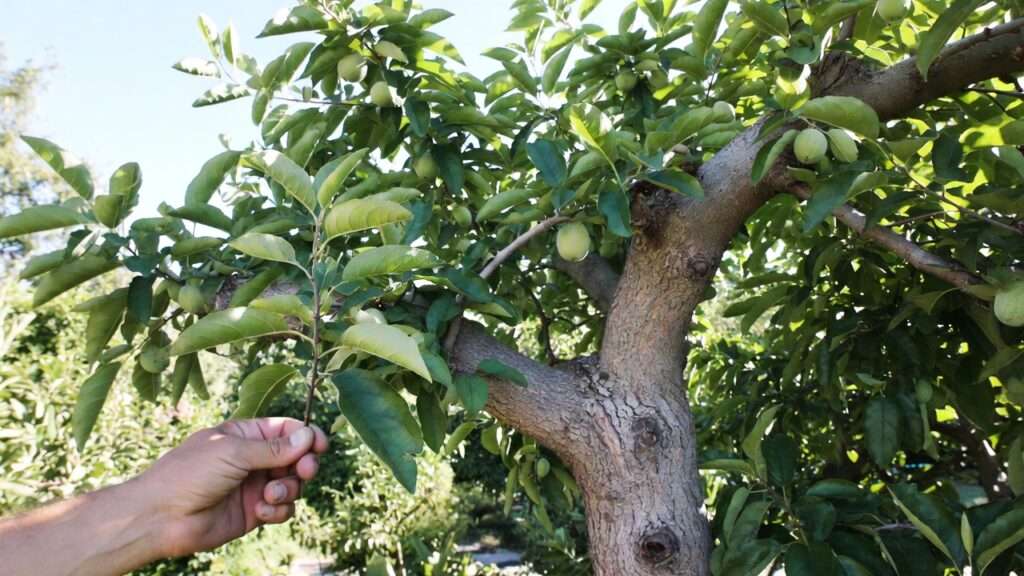
Imagine this: Your beautiful apple tree is finally loaded with promising blossoms, or your citrus is heavy with developing fruit… but wild, vigorous shoots are exploding from the base and roots, siphoning away precious water, nutrients, and energy that should be fueling those juicy fruits instead. 😩 These unwanted growths, known as suckers, can dramatically reduce your harvest if left unchecked — sometimes slashing fruit production by 20–50% or more in severe cases.
If you’ve ever wondered when to remove suckers from fruit trees to get the biggest, healthiest yields, you’re in the right place. In this in-depth guide, backed by university extension services (like Iowa State, UConn, Utah State, and others), we’ll cover everything: what suckers really are, why timing is critical for maximum fruit production, the best seasonal windows, step-by-step removal techniques, prevention strategies, and tree-specific advice. Whether you’re a backyard grower in a temperate zone or tending subtropical citrus, these proven methods will help redirect energy where it belongs — straight to your fruit! 🍏
As someone passionate about fruit tree care with hands-on experience and drawing directly from authoritative horticultural research, let’s dive in and turn those energy-stealing suckers into bigger baskets of homegrown goodness. 🌟
What Are Suckers on Fruit Trees and Why Do They Appear? 🤔
Suckers (also called root suckers or basal shoots) are vigorous, fast-growing shoots that emerge from the rootstock — the lower part of a grafted fruit tree — typically below the graft union or even from the roots themselves. They’re distinct from water sprouts, which are similar upright shoots but arise higher up on the trunk or branches from latent buds.
Most modern fruit trees (apples 🍎, pears 🍐, plums 🍑, peaches, cherries, citrus 🍊, and many others) are grafted: a desirable fruiting variety (scion) is attached to a hardy, dwarfing, or disease-resistant rootstock. Suckers usually come from the rootstock and won’t produce the same quality fruit as the scion — if they fruit at all, it’s often poor or inedible.
Why do they pop up? Common triggers include:
- Tree stress — Drought, overwatering, root damage, severe pruning, transplant shock, or nutrient imbalances prompt the tree to send out suckers as a survival response.
- Improper planting — If the graft union is buried too deep, the scion may root and the rootstock dominates with suckers.
- Natural vigor — Some rootstocks (like certain dwarfing types for apples or trifoliate orange for citrus) are prone to suckering, especially in plums, cherries, and some stone fruits.
- Injury — Wounds from mowing, weed eaters, or animals can stimulate adventitious buds.
Left alone, suckers act like “energy vampires” — they compete aggressively for resources, shade out productive branches, weaken overall tree structure, and divert energy from fruit development, flowering, and root growth. Regular removal is essential for healthy, productive trees.
Why Timing Matters: The Science Behind Sucker Removal ⏰
Timing isn’t just convenient — it’s crucial for maximum fruit production. Suckers grow most vigorously in spring and early summer when the tree is actively photosynthesizing and storing energy. Removing them early prevents wasted resources and minimizes regrowth.
Key science-backed reasons:
- Energy redirection — Early removal channels carbohydrates and nutrients back to fruit buds, leaves, and roots instead of vigorous vegetative shoots.
- Reduced regrowth — Young, soft suckers (under 6–12 inches) can often be twisted or rubbed off, removing basal buds completely and discouraging new shoots. Cutting larger ones leaves stubs that trigger multiple branching suckers (worse problem!).
- Lower stress and disease risk — Small wounds heal faster; large cuts on mature suckers invite pathogens, especially in humid conditions.
- Expert consensus — University extensions overwhelmingly recommend prompt action: “Remove suckers as soon as they appear” (Iowa State Yard and Garden, UConn Home & Garden Education Center). Waiting until dormant season works for a few large ones but misses the opportunity to stop energy loss during peak growing season.
Consistent, timely removal throughout the season is far better than one big annual cleanup for long-term tree health and bigger yields.
When to Remove Suckers from Fruit Trees: The Ultimate Timing Guide 📅
The golden rule from horticultural experts: Remove suckers from fruit trees as soon as they appear during the active growing season. This is the single most effective strategy for maximum fruit production, as it catches them before they steal significant resources.
Here’s a practical seasonal breakdown (adapted for temperate climates; adjust for your local conditions):
- Early Spring (Dormant to Bud Break): Perfect for removing overwintered or larger suckers. The tree is still mostly dormant, so stress is minimal, and visibility is high with no leaves. Ideal if suckers survived winter or if you’re combining with major dormant pruning. (Many extensions, like Penn State and MSU, include sucker removal here.)
- Late Spring to Early Summer (Best Window for Most Cases) 🌸: Young, soft suckers emerge rapidly — this is prime time! Rub or twist them off by hand when 3–6 inches tall to eliminate basal buds and prevent vigorous regrowth. Iowa State notes suckers grow fastest in spring; removing early reduces future sprouting. UConn emphasizes rubbing/twisting young ones for clean removal.
- Mid-Summer: Keep monitoring weekly — new suckers still appear. Remove promptly to avoid energy drain during fruit sizing and ripening. Summer removal (May–July) is preferred over dormant for water sprouts and small suckers in some cases (Illinois Extension), as it limits insect/disease entry.
- Fall: Light removal is OK if suckers are small, but avoid heavy cutting close to winter dormancy — it can stimulate tender regrowth vulnerable to frost.
- Winter (Dormant Pruning) ❄️: Good backup for big, established suckers or if the tree was stressed (some experts suggest leaving suckers temporarily on very stressed trees to aid recovery, then remove in dormancy). Utah State and others often handle few suckers during winter pruning.
Special considerations:
- Stressed or young trees — Delay aggressive removal if the tree is recovering; let some suckers help photosynthesis, then prune later.
- Warm/subtropical climates — Year-round monitoring (citrus often suckers anytime).
- Regional tweaks — In cooler zones, peak is spring/summer; in warmer areas, watch after rainy periods.
Bottom line: Inspect regularly (every 2–4 weeks in growing season) and act fast — your fruit yield will thank you! 🍑
How to Properly Remove Suckers: Step-by-Step Techniques ✂️
Removing suckers correctly is just as important as timing — a bad cut can stimulate even more aggressive regrowth! The goal is to eliminate the sucker completely, including any latent buds at the base, while minimizing damage to the tree. Here’s a proven, expert-recommended process drawn from university extensions like Iowa State, UConn, and Utah State.
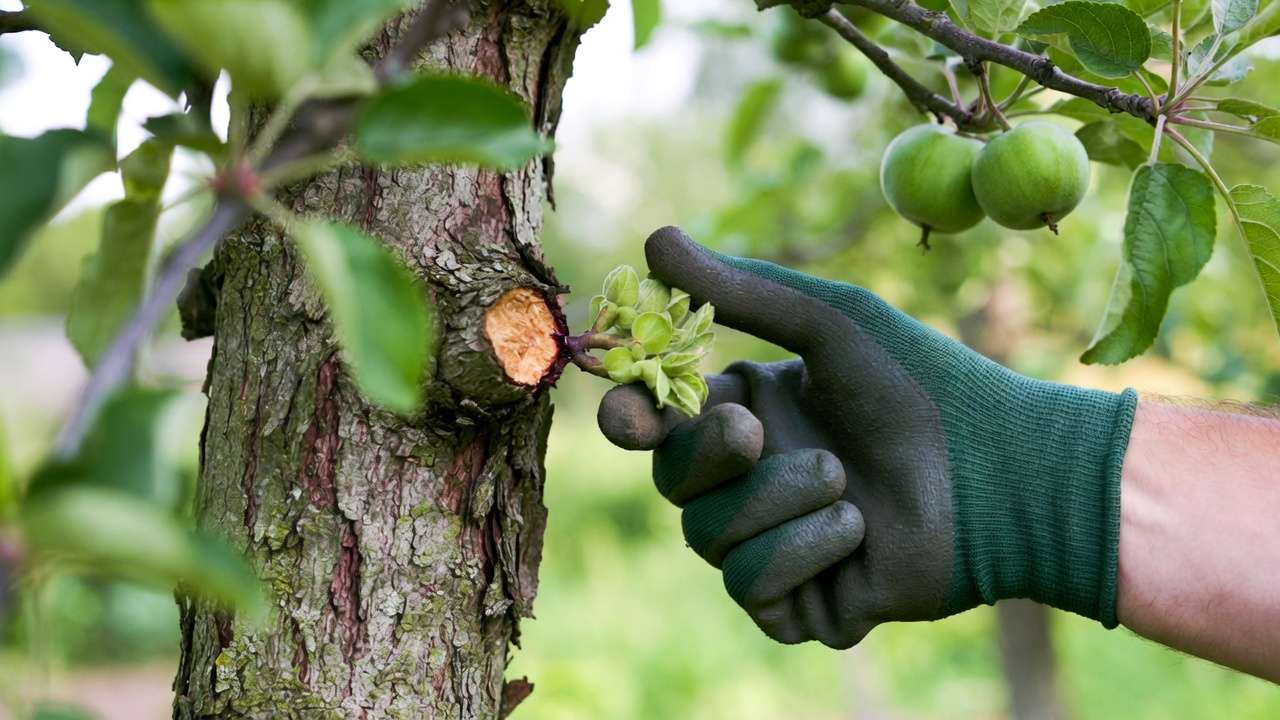
Tools you’ll need 🛠️:
- Sharp bypass hand pruners or loppers (for larger suckers)
- Gardening gloves (suckers can be thorny or sappy!)
- Small trowel or hand cultivator (to gently expose the base if buried)
- Disinfectant (rubbing alcohol or 10% bleach solution) to clean tools between cuts and prevent disease spread
- Optional: Pruning sealant (only if large cuts >1 inch, though most experts say natural healing is better)
Step-by-step removal guide:
- Inspect and locate the origin 🔍 Gently scrape away soil or mulch around the base of the sucker to find where it emerges from the root or trunk. For root suckers, trace it back to the point of origin — often several inches below ground level.
- Choose the right method based on size:
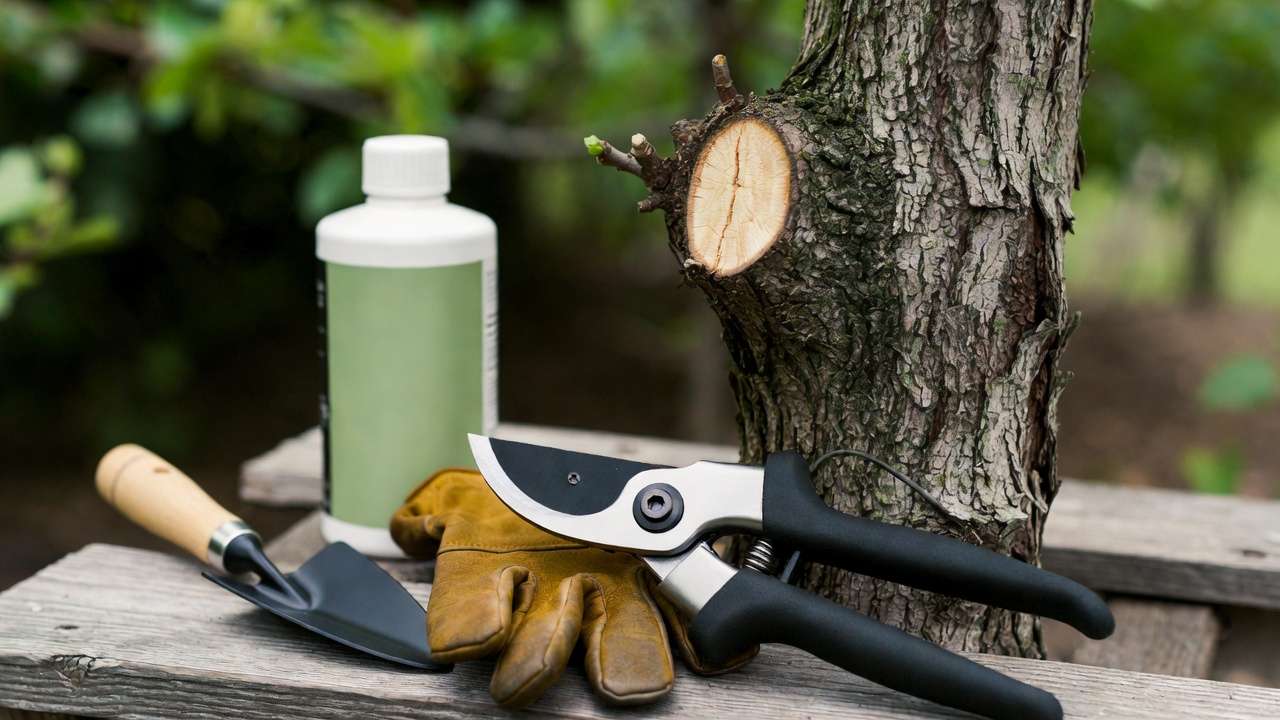
- Young, soft suckers (3–12 inches tall, green and flexible): The best! Rub or twist them off by hand or with a firm pull. This removes the entire shoot including basal buds, greatly reducing regrowth. UConn and Iowa State experts highlight this as the cleanest, least stressful method — do it in late spring/early summer when they’re tender 🌱.
- Larger or woody suckers: Use sharp pruners to cut flush to the trunk, root, or branch collar (the swollen area where the sucker meets the parent tissue). Never leave a stub — stubs trigger multiple new shoots! Angle the cut slightly away from the tree to shed water and promote healing.
- Make the cut properly:
- Position blades so the cut is clean and close (no more than ¼ inch from the origin).
- Avoid tearing bark — support the sucker while cutting to prevent ripping.
- For very large suckers (pencil-thick or more), use loppers or a small saw; make an undercut first to prevent bark stripping.
- Clean up and monitor:
- Dispose of suckers (compost if disease-free; burn or trash if suspect).
- Disinfect tools after each tree.
- Check the spot every 1–2 weeks during growing season — new shoots often appear quickly.
Common mistakes to avoid ❌:
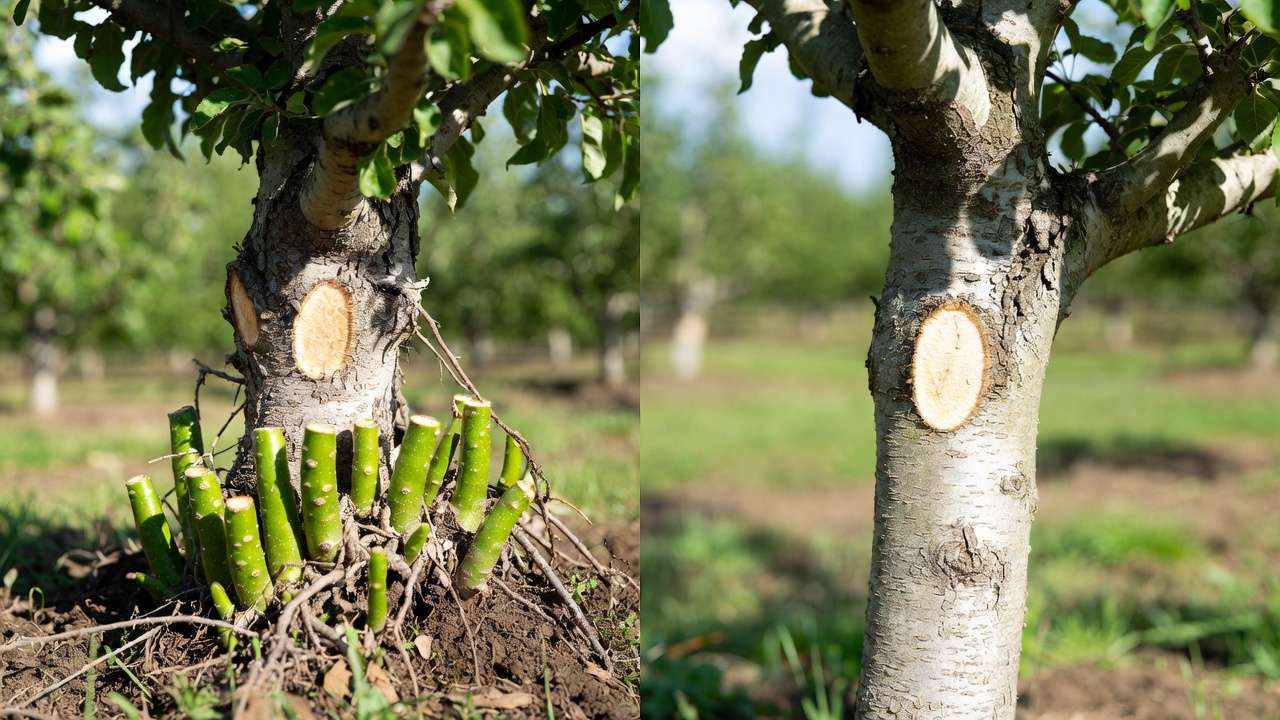
- Leaving stubs (leads to bushy regrowth)
- Cutting too flush into the trunk (damages the branch collar and healing tissue)
- Using dull tools (causes ragged cuts that invite pests/disease)
- Ignoring root suckers far from the trunk (they still steal energy!)
- Overdoing it on stressed trees (remove gradually if the tree looks weak)
With practice, this becomes quick routine maintenance. Many gardeners report that consistent early removal means fewer suckers each year — the tree “learns” not to waste energy there! 🌟
Preventing Suckers from Coming Back (or Reducing Them) 🛡️
While grafted fruit trees will always have some sucker potential (the rootstock is bred for vigor!), you can dramatically reduce their frequency and intensity with smart cultural practices. Prevention beats cure every time.
Key strategies:
- Plant correctly from the start 🌱: Keep the graft union 2–4 inches above soil line. Burying it encourages scion rooting (bad) and rootstock suckering (worse). Mulch properly — 2–4 inches deep, kept away from the trunk to avoid rot and excess moisture that stimulates suckers.
- Reduce tree stress — the #1 trigger:
- Water deeply but infrequently during dry spells (1–2 inches per week).
- Fertilize balanced (avoid high-nitrogen late in season, which promotes soft growth).
- Protect from mechanical injury (weed eaters, mowers) with trunk guards.
- Prune thoughtfully — avoid over-pruning, which shocks the tree into suckering.
- Regular monitoring and early intervention: Inspect every 2–4 weeks in growing season. Catching tiny shoots early prevents big problems.
- Advanced (optional) suppression methods ⚗️:
- Some growers use synthetic auxin sprays like NAA (e.g., Tre-Hold) applied carefully post-petal fall to inhibit suckers (Utah State research shows good results at 0.5–1% concentration, but follow label and avoid drift to fruit).
- UAN (urea ammonium nitrate) fertilizer sprays tested in trials reduced suckering when applied to young shoots.
- These are not DIY-first choices — prioritize cultural fixes, and consult local extension if considering chemicals.
- When suckers might actually help: Very rarely — on severely stressed young trees, a few suckers can provide extra photosynthesis during recovery. Remove once the tree stabilizes.
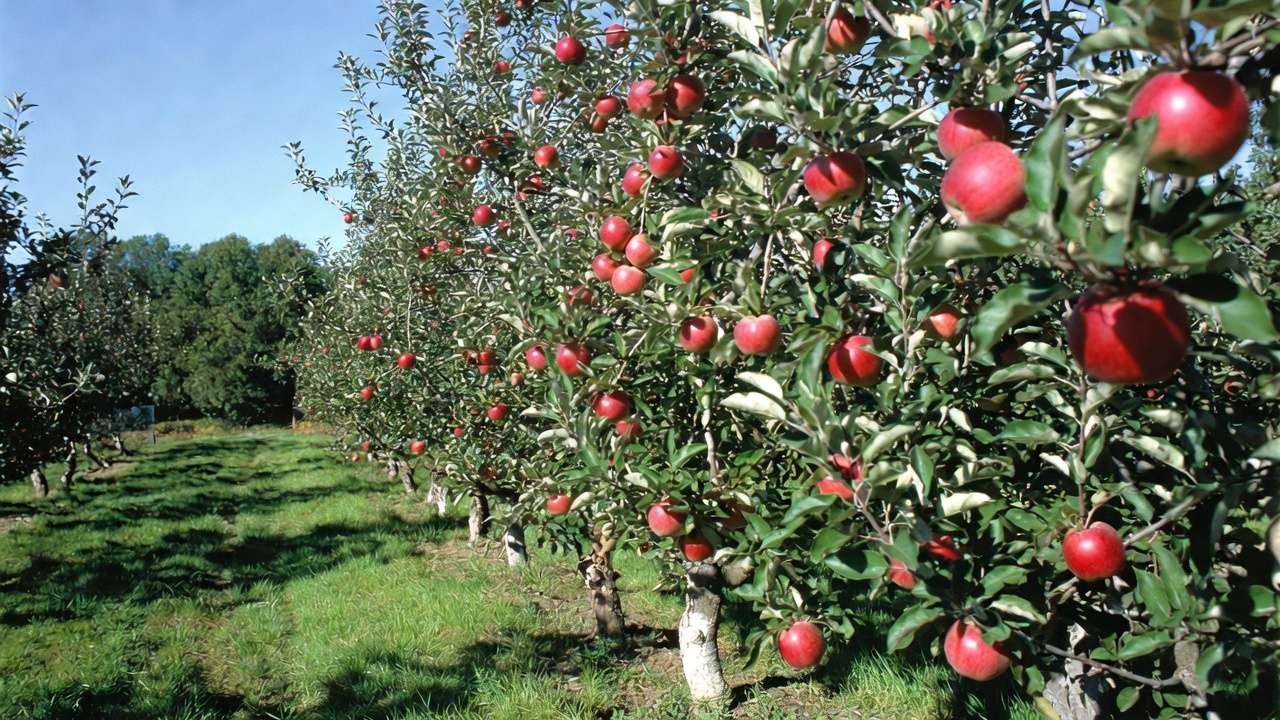
With these habits, many home orchardists cut sucker issues by 70–90% over time. Patience and consistency pay off in healthier, more fruitful trees 🍐.
Fruit Tree-Specific Tips: Apples, Citrus, Stone Fruits & More 🍊🍑
Different fruit trees sucker at varying rates due to rootstock and variety — here’s tailored advice:
- Apples & Pears 🍎🍐: Very common on dwarfing rootstocks (e.g., M9, M26). Remove aggressively as soon as seen — they divert energy fast. Summer rubbing works wonders.
- Citrus 🍊: Often grafted on trifoliate orange or similar — thorny, vigorous suckers below graft. Watch year-round in warm climates; remove promptly to prevent takeover. Summer removal preferred to avoid disease.
- Stone Fruits (Plums, Peaches, Cherries, Apricots) 🍑🍒: Heavy suckering tendency, especially plums and cherries. Remove in summer when soft for best control — they regrow vigorously if cut in dormancy.
- Quick-reference table (for easy scanning):
| Tree Type | Sucker Tendency | Best Removal Timing | Extra Notes |
|---|---|---|---|
| Apples/Pears | High | As soon as appear (spring/summer) | Focus on graft union area |
| Citrus | Medium-High | Year-round, peak summer | Thorny; watch for trifoliate traits |
| Plums/Cherries | Very High | Early summer rubbing | Most aggressive suckering |
| Peaches/Apricots | Medium | Spring to mid-summer | Sensitive to late pruning disease |
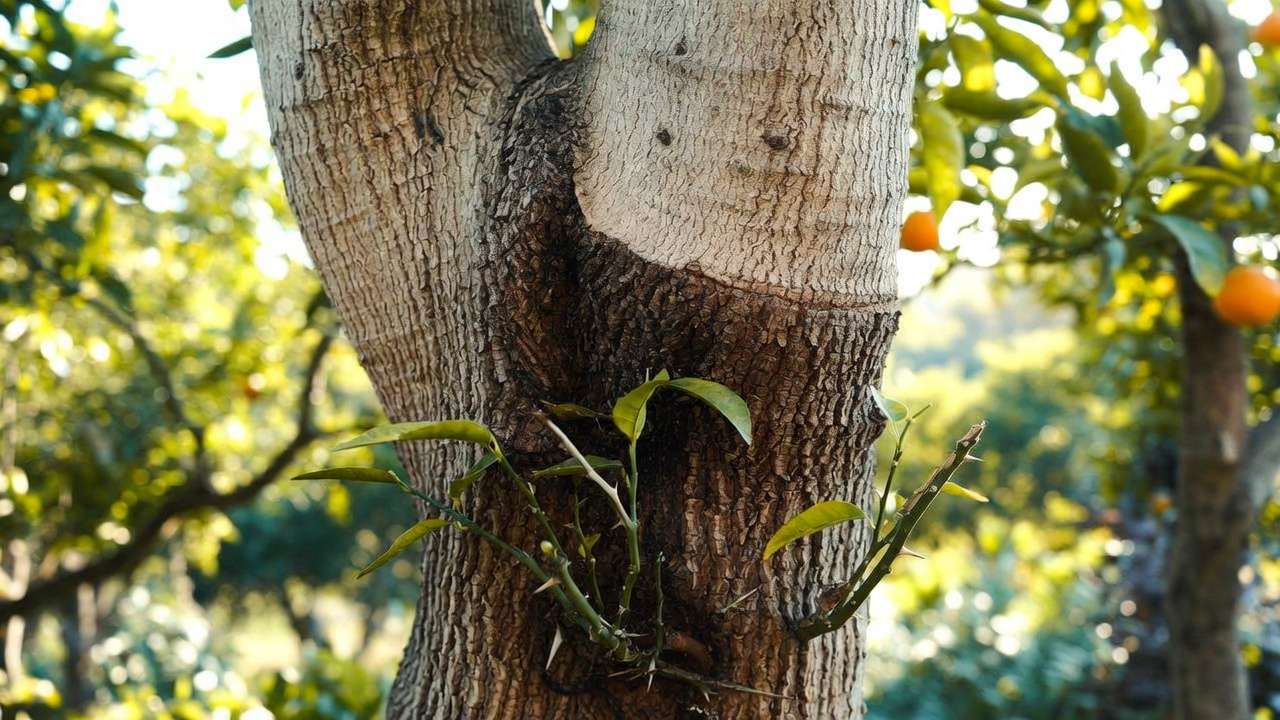
Adjust for your climate — in tropical/subtropical zones like parts of Bangladesh, monitor constantly after rains! 🌧️
Frequently Asked Questions (FAQs) ❓
Here are the most common questions home gardeners ask about when to remove suckers from fruit trees — answered with practical, research-backed advice to help you make confident decisions.
1. Can I remove suckers in winter? Yes — winter (dormant season) is actually a safe time for larger, established suckers, especially if you’re already doing major pruning. The tree isn’t actively growing, so stress is low and wounds heal slowly but surely. However, for the best fruit production results, prioritize removing young suckers during the growing season (spring/summer) to stop energy loss early. Combine both approaches for maximum benefit.
2. Will removing suckers hurt my tree? Not if done properly! Removing suckers is beneficial — it redirects energy to fruit, improves airflow, and reduces disease risk. The only risk comes from poor technique (leaving stubs, tearing bark, or over-removing on a very stressed tree). Young suckers twisted off by hand cause almost zero stress. Trees are resilient; consistent sucker management actually makes them healthier and more productive long-term 🍏.
3. How do I stop suckers from coming back permanently? You can’t eliminate them 100% on grafted trees (the rootstock is naturally vigorous), but you can reduce them dramatically (often by 80–90%) with:
- Proper planting depth (graft union above soil)
- Stress reduction (consistent watering, balanced fertilizer, trunk protection)
- Early and frequent removal
- Avoiding high-nitrogen fertilizers late in the season Chemical options like NAA sprays exist but are rarely needed for home growers — focus on cultural practices first.
4. What’s the difference between suckers and water sprouts?
- Suckers: Emerge from the rootstock or roots, usually below the graft union or soil line. Fast-growing, often thorny (especially citrus), steal energy aggressively.
- Water sprouts: Shoot straight up from the trunk or main branches (above graft). Also vigorous, but easier to spot and manage. Both should be removed, but suckers are usually the bigger yield thief.
5. Are suckers useful for anything? Rarely — but yes in specific cases:
- Propagation: If you have a non-grafted heirloom tree, suckers can be rooted to create clones.
- Temporary help: On severely stressed young trees, a few suckers can provide extra leaves for photosynthesis during recovery — then remove them once stable. For grafted trees, suckers almost never produce good fruit, so removal is standard.
6. My tree is very young — should I remove all suckers right away? For the first 1–2 years after planting, be a bit gentler. Remove most, but if the tree looks weak, leave 2–3 small ones temporarily to help build strength. Once established, remove aggressively for best fruiting.
7. Do all fruit trees get suckers? No — grafted trees (most commercial varieties) are prone; own-rooted trees (some heirlooms, figs, some plums) sucker less or differently. Citrus, apples on dwarf rootstocks, and stone fruits are the worst offenders.
8. How often should I check for suckers? Every 2–4 weeks during the growing season (spring through early fall). Early detection = easy hand removal = fewer future problems. Set a calendar reminder — it takes just minutes per tree!
These answers cover 90% of real-world scenarios gardeners face. If your situation is unique, feel free to share details in the comments for more tailored tips 🌟.
Conclusion: Take Action for a Bountiful Harvest! 🎉
Suckers may seem like minor annoyances, but left unchecked they quietly rob your fruit trees of the energy needed for big, juicy harvests. The key takeaway is simple yet powerful: remove suckers from fruit trees as soon as they appear — especially those soft, young shoots in late spring and early summer — to maximize fruit production, improve tree health, and make your orchard work smarter, not harder.
By understanding why suckers form, mastering the right timing (prompt growing-season removal + strategic dormant pruning), using clean techniques (twist off the small ones!), preventing future outbreaks through good cultural care, and tailoring your approach to your specific trees, you’ll see noticeable improvements: fuller canopies, better fruit set, larger yields, and stronger, longer-lived trees.
This season, grab your gloves, take a quick walk around your fruit trees, and tackle those suckers early. Your future self (and your taste buds) will thank you when you’re harvesting basketfuls of homegrown goodness 🍑🍊🍎.
Happy growing, and may your trees be sucker-free and super productive! 🌳











