
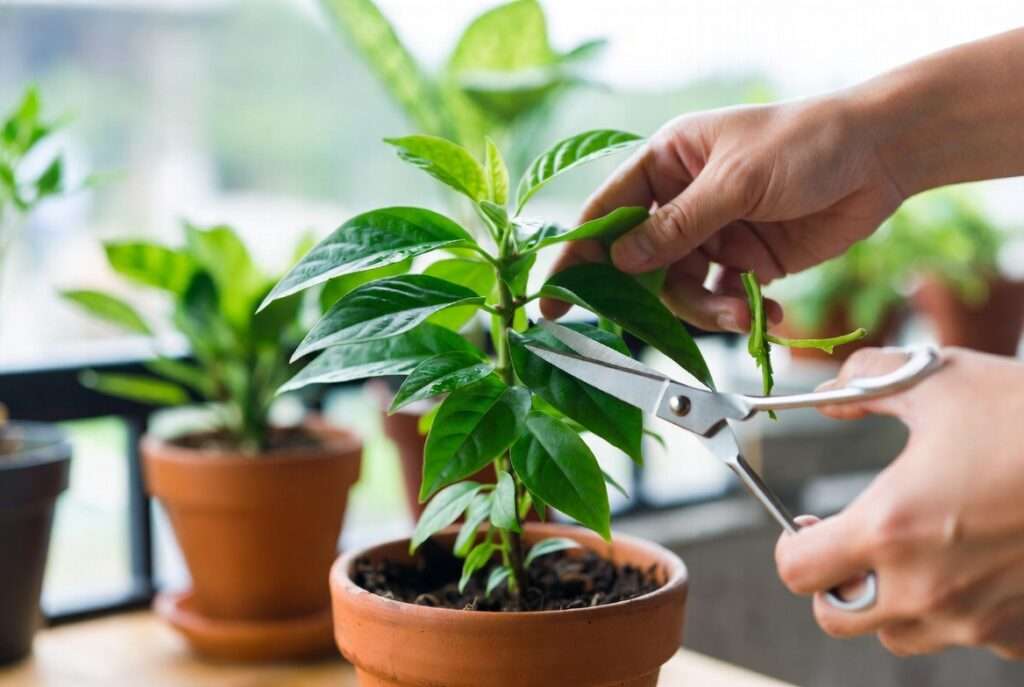
Have you ever looked at your favorite potted plant and wished it was fuller, bushier, and bursting with more leaves, flowers, or even fruits? That leggy tomato stretching toward the ceiling, the sparse basil on your windowsill, or the tall monstera that’s outgrowing its space — these are classic signs that a simple technique called topping could transform your plant into a lush, productive beauty.
Knowing when to top pot plants is one of the most powerful skills any home gardener or indoor grower can master. Done at the right moment, topping encourages lateral branching, creates a stronger structure, and often leads to higher yields in a smaller footprint. As a plant care specialist with over a decade of hands-on experience growing everything from culinary herbs to container vegetables and ornamental houseplants, I’ve seen firsthand how proper timing turns average plants into show-stoppers. 🌿
In this comprehensive guide, you’ll discover the science behind topping, the ideal growth stages and visual cues, step-by-step instructions, potential pitfalls, and advanced tips to maximize results. Whether you’re a beginner with a few pots on the balcony or an experienced grower managing a small indoor garden, this article will equip you with expert knowledge to grow healthier, bushier plants. Let’s dig in and unlock the full potential of your potted greenery! ✨
What Is Topping and Why Do It?
Topping is a pruning technique where you carefully remove the main growing tip (apical meristem) of a young plant. This breaks apical dominance — the natural process where the top shoot produces hormones (primarily auxin) that suppress growth in lower branches. By removing that dominant tip, growth hormones redistribute, encouraging multiple new branches to emerge from nodes below the cut.
The result? A plant that grows wider instead of just taller, making it ideal for space-limited environments like apartments, balconies, or grow tents.
Understanding Plant Growth Hormones and Apical Dominance (H3)
Plants are incredibly smart. The hormone auxin flows downward from the top, telling side buds to stay dormant. When you top the plant, auxin levels drop at the top, and cytokinins (branching-promoting hormones) take over. This hormonal shift leads to vigorous lateral growth, creating that coveted bushy appearance. This principle applies across many species, from herbs like basil and mint to vegetables such as tomatoes and peppers, and even popular houseplants.
Key Benefits of Topping Pot Plants 🌟
- Bushier, Fuller Growth: Instead of one tall stem, you get multiple strong branches loaded with foliage.
- Increased Yields: More branches often mean more flowers, fruits, or harvestable leaves — perfect for tomatoes, peppers, strawberries, and herbs.
- Better Light Penetration and Airflow: A wider canopy allows light to reach lower leaves, reducing legginess and lowering the risk of fungal diseases like powdery mildew.
- Space Efficiency: Ideal for indoor growers or small patios where height is limited.
- Stronger Structure: Multiple stems distribute weight better, making plants more wind-resistant outdoors or stable in pots.
- Stress Management Tool: In some cases (like late-season tomatoes), topping redirects energy to ripening existing fruit.
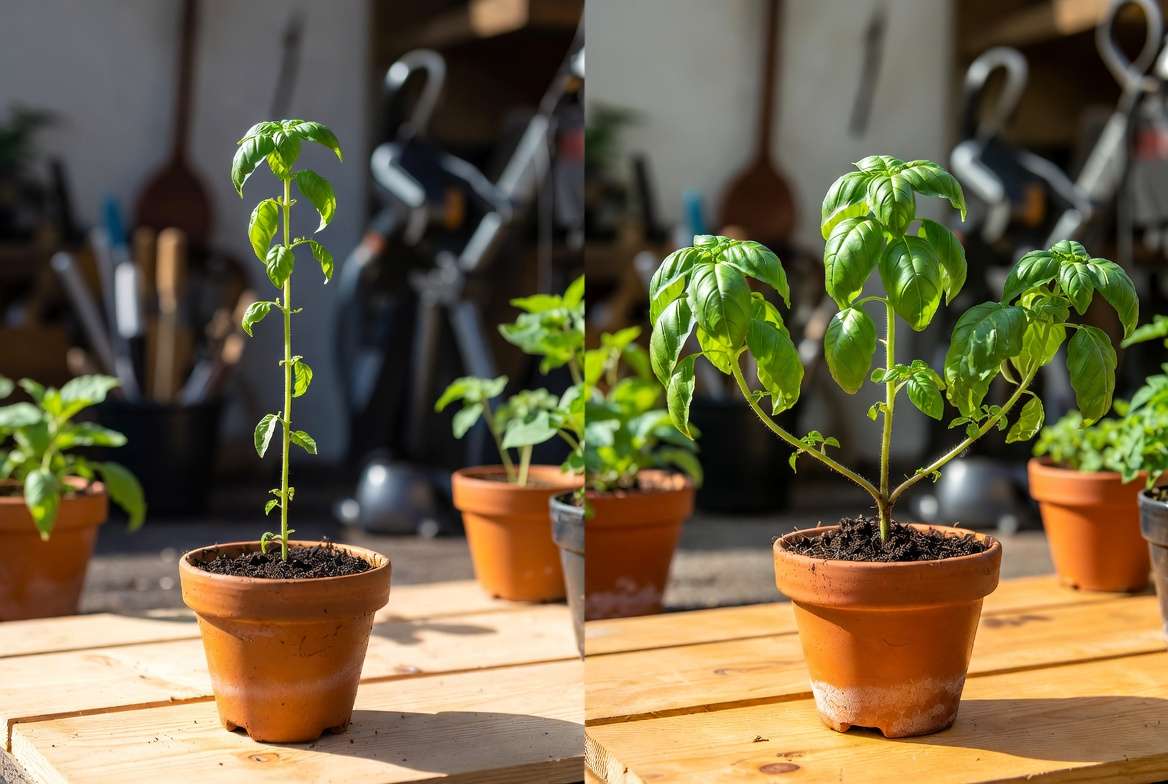
Common Plants That Benefit from Topping
Many potted plants respond beautifully:
- Herbs: Basil, mint, oregano — topping keeps them compact and encourages continuous leaf production.
- Vegetables: Tomatoes (especially indeterminate varieties), peppers, eggplants.
- Houseplants: Pothos, philodendron, monstera, and young fruit trees in containers for a fuller look.
- Others: Certain ornamental plants and even some cannabis varieties (where legal), though principles remain the same.
Pro Tip: Not every plant loves topping equally. Research your specific variety or observe how it responds to light pruning first. 🪴
When Is the Best Time to Top Pot Plants? — Core Section ⏰
This is the heart of the article and exactly what most gardeners search for. Timing is everything — top too early and you risk stunting; too late and benefits diminish.
Signs Your Plant Is Ready: Node Counting and Visual Cues (H3)
The most reliable indicator is node count. A node is the point on the stem where leaves or branches emerge.
For most pot plants, wait until your plant has developed 4-6 healthy nodes (typically 3-5 weeks into vegetative growth for fast-growing species). At this stage, the plant has a strong enough root system and stem to recover quickly from the cut.
Visual cues to look for:
- Thick, sturdy main stem (pencil-width or better).
- Vibrant, healthy leaves with no signs of deficiency or pests.
- Active new growth at the top.
- Well-established roots (check by gently lifting if in a nursery pot).
For tomatoes, many gardeners top when the plant is 12-18 inches tall with several strong side shoots forming. Herbs like basil can be topped earlier once they have 4-6 sets of leaves.
Growth Stage Matters: Vegetative Phase Is Key
Always top during the vegetative (veg) stage when the plant focuses on foliage and structure rather than reproduction. Avoid topping seedlings (too fragile) or plants in flowering/fruiting stage (high stress and reduced yields).
- Indoor plants: Top anytime during active veg under consistent lighting (18/6 or 16/8 light cycle for many species).
- Outdoor potted plants: Best in spring to early summer when days are lengthening and temperatures are mild (65-80°F / 18-27°C ideal for recovery).
Seasonal note: In cooler climates, give plants extra recovery time before any autumn chill.
Time of Day and Recovery Windows
The best time of day is early morning or just before lights go off (for indoor grows). This gives the plant the night or cooler hours to begin healing without immediate intense light stress.
Allow at least 7-14 days between toppings for recovery. Multiple toppings can create an incredibly bushy plant, but patience prevents shock.
Avoiding Common Timing Mistakes
- Too early (under 3-4 nodes): Weak recovery, possible stunting.
- During flowering: Can reduce bud/fruit production and invite stress.
- Stressed or unhealthy plants: Always ensure optimal health first (proper watering, nutrition, light).
- Right before transplant: Better to top after settling into the final pot.
Step-by-Step Guide: How to Top Pot Plants Properly ✂️
Mastering the technique ensures minimal stress and maximum results.
Tools you’ll need:
- Sharp, sterilized pruning shears or scissors (clean with rubbing alcohol).
- Gloves (optional).
- Optional: Rooting hormone or seaweed extract for post-care boost.
Step-by-step process:
- Prepare: Water the plant the day before but not immediately before cutting. Work in a clean area.
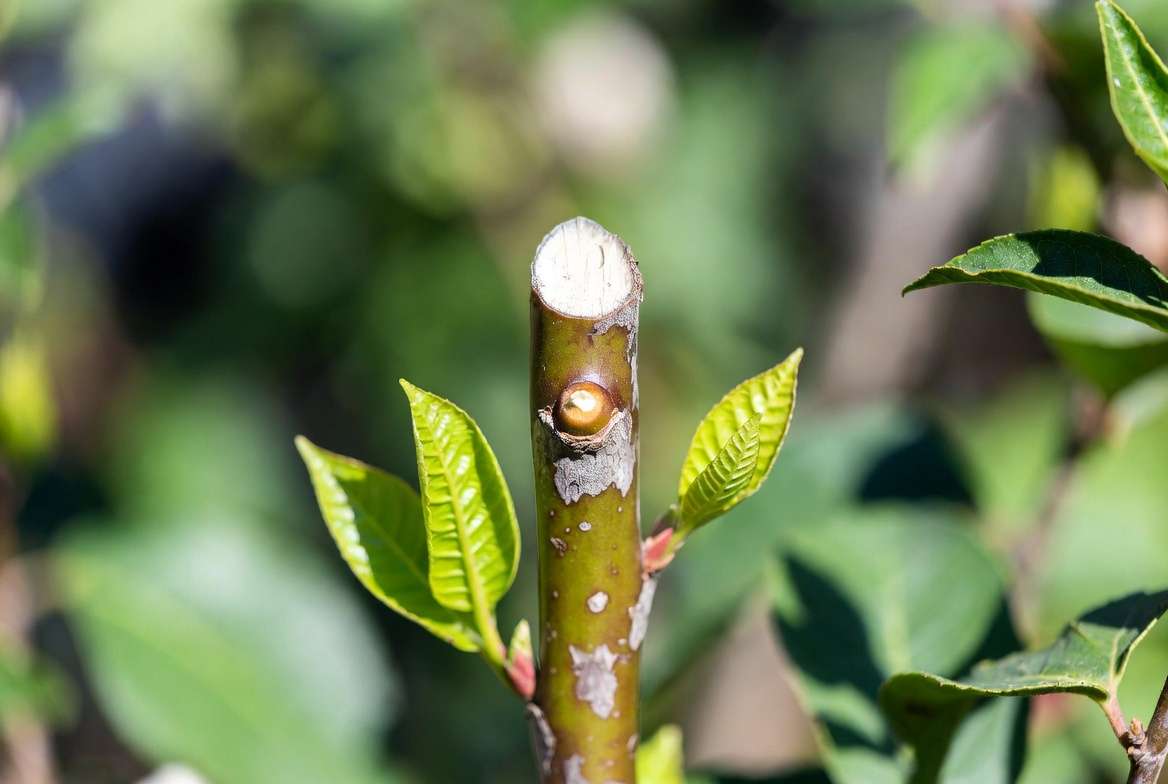
- Identify the spot: Count nodes from the base. Cut just above the 4th or 5th node, leaving 2-4 nodes below for new growth. Make a clean 45-degree angled cut.
- Execute: Remove the top growth cleanly. Avoid crushing the stem.
- Aftercare immediately: Place in indirect bright light initially. Maintain consistent moisture (not soggy). Consider a light nutrient boost with balanced or slightly higher nitrogen formula.
- Monitor: New growth should appear within 3-7 days at the nodes below the cut. 🌱
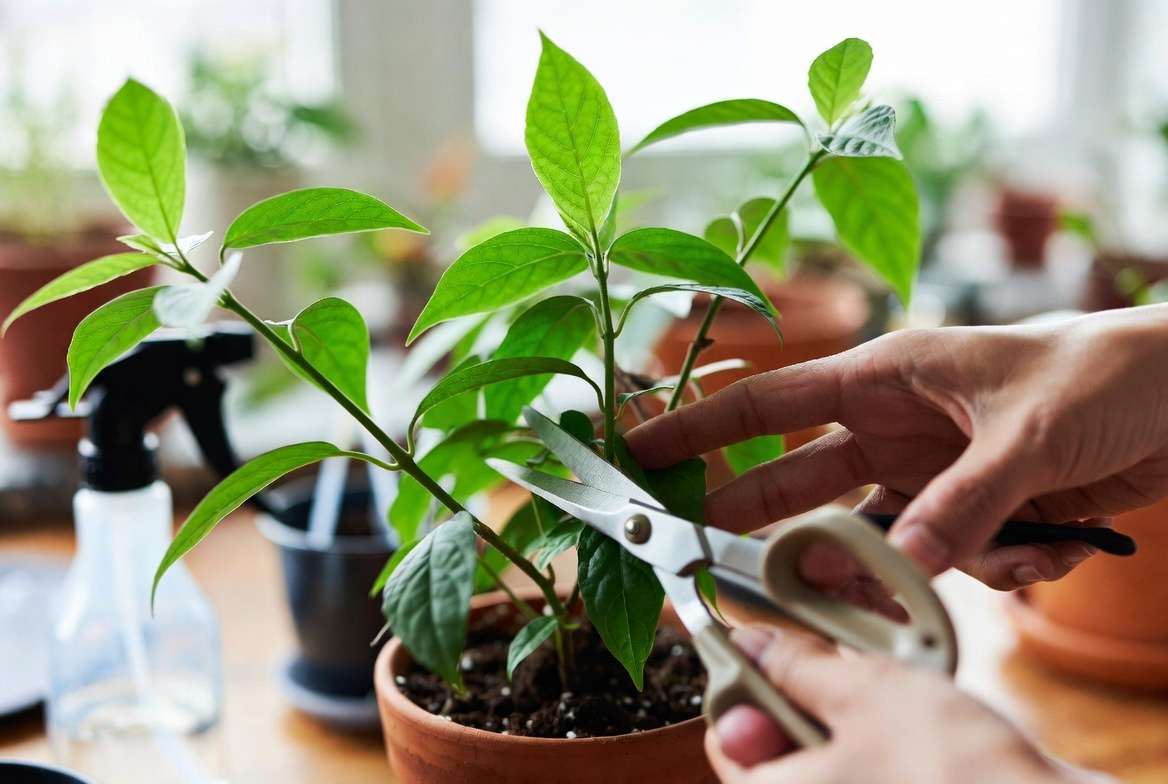
For multiple toppings: Once side branches develop 3-4 nodes each, you can top those selectively for even bushier results.
Factors That Influence Topping Success 🌡️🪴
Successful topping depends on more than just timing — several interconnected factors determine how well your potted plant recovers and thrives afterward. Understanding these variables helps you make informed decisions tailored to your specific growing environment.
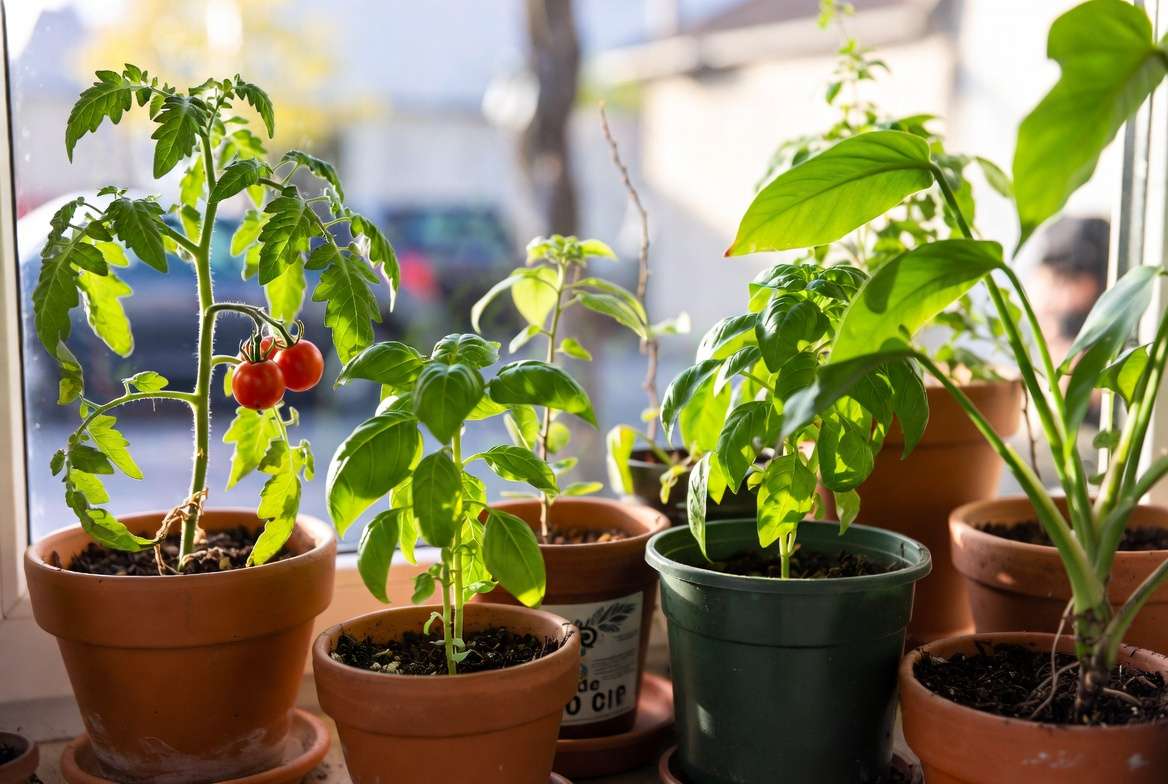
Plant Health, Strain/Variety, and Environment
Only top vigorous, healthy plants. A plant showing signs of nutrient deficiency, pest infestation, or transplant shock needs time to stabilize first. Strong genetics matter too — some varieties (like certain cherry tomato cultivars or bushy basil strains) respond exceptionally well to topping, producing dense, productive canopies.
Environmental stability is crucial. Maintain consistent temperatures between 68-78°F (20-26°C), relative humidity around 50-70%, and appropriate light intensity. Sudden changes after topping can slow recovery, so plan your cut during a period of stable conditions.
For indoor growers using LED or fluorescent lights, ensure your plants have been under consistent 18/6 or 16/8 schedules for at least a few weeks before topping. Outdoor container gardens benefit most from topping during mild spring weather when soil temperatures are warming steadily.
Pot Size, Soil, and Growing Conditions
Topping is most effective after your plant has established roots in its final pot size. Transplanting and topping too close together compounds stress. Choose well-draining, nutrient-rich soil or a quality potting mix amended with compost or perlite for aeration.
Larger pots (at least 5-10 gallons for medium vegetables or houseplants) support the increased root demand that comes with bushier top growth. Monitor soil moisture carefully post-topping — the plant will temporarily use less water as it heals, but new lateral growth will increase demand soon after.
Climate and Lighting Considerations
In northern climates with shorter growing seasons, top early in the vegetative phase to allow ample recovery time before cooler nights arrive. Southern or tropical growers have more flexibility but must watch for intense midday heat that could stress freshly topped plants.
Proper lighting prevents leggy regrowth. Aim for 12-18 hours of bright, indirect or grow light exposure daily. Insufficient light after topping often leads to weak, stretched new branches instead of the desired compact bushiness.
Expert Insight: After years of experimenting with dozens of potted species, I’ve found that tracking environmental data (even with a simple thermometer/hygrometer) dramatically improves topping outcomes. Small adjustments yield big results. 📊
Potential Risks and How to Minimize Them ⚠️
While topping is generally safe and beneficial when done correctly, it does involve cutting living tissue, which creates a temporary stress response. Being aware of risks allows you to mitigate them effectively.
Common Risks:
- Temporary growth slowdown (usually 3-10 days).
- Increased vulnerability to pathogens at the cut site.
- Hermaphroditism or stress-induced issues in sensitive species (rare in most houseplants and vegetables).
- Reduced immediate yield if timed poorly.
Proven Minimization Strategies:
- Always sterilize tools with isopropyl alcohol or a 10% bleach solution between cuts.
- Make clean, angled cuts to promote fast healing and reduce water pooling.
- Provide a gentle nutrient boost afterward — use a balanced fertilizer with slightly higher nitrogen to support new foliage, or apply a seaweed/kelp extract for natural hormones and micronutrients.
- Shield the plant from direct intense light or harsh winds for 48-72 hours post-topping.
- Avoid topping during extreme weather, flowering initiation, or when the plant is root-bound.
If your plant shows signs of excessive stress (wilting, yellowing lower leaves, or no new growth after two weeks), focus on optimal care: consistent moisture, good airflow, and possibly a light foliar spray with diluted compost tea. Most healthy plants bounce back beautifully within 1-2 weeks.
When NOT to Top: Sick, pest-infested, or flowering plants; very young seedlings; or slow-growing species that don’t naturally branch well. In these cases, gentle pinching or other low-stress training methods may be better alternatives.
Advanced Tips and Companion Techniques for Maximum Results 🚀
Once you’ve mastered basic topping, combining it with other techniques creates truly exceptional potted plants.
- Low-Stress Training (LST): Gently bend and tie branches horizontally after topping to create an even canopy and maximize light exposure to all budding sites.
- Defoliation: Strategic removal of large fan leaves (not all at once) improves airflow and light penetration, especially on bushy plants.
- Supercropping: Pinching and bending stems without cutting for additional branching control.
- Multiple Toppings: After the first cut, wait for side branches to develop 3-4 nodes, then selectively top the strongest ones. This “Christmas tree” to “bush” transformation can double or triple harvestable sites.
- FIMing vs Topping: FIM (Fuck I Missed) involves pinching the very top growth tip instead of a full cut, creating more but sometimes uneven branches — great for experimenting.
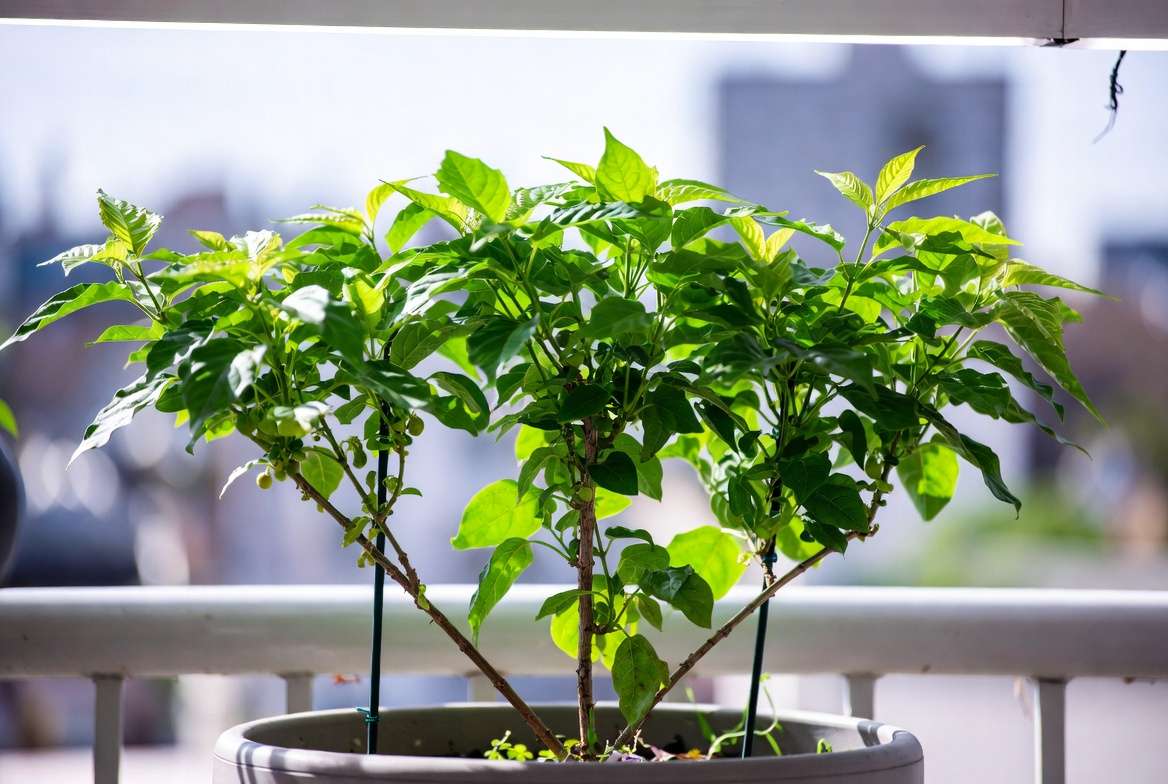
Real-World Example: One gardener I advised grew indeterminate cherry tomatoes in 7-gallon pots. By topping at 5 nodes, followed by LST and two additional selective toppings, she achieved a compact, 3-foot-wide plant producing over 200 tomatoes in a small balcony space — far outperforming traditional single-stem methods. 🍅
Track your progress with photos and notes. Over time, you’ll develop an intuitive sense for your plants’ responses.
Troubleshooting: What If Things Go Wrong? 🔧
Even experienced growers encounter hiccups. Here’s how to diagnose and fix common issues:
- No New Growth After 10 Days: Check light, nutrients, and root health. Increase humidity slightly with a dome or pebble tray.
- Cut Site Infection: Trim back any discolored tissue, apply cinnamon or diluted hydrogen peroxide as a natural antiseptic, and improve airflow.
- Leggy Regrowth: Increase light intensity or duration immediately.
- Wilting: Ensure soil isn’t waterlogged or bone-dry. Mist leaves lightly if humidity is low.
- Yellowing Leaves: Flush soil if over-fertilized, or provide balanced nutrients if deficient.
Patience and observation are your best tools. Most problems resolve with attentive care.
Frequently Asked Questions (FAQs) ❓
Can I top a plant in the flowering stage? Generally no. Topping during flower stresses the plant and can reduce yields or delay harvest. Stick to vegetative stage.
How many times can I top the same plant? 2-4 times is common for most species, depending on growth speed and health. Give adequate recovery time between sessions.
What’s the difference between topping, pinching, and FIMing? Topping removes the entire tip above a node. Pinching is gentler for small tips. FIMing crushes/splits the tip for more branches with one action.
Is topping suitable for beginners? Absolutely! Start with forgiving plants like basil or pothos. Follow the node-count guideline and you’ll see great results quickly.
How long does recovery take? New growth typically appears in 3-7 days, with full bushiness developing over 2-4 weeks.
Does pot size matter for topping? Yes — ensure the plant is in its final or near-final pot with established roots.
Can topping help with leggy houseplants? Yes! It’s one of the best ways to rejuvenate stretched pothos, monstera, or philodendron.
Will topping work for outdoor potted trees? For young fruit trees or ornamentals in containers, light topping helps create denser canopies. Avoid heavy cuts on mature specimens.
What should I do with the topped piece? Many can be propagated as cuttings in water or soil to grow new plants!
Is there a best fertilizer after topping? A balanced liquid fertilizer or one higher in nitrogen supports leafy regrowth. Follow up with bloom nutrients later if fruiting.
Conclusion: Transform Your Potted Plants Today 🌟
Mastering when to top pot plants gives you the power to grow healthier, bushier, and more productive specimens in limited spaces. By waiting for the right node count during the vegetative stage, using proper technique, and providing excellent aftercare, you’ll enjoy fuller foliage, better yields, and stronger plants season after season.
Remember, every plant is unique — observe, experiment responsibly, and adjust based on your conditions. The joy of gardening lies in this hands-on learning process.
Start with one or two plants this season and watch the magic happen. Your windowsills, balconies, and indoor gardens will thank you with lush, vibrant growth.
Share your topping success stories or questions in the comments below — I love hearing from fellow plant enthusiasts! For more expert plant care guides, explore our articles on pruning techniques, organic pest control, and container gardening best practices.
Happy growing! 🪴✨











