
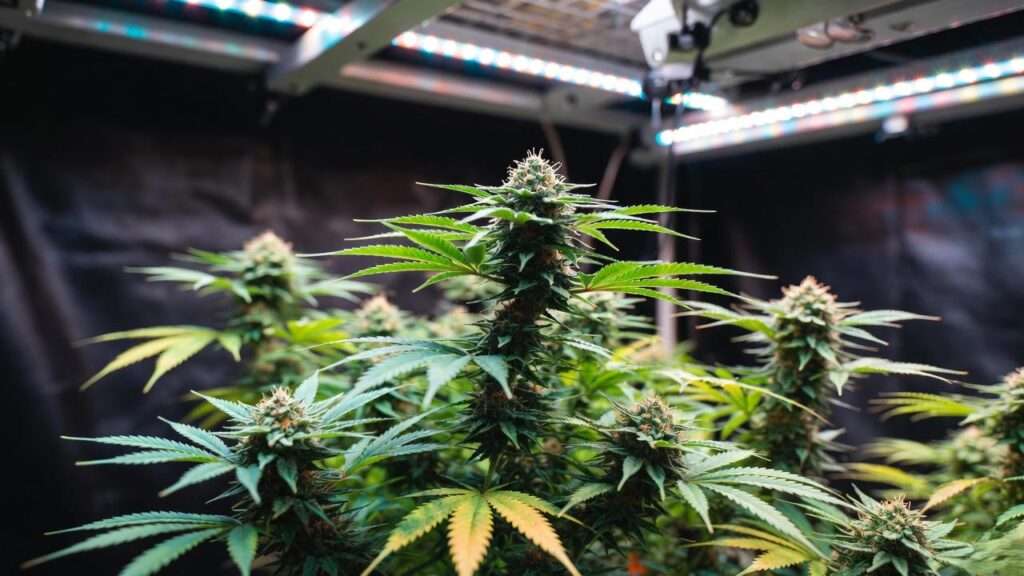
Imagine pouring weeks of care into your cannabis plants, only to watch them stretch tall and lanky like a single Christmas tree, with most buds crowded at the top and sparse yields below. 😩 What if one simple, strategic cut could transform them into compact, bushy powerhouses loaded with multiple fat colas? That’s the magic of topping—and knowing when to top weed plants is the key to unlocking bushier growth, better light penetration, and significantly bigger yields.
Topping is a proven high-stress training (HST) technique that redirects growth hormones for more even development. But timing is everything: do it too early, and you risk stunting; too late, and you miss the window for maximum benefits. In this expert guide, we’ll dive deep into the precise timing windows, node counts, strain differences, and pro tips based on years of cultivation experience and community-backed data. Whether you’re a beginner or seasoned grower, you’ll learn exactly when to top weed plants for optimal results. 🌱
By Alex Greene, Horticulturist with 15+ years in cannabis cultivation, plant training, and yield optimization.
Quick Overview: Key Timing Rules at a Glance ⏰
- Ideal stage: Vegetative phase, when the plant has 4–6 nodes.
- Best node count: Top above the 4th–5th node for most strains.
- Recovery time: 7–14 days—plan accordingly before flipping to flower.
- Autoflowers: Risky; only on vigorous plants, or skip for LST instead.
- Multiple toppings: Possible 2–3 times in long veg for monster bushes.
Now, let’s break it down step by step.
What Is Topping and Why Does It Matter? 🌱
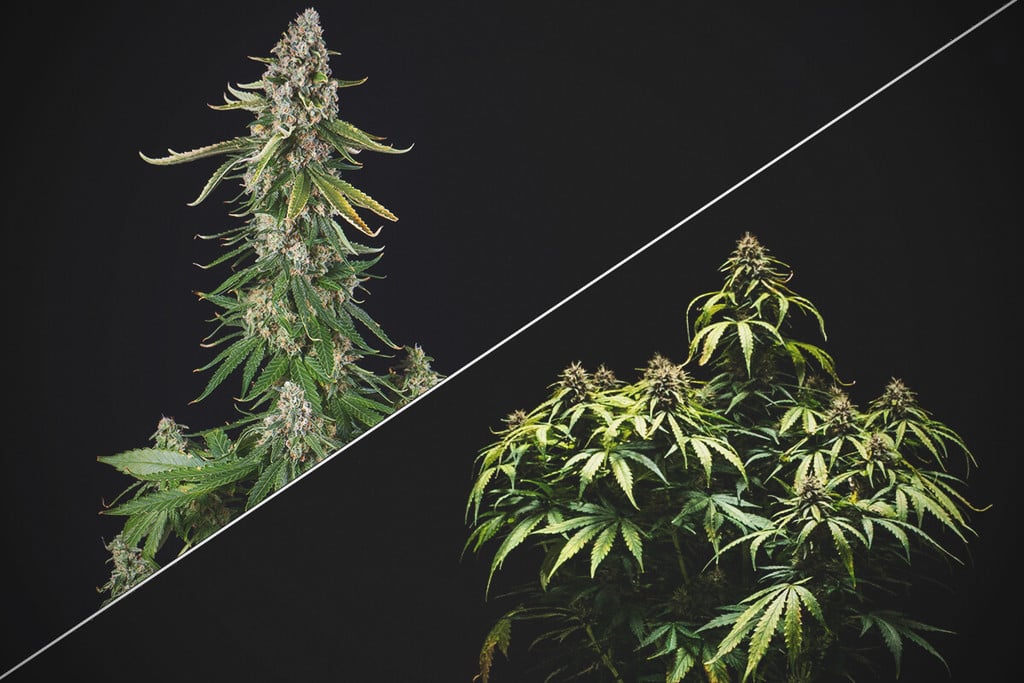
Topping involves cutting off the main stem’s growing tip, breaking “apical dominance”—the natural tendency for the plant to focus energy on one central cola. This forces auxins (growth hormones) to redistribute to lower branches, encouraging lateral growth.
The Science Behind Topping 🔬
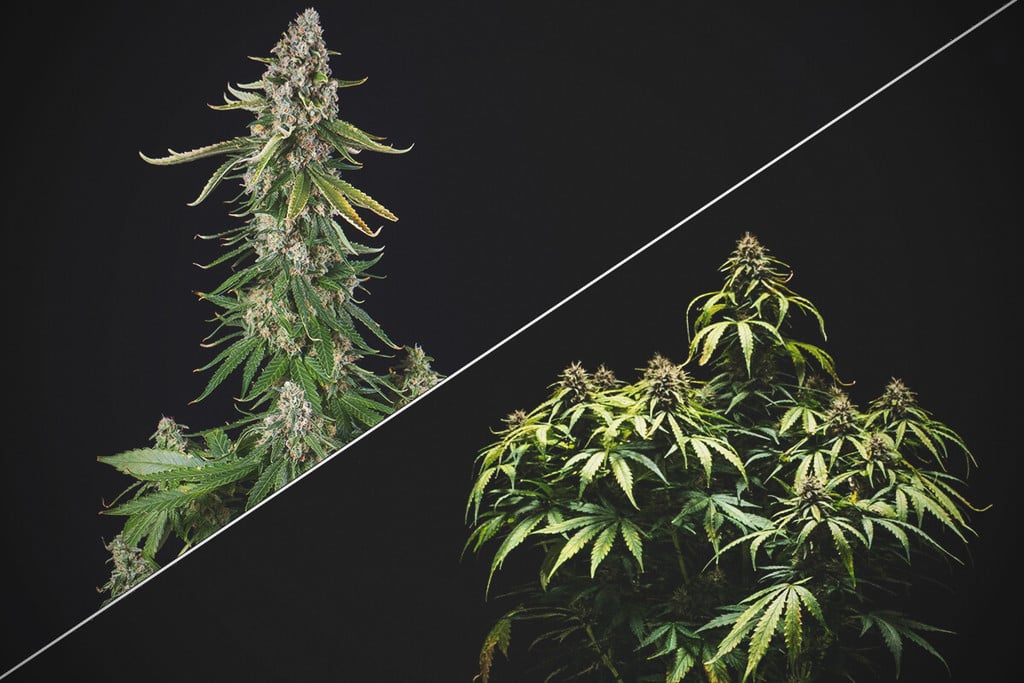
Apical dominance is driven by auxins produced at the tip, suppressing side branches. Removing the tip shifts production to cytokinins, promoting bushy outgrowth. Studies and grower data show topped plants develop 2–8+ main colas instead of one, with more even cannabinoid distribution.
Benefits of Proper Topping ✅
- Higher yields: Community reports and trials indicate 20–40% increases by creating more bud sites.
- Better canopy: Even light exposure reduces “popcorn” buds and boosts overall potency.
- Height control: Essential for indoor grows to prevent plants hitting lights.
- Improved airflow: Lowers risk of mold, PM, and pests in dense canopies.
Common Myths About Topping 🚫
Myth: “Topping always causes too much stress.” Reality: Healthy plants recover in 1–2 weeks with minimal impact. Myth: “You can top anytime.” No—timing in veg is critical; flowering topping risks hermies and yield loss.
Signs Your Weed Plant Is Ready for Topping 👀
The golden rule: Top during the vegetative stage when vigorous growth is evident.
The Ideal Node Count Rule 🧮
Most experts recommend topping when the plant has 4–6 developed nodes (points where leaves/branches emerge).
- 4 nodes: Aggressive—great for short veg, but higher stunting risk.
- 5 nodes: Sweet spot for balance; leaves strong structure below.
- 6 nodes: Safer for beginners; maximizes recovery potential.
Cut just above the desired node (e.g., above the 5th for robust bases).
Vegetative Stage Timing ⏰
- Indoor photoperiod: 3–5 weeks into veg (18/6 light).
- From seed/clone: Wait until established roots and daily growth.
- Clones vs. seeds: Clones often ready faster due to maturity.
Visual Cues to Look For 📸
- Thick, sturdy stem (pencil-width or more).
- Even internode spacing (not stretched).
- Vibrant, dark green leaves—no deficiencies.
- Rapid daily growth (1–2 inches).
Red flags: Yellowing, slow growth, pests—delay topping until resolved!
Strain-Specific Considerations 🧬
- Indicas/dominants: Compact; top earlier (4–5 nodes) for bushiness.
- Sativas/dominants: Stretchy; tolerate later topping (5–6 nodes).
- Hybrids: Follow general 4–6 rule.
- Autoflowers: Short veg limits recovery—many advise against topping. If attempting, only on super-vigorous plants at 3–4 nodes early (week 2–3). Prefer LST for autos.
When NOT to Top Your Weed Plants 🚫
Mistimed topping can reduce yields more than help.
Too Early: Risks of Topping Seedlings 🌱
Under 4 nodes lacks structure—prolonged recovery, stunting, lower yields.
Too Late: During Pre-Flower or Flower Stretch 🌸
Post-veg flip risks energy diversion from buds, hermaphroditism, uneven development.
Environmental and Health Factors ⚠️
- Stressed plants (heat >85°F, over/underwatering, nute burn).
- Recent transplant: Wait 1 week for root settlement.
- Flowering signs (pistils, stretch): Never top here.
Step-by-Step: How to Top Your Weed Plants Correctly ✂️
Topping is straightforward once you know the basics, but precision matters for quick recovery and maximal branching. Follow this expert method honed from countless grows.
Tools You’ll Need 🛠️
- Sharp, sterilized pruning shears or scissors (clean with 70% isopropyl alcohol to prevent infection).
- Rubbing alcohol and cotton pads for sanitation.
- Optional: Gloves, healing paste (like aloe or cinnamon for the cut—though most growers skip it).
Always sterilize between plants to avoid spreading pathogens.
The Perfect Cut: Where and How 🔪
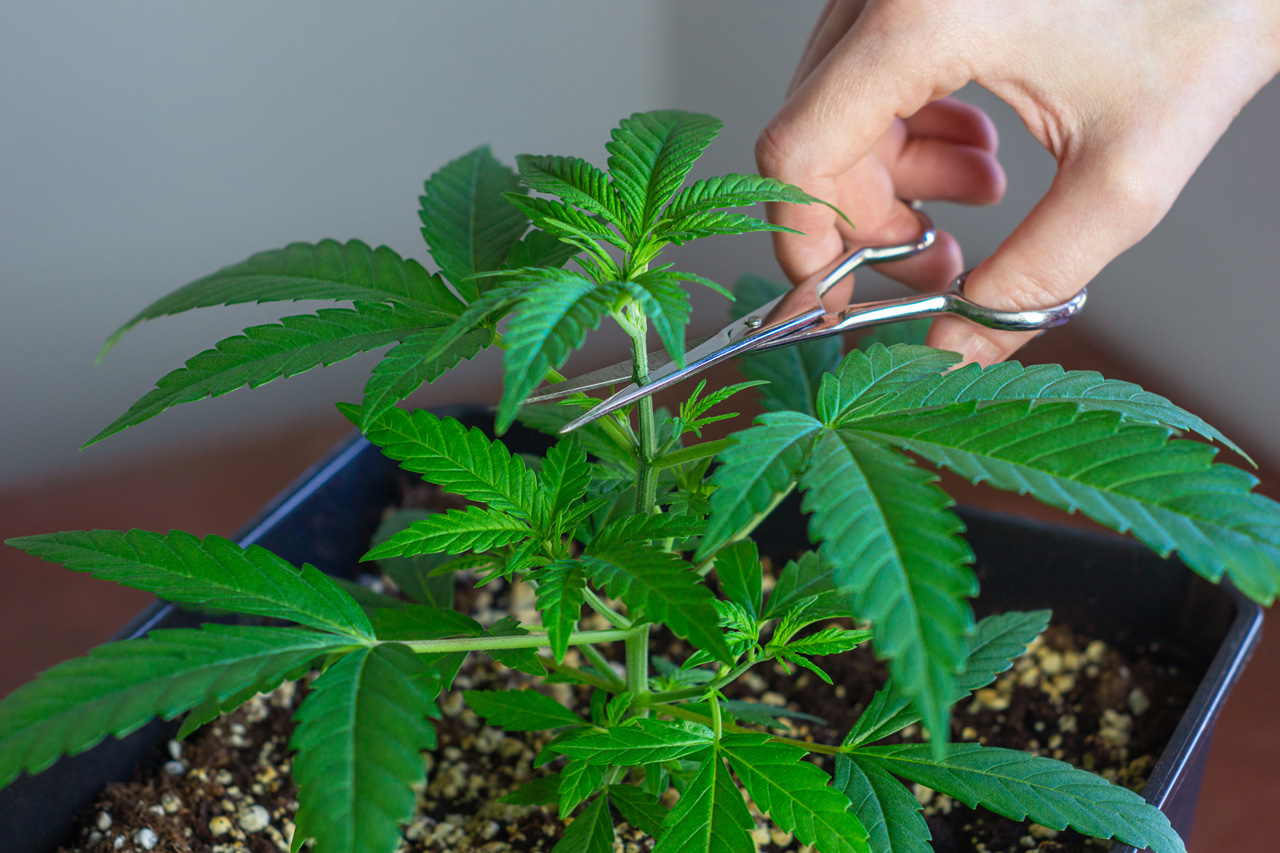
- Identify the target node: Count from the bottom—choose to cut just above the 4th, 5th, or 6th node.
- Locate the new growth tip: Snip ¼–½ inch above the chosen node pair, at a 45-degree angle for faster healing.
- Make a clean cut: One swift motion—no crushing the stem.
- Result: The two branches below the cut become new main colas.
Pro Tip: For even symmetry, top when side branches are already developing slightly.
FIM vs. Traditional Topping Comparison 🤔
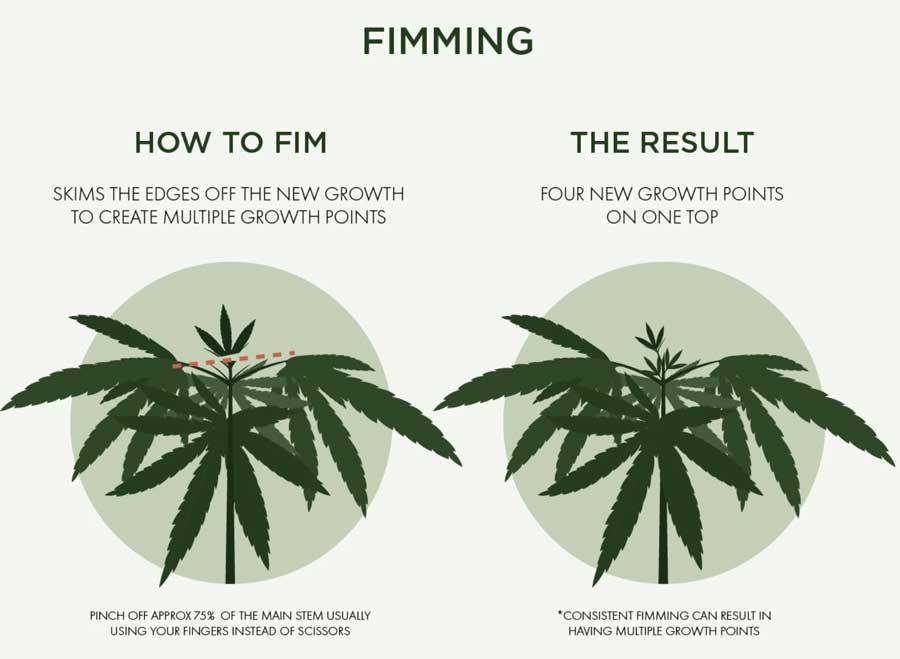
FIM (Fuck I Missed—pinching out 80% of the tip instead of full removal) can yield 4+ colas but is less predictable.
| Technique | Colas Produced | Recovery Time | Predictability | Best For |
|---|---|---|---|---|
| Topping | 2 (main) + sides | 7–10 days | High | Even canopy |
| FIMming | 4–8 potential | 10–14 days | Variable | Experimental yields |
Immediate Aftercare 🌡️
- Reduce stress: Lower light intensity 20–30% for 2–3 days.
- Maintain humidity: 60–70% RH to prevent transpiration shock.
- Nutrients: Light veg feed—avoid heavy nitrogen until new growth appears.
- Monitor: Expect slowed growth for 3–5 days, then explosive branching.
Recovery typically takes 7–14 days; new colas dominate soon after.
Training After Topping: LST, ScroG, Mainlining 🎯
Topping shines when combined:
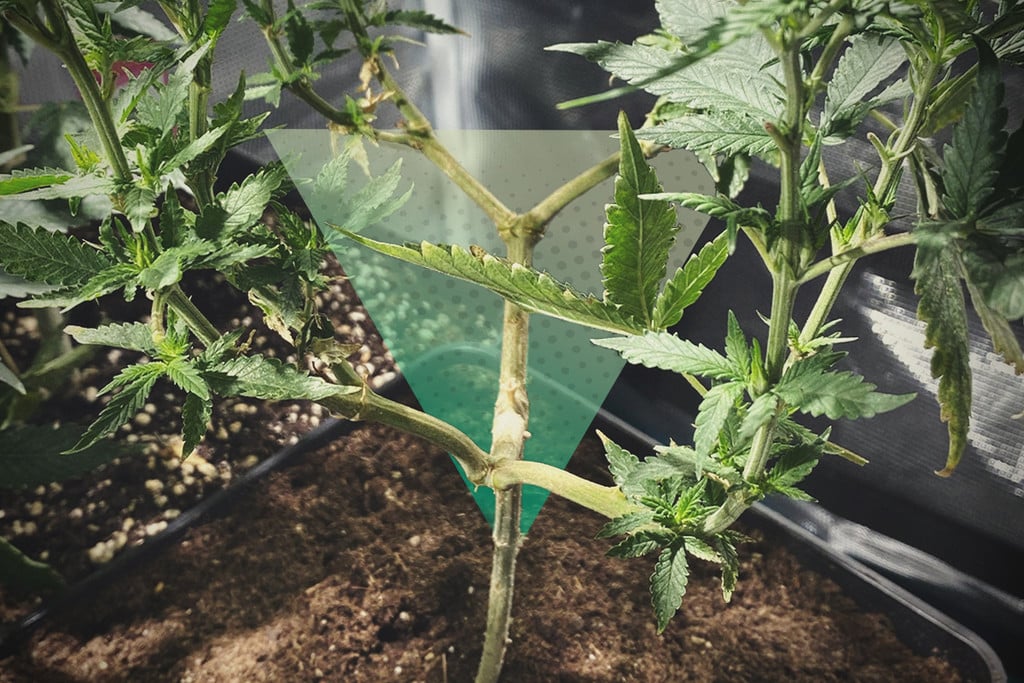
- LST (Low-Stress Training): Bend new tops horizontally for even exposure.
- ScroG (Screen of Green): Weave branches through a screen post-topping.
- Mainlining: Top multiple times symmetrically for 8–32 equal colas.
Advanced Timing Strategies for Expert Growers 🚀
Once comfortable, layer toppings for exponential growth.
Multiple Topping Schedules 📅
- Double topping: Top once at 5 nodes, wait for 4 new branches, top each → 8 colas.
- Triple or more: For long veg (8+ weeks), create 16–32+ colas.
- Timeline: Allow 1–2 weeks recovery between rounds.
Example: 10-week veg—top week 3, again week 5, final week 7.
Indoor vs. Outdoor Timing Differences 🏠🌞
- Indoors: Precise control—top 3–5 weeks veg before 12/12 flip.
- Outdoors: Top early summer (June) for bushiness before natural flower trigger (August/September in Northern Hemisphere).
Leave 4–6 weeks post-final topping before flowering.
Hydroponic vs. Soil Considerations 💧
Hydro systems accelerate veg growth—plants often ready 1 week sooner. Soil/coco: Slightly slower—wait for robust root mass.
In DWC or aero, top at 4 nodes confidently due to faster recovery.
Real Grower Examples & Case Studies 📊
Visual proof motivates—here’s what proper timing achieves.

Case Study 1: Indoor photoperiod hybrid topped at 5 nodes, followed by LST. Result: From expected 4 oz → 6.5 oz per plant (30%+ increase), even canopy, no larf.
Case Study 2: Outdoor sativa topped too late (pre-flower signs). Result: Uneven colas, some foxtailing, 15% yield drop vs. untopped sisters.
Case Study 3: Mainlined indica—three toppings → 16 colas, 8 oz in 3×3 tent.
These align with thousands of grower journals on forums like GrowWeedEasy and Reddit.
Common Mistakes and How to Avoid Them 😅
Even experienced growers slip up—here are the top pitfalls I’ve seen over 15+ years, plus fixes to keep your plants thriving.
- Topping too early (under 4 nodes): Leads to stunting. Fix: Wait for at least 4–5 true nodes and strong stem development.
- Dirty tools: Introduces infection. Fix: Always sterilize with alcohol.
- Ignoring recovery needs: High stress post-cut causes hermies. Fix: Dial back light/nutes for a week.
- Topping autos without caution: Most autos don’t recover well. Fix: Skip or only on vigorous phenos early.
- Multiple toppings without enough veg time: No recovery = weak plants. Fix: Allow 1–2 weeks between rounds.
- Uneven cuts: Slow healing. Fix: Clean, angled snip.
- Forgetting training after: Wasted potential. Fix: LST or tie down new tops immediately after recovery.
- Topping in flower: Disaster. Fix: Plan veg length ahead.
Quick Checklist Before Topping ✅:
- Healthy plant? No deficiencies/pests?
- 4–6 nodes?
- Veg stage only?
- Tools clean?
- Recovery time before flower?
Expert Tips for Maximum Recovery and Growth 🌟
Boost results with these pro strategies:
- Post-topping nutrients: Add silica (for stronger stems) and kelp/seaweed extracts (cytokinins for branching). Example: 1–2ml/L silica from day 3 post-cut.
- Light schedule: Reduce intensity 20–30% for 3 days, then ramp up as new growth explodes.
- Humidity dome: For clones or sensitive strains, mini-dome first 48 hours.
- CO2 boost: If supplemented, increase slightly during recovery for faster photosynthesis.
- Root stimulants: Mycorrhizae or rooting hormones speed establishment.
- Defoliation timing: Light tuck/defoliate 1 week after topping for better penetration.
These tweaks often add 10–20% to final yields in my experience.

Frequently Asked Questions (FAQs) ❓
When to top weed plants indoors vs outdoors? Indoors: 3–5 weeks veg under 18/6 light. Outdoors: Early summer (June in North), 4–6 weeks before natural flowering trigger.
Can you top autoflowering cannabis? Risky—short life cycle limits recovery. Only on vigorous plants at 3–4 nodes (week 2–3). Most pros use LST instead for autos.
How long after topping until flowering? Minimum 2–3 weeks for full recovery and branching. For multiple toppings, 4–6 weeks total veg post-first cut.
What if my plant doesn’t recover well? Check roots (overwatering common), reduce stress, add calmag/silica. If no new growth in 10 days, may need reveg or restart.
Is FIMming better than topping? FIM can create more colas (4–8) but less predictable. Topping is reliable for even 2+ mains. Try both!
How many times can you top a plant? 2–4 times in long veg (8+ weeks). More risks diminishing returns—focus on training lowers.
Conclusion: Master the Timing, Master Your Harvest 🏆
Knowing exactly when to top weed plants separates average grows from bumper harvests. Stick to the 4–6 node rule in vegetative stage, watch for health cues, and combine with training for bushier plants and 20–40% yield boosts.
Observe your plants daily—they’ll tell you when ready. With proper timing and care, you’ll enjoy even canopies, fat colas, and maximum potency every cycle. 🌱
Happy growing! Share your topping results or questions in the comments—I read them all.
Last updated: December 23, 2025
Author Bio: Alex Greene is a professional horticulturist with over 15 years specializing in cannabis cultivation, plant training techniques, and organic growing methods. Holder of advanced certifications in horticulture and contributor to industry journals.











