
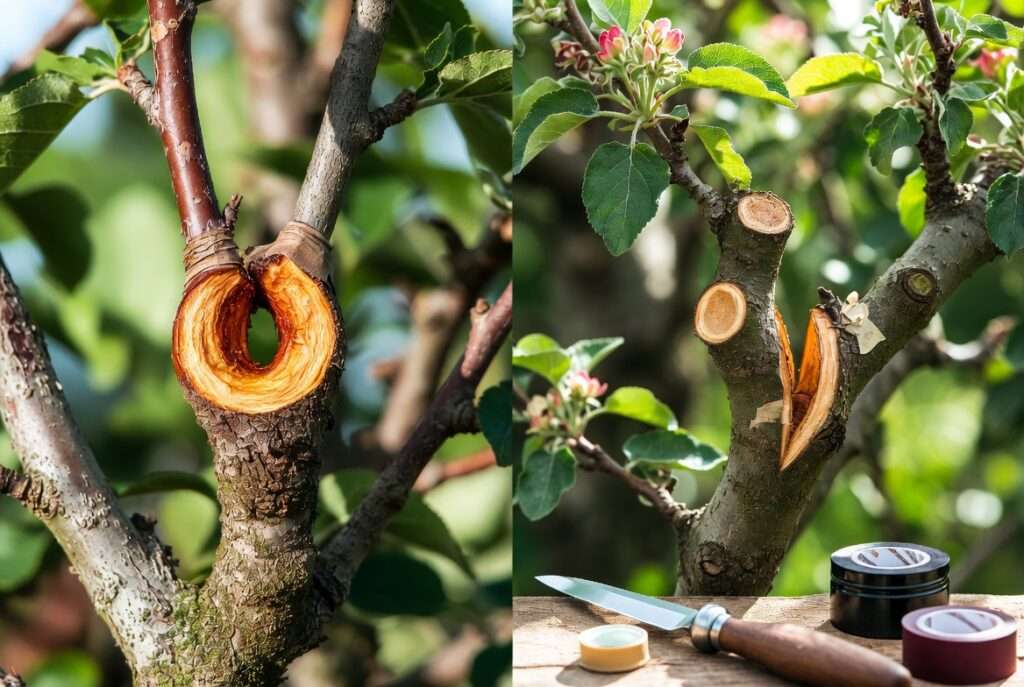
Imagine successfully turning one ordinary apple tree into a backyard orchard bursting with multiple heirloom varieties — or rescuing an old, unproductive fruit tree by giving it a delicious new lease on life. Grafting makes this magic possible, letting you propagate true-to-type fruit trees, combine desirable traits, and create stronger, more resilient plants. But with so many techniques available, one common question stumps many home gardeners: whip and tongue graft vs. cleft graft — which one should you choose? 🌳🍎
In this comprehensive guide, we’ll dive deep into both methods as an experienced horticulturist who has grafted hundreds of fruit trees over the years (apples, pears, plums, cherries, and more). You’ll get clear step-by-step instructions, honest pros and cons, real success rate insights, expert tips to boost your take rate, and a practical decision framework. Whether you’re a beginner building your first bench-grafted saplings or an orchard enthusiast top-working mature trees, this article will help you pick the right technique, avoid common pitfalls, and achieve higher grafting success. Let’s get started!
Grafting joins a scion (the desired fruiting variety) with a rootstock (the root system providing vigor, disease resistance, or size control). When the cambium layers (the living tissue just under the bark) align properly, they form a strong graft union through callus tissue. Both whip and tongue and cleft grafts are reliable dormant-season techniques, but they shine in different situations.
Quick Takeaways
- Whip and tongue excels with matched stem sizes and creates a very strong, clean union.
- Cleft graft handles size mismatches beautifully and is great for field work on larger branches.
- Success often exceeds 80–95% with sharp tools, good timing, and proper aftercare.
Ready to master these skills? Let’s explore the fundamentals first.
Why Grafting Matters for Home Orchard Success 🌟
Grafting isn’t just a fun gardening trick — it solves real problems every fruit tree lover faces. Buying new named varieties can be expensive, and seedlings rarely produce true-to-type fruit. Grafting lets you:
- Multiply rare or heirloom cultivars quickly.
- Create multi-variety “family” trees for extended harvest seasons.
- Improve disease resistance or dwarfing by pairing scions with superior rootstocks.
- Revive old or storm-damaged trees through top-working.
- Save money and increase self-sufficiency in your backyard orchard.
Many gardeners report harvesting fruit from grafted trees in the same season or the next, far faster than growing from seed. Proper grafting also promotes long-term tree health when the union is mechanically strong and cambium contact is maximized.
Whether you garden in a small urban plot or manage a larger home orchard, learning whip and tongue graft vs. cleft graft gives you versatile tools for propagation and renovation.
Understanding the Basics of Grafting 🔬
What Is Grafting and How Does It Work?
Grafting is vegetative propagation where tissues from two plants fuse into one. The scion provides the fruit quality, flavor, and characteristics you want, while the rootstock controls size, hardiness, and soil adaptability. Success depends on aligning the cambium layers so vascular tissues reconnect, allowing water and nutrients to flow.
Callus formation (the healing “scar” tissue) bridges the gap, and a strong mechanical fit prevents the graft from drying out or breaking.
Key Terms Every Grafter Should Know
- Scion: The upper part (desired variety), usually 1-year-old dormant wood with 2–4 buds.
- Rootstock: The lower part providing roots (e.g., dwarfing M9 or semi-dwarf MM111 for apples).
- Cambium Layer: Thin green growth layer under the bark — critical for successful union.
- Graft Union: The healed junction; a smooth, strong union indicates success.
- Bench Grafting: Done indoors on a workbench with dormant material.
- Field/Top-Working: Grafting directly onto established trees in the orchard.
Best Time of Year for Grafting Fruit Trees
Both techniques are performed during the dormant season (late winter to early spring) before buds swell. In many temperate regions, February to early April works well, depending on your climate. Whip and tongue is ideal for true dormant bench grafting, while cleft grafts can extend slightly later as sap begins to flow (which helps hold the scion in place).
Avoid grafting during active growth or extreme cold. Stone fruits (cherries, plums) sometimes prefer slightly warmer conditions for callusing than pome fruits (apples, pears).
Essential Tools and Materials You’ll Need 🛠️
Quality tools dramatically improve success rates:
- Sharp grafting knife (single-bevel preferred for clean cuts) or grafting tool.
- Pruning shears or saw for larger stock.
- Grafting tape, rubber bands, or parafilm for wrapping.
- Tree wound sealant or grafting wax to prevent drying.
- Labels and permanent marker.
- Alcohol for sterilizing tools between cuts.
- Optional: cleft grafting tool for splitting larger stock cleanly.
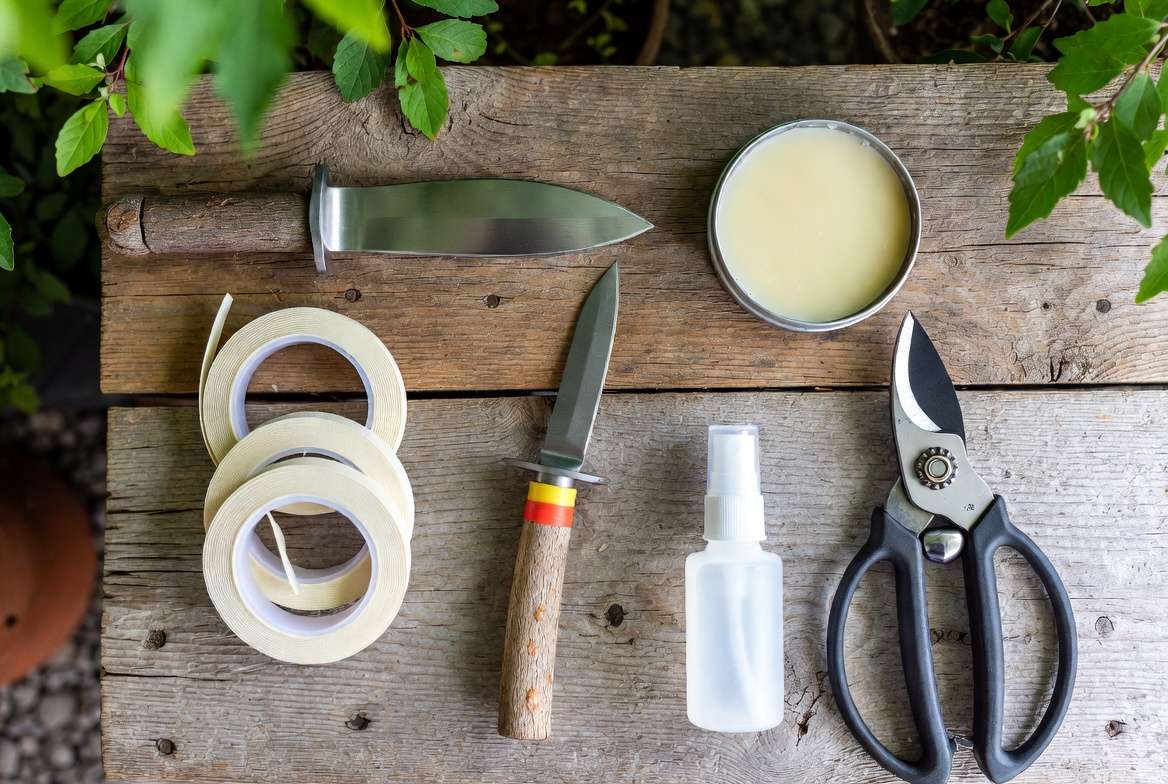
Keep everything clean and sharp — dull blades crush tissue and reduce cambium contact.
What Is the Whip and Tongue Graft? (Detailed Breakdown) 🪚
The whip and tongue graft (also called English whip and tongue) is a classic bench grafting method prized for its interlocking design. It creates excellent cambium contact on multiple planes and a mechanically strong union that often heals almost invisibly.
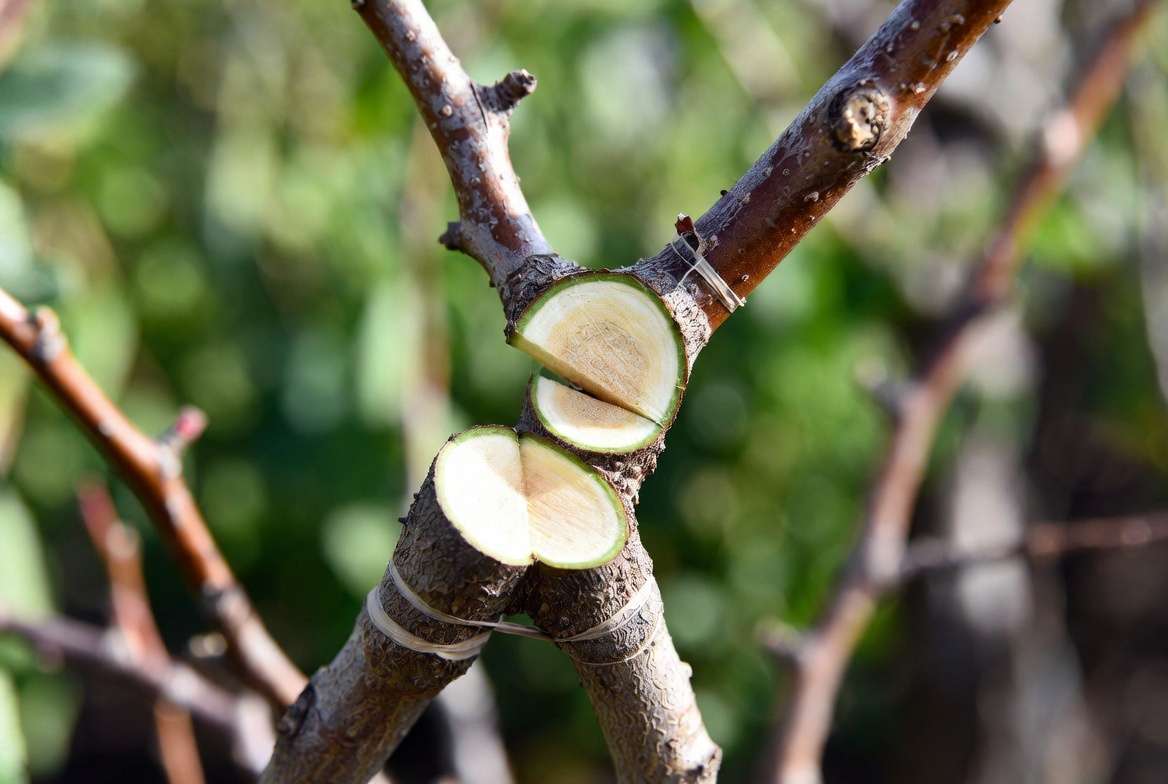
Step-by-Step Guide to Performing a Whip and Tongue Graft
- Select matching material: Choose scion and rootstock of similar diameter (ideally ¼ to ½ inch, pencil thickness). Both should be dormant, healthy 1-year-old wood.
- Make the first diagonal cut: On the rootstock, create a smooth, sloping cut about 1–2 inches long at a 30–45° angle.
- Cut the tongue: About one-third down from the tip of the slope, make a second cut downward into the wood, roughly ½–1 inch long, parallel to the first cut surface. This forms the “tongue.”
- Prepare the scion identically: Repeat the exact cuts on the scion so the tongues interlock.
- Join the pieces: Slide the scion and rootstock together until the tongues lock and cambium layers align on at least one side (ideally both). A snug fit without forcing is key.
- Wrap securely: Use grafting tape or parafilm to bind tightly, starting below the union and working upward. Leave the top bud exposed.
- Seal the union: Apply grafting wax or sealant over the cuts and tape edges to retain moisture.
- Label and store: Place bench-grafted plants in a cool, humid environment (e.g., callusing box or greenhouse) until growth begins, then plant out.
Pro Tip: Practice on willow or similar straight-grained wood first. Perfect alignment is everything — even a slight mismatch reduces success.
When to Use Whip and Tongue Grafting
This method shines for bench grafting new trees in late winter when stems match in size. It’s excellent for producing uniform nursery stock or adding varieties to young rootstocks. Apples and pears respond particularly well.
Pros and Cons of Whip and Tongue Graft
Pros:
- Interlocking tongue provides superior mechanical strength.
- Maximum cambium contact area → faster, cleaner healing.
- Often 85–95%+ success rates with practice.
- Healed union looks natural and is very durable against wind or handling.
- Allows precise work indoors.
Cons:
- Requires more skill and a very sharp knife.
- Not suitable for large size differences.
- Less forgiving if stems are slightly mismatched.
Many experienced grafters call it the “gold standard” for matched material because of its strength and seamless results.
Real-World Success Rates and Examples
In home orchard settings, whip and tongue often achieves 90%+ take rates on apples and pears when done with fresh scion wood and proper aftercare. Gardeners frequently report strong growth the first season, sometimes even fruiting in year one or two on vigorous rootstocks.
What Is the Cleft Graft? (Detailed Breakdown) 🔪
The cleft graft is a robust top-working technique that excels when the rootstock or branch is noticeably thicker than the scion. It creates a secure wedge fit and works well in the field.
Step-by-Step Guide to Performing a Cleft Graft
- Prepare the stock: Cut the rootstock or branch cleanly at a right angle (horizontal) with a sharp saw or shears. For larger branches (1–3 inches diameter), this is ideal.
- Split the cleft: Use a grafting knife, chisel, or specialized cleft tool to split the center of the stock about 2–3 inches deep. Keep the split open temporarily with a wedge or the tool.
- Prepare the scion: Cut the base of the scion into a long, tapered wedge (about 2 inches). The wedge should have flat sides so cambium aligns with the stock’s inner bark when inserted.
- Insert the scion: Slide the wedge-shaped scion into the cleft so the cambium layers touch on at least one side (or both if using two scions opposite each other). The scion should sit tightly.
- Secure and seal: Remove any temporary wedge, then wrap firmly with grafting tape or use rubber bands. Cover all exposed cuts generously with grafting wax or sealant to prevent desiccation.
- Aftercare: Protect from direct sun and wind; monitor for callus formation in 2–4 weeks.
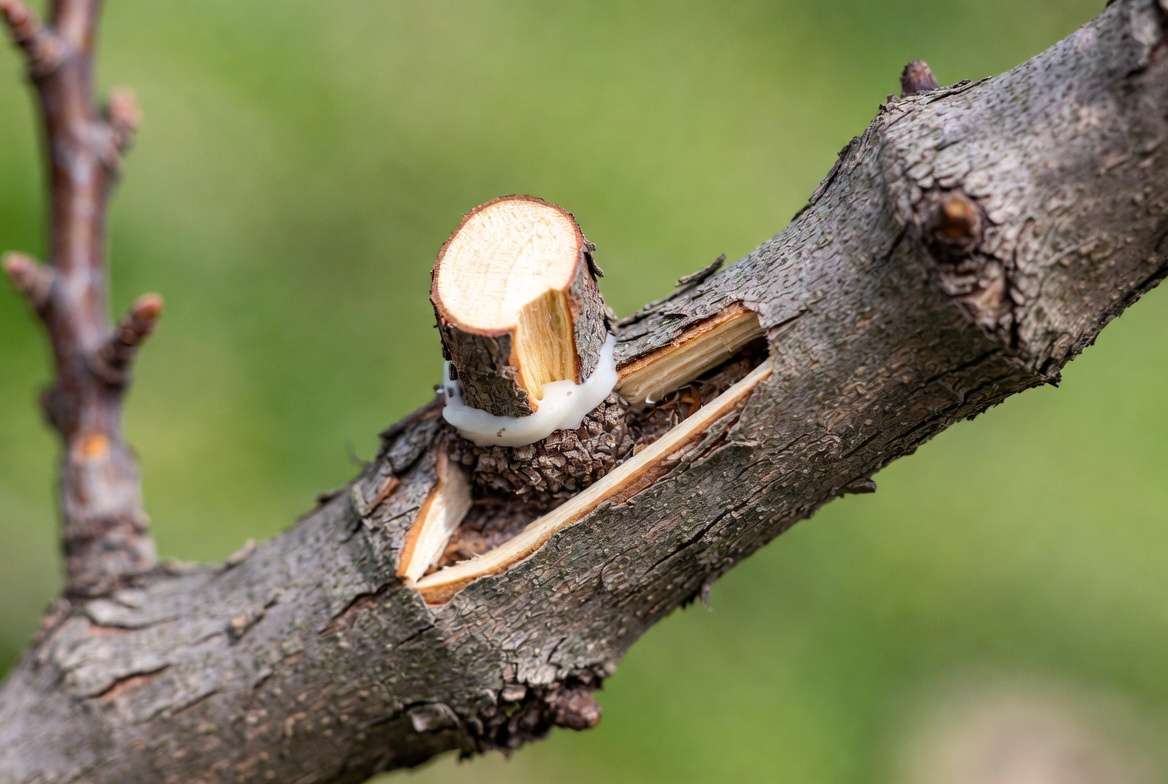
For better balance on larger limbs, many grafters insert two scions per cleft.
When to Use Cleft Grafting
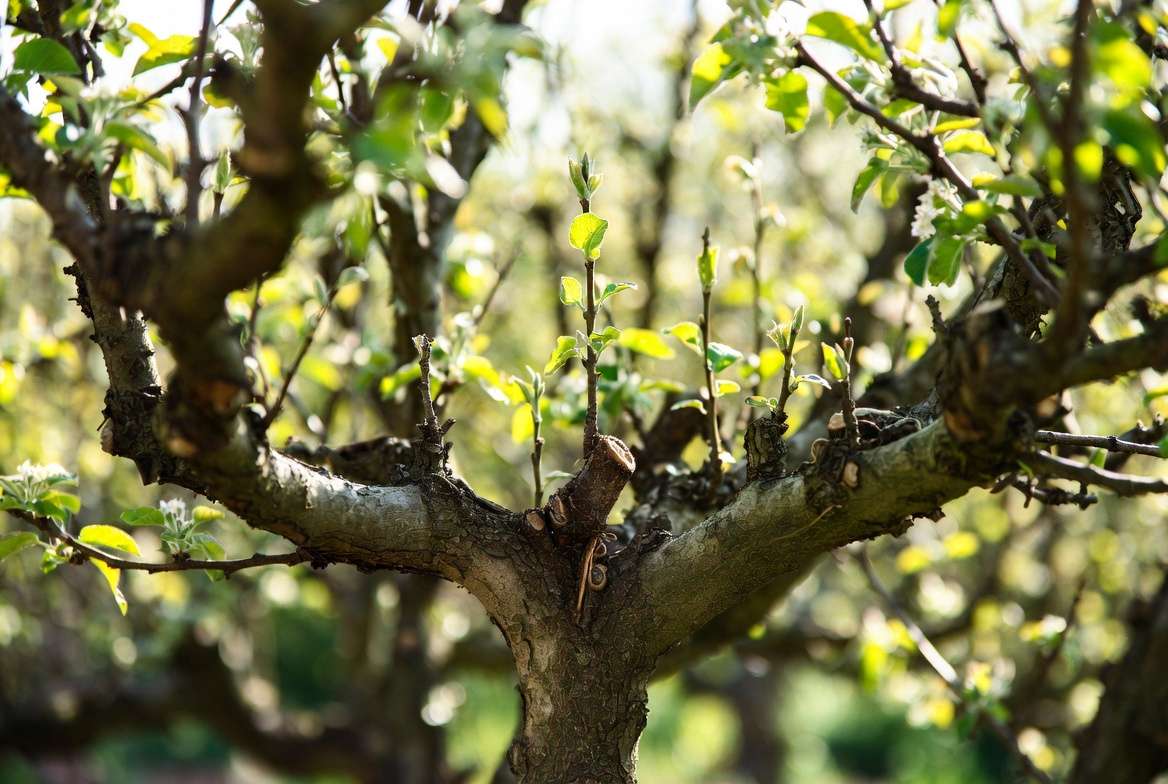
Cleft grafts are perfect for top-working mature or overgrown trees in early spring. They handle significant diameter differences and are common for renovating old apple or pear trees in the orchard.
Pros and Cons of Cleft Graft
Pros:
- Forgiving with mismatched sizes (small scion on larger stock).
- Secure mechanical hold once inserted.
- Easier for some beginners on larger material.
- Good success (often 80–90%) for field grafting.
- Allows quick variety changes on established trees.
Cons:
- Creates a larger initial wound on the stock.
- Union may heal with a visible bulge or slight weakness initially.
- Risk of splitting if the cleft is too wide or wood is brittle.
- Slightly slower or less elegant healing compared to interlocking methods.
Modified Cleft Graft Variations
Some gardeners use a “modified cleft” with offset cuts or gentler tapering for cleaner unions and higher success, especially on moderately mismatched stems.
Whip and Tongue Graft vs. Cleft Graft: Head-to-Head Comparison 📊
Choosing between whip and tongue graft vs. cleft graft ultimately comes down to your specific situation. Here’s a clear, side-by-side comparison that thousands of home grafters have found helpful when deciding the best approach for their fruit trees.
| Aspect | Whip and Tongue Graft | Cleft Graft |
|---|---|---|
| Best Stem Size Match | Equal or very similar diameters (pencil size) | Mismatched sizes (small scion, larger stock) |
| Difficulty Level | Moderate to Advanced (high precision needed) | Beginner to Intermediate |
| Strength of Union | Excellent – interlocking tongue provides superior mechanical support | Good – relies more on callus formation and wrapping |
| Healing Speed | Usually faster and cleaner | Reliable but can show more swelling initially |
| Cambium Contact Area | Maximum (multiple planes) | Good (one or two sides) |
| Best Use Case | Bench grafting new plants, nursery production | Top-working mature trees, field grafting |
| Typical Success Rate | 85–95%+ with good technique | 75–90% depending on conditions |
| Wound Size on Stock | Small and clean | Larger split wound |
| Visibility of Healed Union | Often nearly invisible | May leave a noticeable bulge or scar |
| Ideal Season Timing | Fully dormant (late winter) | Dormant to early sap flow (early spring) |
Key Differences Explained
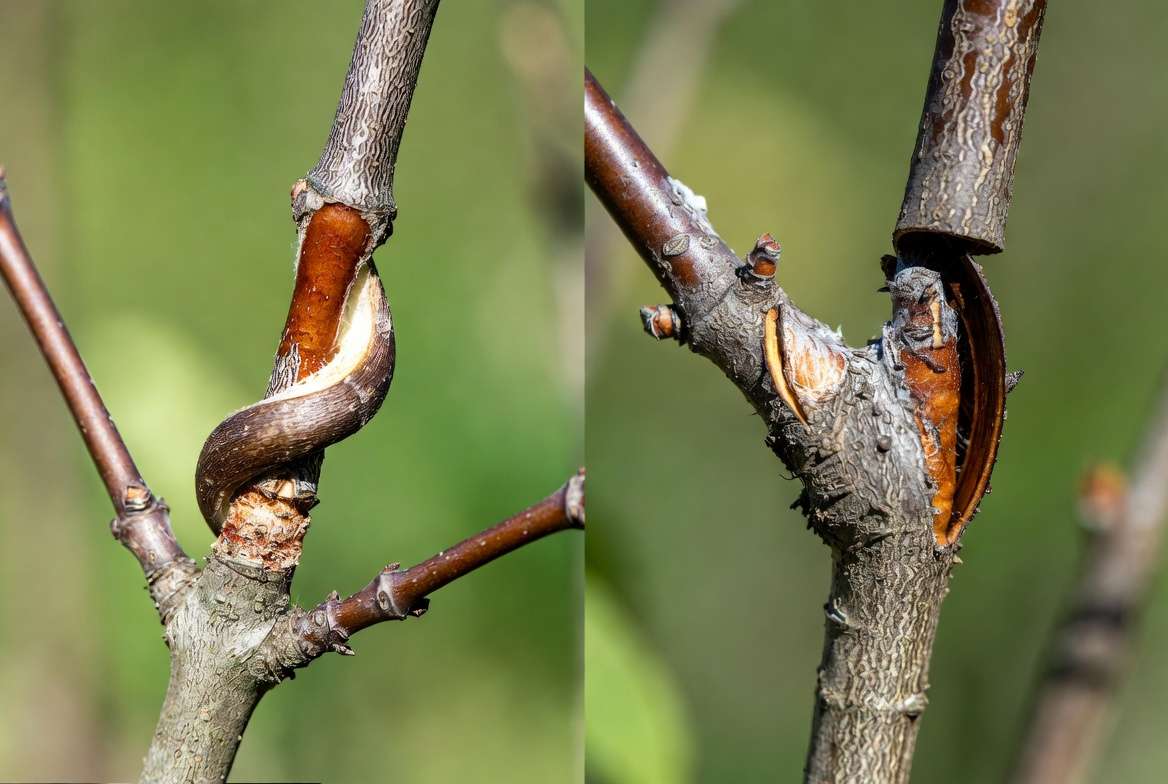
The whip and tongue graft creates an interlocking “tongue” that locks the scion and rootstock together like puzzle pieces. This gives exceptional structural strength right from the start, reducing the chance of the graft separating due to wind or handling. Because the cut surfaces are long and angled, cambium alignment opportunities are maximized, leading to quicker vascular reconnection and smoother long-term growth.
In contrast, the cleft graft relies on a wedge fit inside a split. While it holds the scion securely, the union depends more heavily on abundant callus tissue forming around the edges. This can sometimes result in a slightly bulkier union, especially on larger branches. However, the cleft method shines when diameters don’t match — a common scenario when renovating older orchard trees.
From years of hands-on experience and feedback from fellow grafters, whip and tongue grafts tend to produce straighter, more vigorous young trees, while cleft grafts are unbeatable for quickly changing the variety on a large, established root system without digging up the tree.
Which Graft Has Higher Success Rates?
Success rates vary by experience level, but whip and tongue often edges out with higher percentages (90%+) when stems match perfectly and work is done on the bench with controlled conditions. Cleft grafts perform very reliably (80–90%) in field situations where size differences exist or when grafting larger limbs.
Many university extension services note that both methods can exceed 85% success when tools are sharp, timing is right, and aftercare is diligent. The real “winner” is the one that matches your materials and goals.
Factors to Consider When Choosing Between Whip and Tongue vs. Cleft Graft
Making the right choice becomes easy once you evaluate these key factors:
Stem Diameter and Size Compatibility
- Choose whip and tongue when scion and rootstock are nearly the same thickness.
- Choose cleft when the stock is significantly thicker (common in top-working).
Your Grafting Location (Bench vs. Field/Orchard)
Bench grafting in a protected area favors whip and tongue because of the precision required. Field grafting on standing trees favors cleft grafts for practicality and speed.
Tree Species and Variety
Pome fruits (apples, pears, quinces) respond beautifully to both. Stone fruits (cherries, plums, apricots) can be trickier due to higher sap flow and gumming — cleft grafts sometimes handle their wood characteristics better in early spring.
Your Experience Level
Beginners often find initial success easier with cleft grafts on larger material. Once comfortable with a sharp knife, most gardeners graduate to whip and tongue for its superior results on new plants.
Time of Season and Weather Conditions
Fully dormant wood suits whip and tongue best. As sap starts rising, cleft grafts can benefit from the natural pressure that helps hold the scion in place.
Goal: Propagation, Top-Working, or Repair?
- New trees or adding varieties to young rootstocks → Whip and tongue.
- Renovating old trees or changing varieties high up → Cleft graft.
- Repairing damaged trees → Often cleft or bark grafts.
Expert Tips for Higher Grafting Success Rates (Regardless of Method) 🌿
After grafting thousands of trees, these practices consistently boost take rates:
- Scion Selection and Storage Collect scion wood from healthy, disease-free trees during full dormancy. Store in moist (not wet) sawdust or peat in sealed bags in the refrigerator (33–38°F / 0.5–3°C). Use within 2–3 months for best results.
- Perfect Cambium Alignment Secrets Look for the thin green line under the bark. Even 1–2 mm of good contact is often enough if the fit is tight. Rotate pieces slightly until you feel the best match.
- Sharp Tools Are Non-Negotiable A dull knife crushes cells and delays callusing. Hone your blade frequently and sterilize with alcohol between cuts.
- Proper Wrapping and Sealing Wrap tightly but not so tight that you girdle the stem. Cover every exposed cut surface with grafting wax or sealant to lock in moisture.
- Aftercare Timeline
- Weeks 1–4: Keep grafts in cool, humid conditions (callusing box at 60–70°F).
- Weeks 4–8: Move to brighter light as buds swell.
- After bud break: Gradually harden off and plant in well-drained soil. Protect from strong winds and direct hot sun for the first season.
- Common Mistakes to Avoid
- Letting scions dry out before grafting.
- Poor alignment or air gaps.
- Grafting too late in spring when wood is no longer dormant.
- Over-watering newly planted grafts (leads to rot).
Bonus Expert Insight: Many successful grafters keep a simple grafting journal noting dates, varieties, weather, and success rates. This helps refine technique year after year.
Real Gardener Stories and Case Studies
Sarah from a small homestead in the Pacific Northwest used whip and tongue grafts on 50 apple rootstocks in her garage one February. With careful matching and a callusing box, she achieved 92% success and now enjoys a diverse mini-orchard producing from June through October.
Meanwhile, Tom, an experienced orchardist with mature trees, renovated a 30-year-old apple tree using cleft grafts on four main scaffold branches. Within three years, the tree was producing large crops of his favorite heirloom varieties instead of the original bland fruit.
These real-world examples show both methods work beautifully when chosen for the right scenario.
Advanced Considerations and Alternatives
Other Grafting Techniques Worth Knowing
- Bark Graft: Excellent in late spring when bark slips easily.
- Chip Budding: Great for summer grafting with active growth.
- Side Graft or Saddle Graft: Useful for specific size mismatches.
Mastering whip and tongue and cleft first gives you a strong foundation before exploring these.
Compatibility Issues Between Rootstock and Scion
Not all combinations are compatible. Some unions may grow well initially but fail after several years (delayed incompatibility). Research recommended rootstock-scion pairs for your region through local extension services. For apples, M9, M26, and MM111 are popular choices with many varieties.
Frequently Asked Questions (FAQs) ❓
Is whip and tongue graft better than cleft graft for beginners? Cleft is often more forgiving for first-timers on larger stock, but whip and tongue is very learnable with practice on matching stems.
Can I use cleft graft on small rootstock? It’s possible but less ideal. Whip and tongue is usually better when diameters are similar.
How long does it take for a graft union to heal? Visible callus often appears in 2–6 weeks. Full structural strength can take 1–2 growing seasons.
What fruit trees graft best with each method? Apples and pears do excellently with both. Stone fruits like cherries and plums work well with cleft in early spring.
Do I need special tools for whip and tongue grafting? A high-quality sharp grafting knife is sufficient. A grafting tool with multiple blades can make consistent cuts easier.
Why did my graft fail? Common reasons: poor cambium alignment, dried scions, dull tools, incorrect timing, or insufficient sealing.
Can I graft in summer? Summer budding (chip or T-budding) is possible, but whip and tongue and cleft are primarily dormant-season techniques.
Conclusion 🌳🍎
When comparing whip and tongue graft vs. cleft graft, there isn’t one universally “better” method — only the one that best fits your materials, goals, and experience level. Whip and tongue delivers superior strength and elegance for matched stems and bench work, while cleft grafting offers practicality and forgiveness when top-working larger trees.
Start small, practice on less valuable material, and keep learning from each attempt. With sharp tools, proper timing, and attentive aftercare, you’ll soon enjoy the deep satisfaction of watching your grafted trees thrive and produce abundant fruit for years to come.
Ready to build the diverse, productive home orchard of your dreams? Grab your grafting knife, collect some scion wood this winter, and give it a try. The results are incredibly rewarding.
Share your own grafting successes or questions in the comments below — I’d love to hear how your trees are growing!











