
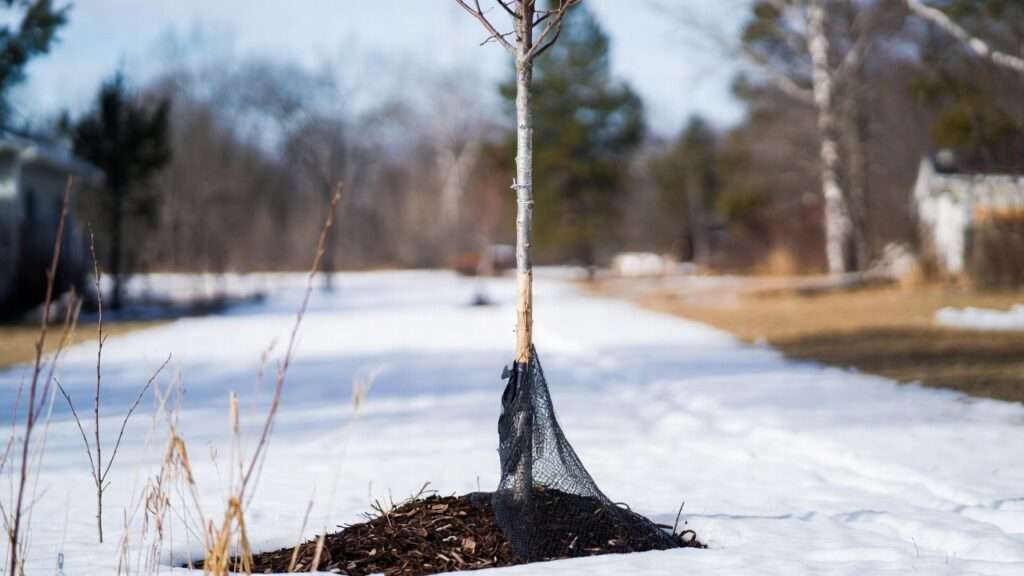
Imagine this: You planted those beautiful young maples or fruit trees last spring, dreaming of shade, blossoms, and maybe even homegrown apples in a few years. But come spring, you discover cracked bark, chewed trunks, or brown, scorched needles. Heartbreaking, right? 😔 Winter is one of the toughest seasons for young trees — especially newly planted or thin-barked ones — because they lack the mature defenses of established trees. The good news? With the right winterizing steps, you can shield them from devastating damage like sunscald, frost cracks, rodent girdling, winter desiccation, and root heaving. 🌱💪
In this in-depth guide, we’ll cover everything you need to know to protect your young trees this winter. Drawing from trusted sources like University of Minnesota Extension, Purdue Extension, Iowa State University Extension, and arborist best practices, this article goes beyond basic advice to deliver comprehensive, science-backed strategies. Whether you’re in a cold USDA zone or dealing with variable weather, these proven methods will help your trees emerge stronger in spring. Let’s dive in and give your young trees the cozy protection they deserve! 🛡️❄️
Why Young Trees Are Especially Vulnerable in Winter ⚠️🌬️
Young trees (generally those under 5–10 years old or recently planted) face unique winter risks because their root systems are shallow, bark is thin, and they haven’t built up natural resilience yet. Mature trees have thicker bark for insulation and deeper roots to access water, but young ones struggle. Here are the main threats:
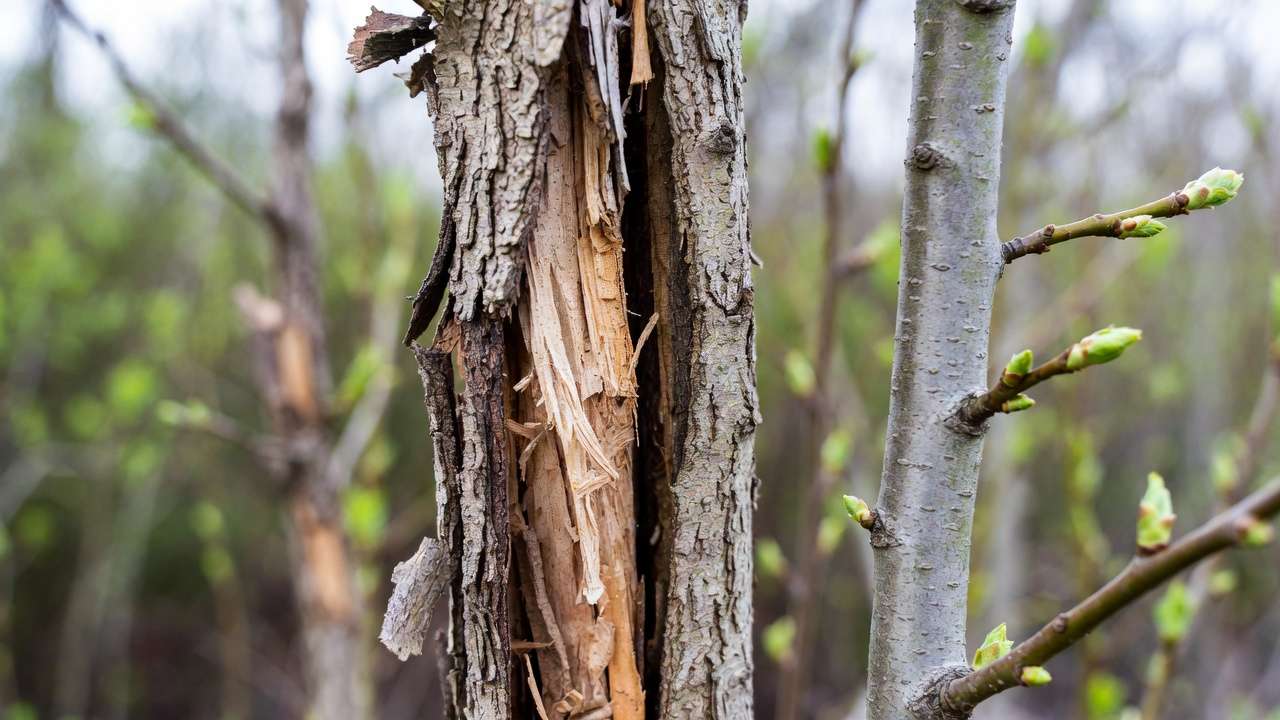
- Sunscald and Frost Cracks — On sunny winter days, the sun heats the bark (especially on the south or southwest side), causing tissues to become active. When temperatures plummet at night or when clouds block the sun, those active cells freeze and die, leading to cracked, sunken, or peeling bark. Thin-barked species like maples, cherries, crabapples, plums, lindens, and honey locusts are most at risk.
- Winter Desiccation (Winter Burn) — Frozen soil blocks water uptake, while dry winds and sun cause evergreens (pine, spruce, arborvitae) to lose moisture through needles faster than roots can replenish it. This results in browned tips, scorched foliage, or needle drop.
- Rodent and Animal Damage — Mice, voles, rabbits, and deer strip bark for food when other sources are scarce. Girdling (removing a ring of bark) cuts off nutrient flow and can kill the tree.
- Root Freeze and Heaving — Freeze-thaw cycles push shallow roots out of the soil, exposing them to air and drying.
- Wind, Snow, and Ice — Strong winds dry out branches, heavy wet snow breaks limbs, and ice adds weight.
Without intervention, these issues can stunt growth, invite disease, or require expensive replacement. Proactive winterizing dramatically boosts survival rates — often to near 100% for properly protected trees! 📈
When to Start Winterizing Young Trees ⏰🍂
Timing matters! Start preparations in late fall (October–November in most regions), before the ground freezes and deep cold arrives.
- Check your local first frost date and USDA hardiness zone.
- Complete mulching, watering, and trunk protection by early winter.
- Continue monitoring and watering during mild spells until the soil fully freezes.
- In areas with variable winters (like parts of Barisal Division or similar mild-winter zones), focus more on desiccation and rodents than extreme freeze.
Pro tip: If winter has already begun, it’s not too late — add mulch, rodent guards, and water during thaws! 🌡️
Step 1: Deep Watering Before the Ground Freezes 💧🌊
Dehydration is a silent killer in winter. Young trees enter dormancy stressed if fall was dry, making all other damage worse.
- Water deeply (soaking 12–18 inches down) every 1–2 weeks in fall if rainfall is insufficient.
- Aim for consistently moist soil (not waterlogged) until freeze-up.
- Evergreens need extra attention — they transpire year-round, even in cold.
- Use soaker hoses or slow-drip systems around the drip line (outer edge of branches) for even coverage.
- In regions where soil freezes solid, water on days above 40°F (4°C) midday so it absorbs before night.
Expert insight from university extensions (like Purdue and Iowa State): Fall and early winter watering is the single most important step for preventing winter burn and boosting spring recovery. Newly planted trees may need 10–30 gallons per inch of trunk diameter per session! 🚰
Step 2: Apply Proper Mulching for Root Insulation 🌿🍂
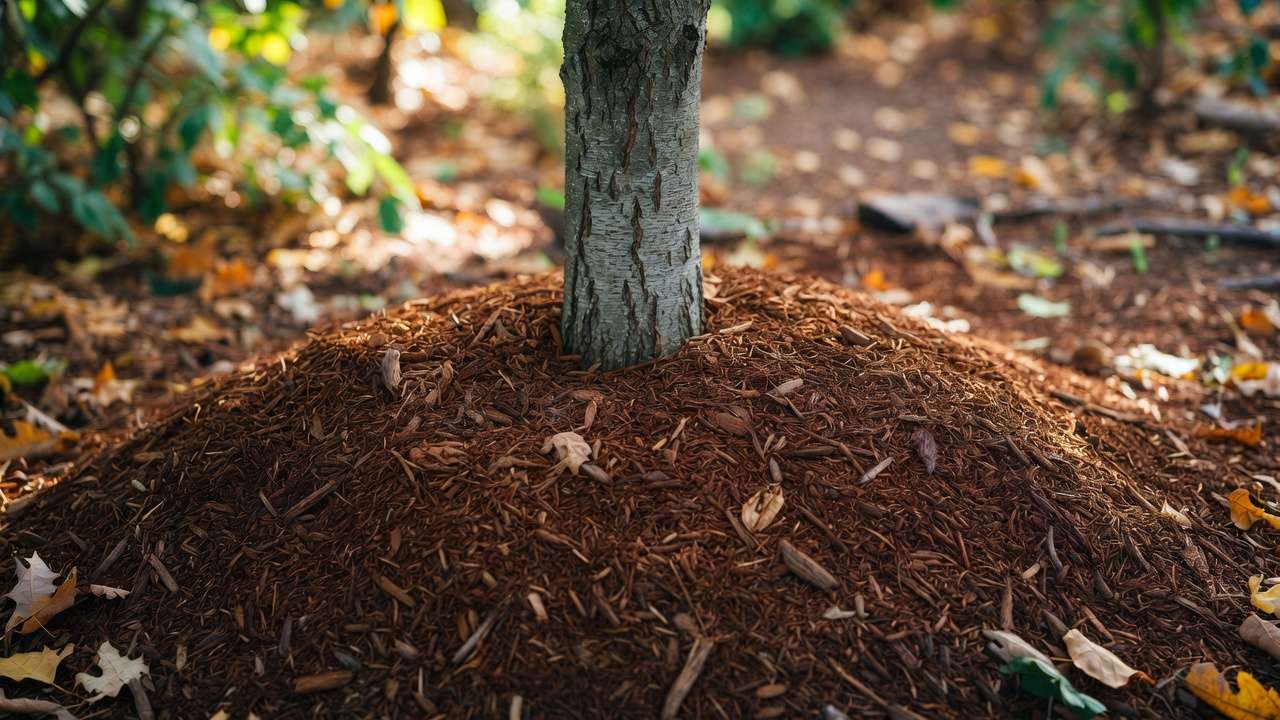
Mulch acts as a cozy blanket, moderating soil temperature, retaining moisture, preventing heaving, and suppressing weeds.
- Choose organic materials: shredded wood chips, bark, straw, pine needles, or shredded leaves (best options for insulation and slow nutrient release).
- Apply 2–4 inches deep in a 3–4 foot diameter ring (or to the drip line for larger young trees).
- Keep mulch 2–3 inches away from the trunk — no “mulch volcanoes” (they trap moisture, invite rot, and attract pests)!
- Apply in late fall after a hard frost for maximum winter benefit.
- Refresh annually and check depth — aim for consistent coverage.
Bonus benefits: Mulch reduces soil temperature swings, protects against foot traffic, and improves long-term soil health. Studies from The Morton Arboretum show properly mulched trees experience far less root stress in winter. 🌱
Step 3: Protect the Trunk from Sunscald and Frost Cracks 🛡️☀️
Sunscald (also called southwest canker or winter bark injury) and frost cracks are among the most common and preventable winter damages to young trees. These occur primarily on the south or southwest side of the trunk, where winter sun heats the bark during the day, causing cells to break dormancy and become active. When temperatures drop sharply at night (or when clouds pass), those tender cells freeze and die, resulting in cracked, sunken, peeling, or discolored bark. Over time, this can girdle the tree, invite fungal infections, or cause repeated cracking in future winters.
Thin-barked species are especially vulnerable, including:
- Maples (especially red and silver)
- Fruit trees (apple, cherry, plum, peach, crabapple)
- Linden, honey locust, mountain ash, birch, serviceberry
Newly planted trees need protection for at least 2–5 winters until bark thickens and roughens naturally.
Proven Protection Methods (Backed by University Extensions):
- White Tree Wrap or Guards — Use flexible, reflective white plastic spiral guards, commercial tree wrap, or corrugated plastic tubes. White reflects sunlight to keep bark temperatures stable — avoid dark or brown materials that absorb heat!
- Apply from ground level up to the lowest branches (or at least 4–5 feet high).
- Install in late fall after leaves drop and temperatures cool consistently.
- Remove in early spring (after last hard frost) to prevent moisture buildup, insect harboring, or girdling as the tree grows.
- DIY Alternative: White Latex Paint — Mix 50/50 white latex paint with water and brush on the trunk. This reflects sun effectively and is inexpensive — many orchardists and extensions recommend it for fruit trees. Reapply as needed.
- Planting Tip — Position young trees where afternoon sun is filtered (e.g., east of a building or larger tree) to reduce exposure naturally.
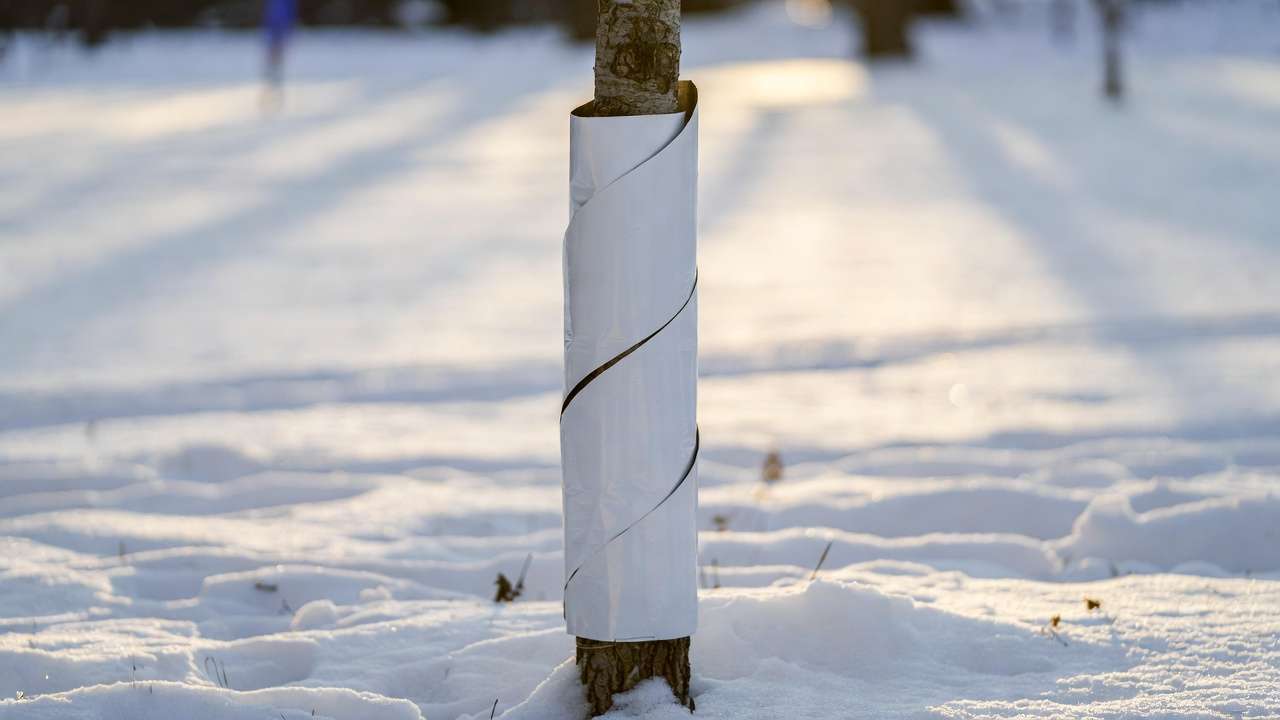
Expert note from University of Minnesota Extension and Purdue Extension: Consistent trunk protection prevents up to 90% of sunscald cases in susceptible species. Check wraps periodically after storms to ensure they haven’t loosened.
Step 4: Guard Against Rodents, Rabbits, and Deer 🐇🦌🐀
When natural food is buried under snow, rodents (mice, voles) and larger animals (rabbits, deer) turn to tender young bark — especially the nutritious cambium layer just under the surface. Girdling (removing a complete ring of bark) disrupts nutrient and water flow, often killing the tree above the damage. Voles tunnel under snow for hidden access, while rabbits reach higher during deep snow packs. Deer browse tips and rub antlers, stripping bark.
In regions like Barisal Division (with milder winters but occasional cold snaps and rodent activity in gardens), focus on prevention early — rodents thrive in grassy/weedy areas near trees.
Effective Rodent and Animal Barriers:
- Hardware Cloth Cylinders — Best long-term solution: Use ¼-inch mesh galvanized hardware cloth. Form a cylinder around the trunk, bury 2–6 inches underground (to stop voles tunneling under), and extend 18–24 inches above expected snow line (or higher for rabbits/deer). Secure with wire ties.
- Plastic Spiral Guards or Tree Tubes — Affordable, easy to install; many double as sunscald protection. Choose 24–36 inch height for young trees.
- Clear Vegetation Zone — Remove grass, weeds, and mulch debris in a 2–3 foot radius around the base in late fall. This eliminates hiding spots and vole habitat.
- Snow Management — After heavy snowfalls, gently shovel snow away from trunks to destroy tunnels and expose rodents to predators (owls, hawks).
- Repellents (Supplemental) — Commercial rodent repellents (odor/taste-based) or homemade mixes (e.g., garlic/cayenne sprays) can help but aren’t foolproof — use alongside physical barriers. Avoid poisons near desirable wildlife.
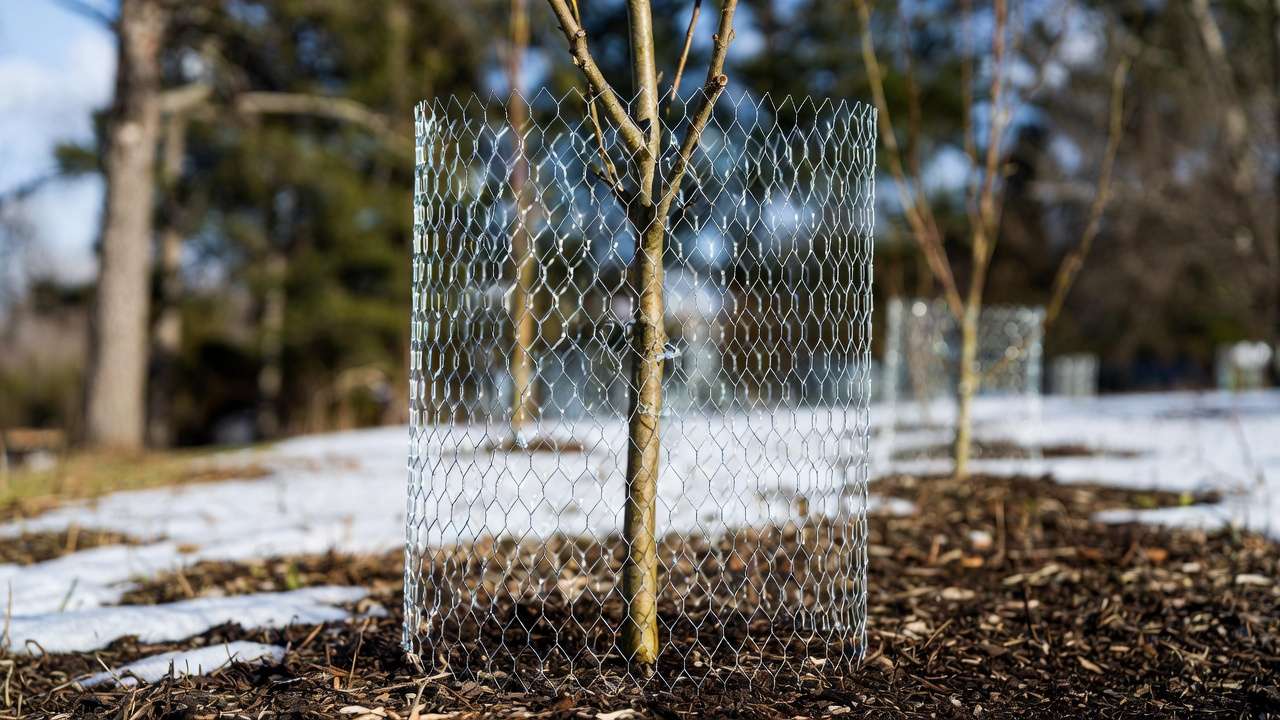
University of Illinois Extension and Iowa State advise: Combine barriers with habitat reduction for best results — many growers report zero girdling damage with proper hardware cloth setups. Check after snow events; adjust height if snow accumulates higher than expected!
Step 5: Additional Protection Strategies for Extreme Conditions ❄️🌬️
Beyond basics, tailor protection to your local challenges (e.g., windy coastal areas in Bangladesh or variable Barisal winters):
- Wind and Salt Protection — For exposed sites, erect temporary burlap or snow-fence windbreaks on the windward side. Avoid planting near roads where de-icing salt sprays can burn foliage.
- Snow and Ice Management — Gently brush off heavy, wet snow from branches with a broom (before it freezes hard). Never shake iced branches — wait for thaw.
- Pruning Best Practices — Limit fall pruning to remove only dead/diseased wood. Major structural pruning is safest in late winter/early spring (dormant season) to avoid stimulating tender growth that won’t harden off.
- Anti-Desiccation for Evergreens — In windy or sunny spots, apply anti-transpirant sprays (like Wilt-Pruf) in late fall to reduce needle moisture loss. Combine with deep fall watering — extensions note this is more effective than sprays alone.
- Species-Specific Tips — Fruit trees (common in home gardens) need extra rodent focus; evergreens (pine, spruce) prioritize watering and windbreaks.
These layered strategies address multiple threats for comprehensive winter survival.
Common Mistakes to Avoid ❌🚫
Even experienced gardeners slip up — here are pitfalls to dodge:
- Creating “mulch volcanoes” (piling mulch against trunk) → invites rot, insects, rodents.
- Using dark trunk wraps → worsens sunscald by absorbing heat.
- Overwatering after soil freezes → causes root rot.
- Ignoring post-storm checks → missed damage worsens.
- Pruning heavily in fall → encourages weak growth vulnerable to cold.
What to Do in Early Spring: Post-Winter Check & Recovery 🌷🌿
As snow melts and temperatures rise:
- Inspect trunks for cracks, girdling, or peeling bark.
- Gently remove wraps/guards to allow air circulation.
- Prune out dead/damaged branches (cut to live wood).
- Water deeply during thaws if soil is dry — roots need moisture for recovery.
- Fertilize lightly in spring only after new growth appears. Minor sunscald often heals with callus formation; severe girdling may require bridge grafting or professional help. Most young trees bounce back beautifully with prompt care!
Frequently Asked Questions (FAQs) ❓
Q: Do all young trees need wrapping? A: Prioritize thin-barked species (maple, fruit trees, linden) and newly planted ones. Thick-barked oaks or pines usually don’t require it.
Q: How long should I protect my tree? A: Trunk wraps: 2–5 winters. Mulch and watering: ongoing in fall. Rodent guards: until bark roughens (often 5+ years in high-pressure areas).
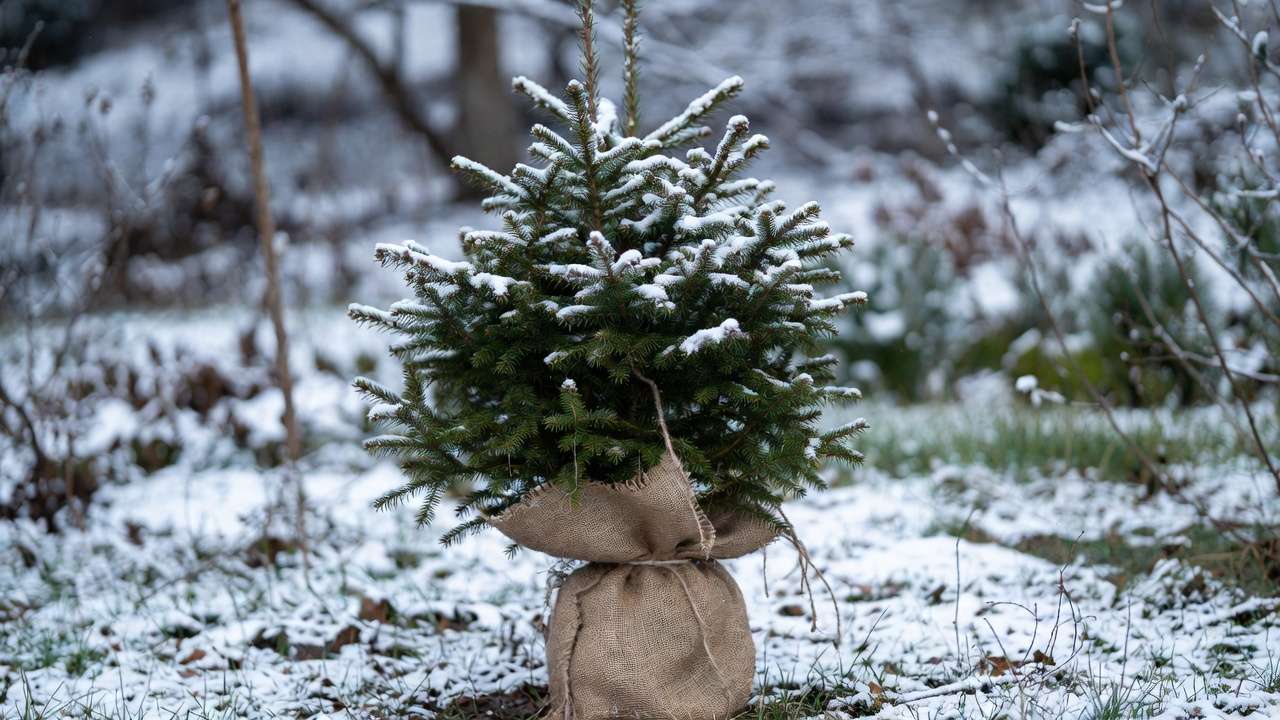
Q: Can I use burlap for everything? A: Excellent for wind/desiccation protection on evergreens, but white/reflective wraps are superior for sunscald.
Q: Is it too late if winter has started? A: Not at all! Add mulch, rodent cylinders, and water during mild thaws — these still help significantly.
Q: What if my tree shows damage in spring? A: Don’t panic — scratch bark to check for green cambium. Many trees recover; consult a local arborist for severe cases.
Final Thoughts: Give Your Young Trees the Best Winter Chance 🌟❤️
Winterizing young trees isn’t just about getting them through the cold — it’s an investment in their long-term health, beauty, and value to your landscape. By following these detailed, extension-backed steps (deep watering, proper mulching, trunk protection, rodent barriers, and vigilant monitoring), you’ll help your trees establish deep roots and strong bark for decades of shade, fruit, flowers, and environmental benefits. Your effort now means thriving trees come spring!
Stay warm, check your trees regularly, and enjoy the satisfaction of protecting your green investments. Happy tree caring! ❄️🌱🌳











