
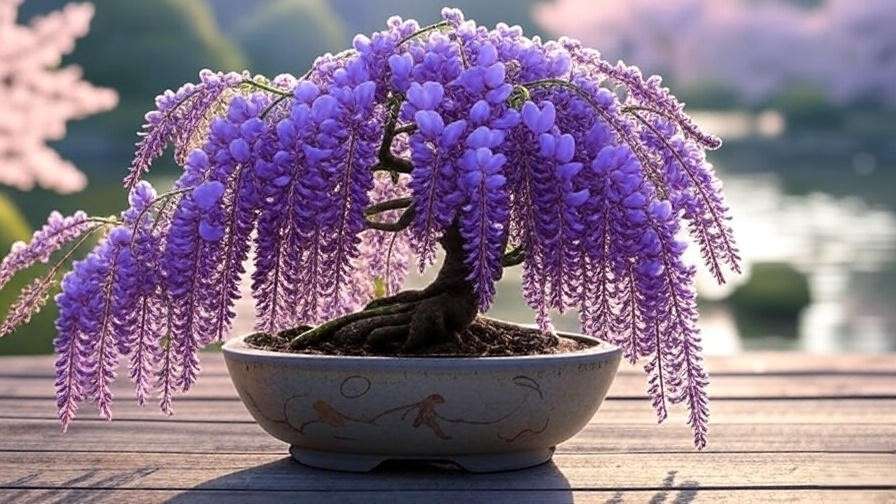
Imagine a miniature tree adorned with cascading clusters of vibrant purple blooms, transforming your space into a serene masterpiece. That’s the magic of a wisteria bonsai tree! Whether you’re a beginner or a seasoned plant enthusiast, growing a wisteria bonsai is a rewarding journey that blends artistry and nature. This guide offers everything you need to cultivate a thriving wisteria bonsai, from selecting the perfect tree to mastering pruning techniques. With expert insights and practical tips, you’ll learn how to nurture this living sculpture with confidence. Ready to create your own floral masterpiece? Let’s dive in! 🌺
What is a Wisteria Bonsai Tree? 🌳
Understanding the Wisteria Bonsai 🌺
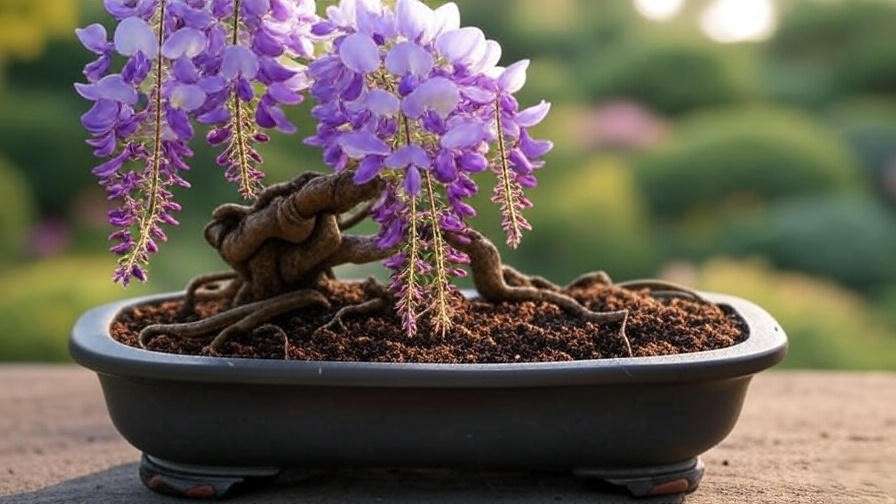
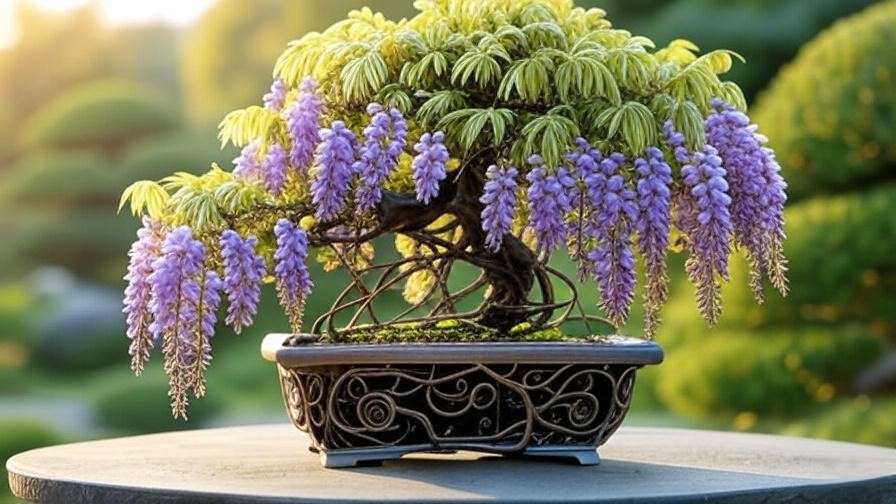
A wisteria bonsai is a miniature version of the wisteria vine, meticulously trained to mimic the elegance of a full-sized tree. Originating in Japan and China, wisteria (Wisteria sinensis or Wisteria floribunda) is prized in bonsai culture for its stunning, fragrant flower clusters and gnarled, character-filled trunks. Its delicate leaves and twisting branches create a captivating silhouette, making it a favorite among bonsai enthusiasts. Unlike traditional bonsai, wisteria’s vigorous growth requires dedicated care to maintain its compact form.
Benefits of Growing a Wisteria Bonsai 🌟
Why choose a wisteria bonsai? Beyond its breathtaking beauty, it offers:
- Aesthetic Appeal: Adds elegance to homes, gardens, or patios.
- Therapeutic Value: Bonsai care promotes mindfulness and patience.
- Long-Term Investment: A well-maintained wisteria bonsai can thrive for decades, becoming a cherished heirloom.
Choosing the Right Wisteria Bonsai 🌿
Selecting a Healthy Wisteria Bonsai 🌱
Choosing a healthy wisteria bonsai is the first step to success. Look for:
- Strong Roots: Ensure the tree has a robust root system visible through the pot’s drainage holes.
- Balanced Branches: Seek a tree with evenly spaced branches for aesthetic potential.
- Vibrant Foliage: Healthy leaves should be bright green, free from spots or wilting.
Purchase from reputable sources like local bonsai nurseries, specialty shops, or trusted online retailers such as Bonsai Outlet or Eastern Leaf.
Starting from Scratch: Seeds, Cuttings, or Saplings? 🌼
You can start a wisteria bonsai from seeds, cuttings, or saplings. Here’s a breakdown:
- Seeds: Affordable but slow, taking years to develop into a bonsai. Ideal for patient growers.
- Cuttings: Faster and more reliable, as they carry the parent plant’s traits. Best for beginners.
- Saplings: Pre-grown trees that speed up the process but may need reshaping.
Expert Tip: Cuttings taken in late spring from a healthy wisteria vine offer the best balance of speed and control for beginners.
Essential Care Requirements for Wisteria Bonsai 🌞
Light and Location ☀️
Wisteria bonsai thrive in full sun, requiring at least 6 hours of direct sunlight daily. Place them outdoors in a sunny spot during spring and summer, ensuring good air circulation. For indoor growing, use a south-facing window or supplement with grow lights. Protect your bonsai from harsh winds or extreme heat by moving it to partial shade during intense summer days.
Watering Needs 💧
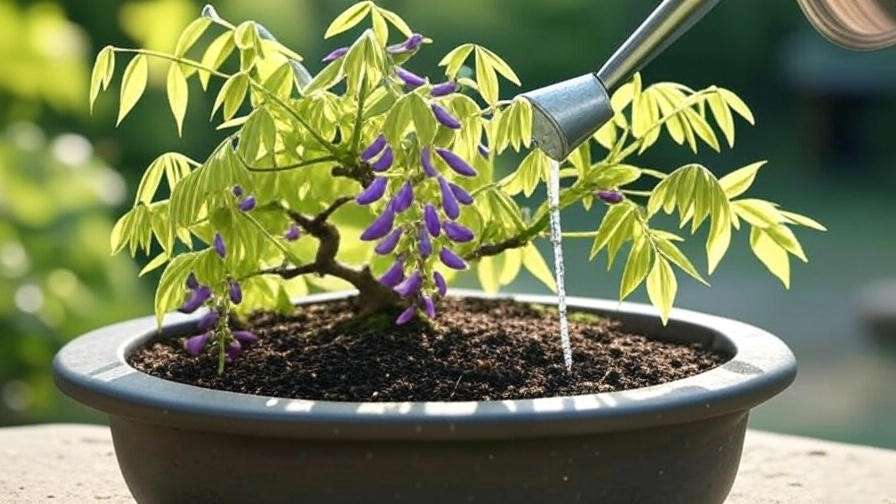
Proper watering is critical for a healthy wisteria bonsai. Follow these guidelines:
- Frequency: Water when the topsoil feels slightly dry, typically every 1–2 days in warm months.
- Technique: Use a watering can with a fine nozzle to evenly moisten the soil without disturbing roots.
- Avoid Overwatering: Ensure pots have drainage holes to prevent root rot.
Expert Insight: Rainwater is ideal for wisteria bonsai, as it’s free from chemicals found in tap water. If leaves yellow or droop, check for overwatering and adjust accordingly.
Soil and Fertilization 🌱
Wisteria bonsai need well-draining soil to prevent root issues. A mix of 50% akadama, 25% pumice, and 25% lava rock is ideal for aeration and drainage. Fertilize every two weeks during the growing season (spring to early fall) with a balanced liquid fertilizer (e.g., 10-10-10) or organic options like fish emulsion. Reduce fertilization in winter to avoid stressing the tree. Avoid heavy clay soils, which retain too much water and harm roots.
Pruning and Shaping Your Wisteria Bonsai ✂️
Pruning Basics 🌿
Pruning maintains the wisteria bonsai’s shape and encourages healthy growth. Key tips:
- When to Prune: Late winter (before spring growth) for structural pruning; summer for maintenance.
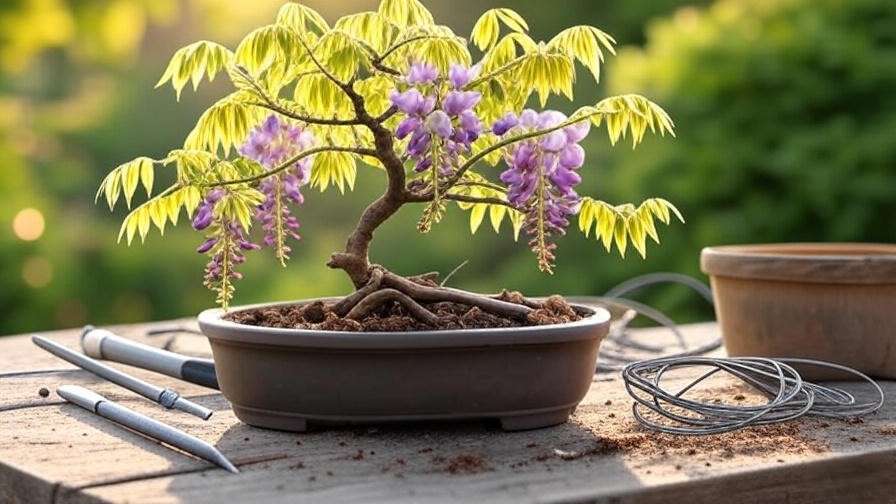
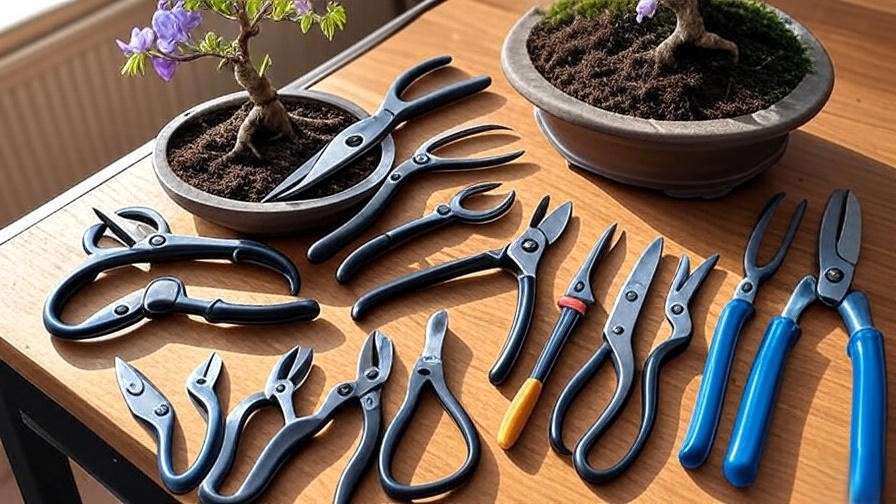
- Tools: Use sharp concave cutters and bonsai shears for clean cuts.
- How to Prune: Remove dead or crossing branches, and trim back vigorous shoots to 2–3 leaves after flowering.
Regular pruning prevents the tree from reverting to its natural vine-like growth.
Training and Wiring Techniques 🌳
Wisteria bonsai are often styled with cascading branches to mimic their natural drooping form. Use aluminum bonsai wire to gently shape branches, wrapping at a 45-degree angle. Avoid tight wiring to prevent bark damage. Remove wires after 2–3 months to avoid scarring. For a natural look, train branches to flow downward, creating a waterfall-like effect.
Encouraging Blooms 🌸
Wisteria bonsai bloom in spring, but flowers require effort:
- Sunlight: Ensure ample sunlight for bud formation.
- Pruning: Trim back new shoots after flowering to redirect energy to buds.
- Fertilization: Use a low-nitrogen, high-phosphorus fertilizer in late summer to boost blooms.
If your bonsai isn’t flowering, check for excessive nitrogen or insufficient light.
Repotting Your Wisteria Bonsai 🪴
When and Why to Repot ⏰
Repot young wisteria bonsai every 1–2 years, and mature trees every 3–5 years, to refresh soil and manage root growth. Signs your bonsai needs repotting include roots circling the pot or water pooling on the soil surface. Repot in early spring before new growth begins.
Step-by-Step Repotting Guide 📋
- Prepare: Choose a slightly larger bonsai pot with drainage holes.
- Remove the Tree: Gently lift the tree, shaking off old soil.
- Prune Roots: Trim 20–30% of the roots, focusing on thick or tangled ones.
- Replant: Place in fresh soil mix, securing with bonsai wire if needed.
- Aftercare: Water thoroughly and keep in shade for 2 weeks to reduce stress.
Common Problems and Solutions 🐞
Pests and Diseases 🕷️
Wisteria bonsai are susceptible to:
- Aphids: Small sap-sucking insects; treat with neem oil or insecticidal soap.
- Spider Mites: Tiny pests causing webbing; increase humidity and use miticides.
- Fungal Infections: Prevent with good air circulation and avoid overwatering.
Regularly inspect leaves and stems, and quarantine affected trees to prevent spread.
Troubleshooting Growth Issues 🌱
- Yellowing Leaves: Often due to overwatering or nutrient deficiency; adjust watering and fertilize.
- Stunted Growth: Check for root-bound conditions or insufficient light.
- No Blooms: Increase sunlight or adjust fertilizer to promote flowering.
Seasonal Care for Wisteria Bonsai ❄️🌸
Caring for a wisteria bonsai tree requires adapting to the seasons, as its needs shift with changing weather. Below, we break down essential care tips for each season to keep your bonsai thriving year-round.
Spring: Growth and Blooming 🌷
Spring is the wisteria bonsai’s most vibrant season, marked by new growth and stunning blooms. To support this active phase:
- Pruning: Lightly prune after flowering to maintain shape and encourage next year’s buds. Remove spent flowers to redirect energy.
- Fertilizing: Apply a high-phosphorus fertilizer (e.g., 5-10-5) every two weeks to boost bloom production.
- Watering: Increase watering as temperatures rise, ensuring the soil stays consistently moist but not soggy.
Expert Tip: Check for new shoots daily, as wisteria grows rapidly in spring. Pinch back excessive growth to maintain your desired shape.
Summer: Maintenance and Protection ☀️
Summer brings warmth and potential stress for your wisteria bonsai. Focus on:
- Watering: Water daily, especially during heatwaves, but ensure proper drainage to avoid root rot. Morning watering is best to prevent fungal issues.
- Shading: Provide partial shade during intense afternoon sun to prevent leaf scorch. A shade cloth or strategic placement under a tree canopy works well.
- Pest Control: Monitor for aphids and spider mites, which thrive in warm weather. Spray with neem oil if needed.
Pro Insight: Mist the foliage in the evening to boost humidity, mimicking wisteria’s natural environment.
Fall: Preparing for Dormancy 🍂
As temperatures cool, your wisteria bonsai prepares for dormancy. Adjust care to ease this transition:
- Reduce Watering: Water less frequently as growth slows, but don’t let the soil dry out completely.
- Stop Fertilizing: Cease fertilization by mid-fall to avoid stimulating new growth that could be damaged by frost.
- Clean-Up: Remove fallen leaves from the pot to prevent fungal growth and pests.
Key Note: If your bonsai is outdoors, move it to a sheltered spot to protect it from early frosts.
Winter: Dormancy Care ❄️
Wisteria bonsai enter dormancy in winter, requiring minimal but careful maintenance:
- Outdoor Care: If kept outside, place the bonsai in a protected area, such as against a wall or under a porch, to shield it from freezing winds. Wrap the pot in burlap to insulate roots.
- Indoor Care: For indoor overwintering, place in a cool (40–50°F), unheated room with indirect light. Avoid warm indoor spaces, which can disrupt dormancy.
- Watering: Water sparingly, only when the soil is dry to the touch, to prevent root rot.
Expert Advice: Check roots monthly for signs of rot, especially in wet climates.
Advanced Tips for Wisteria Bonsai Mastery 🌟
For those ready to elevate their wisteria bonsai game, these advanced techniques will help you create a show-stopping specimen:
- Multi-Trunk Style: Train your bonsai to have multiple trunks for a dramatic, forest-like effect. Start with a young tree and selectively prune to develop distinct trunks.
- Cascading Style: Enhance the wisteria’s natural drooping form by wiring branches to cascade over the pot’s edge, creating a waterfall-like silhouette.
- Aging Techniques: Use controlled stress (e.g., light root pruning or defoliation) to encourage a gnarled, aged appearance in the trunk.
Case Study: Bonsai master John Naka once shared, “A wisteria bonsai’s beauty lies in its balance of wild growth and disciplined form.” His approach emphasizes patience and subtle shaping over years.
Tools and Supplies Checklist 🛠️
To care for your wisteria bonsai, invest in quality tools and supplies:
- Must-Haves for Beginners:
- Concave cutters (e.g., Ryuga or Kaneshin brands) for clean pruning.
- Bonsai shears for precise trimming.
- Aluminum bonsai wire (1–4 mm) for shaping.
- Watering can with a fine rose nozzle.
- Recommended Brands: Ryuga, Kaneshin, or Joshua Roth for durable, professional-grade tools.
- Optional Supplies: Humidity trays, soil sifters, or a turntable for easier shaping.
Pro Tip: Keep tools clean and sharp to prevent disease transmission and ensure precise cuts.
FAQs About Wisteria Bonsai Care ❓
Here are answers to common questions from wisteria bonsai enthusiasts:
- How long does it take for a wisteria bonsai to bloom? Typically, 3–5 years for trees started from cuttings, longer for seeds. Proper care accelerates blooming.
- Can I grow a wisteria bonsai indoors year-round? It’s possible with ample light (e.g., grow lights), but outdoor placement is ideal for seasonal dormancy.
- What’s the best fertilizer for wisteria bonsai? A balanced 10-10-10 in spring, switching to high-phosphorus (5-10-5) in summer for blooms.
- How do I prevent my wisteria bonsai from dying in winter? Insulate the pot, reduce watering, and protect from freezing winds.
- Why isn’t my wisteria bonsai flowering? Common causes include insufficient sunlight, excessive nitrogen, or improper pruning. Adjust care accordingly.
Conclusion: Your Journey with Wisteria Bonsai 🌿
Growing a wisteria bonsai tree is a journey of patience, creativity, and connection with nature. By following this guide, you’re equipped to nurture a stunning bonsai that blooms vibrantly each spring. From selecting a healthy tree to mastering pruning and seasonal care, every step brings you closer to a living work of art. Start your bonsai adventure today, and share your progress with our plant care community! 🌟











