
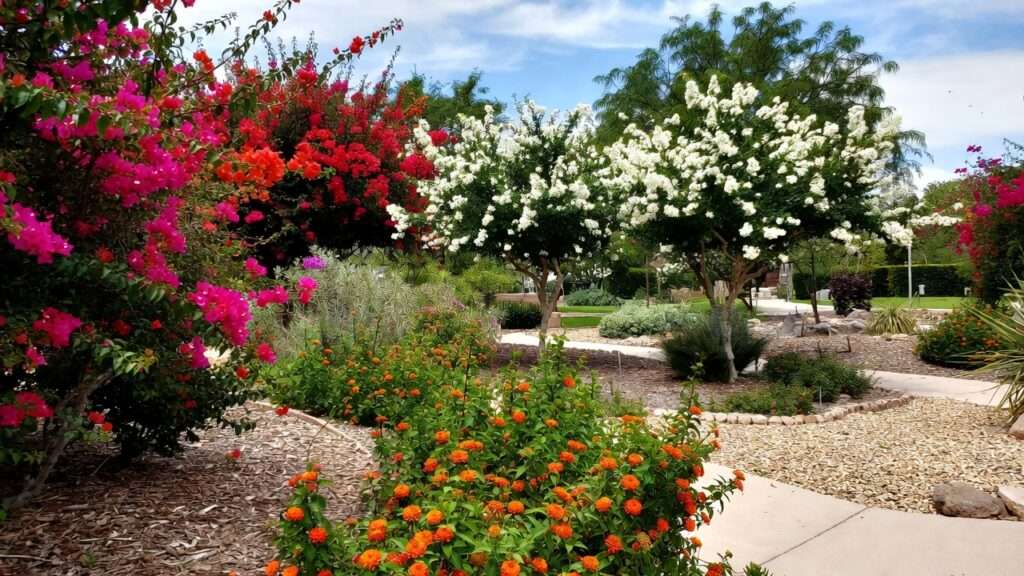
Your water bill arrives and the number makes you wince. The lawn is turning brown again. You love gardening, but the time, effort, and guilt of overwatering are wearing you down. What if your yard could look lush, colorful, and intentional all year — while using dramatically less water?
That’s exactly what thoughtful xeriscape design principles make possible.
Xeriscaping (from the Greek word “xeros” meaning dry) is not about replacing everything with gravel and a few cacti. It is a smart, beautiful, science-based approach to landscaping that dramatically reduces outdoor water consumption — often by 50–75% — while creating a garden that supports pollinators, wildlife, and your own enjoyment.
In many regions facing increasing drought, water restrictions, and rising utility costs, xeriscape design has moved from “nice-to-have” to essential. The good news? You don’t need to be a landscape architect to do it right. You just need to understand and apply the seven core xeriscape design principles consistently.
In this comprehensive guide, we’ll walk through each of the seven principles step by step — exactly as taught by leading authorities such as Denver Water, Colorado State University Extension, New Mexico State University, and many regional water conservation programs worldwide 🌍.
By the end, you’ll have a clear, actionable roadmap to create a low-water garden that is:
- Visually stunning year-round
- Much easier to maintain
- Kind to your wallet and the planet
- Filled with healthy plants and trees 🌳
Let’s begin! 🌱
What Is Xeriscape? A Clear Definition & Quick History 📜
Many people still believe xeriscape means “zero plants” or “desert only.” That’s a myth that has persisted for decades.
Xeriscape = landscaping designed to minimize the need for supplemental irrigation through intelligent planning, plant selection, soil management, and efficient watering techniques.
It was officially coined in 1981 by Denver Water during a major drought in Colorado. They launched the “Xeriscape” program to educate homeowners and reduce landscape water use without sacrificing beauty or usability.
Today, xeriscape principles are used worldwide — from arid deserts to humid subtropical regions — because the underlying logic is universal:
Good horticulture + water-conscious choices = dramatically lower water demand.
Modern xeriscape gardens are full of color, texture, movement, fragrance, and wildlife. They just waste far less water than traditional landscapes.
The Foundation: Why These 7 Principles Are So Powerful 🏛️
The seven xeriscape principles were developed by water conservation experts and horticulturists based on decades of field research and real-world results.
While slight variations exist between organizations, the most widely accepted version includes:
- Plan and design thoughtfully
- Improve and maintain healthy soil
- Create practical and efficient irrigation systems
- Select appropriate plants
- Use mulch effectively
- Limit or replace high-water-use turf areas
- Practice appropriate landscape maintenance
These principles work together like a system. Skipping or doing only one or two of them usually leads to disappointing results.
When applied together, they create landscapes that are:
- Beautiful
- Functional
- Sustainable
- Lower-maintenance over time
Let’s explore each principle in detail.
Principle 1: Plan and Design Thoughtfully 🗺️✨
A beautiful, water-efficient garden almost always starts on paper (or on a tablet), not with a shovel.
Good planning prevents most common xeriscape failures.
Key Planning Steps
- Site analysis
- Sun patterns (full sun, part shade, deep shade areas)
- Wind direction and intensity
- Slope and drainage patterns
- Existing trees, structures, and hardscape
- Views you want to keep or screen
- Create hydrozones (this is the most important planning concept)
- High-water zone (oasis): plants that need regular moisture (small area only)
- Moderate-water zone (transition): plants that need occasional deep watering
- Low/very low-water zone (arid): plants that survive on natural rainfall once established
- Functional design
- Where do people walk?
- Where do you want seating, play space, vegetable garden, compost area?
- Where do you want focal points (specimen tree, sculpture, water feature)?
Practical Planning Tips
- Use free tools: Google Earth, simple graph paper, or apps like iScape or Garden Planner
- Walk your yard at different times of day and different seasons
- Mark existing irrigation lines, utilities, and tree root zones
A well-planned xeriscape feels intentional and calm — not random or forced.
Principle 2: Improve Your Soil for Better Water Retention 🌱🧪
Healthy soil is the hidden foundation of every successful low-water garden.
Good soil:
- Holds water longer (so you water less often)
- Allows deep root growth (plants become more drought-tolerant)
- Supports beneficial microbes and fungi
- Reduces runoff and erosion
Soil Improvement Steps
- Test your soil first (pH, texture, nutrients) — many local extension offices offer affordable testing
- Add organic matter — compost, aged manure, leaf mold, worm castings
- 2–4 inches worked into the top 8–12 inches for most garden beds
- Avoid over-amending native or very well-drained soils — many drought-tolerant plants actually prefer leaner conditions
- Improve clay soils gradually — add organic matter over several seasons
- Use raised beds or hugelkultur mounds if drainage is very poor
Pro tip: Once established, many native and adapted xeriscape plants actually prefer the same soil conditions they evolved in. Over-fertilizing and over-amending can make them grow too fast and become weak and thirsty.
Principle 3: Irrigate Efficiently – Water Smarter, Not Harder 💧🧠
The goal is not to eliminate irrigation completely (in most climates that’s unrealistic). The goal is to use as little supplemental water as possible.
Best Low-Water Irrigation Methods
- Drip irrigation — delivers water directly to the root zone with minimal evaporation
- Soaker hoses — inexpensive and effective for beds and borders
- Micro-sprinklers — good for larger shrubs and groundcovers
- Smart irrigation controllers — adjust watering automatically based on weather data
Key Irrigation Rules
- Water deeply and infrequently — encourages deep roots
- Water early morning to minimize evaporation and fungal problems
- Install rain sensors or soil moisture sensors
- Group plants with similar water needs together (hydrozoning again!)
- Check and repair leaks regularly — even tiny leaks waste hundreds of gallons
Important: During the first 1–2 years (establishment period), new plants need regular watering — even drought-tolerant ones. After establishment, many can survive on rainfall alone in normal years.
Principle 4: Choose the Right Plants – Drought-Tolerant & Beautiful 🌺✨
Plant selection is where xeriscape truly shines — or falls flat. The right choices turn a water-hungry yard into a thriving, colorful, low-maintenance oasis.
Focus on plants that are adapted (native or well-suited) to your local climate, soil, and rainfall patterns. These plants have evolved to handle periods of low water, so once established (usually after 1–2 years of careful watering), they need minimal supplemental irrigation.
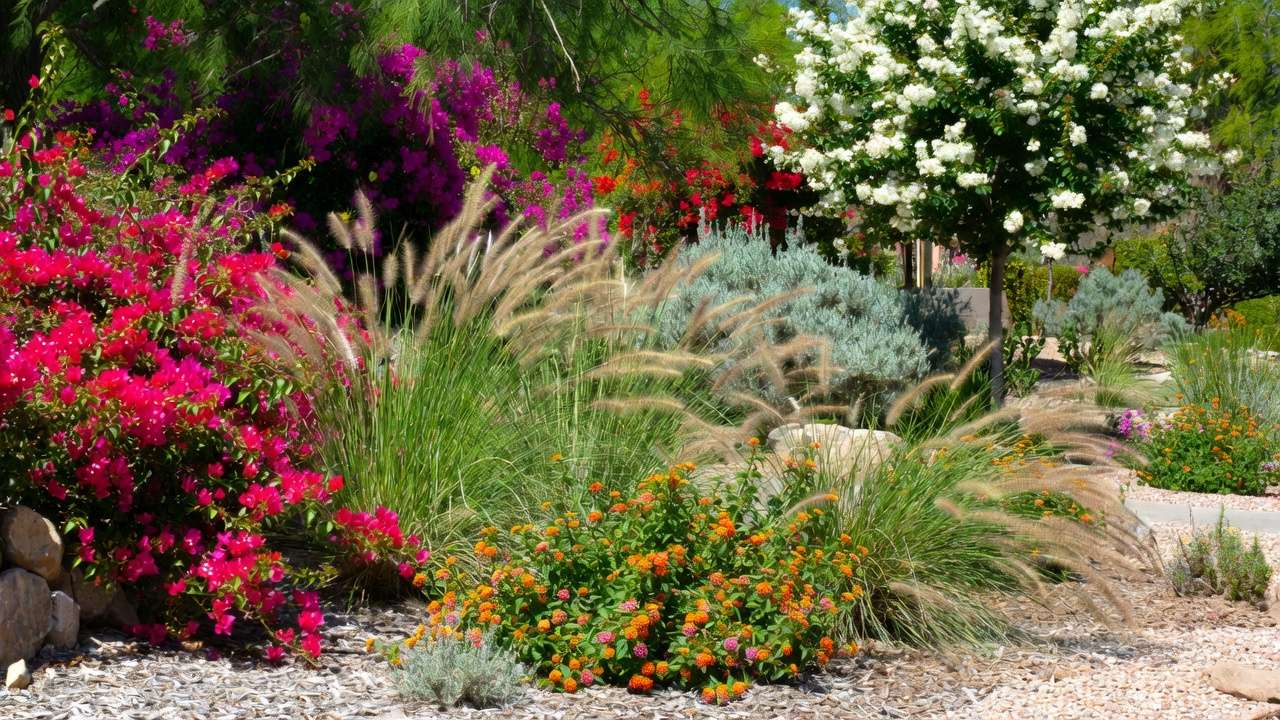
Key Guidelines for Plant Selection
- Prioritize native and adapted species — they support local pollinators, birds, and beneficial insects while requiring less water and fewer pesticides.
- Use hydrozoning — place high-water plants in small, high-use areas (near patios or entries); moderate-water in transition zones; low-water in outer/arid zones.
- Include a mix for year-round interest: evergreens for structure, perennials for seasonal color, ornamental grasses for movement, and trees for shade and focal points.
- Choose plants with deep root systems — they access moisture deeper in the soil and become more drought-resistant.
Excellent Low-Water Plant Categories & Examples
Trees (provide shade, reduce cooling costs, anchor the design):
- Crape Myrtle (Lagerstroemia) — stunning summer blooms, colorful fall foliage, exfoliating bark; very drought-tolerant once established. 🌸
- Southern Magnolia or Frangipani (Plumeria) — fragrant flowers, tropical feel; Plumeria is especially water-wise in warmer climates.
- Desert Rose (Adenium obesum) — succulent trunk, vibrant blooms; thrives in hot, sunny spots.
- Bottlebrush or Acacia species — hardy, attractive to wildlife.
Shrubs & Perennials (color, texture, pollinator magnets):
- Bougainvillea — explosive color (pink, purple, orange); climbs walls or spills over edges; extremely drought-tolerant.
- Lantana — continuous blooms, attracts butterflies; tough and spreading.
- Hibiscus (some hardy varieties) — large tropical flowers; select lower-water cultivars.
- Lavender or Rosemary — aromatic, evergreen, bee-friendly (great in Mediterranean-style xeriscapes).
- Ornamental grasses (e.g., Fountain Grass, Muhly Grass) — soft movement, low water needs.
Groundcovers & Succulents (suppress weeds, cover soil):
- Sedum or Ice Plant — succulent leaves, colorful flowers; excellent for rock gardens.
- Portulaca (Moss Rose) — bright, cheerful blooms; thrives in heat.
Regional Note for Humid Subtropical/Tropical Areas (like parts of South Asia, including Khulna, Bangladesh): In humid climates with hot summers and distinct wet/dry seasons, xeriscape adapts by emphasizing plants that tolerate both heavy monsoon rains and dry periods. Excellent choices include Bougainvillea, Lantana, Plumeria, Adenium, Crape Myrtle, and hardy Hibiscus varieties. These handle high humidity while needing far less supplemental water during dry spells compared to thirsty turf or exotic annuals. Focus on well-drained soil to prevent root rot during monsoons. 🌴💚
Avoid overplanting high-water exotics (e.g., traditional lawns, azaleas, or water-loving annuals) unless in tiny oasis zones.
Pro Tip: Start small — convert one section (e.g., a front bed) to test combinations. Observe how plants perform in your specific microclimate.
Principle 5: Mulch Like a Pro to Lock in Moisture 🌿🛡️
Mulch is the unsung hero of xeriscape. A thick layer transforms your soil and dramatically reduces water loss.
Benefits of Mulching
- Cuts evaporation by up to 70%
- Suppresses weeds (less competition for water)
- Moderates soil temperature (cooler roots in summer, warmer in cooler months)
- Adds organic matter as it breaks down (improves soil over time)
- Prevents soil compaction and erosion
Best Mulch Types for Xeriscape
- Organic mulches (preferred for most beds): Bark chips, wood chips, shredded leaves, pine straw, compost. They enrich soil but need refreshing every 1–2 years.
- Inorganic mulches (great for arid zones or rock gardens): Gravel, river rock, decomposed granite. Long-lasting, no decomposition.
How to Apply Mulch Correctly
- Depth: 2–4 inches (deeper is better for water savings).
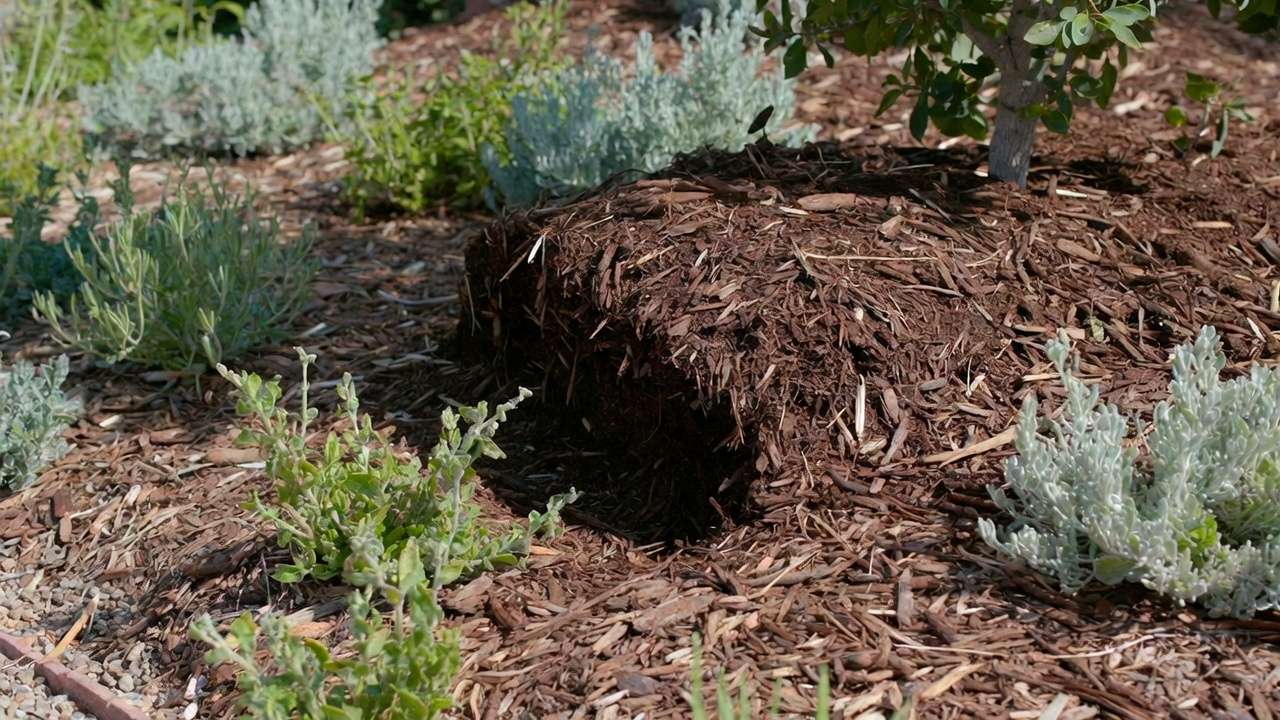
- Keep mulch 2–3 inches away from tree trunks and plant stems — avoid “mulch volcanoes” that cause rot and pests.
- Reapply annually or as needed to maintain depth.
- For trees: Extend mulch to the drip line (outer edge of branches) for maximum benefit.
Common Mistake to Avoid: Applying mulch too thin (under 2 inches) — it won’t effectively conserve moisture or block weeds.
Principle 6: Limit or Replace Traditional Turf Areas 🏞️➡️🌾
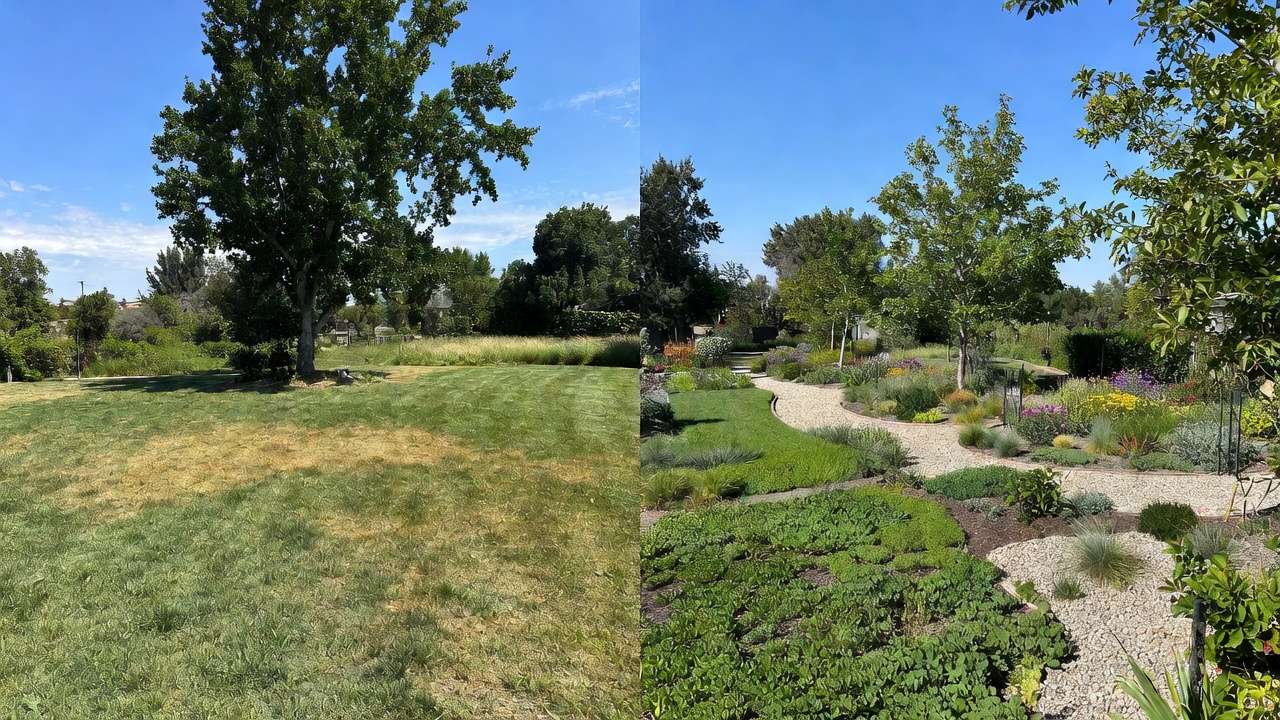
Traditional lawns are among the biggest water consumers in most landscapes — often using 30–50% of household water outdoors.
Xeriscape doesn’t ban grass entirely — it asks you to use it wisely.
Smart Turf Strategies
- Keep small, functional turf areas only (play zones for kids/pets, small focal patches).
- Replace large lawns with:
- Native or low-water grasses (e.g., Bermuda or Zoysia in warmer climates — drought-tolerant once established).
- Groundcovers (clover, thyme, sedum, or vinca).
- Ornamental grasses, perennials, shrubs, or hardscaping (patios, gravel paths, rock features).
Easy Lawn Conversion Method: Sheet Mulching
- Mow lawn short.
- Cover with cardboard or newspaper (blocks light, kills grass).
- Add 4–6 inches compost/organic matter.
- Top with 3–4 inches mulch.
- Plant directly into the new bed (cut holes through cardboard).
In 6–12 months, you’ll have rich soil ready for xeriscape plants — no digging required! 🌱
Principle 7: Maintain Appropriately – Low Effort, High Reward 🔧🌟
Xeriscape is low-maintenance, not no-maintenance. The difference is huge.
Smart Maintenance Practices
- Establishment phase (first 1–2 years): Regular deep watering to build strong roots.
- Ongoing:
- Prune lightly and at the right time (e.g., after flowering for many perennials).
- Weed early and often — mulch helps tremendously.
- Fertilize sparingly — many natives need little to none.
- Monitor irrigation system for leaks/efficiency.
- Use eco-friendly pest control (beneficial insects, neem oil, hand removal).
Seasonal Checklist
- Spring: Cleanup, prune, refresh mulch, start establishment watering.
- Summer: Deep, infrequent watering; monitor for stress.
- Fall: Reduce watering; plant new additions.
- Winter: Minimal care; protect tender plants if needed.
Over time, a well-designed xeriscape actually requires less work than traditional landscapes because plants are matched to conditions.
Real-World Examples & Inspiration Gallery 🌟📸
Seeing xeriscape in action helps turn theory into excitement. Here are some inspiring real-world styles that prove low-water gardens can be stunning, functional, and perfectly suited to various climates — including humid subtropical areas like Khulna, where monsoons alternate with dry spells.
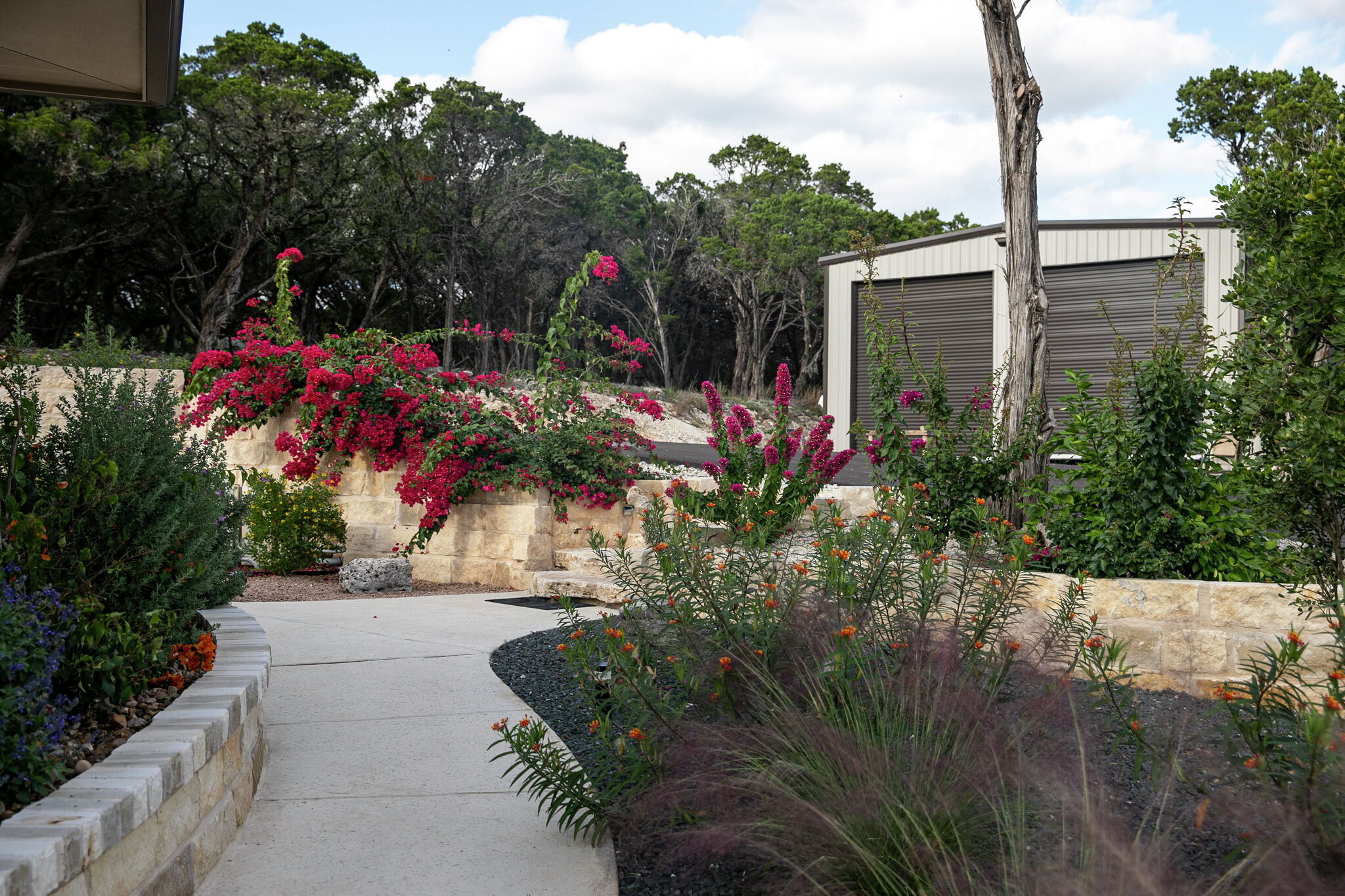
- Vibrant Front Yard Oasis A welcoming entry with bougainvillea cascading over stone walls, colorful lantana borders, and ornamental grasses swaying in the breeze. Gravel paths and native perennials create texture without constant watering.
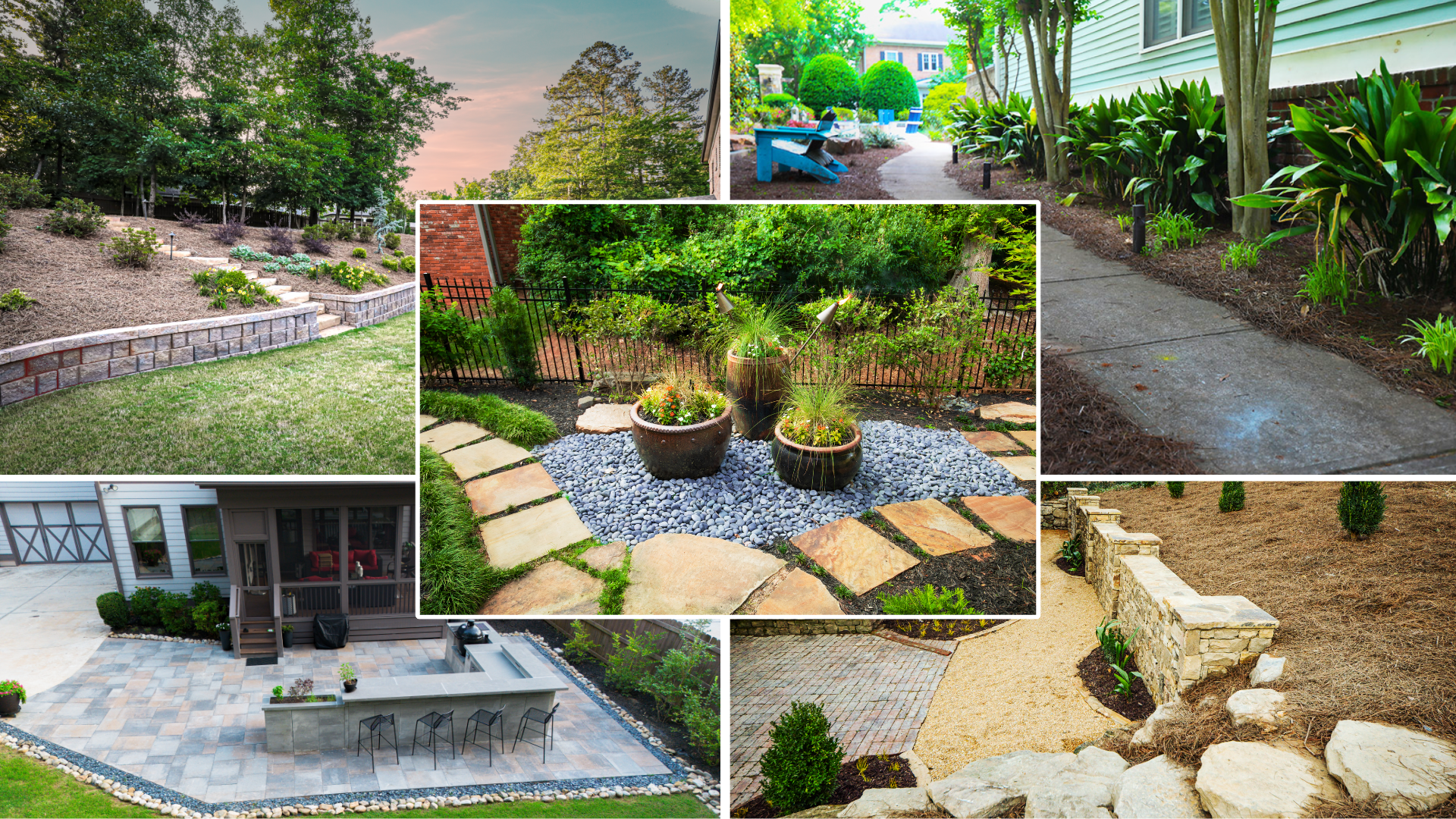
- Modern Backyard Retreat Mulched beds with drought-tolerant shrubs, potted focal plants, stepping stones over pea gravel, and low-water trees providing dappled shade. Perfect for relaxation with almost no lawn left.
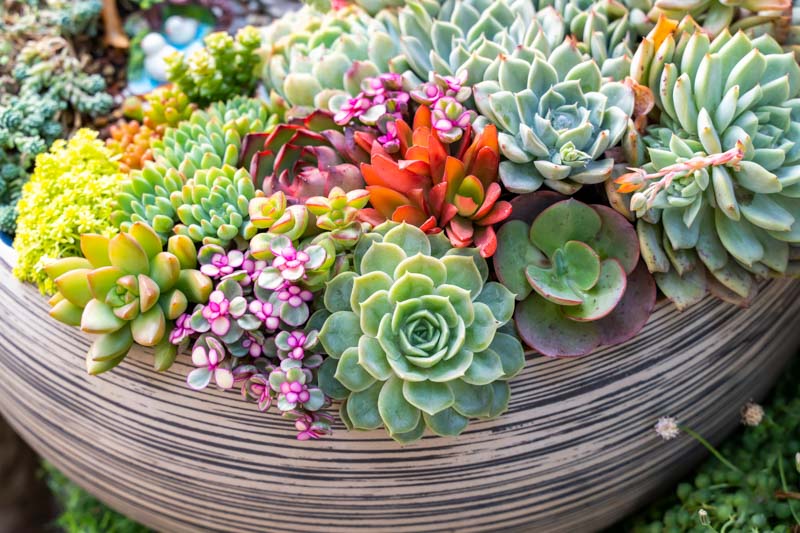
- Rock Garden Drama Succulents, sedums, ice plants, and desert rose (Adenium) arranged among boulders and decomposed granite. Pops of color from portulaca and cacti flowers — ideal for sunny, well-drained spots.
- Tropical-Adapted Xeriscape In humid climates, emphasize bold foliage and bright blooms like plumeria, hibiscus, bougainvillea, and bird-of-paradise grouped in well-drained beds with mulch and minimal turf. Handles heavy rain while conserving water in dry months.

Before-and-After Tip: Many homeowners start with one zone (front bed or side yard), see water savings in the first season, and expand gradually. The transformation is often dramatic — greener in spirit, lighter on resources.
Common Mistakes to Avoid & Pro Tips from Experts 🚫🔍
Even experienced gardeners slip up. Here are the most frequent pitfalls and expert fixes:
- Mistake: Overwatering during establishment — new plants look thirsty forever. Fix: Stick to a deep, infrequent schedule; check soil moisture 4–6 inches down before watering.
- Mistake: Planting everything too close together — leads to competition and disease. Fix: Use mature size guidelines; give plants room to grow naturally.
- Mistake: Ignoring microclimates (hot south wall vs. shady north side). Fix: Match plants to conditions — succulents in full sun, ferns or hostas in shade pockets.
- Mistake: Skipping mulch or applying it wrong (volcanoes around trees). Fix: Maintain 3–4 inches, keep it away from trunks.
Pro Tips:
- Start small: Convert 20–30% of your yard first.
- Observe after rain: See where water pools or runs off — adjust grading if needed.
- Attract wildlife: Add birdbaths (with overflow drainage) and native flowering plants for pollinators.
- Track savings: Many see 40–70% lower outdoor water use within 2 years.
Frequently Asked Questions (FAQs) ❓
Is xeriscape only for dry, desert climates? No! It works anywhere water conservation matters. In humid areas like Khulna, focus on plants that handle both wet monsoons (good drainage) and dry seasons (deep roots, mulch).
How much money can I save on water bills? Depends on yard size and local rates, but 50–75% reductions in outdoor use are common after establishment — often paying back plant/mulch costs in 2–4 years.
Can I have flowers and color in a xeriscape? Absolutely! Bougainvillea, lantana, crape myrtle, portulaca, and many perennials deliver vibrant, long-lasting color with minimal water.
How long until my garden looks established? 1–2 years for most perennials and shrubs; trees take longer but provide increasing benefits (shade, habitat) over time.
What are the best low-water trees for shade in my area? In subtropical/humid zones: Plumeria, Crape Myrtle, Neem, or Indian Coral Tree. They offer beauty, shade, and drought tolerance once rooted.
Conclusion: Start Your Xeriscape Journey Today! 🚀🌍
The seven xeriscape design principles — thoughtful planning, healthy soil, efficient irrigation, smart plant choices, mulching, limited turf, and appropriate maintenance — form a proven blueprint for gardens that are beautiful, resilient, and responsible.
You don’t need a complete overhaul overnight. Start by assessing one section of your yard: sketch a simple plan, test your soil, add mulch, and swap in a few drought-tolerant plants. Each step brings you closer to a landscape that thrives with less water, less work, and more joy.
In a world facing increasing water challenges, a low-water garden isn’t just smart — it’s a beautiful contribution to sustainability. Your yard can be lush, colorful, and eco-friendly all at once.
Ready to begin? Grab a notebook, walk your space, and let these principles guide you. Your future garden — and the planet — will thank you. 🌱💚











