
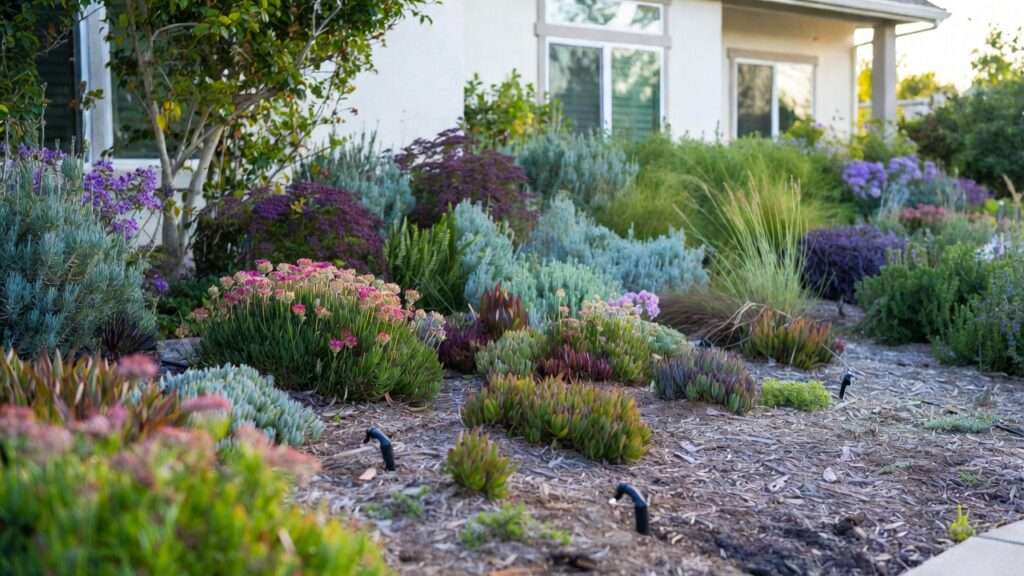
Imagine slashing your monthly water bill by 50-75% (or even up to 80% in some cases), spending weekends relaxing instead of mowing endless lawns, and turning your yard into a vibrant haven for butterflies, birds, and bees — all while doing your part to combat water scarcity and climate change. Sounds like a dream? It’s the everyday reality for thousands of homeowners embracing xeriscaping for sustainable landscaping! 🌸🦋
In regions facing increasing droughts, rising utility costs, and environmental concerns, traditional grass-heavy yards are becoming unsustainable. High water usage for lawns (often 50% or more of household outdoor water), constant maintenance, and chemical runoff harm both wallets and ecosystems. Xeriscaping flips the script: it’s smart, water-wise landscaping that uses drought-tolerant plants, efficient design, and minimal irrigation to create stunning, low-maintenance gardens that thrive with nature, not against it.
Whether you’re in a tropical area like Bangladesh (with its hot, humid seasons and occasional dry spells) or anywhere water conservation matters, xeriscaping adapts beautifully. It incorporates native or adapted plants, soil improvements, mulch, and hydrozoning to reduce water needs dramatically once established. The result? A lush, colorful landscape that looks inviting year-round, supports local wildlife, and lowers your environmental footprint. 🌍
In this in-depth guide, we’ll cover the myths, the proven 7 core principles, step-by-step implementation, plant recommendations (tailored for various climates including tropical adaptations), real cost savings, and expert tips. By the end, you’ll have everything needed to start your own beautiful, sustainable xeriscape project. Let’s dive in and transform your outdoor space! 🚀
What Is Xeriscaping? Understanding the Basics 📖
Xeriscaping (from the Greek “xeros” meaning dry) is a landscaping approach developed in the 1980s, primarily in arid regions like Colorado, to minimize or eliminate the need for supplemental watering after plants establish. It’s not “zero-scaping” — it’s intelligent, eco-friendly design that works with your local climate, soil, and rainfall patterns.
Unlike conventional lawns that guzzle water and require frequent mowing, fertilizing, and pesticides, xeriscaped yards focus on resilience. Key differences:
- Water efficiency — Relies on natural precipitation and deep, infrequent watering.
- Plant selection — Prioritizes drought-tolerant, often native or adapted species that need little care.
- Design philosophy — Groups plants by water needs (hydrozoning), uses mulch for moisture retention, and limits high-water turf.
Today, with global water stress intensifying (and trends in 2025-2026 emphasizing climate-resilient homes), xeriscaping is booming worldwide. It’s adaptable beyond deserts — even in humid tropical climates like Bangladesh, where monsoons provide ample rain but dry seasons challenge plants, xeriscaping reduces reliance on irrigation during shortages and prevents waterlogging issues.
Core benefits include:
- Water savings — Up to 50-80% reduction in landscape water use compared to traditional lawns.
- Cost reduction — Lower bills 💰, less maintenance ⏰, and potential rebates/incentives in many areas.
- Environmental wins — Reduced runoff, better soil health, and increased biodiversity for pollinators and birds.
- Aesthetic appeal — Far from barren; think colorful blooms, textured foliage, and year-round interest! 🌺
Busting the Top Myths About Xeriscaping 🚫🪨
Many hesitate because of misconceptions. Let’s clear them up with facts:
Myth 1: Xeriscaping means a boring desert of rocks and cacti ❌ Reality: While rocks can be used tastefully, true xeriscapes burst with life! Expect vibrant perennials, flowering shrubs, ornamental grasses, and even lush greenery. It’s about smart plant choices, not elimination of plants. Many designs look tropical or Mediterranean, full of color and texture. 🌈
Myth 2: No watering or maintenance ever ❌ Truth: New plants need regular watering to establish (often 1-2 years), then minimal deep watering. Maintenance is lighter — occasional pruning, weeding, and no weekly mowing! It’s “appropriate” care, not zero.
Myth 3: It looks barren or ugly ❌ Examples abound of lush xeriscapes with native wildflowers, succulents, and trees providing shade and structure. In tropical adaptations, drought-tolerant palms, hibiscus, or bougainvillea add exotic flair without high water demands.
Myth 4: You can’t have any grass ❌ Limited, low-water turf (like buffalo grass or native mixes) is allowed in functional zones. Many replace most lawn with groundcovers or mulch paths.
Myth 5: Only for dry, arid climates ❌ Xeriscaping principles work anywhere water conservation helps. In wetter areas, it prevents overwatering and builds resilience against dry spells.
Debunking these myths shows xeriscaping as a flexible, beautiful solution for sustainable living. 🌟
The 7 Core Principles of Xeriscaping (The Foundation) 🏗️
These principles, developed by experts like Denver Water and university extensions (e.g., Colorado State University), form the backbone of successful xeriscapes. Follow them for maximum results.
Principle 1: Plan and Design Thoughtfully Start with a site assessment: note sun exposure, shade, slopes, soil type, and microclimates. Sketch zones for use (seating, pathways, focal points). Implement hydrozoning — group plants with similar water needs (very low, low, moderate). This prevents waste and ensures thriving plants. Pro tip: Use free online tools or consult local extension services for region-specific plans.
Principle 2: Improve and Amend Your Soil Healthy soil retains moisture better and supports deep roots. Test pH and nutrients, then add organic compost or matter to improve structure. In clay-heavy soils (common in Bangladesh), amendments enhance drainage; in sandy soils, they boost retention. Good soil = less watering long-term! 🪴
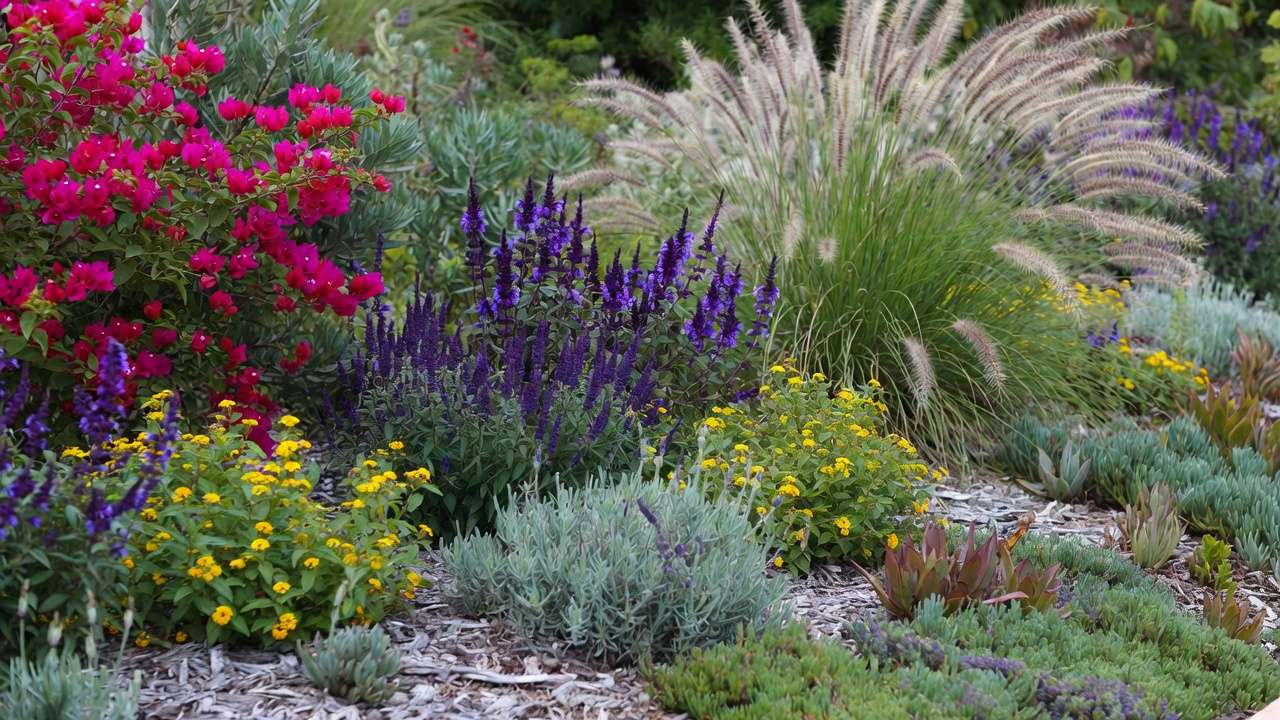
Principle 3: Choose Drought-Tolerant and Native Plants Select species adapted to your climate. Natives require less water/fertilizer and support local wildlife. In tropical/subtropical areas, options include bougainvillea, lantana, hibiscus (drought-tolerant varieties), ornamental grasses, and trees like neem or mango (once established). For general xeriscaping: lavender, salvia, yarrow, agave, and sedums. Prioritize pollinator-friendly blooms for biodiversity. 🐝
Principle 4: Limit and Optimize Turf Areas Lawns are water hogs — replace most with alternatives like clover, native groundcovers, or mulch. Keep small patches for play if needed, using low-water varieties. Conversions yield huge savings!
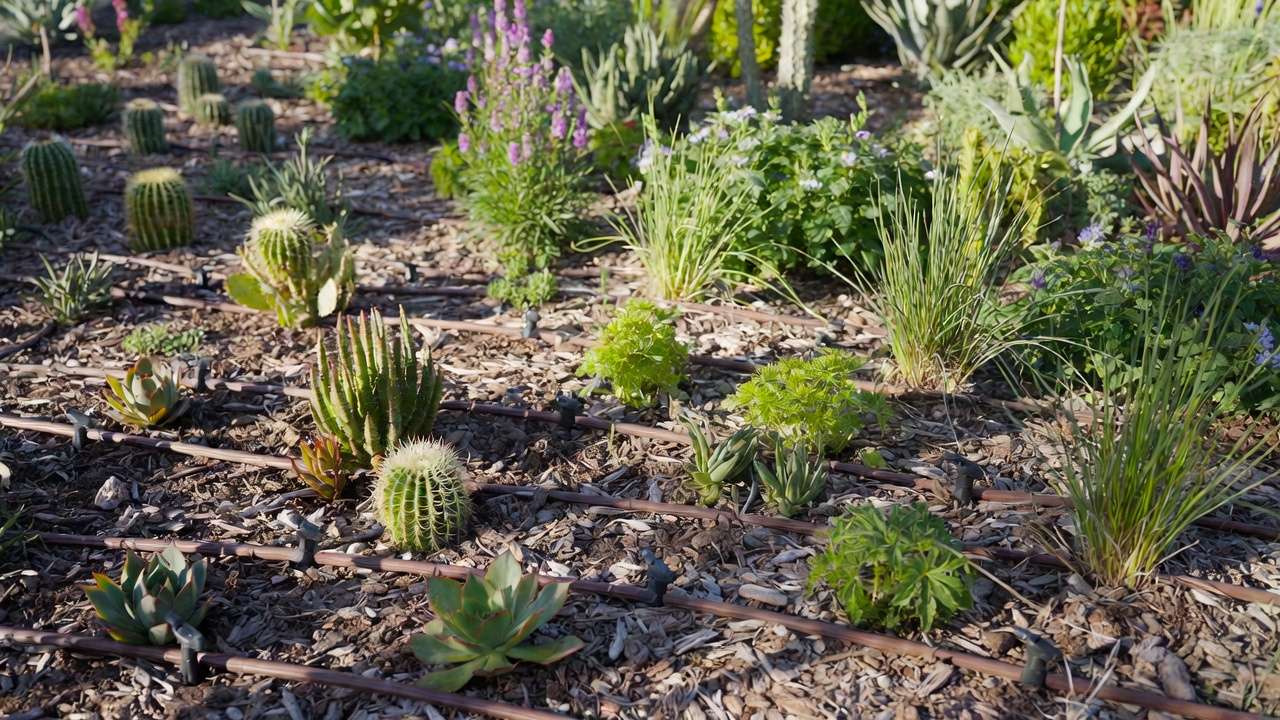
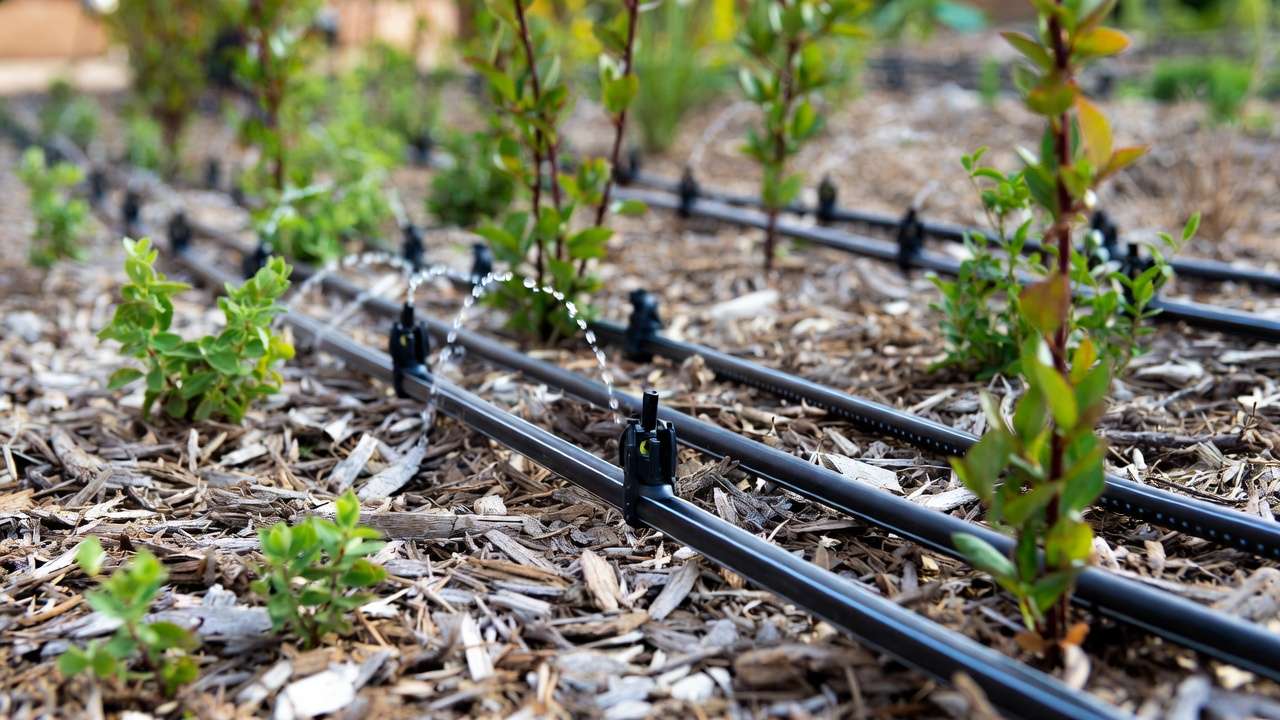
Principle 5: Install Efficient Irrigation Systems Ditch sprinklers for drip irrigation, soaker hoses, or smart controllers with rain sensors. Water deeply but infrequently to encourage deep roots. Rainwater harvesting (barrels or systems) adds sustainability, especially in monsoon-prone areas. 🌧️
Principle 6: Apply Mulch Generously Mulch (organic like bark or inorganic like gravel) suppresses weeds, retains moisture, regulates soil temperature, and adds beauty. Aim for 2-4 inches depth, replenished annually. Organic mulches enrich soil as they break down.
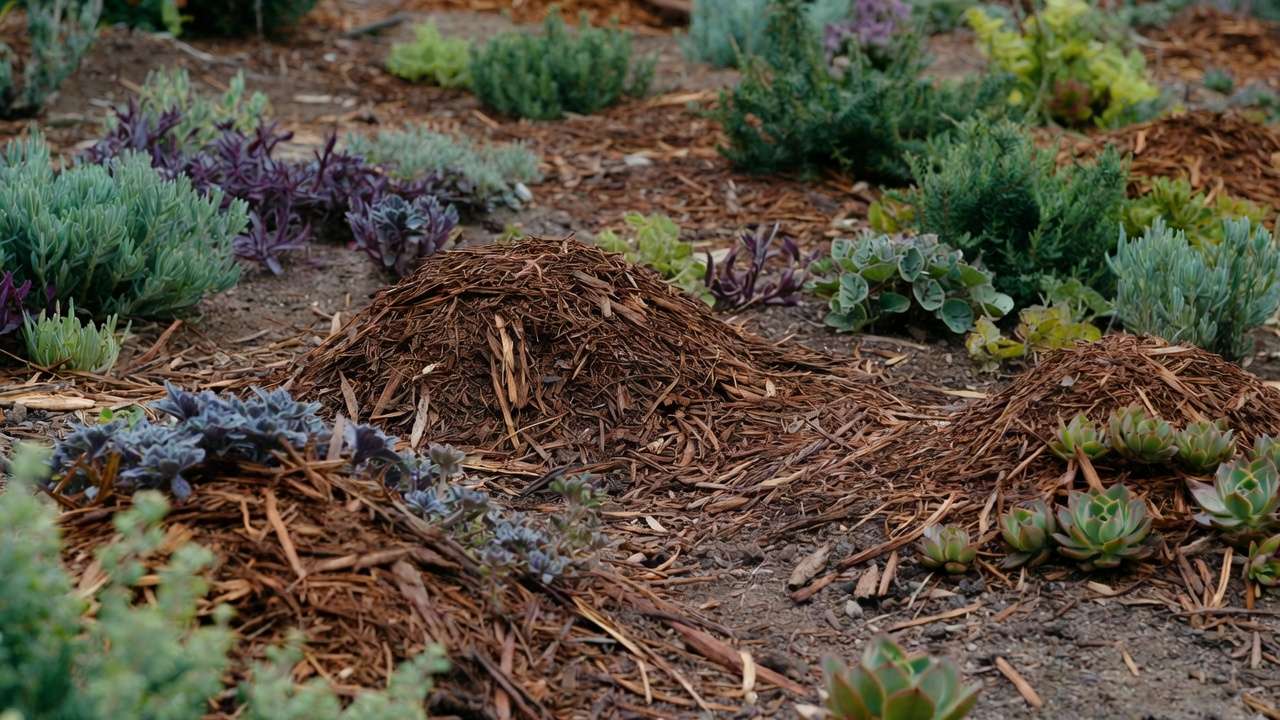
Principle 7: Practice Appropriate Maintenance Once established, prune for shape/health, weed occasionally, and fertilize minimally (natives often need none). Seasonal checklists: spring cleanup, summer monitoring, fall mulching. Low effort = high reward! ✂️
Step-by-Step Guide: How to Start Your Xeriscape Project 🛠️
Transforming your yard doesn’t have to happen overnight. Break it into manageable phases for success and less overwhelm.
Phase 1: Evaluate and Plan Grab paper, a measuring tape, and observe your space over a few days. Map sun/shade patterns, note slopes (for drainage), test soil (simple kits from local nurseries work great), and identify problem areas like poor drainage or wind exposure. Sketch a basic design: Include functional zones (play area for kids, seating spot, pathways), focal points (a beautiful tree or sculpture), and hydrozoning groups. In tropical areas like Barisal, Bangladesh, factor in heavy monsoon rains — design for good drainage to avoid root rot during wet seasons and water storage during drier months. Tools needed: Graph paper, stakes/flags, soil pH test. Budget: Free to low-cost. Time: 1-2 weeks.
Phase 2: Remove/Reduce Existing Lawn This is often the biggest job. For small areas, sheet mulching (layer cardboard/newspaper, then compost/mulch) smothers grass organically over months. For faster results, rent a sod cutter or manually remove turf (save healthy pieces for compost). In humid regions, solarization (cover with clear plastic for 4-6 weeks in hot sun) kills grass without chemicals. Dispose responsibly or compost. Tip: Start small — convert one section first to see results!
Phase 3: Soil Prep and Hardscaping Amend soil with compost (20-30% mix-in) to improve structure and water-holding capacity. In clay soils common in Bangladesh, add sand or organic matter for better drainage. Build raised beds if needed for poor soil. Add hardscaping early: Paths (gravel, stepping stones), retaining walls for slopes, or seating areas. These reduce plantable area needing water and add structure. Use local, permeable materials for sustainability.
Phase 4: Planting and Mulching Plant in fall or early rainy season for establishment with natural water. Follow hydrozoning: highest water needs near house, lowest at edges. Dig holes twice the root ball width, plant at same depth, water deeply. Apply 2-4 inches of mulch (coconut coir, rice straw, or bark — locally available in Bangladesh) around plants, keeping it away from stems to prevent rot. Initial watering: Deep and infrequent (every 3-7 days) to encourage deep roots.
Phase 5: Irrigation Setup and Testing Install drip lines or soaker hoses zoned by plant needs. Add timers or smart controllers if possible (rain sensors crucial in monsoon areas to avoid overwatering). Collect rainwater in barrels during wet seasons — perfect for dry periods. Test system for even coverage and leaks. Timeline: Full project 3-12 months depending on size. Budget: $5-20 per sq ft (lower DIY, higher with pros). Start small to spread costs!
Inspiring Xeriscape Design Ideas and Examples 🎨
Xeriscapes can be stunning and personalized. Here are ideas adaptable to various climates, including tropical/humid tweaks:
- Front Yard Transformation — Replace lawn with curved beds of colorful perennials, ornamental grasses, and a focal drought-tolerant tree for shade. Add gravel paths for clean lines. In tropical settings, incorporate low-water palms or bougainvillea for vibrant pops.
- Backyard Oasis — Create a seating area surrounded by layered plantings: tall background shrubs, mid-level flowers, groundcovers. Include a small water feature (recycled rainwater) for ambiance without high use.
- Edible Xeriscaping — Grow drought-tolerant herbs (rosemary, thyme, mint in well-drained spots), fruits like figs or pomegranates (adapted varieties), and veggies in raised beds with mulch.
- Modern Trends (2025-2026) — Biodiversity focus: Mix natives for pollinators. Gravel gardening with succulents and stones. Smart tech: App-controlled irrigation. Tropical adaptations: Use drought-tolerant hibiscus, lantana, or agave-like plants for exotic feel without excess water.
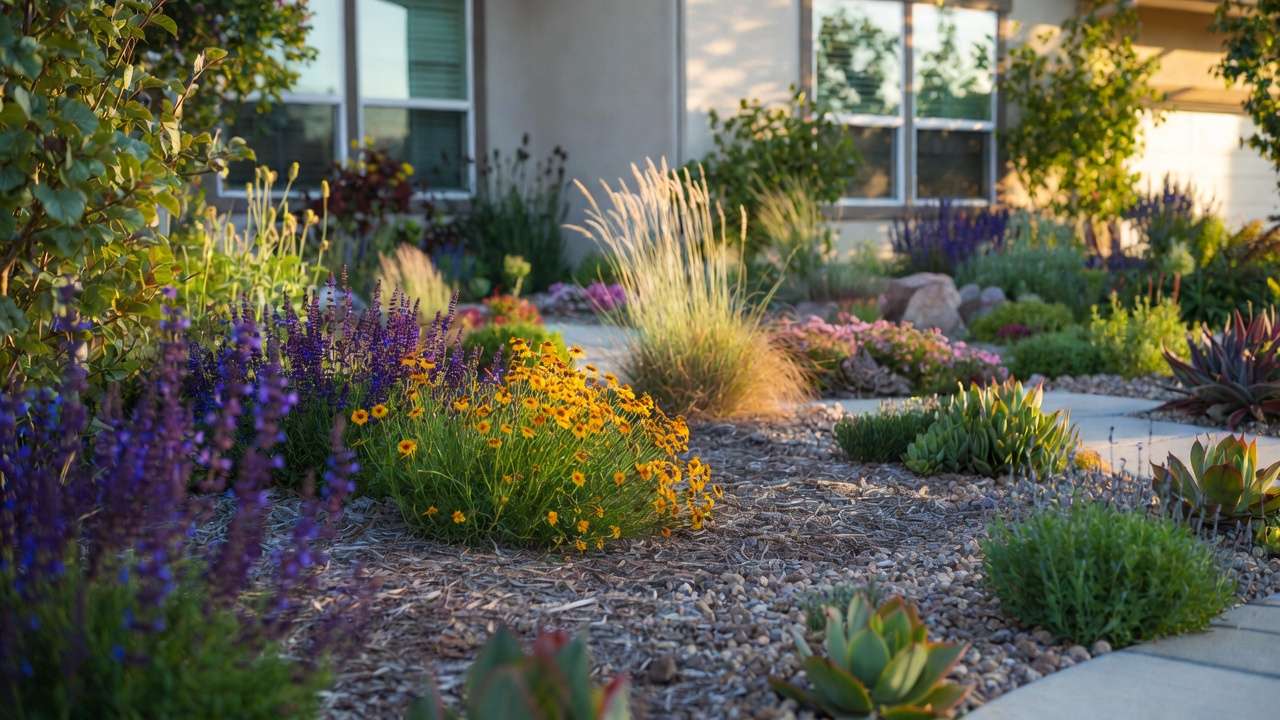
Before-and-after concepts often show green lawns turning into textured, colorful havens — far more interesting and eco-friendly!
Plant Recommendations: Top Picks for Sustainable Beauty 🌱
Choose plants suited to your climate for best results. In tropical/humid areas like Bangladesh (hot, rainy monsoons, occasional dry spells), prioritize well-drained soil and plants that handle both wet and dry periods.
Trees 🌳 (for shade/structure, once established low-water):
- Neem (Azadirachta indica) — Native, drought-tolerant after establishment, medicinal.
- Mango or Jamun (adapted varieties) — Provide fruit, shade; mulch heavily.
- General: Olive or fig in drier microclimates.
Shrubs 🌿:
- Bougainvillea — Explosive color, thrives in heat, minimal water once rooted.
- Hibiscus (drought-tolerant cultivars) — Beautiful blooms, attracts butterflies.
- Lantana — Tough, colorful, pollinator magnet.
Perennials/Flowers 🌸:
- Salvia, Verbena, Yarrow — Long-blooming, low-water.
- In humid areas: Hardy ice plant or sedums for ground-level interest.
Groundcovers/Grasses 🟩🌾:
- Mondo grass or creeping juniper (adapted).
- Ornamental grasses like fountain grass for texture.
Regional Note — Consult local nurseries or agricultural extensions in Barisal for natives/adapted species. Prioritize pollinator-friendly for biodiversity 🐝.
Cost Savings and Environmental Impact Calculator 📊
Real-world data shows impressive returns:
- Water savings: 50-80% reduction in landscape use (some up to 80% in arid areas; 30-60% in varied climates). In studies, averages like 96,000 gallons/year saved per home in conversions.
- Bill reduction: $200-800 annually for average households; up to $275/year in some regions. In Bangladesh, with rising water costs and seasonal shortages, savings add up during dry periods.
- Other perks: 87% less maintenance (no mowing/fertilizing), reduced CO2 from less equipment/chemicals.
- ROI: Initial costs ($5,000-24,000 average project) often pay back in 3-7 years via lower bills + rebates (check local programs).
- Planet help: Less runoff pollution, better wildlife habitat, climate resilience.
Common Mistakes to Avoid and Pro Tips from Experts ⚠️
- Mistake: Overwatering new plants — Solution: Deep, infrequent to build roots.
- Mistake: Wrong plant selection — Tip: Research zone/climate match; avoid thirsty exotics.
- Mistake: Skipping hydrozoning — Group wisely!
- Expert Insight: “Soil prep is 80% of success — invest time here.” (Adapted from extension services). In humid tropics, focus on drainage to prevent fungal issues.
FAQs: Your Xeriscaping Questions Answered ❓
- How long until my xeriscape looks full? 1-3 years; plants fill in beautifully with time.
- Can I keep some flowers/color? Absolutely — many vibrant drought-tolerant blooms!
- Is it pet-friendly? Yes, avoid toxic plants; use safe mulches.
- Works in rainy climates? Yes — reduces overwatering, builds resilience.
- How much maintenance? Minimal once established — occasional pruning/weeding.
- Cost-effective in Bangladesh? Very — leverages monsoons, cuts irrigation needs.
- Can kids/pets play? Use durable groundcovers or small turf zones.
- Eco-impact big? Huge — saves water, supports biodiversity.
Conclusion: Take the First Step Toward a Greener Future 🌟
Xeriscaping for sustainable landscaping isn’t just trendy — it’s smart, beautiful, and necessary for our changing world. By planning thoughtfully, choosing resilient plants, and using efficient techniques, you’ll enjoy a yard that’s easier to care for, kinder to your budget, and gentler on the planet.
Start small: Pick one bed or corner this season. Watch it thrive with less effort and water. Your future self (and Earth) will thank you!
Ready to begin? Share your progress or questions below — happy gardening! 🌿🚀











