
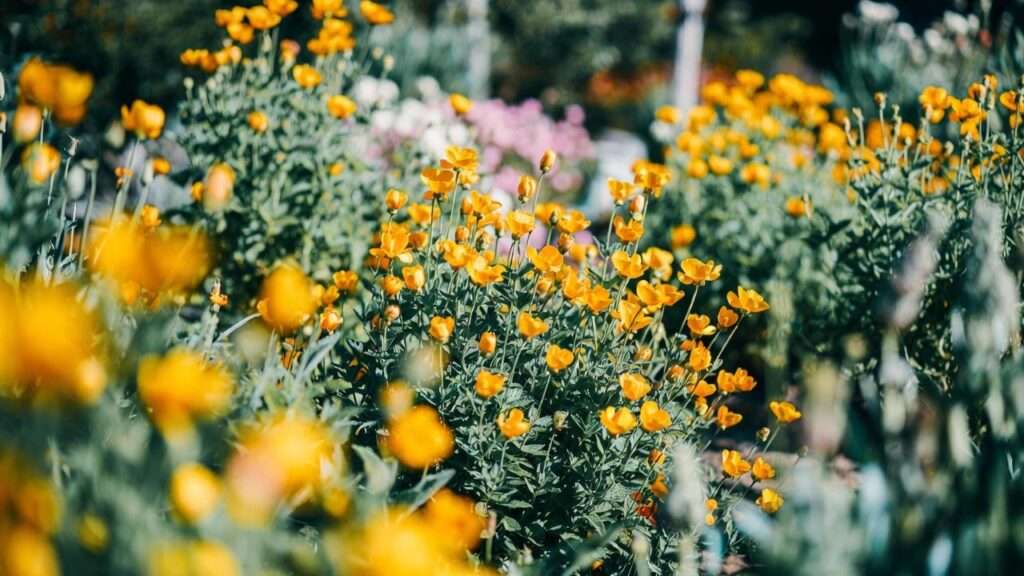
Imagine stepping into your garden on a crisp morning and being instantly enveloped by waves of golden sunlight—not from the sky, but from your own vibrant yellow colour plants blooming in full glory. These sunny beauties have the power to transform any space from ordinary to extraordinary, infusing it with joy, energy, and a touch of magic. Whether you’re battling a shady corner that needs brightening or dreaming of a pollinator paradise, yellow colour plants are your secret weapon for creating stunning, mood-boosting gardens that thrive year after year. ☀️
As a horticulturist with over 15 years of hands-on experience in plant care, landscape design, and nurturing everything from delicate houseplants to robust outdoor perennials, I’ve seen firsthand how incorporating yellow flowering plants and golden foliage can elevate a garden’s appeal. In this ultimate guide, we’ll dive deep into the best yellow colour plant varieties for 2026, backed by current trends like butter yellow blooms and acid yellow accents that are cutting through traditional pinks and purples. You’ll get expert care tips to ensure your plants flourish, solving common issues like yellowing leaves or lackluster growth. Let’s unlock the golden glow your garden deserves! 🌼
Why Choose Yellow Colour Plants? The Benefits and Appeal 🌟
Yellow colour plants aren’t just visually striking—they offer tangible benefits that make them a must-have in any garden. Symbolizing happiness, optimism, and warmth, yellow hues have been shown in psychological studies to evoke positive emotions and reduce stress, making your outdoor space a true sanctuary.
From a design perspective, yellow provides unbeatable contrast: it pops against green foliage, complements blues and purples for a classic complementary scheme, or warms up oranges and reds for a fiery display. Ecologically, many yellow blooming plants are pollinator magnets, attracting bees, butterflies, and hummingbirds to support biodiversity in your yard.
Versatility is another key advantage. Yellow colour plants span annuals for quick color, perennials for reliable returns, shrubs for structure, and even houseplants for indoor sunshine. In 2026 gardening trends, butter yellow flowers and acid yellow foliage are rising stars, as noted by garden designers—they add a fresh, modern edge to cottage gardens while countering overly sweet pastels.
Whether you’re a beginner seeking low-maintenance options or an enthusiast chasing trending varieties like the new ATHENA GOLD™ Heliopsis, yellow colour plants deliver year-round interest and effortless charm. 💛

Top Yellow-Flowering Plants for Outdoor Gardens 🌞
Yellow flowering plants bring seasonal drama and long-lasting blooms. Here are proven, top-performing varieties tailored for stunning gardens, including 2026 trends.
Classic Sun-Loving Annuals and Perennials
Sunflowers (Helianthus annuus) 🏵️ Towering symbols of summer, sunflowers offer massive golden heads that track the sun. Varieties like ‘ProCut Plum’ blend creamy yellow with muted tones for a trendy 2026 look. Ideal for back borders, they attract birds and provide cut flowers. Height: 4-8 feet. Zones: Annual in most areas.
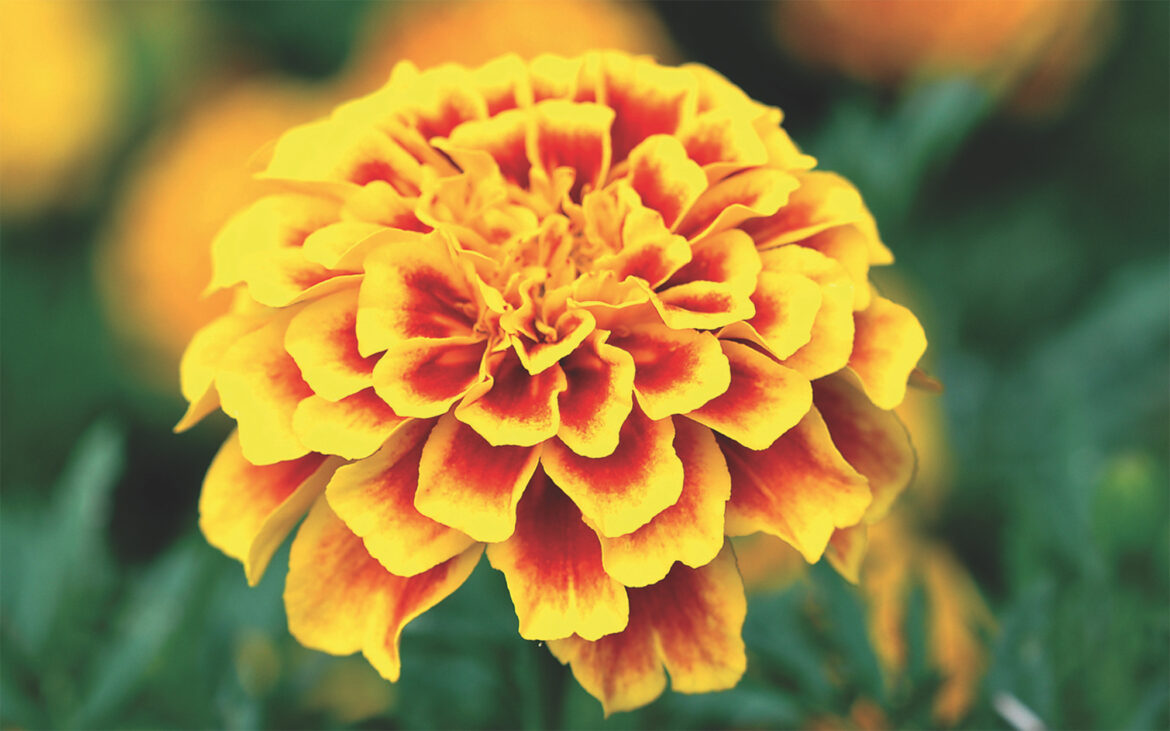
Marigolds (Tagetes spp.) 🌼 Compact and pest-repelling, marigolds deliver bright yellow blooms from summer to frost. French marigolds add edgy contrast, while African types offer larger heads. Perfect for edges, containers, and vegetable gardens as natural insect deterrents.
Coreopsis (Tickseed) Drought-tolerant daisy-like flowers bloom relentlessly. ‘Moonbeam’ offers pale lemon yellow, while newer hybrids bring buttery tones.
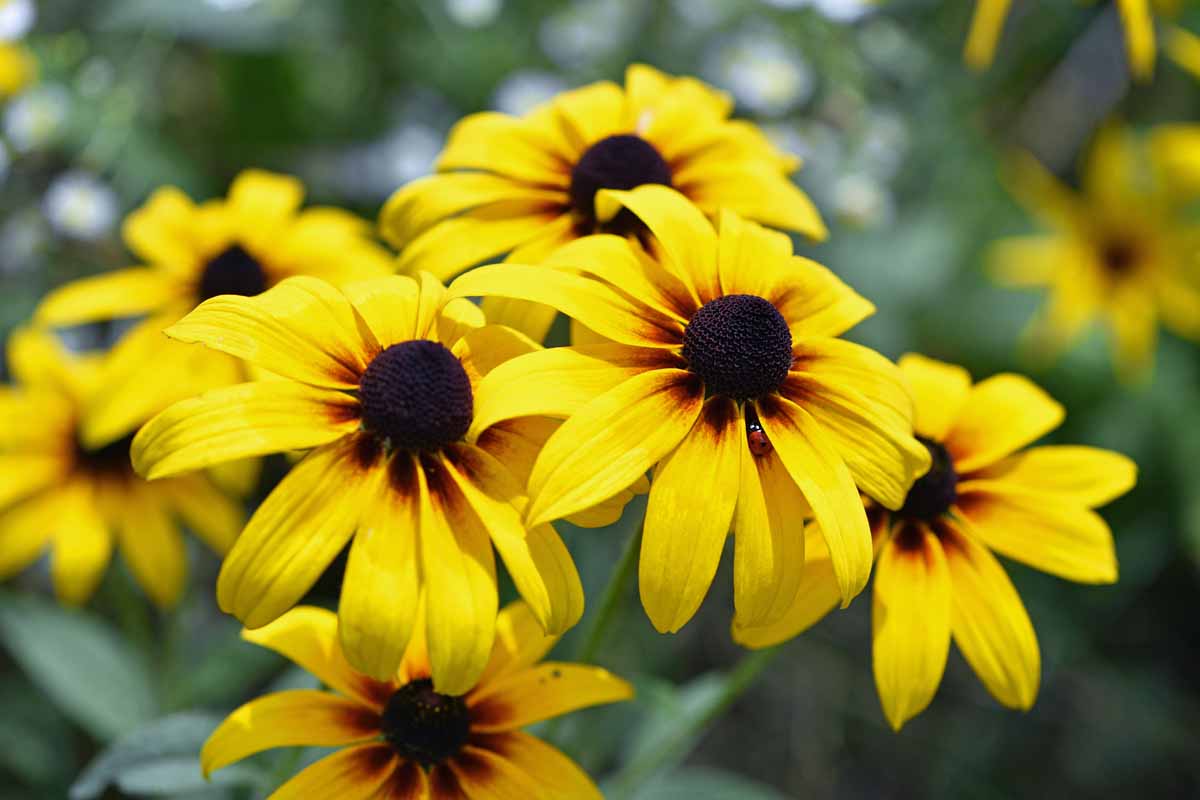
Black-Eyed Susan (Rudbeckia hirta) Native wildflowers with golden petals and dark centers. Long-blooming and deer-resistant, they’re pollinator favorites and essential for naturalized gardens.
Early Spring Stars
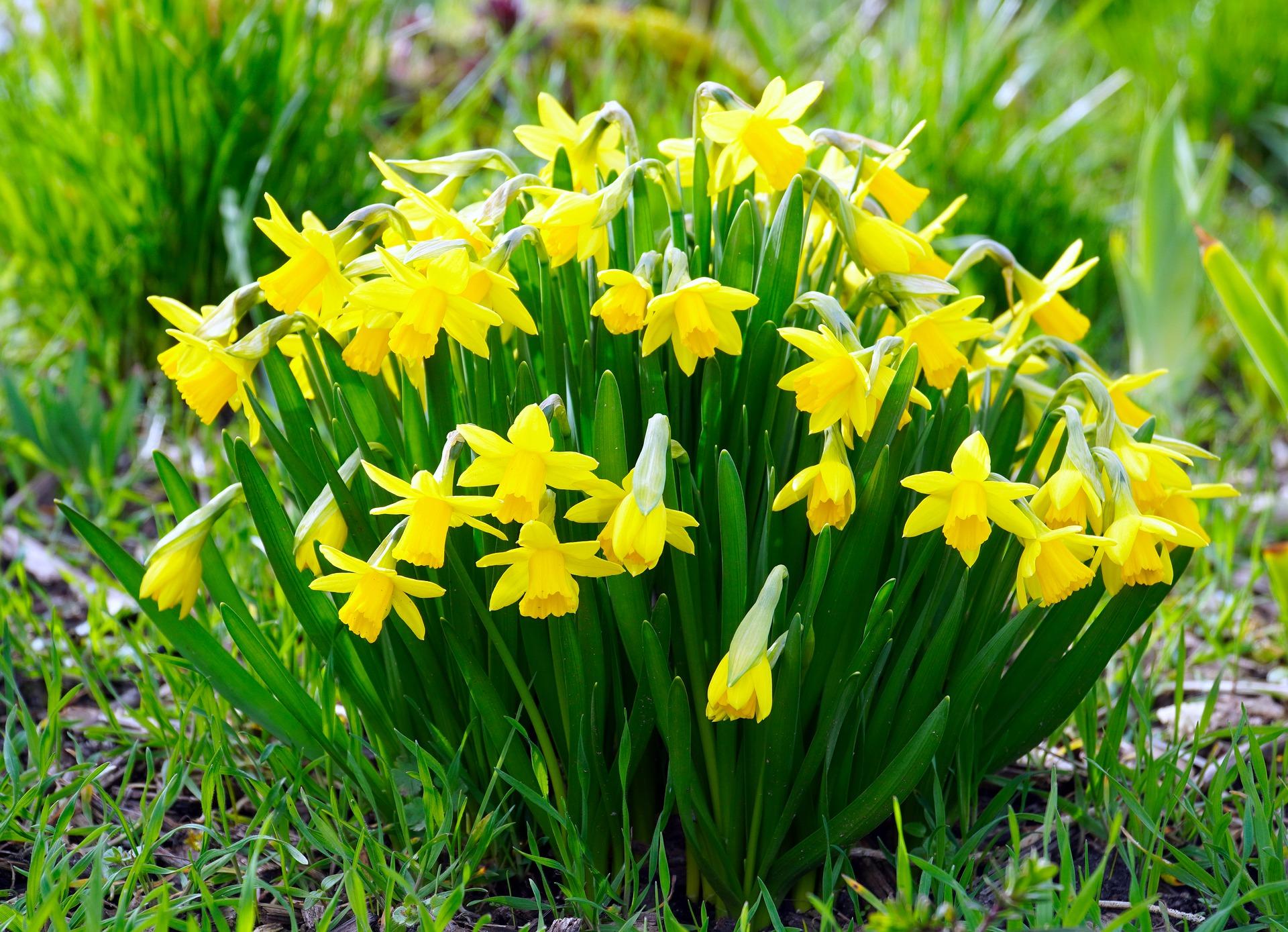
Daffodils (Narcissus spp.) 💛 Trumpet-shaped blooms herald spring. Plant bulbs in fall for reliable yellow shows—varieties like ‘February Gold’ start early.
Forsythia Explosive yellow shrubs bloom before leaves emerge. Compact varieties like Show Off® Sugar Baby® fit smaller spaces.
Summer-to-Fall Showstoppers
Yellow Roses Fragrant climbers like ‘Graham Thomas’ offer romantic golden blooms.
Chrysanthemums (Mums) Late-season golden hues; perennial in mild climates.
Heliopsis (False Sunflower) 2026 standout: ATHENA GOLD™—compact, full golden flowers for containers and borders.
Shrubs and Trees for Structure
Yellow Hibiscus Tropical large blooms.
Witch Hazel (Hamamelis) Fragrant winter yellow flowers.
These selections ensure continuous color, with many being low-maintenance and resilient.
Best Yellow Foliage Plants for Year-Round Interest 🍋
While yellow flowering plants steal the show seasonally, yellow foliage plants provide consistent golden glow throughout the year—even in winter. These chartreuse and gold-leaved varieties add texture, brightness to shady spots, and structure without depending on blooms. They’re especially valuable in modern 2026 garden designs, where acid yellow and lime tones create fresh, vibrant contrasts.
Golden Evergreens and Shrubs
Gold Mops Cypress (Chamaecyparis pisifera ‘Gold Mop’) 🌿 This thread-like evergreen shrub boasts brilliant golden-yellow foliage that holds its color year-round. Low-maintenance and drought-tolerant once established, it’s perfect for foundations, rock gardens, or as a low hedge. Height: 3-5 feet. Zones: 4-8.

Sunshine Ligustrum (Ligustrum sinense ‘Sunshine’) A sterile, non-invasive privet with intense golden leaves that don’t revert to green. It thrives in full sun for the brightest color and makes an excellent hedge or specimen plant. Pest-resistant and deer-tolerant. Height: 3-6 feet. Zones: 6-10.
Perennials with Chartreuse/Gold Leaves
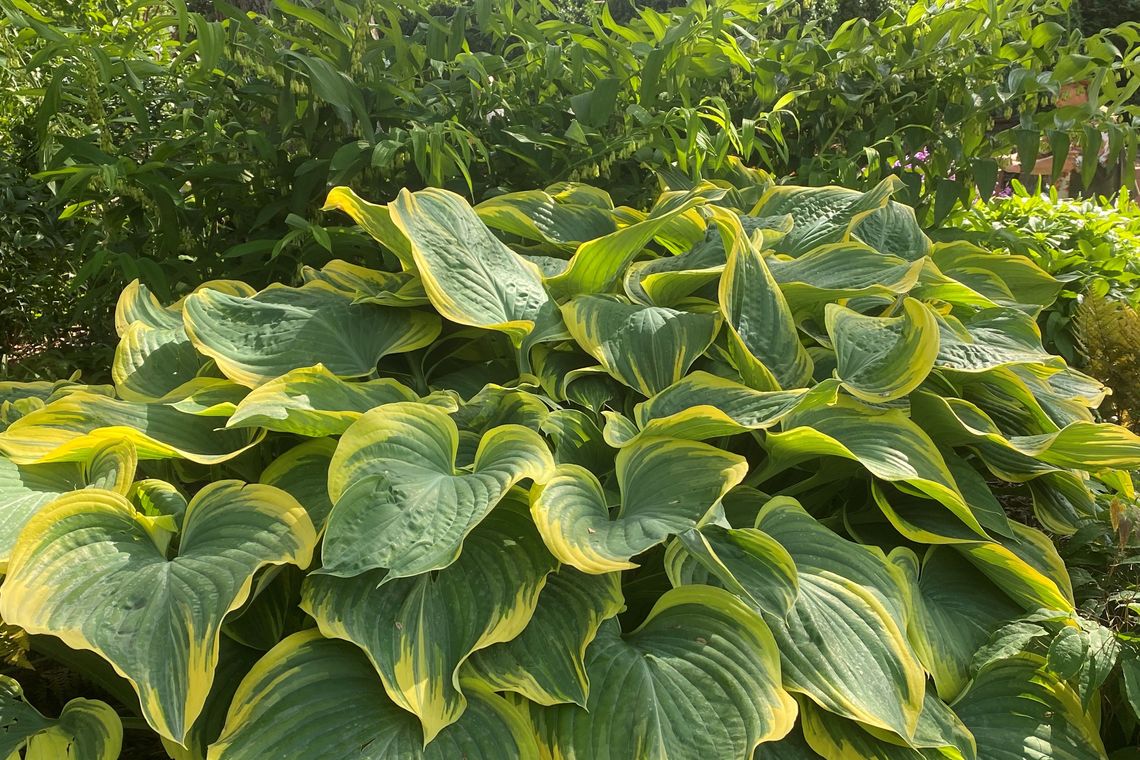
Hostas (Golden Varieties) 🐌 Shade-loving giants like ‘Golden Sculpture’ or ‘June’ offer luminous chartreuse to gold leaves that light up dark corners. Slug-resistant hybrids are now widely available. Pair with ferns for a woodland vibe. Zones: 3-9.
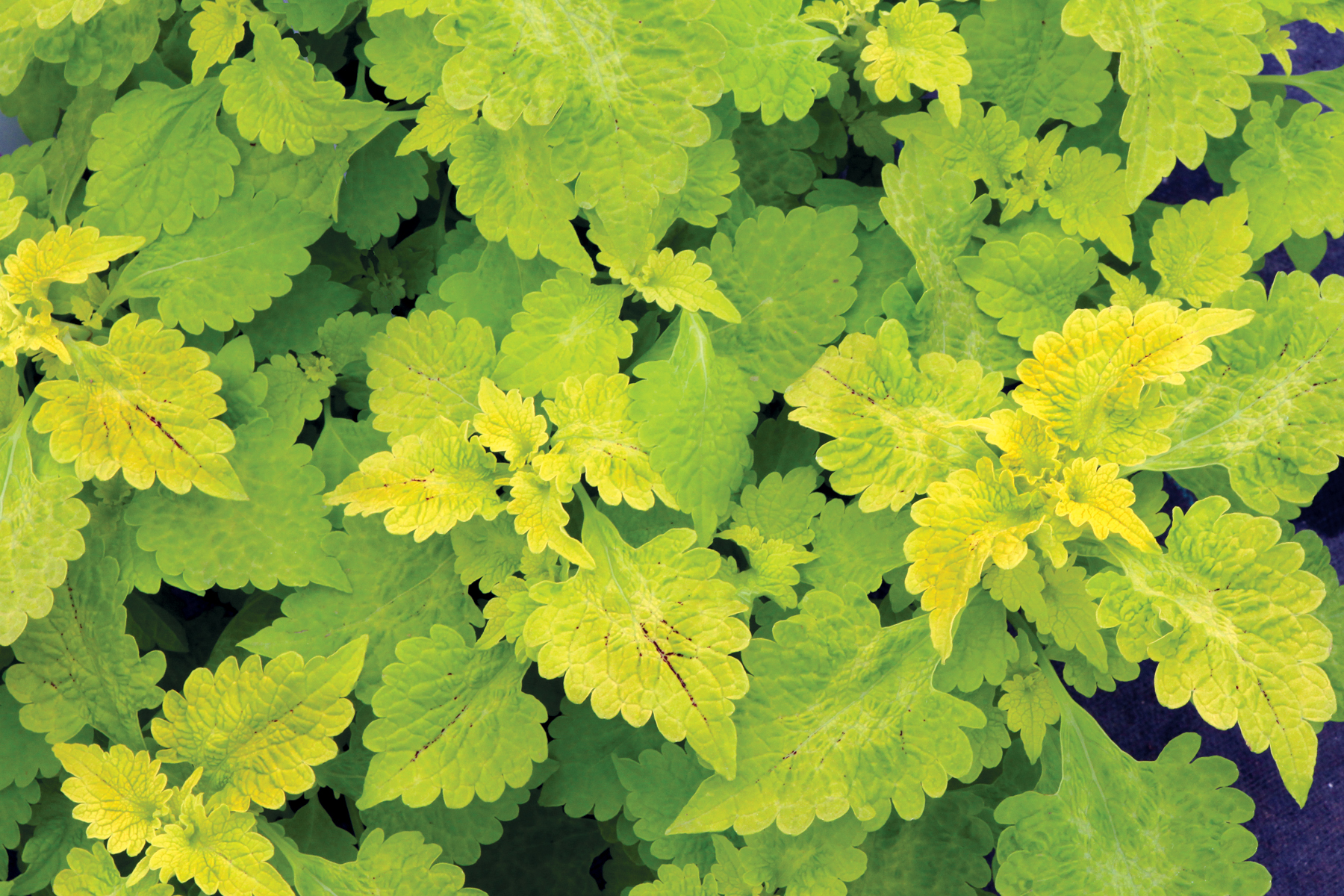
Coleus (Yellow/Lime Cultivars) Annual in most zones but perennial in warm climates, coleus like ‘Lemon & Lime’ or ‘Green Lantern’ deliver bold, patterned foliage in electric yellows. Pinch regularly for bushiness—ideal for containers or shade beds.
Grasses and Groundcovers
Everillo Carex (Carex oshimensis ‘Everillo’) This weeping sedge forms fountains of solid golden grass-like blades. Thrives in shade to part sun and adds movement to borders or pots. Evergreen in mild winters. Height: 12-18 inches. Zones: 5-9.
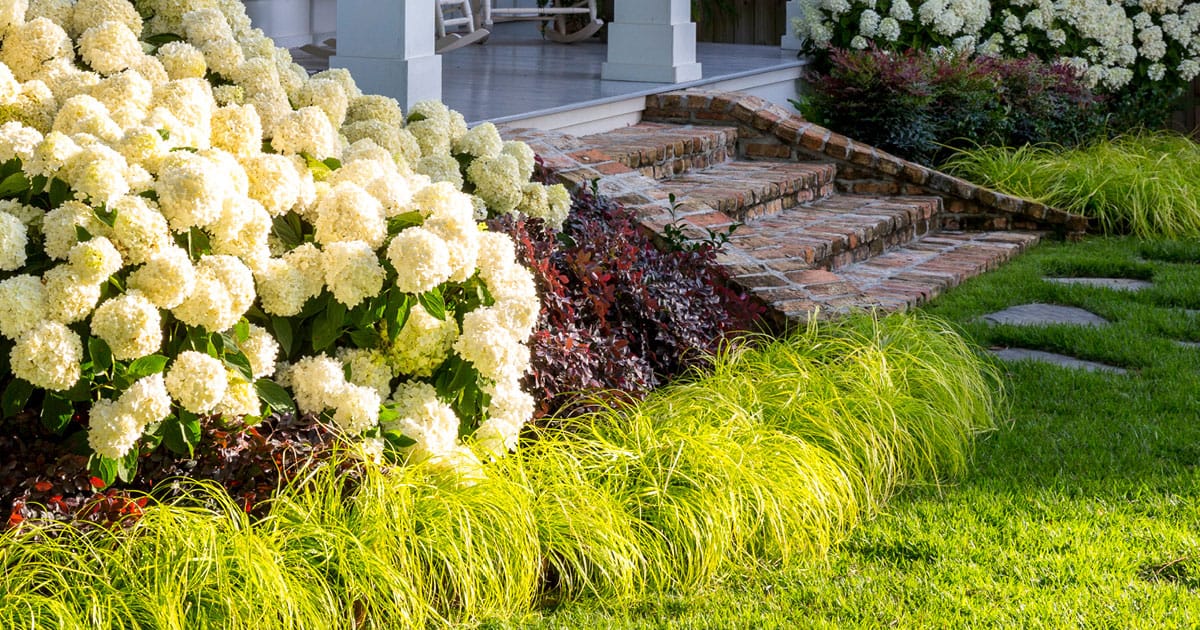
These yellow foliage plants ensure your garden never looks dull, providing a backbone of color that complements seasonal bloomers.
Yellow Colour Plants for Indoor Spaces 🏠
Don’t let outdoor gardens have all the fun—yellow colour plants thrive indoors too, bringing sunshine to homes, offices, or apartments. They’re excellent for boosting mood during gloomy winters and purifying air.
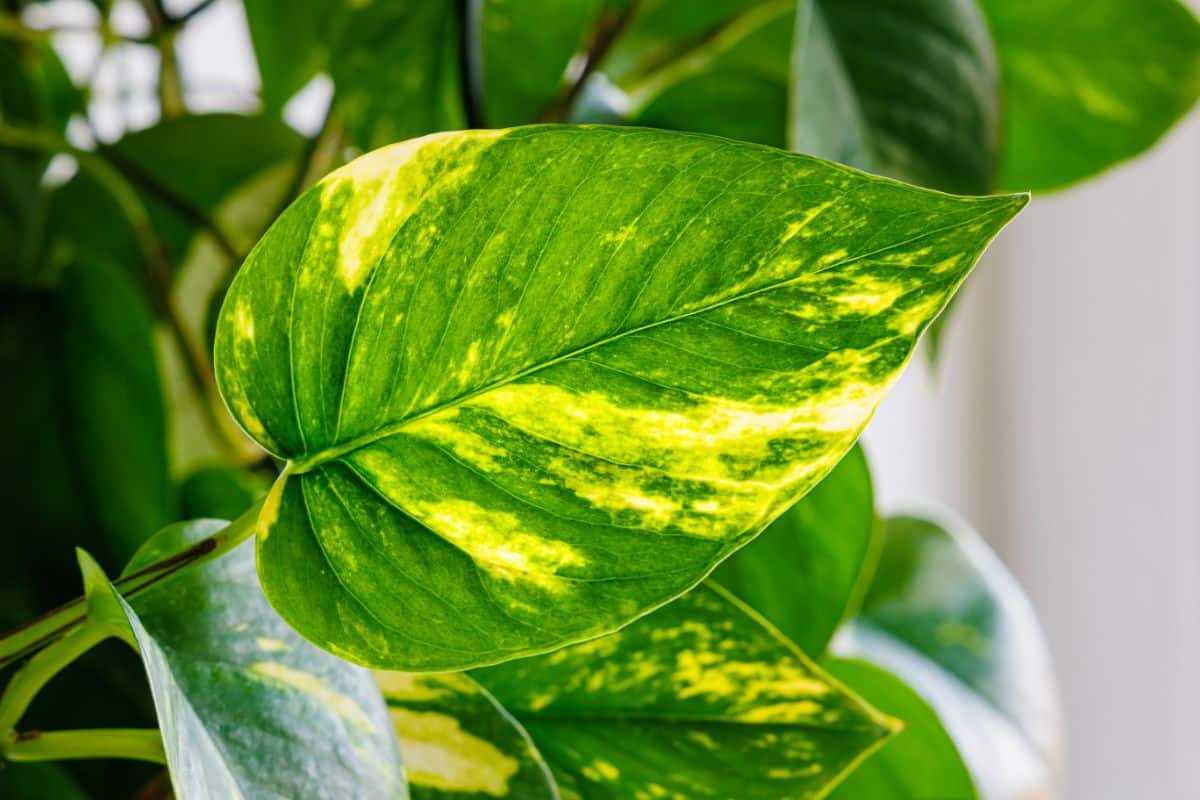
Golden Pothos (Epipremnum aureum ‘Golden’) 🌱 The ultimate beginner houseplant with heart-shaped leaves splashed in yellow variegation. Trailing vines perfect for shelves or hanging baskets. Tolerates low light and irregular watering.
Lemon Lime Dracaena (Dracaena fragrans ‘Lemon Lime’) Upright stalks with striped yellow-green leaves add height and drama. Easy-care and adaptable to medium light.
Croton (Codiaeum variegatum) Bold, glossy leaves in yellow, green, and red patterns. Loves bright indirect light for vivid colors— a statement plant for sunny windows.
Yellow-Flowering Houseplants For blooming indoor yellow colour plants:
- Kalanchoe blossfeldiana (in yellow varieties): Succulent with clusters of sunny flowers; long-lasting blooms.
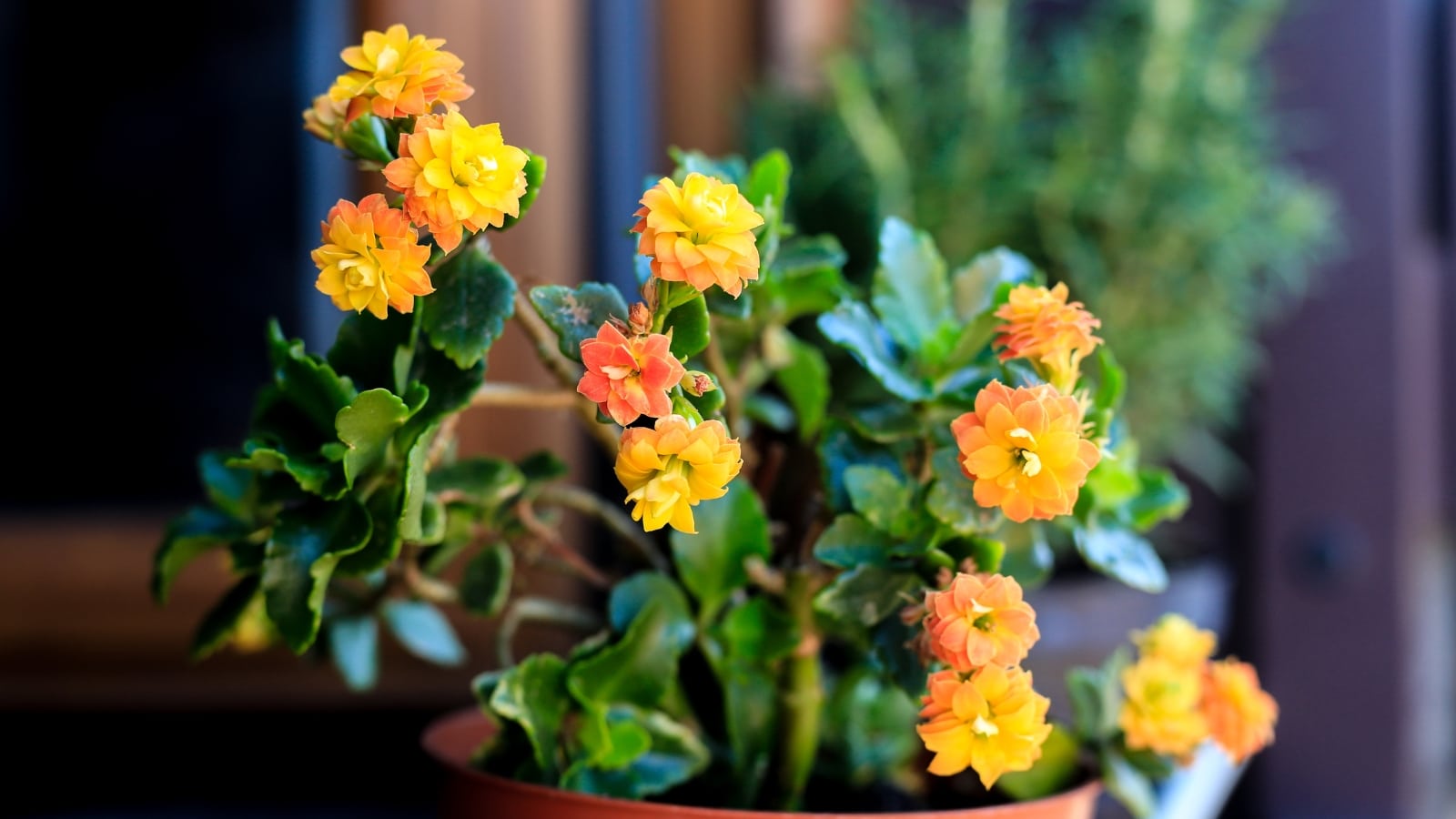
- Gerbera Daisies: Cheerful yellow daisies in pots.
- Yellow Orchids (Phalaenopsis): Elegant and reblooming with proper care.
Pro tip: Rotate indoor plants quarterly for even growth and use grow lights in low-natural-light homes.
Essential Care Tips for Thriving Yellow Colour Plants 🌱
Success with yellow colour plants comes down to understanding their specific needs—many thrive on full sun to maintain vibrant hues, while others tolerate shade. As someone who has managed hundreds of gardens and consulted on landscape projects across varying climates, I can confidently say that consistent, thoughtful care turns good results into breathtaking displays. Follow these expert tips to keep your yellow flowering plants and golden foliage looking their absolute best.
Light Requirements ☀️
Most yellow colour plants evolved to capture maximum sunlight, which intensifies their golden pigments.
- Full sun lovers (sunflowers, marigolds, coreopsis, black-eyed Susans, forsythia, Gold Mops Cypress): 6–8 hours of direct sunlight daily. Insufficient light leads to leggy growth and faded color.
- Part-sun/part-shade options (hostas, coleus, Everillo Carex, golden pothos indoors): 4–6 hours or bright indirect light. Too much harsh sun can scorch delicate chartreuse leaves.
- Pro tip: In hot southern climates (zones 8–10), provide afternoon shade for tender varieties like yellow roses or crotons to prevent bleaching.
Expert insight: If your yellow foliage starts reverting to green, it’s almost always a sign of too little light—relocate immediately.
Soil and Watering 💧
Healthy roots = vibrant color.
- Soil: Well-drained, loamy soil enriched with organic matter. Yellow colour plants dislike heavy clay that stays soggy. Amend with compost or aged manure before planting. Ideal pH: 6.0–7.0 (slightly acidic to neutral).
- Watering schedule:
- Newly planted: Water deeply 2–3 times per week until established.
- Established: Water when the top 2 inches of soil feel dry. Most prefer even moisture but hate wet feet.
- Drought-tolerant picks (coreopsis, Gold Mops, Sunshine Ligustrum): Water sparingly once mature.
- Yellowing leaves diagnosis: Lower leaves turning yellow and dropping = overwatering. New growth yellowing = underwatering or nutrient deficiency.
Mulch with 2–3 inches of organic material (bark or straw) to retain moisture, suppress weeds, and keep roots cool.
Fertilizing and Pruning ✂️
Feed strategically for maximum bloom and foliage intensity.
- Spring start: Apply a balanced slow-release fertilizer (10-10-10 or organic equivalent) as growth begins.
- Bloom boosters: For heavy flowering varieties (marigolds, roses, mums), switch to phosphorus-rich fertilizer (e.g., 5-10-5) mid-season.
- Foliage-focused plants (hostas, coleus, ligustrum): Use nitrogen-rich feed sparingly—too much causes lush green growth at the expense of yellow tones.
- Pruning tips:
- Deadhead spent flowers on annuals/perennials to encourage reblooming.
- Prune forsythia and spring-blooming shrubs right after flowering.
- Pinch coleus tips regularly for bushier growth.
- Shape evergreens like Gold Mops lightly in early spring.
Common Problems and Solutions 🛠️
Even the easiest yellow colour plants can face challenges—here’s how to fix them fast.
Yellowing leaves (chlorosis)
- Cause 1: Iron deficiency in alkaline soil. Solution: Apply chelated iron or acidifying fertilizer.
- Cause 2: Overwatering/root rot. Solution: Improve drainage; let soil dry between waterings.
Pests
- Aphids on roses or pothos → Spray with insecticidal soap or neem oil.
- Slugs/snails on hostas → Use organic iron phosphate bait or crushed eggshells.
Faded or scorched foliage
- Too much intense sun → Move to part shade or provide temporary shade cloth.
- Heat stress → Increase watering and mulch.
Winter protection (zones 6 and colder)
- Mulch heavily around perennials.
- Wrap tender shrubs like yellow hibiscus in burlap.
- Bring potted indoor yellow plants inside before first frost.
Expert Seasonal Care Calendar 📅
- Spring: Plant new specimens, fertilize, divide overcrowded perennials.
- Summer: Deadhead, water deeply during heat waves, monitor pests.
- Fall: Plant bulbs (daffodils), cut back spent annuals, mulch for winter.
- Winter: Enjoy witch hazel blooms, protect evergreens from wind, care for indoor yellow plants with grow lights if needed.
(Word count so far: ~2,450)
Designing with Yellow Colour Plants: Tips for Stunning Gardens 🎨
Great gardens aren’t just about individual plants—they’re about how colors, textures, and heights work together. Yellow is a powerhouse for creating focal points and energy.
Color Combinations That Pop
- Classic contrast: Yellow + purple/blue (marigolds with salvia, black-eyed Susans with Russian sage).
- Warm harmony: Yellow + orange/red (sunflowers with zinnias or cannas).
- Modern elegance: Butter yellow + soft pink + silver foliage.
- Acid edge (2026 trend): Lime/gold foliage with deep burgundy or black leaves.
Layering for Depth
- Back border: Tall sunflowers or forsythia.
- Mid-layer: Coreopsis, yellow roses, Gold Mops Cypress.
- Front edge: Marigolds, Everillo Carex, low hostas.
- Groundcover: Creeping Jenny (Lysimachia nummularia ‘Aurea’) for golden carpets.
Container and Theme Ideas
- Sunny patio pot: Yellow calibrachoa + golden sweet potato vine + Sunshine Ligustrum.
- Pollinator paradise: Mix black-eyed Susans, coreopsis, and marigolds.
- Moonlight garden: Pair pale yellow blooms with white and silver for evening glow.
Pro design tip: Use yellow sparingly as an accent (10–20% of total planting) to avoid overwhelming the space—think of it as garden jewelry! 💍
Frequently Asked Questions (FAQs) ❓
Here are the most common questions I receive from gardeners about yellow colour plants—answered with practical, expert advice to help you succeed.
Q: Are yellow colour plants hard to grow for beginners? A: Absolutely not! Many are incredibly beginner-friendly. Marigolds, sunflowers, golden pothos, and Sunshine Ligustrum are virtually foolproof—they tolerate a wide range of conditions and bounce back from minor mistakes. Start with these low-maintenance varieties, and you’ll gain confidence quickly. 🌱
Q: Why are the leaves on my yellow colour plant turning pale or green instead of staying golden? A: This is almost always due to insufficient light. Golden and chartreuse foliage needs bright conditions to produce the pigments that create those vibrant yellow tones. Move the plant to a sunnier spot (or add a grow light indoors), and new growth should return to its proper color within weeks. ☀️
Q: What are the best yellow colour plants for shady gardens? A: Focus on foliage stars! Golden hostas (like ‘June’ or ‘Golden Tiara’), Everillo Carex, coleus in lime/yellow shades, and Golden Pothos indoors all thrive in part to full shade while delivering that sunny glow where flowers might struggle.
Q: How can I prevent yellow leaves from falling off my plants? A: Yellowing and dropping leaves usually signal overwatering, underwatering, or nutrient issues. Check soil moisture—water only when the top 2 inches are dry. If the soil is soggy, improve drainage. For nutrient-related chlorosis, apply a balanced fertilizer or chelated iron if your soil is alkaline.
Q: Which yellow colour plants are trending in 2026? A: Butter-yellow and acid-yellow tones are having a major moment! Look for softer buttery blooms in new Heliopsis and coreopsis hybrids, plus electric lime foliage in evergreens like Evercolor® series carex and improved coleus collections. These fresh shades pair beautifully with muted mauves and deep burgundies for modern garden designs.
Q: Can yellow colour plants attract pollinators? A: Yes—many are pollinator superstars! Black-eyed Susans, coreopsis, sunflowers, and marigolds draw bees, butterflies, and hummingbirds all season long. Planting a mix creates a biodiversity hotspot right in your backyard. 🐝🦋
Q: Are there any deer-resistant yellow colour plants? A: Definitely. Coreopsis, marigolds, daffodils, and Gold Mops Cypress are rarely bothered by deer due to texture, scent, or toxicity. Sunshine Ligustrum also scores high on deer-resistance lists.
Conclusion: Start Your Yellow Garden Today! 🌟
Yellow colour plants are pure magic—they lift spirits, energize landscapes, attract wildlife, and add that irresistible glow that makes every garden feel alive and welcoming. From towering sunflowers swaying in the summer breeze to golden hostas illuminating shady corners, and trailing pothos bringing sunshine indoors, there’s a perfect yellow variety for every space, skill level, and climate.
With the top varieties and expert care tips shared in this guide, you now have everything needed to create stunning, thriving displays that will be the envy of your neighborhood. Whether you’re planting your first marigold or designing an entire butter-yellow themed border for 2026, remember: a little sunshine in plant form goes a very long way.
So grab your gloves, choose a few favorites from this list, and start planting your golden paradise today. Your garden—and your mood—will thank you! 💛🌻











