
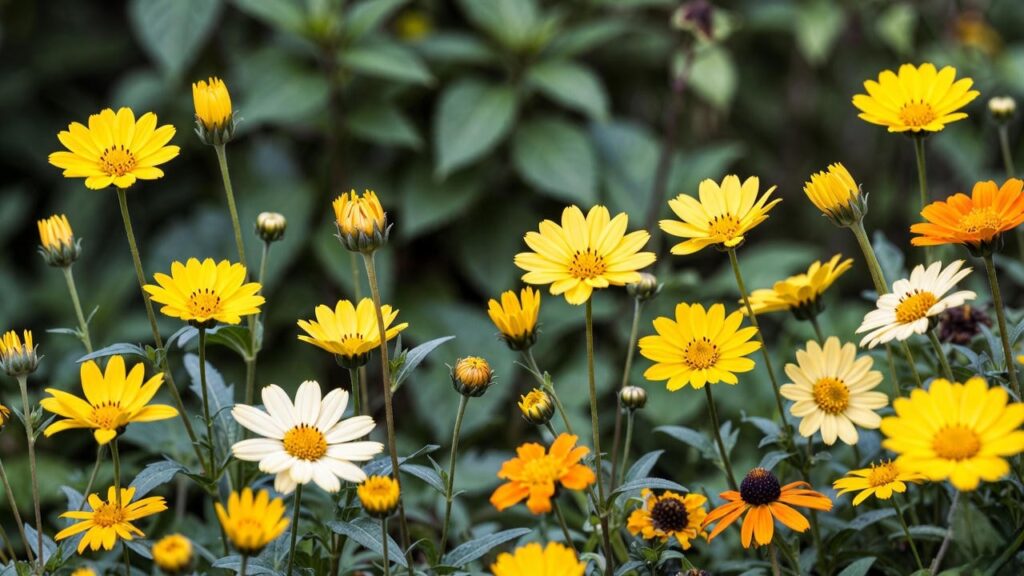
Imagine stepping into your garden on a crisp morning, greeted by a sea of golden blooms swaying gently in the breeze, instantly lifting your spirits and filling the air with natural warmth. Yellow flower plants have this magical ability to bring sunshine to any outdoor space, even on cloudy days. As a certified horticulturist with over 15 years of hands-on experience designing and maintaining gardens across various climates, I’ve witnessed firsthand how these vibrant beauties transform lackluster yards into joyful, pollinator-friendly havens. Whether you’re a beginner gardener seeking low-maintenance options or an enthusiast aiming for a show-stopping display, incorporating yellow flower plants is one of the simplest ways to achieve a cheerful, thriving landscape.
In this comprehensive expert guide, we’ll explore the top 15 stunning yellow flower plant varieties, complete with detailed care instructions, growing tips, and design ideas. From classic sunflowers to exotic hibiscus, these selections offer something for every garden style, season, and USDA hardiness zone. By the end, you’ll have the knowledge to select, plant, and nurture these gems for a vibrant garden that blooms with joy year after year. Let’s dive in and bring some sunshine to your soil! 🌞
:strip_icc()/BHG-Dahlia-8547232-a0356c7a7bdf469baf67fce60c33ef87.jpg)
Benefits of Growing Yellow Flower Plants in Your Garden 🌼
Yellow flowering plants aren’t just visually striking—they offer a multitude of practical and ecological advantages that make them essential for any gardener.
First, the psychology of color plays a big role: Yellow evokes feelings of happiness, energy, and optimism, making your garden a natural mood booster. Studies in horticultural therapy show that gardens rich in bright colors like yellow can reduce stress and promote well-being.
Ecologically, many yellow flower plants are powerhouse pollinator attractors 🐝. Bees, butterflies, and hummingbirds are drawn to yellow blooms, supporting biodiversity and helping pollinate nearby fruits, vegetables, and other flowers. In my experience consulting for wildlife gardens, adding yellow varieties like black-eyed Susans or lantana can increase pollinator visits by up to 50%.
These plants also provide seasonal interest: From early spring forsythia explosions to late-fall goldenrod plumes, you can achieve year-round color. Many are drought-tolerant or deer-resistant, making them low-maintenance choices for busy gardeners or challenging sites.
For beginners, options like marigolds offer easy success with pest-repelling properties, while advanced growers can enjoy dramatic statements from canna lilies. Yellow blooms create stunning contrasts when paired with purple, blue, or white companions, elevating your overall garden design.
Expert tip: In high-contrast schemes, yellow against deep greens or blues creates a vibrant, eye-popping effect that’s perfect for modern or cottage gardens.

Top 15 Stunning Yellow Flower Plant Varieties 🌻
Here are my carefully curated top 15 yellow flower plant varieties, selected for their beauty, reliability, and versatility. Each profile includes key details like botanical name, height, bloom time, hardiness zones, sunlight needs, and pro care tips based on real-world growing experience.
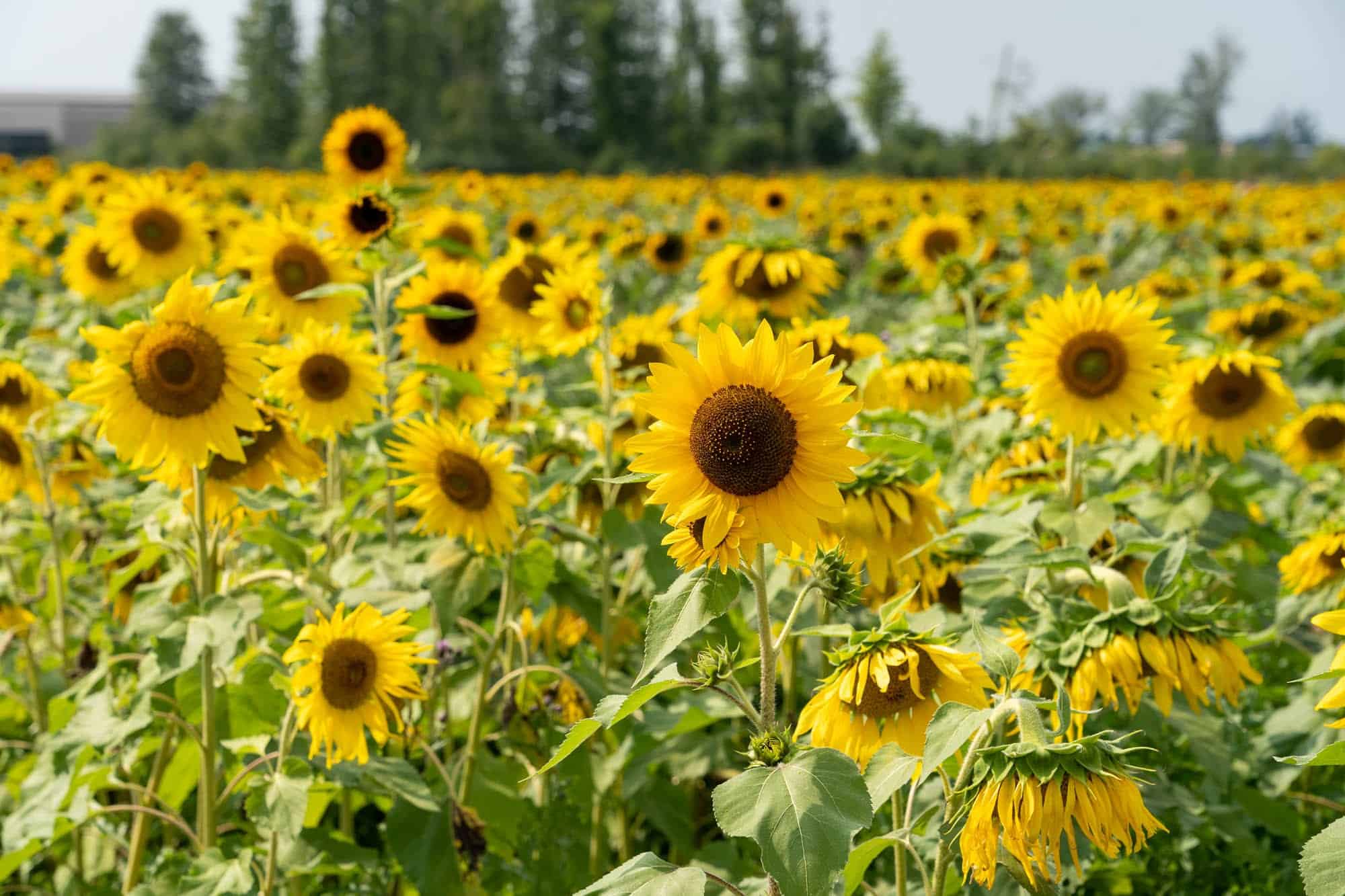
1. Sunflower (Helianthus annuus) ☀️
The iconic sunflower is a must-have for any sunny garden. Towering varieties reach 10+ feet, while dwarf types stay compact at 2-3 feet.
- Height: 1-15 feet (variety-dependent)
- Bloom Time: Summer to fall
- Hardiness Zones: 2-11 (annual)
- Sunlight: Full sun
- Unique Features: Massive daisy-like heads follow the sun (heliotropism); seeds attract birds.
Sunflowers thrive in well-drained soil and are incredibly forgiving for beginners. Plant seeds directly after frost for quick results. In my gardens, they’ve provided privacy screens and cut flowers abundantly. Choose pollen-free varieties for cleaner arrangements.
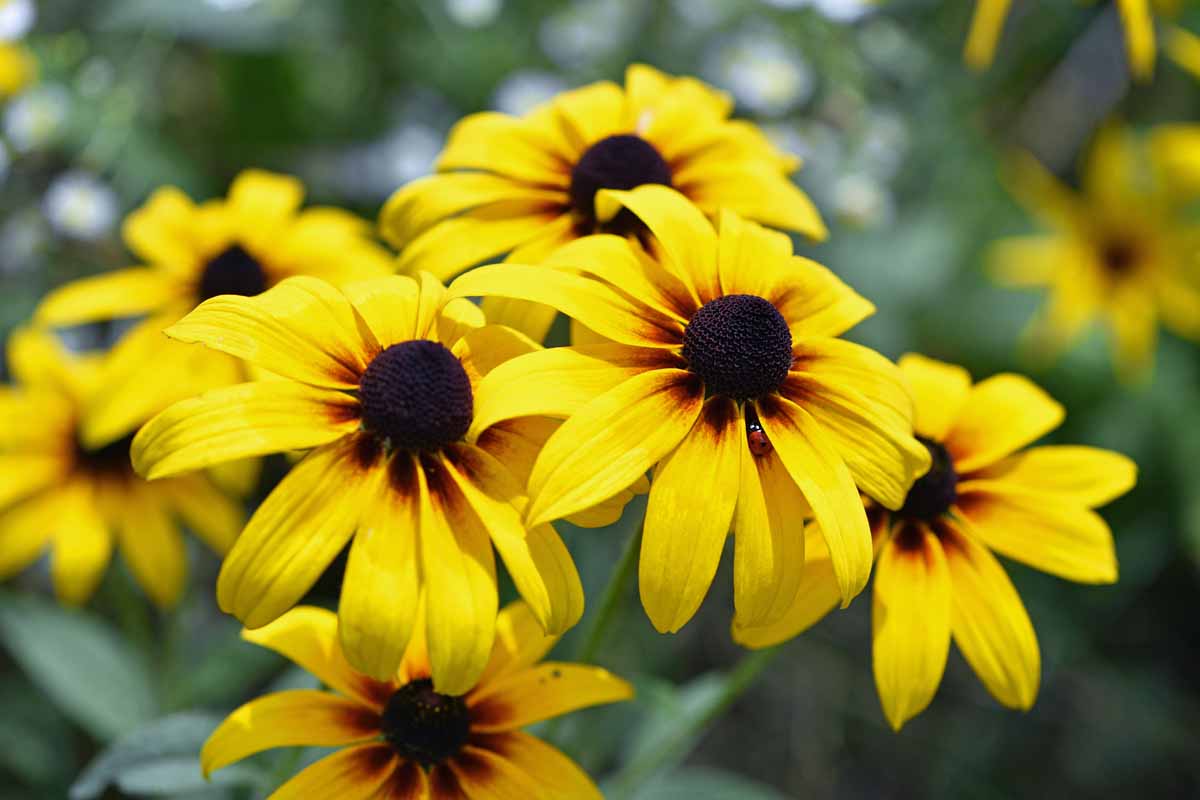
2. Black-Eyed Susan (Rudbeckia hirta) 🖤🌼
This native perennial is a prairie classic, with golden petals surrounding a dark central cone.
- Height: 2-3 feet
- Bloom Time: Summer to fall
- Hardiness Zones: 3-9
- Sunlight: Full sun to part shade
- Unique Features: Long-blooming, drought-tolerant, excellent cut flower.
Black-eyed Susans self-seed generously, creating natural meadows. They’re deer-resistant and support native pollinators. Deadhead for extended blooms—I’ve seen colonies thrive for years with minimal intervention.
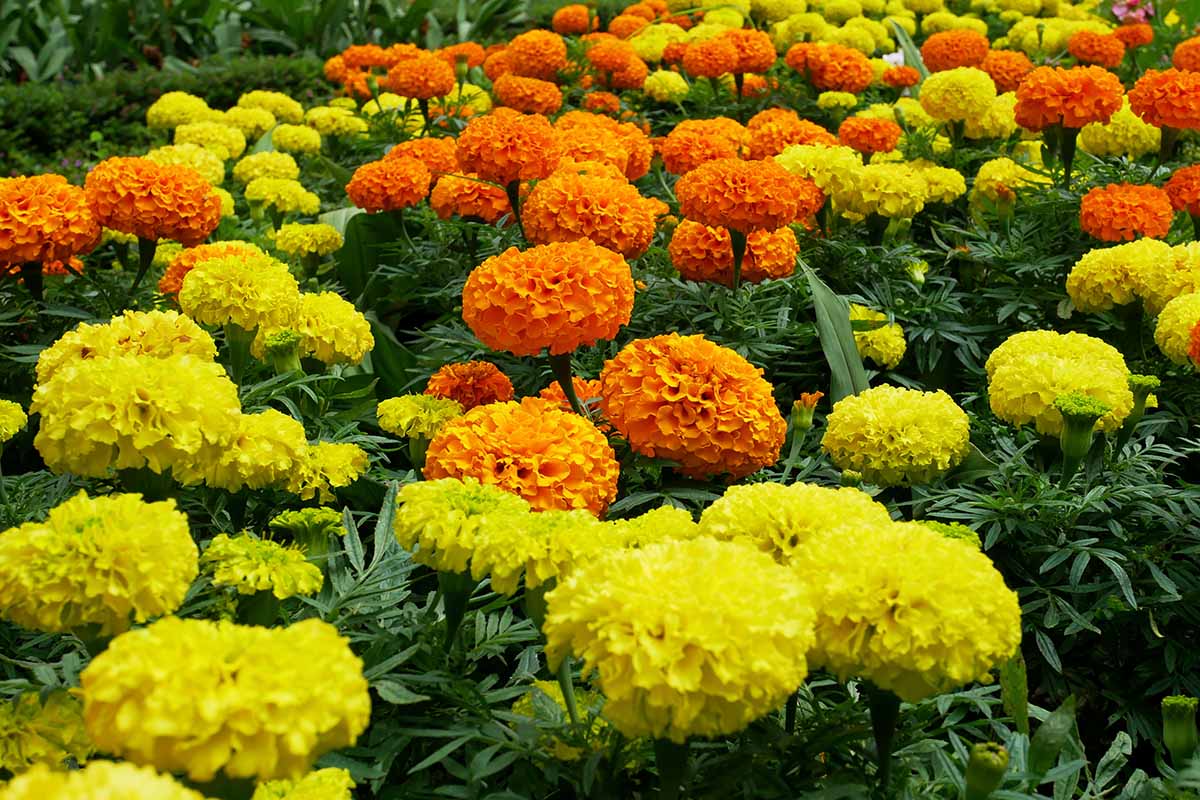
3. Marigold (Tagetes spp.) 🔥
These cheerful annuals are garden workhorses, known for their pest-repelling scent.
- Height: 6 inches to 4 feet
- Bloom Time: Summer to frost
- Hardiness Zones: Annual (all zones)
- Sunlight: Full sun
- Unique Features: Edible petals, nematode suppressant in vegetable gardens.
French and African types offer double or single blooms in bright yellows. Plant as companions to tomatoes for natural pest control— a technique I’ve used successfully in organic plots.
4. Forsythia (Forsythia spp.) 🌸
Herald of spring, this shrub explodes in bare-branch yellow blooms.
- Height: 8-10 feet
- Bloom Time: Early spring
- Hardiness Zones: 5-8
- Sunlight: Full sun to part shade
- Unique Features: One of the earliest bloomers.
Prune immediately after flowering to encourage next year’s buds. In landscape designs, I’ve used forsythia as hedges or focal points for seasonal drama.

5. Daffodil (Narcissus spp.) 🌷
Classic spring bulbs with trumpet-shaped yellow flowers.
- Height: 6-24 inches
- Bloom Time: Early to late spring
- Hardiness Zones: 3-8
- Sunlight: Full sun to part shade
- Unique Features: Deer-resistant, naturalizes over time.
Plant in fall for reliable returns. Mix early, mid, and late varieties for extended bloom. In my bulb designs, daffodils provide foolproof color after winter.

6. Yellow Tulip (Tulipa spp.) 💛
Tulips are synonymous with spring renewal, and yellow varieties bring an extra dose of cheer with their elegant, cup-shaped blooms.
- Height: 10-24 inches
- Bloom Time: Mid to late spring
- Hardiness Zones: 3-8
- Sunlight: Full sun
- Unique Features: Wide range of shades from pale lemon to deep gold; excellent for forcing indoors.
Plant bulbs in fall at a depth of 6-8 inches in well-drained soil. Yellow tulips pair beautifully with purple hyacinths or blue forget-me-nots. In my landscape projects, they’ve created stunning mass plantings that announce spring’s arrival reliably every year.
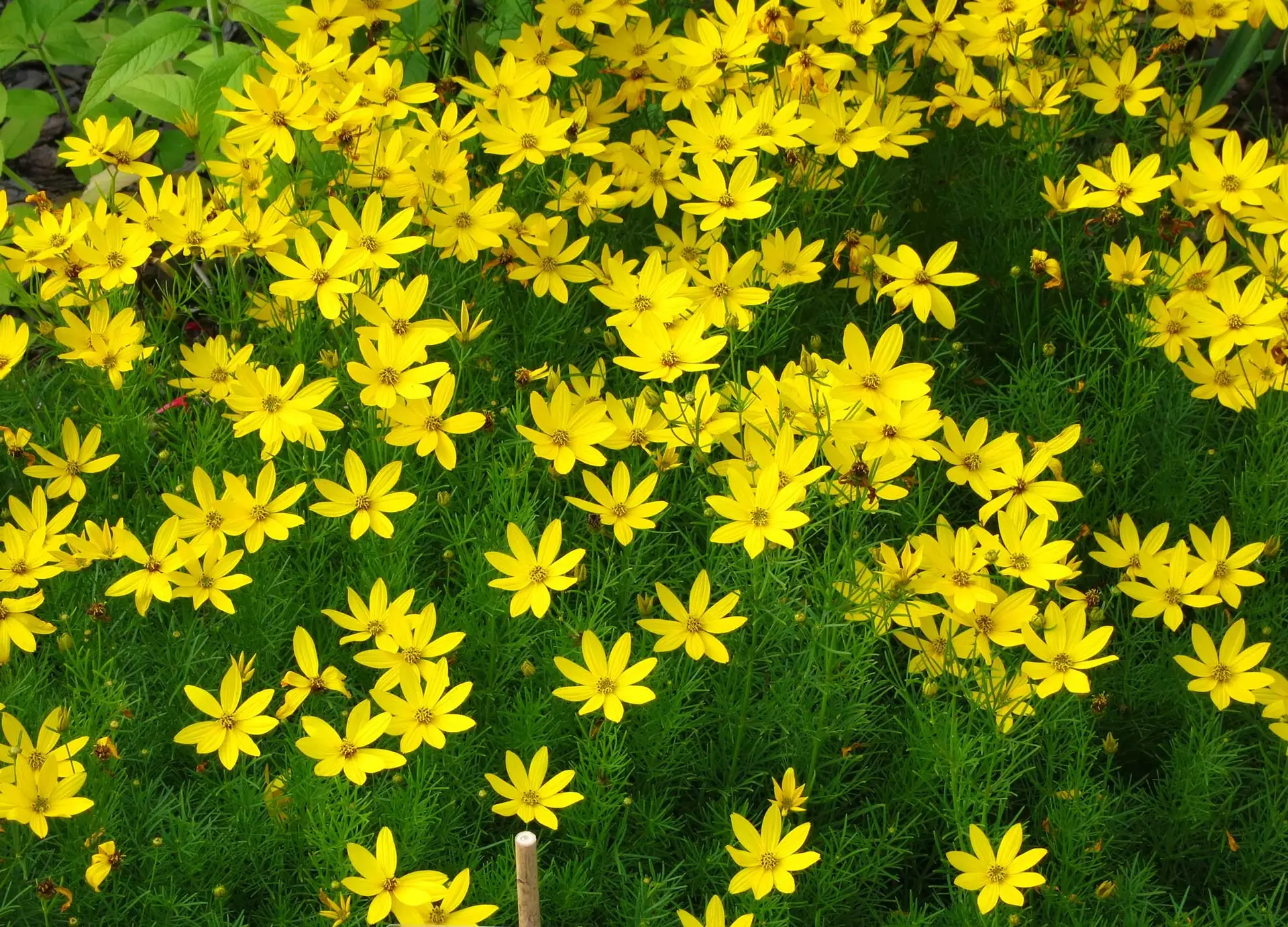
7. Coreopsis (Tickseed) ✨
This native perennial offers daisy-like yellow flowers that bloom relentlessly from early summer into fall.
- Height: 1-3 feet
- Bloom Time: Summer to fall
- Hardiness Zones: 4-9
- Sunlight: Full sun
- Unique Features: Threadleaf or large-flowered types; extremely drought-tolerant once established.
Coreopsis is a butterfly magnet and requires little care beyond occasional division every few years. Varieties like ‘Moonbeam’ offer soft yellow hues. I’ve used them extensively in xeriscapes for their toughness and long-season color.
8. Daylily (Hemerocallis spp.) 🌺
Daylilies earn their name because each bloom lasts one day, but plants produce dozens over weeks.
- Height: 1-4 feet
- Bloom Time: Summer (some reblooming)
- Hardiness Zones: 3-9
- Sunlight: Full sun to part shade
- Unique Features: Trumpet-shaped flowers; edible buds in some cultures.
Yellow daylilies like ‘Stella d’Oro’ are compact rebloomers perfect for borders. They’re virtually indestructible and tolerate poor soil. In client gardens, they’ve provided reliable, low-maintenance color for decades.
:max_bytes(150000):strip_icc()/stella-de-oro-bloom-big-56a585883df78cf77288afda.jpg)
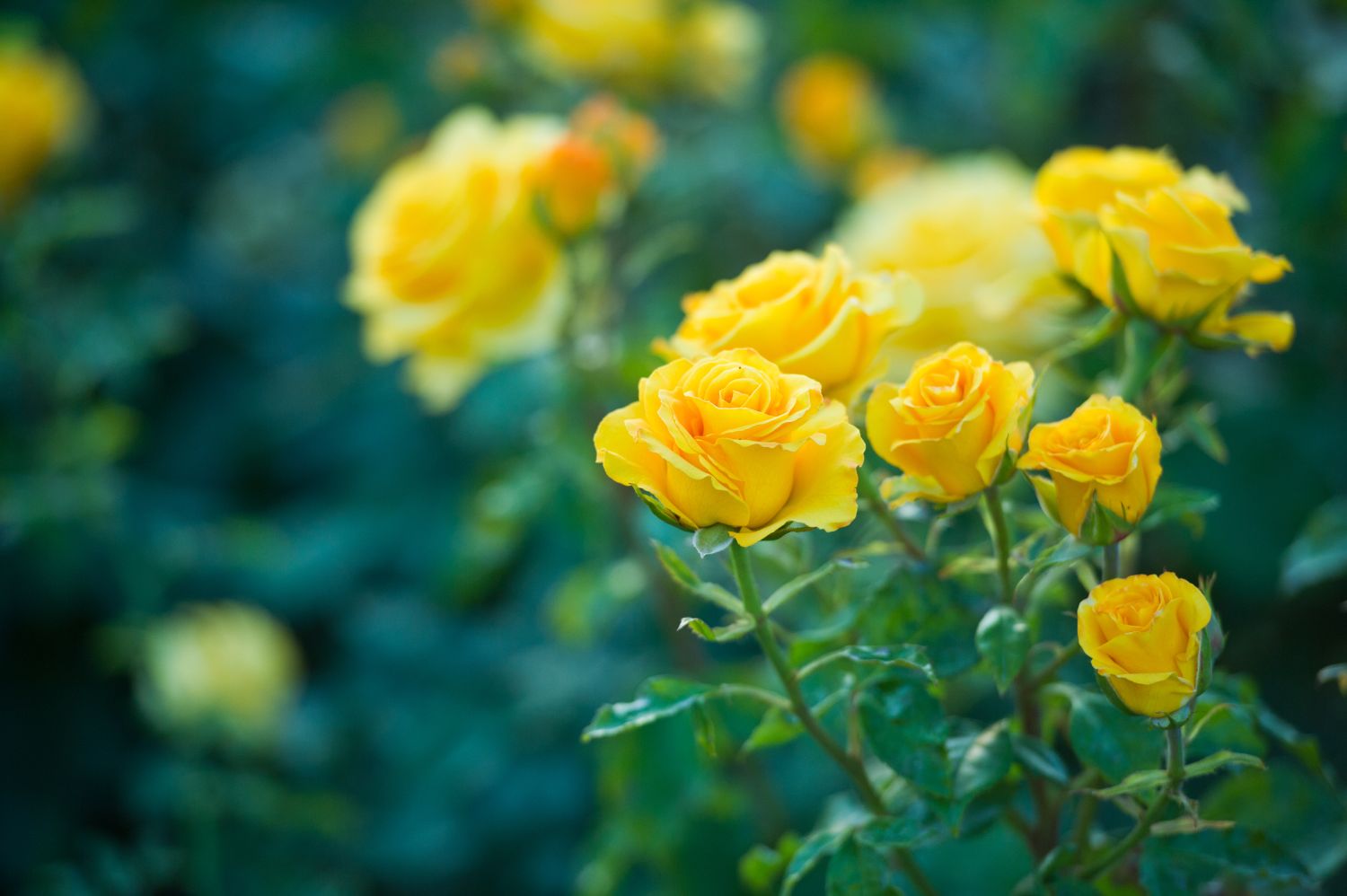
9. Yellow Rose 🌹
Roses symbolize love, and yellow varieties add friendship and joy to the mix.
- Height: 2-6 feet (variety-dependent)
- Bloom Time: Summer to fall (repeat bloomers)
- Hardiness Zones: 5-9
- Sunlight: Full sun
- Unique Features: Fragrant options like ‘Graham Thomas’; disease-resistant modern hybrids.
Choose own-root or grafted roses based on your climate. Regular feeding and pruning ensure abundant blooms. Yellow roses have been staples in my formal rose gardens for their classic elegance and cut-flower potential.
10. Yellow Hibiscus 🏝️
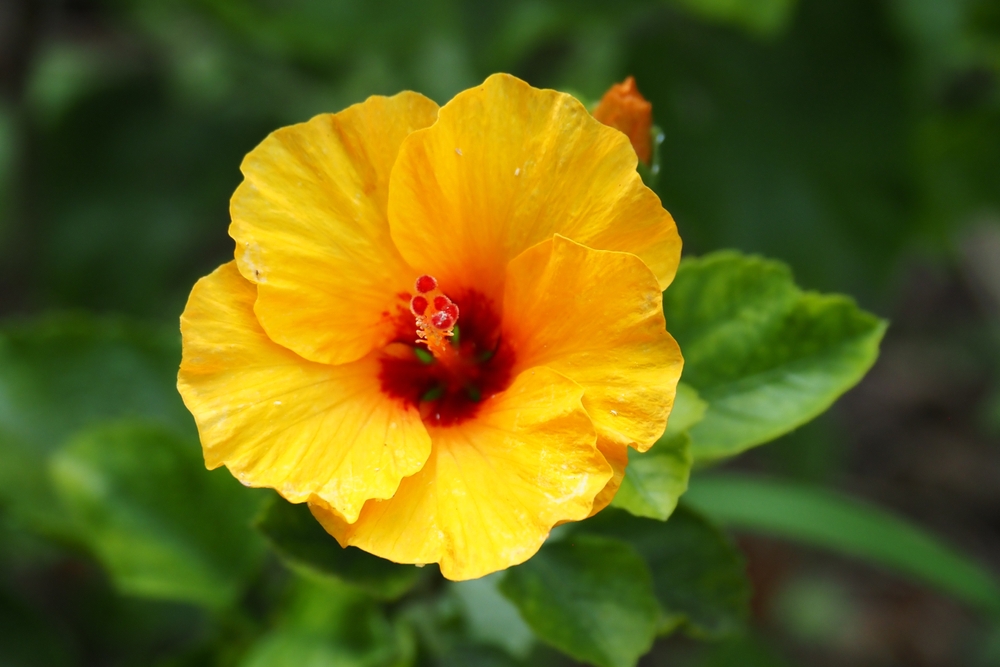
Tropical hibiscus delivers dinner-plate-sized yellow blooms for dramatic impact.
- Height: 4-8 feet (or smaller in containers)
- Bloom Time: Summer to fall
- Hardiness Zones: 9-11 (annual elsewhere or overwinter indoors)
- Sunlight: Full sun
- Unique Features: Exotic appearance; attracts hummingbirds.
Provide rich soil and consistent moisture. In colder zones, grow as patio plants. I’ve incorporated them in coastal gardens for that vacation vibe year-round where possible.
11. Lantana 🦋
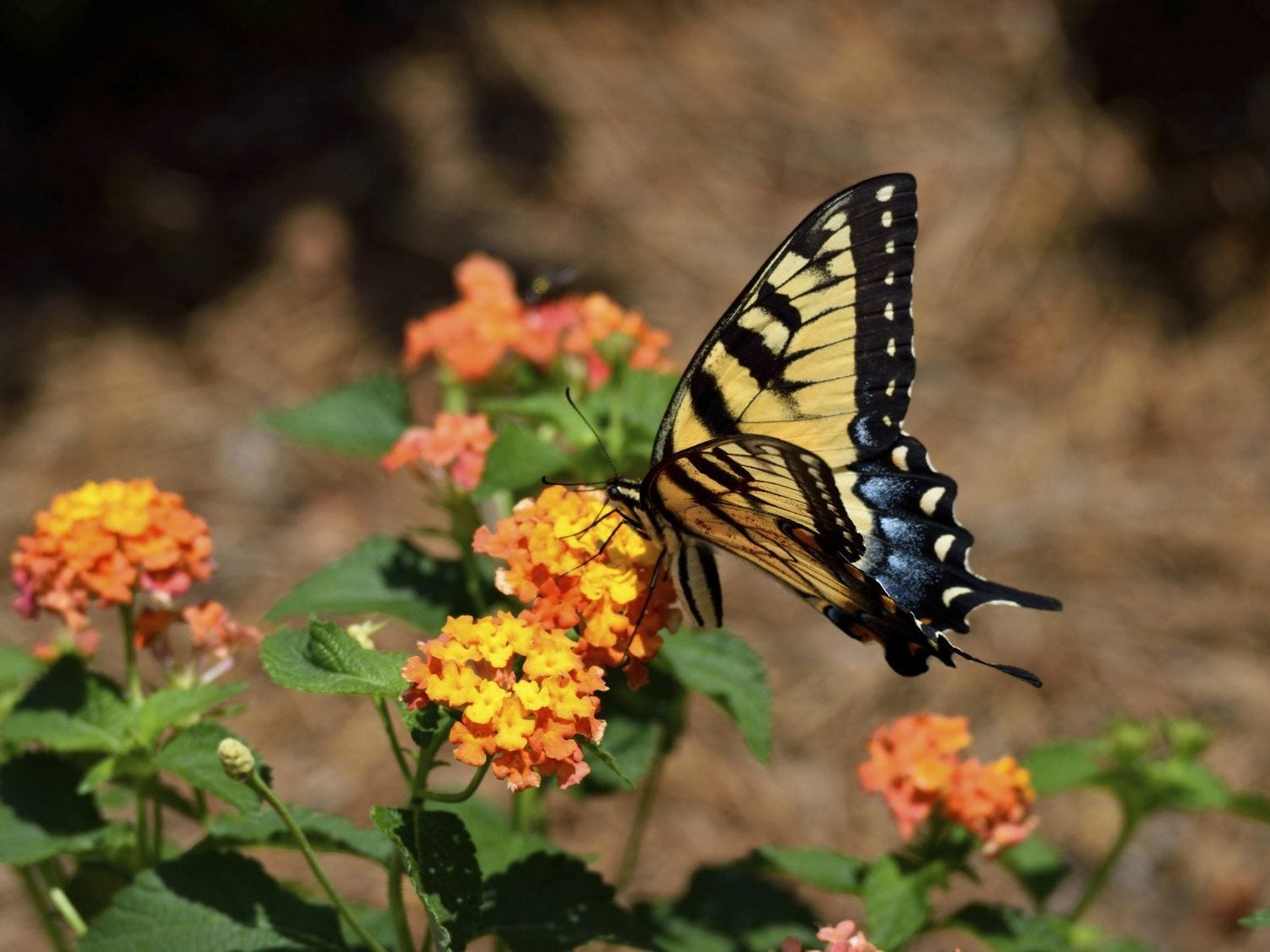
This heat-loving plant produces clusters of tiny yellow flowers that change color as they age.
- Height: 1-6 feet (trailing or upright)
- Bloom Time: Summer to frost
- Hardiness Zones: 8-11 (annual elsewhere)
- Sunlight: Full sun
- Unique Features: Butterfly favorite; drought and salt tolerant.
Lantana thrives on neglect once established. Use trailing types in baskets. It’s a top pollinator plant in my wildlife-friendly designs.
12. Goldenrod (Solidago spp.) 🍯
Often misunderstood, goldenrod is a native powerhouse with feathery yellow plumes.
- Height: 2-6 feet
- Bloom Time: Late summer to fall
- Hardiness Zones: 3-9
- Sunlight: Full sun
- Unique Features: Not allergy-causing (ragweed is the culprit); supports late-season pollinators.
Compact cultivars like ‘Fireworks’ fit smaller spaces. Essential for native meadows in my ecological restorations.

13. Chrysanthemum (Mums) 🍂
Fall classics with dense, colorful blooms in shades of yellow.
- Height: 1-3 feet
- Bloom Time: Late summer to fall
- Hardiness Zones: 5-9
- Sunlight: Full sun
- Unique Features: Pinch for bushiness; long-lasting cut flowers.
Garden mums return yearly with protection. Perfect for autumn containers—I’ve designed countless porch displays with them.
:max_bytes(150000):strip_icc()/gettyimages-956839782-2000-16d00029a26f4fc3b78294da82e738d9.jpg)
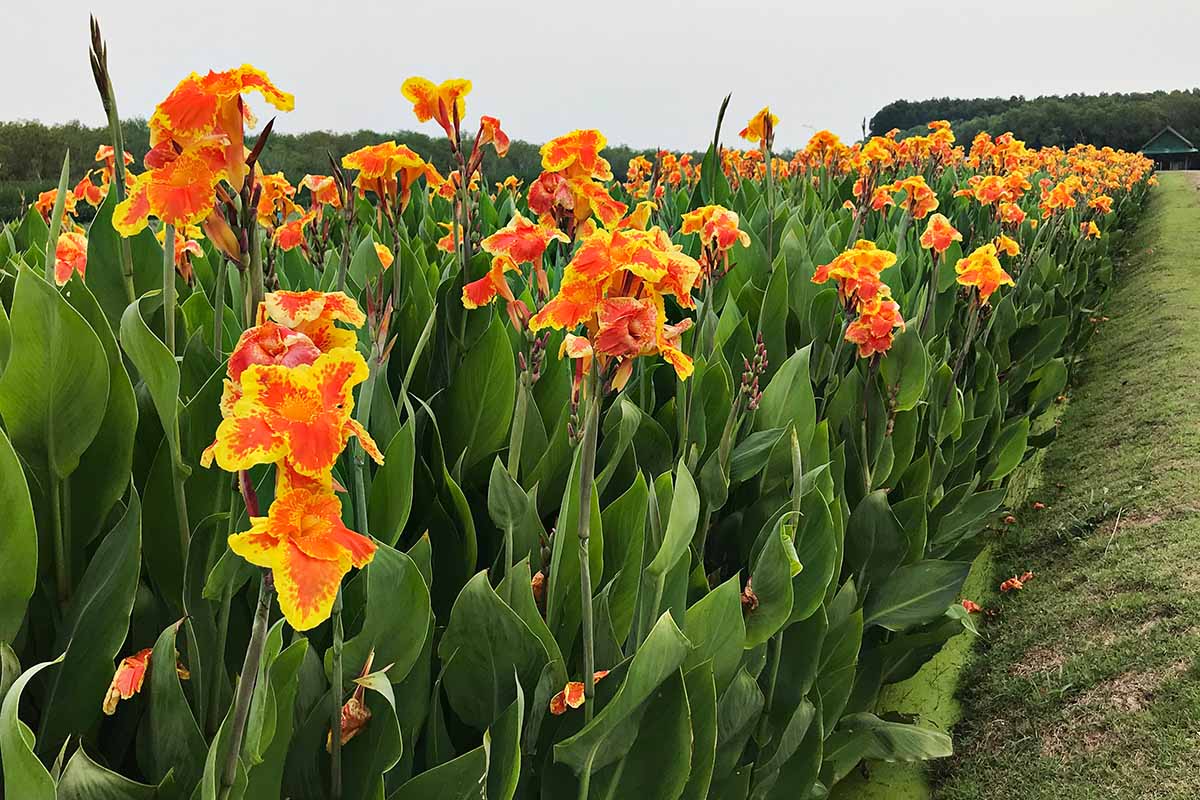
14. Canna Lily 🌴
Bold tropical foliage paired with spiky yellow blooms.
- Height: 3-8 feet
- Bloom Time: Summer to frost
- Hardiness Zones: 8-11 (dig rhizomes in colder areas)
- Sunlight: Full sun
- Unique Features: Dramatic leaves; hummingbird attractor.
Fertilize heavily for best display. Great for back-of-border height in my summer gardens.
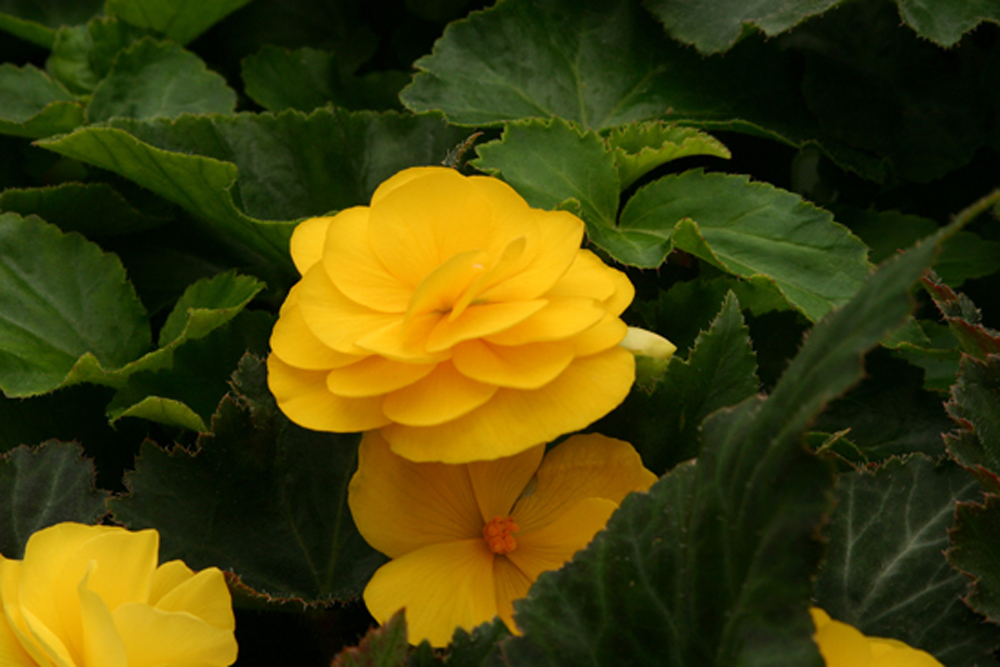
15. Begonia 🪴
Shade-loving annuals or perennials with waxy yellow flowers and foliage.
- Height: 6-18 inches
- Bloom Time: Summer to frost
- Hardiness Zones: 9-11 (annual elsewhere)
- Sunlight: Part to full shade
- Unique Features: Tuberous or fibrous types; container stars.
Perfect for north-facing beds. Nonstop series blooms tirelessly—ideal for my shaded patio designs.
Expert Care Guide for Yellow Flower Plants 🌱
Successful gardening with yellow flower plants boils down to understanding their shared needs while respecting individual quirks.
General Care Tips Applicable to Most Varieties
Most thrive in well-drained soil amended with organic matter. Aim for a pH of 6.0-7.0. Full sun (6+ hours) is essential for vibrant blooms, though some like begonias prefer shade.
Water deeply but infrequently 💧—allow the top inch of soil to dry between waterings to prevent root rot. Mulch with 2-3 inches of organic material to retain moisture and suppress weeds.
Fertilize with a balanced product (e.g., 10-10-10) in spring, switching to bloom-booster (higher phosphorus) during flowering. Deadhead spent blooms ✂️ to encourage more flowers and maintain tidiness.
Common Problems and Solutions
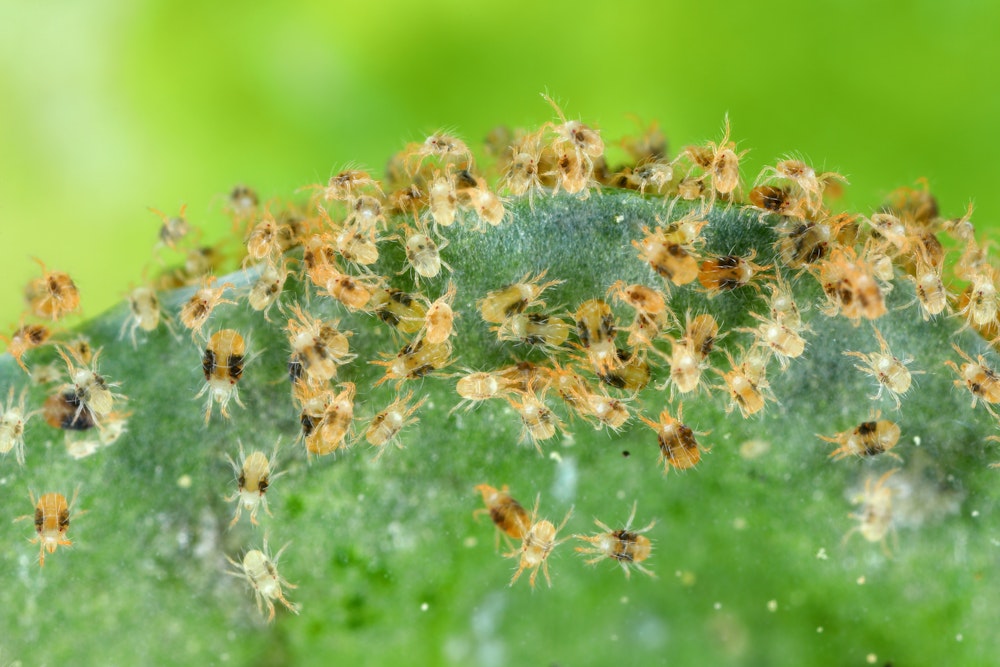
Pests like aphids and spider mites love tender new growth. Inspect regularly—I’ve caught infestations early with weekly checks.
For aphids: Blast with water or use insecticidal soap. Spider mites show as stippled leaves; increase humidity and apply neem oil.
Diseases such as powdery mildew appear in humid conditions. Ensure good air circulation and avoid overhead watering.
Yellowing leaves often signal overwatering or nutrient deficiency—test soil and adjust accordingly.
Expert insight: In my practice, preventive measures like companion planting with marigolds and encouraging beneficial insects have reduced chemical use dramatically.
Seasonal Maintenance Calendar
- Spring: Plant annuals after last frost; divide perennials; fertilize bulbs as they emerge.
- Summer: Water consistently during heat; deadhead; monitor pests.
- Fall: Plant bulbs and mums; mulch tender plants; dig cannas in cold zones.
- Winter: Protect perennials with mulch ❄️; plan next year’s layout.
Designing a Vibrant Garden with Yellow Flower Plants 🎨
Yellow acts as a focal point—use it sparingly for impact or en masse for bold statements.
Companion ideas: Pair with purple salvia, blue delphinium, or silver foliage for contrast. Create themes like sunny cottage borders or tropical escapes.
For small spaces: Use containers with lantana, marigolds, and trailing begonias. Shade-tolerant yellows include certain begonias and hostas with yellow variegation.
Pro tip: Stagger bloom times (daffodils → coreopsis → goldenrod) for continuous yellow interest.
Frequently Asked Questions (FAQs) ❓
What are the easiest yellow flower plants for beginners? 👶 Marigolds, sunflowers, and black-eyed Susans—forgiving, fast-growing, and pest-resistant.
Are yellow flower plants deer-resistant? 🦌 Many yes: Daffodils, marigolds, lantana, and alliums deter deer naturally.
Can I grow these in pots or indoors? 🏠 Absolutely—begonias, hibiscus, and dwarf sunflowers thrive in containers. Provide bright light indoors.
How do I propagate yellow flower plants? ✂️ Division for perennials (daylilies, coreopsis); seeds for annuals (marigolds, sunflowers); cuttings for lantana.
Best yellow flower plants for attracting butterflies? 🦋 Lantana, coreopsis, goldenrod, and zinnias (if including companions)—top nectar sources.
Conclusion: Start Your Vibrant Yellow Garden Today! 🌟
Yellow flower plants offer unmatched joy, from spring’s first daffodils to fall’s glowing mums. With this guide’s 15 stunning varieties, expert care tips, and design inspiration, you’re equipped to create a garden that radiates sunshine and supports wildlife.
Start small—pick 2-3 favorites suited to your zone and conditions. Watch as they transform your space into a vibrant oasis. Have questions about your specific setup? Drop a comment below—I love helping fellow gardeners succeed! Bring that golden glow to your world today. 🌻











