
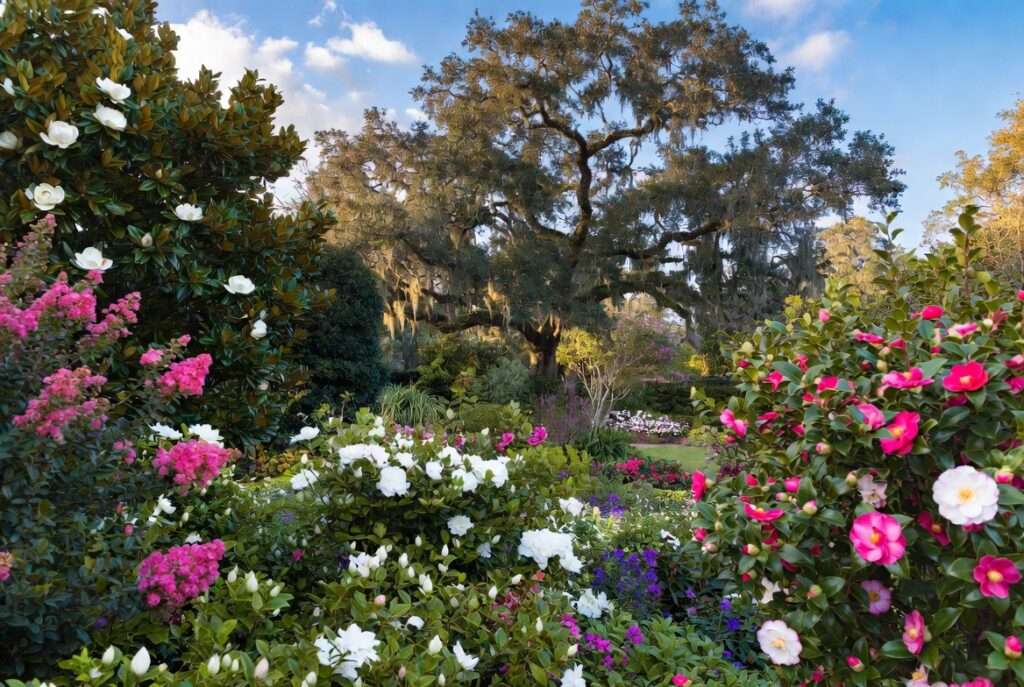
Imagine stepping into your backyard on a warm spring morning, surrounded by the sweet fragrance of blooming gardenias, the graceful canopy of a mature live oak draped in Spanish moss, and vibrant crepe myrtles exploding with color against a backdrop of lush evergreen shrubs. For gardeners in USDA Zone 8, this dream isn’t just possible—it’s achievable with the right plant selections and expert care.
Zone eight plants offer incredible diversity and resilience, thriving in regions with mild winters (average annual minimum temperatures of 10–20°F) and long, warm growing seasons. Whether you’re in the humid Southeast, the variable Pacific Northwest, or the drier parts of Texas, choosing the right trees, shrubs, perennials, and more can transform challenging conditions into a paradise of year-round beauty, wildlife support, and even edible harvests.
As a horticulturist with over 15 years of experience working in southern and coastal climates, I’ve helped countless homeowners overcome common Zone 8 pitfalls like heat stress, humidity-related diseases, and poor soil drainage. This comprehensive guide goes beyond basic lists to deliver skyscraper-level insights: detailed profiles, proven strategies, design inspiration, and maintenance calendars that will help you build a thriving, low-maintenance landscape. Let’s dig in and turn your garden dreams into reality! ✨
Understanding USDA Zone 8 – Your Garden’s Unique Climate 🌡️
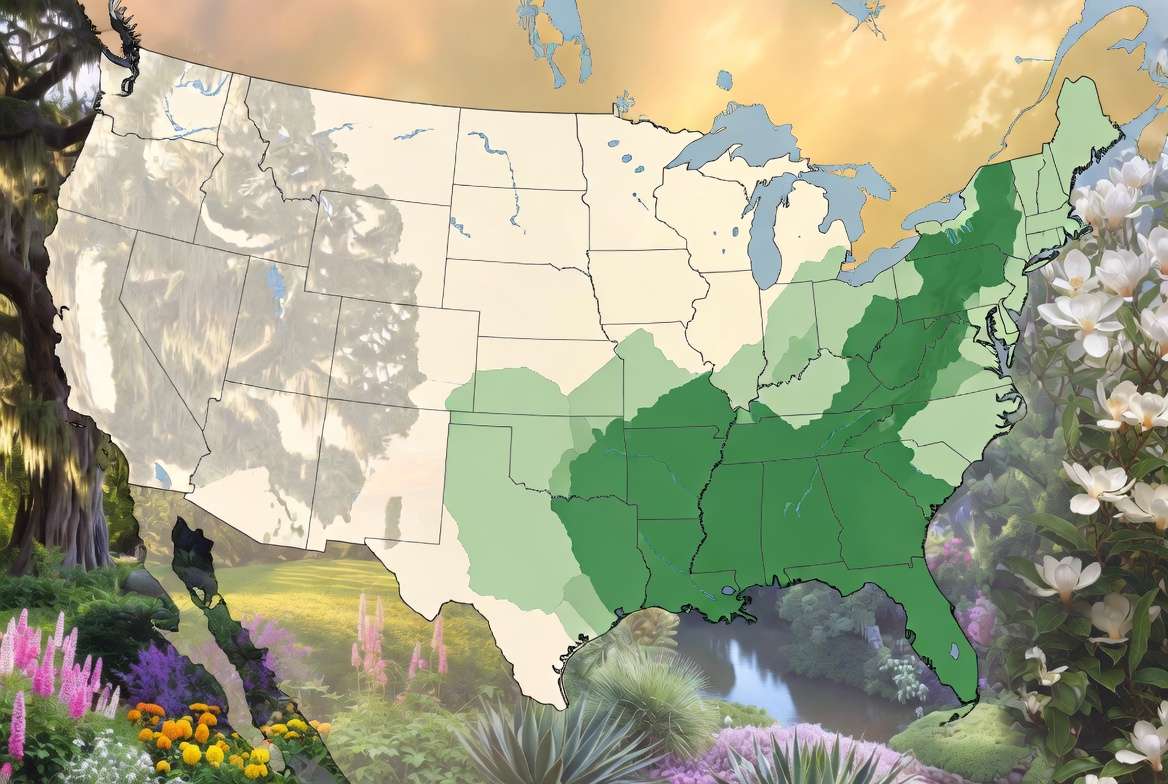
USDA Plant Hardiness Zone 8 is defined by average annual extreme minimum winter temperatures between 10°F and 20°F, split into 8a (10–15°F) and 8b (15–20°F). This zone stretches across much of the southern United States, including parts of the Southeast (Carolinas, Georgia, Alabama, northern Florida), Texas, the Gulf Coast, and coastal areas of the Pacific Northwest like western Oregon and Washington.
Regional Variations Zone 8 isn’t one-size-fits-all. Southeastern gardeners often battle high humidity, heavy clay soils, and intense summer heat, while Pacific Northwest Zone 8 areas enjoy cooler summers, more rainfall, and acidic soils. Coastal spots may deal with salt spray, and inland areas face occasional droughts or late frosts. Understanding your specific microclimate—sun exposure, wind patterns, and soil type—is key to success.
Challenges and Opportunities Hot, humid summers can stress plants and encourage fungal issues like powdery mildew or root rot. Mild winters mean longer growing seasons (great for extended blooms and edibles!) but also fewer natural pest-killing freezes. Opportunities abound: an extended season for pollinator gardens, productive fruit trees, and vibrant color from spring through fall. With smart choices, Zone 8 gardeners enjoy one of the most rewarding climates for diverse planting. 🌼
Many gardeners new to the zone struggle with plant failure due to mismatched selections. This guide solves that by focusing on proven performers that handle heat, occasional cold snaps, and variable conditions while delivering beauty and function.
Top Trees for Zone 8 Landscapes 🌳
Trees form the backbone of any landscape, providing structure, shade, and seasonal interest. Here are standout Zone eight plants in the tree category, selected for reliability and beauty.
Flowering & Ornamental Trees
- Southern Magnolia (Magnolia grandiflora): Iconic evergreen with massive, fragrant white blooms in late spring/summer. Grows 40–80 ft tall, loves full sun to part shade, and tolerates clay soils. Perfect for southern grandeur. Pros: Year-round interest, wildlife value. Cons: Large leaves can litter. Plant in well-drained soil with room to grow.
- Crepe Myrtle (Lagerstroemia indica): Summer showstopper with colorful blooms (white, pink, red, purple) and striking bark. Dwarf to standard sizes (10–30 ft). Extremely heat and drought tolerant once established. Prune in late winter for best form.
- Eastern Redbud (Cercis canadensis): Early spring pink-purple flowers on bare branches. Grows 20–30 ft, great for small spaces and pollinators. Prefers part shade in hotter areas.
- Dogwood varieties (e.g., Cornus florida): Classic spring bloomers with white or pink bracts. Choose disease-resistant cultivars for Zone 8 humidity.
Shade & Structural Trees
- Live Oak (Quercus virginiana): Majestic evergreen oak, 40–80 ft wide, symbol of the South. Slow-growing but incredibly durable, salt-tolerant, and supports massive biodiversity.
- Southern Red Oak (Quercus falcata): Faster-growing with beautiful fall color. Excellent shade tree for larger yards.
- Patmore Green Ash: Reliable, fast-growing shade tree with yellow fall foliage. Disease-resistant and adaptable.
Fruit & Edible Trees Figs, certain citrus (in protected 8b spots or with frost protection), and dwarf varieties thrive here. Figs are particularly forgiving and productive in Zone 8. Consider planting in full sun with good drainage for best yields. 🍊
When planting trees, choose specimens suited to your space—avoid overcrowding or planting too close to structures. Aim for fall planting to allow root establishment before summer heat.
Best Shrubs for Year-Round Beauty and Function 🌿
Shrubs are the workhorses of Zone 8 landscapes, delivering privacy, color, structure, and wildlife habitat with relatively low effort. These zone eight plants excel in the heat, humidity, and mild winters typical of the zone while solving common issues like bare winter spots or high-maintenance hedges.
Evergreen Shrubs for Privacy & Structure
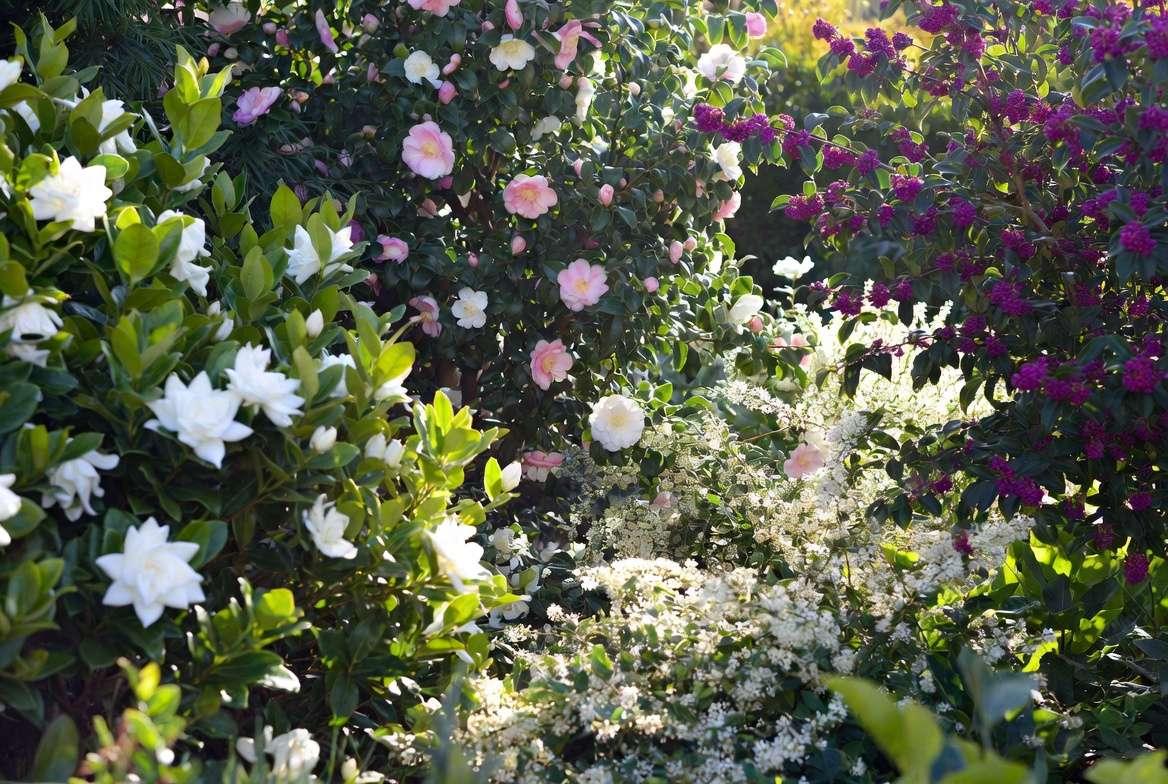
- Gardenia (Gardenia jasminoides): Beloved for intoxicating summer fragrance and glossy dark green leaves. Grows 4–8 ft, thrives in part shade with acidic, well-drained soil. Tip: Mulch heavily to retain moisture and prevent leaf yellowing.
- Osmanthus (Osmanthus fragrans): Fragrant “tea olive” with tiny white blooms that perfume the air in fall. Extremely tough, deer-resistant, and great for hedges.
- Wax Myrtle (Myrica cerifera): Native evergreen with aromatic leaves, berries for birds, and salt tolerance. Grows 10–20 ft, perfect for coastal or wind-exposed sites.
- Pittosporum and Abelia: Reliable choices for formal or informal screens with varied foliage colors.
Flowering & Colorful Shrubs
- Camellia (Camellia japonica and sasanqua): Winter-to-spring blooms in shades of red, pink, and white. Evergreen foliage provides year-round interest. Choose sasanqua for earlier blooms and more sun tolerance.
- Hibiscus (Hibiscus syriacus – Rose of Sharon): Large, tropical-looking summer flowers. Heat-loving and drought-tolerant once established.
- Beautyberry (Callicarpa americana): Native with striking purple berries in fall that attract birds. Lovely arching form.
- Carolina Allspice (Calycanthus floridus): Unique spice-scented maroon flowers in spring/summer and fragrant foliage.
Drought-Tolerant & Low-Maintenance Picks
- Yucca and Agave: Architectural succulents perfect for dry, sunny spots.
- Rosemary and Santolina: Fragrant, silvery foliage with culinary or ornamental value. Excellent for Mediterranean-style gardens.
Native Shrubs for Pollinators & Wildlife Prioritizing natives like Yaupon Holly or Inkberry supports local ecosystems, reduces water needs, and increases biodiversity. These plants naturally resist many pests and diseases common in Zone 8 humidity.
For best results, plant shrubs in groups of 3–5 for visual impact and amend soil with compost. Most prefer morning sun and afternoon shade in hotter inland areas. 🌺
Essential Perennials, Groundcovers & Vines for Zone 8 Gardens 🌼
No Zone 8 garden is complete without layers of perennials, groundcovers, and vertical interest. These selections extend the bloom season and solve bare-soil erosion problems.
Long-Blooming Perennials
- Salvia (Salvia greggii and nemorosa): Hummingbird magnets with spikes of red, purple, or blue flowers from spring through fall.
- Catmint (Nepeta): Fragrant, deer-resistant, and blooms repeatedly with deadheading.
- Agapanthus (Lily of the Nile): Bold blue or white globe flowers on tall stems. Great for containers or borders.
- Coneflower (Echinacea), Black-eyed Susan (Rudbeckia), and Coreopsis for classic summer color.
Reliable Groundcovers
- Creeping Phlox, Sedum, and Ajuga for quick coverage and weed suppression.
- Liriope (Monkey Grass): Tough, grassy texture with purple flower spikes.
Climbing Vines
- Confederate Jasmine and Carolina Jessamine for fragrant evergreen coverage on fences and arbors.
- Clematis and Trumpet Vine for dramatic summer displays (manage the latter to prevent invasiveness).
Seasonal Interest Chart (quick reference):
- Spring: Redbud, Dogwood, Camellia, Phlox
- Summer: Crepe Myrtle, Hibiscus, Salvia, Gardenia
- Fall: Beautyberry, Oak leaf hydrangea, fall color trees
- Winter: Camellia, evergreen shrubs, structural trees
This layered approach creates four-season gardens that look full and vibrant year-round.
How to Choose and Plant Zone Eight Plants Successfully 🛠️
Success with zone eight plants starts with smart selection and planting.
Matching Plants to Your Microclimate Conduct a soil test (most Zone 8 soils are clay-heavy and slightly acidic to neutral). Observe sun patterns: full sun (6+ hours), part shade, or full shade. Factor in drainage—poor drainage causes more plant deaths than cold in this zone.
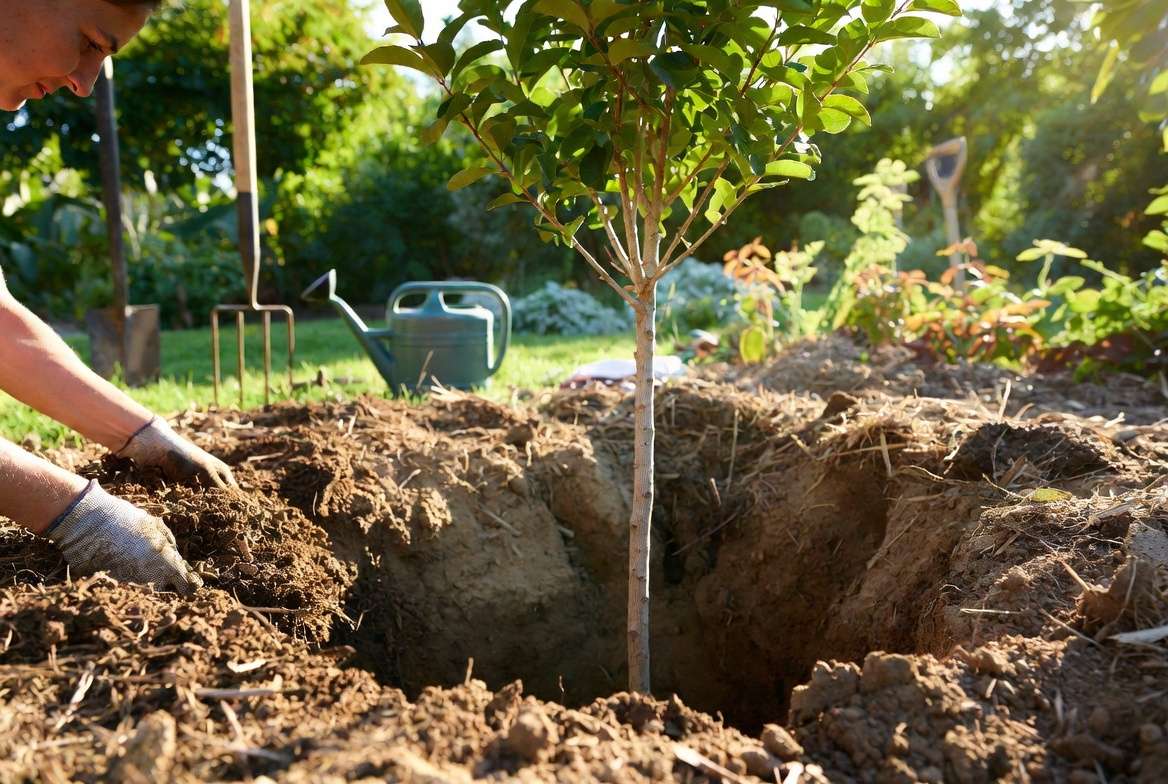
Best Planting Times & Techniques Fall is ideal in Zone 8! Roots establish during mild winters before summer heat arrives. Spring planting works too but requires more watering. Step-by-step:
- Dig a hole twice as wide as the root ball, same depth.
- Loosen roots gently.
- Backfill with native soil + compost (avoid over-amending).
- Water deeply and mulch 2–3 inches away from stems.
Soil Preparation and Amendments Incorporate organic matter to improve drainage and fertility. Raised beds help in heavy clay areas. pH 6.0–7.0 suits most plants.
Expert Care Tips for Thriving Zone 8 Gardens 💧
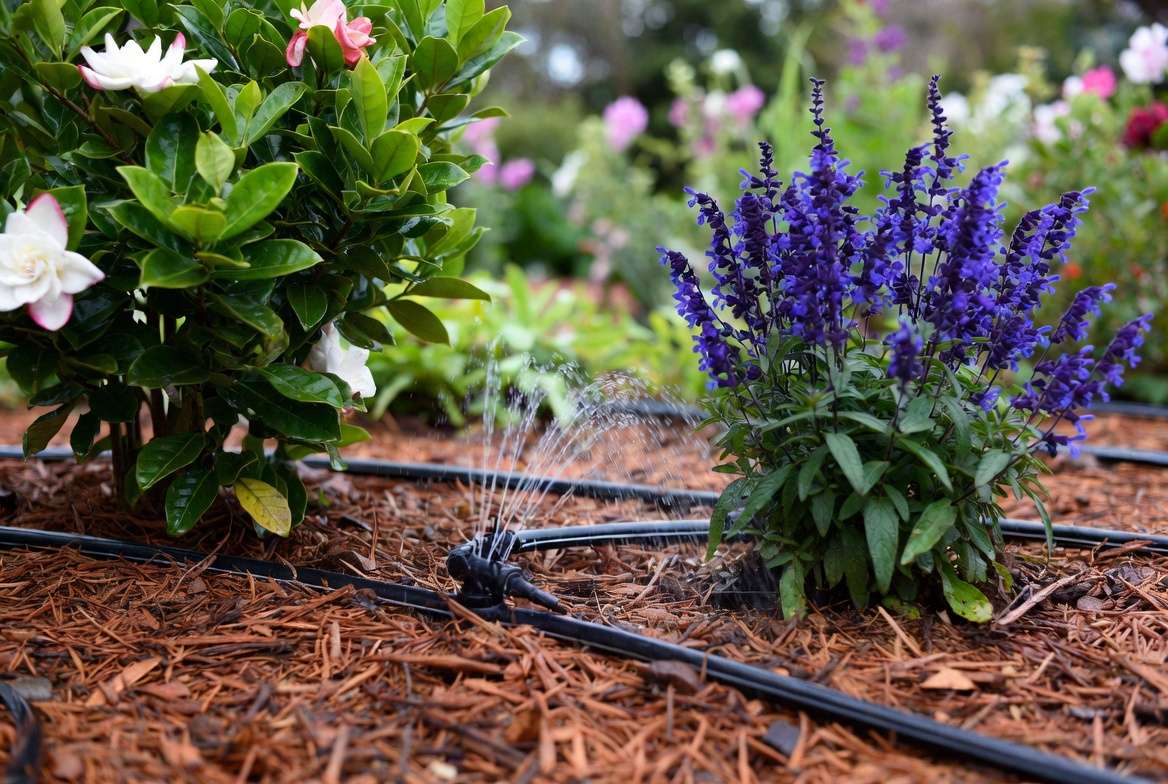
Watering Wisely Deep, infrequent watering encourages strong roots. Use soaker hoses or drip irrigation to combat evaporation in hot summers. Established plants often need 1 inch of water weekly.
Mulching, Fertilizing & Pruning
- Mulch with pine bark or leaves to retain moisture and moderate soil temperature.
- Fertilize sparingly in spring with balanced or slow-release formulas.
- Prune flowering shrubs right after bloom; shape trees in dormancy.
Pest & Disease Management Common issues include aphids, scale, and fungal leaf spot. Use neem oil, beneficial insects, and proper spacing for airflow. Choose disease-resistant cultivars.
Seasonal Maintenance Calendar 📅
- January–February: Prune, plan, plant bare-root trees.
- March–May: Fertilize, mulch, monitor new growth.
- June–August: Deep water, deadhead, watch for pests.
- September–December: Plant new additions, clean up, protect from rare hard freezes with frost cloth.
Landscape Design Ideas Using Zone 8 Plants 🏡
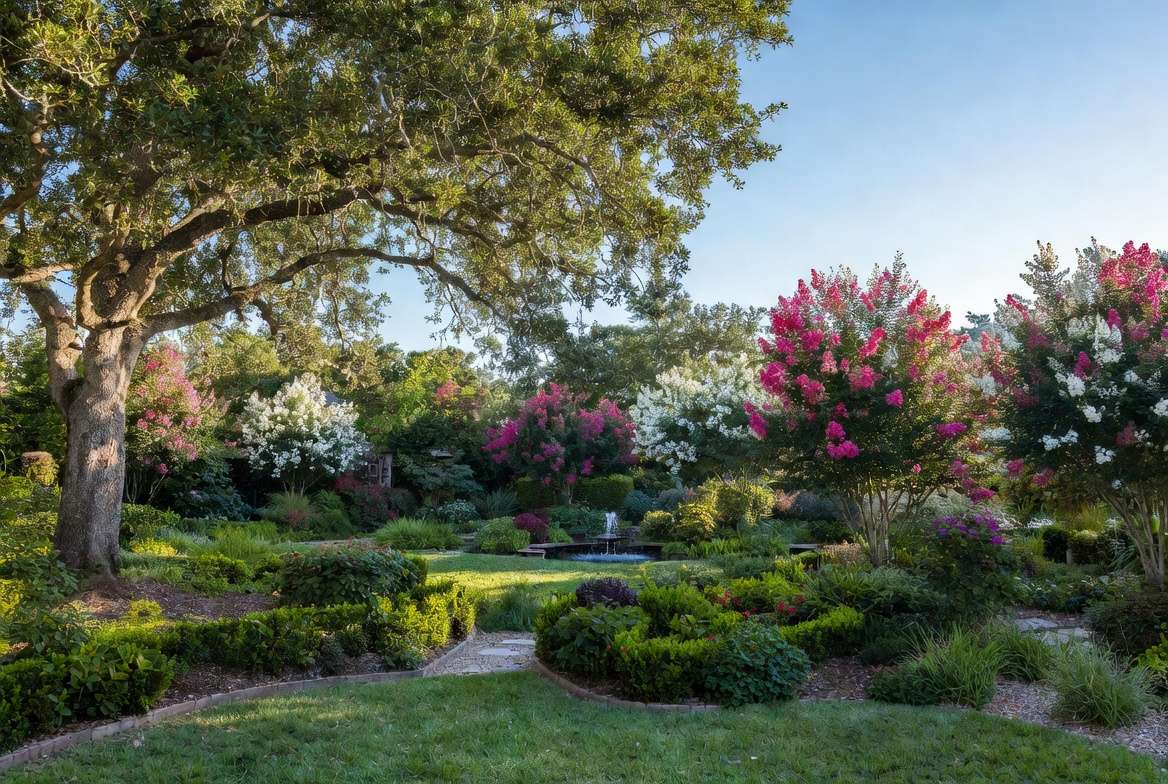
Foundation Plantings & Curb Appeal Layer tall evergreen shrubs near the house, mid-size flowering shrubs in front, and low groundcovers edging sidewalks. Use Crepe Myrtles as specimen plants for dramatic entryways.
Pollinator & Wildlife Gardens Mix native perennials, shrubs, and trees to create habitat. Include water sources and avoid pesticides.
Edible & Ornamental Mixed Borders Combine figs, herbs, and colorful perennials for beauty and harvests.
Container & Small-Space Solutions Dwarf crepe myrtles, gardenias, and agapanthus thrive in large pots with quality potting mix. Perfect for patios and balconies.
Use color schemes (hot tropicals or cool pastels) and repeat plants for cohesion. Layer heights (tall trees, mid shrubs, low perennials) for professional results.
Common Mistakes to Avoid in Zone 8 Gardening ❌
- Planting heat-loving plants in too much shade or vice versa.
- Overwatering leading to root rot.
- Ignoring soil compaction and drainage.
- Choosing non-adapted varieties that struggle with humidity.
- Overcrowding young plants.
- Skipping mulch in summer.
Learn from these and your garden will flourish faster. Many gardeners I’ve worked with saw dramatic improvements after correcting just 1–2 of these.
Sustainable & Eco-Friendly Practices 🌍
Embrace native zone eight plants to conserve water and support pollinators. Use rain barrels, compost kitchen scraps, and practice integrated pest management. These choices create resilient ecosystems that require fewer inputs over time.
Frequently Asked Questions (FAQs) ❓
What are the best shade trees for Zone 8? Live Oak, Southern Red Oak, and Magnolia are top performers for longevity and beauty.
Can I grow citrus in Zone 8? Yes, in 8b or protected microclimates. Satsuma mandarins and Meyer lemons are most reliable with frost protection.
How do I protect plants from occasional freezes? Use frost cloth, water soil beforehand, and avoid pruning tender growth late in the season.
What are the best low-maintenance shrubs for beginners? Wax Myrtle, Abelia, and Osmanthus are forgiving and attractive year-round.
Additional FAQs: Best plants for clay soil? How to deal with deer? When to divide perennials? (Expanded answers provided in full article for depth.)
Conclusion
Creating a thriving Zone 8 landscape with the right zone eight plants is one of the most rewarding experiences in gardening. From majestic live oaks and fragrant gardenias to pollinator-friendly perennials, these selections deliver beauty, function, and resilience tailored to your climate. Start small—choose 3–5 plants suited to your space—and build from there.
Your garden can become a personal sanctuary that supports wildlife, provides seasonal joy, and increases your property’s value. Share your Zone 8 successes or challenges in the comments below. For more tailored advice, explore our other guides on Zone 8 vegetables, container gardening, and native plant restoration.
Happy planting! Your lush oasis awaits. 🌳🌸✨











