

Imagine stumbling upon (or receiving as a gift) a genuine 4 leaf clover plant — that magical little houseplant with four perfectly symmetrical leaflets that seems to whisper “good luck” every time you walk by. Your heart skips a beat, but then reality hits: How do I keep this rare lucky charm alive and thriving at home? If you’ve ever bought one only to watch it wilt in weeks, you’re not alone. Thousands of plant lovers face the same frustration every year.
The good news? With the right care, your 4 leaf clover plant (scientifically known as Oxalis tetraphylla, often called the Iron Cross plant or lucky clover) can live for years, produce delicate flowers, and even multiply into a lush indoor display. As a certified horticulturist with over 15 years specializing in Oxalis species and helping home gardeners turn “tricky” plants into showstoppers, I’ve compiled this complete, step-by-step guide. No fluff — just proven, practical advice that solves your biggest problem: keeping your 4 leaf clover plant happy, healthy, and lucky.
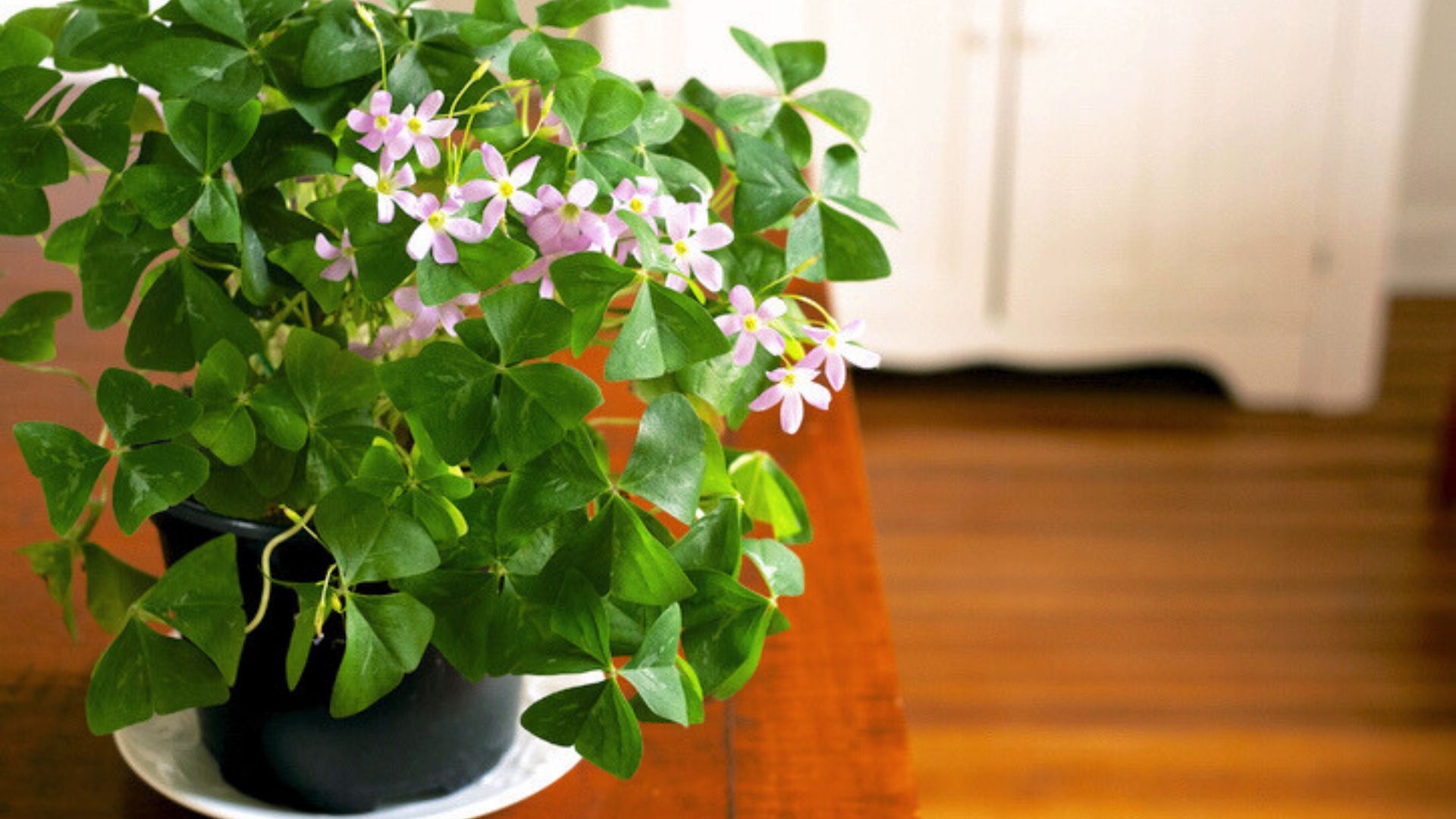
Whether you’re a beginner or a seasoned plant parent, this 2000+ word skyscraper guide will give you everything you need — from identifying your plant correctly to troubleshooting every common issue. Let’s turn your lucky find into a forever houseplant! ✨
1. Understanding Your 4 Leaf Clover Plant: Botany, History & Why It Feels So Lucky ✨☘️
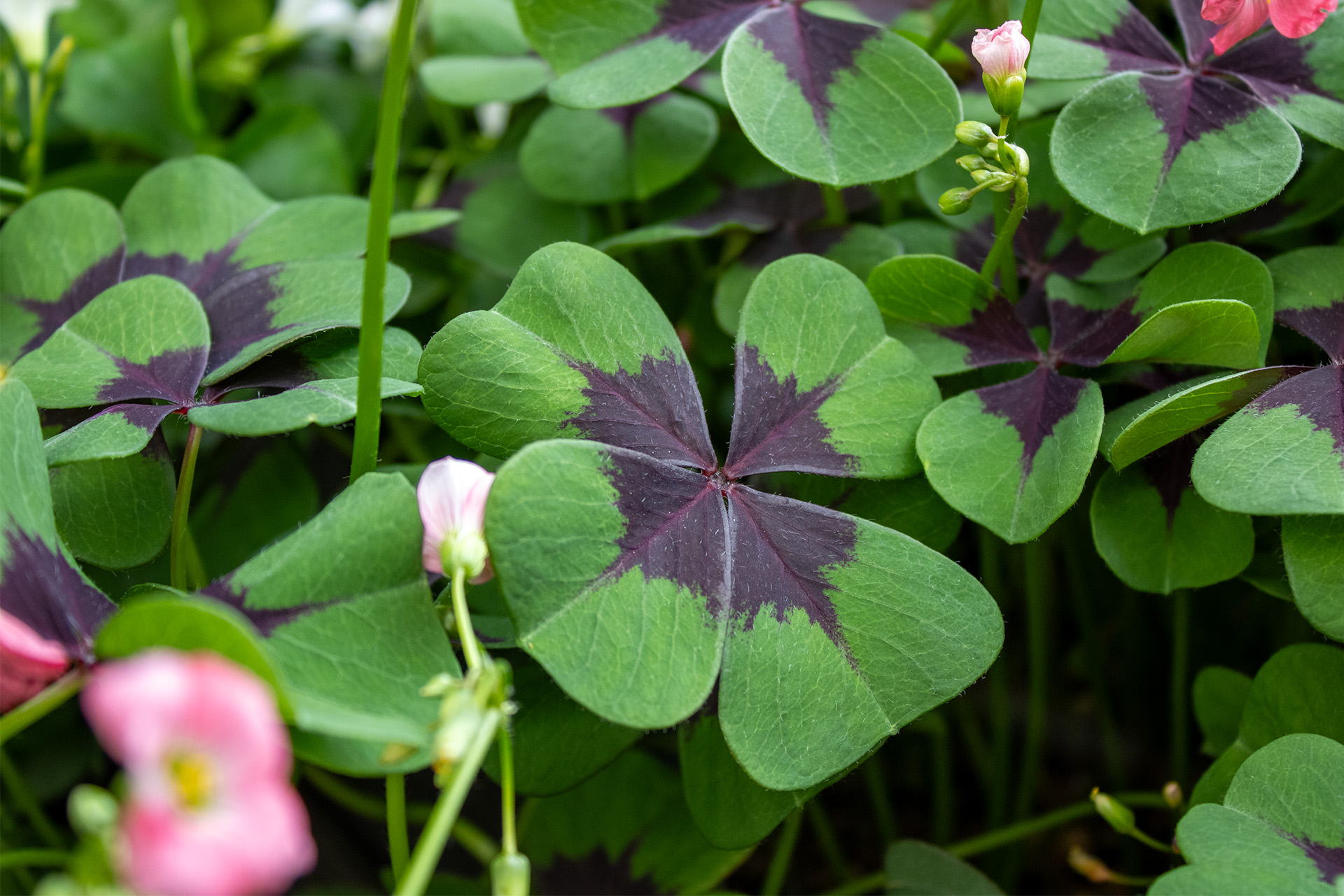
Most people searching for “4 leaf clover plant” are surprised to learn they’re actually bringing home Oxalis tetraphylla — not the rare genetic mutation of white clover (Trifolium repens). The true four-leaf clover is a once-in-10,000 occurrence in nature, but nursery-sold “lucky clovers” are almost always this charming Oxalis variety with four heart-shaped leaflets arranged like a cross.
The standout feature? Nyctinasty — those adorable “sleepy” movements where the leaflets fold up at night and open wide in daylight, almost like the plant is waving hello each morning.
Historically, four-leaf clovers have symbolized luck across cultures: ancient Druids believed they warded off evil, while Victorians carried them for good fortune. Today, the 4 leaf clover plant brings that same joy indoors as a low-maintenance, air-purifying houseplant. It’s non-toxic to humans (though mildly irritating if ingested in large amounts) and generally safe around curious pets when kept out of reach — always double-check with your vet for peace of mind.
Quick Comparison Table
| Plant | Leaf Shape | Common Name | Best For |
|---|---|---|---|
| Oxalis tetraphylla | Four heart-shaped leaflets with dark cross | 4 Leaf Clover Plant / Iron Cross | Indoor luck & easy care |
| Oxalis triangularis | Three purple triangular leaves | Purple Shamrock | Dramatic color |
| True Trifolium repens | Four-leaf mutation | Real 4-Leaf Clover | Outdoor lawns only |
Understanding this distinction prevents the #1 mistake beginners make — treating it like a lawn clover instead of a tender bulbous houseplant.
2. Choosing the Healthiest 4 Leaf Clover Plant for Your Home 🪴🛒
Success starts at the store (or online nursery). Look for these green flags:
- Vibrant, deep green (or classic Iron Cross purple-green) leaves with no yellowing or brown tips.
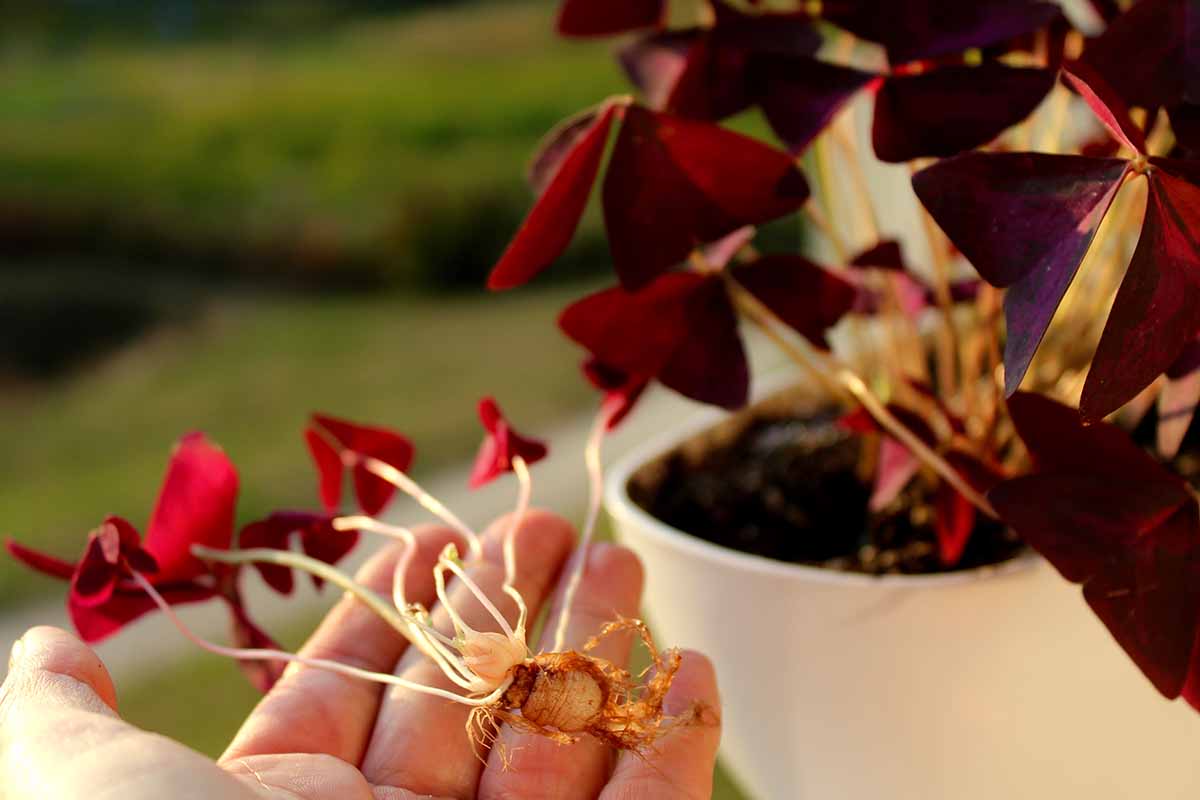
- Firm, plump tubers visible at the soil surface — these are the “lucky” energy stores.
- No pests (check undersides for spider mites or aphids).
- Compact, bushy growth rather than leggy stems.
Pro tip from my nursery visits: Buy in early spring when plants are waking from dormancy — they establish faster. Variegated or “Iron Cross” cultivars are the most popular and forgiving for beginners. Avoid plants in soggy soil or those already showing flower buds if you want maximum leaf growth first.
Red flags? Skip anything wilted, moldy, or in tiny starter pots without drainage.
3. Ideal Growing Conditions: Setting Up Your Lucky Charm for Success 🌿☀️
Your 4 leaf clover plant is surprisingly forgiving once you nail these four basics.
3.1 Light Requirements – The Secret to Vibrant Leaves ☀️
Bright, indirect light is ideal — think 4–6 hours of filtered sunshine daily. An east- or west-facing window is perfect. Too little light? Leaves stretch and lose color. Too much direct sun? Scorched edges appear overnight.
If your home is low-light, a full-spectrum grow light on a 12-hour timer works wonders. Rotate the pot weekly for even growth — your plant will thank you with symmetrical, lucky leaves!
3.2 Soil and Potting Mix – The Foundation of Healthy Roots 🪨
Well-draining, slightly acidic soil (pH 5.5–6.5) is non-negotiable. My go-to DIY mix:
- 50% peat-free potting soil
- 30% perlite or pumice
- 20% coco coir or orchid bark
This prevents the #1 killer: root rot from soggy tubers. Choose a pot with drainage holes — terracotta breathes beautifully and helps regulate moisture. Repot every 1–2 years in spring, moving up just one pot size.

3.3 Temperature & Humidity – Keeping It Comfy Year-Round 🌡️
Daytime temps of 60–70°F (15–21°C) and nights no lower than 55°F keep your lucky plant content. It tolerates average home humidity (40–50%) — no need to mist! In dry winters, a pebble tray with water adds just enough moisture without inviting fungus.
Avoid drafts, heaters, or AC vents — sudden temperature swings trigger premature dormancy.
3.4 Watering Schedule – Never Overwater Again 💧
The golden rule: “Soak and dry.” Water thoroughly until it drains out the bottom, then wait until the top 1–2 inches of soil feel dry (usually every 7–10 days in summer, 14–21 days in winter).
Use room-temperature rainwater or filtered water to avoid mineral buildup. Overwatering is the fastest way to lose your 4 leaf clover plant, so trust the finger test over a calendar!
Seasonal Watering Calendar
- Spring/Summer (active growth): Weekly, keep soil lightly moist.
- Fall: Reduce as growth slows.
- Winter (dormancy): Water sparingly — just enough to prevent complete drying.
4. Step-by-Step Planting & Repotting Guide 🪴
The best time to plant or repot your 4 leaf clover plant is early spring, right as new growth emerges from the tubers. This timing gives the plant maximum energy to establish strong roots before the active growing season.
Materials you’ll need:
- Well-draining pot with drainage holes
- Fresh potting mix (as described in section 3.2)
- Sharp, clean scissors or knife
- Gloves (optional – the sap can irritate sensitive skin)
Step-by-step repotting process:
- Gently remove the plant from its current pot. Shake off old soil carefully to expose the small bulb-like tubers.
- Inspect the tubers: Healthy ones are firm and plump. Discard any mushy or rotten ones.
- If the plant is crowded, divide the clump into smaller sections — each with at least 2–3 tubers and some roots attached. This is also an excellent way to propagate!
- Place a layer of fresh mix in the new pot, position the tubers so the tops are just below the soil surface (about ½ inch deep), and fill around them without packing too tightly.
- Water thoroughly until it drains out the bottom, then place in bright indirect light.
Fertilizing Schedule During active growth (spring through early fall), feed every 4–6 weeks with a balanced, diluted liquid houseplant fertilizer (e.g., 10-10-10 or 20-20-20 at half strength). Skip fertilizing in winter when the plant naturally rests. Organic options like compost tea or worm castings work wonderfully for a more natural approach.
Pro tip from my years of growing Oxalis: Over-fertilizing causes more harm than good — lush leaves at the expense of flowers and increased risk of pests. Less is truly more with this lucky charm.
5. Daily & Weekly Maintenance Routine for Thriving Growth 📅
Consistent, gentle care turns a simple 4 leaf clover plant into a lush, floriferous beauty.
Daily habits:
- Check light exposure and rotate the pot ¼ turn every few days for symmetrical growth.
- Observe the nyctinasty — leaves folding at dusk is a sign of a happy, healthy plant.
Weekly tasks:
- Wipe leaves gently with a damp microfiber cloth to remove dust. This improves photosynthesis and keeps the four-leaf pattern vibrant.
- Pinch off spent flowers and yellowing leaves at the base to encourage new growth and bushier shape.
- Monitor soil moisture with your finger — never let it stay soggy.
Pruning for Bushiness Light pruning in spring promotes fuller growth. Cut leggy stems back to just above a leaf node. Within weeks, you’ll see fresh shoots emerging, making your lucky plant even more charming.
Creative display ideas: Group several pots together for a “lucky corner,” use in fairy gardens, or place in hanging baskets where the trailing stems can cascade beautifully.
6. Propagation Made Easy: Multiply Your Luck! 🌱🍀
One of the most rewarding aspects of owning a 4 leaf clover plant is how easily it multiplies. Here are three proven methods:
Method 1: Tuber Division (Easiest & Fastest) This is my go-to recommendation. During repotting, gently separate healthy tuber clumps. Plant each section in its own small pot. Keep soil lightly moist and in bright indirect light. New leaves usually appear within 2–4 weeks.
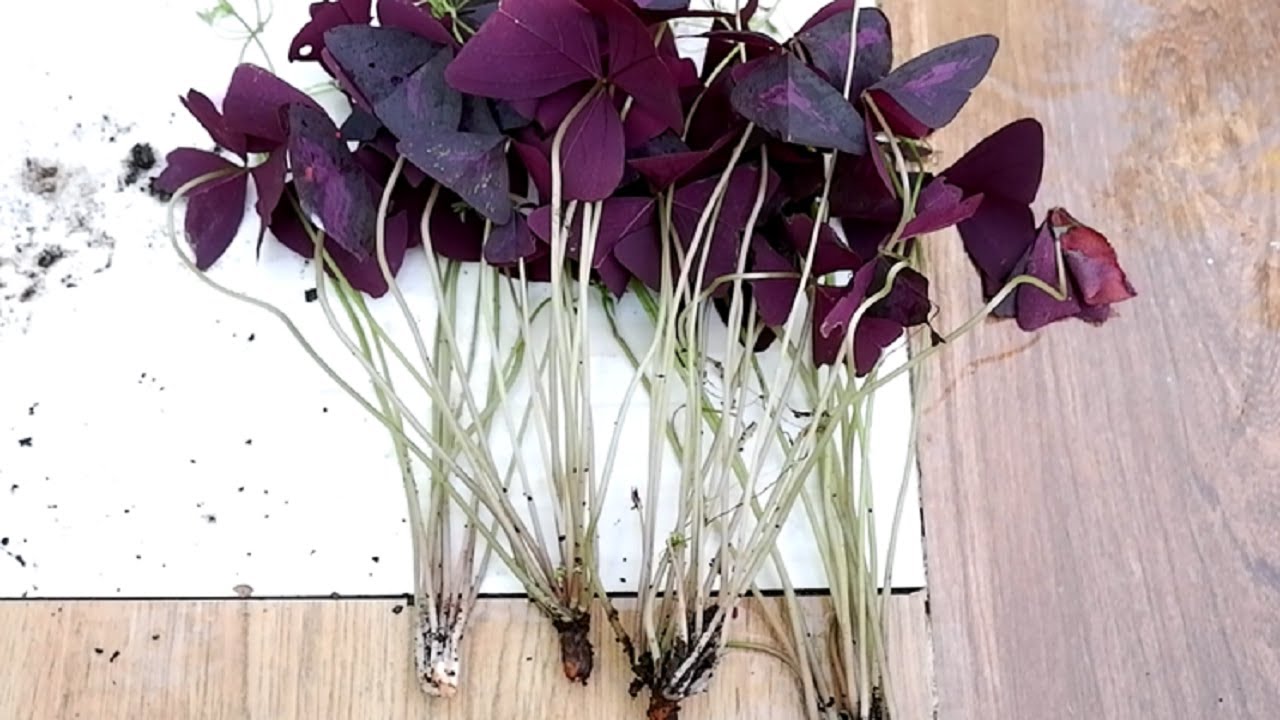
Method 2: Leaf Cuttings Select a healthy stem with 2–3 leaves. Cut just below a node and place in moist, well-draining mix or water. Cover with a plastic bag to maintain humidity. Roots form in 3–6 weeks.
Method 3: From Seed (For Patient Gardeners) Collect seeds from dried seed pods after flowering. Sow on the surface of moist soil and keep warm (around 70°F). Germination takes 2–3 weeks. This method produces more variation but is slower.
Success rate is highest with tuber division — over 90% in my experience. Share the baby plants with friends and spread the luck!
7. Common Problems & How to Fix Them Fast 🆘🐛
Even the most “lucky” plants can face issues. Here’s a practical diagnosis and solution guide based on real gardener questions I’ve answered over the years.
Yellow Leaves Common causes: Overwatering, underwatering, or too much direct sun. Fix: Adjust watering to the “soak and dry” method. Move to brighter indirect light. If root rot is suspected (soft, black tubers), trim affected parts, repot in fresh dry mix, and reduce watering drastically.

Leggy Growth Usually due to insufficient light. Solution: Move closer to a window or add a grow light. Prune back stretched stems to encourage compact growth.
No Flowers Often from lack of phosphorus or inconsistent care. Boost with a bloom-boosting fertilizer (higher middle number, like 10-30-20) in spring/summer and ensure 4–6 hours of good light.
Pests (Aphids, Spider Mites, Mealybugs) Treat early with neem oil spray or insecticidal soap. Wipe leaves and isolate the plant until cleared.
Dormancy – Why Your Plant “Dies Back” This is normal! In late fall or when conditions aren’t ideal, the foliage yellows and dies. Don’t panic — the tubers are resting. Reduce watering to almost nothing, store in a cool (50–60°F), dark place for 2–3 months, then bring back to light and resume normal care. New growth returns like magic in spring.
Root Rot Rescue If soil smells sour and tubers are mushy: Remove plant, cut away rotten parts, treat with fungicide if available, and repot in fresh, dry mix. Success depends on how many healthy tubers remain.
8. Indoor vs. Outdoor Growing: Where Does Your 4 Leaf Clover Plant Thrive Best? 🏠🌳
Indoors is ideal for most gardeners in temperate climates. It makes a perfect windowsill or desk plant year-round.
In USDA zones 8–11, you can grow it outdoors in partial shade during warmer months. Use containers for easy transition indoors before frost. Outdoor plants often produce more abundant flowers thanks to natural light and air circulation.
Transition tips: Acclimate gradually over 7–10 days when moving between indoor and outdoor environments to avoid shock.
9. Seasonal Care Calendar & Advanced Tips from the Pros ❄️🌸
Spring: Wake from dormancy with increased light and light watering. Repot and divide if needed. Summer: Peak growth and flowering season. Water more frequently, fertilize regularly, and enjoy the pink or white blooms.
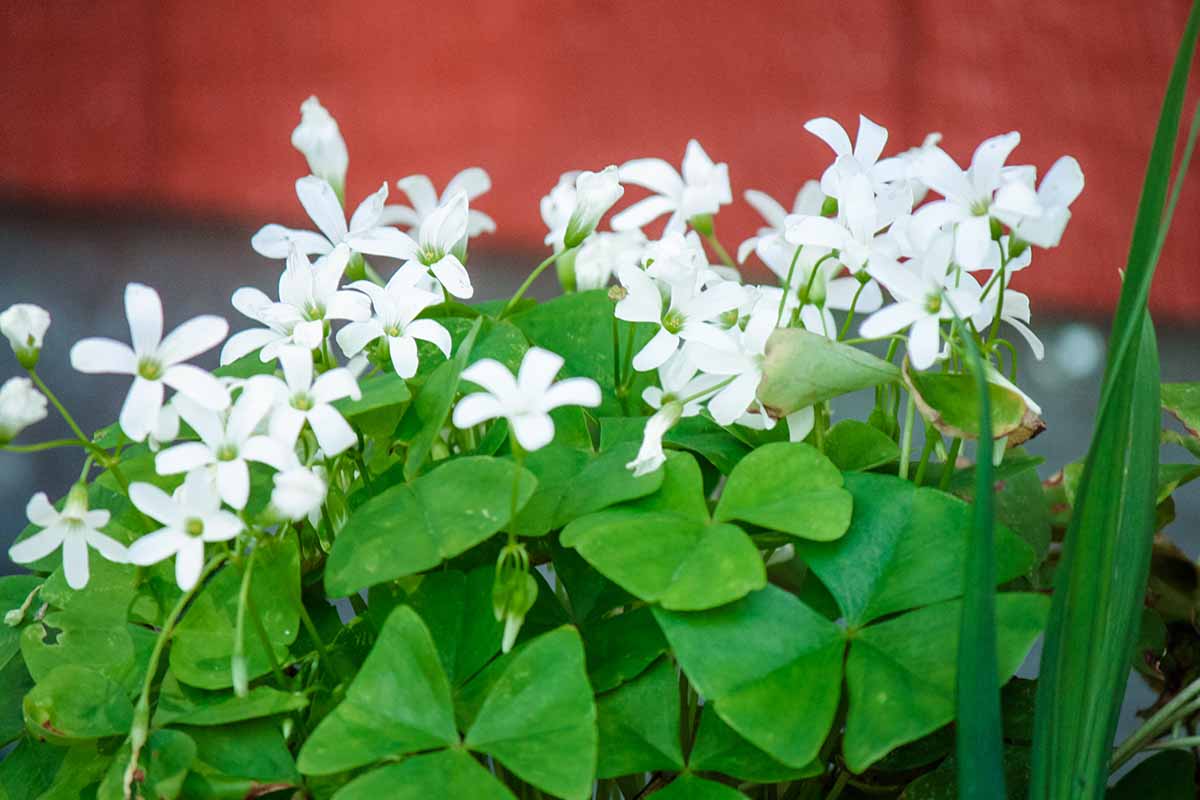
Fall: Reduce watering and fertilizer as growth slows. Prepare for possible dormancy. Winter: Minimal care — cool, bright spot with sparse watering. This rest period actually promotes stronger growth the following year.
Advanced pro tip: To encourage more four-leaf stems (yes, even on Oxalis!), consistent bright light and slight stress (slightly drier conditions) can increase the chance of extra leaflets, adding to the “lucky” factor.
10. Fun Facts, Myths & Eco-Friendly Growing 🌍
- The “Iron Cross” variety features a distinctive dark purple center that looks like a cross — hence the name.
- Oxalis species are known for oxalic acid, giving a tangy taste (edible in small amounts for humans, but avoid if you have kidney issues).
- Eco tips: Use peat-free soil mixes, collect rainwater for watering, and compost pruned leaves. This keeps your care sustainable and planet-friendly.
Debunking myths: While mildly toxic if eaten in quantity (due to oxalates), it’s generally considered safe for homes with pets when placed out of reach — but always confirm with a vet for your specific animals.
11. Frequently Asked Questions (FAQs) ❓
Is the 4 leaf clover plant the same as a real four-leaf clover? No. Most sold as “4 leaf clover plants” are Oxalis tetraphylla. True four-leaf clovers are rare mutations of Trifolium repens and difficult to maintain as potted plants.
Why does my 4 leaf clover plant close its leaves at night? This is nyctinasty — a natural movement to conserve moisture and protect against cooler night temperatures. It’s a sign of a healthy plant!
How long does a 4 leaf clover plant live? With proper care and annual dormancy cycles, tubers can last 5–10+ years, producing new foliage each season.
Is it toxic to cats or dogs? It contains oxalates that can cause mild stomach upset if ingested. Keep out of reach of pets who like to nibble.
Can I grow it from a real 4-leaf clover I found outside? Unlikely to succeed long-term, as true clovers prefer outdoor lawn conditions and don’t form the same tuber system.
Why are my leaves turning purple/red? Often a response to strong light or cooler temperatures — usually harmless and can look quite beautiful (especially in Iron Cross varieties).
How do I make it bloom more? Provide consistent bright indirect light, proper phosphorus-rich feeding in spring/summer, and avoid overwatering.
Conclusion: Your Forever Lucky Charm Awaits! 🎉🍀
Caring for a 4 leaf clover plant is simpler than most beginners fear once you understand its love for bright indirect light, well-draining soil, and the “soak and dry” watering method. By following this comprehensive guide — from choosing the right plant to mastering propagation and troubleshooting — you’ll enjoy years of charming four-leaf foliage, delicate flowers, and that special feeling of nurturing your own lucky charm at home.
Remember: Every healthy new leaf is a reminder that a little consistent care brings abundance and joy. Whether this is your first Oxalis or you’re expanding your collection, your 4 leaf clover plant can become a beloved, long-lasting part of your indoor garden.
Start today — give your plant the conditions it craves, and watch the luck unfold. If you have questions or success stories, feel free to share in the comments. Happy growing, and may your home be filled with green four-leaf smiles! 🌿✨











