
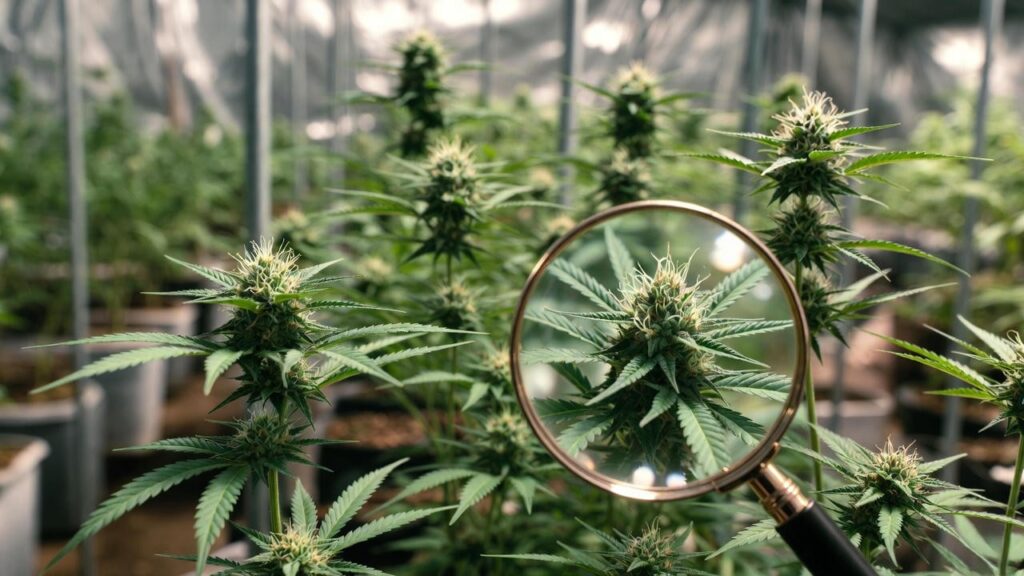
Imagine this: You’ve poured months of care into your cannabis garden—perfect lighting, precise nutrients, daily checks. Your plants are thriving, stretching toward the light, and you’re dreaming of those dense, resinous buds. Then, one day, you spot it: tiny pollen sacs opening up, releasing clouds of pollen that ruin everything. Your females get seeded, potency drops, and your hard work yields mostly seeds instead of premium flower. 😱 This nightmare happens to countless growers every year, but it doesn’t have to happen to you.
The key to avoiding this disaster? Learning how to identify a male plant cannabis as early as possible. Early detection lets you remove males before they pollinate your females, ensuring sinsemilla (seedless) buds with maximum THC, CBD, and terpenes. In this comprehensive guide, written by a plant care expert with over 15 years of hands-on growing experience, we’ll dive deep into everything you need to know. From pre-flower identification to advanced tips, this article will equip you—whether you’re a beginner home grower or seasoned cultivator—to protect your harvest confidently. Let’s get started! 🚀
Understanding Cannabis Plant Sex: Why It Matters 🌱♂️♀️
Cannabis plants are dioecious, meaning they typically have distinct male and female sexes (though hermaphrodites exist, as we’ll cover later). Understanding these differences is foundational to successful cultivation.
The Three Sexes of Cannabis Plants
- Male plants: These produce pollen sacs for reproduction. They’re vigorous growers but unwanted in flower-focused setups because their pollen fertilizes females.
- Female plants: The stars of the show! Females develop cannabinoid-rich buds (flowers) when unpollinated. These are what most growers seek for high-quality harvests.
- Hermaphrodites: Plants that develop both male and female reproductive parts. Often triggered by stress, “hermies” can self-pollinate or pollinate others, leading to seeded crops.
As an expert who’s consulted on hundreds of grows, I’ve seen hermaphrodites sneak up on even experienced cultivators—always stay vigilant!
What Happens If Males Pollinate Females?
When a male plant cannabis releases pollen, it can travel far (wind, air currents, even on your clothes). Fertilized females shift energy from bud production to seed development:
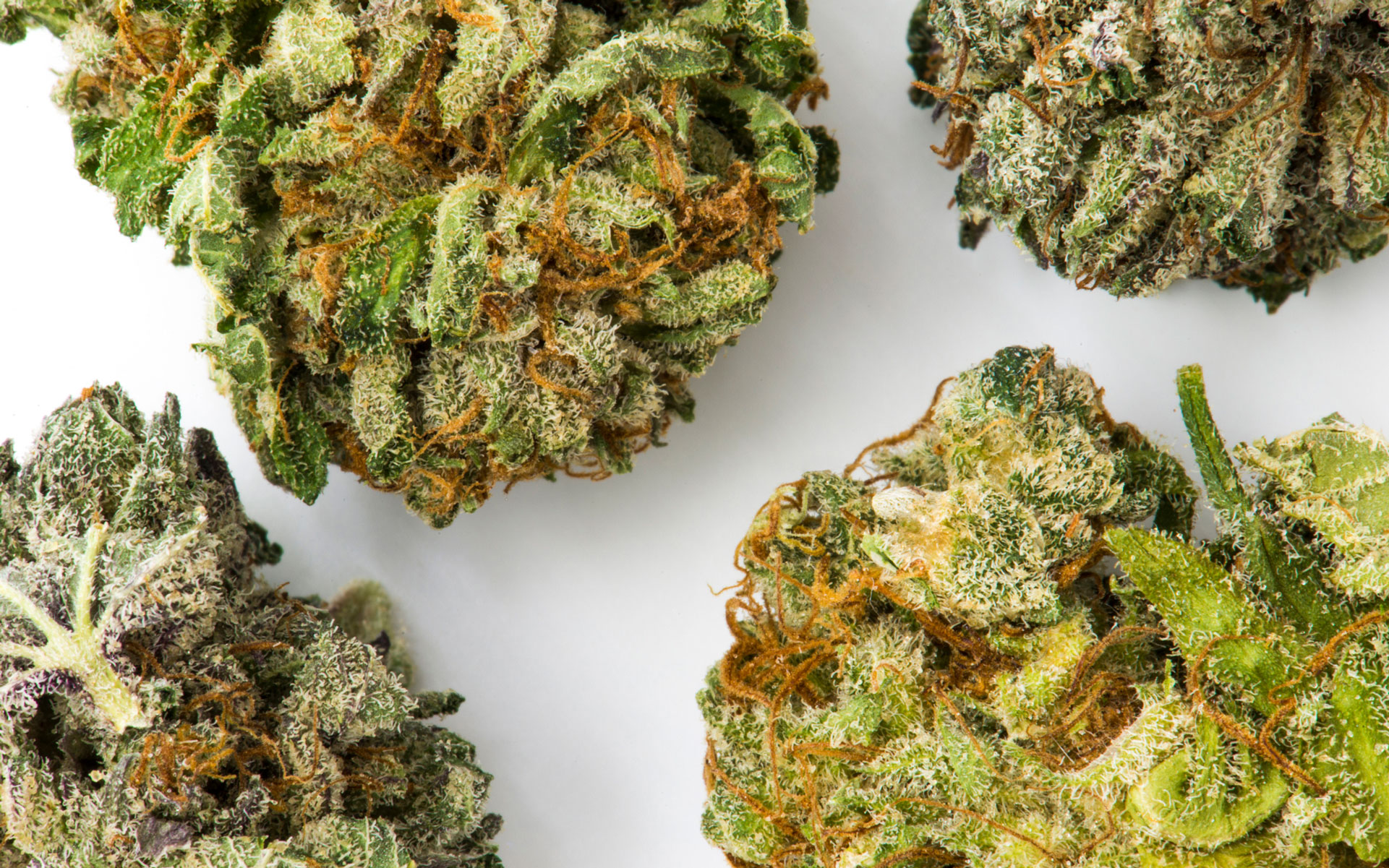
- Seeded buds vs. sinsemilla: Seeded flowers are harsher, lower in potency, and filled with viable seeds. Sinsemilla (Spanish for “without seeds”) boasts denser trichomes, higher cannabinoid levels, and better flavor.
Studies from institutions like the University of Mississippi’s cannabis research program show that pollinated plants can lose 20-40% of their resin production. For commercial growers, this translates to significant economic loss; for home enthusiasts, it’s heartbreaking wasted effort. Early male identification prevents this entirely.
Expert Insight: In my experience breeding strains, males are valuable for genetics—but only if isolated. Always separate them immediately upon detection.
Timeline of Cannabis Sex Determination ⏰
Knowing when plants reveal their sex helps you plan inspections.
Vegetative Stage vs. Flowering Stage
During the vegetative phase (long days/short nights), plants focus on growth. Sex isn’t obvious yet. Once triggered into flowering (12/12 light cycle for photoperiod strains or age for autoflowers), reproductive structures appear.
When Do Cannabis Plants Reveal Their Sex?
- Photoperiod strains: Pre-flowers often show 4-6 weeks into vegetation or 1-2 weeks after switching to 12/12.
- Autoflowers: Sexing possible around 3-4 weeks from seed, as they flower automatically.
Variations exist—sativas may take longer than indicas. The “magic window” for earliest detection is the pre-flower stage.
The Magic Window: Pre-Flowers (Your Best Chance for Early Detection) 🔍
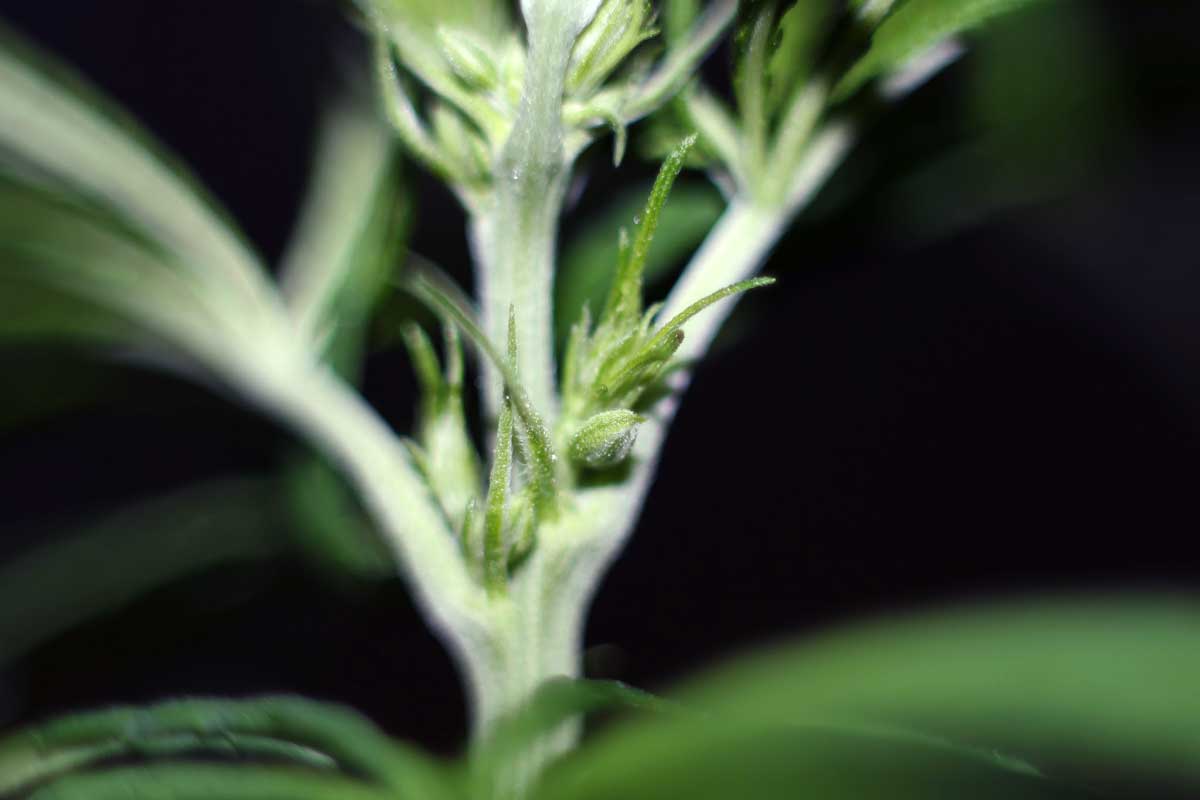
Pre-flowers are tiny primordial structures at plant nodes. Spotting them early (sometimes as soon as 3-4 weeks veg) gives you weeks of buffer before pollen release.
Step-by-Step Guide: How to Identify a Male Cannabis Plant Early 👀
This is the core skill every grower needs.
Tools You’ll Need
- A jeweler’s loupe or magnifying glass (60x-100x with LED light recommended for clarity).
- Good lighting—natural daylight or full-spectrum grow lights.
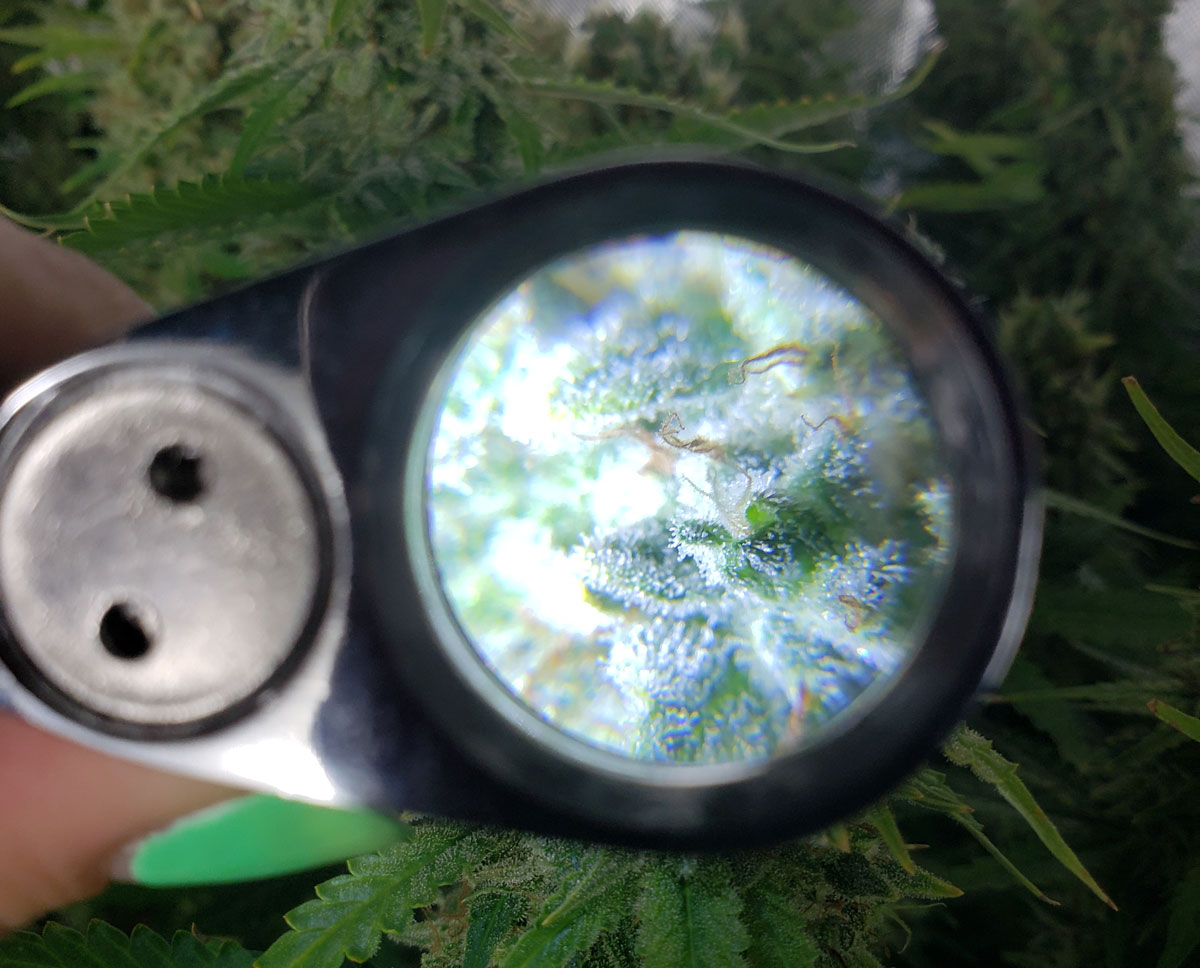
Pro tip: Cheap phone macro lenses work in a pinch, but a dedicated loupe is worth the investment.
Where to Look for Pre-Flowers
Focus on the nodes—where branches meet the main stem. Check the top 4-6 nodes and new growth tips in late veg.

Visual Differences Between Male and Female Pre-Flowers (Core Section)
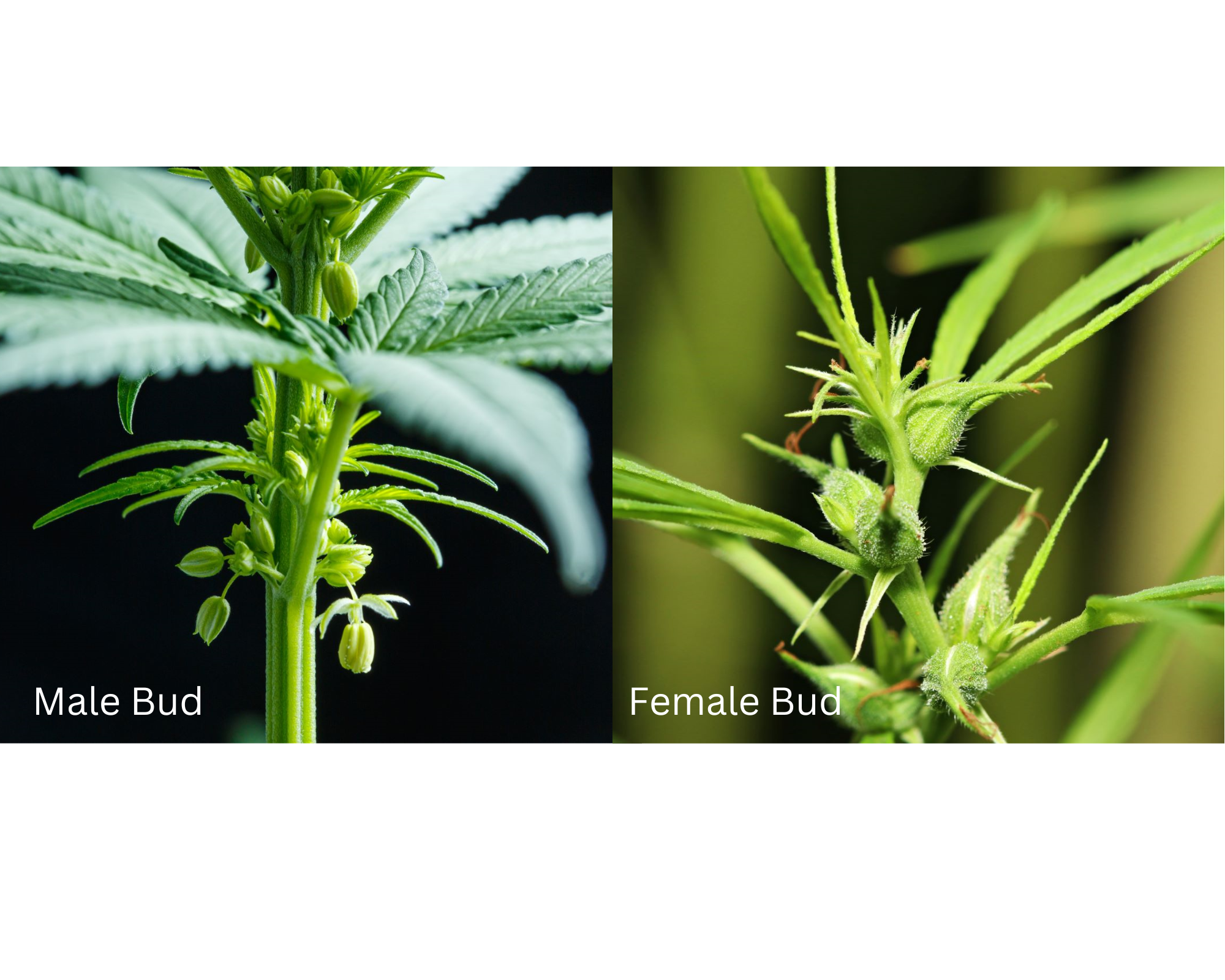
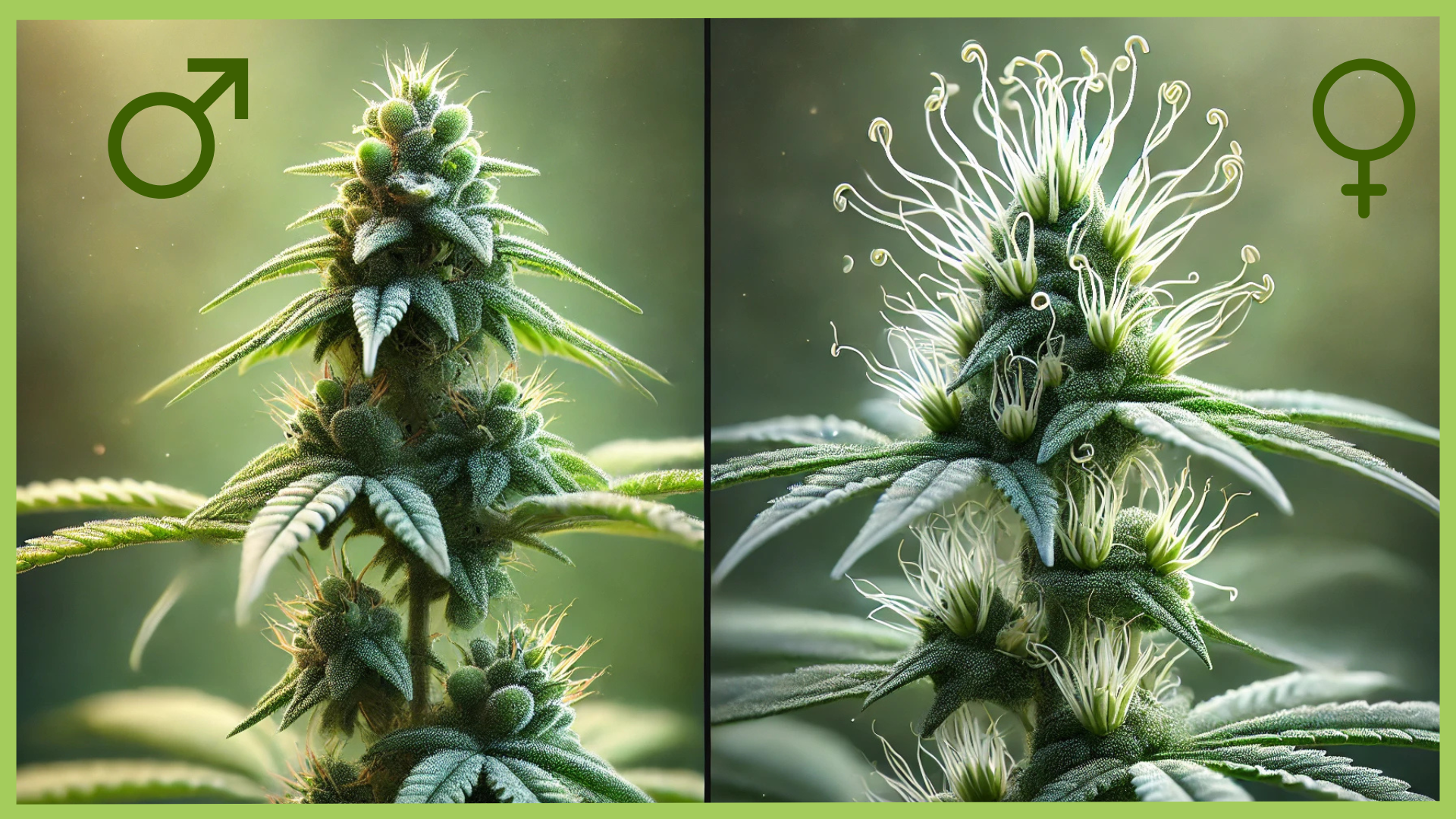
- Male pre-flowers: Small, round pollen sacs resembling tiny balls or grapes clustered on short stalks. They look like little “bananas” when mature 🍌. No white hairs (pistils).
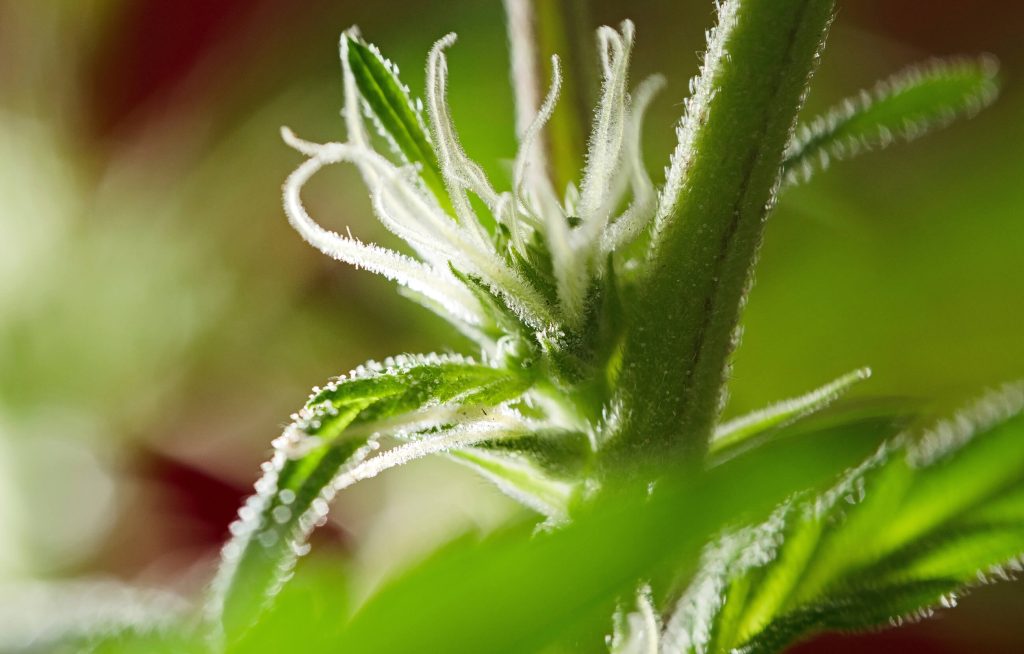
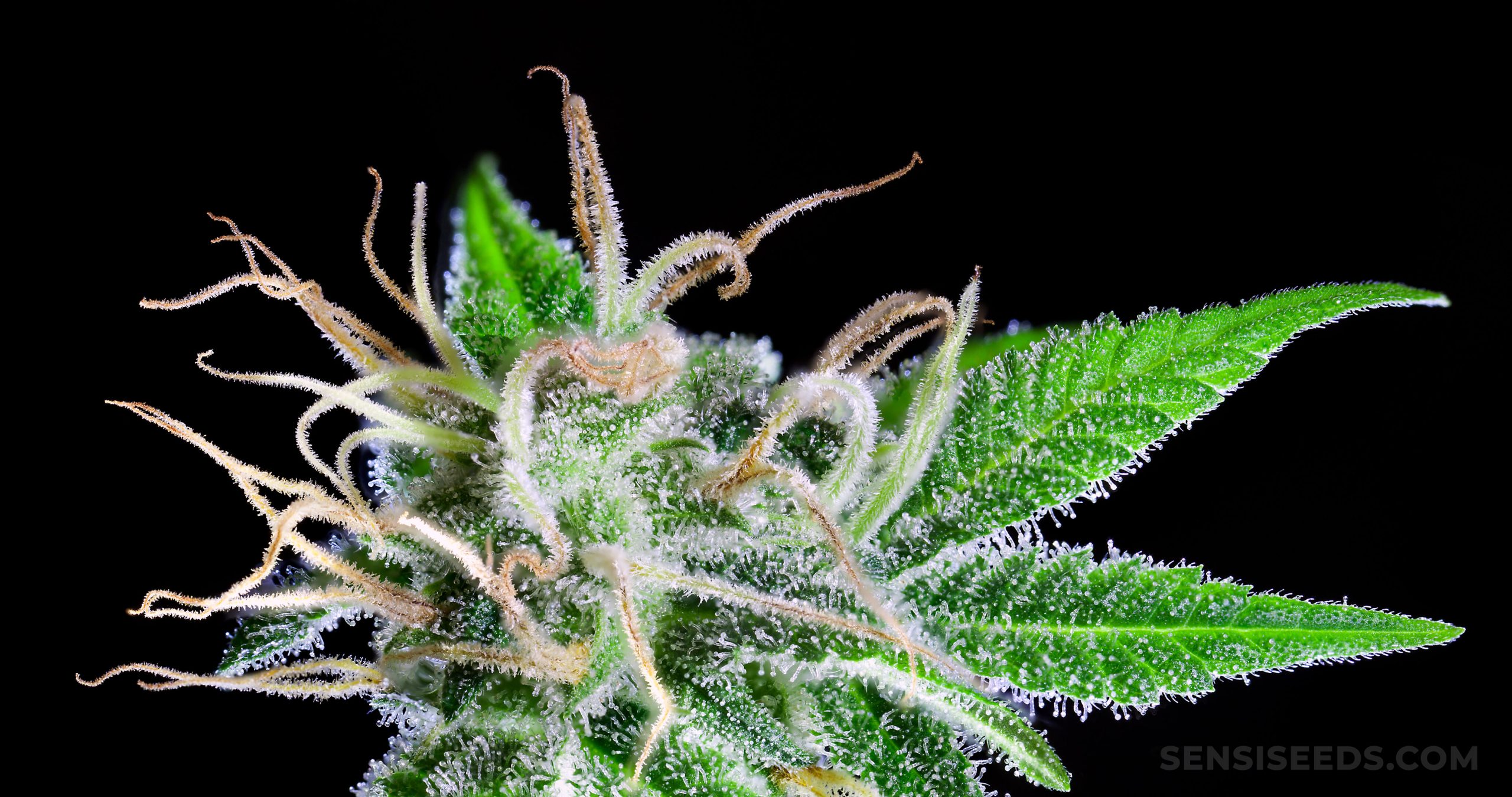
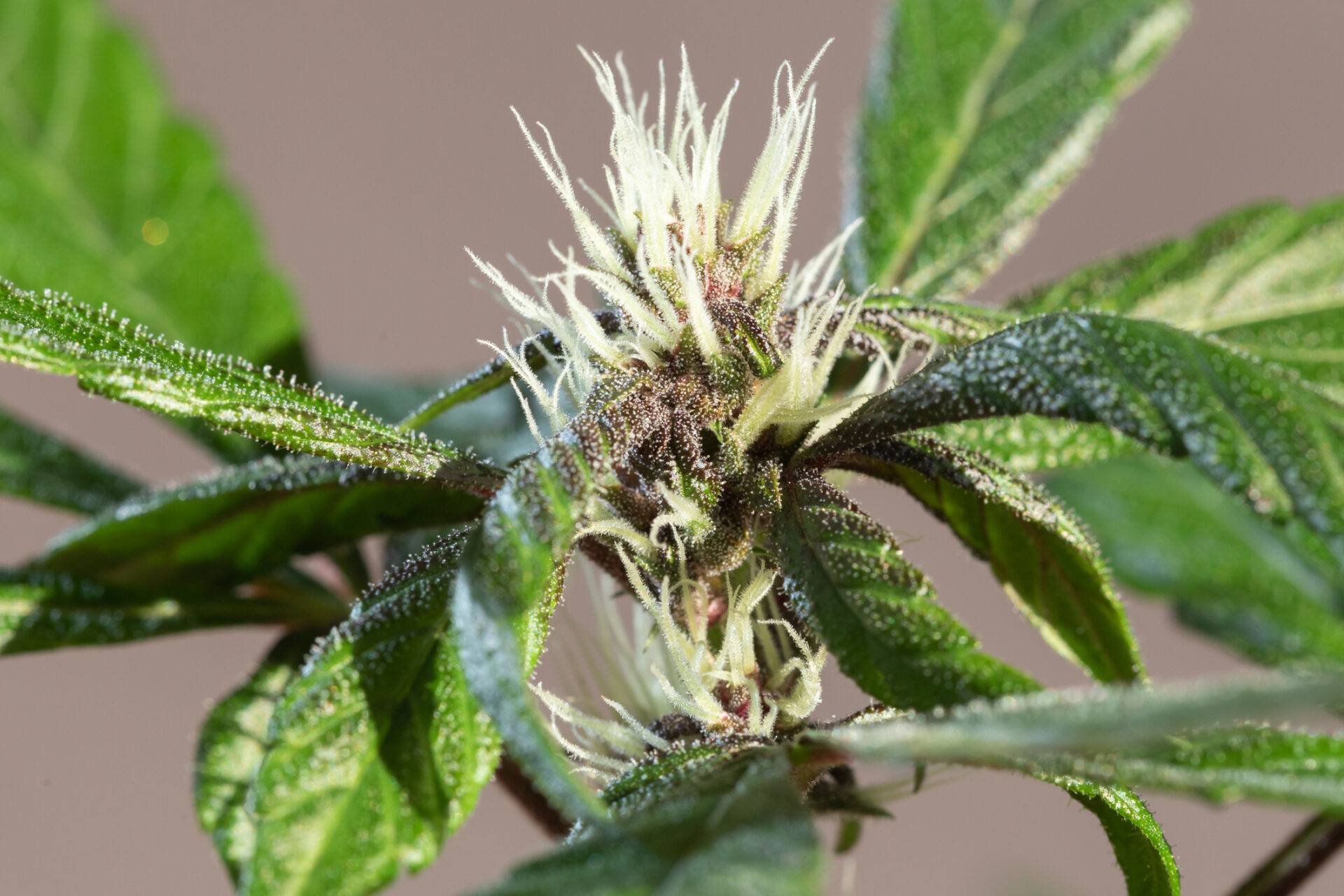
- Female pre-flowers: Teardrop-shaped calyxes with 1-2 white pistils (hairs) emerging. These hairs are wispy and white (turning orange/red later).
Quick Comparison Table
| Feature | Male Plant Cannabis | Female Plant |
|---|---|---|
| Shape | Round balls/pollen sacs 🍌 | Teardrop calyx with hairs ✂️ |
| Hairs (Pistils) | None | 1-2 white wispy hairs |
| Clustering | On stalks, grape-like | Single or paired at node |
| Maturity Sign | Sacs open to release pollen | Pistils lengthen, buds form |
Common Mistakes Beginners Make
- Mistaking a swollen female calyx (no hairs yet) for a male sac.
- Poor lighting leading to missed early signs.
- Confusing stipules (leaf-like structures) with pre-flowers.
Practice on known clones to build confidence!
Photo Guide & Real-Life Examples 📸
Visuals are invaluable for mastering male plant cannabis identification. Below, I’ve curated high-quality, real-life examples to show exactly what to look for. These close-ups come from trusted growing resources and illustrate the subtle differences.
Male Pre-Flowers Close-Up
Male pollen sacs start as small, round balls on short stalks. No pistils here—just sacs ready to burst with pollen 🍌.
Female Pre-Flowers Close-Up
Females show teardrop calyxes with emerging white pistils (hairs). These hairs catch pollen—if none arrives, you get potent sinsemilla ✂️.
Side-by-Side Comparison
Nothing beats direct comparison for training your eye.
Using a Jeweler’s Loupe
Magnification is key—here’s how it looks in practice 🔍.
Nodes and Pre-Flower Locations
Remember to check the internodes!
Seeded vs. Sinsemilla Buds (What You’re Avoiding)
Pollination turns beautiful buds into seed-filled ones—compare the difference.
Identifying Hermaphrodite Plants (Hidden Threat) ⚠️
Hermaphrodites are the stealthiest danger. A plant that appears female can develop male pollen sacs late in flowering, self-pollinating and ruining your crop.
What Causes Hermaphroditism?
Stress is the primary trigger:
- Light leaks during dark periods
- Extreme temperature fluctuations (>90°F/32°C days or <50°F/10°C nights)
- Over/under watering or nutrient burn/deficiency
- Physical damage (e.g., topping too late)
- Genetic predisposition (some strains are more prone, like certain Thai sativas)
In my consulting work, I’ve seen perfect environments produce hermies from unstable genetics—always source from reputable breeders.
Signs of Hermies
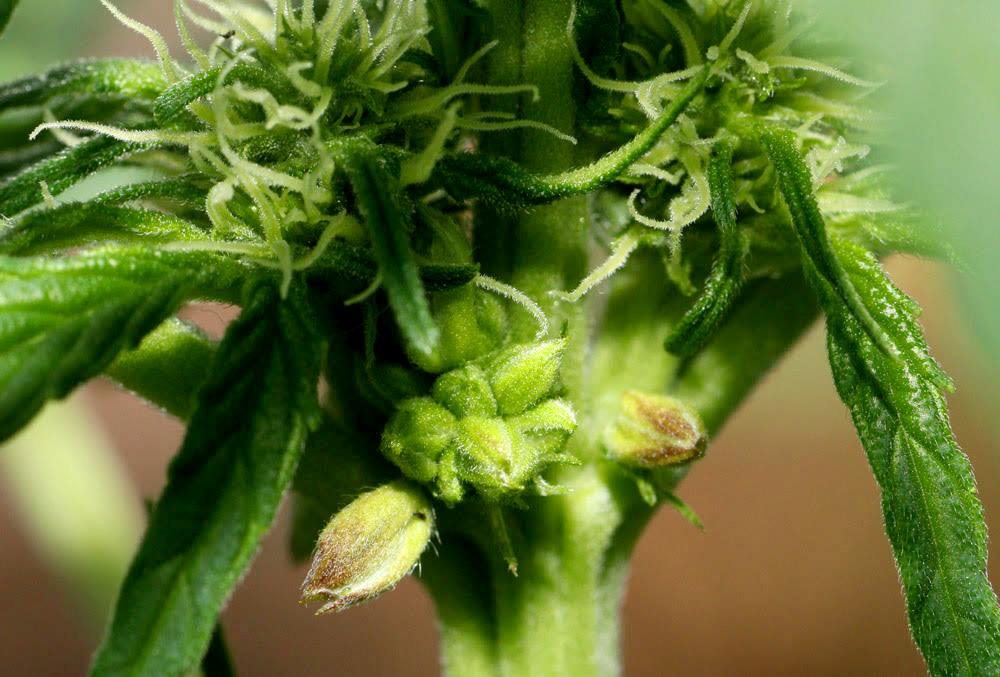
- “Bananas” (yellow, banana-shaped pollen sacs) emerging from buds mid-late flower
- Mixed structures: Pistils alongside pollen sacs on the same plant
- Clusters of sacs in colas rather than lower nodes
Prevention Tips to Reduce Hermie Risk 🌱
- Maintain consistent 12/12 light cycle (use timers, block all leaks)
- Keep temps 68-78°F (20-26°C) and humidity 40-50%
- Avoid high-stress training late in veg
- Use feminized seeds from trusted sources
- Monitor pH and EC to prevent nutrient lockout
What to Do Once You Spot a Male (or Hermie) ✂️
Act fast—pollen can release in days.
Safe Removal Techniques
- Turn off fans to minimize air movement.
- Gently mist the plant (pollen sticks when wet).
- Carefully bag the entire plant (large trash bag works).
- Cut at the base and seal the bag immediately.
- Remove from grow area and dispose far away.
For hermies in flower: Pluck bananas daily if you want to salvage, but removal is safest.
Can You Use Male Plants?
Absolutely—not all is lost!
- Breeding: Pollen for creating new strains.
- Hash/extracts: Collect kief from males for concentrates.
- Companion planting: Some growers use males to deter pests (hemp context).
- Fiber/juice: Stems for textiles, leaves for juicing (nutrient-rich).
Expert Tip Box: Never compost males or hermies near your garden—pollen can survive months!
Advanced Tips for Foolproof Sexing 🔬
Using Lab Testing or Genetic Sexing Kits
Commercial kits (e.g., DNA-based leaf tests) detect sex as early as 1-2 weeks from seed. Ideal for large operations.
Clones vs. Seeds: Why Clones Are Safer for Feminized Grows
Clones inherit the mother’s sex—100% female if from a verified female. Seeds always carry ~50% male risk (unless feminized).
Strain-Specific Traits That Affect Early Identification
- Indicas: Often show sex earlier, compact pre-flowers.
- Sativas: Later sexing, stretched nodes.
- Autoflowers: Faster timeline—check by week 3-4.
Seasonal & Environmental Factors That Influence Sex Expression 🌤️
Environment can subtly influence sex ratios:
- Higher nitrogen in veg may favor females (anecdotal, but noted in older studies).
- Extreme heat stress increases hermie rates.
- Outdoor growers: Watch for early fall light changes triggering pre-flowers.
For indoor: Perfect control = reliable sexing.
Frequently Asked Questions (FAQ) ❓
How early can you reliably sex cannabis plants? With practice and magnification, as early as 3-4 weeks from seed in veg, or week 1 of flower.
Do all male plants produce visible pollen sacs? Yes—true males always develop sacs. If no sacs by week 3-4 of flower, it’s likely female.
Can a female plant turn male? No, but stress can cause females to become hermaphroditic (develop male parts).
Are feminized seeds 100% female? 99%+ from reputable breeders, but rare hermies occur due to genetics/stress.
What if I miss a male and it pollinates my crop? Harvest early if possible. Seeded buds are still usable (lower potency), and seeds can start your next grow.
Best magnification tool for beginners? 60x-100x LED jeweler’s loupe (~$10-20)—portable and clear.
Conclusion 🌟
Identifying a male plant cannabis early is one of the most valuable skills in cultivation. By spotting pre-flowers, understanding timelines, and acting decisively, you’ll protect your females, maximize potency, and enjoy seed-free, trichome-packed harvests every time.
Regular inspections, good tools, and stable conditions are your best allies. You’ve now got the comprehensive knowledge—far beyond basic guides—to confidently sex your plants and avoid pollination disasters.
Happy growing! Share your success stories or questions in the comments below. Your next harvest is going to be epic 🚀🌿











