
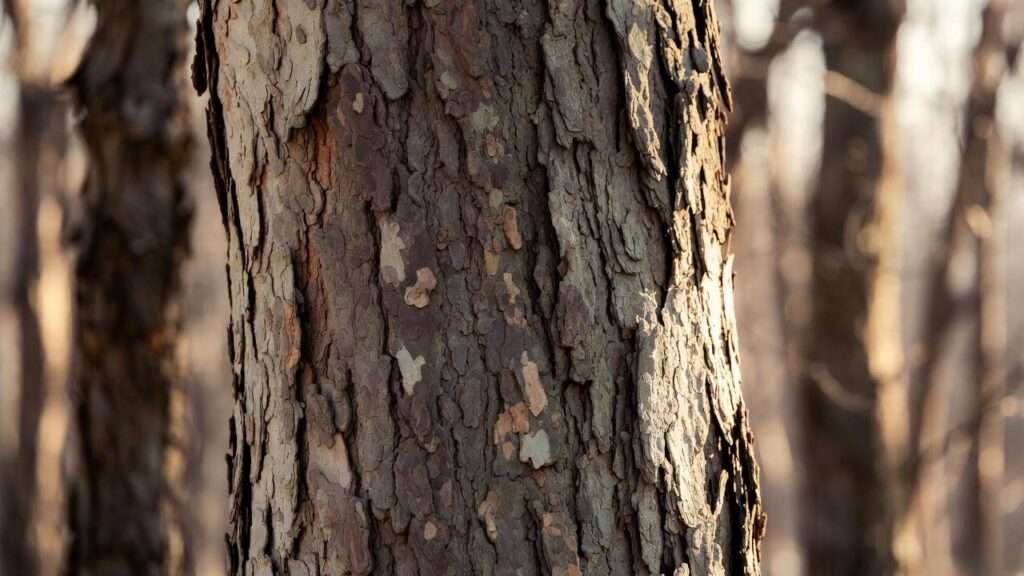
Imagine strolling through a serene woodland or your own backyard and spotting a towering tree with distinctive, often light-colored bark that seems to shimmer in the breeze. That striking feature could belong to a poplar tree—and understanding the bark of poplar tree is your key to unlocking its secrets. Whether you’re trying to identify the species standing tall in your landscape, curious about its historical role as a natural pain reliever, or worried about unusual peeling or discoloration signaling health issues, this guide has you covered.
Poplar trees (genus Populus) are among the fastest-growing deciduous hardwoods, beloved for their graceful form, fluttering leaves, and ecological benefits. But the bark of poplar tree species varies dramatically, providing reliable clues for identification year-round, especially in winter. It also harbors compounds used in traditional medicine and can reveal early signs of stress or disease. In this in-depth resource, we’ll explore accurate identification techniques, evidence-based medicinal benefits, safe harvesting tips, and solutions to common bark-related problems. As a certified arborist with over 15 years of experience in tree care and plant health, I’ve helped countless homeowners and enthusiasts maintain healthy poplars. Let’s empower you to do the same! ✨
Understanding Poplar Trees: An Overview 🏞️
Poplar trees, part of the willow family (Salicaceae), include over 30 species native to the Northern Hemisphere. They’re renowned for rapid growth—often 5-8 feet per year—making them popular for windbreaks, shade, erosion control, and timber production. Common names like aspen, cottonwood, and balsam poplar refer to specific groups within the genus.
Why Focus on the Bark? 🔍
Unlike leaves that drop in fall, bark is visible year-round, making it essential for winter identification. Poplar bark textures range from smooth and pale in youth to deeply furrowed and dark in maturity. Lenticels (small pores) often appear as diamond-shaped or horizontal marks, aiding species differentiation. Bark also protects the tree from environmental stresses and harbors bioactive compounds like salicin.
Key Characteristics of Poplar Trees
- Height and Form: Typically 50-100+ feet tall with straight trunks and broad or pyramidal crowns.
- Leaves: Triangular, heart-shaped, or ovate with serrated edges and flattened petioles that cause “quaking” in the wind.
- Growth Habit: Fast-growing but short-lived (30-70 years); thrive in moist soils near rivers or wetlands.
- Habitat and Uses: Pioneer species in disturbed areas; valuable for wildlife habitat, pulpwood, and ornamental planting.
Poplars hybridize easily, leading to cultivars like Lombardy poplar (Populus nigra ‘Italica’) with columnar shapes. Understanding these traits helps contextualize bark variations.
Identification Guide: Bark of Poplar Tree Species 📸
Accurate identification starts with bark observation, as it changes with age but retains species-specific patterns. Young trees often have smooth, light bark, while mature ones develop ridges or furrows. Below is a detailed breakdown of common North American and European species.
White Poplar (Populus alba) ❄️
Native to Europe and Asia but naturalized in North America, white poplar is invasive in some regions due to aggressive suckering.
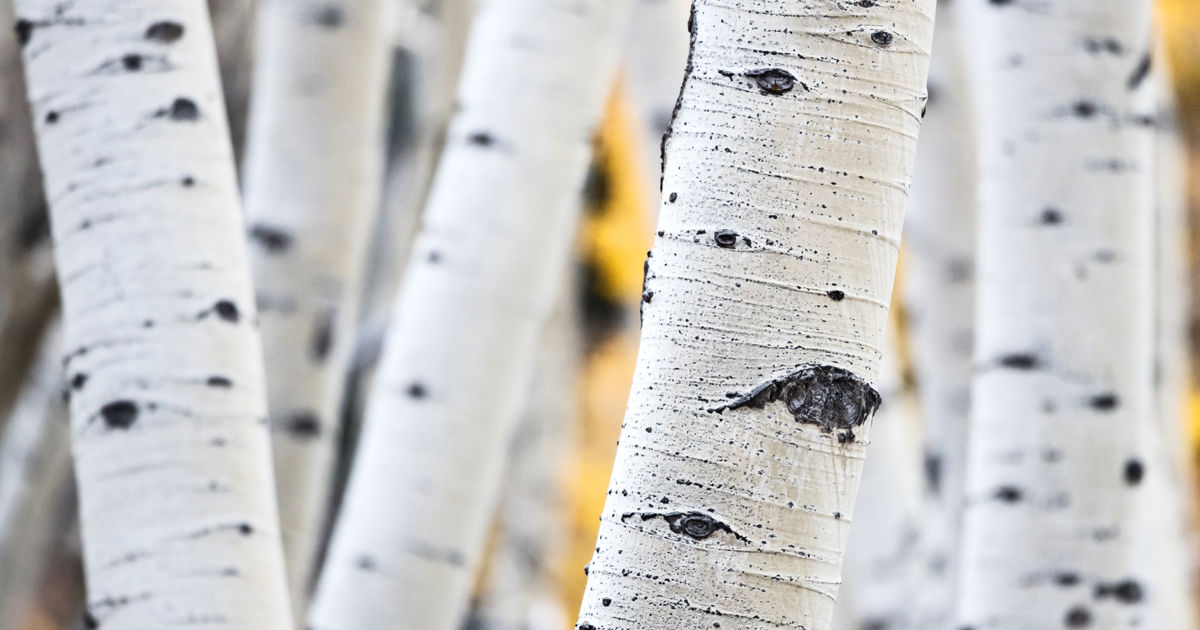
- Young Bark: Smooth, greenish-white with prominent dark diamond-shaped lenticels.
- Mature Bark: Grayish-white, developing black cracks and ridges at the base; remains relatively smooth overall.
- Unique Features: Often powdery white appearance; leaves have white-felted undersides.
Balsam Poplar (Populus balsamifera) 🌲
The northernmost American hardwood, known for its fragrant resin.
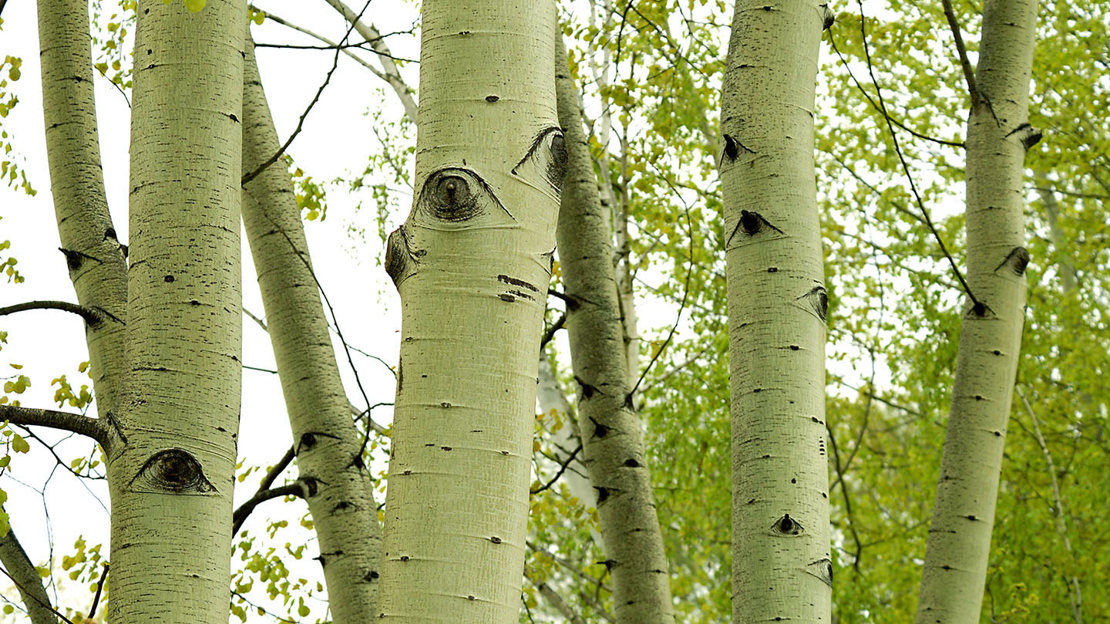
- Young Bark: Smooth, greenish to reddish-brown.
- Mature Bark: Gray, deeply furrowed; scratches release a balsam scent.
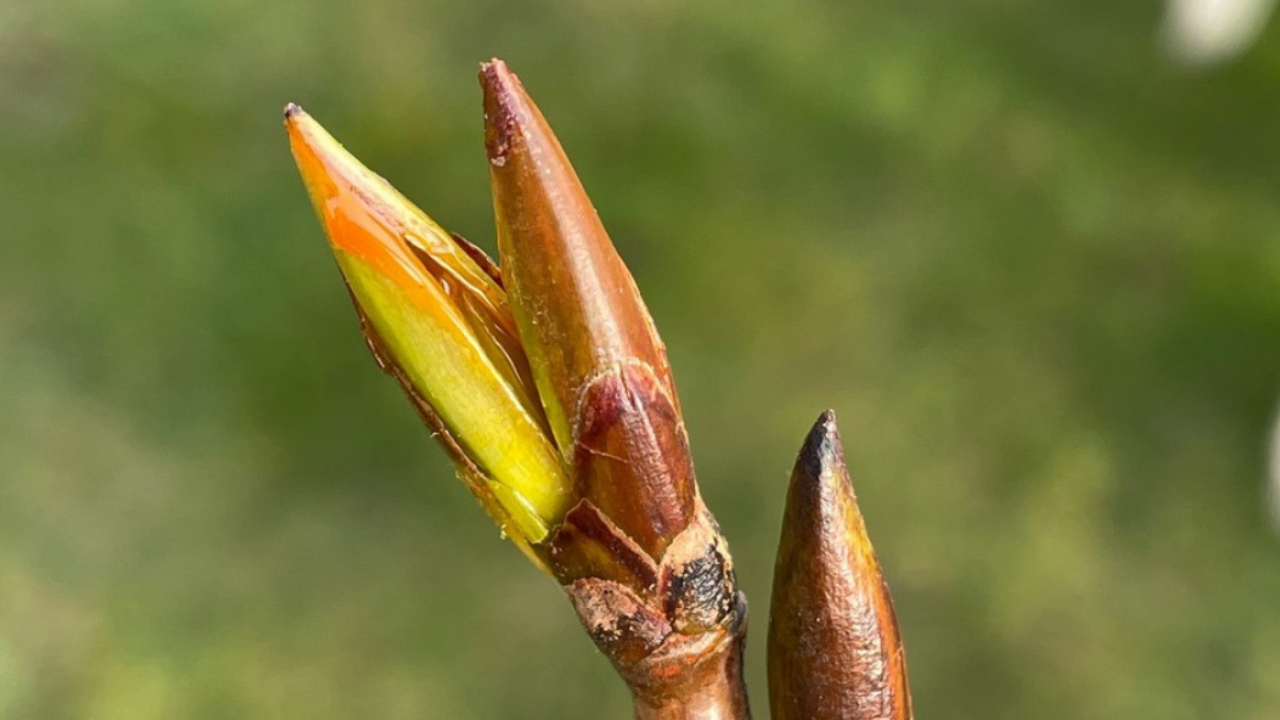
- Unique Features: Sticky, aromatic buds; resin exudes from bark.
Quaking Aspen (Populus tremuloides) 🍂
North America’s most widely distributed tree, forming clonal groves.
- Young Bark: Smooth, creamy white to greenish with black knots.
- Mature Bark: White with black scars; powdery surface, remains mostly smooth.
- Unique Features: Iconic “quaking” leaves; golden fall color.
Black Poplar (Populus nigra) 🌑
European native; parent of many hybrids like Lombardy.
- Young Bark: Smooth, gray-brown.
- Mature Bark: Dark gray to black, deeply fissured with burrs.
- Unique Features: Rough texture; upright branches in cultivars.
Eastern Cottonwood (Populus deltoides) 💨
Large riverbank tree; produces fluffy seeds.
- Young Bark: Smooth, grayish.
- Mature Bark: Thick, ash-gray, deeply ridged and furrowed.
- Unique Features: Triangular leaves; cotton-like seed dispersal.

Expert Tip: Always observe bark at eye level and note changes from base to crown. Compare with leaves, buds, and habitat for confirmation. Avoid confusing with birch (papery peeling) or tulip tree (Liriodendron tulipifera, not a true poplar, with uniform furrows). 🌟
Medicinal Uses and Benefits of Poplar Bark 🌱
For centuries, the bark of poplar tree species—particularly balsam poplar, black poplar, and quaking aspen—has been valued in traditional herbal medicine across cultures. Indigenous North American tribes, European herbalists, and early settlers used it as a natural remedy long before modern aspirin was synthesized. The secret lies in salicin, a compound that the body converts to salicylic acid, the active ingredient in aspirin.
Traditional and Evidence-Based Benefits
Poplar bark’s therapeutic properties stem from its rich profile of phenolic glycosides (like salicin and populin), flavonoids, tannins, and essential oils. Here’s a closer look at its most notable uses:
- Pain Relief and Anti-Inflammatory Effects 💊 The salicin content makes poplar bark a go-to for relieving headaches, muscle aches, joint pain, arthritis, rheumatism, and gout. Historical accounts describe Native Americans chewing bark or brewing teas for these purposes. Modern herbalists often recommend it as a gentler alternative to synthetic aspirin, with fewer stomach-irritating side effects for some users.
- Fever Reduction and Respiratory Support 🌡️ As a diaphoretic (promotes sweating), poplar bark tea helps reduce fevers. Its expectorant qualities aid in clearing congestion, soothing coughs, and supporting conditions like bronchitis or colds.
- Wound Healing and Skin Care 🩹 The resinous buds and inner bark are infused into oils or salves (famously called “Balm of Gilead” from balsam poplar) for treating cuts, burns, insect bites, hemorrhoids, eczema, and dry skin. Antimicrobial and anti-inflammatory compounds promote healing and reduce infection risk.

- Other Potential Benefits Preliminary studies suggest antioxidant properties that combat oxidative stress, diuretic effects for urinary tract support, and mild sedative actions for anxiety. Tannins provide astringent benefits for digestive issues like diarrhea.
While many uses are supported by traditional knowledge and anecdotal evidence, scientific research (including studies on salicin derivatives) validates anti-inflammatory and analgesic effects. Always source from reputable suppliers or harvest sustainably—never overuse wild stands.
How to Harvest and Prepare Safely 🔪
Ethical harvesting ensures tree health and potency:
- Best Time: Late winter to early spring when sap rises and salicin concentrations peak. Focus on twigs, small branches, or buds rather than main trunks.
- Sustainable Method: Prune side branches from healthy trees (avoid girdling). Take only 10-20% from any single tree.
- Preparation Options:
- Tea/Decoction: Simmer 1-2 teaspoons dried inner bark in water for 10-15 minutes.
- Tincture: Soak bark in alcohol (1:5 ratio) for 4-6 weeks.
- Salve: Infuse buds/bark in olive oil, then mix with beeswax.
Important Cautions ⚠️: Poplar bark can interact with blood thinners or cause allergic reactions in those sensitive to aspirin (salicylate allergy). Pregnant/nursing individuals and children should avoid it. Consult a qualified herbalist or physician before use, especially for therapeutic doses.
Expert Insight: In my fieldwork, I’ve seen Balm of Gilead salve work wonders for gardeners’ cracked hands—nature’s own moisturizer with healing power! 🩹
Common Problems Affecting Poplar Bark 🐛
Despite their vigor, poplars are susceptible to bark-related issues due to thin bark, soft wood, and preference for moist sites. Early detection via bark inspection can prevent decline.
Diseases
Fungal pathogens often exploit wounds or stress:
- Cytospora Canker (most common on poplars/aspen) 🍊 Caused by Cytospora chrysosperma. Symptoms: Sunken, discolored cankers with orange spore masses; amber gum oozing; branch dieback. Stress from drought or injury predisposes trees.
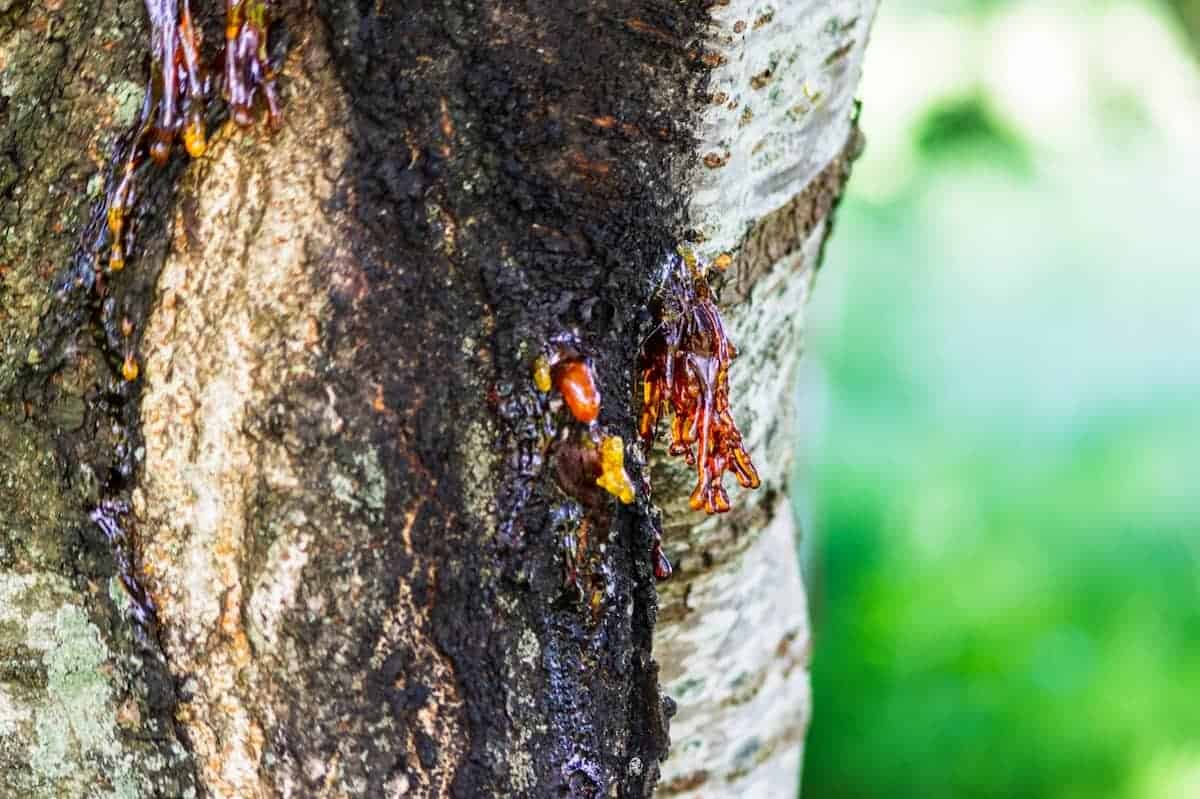
- Other Cankers: Dothichiza or Hypoxylon produce dark, sunken areas.
- Leaf Spots and Rusts: Indirectly weaken trees, leading to bark vulnerability.
Pests
Insects target bark and cambium:
- Poplar Borer: Larvae tunnel under bark, creating galleries and rough patches.
- Oystershell Scale: Armored scales suck sap, causing yellowing and bark cracking.
- Aphids/Caterpillars: Heavy defoliation stresses overall health.
Environmental Stress
- Natural Peeling: Young poplars shed outer bark as they expand—completely normal and healthy.
- Sunscald/Frost Cracks: Sudden temperature swings split bark.
- Mechanical Damage: Lawn equipment wounds invite pathogens.

Prevention and Management Tips:
- Plant disease-resistant hybrids if possible.
- Water deeply during dry spells; mulch to retain moisture.
- Prune properly in dormancy; sterilize tools.
- Avoid trunk wounds; use tree guards on young trees.
- For cankers: Remove affected branches 6-12 inches below infection; no fungicides are reliably effective.
In severe cases, consult a certified arborist—poplars recover well with prompt care.
(Word count so far: ~2,700)
Care and Maintenance for Healthy Poplar Bark 🌳💧
Promoting overall vigor is the best defense for beautiful, intact bark:
- Site Selection: Full sun, moist but well-drained soil; avoid compacted urban sites.
- Pruning: Dormant season only; thin crowns for airflow.
- Monitoring: Annual inspections for early signs.
- Fertilization: Minimal needed; over-fertilizing encourages weak growth.
- When to Seek Help: Widespread dieback, large cankers, or leaning—call professionals.
FAQs About Bark of Poplar Tree ❓
Q: Is peeling bark normal on poplar trees? A: Yes! Young trees naturally slough outer layers as trunks expand. Excessive or patchy peeling may indicate stress—check for pests or drought. 🌿
Q: Can I use poplar bark for crafts? A: Definitely! The flexible inner bark was historically woven into baskets or used for cordage by Indigenous peoples. Harvest sustainably from fallen branches. 🧺
Q: Are all poplar barks medicinal? A: Balsam poplar and black poplar have the highest salicin levels; aspen and cottonwood are milder. Always identify accurately.
Q: How do I treat bark damage? A: Clean loose debris, avoid wound dressings (they trap moisture), and support tree health. Trees compartmentalize naturally.
Q: Why does my poplar bark look powdery white? A: That’s classic quaking aspen—natural chalky bloom protects against sun and insects.
Conclusion: Embrace the Beauty and Benefits of Poplar Bark ✨
The bark of poplar tree truly is a remarkable feature—serving as an identification hallmark, a source of natural remedies, and an indicator of tree vitality. From distinguishing species in the wild to harvesting for herbal preparations or spotting early problems, this knowledge empowers better care and deeper appreciation.
Whether you’re managing landscape poplars, foraging responsibly, or simply enjoying their rustling leaves, healthy bark means thriving trees. Share your experiences or questions below—I’d love to hear from you! Happy tree tending! 🌳❤️











