
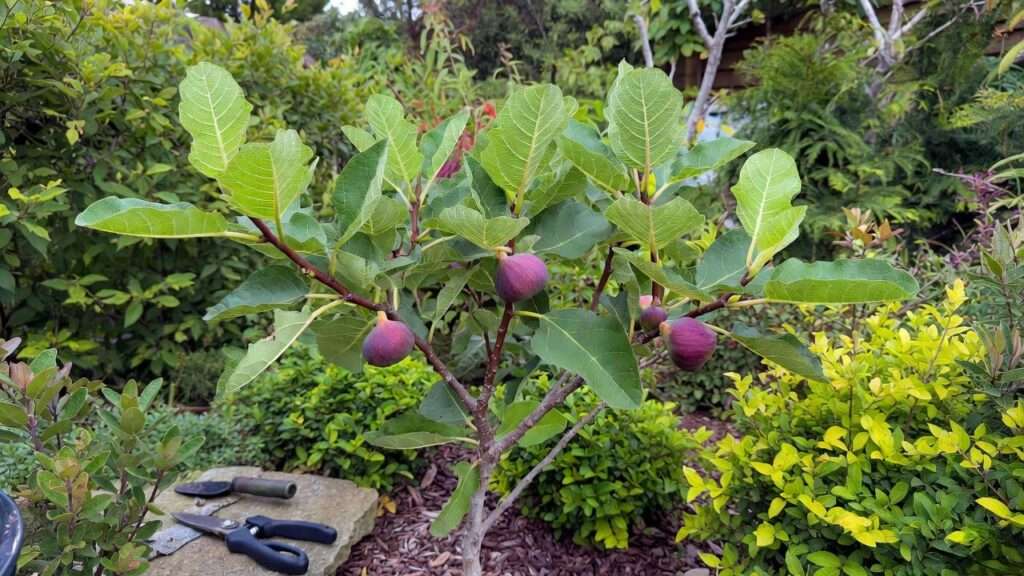
Imagine biting into a massive, tangerine-sized fig bursting with berry-honey sweetness and rich red-violet flesh—all grown in your own backyard, even if you live in a region with short summers and freezing winters. For too long, gardeners in cooler climates have dreamed of fresh, homegrown figs while settling for expensive store-bought ones that lack true ripeness and flavor. The Olympian fig plant changes everything. This ultra-cold-hardy variety (Ficus carica ‘Olympian’) reliably produces bountiful, gourmet-quality crops in USDA zones 6–10, often delivering two harvests where traditional figs falter. Discovered in Olympia, Washington, and award-winning for its exceptional performance, the Olympian fig plant is the perfect solution for cool-climate growers seeking abundant, delicious fruit without the frustration of poor ripening or winter kill. In this ultimate guide, drawing from horticultural expertise, USDA-verified details, and real-world grower successes, you’ll learn exactly how to cultivate a thriving Olympian fig plant. Let’s unlock your fig-growing potential! 🌱✨
What Makes the Olympian Fig Plant So Special? 🌟
The Olympian fig stands out as one of the most remarkable cold-hardy fig varieties available today, combining superior fruit quality with resilience in challenging climates.
Origins and Discovery 🗺️
The Olympian fig plant was discovered by retired biologist Denny McGaughy in a sheltered location in Olympia, Washington—a region known for its cool, wet conditions. In collaboration with USDA geneticist Malli Aradhy at the National Clonal Germplasm Repository, DNA testing confirmed it as a unique heirloom variety, unmatched among over 200 known figs in their collection. Introduced commercially in 2014, it quickly earned the Retailers’ Choice Award at the Far West Show for its outstanding flavor and hardiness. This origin story underscores its natural adaptation to cooler, coastal environments. 🍃

Key Characteristics 🍈
- Fruit: Exceptionally large (often tangerine-sized or bigger), with thin violet-purple skin and intensely sweet red-to-violet flesh described as berry-honey or sugar-flavored—far superior to many common varieties.
- Yield: Highly prolific, producing a reliable breba (early summer) crop on old wood and a potential main crop in late summer/fall on new growth, even in short-season areas.
- Growth Habit: Compact and bushy, typically reaching 6–10 feet tall and wide (prunable for smaller spaces), making it ideal for gardens, patios, or containers.
- Cold Hardiness: Among the toughest figs, surviving temperatures down to 0°F (or lower with protection); roots regenerate vigorously if tops die back, ensuring continued production.
Olympian Fig vs. Chicago Hardy: Which is Better for Cooler Climates? ⚔️
Many gardeners compare these two popular cold-hardy figs. Here’s a detailed breakdown based on grower reports and nursery data:
| Feature | Olympian Fig Plant | Chicago Hardy (Ronnie) |
|---|---|---|
| Cold Tolerance | Zone 6 (down to 0°F; roots survive lower) | Zone 5–6 (similar, but more frequent dieback) |
| Fruit Size & Flavor | Larger (tangerine-sized), sweeter (berry-honey) | Medium, good strawberry flavor but less intense |
| Ripening in Cool Areas | Excellent breba + reliable main crop | Mostly breba; main crop often unreliable in cool summers |
| Yield & Productivity | Higher overall, prolific even in PNW/coastal | Reliable but lower volume in marginal climates |
| Overall Recommendation | Top choice for maximum flavor, size, and dual crops in zones 6–7 | Great entry-level hardy fig, but Olympian superior for quality |
While Chicago Hardy is a solid performer, the Olympian fig plant edges it out for superior taste, larger fruit, and better dual-crop potential in cooler climates. 🌡️
Choosing the Perfect Location and Planting Your Olympian Fig Plant 🏡🌞
Success starts with site selection—figs crave heat and sun to ripen properly.
Ideal Site Selection ☀️
- Sunlight: Full sun with at least 8 hours daily; more is better for fruit sweetness and yield.
- Microclimate: Plant against a south-facing wall or in a protected corner to capture reflected heat and shield from winds—crucial in cooler zones.
- Soil: Well-drained loamy soil with pH 6.0–6.5; avoid heavy clay or low spots prone to waterlogging, as figs despise wet feet.
Planting Step-by-Step (In-Ground or Container) 🛠️
- Best Time: Spring, after the last frost, to give roots time to establish.
- In-Ground Planting: Dig a hole twice as wide as the root ball and slightly higher than nursery level to prevent sinking. Amend with compost for nutrients and drainage.
- Container Growing: Use 15–20 gallon pots (or larger) with drainage holes—perfect for zone 6 mobility. Repot every 2–3 years or root-prune for longevity.
- Expert Tip: Apply a 3–4 inch layer of organic mulch (bark or straw) around the base to retain moisture, suppress weeds, and moderate soil temperature. Avoid piling mulch against the trunk to prevent rot. 🌳
Essential Care: Watering, Fertilizing, and Soil Needs 💧🌱
Proper ongoing care is the foundation for a healthy, productive Olympian fig plant. Figs are relatively low-maintenance once established, but attention to water, nutrients, and soil conditions will maximize fruit size, sweetness, and overall vigor—especially in cooler climates where growth windows are shorter.
Watering Schedule 🚰
The Olympian fig plant is moderately drought-tolerant thanks to its deep root system, but consistent moisture is key during establishment and fruit development to prevent dropped figs or split fruit.
- Young Plants (First 1–2 Years): Water deeply 1–2 times per week, providing 1–2 inches of water each time. This encourages deep rooting, which improves cold hardiness and drought resistance later.
- Established Trees: Reduce to deep watering every 7–10 days in summer, allowing the top 2–3 inches of soil to dry out between sessions. In cooler, rainy climates, natural precipitation often suffices.
- Container-Grown: Check weekly—pots dry out faster. Water until it drains from the bottom, but never let the plant sit in standing water.
- Signs of Issues: Wilting or yellowing leaves can indicate overwatering (leading to root rot), while dry, curling leaves signal underwatering.
- Pro Tip: Use a moisture meter or finger test for accuracy. In hot spells or during fruit swell, increase frequency slightly for plumper, juicier figs. 🍉

Fertilizing for Bountiful Harvests 🍌
Figs aren’t heavy feeders, but balanced nutrition supports vigorous growth and heavy cropping without excessive vegetative flair that reduces fruiting.
- Timing: Fertilize in early spring as buds swell, with an optional light follow-up in midsummer for the main crop.
- Recommended Fertilizers:
- Balanced slow-release granular (e.g., 10-10-10 or 8-8-8) at half the recommended rate for fruit trees.
- Organic options: Compost tea, well-rotted manure, or fish emulsion for micronutrients.
- Avoid high-nitrogen formulas—these promote leaves over fruit.
- Application: Spread around the drip line (not against the trunk) and water in well. For containers, use liquid feeds monthly during the growing season.
- Expert Insight: In cooler climates, skip late-season feeding to allow wood to harden off before winter. Over-fertilizing can make plants more susceptible to cold damage.
Soil and Maintenance Basics 🪴
- Ideal Soil: Rich, well-drained loam amended with organic matter. Olympian figs tolerate a wide pH (6.0–7.0) but prefer slightly acidic to neutral.
- Amendments: Incorporate compost annually to improve drainage and fertility. In clay soils, raise beds or add perlite/sand.
- Mulching: 3–4 inches of organic mulch retains moisture, suppresses weeds, and protects roots in winter.
- Common Note: Fig mosaic virus is common but harmless—crinkled leaves don’t affect fruit quality. Source virus-free stock from reputable nurseries for cleaner aesthetics.
Pruning and Training Your Olympian Fig Tree ✂️🌳
Pruning is essential for size control, airflow, light penetration, and maximizing fruit production on new wood.
When and Why to Prune ⏰
- Primary Time: Late winter or early spring while dormant—avoids sap bleed and allows healing before growth.
- Secondary: Light summer pinching to encourage branching.
- Benefits: Improves fruit quality, prevents disease, and maintains manageable size (especially important for container or protected winter setups).
Techniques for Cooler Climates ❄️
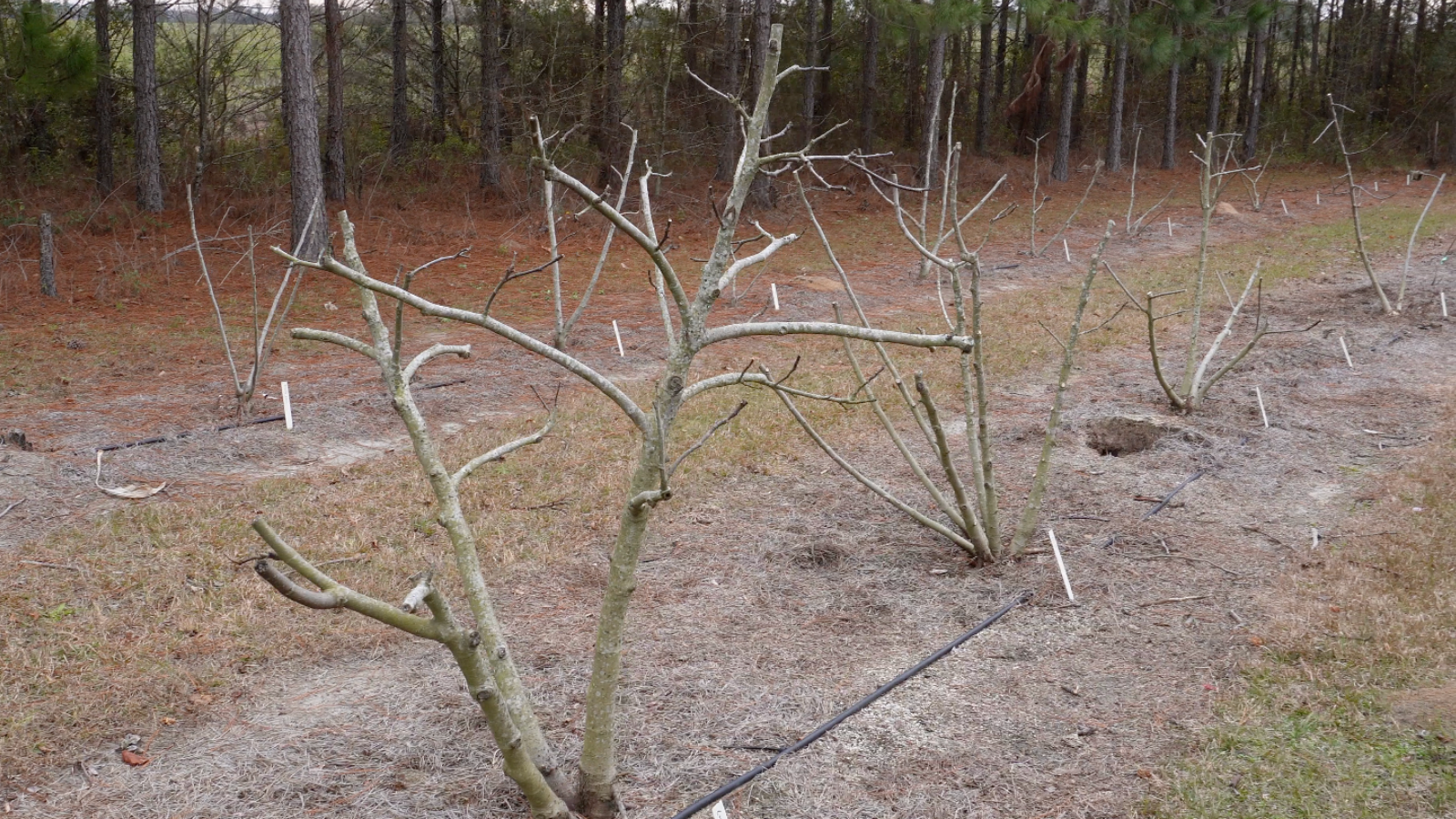
- Bush Form (Recommended for Zone 6): Train to 4–6 main stems from the base. This low profile allows easy winter protection and quick regrowth from roots if tops freeze.
- Open Center or Modified Tree Form: For milder microclimates—remove inward-growing branches for vase shape.
- Step-by-Step Pruning:
- Remove dead, damaged, or crossing branches.
- Thin crowded areas for airflow.
- Shorten long whips by 1/3 to encourage fruiting spurs.
- Keep height under 8–10 feet for easy harvest and covering.
- Summer Tip: Pinch tip growth after 5–6 leaves to redirect energy to figs.
- Expert Insight: In dieback-prone areas, don’t over-prune—leave extra wood as “insurance” for regrowth.
Winter Protection: Thriving Through Cold Snaps 🧣❄️
The Olympian fig plant’s legendary hardiness shines here, but proactive protection ensures consistent crops and minimizes dieback.
Proven Methods for Zone 6 and Colder 🛡️
- Mulch Heavily: Pile 12–18 inches of straw, leaves, or wood chips around the base (after ground freezes) to insulate roots.
- Wrap the Trunk: Use burlap, frost cloth, or tree wraps to prevent sunscald and frost cracks.
- Branch Protection: For young trees, bend branches down and cover with soil or a leaf blanket. For larger, build a cage filled with insulating material.
- Container Strategy: Wheel pots into an unheated garage or shed; water sparingly (once a month) to keep roots alive.
- Real Grower Experiences: Many in zone 6 report zero protection needed for roots, with full recovery and heavy breba crops even after -10°F winters.
- Bonus: Plant in a sheltered spot initially for built-in protection.

Harvesting, Pests, Diseases, and Troubleshooting 🍴🔍
The payoff for all your care comes at harvest time—nothing beats plucking sun-warmed, ultra-sweet Olympian figs straight from your tree. Understanding when and how to harvest, plus staying ahead of potential issues, ensures you enjoy every last fruit.
When and How to Harvest 🥄
The Olympian fig plant often produces two crops:
- Breba Crop (early summer, June–July): Develops on last year’s wood; usually the most reliable in cooler climates.
- Main Crop (late summer–fall, August–October): Forms on new growth; size and quantity depend on summer heat.
Signs of Perfect Ripeness:
- Fruit softens significantly (gives gently when pressed).
- Neck droops and the fig hangs downward.
- Skin color deepens to full violet-purple; slight cracking or a drop of nectar at the ostiole (bottom eye) is common.
- Flavor peak: Taste one—fully ripe figs are incomparably sweet.
Harvesting Tips:
- Pick daily during peak season to avoid bird or wasp damage.
- Twist gently or use pruners to cut the stem—avoid tearing.
- Best eaten immediately, stored in fridge 2–3 days, or preserved (dried, jammed, frozen).
- Pro Tip: Wear gloves if sensitive—fig sap can irritate skin. 🌞🍇
Common Pests and Diseases 🐛
Olympian figs are remarkably resistant, but vigilance prevents minor issues from escalating.
Pests:
- Aphids & Spider Mites: Occasional on new growth. Blast with water or apply insecticidal soap/neem oil.
- Fig Beetles or Wasps: Attracted to ripe fruit. Harvest promptly and use organza bags on clusters if needed.
- Root-Knot Nematodes: Rare in well-drained soil; plant in containers or amend heavily if suspected.
Diseases:
- Fig Rust or Blight: More common in humid, cool summers. Ensure good airflow and avoid overhead watering.
- Fig Mosaic Virus: Widespread but cosmetic—crinkled/mottled leaves don’t reduce yield or flavor. No cure; buy certified stock.
- Root Rot: Only from chronic overwatering—prevent with excellent drainage.
Prevention Strategy: Healthy, unstressed trees resist problems best. Organic neem or horticultural oil sprays early in the season keep most pests at bay.
Troubleshooting Table 🔧
| Problem | Likely Cause | Solution |
|---|---|---|
| No fruit or few figs | Too young, insufficient sun, over-pruning | Wait 1–3 years; maximize sun; prune lightly |
| Figs drop before ripening | Inconsistent watering, heat stress | Deep, regular water; mulch heavily |
| Small or bland fruit | Nutrient deficiency, lack of heat | Balanced fertilizer; warmest microclimate |
| Excessive leaf growth, few figs | Too much nitrogen | Switch to low-N or organic fertilizer |
| Winter dieback to ground | Extreme cold exposure | Protect roots; bush form regrows strongly |
| Split fruit | Heavy rain after dry spell | Consistent moisture; Olympian more resistant |
| Yellowing leaves | Overwatering or poor drainage | Improve drainage; reduce watering |
Expert Tips and Advanced Insights from Seasoned Growers 🌟
These pro strategies elevate your Olympian fig plant from good to exceptional:
- Boost Yields in Cool Climates: Plant against a dark-colored south-facing wall to absorb and radiate extra heat. Some growers notch branches lightly in spring to encourage earlier fruiting.
- Propagation Made Easy: Take 8–12 inch hardwood cuttings in late winter, dip in rooting hormone, and pot in moist soil—success rates are high for Olympian.
- Container Mastery: Use fabric pots or wheeled platforms for easy winter moving. Root-prune every 3–4 years to keep size manageable.
- Extended Harvest: Pair with early varieties like Ronde de Bordeaux or late ones like Desert King for figs from June to frost.
- Wildlife Bonus: The lush foliage attracts pollinators, and fallen figs feed birds—creating a mini ecosystem.
- Long-Term Outlook: With care, Olympian fig plants can live 50+ years, increasing in productivity over time. 🌿✨
Frequently Asked Questions (FAQs) ❓
Is the Olympian fig self-fertile? Yes—completely self-pollinating. No caprifig or wasp needed, making it ideal for home gardens anywhere. 🌸
How long until my Olympian fig plant fruits? Many produce a small breba crop in year 1–2; full production by year 3–4. Potted nursery stock often fruits sooner.
Can I grow Olympian figs indoors or as a houseplant? Absolutely! In bright south windows or under grow lights, it makes a stunning tropical-looking houseplant. Move outdoors in summer for better fruiting.
What’s the best companion variety for extended harvest? Ronde de Bordeaux (early), Improved Celeste, or Desert King pair beautifully with Olympian’s mid-to-late timing.
Does rain cause splitting like other figs? Much less than most varieties—its thinner skin holds up better during wet spells.
How tall and wide does it get? Naturally 8–10 feet, but easily kept smaller with pruning or containers.
Conclusion: Start Your Olympian Fig Journey Today! 🚀🍇
The Olympian fig plant isn’t just another cold-hardy variety—it’s the gold standard for cool-climate gardeners who refuse to compromise on flavor, size, or yield. From its proven origins in the Pacific Northwest to its ability to thrive through harsh winters and short summers, this remarkable fig delivers gourmet-quality fruit where others fail.
With the comprehensive care strategies in this guide—site selection, planting, watering, pruning, winter protection, harvesting, and troubleshooting—you now have everything needed to succeed. Whether you’re in zone 6 New England, the Pacific Northwest, coastal Canada, or even pushing limits in zone 5 with protection, your Olympian fig plant can become a productive, beautiful centerpiece of your garden for decades.
Plant one this spring, follow these expert steps, and soon you’ll be savoring those massive, berry-sweet figs fresh from your own tree. Your cooler-climate fig dreams are officially within reach. Happy growing! 🌱💚











