
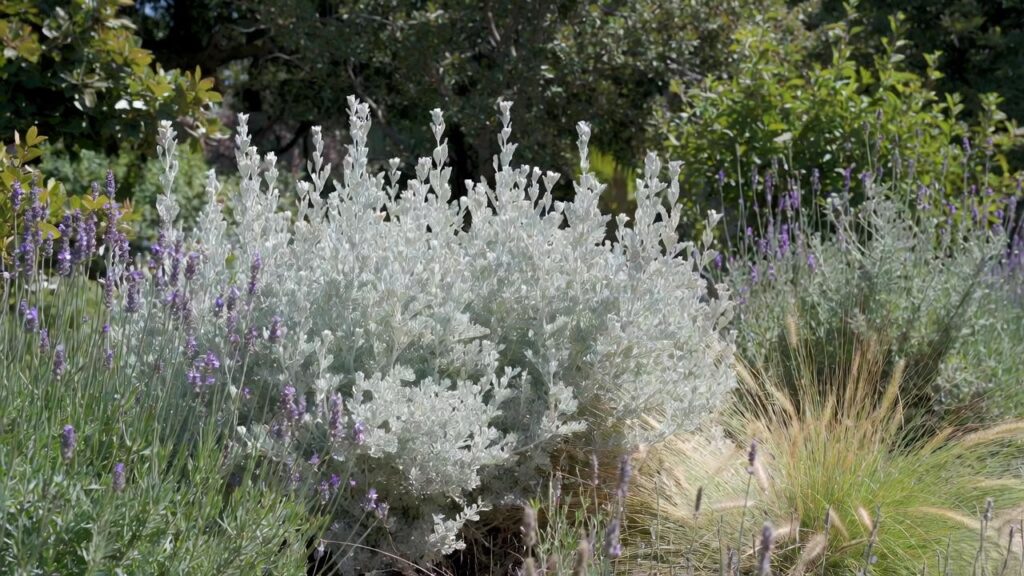
Imagine stepping into your garden and being greeted by a shimmering sea of silvery, feathery foliage that catches the sunlight like moonlight on water. This isn’t a dream—it’s the effortless elegance of the Artemisia Powis Castle plant, one of the most beloved drought-tolerant perennials for modern landscapes. Whether you’re dealing with dry soil, deer pressures, or simply want a low-maintenance plant that provides year-round texture and sophistication, Artemisia ‘Powis Castle’ delivers stunning results with minimal effort. In this ultimate guide, we’ll dive deep into everything you need to know to grow and care for this award-winning wormwood cultivar successfully. 🌸
What is Artemisia ‘Powis Castle’? Key Characteristics and History 🏰
Artemisia ‘Powis Castle’ is a hybrid perennial sub-shrub prized primarily for its exquisite foliage rather than flowers. Believed to be a cross between Artemisia arborescens (tree wormwood) and Artemisia absinthium (common wormwood), it was introduced in 1972 from the historic Powis Castle in Wales, UK, by the National Trust. This origin story adds a touch of timeless charm, and the plant has since earned the prestigious Royal Horticultural Society’s Award of Garden Merit in 1993 for its outstanding performance.
Unique Features
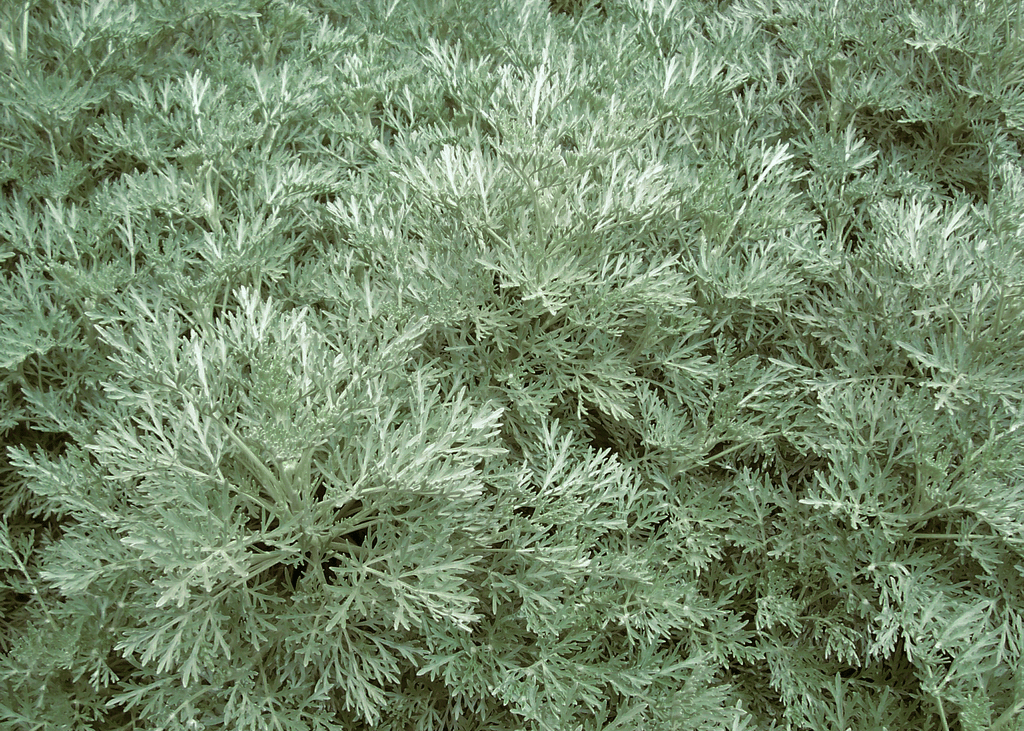
- Foliage: Finely divided, fern-like, silvery-gray leaves that release a pleasant aromatic fragrance when brushed or crushed—perfect for sensory gardens.
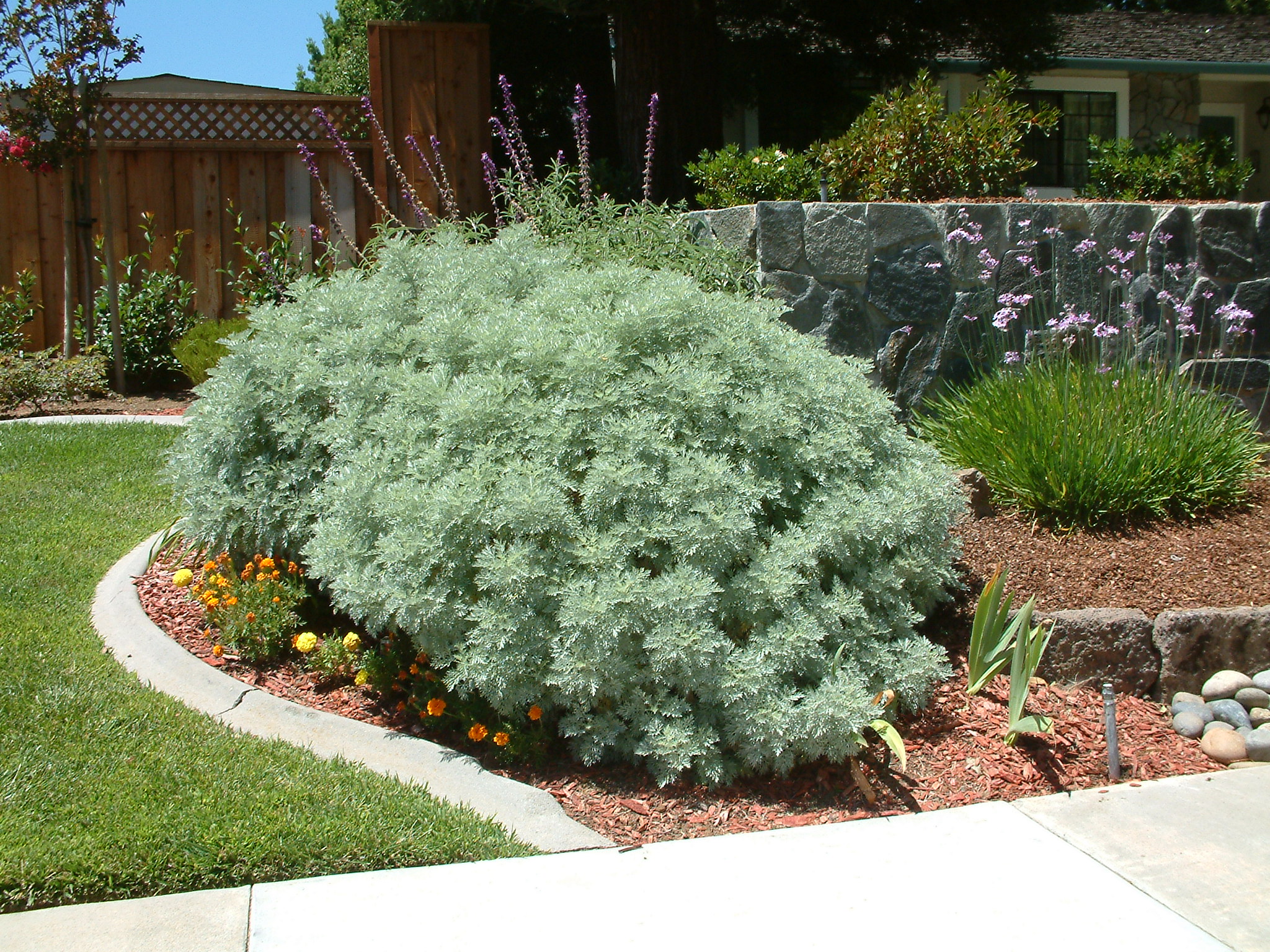
- Habit: Forms a bushy, mounding shape, typically reaching 2–3 feet tall and 3–6 feet wide if left unpruned.
- Flowers: Small, insignificant yellow-gray blooms in late summer; many gardeners remove them to prioritize the foliage’s beauty.
- Additional Perks: Highly drought-tolerant once established, deer- and rabbit-resistant due to its bitter taste and strong scent, and semi-evergreen in milder climates.
Comparison to Other Artemisias
To help you choose the right variety, here’s a quick comparison table:
| Variety | Height/Spread | Key Differences | Best For |
|---|---|---|---|
| ‘Powis Castle’ 🌟 | 2–3 ft / 3–6 ft | Finest feathery texture, rarely flowers vigorously | Borders, texture contrast, xeriscapes |
| ‘Silver Mound’ | 1 ft / 1–2 ft | Compact dome shape, prone to flopping in wet conditions | Edging, rock gardens, containers |
| ‘Silver King’ | 3–4 ft / spreading | Taller, more aggressive spreader | Groundcover, large informal areas |
Unlike some species artemisias that can become invasive, ‘Powis Castle’ is well-behaved and sterile in many cases, making it a safer choice for controlled gardens.
Ideal Growing Conditions for Artemisia Powis Castle Plant ☀️💧
Success with Artemisia ‘Powis Castle’ starts with mimicking its Mediterranean roots: hot, dry, and sunny.
Light Requirements
Full sun is essential—at least 6–8 hours daily—for the brightest, most vibrant silvery foliage. In partial shade, plants may become leggy and less compact, with dulled color.
Soil Needs
This plant thrives in well-drained, average to poor soil. It prefers sandy or loamy types with a neutral to slightly alkaline pH (6.5–7.5). Avoid rich, fertile soils, as they encourage weak, floppy growth. If your soil is heavy clay, amend generously with grit, sand, or compost to improve drainage—root rot is the biggest killer here.
Watering and Drought Tolerance
During the first year, water regularly to establish deep roots. Once mature, ‘Powis Castle’ is exceptionally drought-tolerant and needs water only during extended dry spells. Overwatering leads to legginess or disease; let the soil dry out completely between waterings.
Hardiness Zones and Climate Tips
Hardy in USDA Zones 6–9, with some reports of success in protected Zone 5 spots. It’s ideal for hot, dry climates like Mediterranean or xeriscape gardens. In colder areas, provide winter mulch; in humid regions, ensure excellent air circulation to prevent mildew.
How to Plant Artemisia ‘Powis Castle’ 🌱
Timing and technique make all the difference for strong establishment.
Best Planting Time
Spring or early fall, when temperatures are mild and roots can settle without stress.
Step-by-Step Planting Guide
- Select a sunny location with ample space (3–4 feet around) as it spreads.
- Dig a hole twice as wide as the root ball but no deeper.
- Mix in gravel or sand if drainage is poor.
- Plant at the same depth as the nursery container.
- Water deeply, then apply a light mulch (avoid touching the stems to prevent rot).
Container Growing Tips
‘Powis Castle’ excels in pots, making it perfect for patios, balconies, or mixed planters. Use a well-draining cactus/succulent mix in a container with drainage holes. It’s a fantastic “thriller” element alongside trailing annuals.
Ongoing Care and Maintenance ✂️
Artemisia ‘Powis Castle’ earns its reputation as a low-maintenance superstar, but a few targeted practices will keep it looking pristine and compact for decades. I’ve grown dozens of these in client gardens and my own trials—they respond dramatically to proper timing and technique.
Pruning for Perfect Shape
The single most important task is annual pruning. Without it, plants can become woody, leggy, or flop open in the center.
- Spring Pruning (Essential): In early spring, just as new growth emerges (typically March–April in Zone 7), cut the entire plant back hard—to 6–12 inches above ground level. Use sharp shears and avoid cutting into old, bare wood, as it may not resprout reliably.
- Summer Maintenance: Pinch out any flower buds as they form (usually July–August) to redirect energy to foliage. A light midsummer trim (remove 6–8 inches) encourages denser growth and prevents splitting.
- Before and After Example: Many gardeners are nervous about hard pruning, but the results are transformative—plants rebound with lush, silvery mounds by midsummer.
Expert Tip: In my experience, consistent spring pruning extends the plant’s lifespan indefinitely. Neglected specimens often decline after 5–7 years, while pruned ones thrive for 15+.
Fertilizing
Less is more. Artemisia ‘Powis Castle’ evolved in nutrient-poor soils and resents richness.
- Feed sparingly: A single application of balanced, slow-release fertilizer (e.g., 10-10-10) in early spring is sufficient in average soils.
- In very poor soils, incorporate a handful of compost around the base annually.
- Avoid high-nitrogen feeds—they promote weak, excessive growth prone to flopping.
Winter Care
- In Zones 6–7: Foliage may die back partially; apply a light mulch (2–3 inches of gravel or pine needles) after the ground freezes to insulate roots.
- In milder Zones 8–9: Often semi-evergreen; no mulch needed, but protect from excessive winter wet.
- Container plants: Move to a sheltered spot or wrap pots to prevent root freeze.
Propagation: Easy Ways to Multiply Your Plants 🔄
One of the joys of Artemisia ‘Powis Castle’ is how readily it propagates, allowing you to expand your display or share with friends.
Stem Cuttings (Easiest and Most Reliable Method)
- Timing: Late spring to midsummer, when new growth is soft but sturdy.
- Steps:
- Select 4–6 inch non-flowering shoots.
- Strip lower leaves, dip in rooting hormone (optional but speeds success).
- Insert into moist perlite/sand mix or well-draining potting soil.
- Cover with a plastic bag or dome for humidity; place in bright indirect light.
- Roots form in 4–6 weeks—transplant once established.
Success rate is typically 80–90% with good hygiene.
Division
- Best in early spring or fall.
- Dig up mature clumps, divide into sections with roots and shoots using a sharp spade or knife.
- Replant immediately at the same depth, water well.
From Seed?
Not recommended. As a hybrid, ‘Powis Castle’ rarely sets viable seed, and any seedlings won’t match the parent.
Common Problems and Solutions 🛡️
Fortunately, Artemisia ‘Powis Castle’ is one of the toughest perennials, with excellent pest and disease resistance. Issues usually stem from cultural mistakes.
Pests
- Rare visitors: Aphids or spider mites in hot, dry conditions.
- Solution: Strong water spray or insecticidal soap/neem oil. The aromatic foliage naturally deters most insects.
- Deer and rabbits: Almost never browsed—its bitter compounds make it unpalatable.
Diseases
- Root rot (fungal): Caused by poor drainage or overwatering.
- Powdery or downy mildew: In humid climates with poor air flow.
- Prevention: Plant in full sun, space adequately, avoid overhead watering.
Troubleshooting Table
| Issue | Likely Cause | Solution |
|---|---|---|
| Leggy, sparse growth | Insufficient sunlight | Relocate to full sun; prune hard in spring |
| Yellowing leaves | Overwatering/root rot | Improve drainage; allow soil to dry completely |
| Center flopping open | Lack of pruning | Annual hard prune; divide overcrowded plants |
| Brown tips or dieback | Winter damage or drought | Mulch roots; consistent (but sparse) watering |
| Pale foliage | Too much fertilizer/shade | Reduce feeding; increase sun exposure |
Garden Design Ideas and Companion Plants 🎨
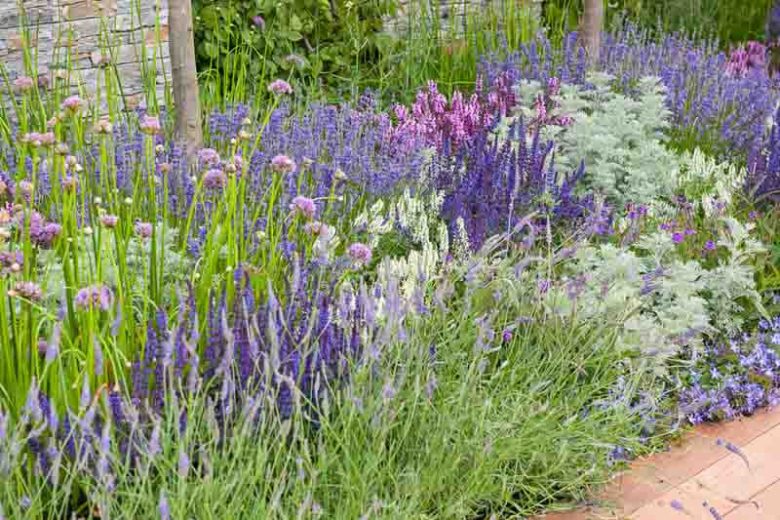
The magic of Artemisia ‘Powis Castle’ lies in its ability to act as a luminous neutral, making surrounding colors pop while providing textural contrast.
Top Companion Plants (All Drought-Tolerant)
- Lavender (Lavandula angustifolia): Classic Mediterranean pairing—purple blooms against silver.
- Russian Sage (Perovskia atriplicifolia): Airy blue spikes echo the feathery texture.
- Coneflower (Echinacea purpurea): Bold pink/purple daisies for high contrast.
- Black-Eyed Susan (Rudbeckia hirta): Sunny yellows glow next to silver.
- Ornamental Grasses: Miscanthus, Festuca glauca, or Pennisetum for movement.
- Roses: Especially hot-colored varieties—the silver cools and elevates them.
Design Inspirations
- Mediterranean/Dry Gardens: Mass plantings with rosemary, salvia, and cistus.
- Moon Gardens: Pair with white-flowering plants for nighttime shimmer.
- Xeriscapes/Rock Gardens: Gravel mulch enhances the arid aesthetic.
- Mixed Borders: Use as a mid-height filler between taller perennials and low edgers.
- Containers: Stunning as a centerpiece with trailing verbena or calibrachoa.
In container designs, it provides height and texture without overwhelming.
Benefits and Why You Need This Plant 💚
Artemisia ‘Powis Castle’ isn’t just another pretty perennial—it’s a problem-solver that brings real, practical value to modern gardens. Here’s why it deserves a prime spot in your landscape:
- Extreme Drought Tolerance 🌵: Once established, it survives on rainfall alone in most regions, making it ideal for water-conscious gardening, xeriscapes, and areas with restrictions or high summer heat.
- Deer and Rabbit Resistance 🦌: The strong aromatic compounds and bitter taste make it one of the most reliable deer-proof plants available—no sprays needed.
- Low-Maintenance Champion ⏰: Minimal pruning, almost no fertilizing, and rare pest issues mean more time enjoying your garden.
- Year-Round Interest ❄️🌸: Silvery foliage provides structure and glow even in winter (semi-evergreen in Zones 8–9), bridging seasons beautifully.
- Eco-Friendly Choice 🐝: Supports pollinators subtly while naturally repelling many garden pests. Perfect for sustainable, wildlife-friendly designs.
- Versatile Design Element ✨: Acts as a neutral foil that enhances bold colors, adds luminous texture, and softens hardscapes like stone or gravel.
In my years of designing and maintaining gardens, I’ve seen ‘Powis Castle’ transform challenging dry slopes, hot parking strips, and neglected corners into elegant focal points—all while requiring far less input than most perennials.
Frequently Asked Questions (FAQs) ❓
Is Artemisia ‘Powis Castle’ invasive?
No. Unlike some species artemisias (e.g., common wormwood), ‘Powis Castle’ is a sterile hybrid with very limited self-seeding. It spreads slowly by underground rhizomes but is easily controlled and considered non-invasive in most regions.
Is Artemisia ‘Powis Castle’ toxic to pets or children?
It’s mildly toxic if ingested in large quantities—may cause mouth irritation, vomiting, or diarrhea due to thujone and other compounds. Keep it away from curious pets (especially cats and dogs that chew plants) and supervise young children. Skin contact rarely causes issues, but wear gloves if you have sensitive skin.
Why is my Artemisia ‘Powis Castle’ flopping or splitting open in the center?
This is almost always due to lack of annual pruning. As the plant ages without cutting back, the center becomes woody and weak. Solution: Perform a hard spring prune to 6–12 inches, and it will regrow densely.
Can Artemisia ‘Powis Castle’ grow in shade?
It tolerates light or dappled shade but performs best in full sun. In shade, foliage becomes less silvery, growth is leggier, and plants are more prone to mildew or flopping. Aim for at least 6 hours of direct sun.
How fast does it grow, and how long does it live?
Growth is moderately fast—reaching mature size in 2–3 years. With proper annual pruning and good drainage, plants can live 15–20+ years. Without pruning, lifespan drops to 5–8 years as they become woody and decline.
Does it attract pollinators?
Yes, subtly. The small late-summer flowers draw bees and butterflies if left unpruned, but most gardeners remove them to maintain foliage focus.
Can I grow it indoors or as a houseplant?
Not recommended. It needs intense sunlight, good air circulation, and cool winter dormancy—conditions hard to replicate indoors. It’s far happier outdoors or in a sunny greenhouse.
Will it survive in wet or humid climates?
It can, but only with excellent drainage and full sun. In high-humidity areas (e.g., Southeast U.S.), space plants widely and prune for airflow to prevent mildew.
What’s the difference between ‘Powis Castle’ and ‘Silver Queen’ or ‘Silver King’?
‘Powis Castle’ has the finest, most feathery foliage and best mounding habit. ‘Silver Queen’ is similar but slightly taller and less refined; ‘Silver King’ is more vigorous and spreading.
Final Thoughts 🌿✨
The Artemisia Powis Castle plant truly earns its status as a garden classic: stunning silvery foliage, remarkable resilience, and effortless sophistication that elevates any landscape. Whether you’re creating a low-water Mediterranean paradise, a moonlit evening garden, or simply need a reliable, deer-resistant beauty that thrives on neglect—this wormwood cultivar delivers.
With the detailed growing, care, and design guidance in this guide, you’re now equipped to cultivate thriving, jaw-dropping specimens that will shimmer in your garden for years to come. Start with one plant, and you’ll soon want more—the glow is addictive! 😊
Happy gardening, and enjoy the silvery magic of Artemisia ‘Powis Castle’! 🌸🏰











