
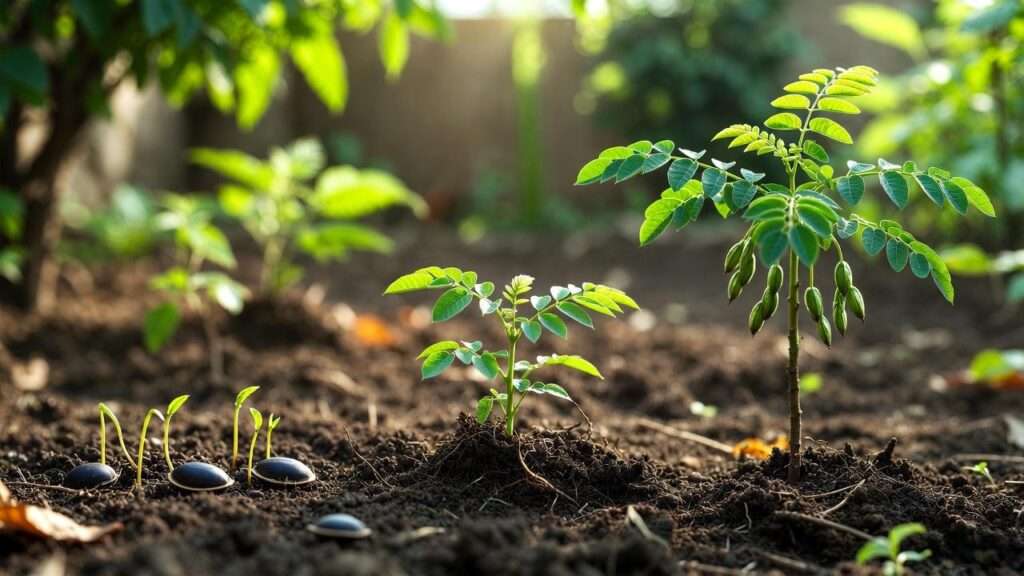
Imagine a single tree in your backyard that provides more vitamin C than oranges, more calcium than milk, more iron than spinach, and more protein than eggs—all while thriving in hot, dry conditions with minimal care. 🌟 This isn’t a dream; it’s the reality of growing moringa (Moringa oleifera), often called the “miracle tree.” If you’re searching for reliable moringa seeds for planting, you’ve likely discovered its incredible superfood status and want to grow your own nutrient-packed leaves at home.
As a horticulturist with over 15 years of experience cultivating tropical and subtropical trees—including moringa in both greenhouse and outdoor settings—I’ve helped countless beginners achieve 90%+ germination rates and bountiful harvests. Many new growers fail because moringa seeds require specific pre-treatment and conditions, but with the right steps, you’ll see sprouts in just 7-10 days and fresh leaves ready for harvest in months. 🍃
In this comprehensive guide, we’ll cover everything from selecting quality moringa seeds for planting to long-term care, troubleshooting, and delicious ways to use your harvest. Whether you’re in a warm climate or growing in pots indoors, this beginner-friendly tutorial will equip you with expert tips backed by science and real-world results. Let’s turn those seeds into a thriving, life-giving tree! 🚀
What Is Moringa and Why Grow It from Seed? 🌱
Moringa oleifera, the most commonly cultivated species of the 13 in the Moringa genus, is a fast-growing, drought-tolerant tree native to the foothills of the Himalayas in India. It’s earned nicknames like “drumstick tree” (from its long pods) and “horseradish tree” (from its root flavor), but its true fame comes from being one of the most nutrient-dense plants on Earth.
The Nutritional Powerhouse – Key Health Benefits Backed by Science
Scientific studies, including those from the National Institutes of Health (NIH) and PubMed Central, confirm moringa’s exceptional profile:
- Leaves: Gram-for-gram, they contain 7 times more vitamin C than oranges, 10 times more vitamin A than carrots, 17 times more calcium than milk, 15 times more potassium than bananas, and 25 times more iron than spinach. They’re also rich in high-quality protein (with all essential amino acids) and antioxidants like quercetin and chlorogenic acid.
- Anti-inflammatory and antioxidant effects: Research shows moringa helps reduce oxidative stress, supports blood sugar regulation, and may lower cholesterol.
- Combating malnutrition: Organizations worldwide use moringa to address nutrient deficiencies, especially in children and nursing mothers.
Growing your own ensures fresh, organic leaves at peak potency—far superior to store-bought powder.
Environmental Benefits: Drought-Tolerant, Fast-Growing, and Eco-Friendly
Moringa thrives in arid conditions, requiring little water once established. It grows up to 10-15 feet in its first year, fixes nitrogen in soil, and its seeds naturally purify water by removing impurities. It’s a sustainable choice for eco-conscious gardeners.
Why Start from Seeds Instead of Seedlings? (Cost, Variety Selection, Satisfaction)
- Cost-effective: A packet of seeds yields multiple trees for pennies per plant.
- Variety control: Choose improved hybrids like PKM-1 or PKM-2 for higher yields.
- Stronger roots: Seed-grown trees develop deep taproots for better drought resistance compared to cuttings.
- Rewarding experience: Watching germination and growth builds confidence and connection.

Understanding Moringa Seeds for Planting 🌀
High-quality seeds are the foundation of success.
Different Moringa Species and Recommended Varieties for Home Growers (M. oleifera vs. others)
While 13 species exist, Moringa oleifera is by far the best for home gardens due to its edible parts and rapid growth. Popular varieties:
- PKM-1 and PKM-2 (India-bred): Higher pod and leaf yields, dwarf habit for easier harvesting.
- ODC-3: Oil-rich seeds.
- Standard M. oleifera: Reliable all-purpose choice.
Avoid less common species like M. stenopetala unless targeting specific traits.
How to Choose High-Quality, Viable Seeds (Appearance, Sources, Freshness Tips)
- Appearance: Plump, firm kernels with intact wings; avoid shriveled or discolored ones.
- Sources: Reputable online sellers or nurseries specializing in tropical seeds. Freshness matters—seeds older than 1-2 years have lower germination.
- Test viability: Soak a sample; viable seeds sink.
Common Myths About Moringa Seeds Debunked
- Myth: Seeds are toxic raw—Truth: Mature seeds are edible, though young ones are bitter.
- Myth: No soaking needed—Truth: Soaking boosts germination to 90%+.
Best Time and Climate for Planting Moringa Seeds ☀️
Timing maximizes success.
Ideal Temperature Ranges and Frost Sensitivity
Moringa loves heat: 77-95°F (25-35°C) optimal. It tolerates up to 118°F with shade but dies back below 32°F (0°C).
Seasonal Recommendations by USDA Hardiness Zone (Zones 9-11 outdoor, colder zones indoors/pots)
- Zones 10-11: Year-round outdoor.
- Zone 9: Plant spring; protect or regrow from roots after light frost.
- Zones 8 and below: Grow as annual or in pots, overwinter indoors.
Indoor vs. Outdoor Growing Options for Year-Round Success
In cooler climates, start seeds indoors under grow lights. Pots allow mobility—bring inside when cold.
Step-by-Step Guide: How to Plant Moringa Seeds (Core Tutorial) 🚀
This is the heart of growing moringa from seeds.
Step 1 – Gather Your Materials (Seeds, Pots, Soil Mix, Tools)
- 10-20 quality seeds
- Pots (at least 18 inches deep for long-term)
- Well-draining potting mix
Step 2 – Pre-Treatment: Soaking Seeds for Maximum Germination Rate (Exact timing & water temperature)
Soak seeds in room-temperature water for 24 hours (or warm 104°F/40°C water for 12-24 hours). This softens the hard coat, boosting germination from ~50% to 90%+.
Step 3 – Preparing the Perfect Soil Mix (Well-draining, pH 6.2-7.0 recipe included)
Mix: 50% potting soil, 30% sand/perlite, 20% compost. pH neutral-slightly acidic.
Step 4 – Direct Sowing vs. Starting in Seed Trays
Seed trays for control; direct for established spots.
Step 5 – Planting Depth, Spacing, and Initial Watering
Plant ¾-1 inch deep, ruffled end up. Space 4-6 inches in trays. Water gently to moisten.
Step 6 – Providing Optimal Light and Warmth During Germination
75-90°F, bright indirect light. Germination: 7-14 days.
Visual Timeline: What to Expect Week by Week (Days 1-14)
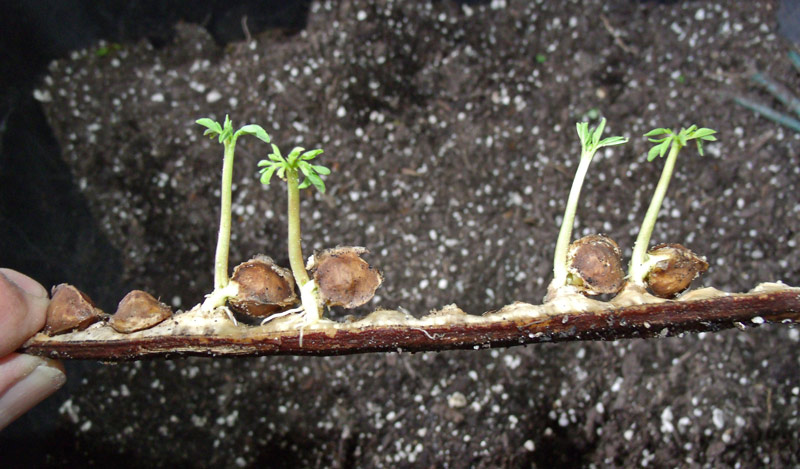
- Days 1-3: Swelling
- Days 4-7: Root emerges
- Days 8-14: Shoot and first leaves
How to Grow Moringa from Seeds: Step-by-Step Planting Guide for Beginners 🌿
(Part 2 – Continuing exactly where Part 1 ended)
Caring for Moringa Seedlings and Young Trees 🌳
Once your seeds have sprouted, the real adventure begins! Proper early care sets the foundation for a strong, productive tree.
Watering Schedule – Avoiding the #1 Killer (Overwatering)
Moringa hates wet feet. Overwatering causes more seedling deaths than almost any other issue.
- Days 1–14 (germination): Keep soil moist but never soggy—mist lightly if the surface dries.
- Weeks 2–8: Water deeply once every 3–5 days, allowing the top 2 inches of soil to dry between waterings.
- After 2–3 months: Once established, water every 7–10 days (more frequently in pots or very hot weather). Pro tip: Always water in the morning so leaves dry before night to reduce fungal risk. 🌞
Fertilizing Naturally: Organic Options for Explosive Growth
Moringa is a heavy feeder but responds beautifully to natural fertilizers.
- First 4–6 weeks: No fertilizer—seedlings use nutrients stored in the seed.
- Month 2 onward: Apply a balanced organic fertilizer (e.g., compost tea, diluted fish emulsion, or worm castings) every 3–4 weeks.
- Leaf-focused growth: Use higher-nitrogen options like diluted urine (1:10 with water) or alfalfa tea.
- Avoid over-fertilizing: Too much nitrogen can lead to leggy growth and fewer pods later.
Pruning Techniques for Bushier Plants and Higher Yields
Pruning early encourages a multi-stemmed shrub shape (easier to harvest) instead of a tall single trunk.
- At 12–18 inches tall: Pinch or cut the main tip just above a leaf node.
- Repeat every 2–3 months on new growth.
- For pod production: Allow 1–3 main leaders to grow taller. Result: Bushy plants = more leaves at reachable height! ✂️
Sunlight Requirements and Protecting from Intense Afternoon Sun
- Ideal: 6–8 hours of direct sunlight daily.
- Seedlings: Bright indirect light first week, then gradually introduce full sun.
- Hot climates: Provide light afternoon shade (30–50% shade cloth) if temperatures exceed 100°F (38°C) to prevent leaf scorch.
Container Growing Tips for Patios, Balconies, or Indoor Setups
- Use pots at least 18–24 inches deep with excellent drainage.
- Repot every 12–18 months or when roots circle the pot.
- Indoor growers: Supplement with full-spectrum grow lights (12–14 hours/day) during winter months.
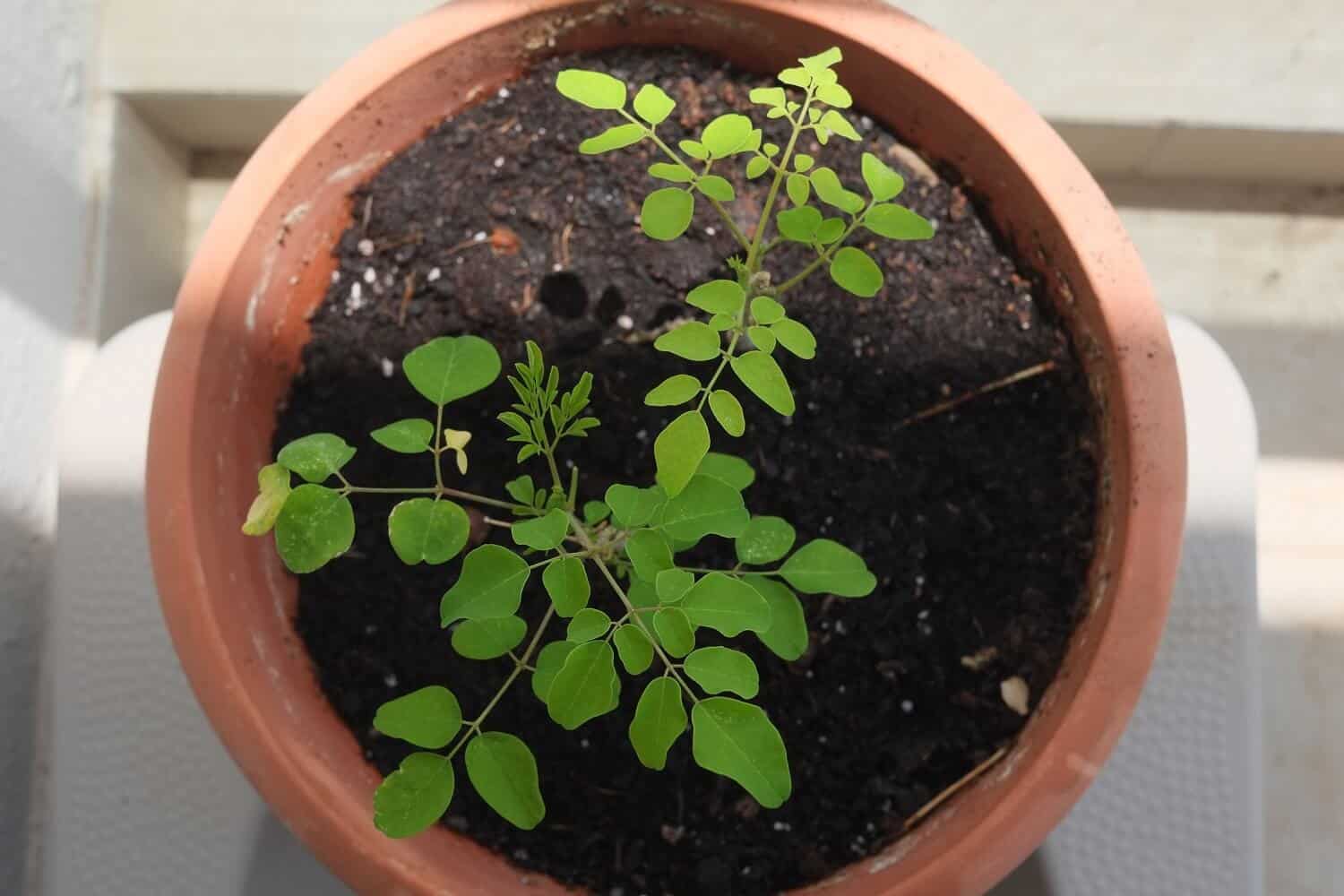
- Move pots outdoors in summer for stronger growth. (Healthy moringa seedlings at different stages—notice the feathery true leaves developing.)
Common Problems and How to Fix Them 🛠️
Even experienced gardeners encounter hiccups. Here’s how to troubleshoot quickly.
Low Germination Rates – Causes and Solutions
| Problem | Likely Cause | Solution |
|---|---|---|
| No sprouting after 3 weeks | Old/inviable seeds, too cold | Test fresh seeds, maintain 75–90°F |
| Seeds rot | Overly wet soil, poor drainage | Use well-draining mix, reduce watering |
| Only 20–30% sprout | No pre-soaking | Always soak 24 h before planting |
Pests and Diseases (Aphids, Caterpillars, Root Rot) + Organic Control Methods
- Aphids: Blast off with water hose; spray neem oil weekly.
- Caterpillars: Hand-pick; use Bacillus thuringiensis (Bt) spray.
- Root rot: Improve drainage, reduce watering; repot affected plants.
- Fungal leaf spot: Increase air circulation, avoid overhead watering.
Yellowing Leaves, Stunted Growth, and Other Warning Signs
- Yellow lower leaves → Normal as plant grows taller.
- Yellow upper leaves → Nitrogen deficiency → Apply organic fertilizer.
- Leggy seedlings → Not enough light → Move closer to sun/grow light.
Expert Troubleshooting Table (Symptom → Cause → Fix)
| Symptom | Most Common Cause | Quick Fix |
|---|---|---|
| Leggy & stretched | Insufficient light | Increase sunlight or add grow lights |
| Drooping leaves | Under- or overwatering | Check soil moisture 2 inches down |
| Brown leaf tips | Too much fertilizer / salt buildup | Flush pot with plain water |
| Slow growth after month 3 | Nutrient deficiency or root-bound | Fertilize & repot if needed |
Harvesting and Using Your Homegrown Moringa 🍃
The best part—enjoying your harvest!
When and How to Harvest Leaves, Pods, and Seeds
- Leaves: Start picking at 6–8 weeks. Harvest every 2–3 weeks by snipping top 6–12 inches.
- Pods: 6–8 months after planting (in warm climates). Pick when 12–18 inches long but still tender.
- Seeds: Let pods dry on tree until brown; harvest seeds inside.
Simple Ways to Process and Store Fresh Moringa
- Fresh leaves: Use immediately or refrigerate up to 1 week.
- Drying: Air-dry in shade or use dehydrator (95–110°F).
- Powder: Grind dried leaves in blender; store in airtight jars away from light. Shelf life: 6–12 months when properly dried.
Delicious Recipe Ideas (Powder, Teas, Smoothies, Salads)
- Moringa tea: Steep 1 tsp powder in hot water 5 min.
- Green smoothie: 1 tsp moringa powder + banana + spinach + pineapple + almond milk.
- Moringa pesto: Blend leaves with garlic, nuts, olive oil, and parmesan.
- Sprinkle on soups, eggs, or avocado toast. (Freshly harvested moringa leaves and dried powder—ready for your kitchen!)
How to Grow Moringa from Seeds: Step-by-Step Planting Guide for Beginners 🌿
(Part 3 – Final Part)
Advanced Tips for Maximum Yield and Long-Term Success ✨
Once your moringa is established, these expert strategies will take your harvest to the next level.
Companion Planting Partners That Boost Growth
Moringa plays well with others in the garden:
- Legumes (beans, peas): Fix nitrogen that moringa loves.
- Marigolds & nasturtiums: Deter aphids and other pests naturally.
- Basil & cilantro: Improve flavor and attract beneficial insects. Avoid planting near fennel or large-rooted competitors that steal water.
Overwintering Strategies for Cooler Climates
In zones below 9, moringa acts as a perennial only with protection:
- Cut back to 3–4 feet in fall, mulch heavily around roots.
- Cover with frost cloth or move potted plants indoors near a sunny window.
- Regrow from roots: Even if tops die in frost, new shoots often emerge from the hardy rootstock in spring.
Propagating More Trees from Cuttings Once Established
After year 1, take 12–18 inch semi-hardwood cuttings:
- Strip lower leaves, dip in rooting hormone (optional).
- Plant in well-draining mix, keep moist and warm.
- Roots form in 4–6 weeks—great for gifting or expanding your grove!
Sustainable Practices: Using Moringa for Soil Improvement and Water Purification
- Leaves as mulch: Decompose quickly, adding nutrients back to soil.
- Seed cake fertilizer: After pressing oil, leftover cake is a potent organic fertilizer and natural pesticide.
- Water purification: Crushed mature seeds flocculate contaminants—used worldwide in simple filtration systems.
(Moringa pods hanging heavy on the tree—your reward after patient care!)
Frequently Asked Questions (FAQ) ❓
How long does it take for moringa seeds to germinate? With proper soaking and warmth, most sprout in 7–14 days. Some varieties can take up to 21 days.
Can I grow moringa in pots indoors? Absolutely! Use deep containers, full-spectrum grow lights, and prune regularly to keep it manageable (3–6 feet tall indoors).
Are moringa seeds edible raw? Mature seeds (from dried pods) can be eaten cooked or roasted. Young seeds are bitter and best avoided raw in large quantities.
Why are my moringa seedlings leggy? Insufficient light is almost always the cause. Move them to the sunniest spot or add supplemental lighting.
How tall does a moringa tree get, and can I keep it small? In the ground, it can reach 30–40 feet. Regular pruning keeps it 6–12 feet for easy harvesting.
Where to buy reliable moringa seeds for planting? Look for reputable sellers specializing in tropical seeds (e.g., Echo Community, Sheffield’s Seed Co., or verified Etsy growers). Always choose recent harvest dates.
Is moringa invasive in my area? In frost-free tropical/subtropical zones (like parts of Florida, Hawaii, or southern California), it can self-seed vigorously. In colder climates, it’s not a concern. Check local regulations.
Conclusion
Growing moringa from seeds is one of the most rewarding projects any gardener—beginner or expert—can undertake. With just a handful of quality moringa seeds for planting, a little patience, and the step-by-step guidance in this article, you’ll soon have a thriving “miracle tree” producing armloads of nutrient-dense leaves, tender pods, and even seeds for future crops. 🌱
The payoff goes beyond nutrition: you’ll enjoy a beautiful, fast-growing shade tree that improves your soil, purifies water, and supports sustainability—all from your own backyard or balcony.
Start today—grab those seeds, follow the soaking and planting steps, and watch the magic unfold in less than two weeks. Your future self (and your smoothies) will thank you! 🍃
I’d love to hear about your moringa journey. Drop a comment below with your progress photos or questions—I answer every one. Happy planting! 🌟











