
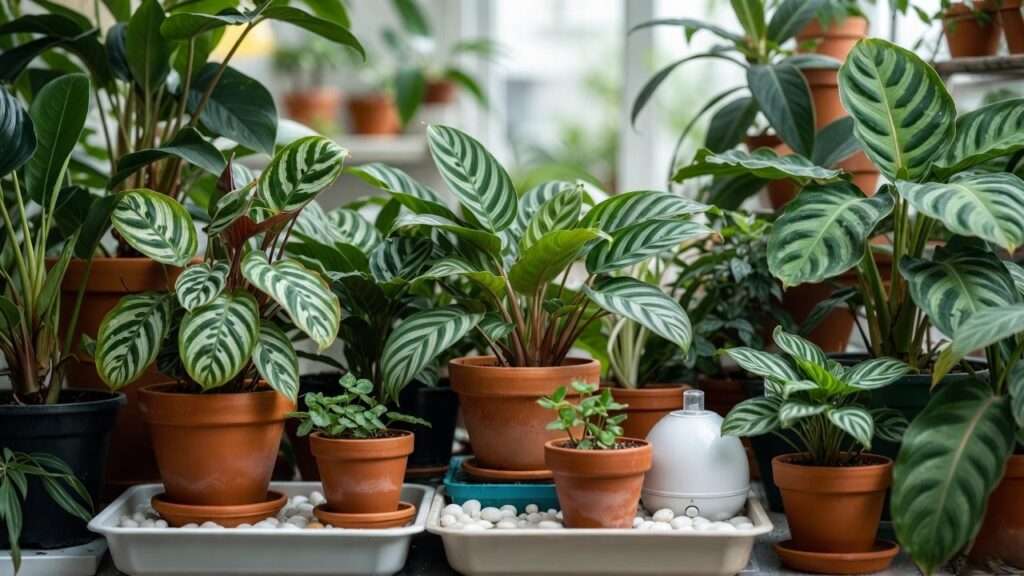
Imagine walking into your living room and seeing your favorite monstera’s leaves edged with crispy brown tips, or your prayer plant’s foliage curling up in distress like it’s begging for relief. If this sounds familiar, dry indoor air is likely the silent culprit robbing your houseplants of their vibrant glow. The good news? Learning how to increase humidity for plants can transform struggling foliage into lush, thriving greenery—and it’s easier than you think.
As a certified horticulturist with over 15 years of experience growing tropical houseplants indoors (from finicky calatheas to resilient philodendrons), I’ve helped countless plant parents revive their collections by mastering indoor humidity. Most tropical houseplants originate from rainforests where relative humidity hovers between 60-80%, yet typical home environments—especially in winter—drop below 30% due to heating systems. This guide shares 10 proven, practical methods to boost humidity effectively, based on real-world results and plant science. Whether you’re a beginner or a seasoned collector, these tips will help your plants flourish year-round. 🌱
Why Low Humidity Stresses Your Plants 🥀
Houseplants rely on humidity for more than just aesthetics—it’s essential for their physiological processes. Relative humidity (RH) measures the amount of moisture in the air compared to what it can hold at a given temperature. When RH is low, plants lose water faster through transpiration (evaporation from leaves) than they can absorb from roots, leading to stress.
Understanding Plant Humidity Needs
Tropical houseplants thrive at 50-60% RH or higher, mimicking their native environments. In contrast, average indoor air in heated or air-conditioned homes often falls to 20-40%, especially during winter. This mismatch causes dehydration-like symptoms, even if you’re watering perfectly.
Signs Your Plants Are Suffering from Low Humidity
Watch for these common indicators:
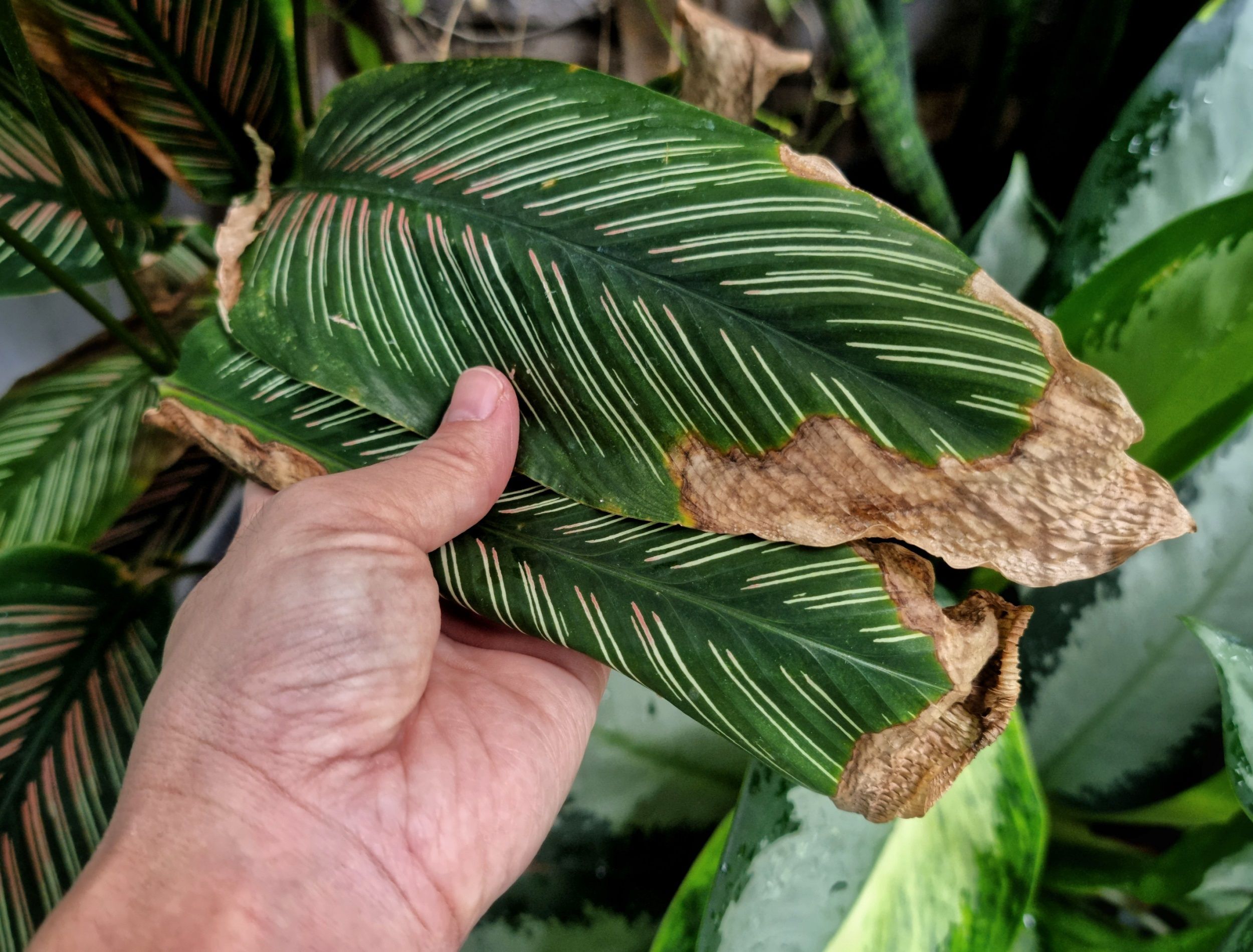
- Brown leaf tips and edges 🍂: The most telltale sign, as dry air scorches delicate leaf margins.
- Curling or drooping leaves: Leaves curl inward to reduce surface area and conserve moisture.
- Slow growth or bud drop: Energy diverts to survival rather than new foliage or flowers.
- Increased pest susceptibility: Spider mites and other pests thrive in dry conditions and target weakened plants.
Which Plants Are Most Sensitive?
- High-humidity lovers (60%+ RH ideal): Calathea, Maranta (prayer plants), Ferns, Orchids, Alocasia, Fittonia.
- Moderate needs (40-60% RH): Pothos, Philodendron, Peace Lily, Monstera.
- Low-humidity tolerant (below 40% RH): Succulents, Snake Plant, ZZ Plant, Cacti.
Seasonal Factors That Drop Indoor Humidity
Winter heating dries air rapidly, while summer air conditioning has a similar effect. Dry climates exacerbate the issue year-round. Monitoring and adjusting seasonally is key to preventing stress.
How to Measure Humidity Accurately 📏
Before boosting humidity, know your baseline. Inaccurate guesses lead to over- or under-correction.
Best Tools for Monitoring Humidity
- Hygrometers: Digital models (like the Govee Bluetooth Hygrometer) are affordable ($10-20) and precise. Avoid cheap analog versions prone to errors.
- Smartphone Apps and Smart Home Integration: Pair with devices like ThermoPro or integrate with smart hubs for real-time alerts.
Expert tip 🌟: Place the hygrometer at plant level (not on a windowsill or near vents) for accurate readings. Check multiple rooms, as humidity varies.
10 Proven Methods to Increase Humidity for Plants 💦
Here are 10 reliable ways to raise humidity, ranked from simplest (no-cost) to more invested options. Combine methods for optimal results—many plant collectors use 2-3 together.
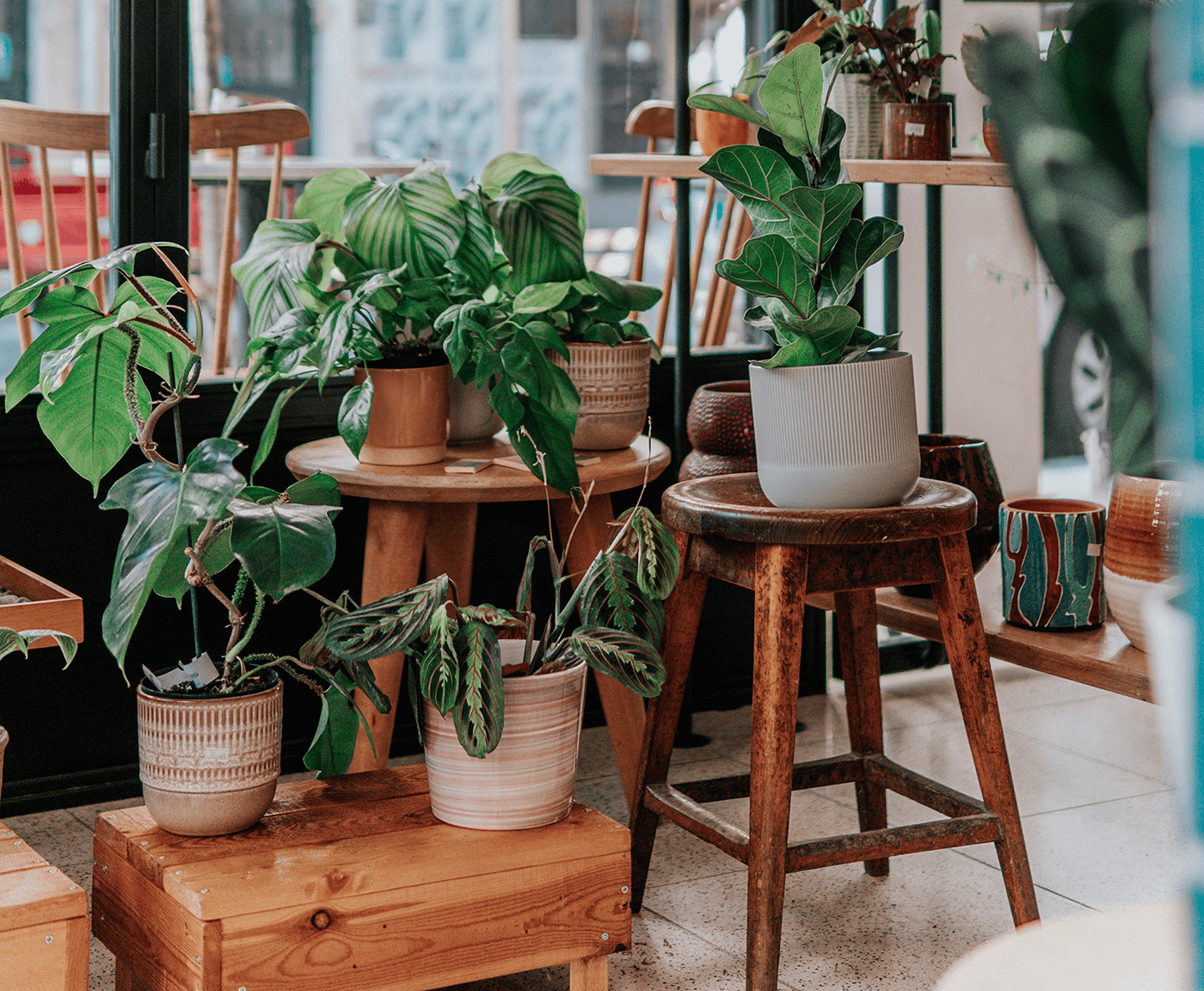
Method 1 – Group Plants Together 🌿👥
Plants naturally transpire, releasing moisture that benefits neighbors.
How it works: Clustering creates a microclimate where evaporated water lingers.
Step-by-step:
- Gather 5+ plants on a table or shelf.
- Space pots 2-4 inches apart for air flow.
- Rotate occasionally for even light.
Pros: Free, aesthetic, deters pests. Cons: Risk of spreading issues if one plant is unhealthy.
Effectiveness: 🍃🍃🍃🍃 (Raises RH 5-15% locally)
Method 2 – Use Pebble Trays or Humidity Trays 🪨
Evaporation from water below pots provides steady moisture.
Step-by-step DIY guide:
- Choose a wide, waterproof tray (at least 2-4 inches wider than pots).
- Fill with pebbles or decorative rocks.
- Add water until just below pebble tops.
- Place pots on top (ensure bottoms stay dry to avoid root rot).
- Refill as water evaporates.
Pros: Inexpensive, decorative, effective for small groups. Cons: Needs regular refilling; minimal impact in large rooms.
Maintenance: Clean monthly to prevent algae.
Effectiveness: 🍃🍃🍃 (Boosts local RH 10-20%)
/SPR-how-to-make-a-pebble-tray-7371481-Hero-C-5d303cbb85744594b59e9839a63d5abd.jpg)
Method 3 – Misting Your Plants (The Right Way) 🌫️
Misting provides temporary relief but isn’t a standalone solution.
When it helps: Best for short boosts or high-humidity plants like ferns.
Best practices:
- Use room-temperature distilled or rainwater (tap water leaves spots).
- Mist early morning so leaves dry by night.
- Focus on undersides where stomata are.
Myths debunked: Misting raises overall RH minimally (5-10 minutes only) and can invite fungal issues if overdone.
Pros: Quick, satisfying ritual. Cons: Temporary; risk of leaf spots.
Effectiveness: 🍃🍃 (Best combined with others)

Method 4 – Invest in a Humidifier 🌀
The most effective long-term solution for serious plant parents.
Types:
- Ultrasonic (cool mist): Quiet, energy-efficient; popular for plants (e.g., Levoit models).
- Evaporative: Self-regulating, healthier (less mineral buildup).
Top recommendations for 2026 (based on recent tests and reviews):
- Levoit LV600S or Classic 300S: Smart features, large tank, plant care app integration.
- Dreo HM311S or 4L Smart: Affordable, easy-clean, auto mode prevents over-humidification.
- Honeywell or Vicks models: Reliable for medium rooms.
Placement & tips: Position near (but not directly on) plants; use distilled water; clean weekly to avoid bacteria.
Pros: Consistent, room-wide boost (up to 50-60% RH). Cons: Initial cost, maintenance.
Effectiveness: 🍃🍃🍃🍃🍃 (Best overall)
Method 5 – Create a DIY Plant Terrarium or Enclosure 🏡
Terrariums trap moisture naturally, creating a self-sustaining high-humidity environment perfect for tropical plants.
How it works: Enclosed glass containers recycle water through evaporation and condensation, maintaining 70-90% RH inside.
Step-by-step guide:
- Choose a clear glass container (open for moderate humidity, closed for high).
- Add drainage layer (pebbles), activated charcoal, and suitable soil.
- Plant humidity-loving species like fittonia, ferns, or small orchids.
- Water lightly and seal (if closed).
- Place in bright indirect light.
Pros: Beautiful display, low maintenance once established, excellent for sensitive plants. Cons: Limited space, risk of mold if overwatered; closed ones need occasional venting.
Effectiveness: 🍃🍃🍃🍃🍃 (Ideal for high-humidity needs)

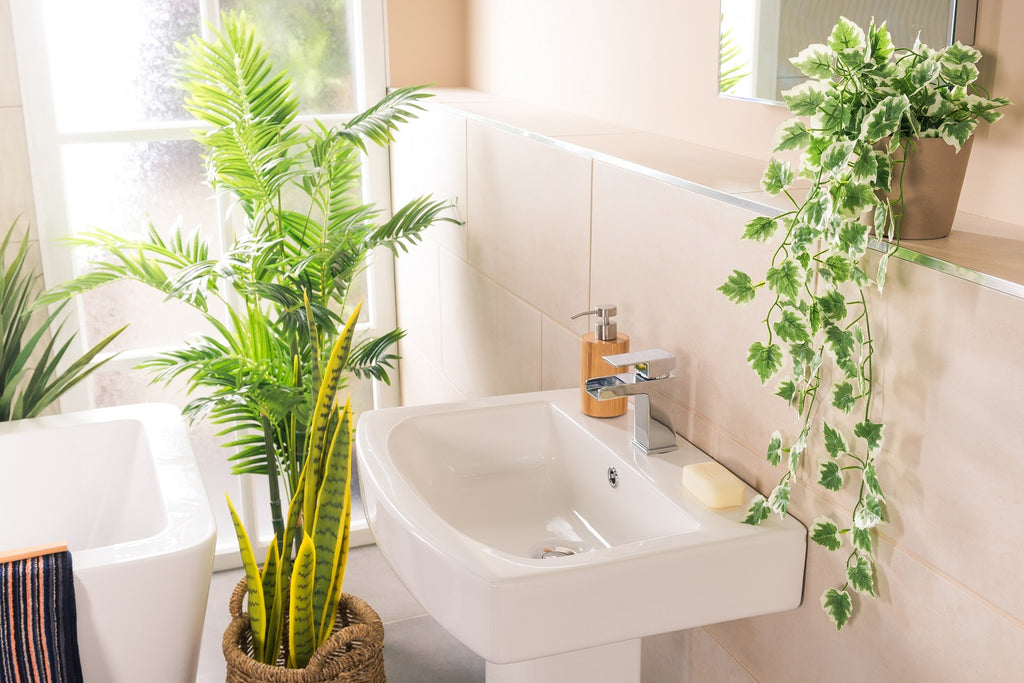
Method 6 – Place Plants in Naturally Humid Rooms 🚿
Leverage everyday activities like showering or cooking to boost ambient moisture.
How it works: Steam from hot water raises RH temporarily but consistently in enclosed spaces.
Best rooms: Bathrooms (with windows for light) or kitchens.
Step-by-step:
- Select plants tolerant of varying light (e.g., snake plant, pothos for low light; ferns for brighter bathrooms).
- Use shelves or hanging baskets.
- Ensure good drainage and occasional fresh air.
Pros: Zero cost, natural, multi-purpose space. Cons: Limited by room light; potential splashes or temperature swings.
Effectiveness: 🍃🍃🍃🍃 (Great supplement)
Method 7 – Use a Plant Cabinet or Greenhouse Cabinet 🗄️
Convert furniture into mini greenhouses for controlled environments.
How it works: Enclosed shelves with optional grow lights trap humidity while allowing ventilation.
Popular options: IKEA Fabrikör or Rudsta hacks—add fans, lights, and trays.
Step-by-step:
- Choose a glass-door cabinet.
- Add pebble trays or small humidifier inside.
- Install grow lights if needed.
- Monitor for condensation and vent as necessary.
Pros: Stylish, scalable for collections, high humidity control. Cons: Higher upfront cost, needs electricity.
Effectiveness: 🍃🍃🍃🍃🍃 (Pro-level for collectors)
:max_bytes(150000):strip_icc()/ikea-cabinet-greenhouse-diy-hacks-5116019-01-6eaf5d073128494ba6d5f09c2849bc36.jpg)
Method 8 – Double-Potting with a Moisture Reservoir 🪴
Create passive evaporation without risking root rot.
How it works: Inner pot sits above water in an outer cache pot, allowing evaporation.
Step-by-step:
- Choose a decorative outer pot (no drainage hole).
- Add pebbles or a riser to elevate inner pot.
- Fill reservoir with water below inner pot base.
- Refill as needed.
Pros: Simple, effective local boost, hides ugly nursery pots. Cons: Monitor water level to avoid stagnation.
Effectiveness: 🍃🍃🍃 (Good for individual plants)

Method 9 – Hang Wet Towels or Use Evaporative Cooling 🥶
A classic low-tech hack for quick boosts.
How it works: Water evaporates from fabric, raising RH.
Step-by-step:
- Soak towels in water and wring lightly.
- Hang near (but not touching) plants or over radiators/vents.
- Re-wet as they dry.
Pros: Free, immediate. Cons: Temporary (hours only), messy.
Effectiveness: 🍃🍃 (Emergency or supplement)
Method 10 – Install a Whole-Room or HVAC Humidifier 🌬️
The ultimate solution for large collections or entire homes.
How it works: Integrates with furnace/AC to distribute moisture evenly.
Options: Aprilaire or Honeywell whole-house models.
Pros: Set-it-and-forget-it, covers entire home. Cons: Professional installation, highest cost.
Effectiveness: 🍃🍃🍃🍃🍃 (Best for serious enthusiasts)
Choosing the Best Method for Your Setup 🤔
| Method | Budget | Space Needed | Effort Level | RH Boost | Best For |
|---|---|---|---|---|---|
| Grouping | Free | Low | Low | 5-15% | Beginners |
| Pebble Trays | Low | Low | Medium | 10-20% | Small groups |
| Misting | Low | None | High | Temporary | Quick relief |
| Humidifier | Medium-High | Medium | Low | 20-40%+ | Most recommended |
| Terrarium | Medium | Low | Low | 70%+ | Sensitive plants |
| Bathroom/Kitchen | Free | Varies | Low | Variable | Supplement |
| Cabinet | High | Medium | Medium | 50-80% | Collectors |
| Double-Potting | Low | Low | Low | 10-15% | Individuals |
| Wet Towels | Free | Low | High | Temporary | Emergencies |
| Whole-House | High | None | Low | Home-wide | Large setups |
Start simple and layer methods—e.g., grouping + pebble trays + humidifier.
Common Mistakes to Avoid ⚠️
- Over-misting: Leads to leaf fungal diseases like powdery mildew.
- Using tap water in humidifiers: Causes white dust (mineral buildup) on leaves.
- Poor placement: Direct mist on leaves long-term or humidifiers too close (causes drips).
- Neglecting cleaning: Dirty units breed bacteria/mold—clean weekly with vinegar.
- Ignoring ventilation: Too much humidity without air flow invites pests/fungi.
Expert Tips for Long-Term Humidity Success ⭐
From my years consulting plant owners: Combine 2-3 methods for stability. Monitor with a reliable hygrometer and adjust seasonally—winter demands more effort. Pair humidity boosts with proper light and watering; overwatering in high humidity causes root rot. For tropicals, aim 50-60%; don’t chase 80% unless in a terrarium.
Frequently Asked Questions (FAQ) ❓
How much humidity do indoor plants need? Most houseplants thrive at 40-60% RH. Tropicals prefer 50-70%, while desert plants like succulents are fine below 40%.
Is misting enough to increase humidity? No—it’s temporary and minimal. Use as a supplement only.
Are humidifiers safe for plants? Yes, especially ultrasonic models like Levoit LV600S or Dreo smart series (top picks in 2026 tests for easy cleaning and plant-friendly mist).
What’s the fastest way to raise humidity? A humidifier or wet towels for immediate boost; grouping for quick microclimate.
Can low humidity kill plants? Indirectly—chronic stress weakens them, leading to pests, disease, or death.
Best humidifier for plants in 2026? Levoit LV600S (smart, large tank) or Dreo HM311S (affordable, auto mode)—both praised for consistent output without over-humidifying.
How to increase humidity without a humidifier? Group plants, use pebble trays, terrariums, or bathroom placement.
Conclusion 🌟
Mastering how to increase humidity for plants isn’t about one magic fix—it’s about understanding your plants’ needs and creating a supportive environment. With these 10 proven methods, you can say goodbye to brown tips and hello to vibrant, thriving houseplants year-round. Start with one easy change today, like grouping your plants or adding a pebble tray, and watch the transformation. Your green friends will reward you with lush growth and fewer problems. Happy planting! 🪴❤️











