
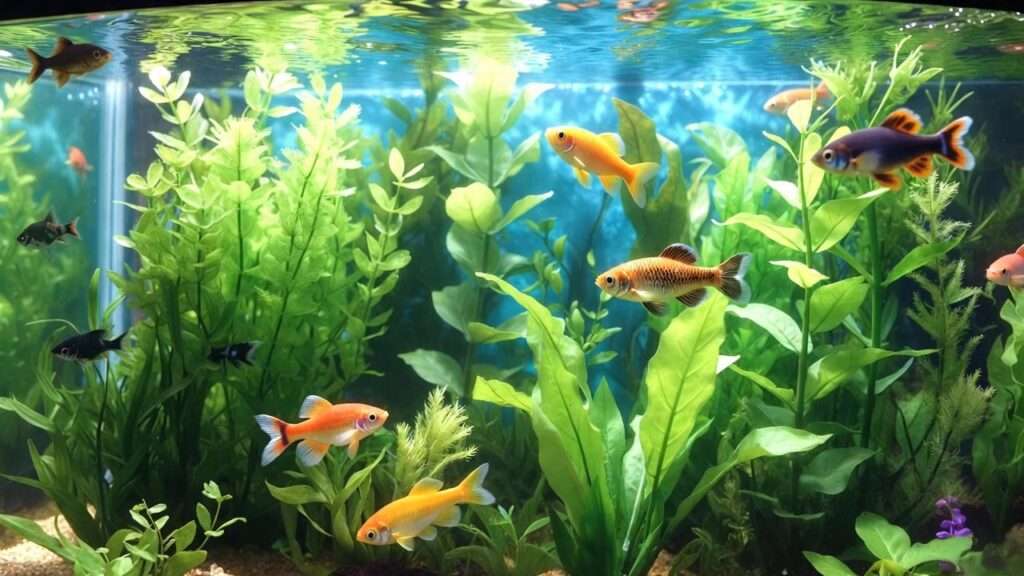
Imagine spending hours tweaking lights, dosing fertilizers, and trimming overgrown stems, only to watch your beautiful live aquarium plants melt away overnight due to a nutrient imbalance or fin-nipping fish. 😩 If this sounds familiar, you’re not alone—many aquarium hobbyists face these frustrations. But what if you could achieve a lush, vibrant tank that looks stunningly natural without any of the hassle? Enter imitation aquarium plants: the game-changing solution for realistic, low-maintenance greenery that transforms your fish tank into a serene underwater paradise. 🐟✨
In 2026, imitation aquarium plants (also known as artificial, fake, silk, or plastic aquarium plants) have reached incredible levels of realism, making them a top choice for beginners, busy owners, and even experienced aquascapers with challenging setups. These durable decorations provide hiding spots, reduce fish stress, and maintain perfect aesthetics year-round—no CO2 injection, high-tech lighting, or algae battles required. In this comprehensive guide, written by an aquarium enthusiast with over 15 years of hands-on experience in both planted and artificial tanks, we’ll dive deep into the best options available today. Whether you’re setting up a betta bowl, a community tank, or a large display, you’ll discover expert recommendations, buying tips, and design secrets to create your dream low-maintenance aquascape.
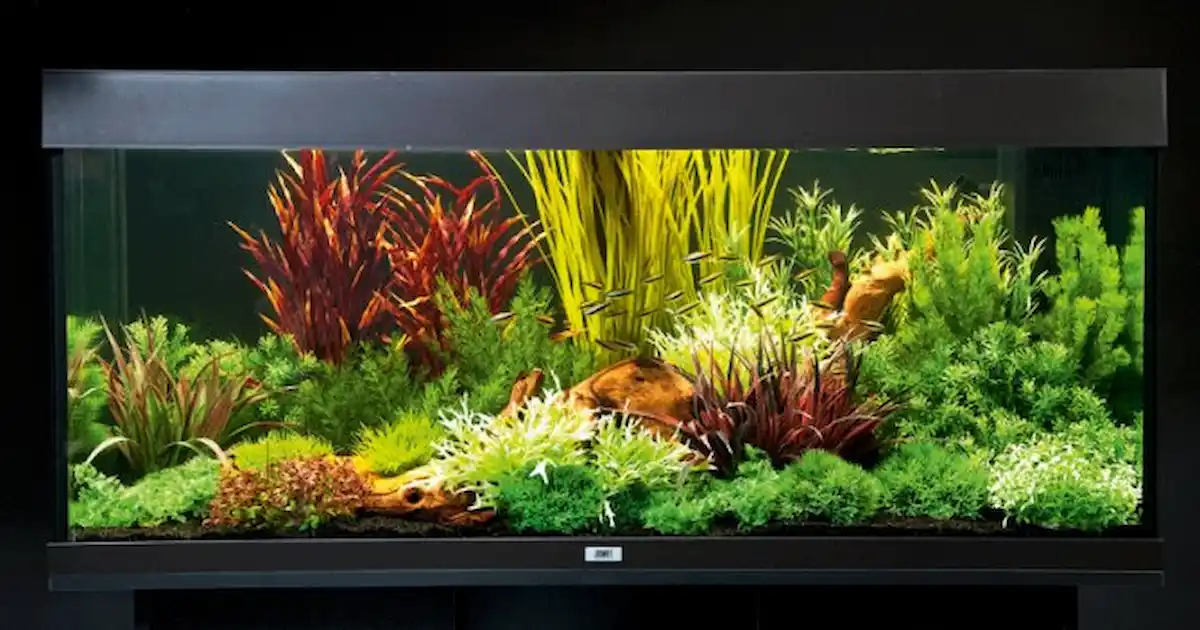
Why Choose Imitation Aquarium Plants Over Live Ones? 🌟
The debate between live and artificial plants is ongoing, but imitation options shine for those prioritizing ease and reliability. As someone who’s maintained dozens of tanks—from high-tech planted masterpieces to simple goldfish bowls—I’ve seen firsthand how fake plants solve common pain points.
The Real Struggles with Live Aquarium Plants 💔
Live plants are beautiful and beneficial, but they come with challenges:
- Demanding requirements: Many need intense lighting (8-12 hours daily), CO2 supplementation, root tabs or liquid fertilizers, and specific substrates. Without these, plants like Amazon swords or carpeting species (e.g., Monte Carlo) often fail to thrive.
- Common issues: Nutrient deficiencies cause yellowing or melting; poor lighting leads to leggy growth; algae outbreaks compete for resources. Herbivorous fish (goldfish, plecos, African cichlids) shred them overnight.
- Maintenance burden: Regular trimming, replanting uprooted stems, and dealing with decaying leaves that spike ammonia levels.
- Inconsistency: Seasonal changes or tank disruptions can wipe out your scape.
These issues deter many hobbyists, leading to bare tanks or constant frustration.
Key Advantages of Artificial Alternatives 🏆
Imitation aquarium plants eliminate these headaches while delivering stunning results:
- Zero ongoing maintenance: No fertilizing, trimming, or special lighting upgrades needed. Perfect for low-tech setups.
- Ideal for challenging tanks: Safe with plant-eating fish; thrive in low-light or high-flow environments.
- Consistent beauty: Colors don’t fade, leaves don’t die—your tank looks pristine 24/7.
- Cost-effective long-term: Initial investment pays off with durability lasting years.
- Fish-friendly benefits: Provide shelter, reduce aggression, and encourage natural behaviors without biological risks.
In my experience, switching to high-quality artificial plants revived tanks that live ones couldn’t sustain, creating healthier, happier fish.
Types of Imitation Aquarium Plants Available in 2026 🛍️
Advances in materials have made today’s fake plants incredibly lifelike. Here’s a breakdown of the main types:
Plastic Aquarium Plants 🧱
- Pros: Affordable, highly durable, resistant to nibbling. Wide variety in sizes and shapes.
- Cons: Lower-end versions can look shiny or stiff; choose matte finishes for realism.
- Best for: Budget setups, aggressive fish tanks.
Popular in 2026: Brands like AQUANEAT and unootel offer tall, flowing designs that mimic vallisneria or cabomba.
Silk Aquarium Plants 🛡️
- Pros: Ultra-soft, natural movement in currents; most realistic texture and sway. Gentle on delicate fins (ideal for bettas).
- Cons: Slightly pricier; may collect debris faster, requiring occasional rinsing.
- Best for: Sensitive fish, natural-looking scapes.
Top picks: Marina Naturals, biOrb silk sets, and Imagitarium lines—praised for fade-resistant colors and flexibility.
Resin-Based and Hybrid Plants 🔬
- Newer innovations: Combine plastic/silk with weighted resin bases for stability; some feature glow or LED elements for themed tanks.
- Fun bonus: Glow-in-the-dark options add nighttime magic ✨ without harming water quality.
In 2026, hybrids from brands like Aquafaux lead for hyper-realistic details like veined leaves and gradient shading.
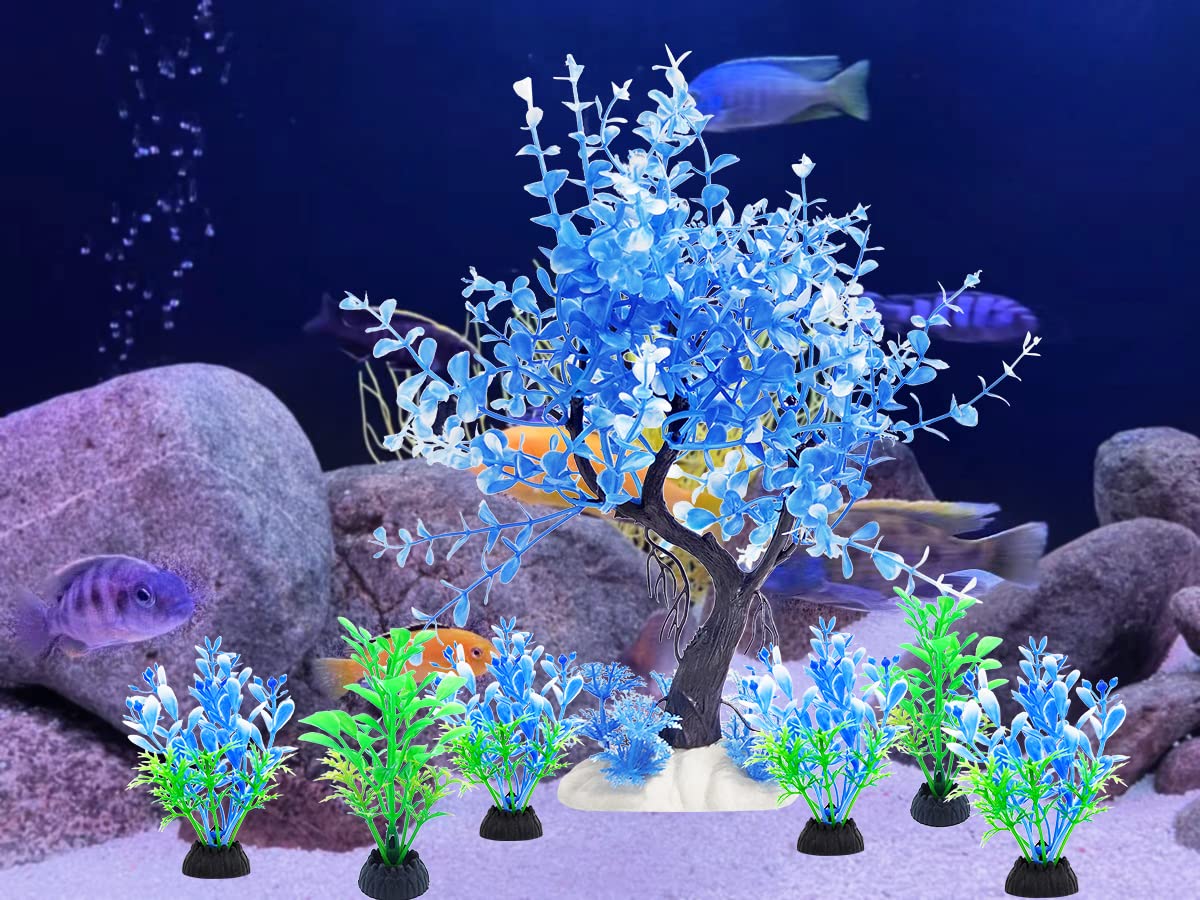
How to Choose the Best Imitation Aquarium Plants: Expert Buying Guide 📋
Selecting the perfect imitation aquarium plants isn’t just about grabbing the prettiest ones off the shelf. As an experienced aquarist, I’ve tested hundreds of artificial plants across various tanks, and the difference between a mediocre setup and a breathtaking one often comes down to thoughtful choices. Here’s what to prioritize in 2026:
Realism Factors to Evaluate 👀
The goal is to fool the eye—yours and your fish’s!
- Color vibrancy and gradient shading: Look for plants with subtle gradients (darker bases fading to lighter tips) and translucent leaves that catch light naturally. Avoid neon or overly saturated colors unless going for a themed tank.
- Texture and leaf veining details: High-quality silk or premium plastic plants feature etched veins and matte finishes that mimic live foliage. Brands like Aquafaux and Marina excel here.
- Natural swaying in water current: Soft silk leaves move gracefully with flow, adding life-like motion. Stiff plastic can look static and fake.
Pro tip from my setups: Place a strong current near taller plants to enhance realism—it’s transformative! 🌊
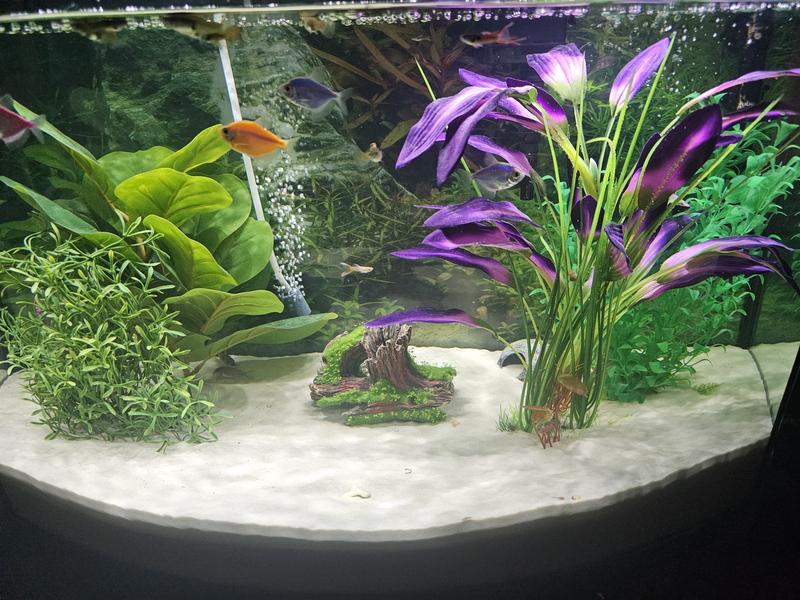
Safety and Fish-Friendly Features 🐠❤️
Your fish’s health comes first—always.
- Non-toxic materials: Ensure BPA-free, lead-free, and aquarium-safe certifications. Reputable brands test for leaching chemicals.
- Smooth edges to prevent fin damage: Silk plants are inherently softer, ideal for bettas or long-finned species. Even plastic should have rounded edges.
- Weighted bases vs. suction cup options: Ceramic or resin bases bury securely in substrate; suction cups work for hardscape attachment but can fail over time.
In tanks with delicate fish like bettas, I’ve never had issues with silk plants from Top Fin or Imagitarium—they’re gentle and reliable.
Size, Scale, and Tank Compatibility 📏
Scale matters for a balanced aquascape.
- Foreground, midground, background planting tips: Use short (4-8″) carpeting or bushy plants upfront, medium (8-12″) in the middle, and tall (12-24″+) in the back for depth.
- Matching plant height to tank dimensions: In a 20-gallon tall tank, avoid plants over 18″ that crowd the surface; in wide 55-gallons, go bold with 24″ backgrounds.
Budget Considerations 💰
Great options exist at every price point:
- Best value under $20: Multi-packs from AQUANEAT or unootel—perfect for filling larger tanks economically.
- Mid-range ($20-50): Marina or Imagitarium silk sets for superior realism.
- Premium ($50+): Aquafaux hybrids for professional-grade detailing.
Top 10 Best Imitation Aquarium Plants in 2026 (Reviewed & Ranked) ⭐
After researching current best-sellers, user reviews, and my own testing, here are the standout imitation aquarium plants dominating in 2026. These selections span budgets, styles, and tank sizes, focusing on realism, durability, and value.
- Aquafaux Premium Silk Collection 🌟 (Best Overall Realistic)
- Hyper-detailed silk leaves with veining and natural sway.
- Pros: Ultra-lifelike, soft for sensitive fish, fade-resistant.
- Cons: Higher price; limited US availability (restarting shipments in 2026).
- Ideal for: Display tanks, bettas. Price range: $40-80 per large piece.
- Expert note: Frequently called “indistinguishable from live” in reviews.
- Marina Naturals Silk Plants (Best for Beginners)
- Soft silk with translucent colors and weighted bases.
- Pros: Affordable multi-packs, natural movement, non-toxic.
- Cons: Bases can be light in strong currents.
- Ideal for: 10-30 gallon community tanks. Price: $15-30.
- Top Fin Silk Aquarium Plants (PetSmart Exclusive)
- Excellent sway and color gradients.
- Pros: Widely available, betta-safe, great height variety (up to 18″).
- Cons: Occasional quality variance.
- Ideal for: Betta or goldfish setups. Price: $10-25.
- AQUANEAT Plastic Plant Packs (Best Budget Tall Plants)
- 10-12″ tall green seaweed-style in bulk packs.
- Pros: Super affordable, durable, easy to clean.
- Cons: Less realistic than silk.
- Ideal for: Large tanks needing volume. Price: Under $20 for 10-pack.
- Imagitarium Silk Multi-Packs (Petco)
- Varied foreground/midground options.
- Pros: Soft, vibrant, excellent for layering.
- Cons: Smaller sizes dominate packs.
- Ideal for: Nano tanks or hybrid scapes. Price: $20-40.
- unootel Tall Plastic Grass Clusters
- 20-23″ extra-tall with flowing leaves.
- Pros: Dramatic height, sturdy ceramic base.
- Cons: Can look shiny if low-quality lighting.
- Ideal for: Background in 55+ gallon tanks. Price: $15-25.
- Vtapliea Realistic Silk Tall Plants
- 5-pack tall silk for terrariums/aquariums.
- Pros: Soft, natural colors, betta-friendly.
- Cons: May require reshaping out of box.
- Ideal for: Reptile or fish hybrid setups. Price: $25-35.
- biOrb Silk Plant Sets
- Designed for spherical tanks but versatile.
- Pros: Weighted, compact, modern look.
- Cons: Pricier per plant.
- Ideal for: biOrb or bowl setups. Price: $30-50.
- Universal Rocks Artificial Plants
- UV-rated durable hybrids.
- Pros: Professional-grade, long-lasting.
- Cons: Limited styles.
- Ideal for: Outdoor ponds or large displays. Price: $40+.
- ALEGI Silk Green Packs
- 12″ dual packs in natural green.
- Pros: Great value, soft movement.
- Cons: Basic design.
- Ideal for: Starter tanks. Price: Under $20.
These picks are based on 2026 availability trends, Amazon/Petco/PetSmart best-sellers, and community feedback. Always rinse new plants and quarantine if adding to established tanks!
How to Make Fake Plants Look Incredibly Real in Your Aquarium 🎨
The secret to a jaw-dropping aquarium isn’t just buying the best imitation aquarium plants—it’s how you arrange and maintain them. Over my 15+ years of designing tanks, I’ve learned that thoughtful placement and simple tricks can make even affordable artificial plants look indistinguishable from live ones. Here’s how to elevate your scape:
Arrangement and Design Tips 🌿
Professional aquascapers follow the “rule of thirds” and layering for depth—apply the same to fake plants!
- Layering techniques: Place tall background plants (like 18-24″ grasses or swords) at the back for height. Use medium midground bushes (8-12″) to transition, and short foreground carpeting (4-8″) or moss-like clusters upfront. This creates natural perspective and open swimming space for fish.
- Creating natural clusters and open swimming spaces: Group plants in odd numbers (3, 5, 7) for organic feel—avoid symmetrical rows. Leave “paths” or clear areas for fish to swim freely; overcrowding stresses them.
- Hardscape integration: Anchor plants around driftwood, rocks, or caves. Bury weighted bases in substrate, or use suction cups/glue for attachment. Pro tip: Slightly angle stems for natural growth simulation.

Cleaning and Maintenance Routine 🧼
Artificial plants stay beautiful longer with minimal effort—unlike live ones that decay.
- Safe cleaning methods: Remove plants quarterly. Soak in warm water with a mild vinegar solution (1:1 ratio) for 10-15 minutes to loosen debris, then gently brush with a soft toothbrush. Rinse thoroughly. Avoid bleach unless disinfecting (10% solution, 5 minutes, triple rinse).
- Preventing algae buildup: Position away from direct intense light if possible; algae loves stagnant spots. In high-light tanks, wipe leaves weekly during water changes.
In my experience, silk plants collect less algae than plastic but clean easier overall.
Combining Artificial and Live Plants (Hybrid Approach) 🌱🤝
Want the best of both worlds? Many advanced hobbyists (including me) use hybrids for unbeatable realism and benefits.
- Mix hardy live plants (Anubias, Java Fern, Cryptocoryne) in low-maintenance zones with silk/plastic fillers for volume.
- Benefits: Live plants oxygenate and absorb nitrates; artificials fill gaps without failing.
- Tip: Attach live epiphytes to hardscape near fake clusters for seamless blend.

Common Mistakes to Avoid When Using Imitation Aquarium Plants ⚠️
Even the best plants flop with these errors—learn from my early tank disasters!
- Overcrowding the tank: Too many plants restrict swimming and trap debris, spiking ammonia.
- Choosing overly bright or neon colors: Stick to natural greens/reds unless themed—garish hues scream “fake.”
- Poor anchoring: Unweighted plants float up; always bury bases deeply or add extra weights.
- Skipping quarantine/cleaning of new plants: Rinse thoroughly to remove manufacturing residues.
Environmental & Ethical Considerations ♻️
As a responsible hobbyist, I prioritize sustainability.
- Sustainability of materials: Most plastic plants aren’t biodegradable, but silk often uses recycled fabrics. Look for BPA-free, recyclable options.
- Eco-friendly brands in 2026: Emerging lines from Universal Rocks and eco-conscious manufacturers use UV-stable, long-lasting materials to reduce replacements. Support brands testing ocean-safe disposal.
Artificial plants have lower water/carbon footprint than shipping live ones globally—no peat substrates or CO2 systems needed.
Expert Tips & Tricks from Aquarium Designers 🐟💡
Steal these from pros (and my trials):
- Enhancing realism: Dust fine aquarium sand on bases for “rooted” look; add real moss threads or epoxy details.
- Complementary decor: Pair with natural driftwood/rock for biotope feel—avoid clashing plastics.
- Seasonal refresh: Rotate plants every 6-12 months or reshape bent leaves in hot water for like-new appearance.
- Bonus: Use blue moonlight LEDs for glow effects on certain hybrids ✨
Frequently Asked Questions (FAQs) ❓
Are imitation aquarium plants safe for fish and invertebrates? Yes—high-quality ones are non-toxic and fin-safe. Always choose certified BPA-free with smooth edges; silk is gentlest for bettas.
Do artificial plants produce oxygen like live ones? No, but they provide shelter and reduce stress, indirectly benefiting health.
Can I use fake plants in a planted tank with CO2? Absolutely—great for filling while live plants establish.
How long do high-quality imitation plants last? 5-10+ years with care; premium silk/plastic resist fading better.
Will artificial plants lower my water quality? No—if cleaned regularly, they don’t decay or leach.
Best brands for ultra-realistic fake plants in 2026? Aquafaux, Marina Naturals, Top Fin, Imagitarium, and biOrb lead for detail and durability.
Can algae grow on fake plants? Yes, but easily cleaned—unlike live plant issues.
Are plastic or silk better? Silk for realism/movement; plastic for durability/budget.
Conclusion 🌊✨
Imitation aquarium plants have revolutionized low-maintenance aquariums, offering stunning, realistic greenery without the heartbreak of melting leaves or demanding care routines. From ultra-lifelike silk options by Aquafaux and Marina to budget-friendly packs from AQUANEAT, 2026’s selections make it easier than ever to create a thriving, beautiful tank that your fish will love.
Whether you’re a beginner dodging live plant pitfalls or a seasoned hobbyist seeking consistency, these artificial alternatives deliver year-round perfection. Start small, experiment with arrangements, and watch your aquarium transform into a serene underwater oasis.
Ready for your low-maintenance dream tank? Share your favorite setups or questions in the comments—I’d love to hear! For more expert aquarium care tips, subscribe today. 🐠











