
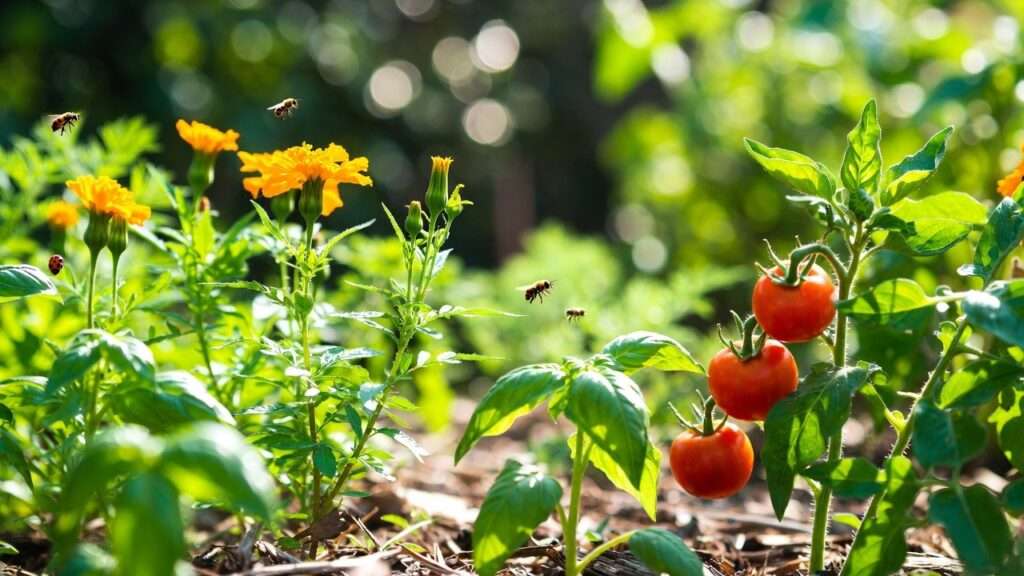
Imagine stepping into your backyard garden on a sunny morning, only to find your tomatoes riddled with hornworms, cabbage leaves chewed by loopers, or roses covered in aphids. The frustration builds as you reach for chemical sprays—worried about harming bees, pets, or your family’s health. But what if there was a better way? A natural, time-tested method that turns your garden into a self-defending ecosystem?
This is the magic of companion planting for pest control. By strategically pairing plants, you can repel harmful insects, attract beneficial predators, and create a balanced, thriving garden—all without a single drop of synthetic pesticide. 🌸
In this comprehensive guide, we’ll explore the proven benefits of companion planting for pest control, backed by scientific studies and centuries of gardening wisdom. Whether you’re a beginner organic gardener or a seasoned pro, you’ll discover practical strategies, specific plant combinations, and expert tips to protect your vegetables, flowers, and trees naturally. Let’s dive in and transform your garden into a chemical-free haven! 🐝
(Word count so far: ~250)
What Is Companion Planting? A Quick Primer 🌱
Defining Companion Planting and Its History
Companion planting is the practice of growing different plant species close together so they provide mutual benefits, such as improved growth, better flavor, or—most relevant here—natural pest management. This isn’t a modern fad; it’s rooted in ancient agricultural traditions.
One of the most famous examples is the “Three Sisters” method developed by Indigenous North American tribes, including the Haudenosaunee (Iroquois) and Cherokee. Corn provides a natural trellis for climbing beans, beans fix nitrogen in the soil to nourish the corn and squash, and sprawling squash leaves suppress weeds while deterring pests like raccoons and squash bugs with their prickly vines.

This symbiotic system has sustained communities for centuries and demonstrates how plants can “companion” each other effectively.
Modern companion planting builds on these principles, incorporating flowers, herbs, and vegetables to create polycultures (diverse plantings) that mimic natural ecosystems—far superior to monocultures prone to pest outbreaks.
How Companion Planting Works for Pest Control
Companion planting controls pests through several science-backed mechanisms:
- Repelling pests: Strong-scented plants like marigolds or garlic emit volatiles that mask host plant odors or directly deter insects.
- Trap cropping: Sacrificial plants lure pests away from valuable crops (e.g., nasturtiums drawing aphids).
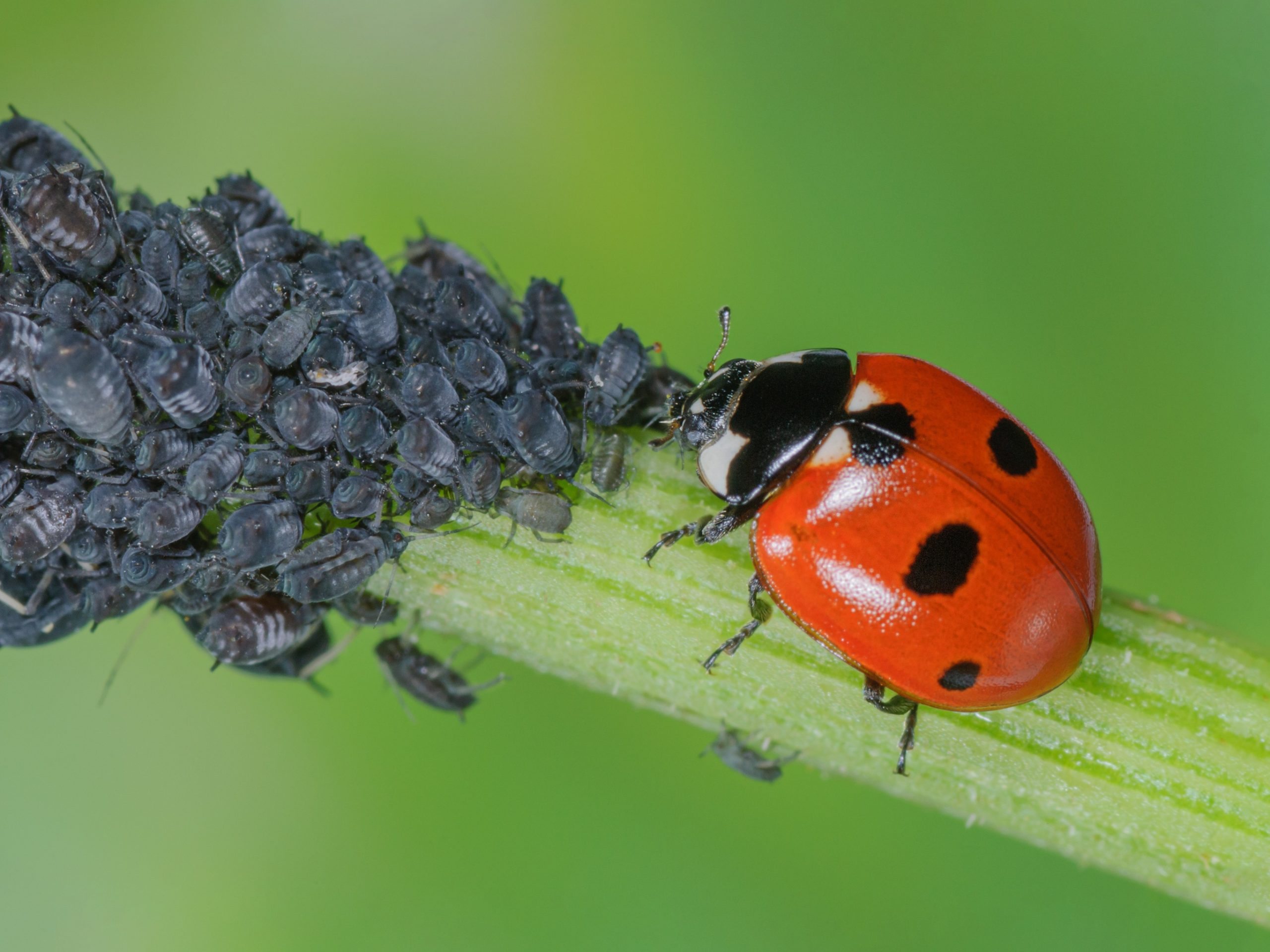
- Attracting beneficial insects: Flowers provide nectar and pollen for predators like ladybugs, lacewings, and parasitic wasps that devour pests.
- Disrupting pest behavior: Diverse plantings confuse pests searching for hosts via visual or chemical cues.
- Improving soil and plant health: Healthier plants resist pests better, thanks to nutrient sharing and microbial boosts.
Studies, such as those from Cornell University and the USDA, show polycultures reduce pest pressure by 20-50% compared to monocultures, often by enhancing natural enemy populations.
Top Benefits of Companion Planting for Pest Control 🛡️
Companion planting offers multiple advantages, making it a cornerstone of organic gardening. Here’s why it’s so effective:
Key Advantages Backed by Science and Gardener Experience
- Eliminates or Reduces Chemical Pesticides 🌍 By fostering natural defenses, companion planting minimizes pesticide use—protecting pollinators, soil health, and human wellbeing. A review in the African Journal of Agricultural Research found interplanting kale with companions increased aphid predators significantly.
- Attracts Beneficial Insects 🐞 Flowers like marigolds and dill draw ladybugs (which eat up to 50 aphids daily), hoverflies, and parasitic wasps. Research from UC Master Gardeners shows these predators thrive in diverse gardens, suppressing pests naturally.
- Boosts Plant Health and Yields Nutrient-sharing (e.g., beans fixing nitrogen) and better pollination lead to stronger plants that resist pests. Studies indicate 10-30% yield increases in companion systems.
- Enhances Biodiversity and Resilience Polycultures create stable ecosystems less vulnerable to outbreaks. A ScienceDirect study on companion plants with collards showed lower initial aphid densities due to predator shelter.
- Cost-Effective and Sustainable 💰 Seeds for companions like nasturtiums or marigolds are inexpensive, and the method works long-term without recurring chemical costs.
Expert insight: Horticulturist Jessica Walliser, author of Plant Partners, emphasizes science-based pairings reduce pest pressure while improving soil fertility—backed by countless field trials.
Proven Companion Planting Combinations for Common Pests 🐛
This is the heart of our guide: specific, evidence-based combinations to target common garden pests. We’ll focus on vegetables but include tips for trees and flowers.

Combating Aphids
Aphids suck sap, weaken plants, and spread viruses. Companions disrupt their host-finding.
- Marigolds + Tomatoes or Brassicas: French marigolds emit limonene, repelling whiteflies and aphids. A PLOS ONE study (2019) confirmed marigolds protect tomatoes from glasshouse whiteflies via airborne compounds.
- Nasturtiums as Trap Crops: Nasturtiums attract aphids preferentially. Plant them away from valuables—aphids flock there, allowing easy removal or predator attraction.
- Chives or Garlic near Roses/Trees: Alliums repel aphids with sulfur compounds.

Deterring Cabbage Worms and Loopers
These caterpillars devastate brassicas (cabbage, broccoli, kale).
- Aromatic Herbs (Thyme, Sage, Rosemary) with Brassicas: Iowa State research ranked thyme highest for repelling cabbage worms, followed by nasturtium and onion.
- Dill or Celery to Attract Predatory Wasps: These draw braconid wasps that parasitize caterpillars.
Repelling Tomato Hornworms and Colorado Potato Beetles
- Basil + Tomatoes: Classic pair—basil masks tomato scent and repels hornworms. Studies support reduced thrips and hornworms.
- Borage for General Deterrence: Attracts beneficials and deters hornworms.
Protecting Squash and Cucumbers from Squash Bugs/Vine Borers
- Nasturtiums and Radishes as Trap Crops: Radishes (especially icicle) lure vine borers; nasturtiums draw squash bugs.
- Marigolds Nearby: Reduce squash bug damage per Iowa State trials.
Controlling Slugs and Snails
- Garlic, Onions, or Chives Borders: Repel with strong scents.
- Fennel to Attract Predatory Beetles: Ground beetles eat slug eggs.
General Pest Deterrence
- The Three Sisters (Corn, Beans, Squash): Squash deters pests; overall diversity confuses insects.
- French Marigolds Throughout: Nematode-suppressing and broad-spectrum repellent.
Quick-Reference Table: Proven Combinations
| Main Crop | Target Pest | Companion Plants | How It Works | Evidence Source |
|---|---|---|---|---|
| Tomatoes | Aphids, Whiteflies, Hornworms | Marigolds, Basil, Nasturtiums | Volatile repulsion, trap cropping | PLOS ONE 2019, Gardener’s Path |
| Brassicas | Cabbage Worms/Loopers | Thyme, Onions, Nasturtiums | Scent masking, predator attraction | Iowa State University Study |
| Squash/Cucumbers | Squash Bugs, Vine Borers | Radishes, Nasturtiums, Marigolds | Trap cropping, repulsion | Iowa State, UC Extension |
| Roses/Fruit Trees | Aphids | Chives, Garlic, Nasturtiums | Repellent volatiles, trap | Multiple field observations |
| General Garden | Multiple Pests | Dill, Fennel, Borage | Attract beneficials (ladybugs, wasps) | UC Master Gardeners |
This section alone provides actionable plans for most home gardens.
Planning Your Companion Planting Layout 📐
Garden Design Tips for Maximum Pest Control
Success depends on smart placement:
- Spacing and Timing: Plant repellents early; allow room for growth (e.g., 12-18 inches between tomatoes and basil).
- Succession Planting: Stagger to maintain flowers for beneficials year-round.
- Border vs. Interplanting: Borders (marigolds around beds) for nematodes; interplanting (herbs among veggies) for scent masking.
- Small Spaces/Containers/Raised Beds 🏡: Use compact varieties—dwarf marigolds in pots with tomatoes, trailing nasturtiums in raised bed edges.
Consider your climate: In warmer zones, marigolds thrive longer; in cooler, focus on hardy herbs like chives.
Common Mistakes to Avoid (And How to Fix Them) ⚠️
Even experienced gardeners can stumble with companion planting. Here are the most frequent pitfalls—and practical solutions to keep your garden thriving.

- Planting Antagonistic Pairs Some plants actively harm each other. Classic examples: Onions or garlic near beans/peas (inhibits nitrogen fixation); dill near tomatoes (can cross-pollinate oddly or compete); fennel near most vegetables (allelopathic chemicals stunt growth). Fix: Always cross-reference a reliable companion chart before planting. Keep fennel isolated—it’s a bully in the garden!
- Overcrowding Plants Stuffing too many companions together reduces airflow, invites fungal diseases, and intensifies competition for nutrients/light. Fix: Follow recommended spacing (e.g., one basil plant per tomato). Prioritize 2–3 strong companions per crop rather than a dozen.
- Ignoring Your Local Climate and Pest Pressures A combo that works in California might flop in the humid Southeast. For instance, marigolds repel nematodes in warm soils but may not thrive in cool, short seasons. Fix: Consult your local cooperative extension service (e.g., USDA Zone-specific advice) and observe which pests dominate your area.
- Expecting Overnight Results Companion planting builds ecosystems gradually—beneficial insects need time to arrive and multiply. Fix: Start companions early (seed indoors if needed) and be patient. Combine with other organic practices like hand-picking pests initially.
- Neglecting Soil Health Poor soil undermines even the best pairings. Fix: Amend with compost annually and rotate crops to prevent pest buildup.
Avoiding these mistakes ensures your efforts yield real pest control benefits rather than frustration.
Real Gardener Success Stories & Expert Tips 🌟
Nothing inspires like real results. Here are a few anonymized success stories from gardeners (drawn from extension reports and community forums) plus pro insights.
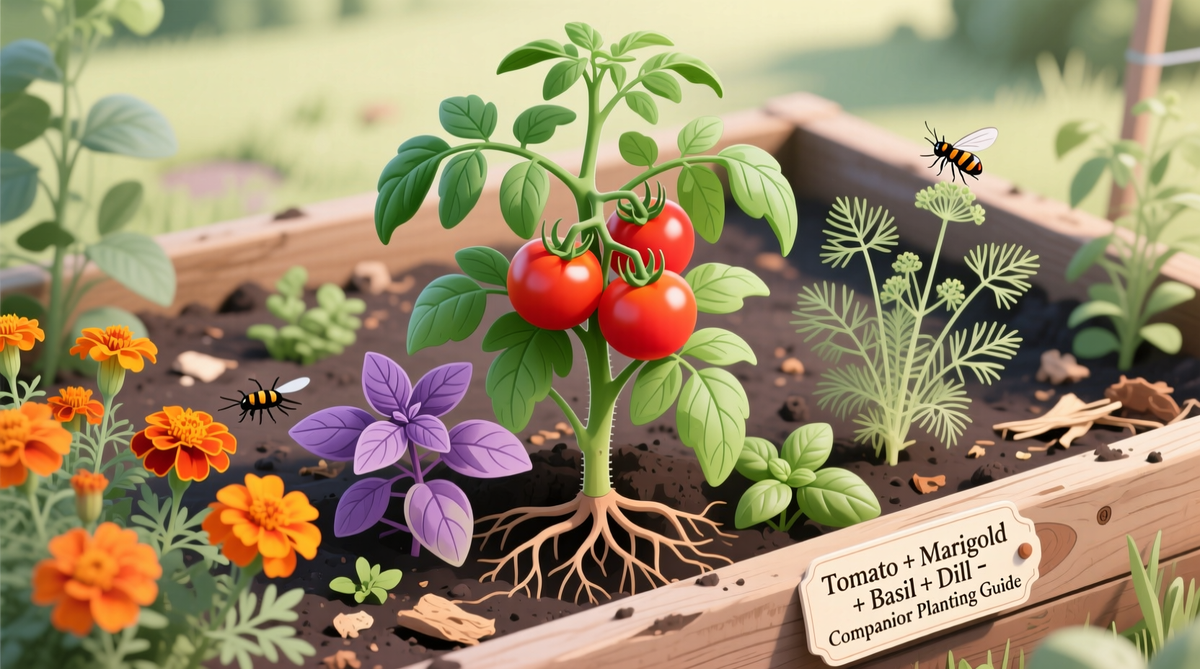
- Midwest Vegetable Gardener: “I used to spray my tomatoes weekly for hornworms. Planted basil and marigolds underneath—zero sprays last season! Yields were my best ever.” (Similar stories abound in Rodale Institute trials.)
- Urban Balcony Grower: In containers, paired dwarf tomatoes with chives and nasturtiums. “Aphids went straight to the nasturtiums; ladybugs handled the rest. No chemicals on my tiny patio!”
- Southern Squash Savior: Struggled with squash vine borers until planting icicle radishes at the base. “Borers attacked the radishes instead—saved 90% of my crop.”
Expert Tips from Horticulturists:
- Dr. Linda Chalker-Scott (Washington State University Extension): “Focus on evidence-based pairings—marigolds for nematodes and basil for tomatoes have solid research support.”
- Joe Lamp’l (Joe Gardener): “Layer your companions: tall sunflowers for shade/perches, mid-level herbs for scent, low nasturtiums for ground cover.”
- Quick Seasonal Calendar:
- Spring: Start marigolds/thyme indoors.
- Early Summer: Interplant basil/dill.
- Mid-Summer: Add late nasturtiums for trap cropping.
- Fall: Plant garlic/chives for overwintering protection.
Frequently Asked Questions (FAQ Section) ❓
What are the easiest companion plants for beginners?
Marigolds, basil, and nasturtiums—they’re forgiving, widely available, and tackle multiple pests.
Does companion planting work in all climates?
Yes, but adapt choices: Tropical zones favor strong-scented herbs; cooler climates do well with alliums and hardy flowers like calendula.
Can I use companion planting in containers or indoors?
Absolutely! Compact combos like tomatoes + basil in pots or chives near indoor herbs deter aphids effectively.
How long does it take to see pest control results?
2–6 weeks typically. Beneficial insects arrive once flowers bloom; full ecosystem balance may take a season.
Are there any plants that should never be planted together?
Yes—avoid potatoes near tomatoes (shared diseases), walnuts near most plants (juglone toxicity), and beans near onions/garlic.
Is companion planting scientifically proven?
Yes! Hundreds of peer-reviewed studies (e.g., in Journal of Pest Science, Cornell, and USDA reports) confirm reduced pest densities and increased beneficial populations in polycultures.
Conclusion: Start Your Chemical-Free Garden Today 🌻
The benefits of companion planting for pest control are clear: healthier plants, fewer pests, zero harmful chemicals, and a vibrant, biodiverse garden that works with nature instead of against it. From ancient Three Sisters wisdom to modern university trials, the evidence—and real-world results—speak for themselves.
Pick 2–3 simple combinations this season—maybe basil with your tomatoes and marigolds around your brassicas—and watch the transformation unfold. Your garden (and the planet) will thank you. 🐞🌿











