
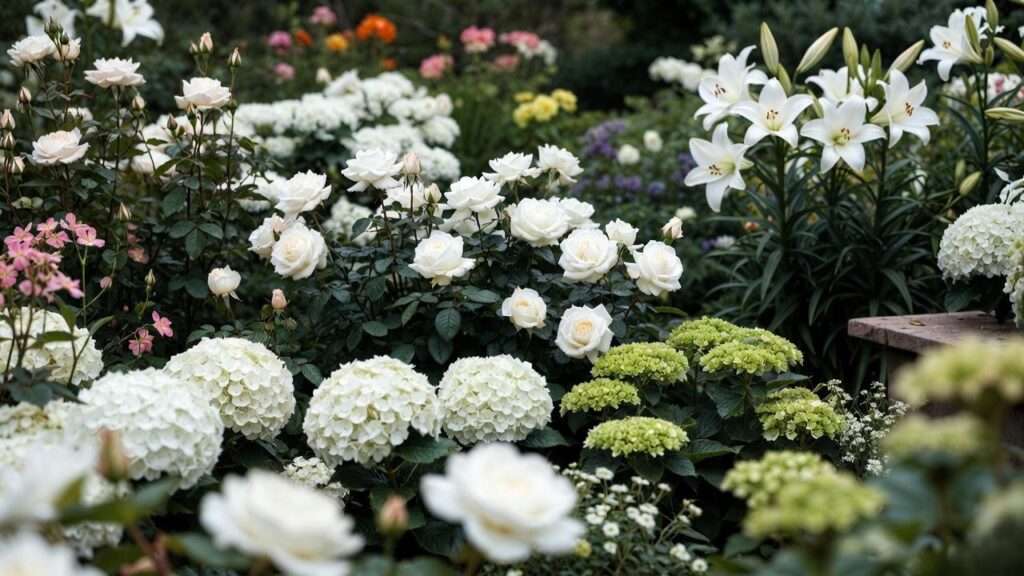
Imagine stepping into your garden at dusk and being greeted by a soft, ethereal glow—pure white blooms that seem to float above the foliage like tiny lanterns in the twilight. That magical effect is exactly why plants with white flowers remain one of the most beloved choices for gardeners everywhere. White flowers bring timeless elegance, a sense of calm, and unmatched versatility to any landscape.
Whether you’re designing a romantic cottage garden, a sleek modern border, or a serene moon garden, white-flowering plants create instant sophistication. They brighten shady corners, make small spaces feel larger, and pair beautifully with every other color in the spectrum. Best of all, many of these beauties attract pollinators while requiring surprisingly little fuss once established.
As a horticulturist with over 15 years of experience helping homeowners and landscape designers create breathtaking gardens, I’ve seen firsthand how incorporating plants with white flowers transforms ordinary yards into peaceful retreats. In this ultimate guide, we’ll explore 15 of the most stunning options—from classic roses and hydrangeas to dramatic trees and fragrant vines—complete with expert care tips, best varieties, planting advice, and troubleshooting tricks. Ready to add pure white magic to your garden? Let’s get started! 🌷
Why Choose Plants with White Flowers? Benefits & Design Tips 🎨
White blooms aren’t just pretty—they’re practical problem-solvers in the garden:
- Light up shady areas – White flowers reflect light, making even deep shade feel bright and inviting 🌞
- Create moon gardens – Many white flowers glow at night, perfect for evening enjoyment 🌙
- Unify mixed borders – White acts as a neutral anchor that ties together colorful plants
- Symbolize peace and purity – Ideal for meditation gardens, memorial spaces, or simply a calming retreat
- Boost curb appeal – White-flowering shrubs and trees make a house look elegant and well-maintained
Expert design tip: Pair white flowers with silver or gray foliage (like lamb’s ear or artemisia) for a stunning monochromatic look, or contrast them against dark green leaves for dramatic impact. Fragrant varieties add an extra layer of sensory delight—imagine the sweet perfume of gardenias or mock orange drifting through the air on a summer evening! 🌸
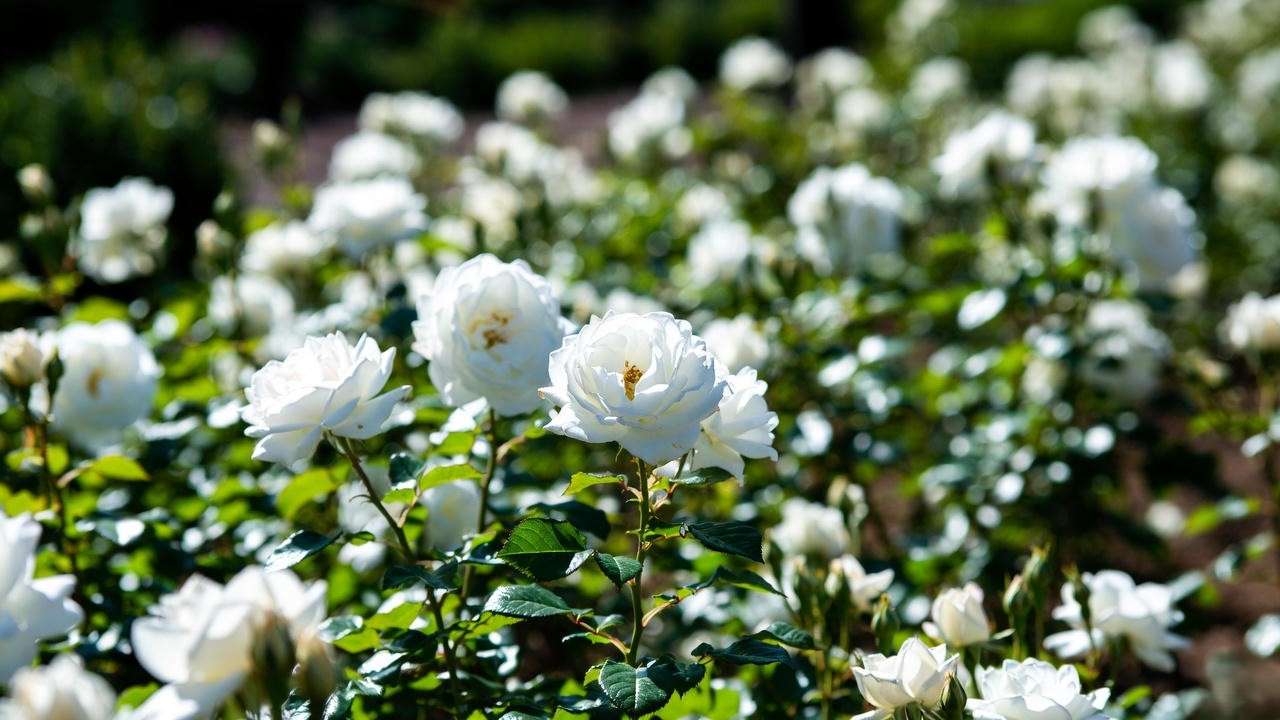
1. Roses (Rosa spp.) – The Queen of White Blooms 🌹
Few plants rival the romance and reputation of white roses. They symbolize innocence, new beginnings, and pure love—perfect for wedding gardens or sentimental corners.
Top white rose varieties I recommend:
- ‘Iceberg’ – A classic shrub or climber with clusters of pure white blooms; incredibly disease-resistant and repeat-flowering
- ‘Madame Alfred Carrière’ – A vigorous rambler with large, fragrant, semi-double flowers; one of the best for covering arches or fences
- ‘Blanche Double de Coubert’ – A hardy rugosa rose with double white blooms and excellent fall hips; nearly thornless and deer-resistant
Essential care for white roses:
- Full sun (at least 6 hours)
- Well-drained, fertile soil amended with compost
- Deep weekly watering (avoid wetting foliage)
- Mulch with 2–3 inches of organic material to retain moisture and suppress weeds
- Prune in late winter or early spring; fertilize with a balanced rose food in spring and midsummer
Pro insight: Deadhead spent blooms promptly to encourage continuous flowering. ‘Iceberg’ is my go-to recommendation for beginners—it’s tough, reliable, and blooms from early summer until frost. 🦌❌
2. Hydrangeas (Hydrangea spp.) – Big, Bold, & Long-Lasting 🌼
White hydrangeas are the ultimate show-stoppers—massive flower heads that last for months and bring a touch of luxury to any garden.
Best white hydrangea varieties:
- ‘Annabelle’ (Hydrangea arborescens) – Huge, snowball-like blooms on sturdy stems; blooms on new wood
- ‘Incrediball’ – An improved version of Annabelle with even larger flowers and stronger stems
- ‘Limelight’ (panicle hydrangea) – Starts lime-green and fades to creamy white; excellent for drier soils
Care essentials:
- Morning sun, afternoon shade in hot climates
- Consistently moist, rich soil (they’re thirsty!)
- Prune panicle types in late winter; smooth types can be cut back hard in spring
- Mulch heavily to keep roots cool and moist
Expert tip: Unlike blue or pink hydrangeas, white varieties stay reliably white regardless of soil pH—making them the perfect choice for consistent color. 💧
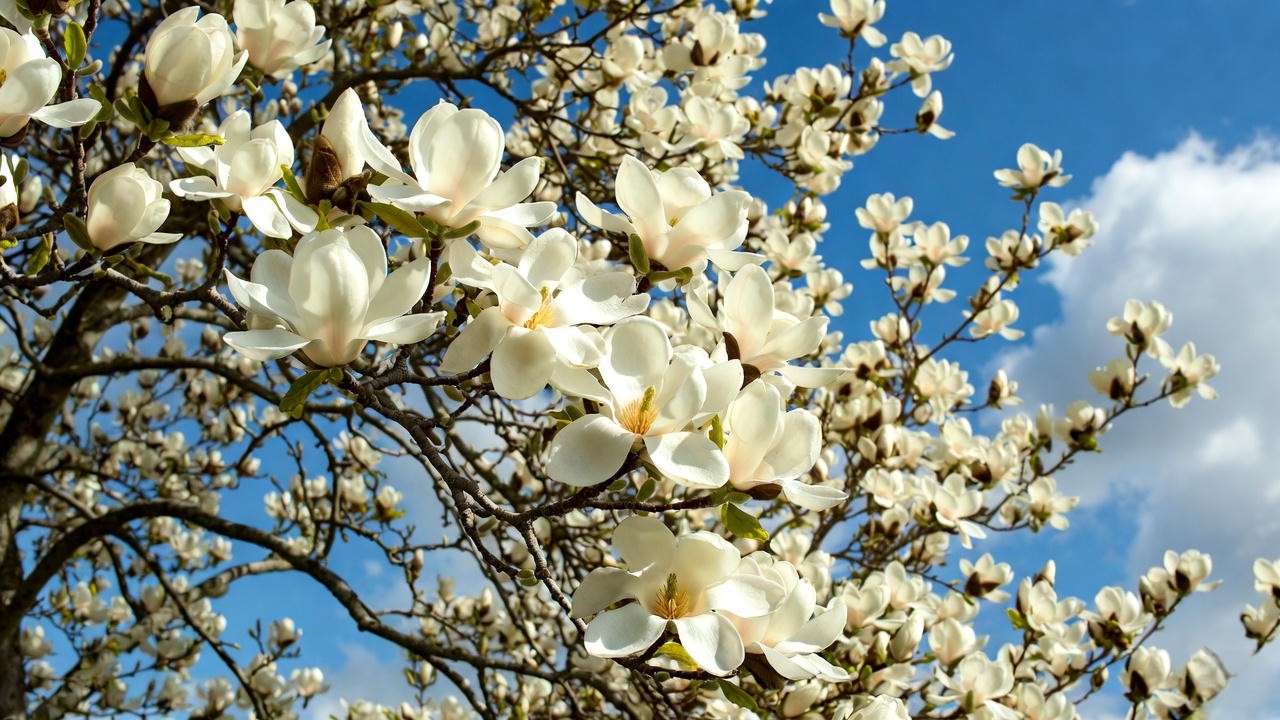
3. Magnolias (Magnolia spp.) – Dramatic Tree Blossoms 🌳
Nothing announces spring quite like a magnolia in full bloom. Their large, waxy white flowers are breathtaking and often sweetly fragrant.
Top white magnolia varieties:
- Southern Magnolia (Magnolia grandiflora) – Evergreen with huge, lemon-scented blooms; iconic glossy leaves
- Star Magnolia (Magnolia stellata) – Early-blooming with star-shaped flowers; compact and shrub-like
- ‘Ann’ – A smaller hybrid with tulip-shaped blooms; great for smaller gardens
Care essentials:
- Full sun to part shade
- Acidic, well-drained soil (pH 5.5–6.5)
- Mulch heavily and protect from strong winds
- Plant in spring for best root establishment
Beginner note: Magnolias are long-lived trees—once established, they’ll bring joy for decades. Plant one and you’re investing in future generations! 🌟
4. Peonies (Paeonia spp.) – Lush, Romantic Blooms 🌸
Peonies are the queens of the late-spring garden. Their fluffy, fragrant double blooms make them irresistible.
Favorite white peony varieties:
- ‘Festiva Maxima’ – Classic double with white petals and a touch of red at the center; heavenly fragrance
- ‘Duchess of Kent’ – Fully double, pure white blooms that last for weeks
- ‘Shirley Temple’ – Soft blush-white flowers that open fully white
Care essentials:
- Full sun (6+ hours)
- Deep, fertile, well-drained soil
- Plant crowns only 1–2 inches below soil surface (too deep = no blooms!)
- Water consistently during dry spells
Pro tip: Use peony rings or stakes for heavy double blooms. Once established, peonies are virtually maintenance-free and can live for 50+ years! 🏆
5. Oriental Lilies (Lilium oriental) – Fragrant Trumpet Beauties 🌷
If you want head-turning drama and perfume that stops people in their tracks, white Oriental lilies deliver every time.
Top varieties:
- ‘Casa Blanca’ – The gold standard: enormous 10-inch pure white blooms with intoxicating fragrance
- ‘Muscadet’ – White petals with soft pink speckles and strong scent
- ‘Stargazer’ (technically pink-white, but its white form ‘White Stargazer’ is stunning)
Care essentials:
- Full sun to very light shade
- Well-drained, slightly acidic soil enriched with compost
- Plant bulbs 6–8 inches deep in autumn or early spring
- Stake tall stems to prevent wind damage
- Water regularly; feed with tomato fertilizer when buds form
Expert tip: Plant lilies among lower perennials (nepeta, salvia, or lavender) so the foliage is hidden while the flowers rise like elegant candelabras. Deadhead spent blooms but leave stems until they yellow to feed next year’s flowers. 🐝
6. Gardenia (Gardenia jasminoides) – Tropical Perfume Powerhouse 🌺
Few plants rival the glossy leaves and waxy, creamy-white blooms of a gardenia. The scent is pure summer romance.
**Best varieties for outdoors:
- ‘August Beauty’ – Heavy bloomer from late spring through fall
- ‘Veitchii’ – Compact, reliable, and extra-fragrant
- ‘Kleim’s Hardy’ – Survives down to Zone 7 with protection
Care essentials:
- Morning sun, afternoon shade (especially in hot climates) Acidic, organically rich, consistently moist soil Mulch with pine straw or shredded bark Fertilize with acid-loving plant food in spring and midsummer Bring potted gardenias indoors in winter if below Zone 8
Pro insight: Yellowing leaves almost always mean the soil is too alkaline or you’re watering with hard water. Switch to rainwater or add chelated iron. Once happy, one plant can perfume an entire patio! 🌙✨
7. Mock Orange (Philadelphus coronarius) – Orange-Blossom Scent Without the Citrus 🍊
This old-fashioned shrub produces cascades of pure white, four-petaled flowers that smell exactly like orange blossoms.
Top picks:
- ‘Snowbelle’ – Compact, double flowers
- ‘Aureus’ – Golden foliage with white blooms
- Philadelphus lemoinei hybrids – Very fragrant and heavy blooming
Care: Full sun to part shade Any reasonable garden soil Prune right after flowering (blooms on old wood) Drought-tolerant once established
Perfect for hedges, mixed borders, or near windows so the scent drifts indoors. 🏡💨
8. Snowball Viburnum (Viburnum opulus ‘Roseum’ or V. plicatum ‘Popcorn’) – Hydrangea Lookalike Balls 🎱
These shrubs erupt into perfect round “snowballs” of sterile white flowers in late spring.
Best varieties:
- ‘Roseum’ (European snowball) – Classic green leaves turn red in fall
- ‘Popcorn’ (Japanese snowball) – Smaller, popcorn-like clusters
- ‘Summer Snowflake’ – Layered horizontal branches with repeat bloom
Care: Full sun to part shade Moist but well-drained soil Prune only to shape after flowering Attracts birds with red fall berries (on fertile varieties)
Great for cutting—float a few snowballs in a bowl for an instant elegant centerpiece! ❄️
9. White Clematis – The Queen of Climbers 🧗♀️
White clematis turns walls, arbors, and trellises into living lace.
Top white varieties:
- Clematis ‘Henryi’ – Huge 8-inch flowers, blooms summer
- Clematis ‘Duchess of Edinburgh’ – Fully double rosette blooms
- Sweet Autumn Clematis (C. terniflora) – Clouds of tiny fragrant stars in late summer/fall
Care: Roots in shade, tops in sun (“feet in shade, head in sun” rule) Rich, well-drained soil Pruning group depends on variety (Group 2 most common for large-flowered whites)
Pro tip: Plant low-growing perennials or shallow-rooted shrubs around the base to keep roots cool.
10. Foxglove (Digitalis purpurea ‘Alba’) – Cottage-Garden Spires 🏰
Pure white foxgloves bring vertical magic and old-world charm.
Care: Part shade preferred Moist, humus-rich soil Biennial or short-lived perennial—let it self-seed for continuity Caution: All parts toxic if ingested—keep away from children/pets
Stunning when allowed to naturalize in woodland edges or cottage borders.
11. Shasta Daisy (Leucanthemum × superbum) – Cheerful & Bulletproof 🌼
The classic white daisy that blooms its heart out all summer.
Best varieties:
- ‘Becky’ – Tough, long-blooming, award-winner
- ‘Alaska’ – Classic single form
- ‘Crazy Daisy’ – Frilly double petals
Care: Full sun Average to poor soil (too rich = weak stems) Deadhead or shear mid-summer for fall rebloom Divide every 2–3 years
Possibly the most foolproof perennial on this list—perfect for beginners!
12. Japanese Anemone (Anemone × hybrida ‘Honorine Jobert’) – Graceful Fall Elegance 🍂
When most gardens fade, these poppies-on-sticks dance in the breeze.
Features: Single pure white petals with golden centers Blooms August–October 3–4 ft tall wiry stems
Care: Part to full shade Moist, well-drained soil Spreads politely—great for filling gaps
One of the few reliable white fall-blooming perennials.
13. Evergreen Candytuft (Iberis sempervirens) – Low & Lovely Groundcover 🌱
Forms a tidy carpet of pure white blooms in spring.
Top varieties:
- ‘Purity’ – Compact, heavy blooming
- ‘Snowflake’ – Larger flowers, cascading habit
Care: Full sun Well-drained, even rocky soil Shear lightly after bloom to keep neat
Perfect edging plant or rock-garden star.
14. Moonflower (Ipomoea alba) – Magical Night Bloomer 🌙✨
Huge 6-inch white trumpets open at dusk and release tropical fragrance all night.
Care: Full sun Rich soil Soak seeds overnight before planting Annual vine—grows 10–15 ft in one season
Plant near a bedroom window or patio—you’ll never forget the evening show!
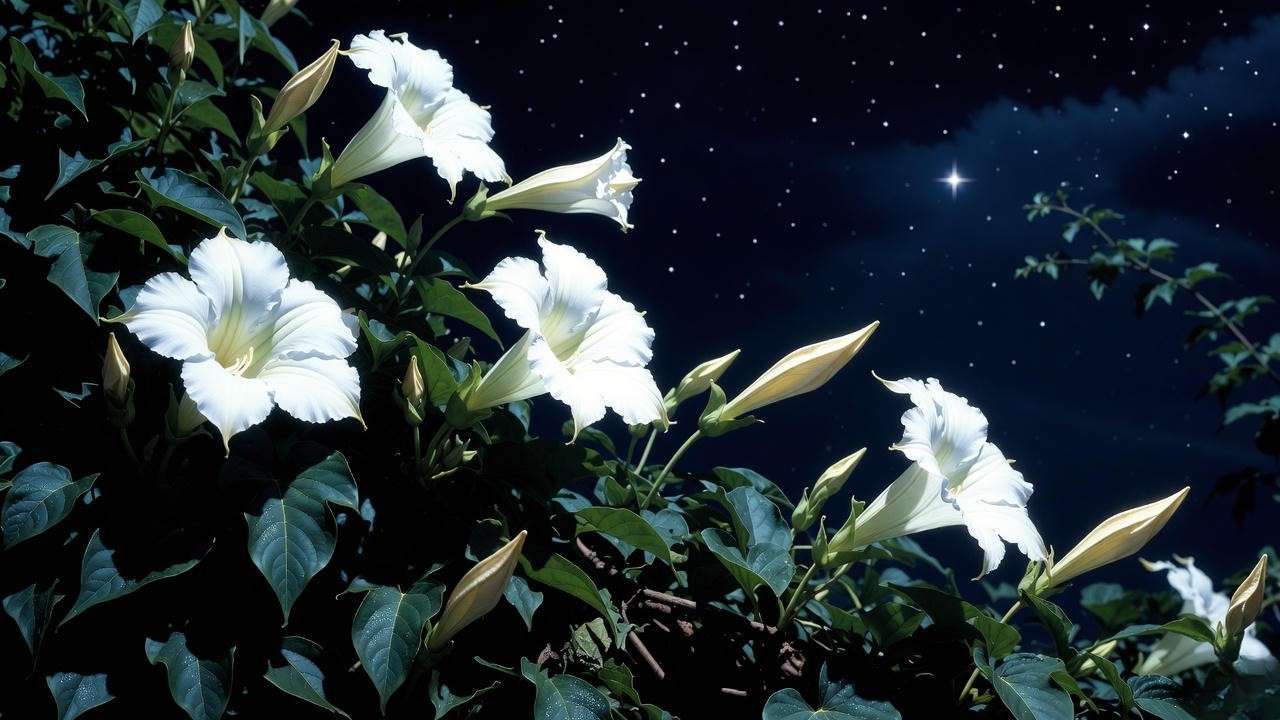
15. Angel’s Trumpet (Brugmansia) – Tropical Drama Queen 🎺
Pendant, foot-long white (or cream) trumpets dangle like chandeliers.
Care: Full sun Rich, moist soil Overwinter indoors in cold climates ⚠️ Highly toxic—all parts poisonous
Worth every bit of effort for the jaw-dropping display and evening fragrance.
General Care Tips for Plants with White Flowers 🛠️
Caring for plants with white flowers doesn’t have to be complicated—most thrive with basic attention to their needs. Drawing from years of trial-and-error in diverse climates (from Zone 5 winters to Zone 9 heat), here are my battle-tested guidelines to keep your white beauties blooming vibrantly. These tips address common pitfalls like wilting, yellowing leaves, or sparse flowers, ensuring you get the most from your garden investment.
Soil Preparation: The Foundation of Success 🌱
- Ideal pH and Texture: Most white-flowering plants prefer slightly acidic to neutral soil (pH 6.0–7.0). Roses, hydrangeas, and peonies love fertile, loamy soil amended with 2–4 inches of compost or well-rotted manure before planting.
- Drainage is Key: Soggy roots spell disaster—mix in perlite or sand for heavy clay soils. For acid-lovers like gardenias and magnolias, add pine bark fines to lower pH.
- Pro Tip: Test your soil annually with a home kit (available for under $20). Adjust as needed to prevent nutrient lockout, which often causes faded blooms or stunted growth.
Watering Wisdom: Hydrate Without Drowning 💧
- Frequency: Deep water once a week during dry spells—aim for 1 inch of water per session, measured with a rain gauge. Newly planted specimens need consistent moisture for the first year.
- Method: Drip irrigation or soaker hoses are best; avoid overhead watering to prevent fungal issues on pristine white petals.
- Seasonal Adjustments: Increase in summer heat, reduce in fall. Mulch with 2–3 inches of organic material (like shredded leaves) to lock in moisture and cool roots—especially crucial for thirsty hydrangeas and lilies.
- Troubleshooting: Wilting despite wet soil? Check for root rot. Yellow leaves? Overwatering or poor drainage is likely the culprit.
Fertilizing for Flawless Blooms 🌿
- Timing and Type: Apply a balanced, slow-release fertilizer (10-10-10 NPK) in early spring as growth begins. Switch to a bloom-booster (higher phosphorus, like 5-10-10) in midsummer for roses, peonies, and clematis.
- Acid-Lovers Special: For gardenias, magnolias, and azaleas (if you expand your white palette), use an azalea-camellia formula every 4–6 weeks during the growing season.
- Organic Alternatives: Fish emulsion or compost tea provides gentle nutrition without burning roots. Over-fertilizing leads to leggy growth and fewer flowers—less is more!
- Expert Insight: Always water before fertilizing to avoid root scorch. In my experience, under-fertilized plants produce the most resilient, long-lasting blooms.
Pest and Disease Management: Keep White Petals Pristine 🛡️
- Common Culprits: Aphids love tender rose buds—blast them off with a strong water spray. Powdery mildew (white powdery spots) hits hydrangeas in humid areas; ensure good air circulation by spacing plants 2–3 feet apart.
- Prevention Strategies: Plant disease-resistant varieties like ‘Iceberg’ roses or ‘Becky’ Shasta daisies. Neem oil or insecticidal soap works wonders for organic control.
- Seasonal Vigilance: Inspect weekly in spring and summer. For deer-prone areas, mock orange and rugosa roses are naturally repellent.
- Pro Tip: Companion planting helps—marigolds deter nematodes around lilies, while alliums repel aphids from foxgloves.
Winter Protection: Safeguard Your Investments ❄️
- Perennials and Bulbs: Mulch lilies and peonies with 4–6 inches of straw after the ground freezes (Zone 5 and below).
- Shrubs and Trees: Wrap young magnolias or brugmansias in burlap for wind protection. Gardenias in pots can overwinter indoors near a sunny window.
- Pruning Pointer: Late-winter cuts (after the worst frost) rejuvenate most—remove dead wood and open the center for better airflow.
By following these care routines, you’ll solve the frustration of short-lived blooms and create a low-maintenance white wonderland that returns year after year. Remember, healthy soil and consistent care yield the best results—patience pays off! 🌟
Designing with White Flowers: Expert Layout Ideas 🖼️
White flowers aren’t just standalone stars—they’re design chameleons that solve spatial challenges and elevate aesthetics. As a landscape consultant, I’ve used them to brighten dim patios, define pathways, and create illusionary depth in tiny yards. Here are proven layouts to inspire your plants with white flowers paradise, tailored for different garden styles and sizes.
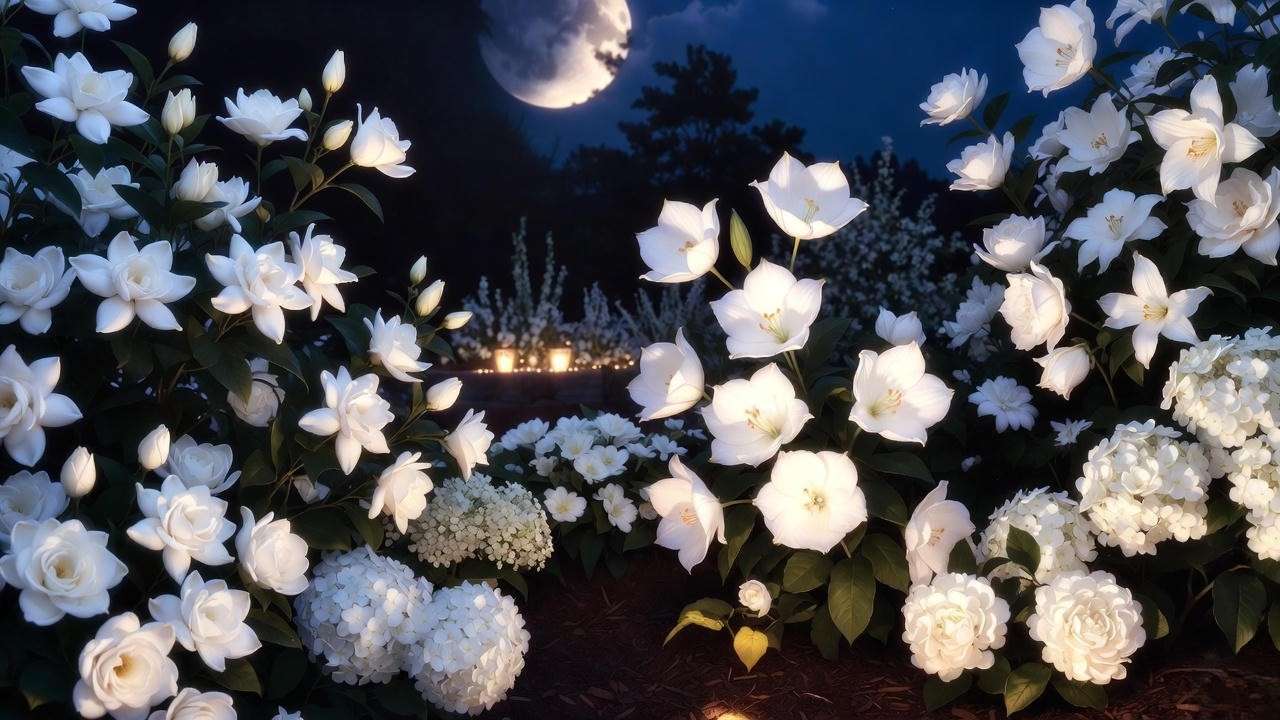
Moon Garden Magic: For Nighttime Enchantment 🌙
Create a sensory haven that shines after sunset:
- Key Plants: Moonflowers (for dramatic evening openings), gardenias (intoxicating scent), white lilies (‘Casa Blanca’), and evening primrose (Oenothera biennis, a bonus white bloomer).
- Layout: Cluster around a bench or hammock in partial shade. Underplant with glowing white lamb’s ear for texture.
- Enhancements: Add solar path lights and reflective gravel for amplified moonlight effects. This setup attracts night pollinators like moths, boosting biodiversity.
- Problem Solved: Transforms unused evening spaces into romantic retreats—ideal for urban gardeners with limited daylight hours.
Layered Borders: Vertical Drama in Mixed Beds 🎨
Use height for visual interest and pollinator appeal:
- Tall Backbone: Magnolias or angel’s trumpet at the back (8–20 ft).
- Mid-Level Fillers: Hydrangeas, peonies, or snowball viburnum (3–6 ft).
- Front Edge: Low candytuft, Shasta daisies, or Japanese anemones (1–2 ft).
- Design Tip: Space for airflow—18–24 inches between mid-layers prevents mildew. Weave in evergreens like boxwood for year-round structure.
- Pro Insight: In small gardens, this layering makes beds appear deeper. For color pops, tuck in blue salvia or purple alliums as accents.
Container and Patio Perfection: Space-Saving Elegance 🪴
No yard? No problem—pots turn balconies into blooms:
- Thriller-Filler-Spiller Combo: Angel’s trumpet (thriller), white petunias or ivy geraniums (filler), trailing sweet alyssum (spiller).
- Pro Picks: Dwarf ‘Annabelle’ hydrangeas or climbing ‘Madame Alfred Carrière’ roses in large whiskey barrels.
- Care Hack: Use self-watering pots for consistent moisture. Rotate for even sun exposure.
- Value Add: Portable white displays solve seasonal refresh needs—swap annual moonflowers for winter evergreens.
Cottage vs. Modern Styles: Tailored Inspirations 🏡✨
- Cottage Charm: Foxgloves, Shasta daisies, and mock orange in informal drifts—pair with picket fences for whimsy.
- Modern Minimalism: Single specimens like ‘Limelight’ hydrangea or star magnolia as focal points, edged with white gravel mulch.
- Universal Advice: Scale to your space—start with 3–5 plants and expand. White unifies chaos, making maintenance easier.
These designs not only showcase white flowering plants but also address real needs like low-light tolerance or wildlife attraction, turning your garden into a functional, feel-good oasis.
Frequently Asked Questions (FAQs) ❓
Q: Which plants with white flowers are best for beginners? A: Hands down, Shasta daisies (‘Becky’), ‘Annabelle’ hydrangeas, and ‘Iceberg’ roses. They’re forgiving of occasional neglect, drought-tolerant once established, and bloom reliably with minimal input. Start here if you’re new to gardening! 😊
Q: Do white flowers attract more pollinators than colored ones? A: Absolutely—bees, butterflies, and even hummingbirds flock to white blooms for their visibility and nectar. Fragrant options like gardenias and mock orange are pollinator magnets, supporting ecosystems while you enjoy the show. Plant clusters for best results! 🐝🦋
Q: How can I keep white flowers looking bright and spot-free? A: Prevention is key: Water at the base in the morning to dry foliage quickly, ensure 18–24 inches spacing for airflow, and apply neem oil at the first sign of mildew. For dirt splatter, a gentle hose rinse works wonders—your petals will stay pristine! ✨
Q: Can I grow plants with white flowers in full shade? A: Yes! Japanese anemones, white foxgloves, and astilbe (a bonus shade-loving white perennial) thrive in low light. Amend soil with leaf mold for moisture retention, and you’ll have elegant blooms where sunflowers fear to tread. 🌳
Q: Are there any white-flowering trees suitable for small yards? A: Star magnolia (Magnolia stellata) is perfect—compact at 10–15 feet, early-blooming, and non-invasive roots. Pair it with underplantings of candytuft for a mini woodland vibe without overwhelming your space. 🌲
Q: What’s the secret to getting peonies to bloom? A: Depth matters—plant eyes (the pink buds on roots) no more than 1–2 inches deep. Full sun and ant-free (they’re harmless helpers!) patience for the first year. If no flowers, lift and replant shallower. They’ll reward you for decades! 🌸
Final Thoughts: Create Your Dream White Garden Today! 🌟
There’s something profoundly soothing about a garden bathed in white—a canvas of serenity that invites reflection, wildlife, and endless admiration. By incorporating these 15 stunning plants with white flowers, from the romantic allure of roses to the nocturnal magic of moonflowers, you’re not just planting; you’re crafting a legacy of beauty that evolves with the seasons.
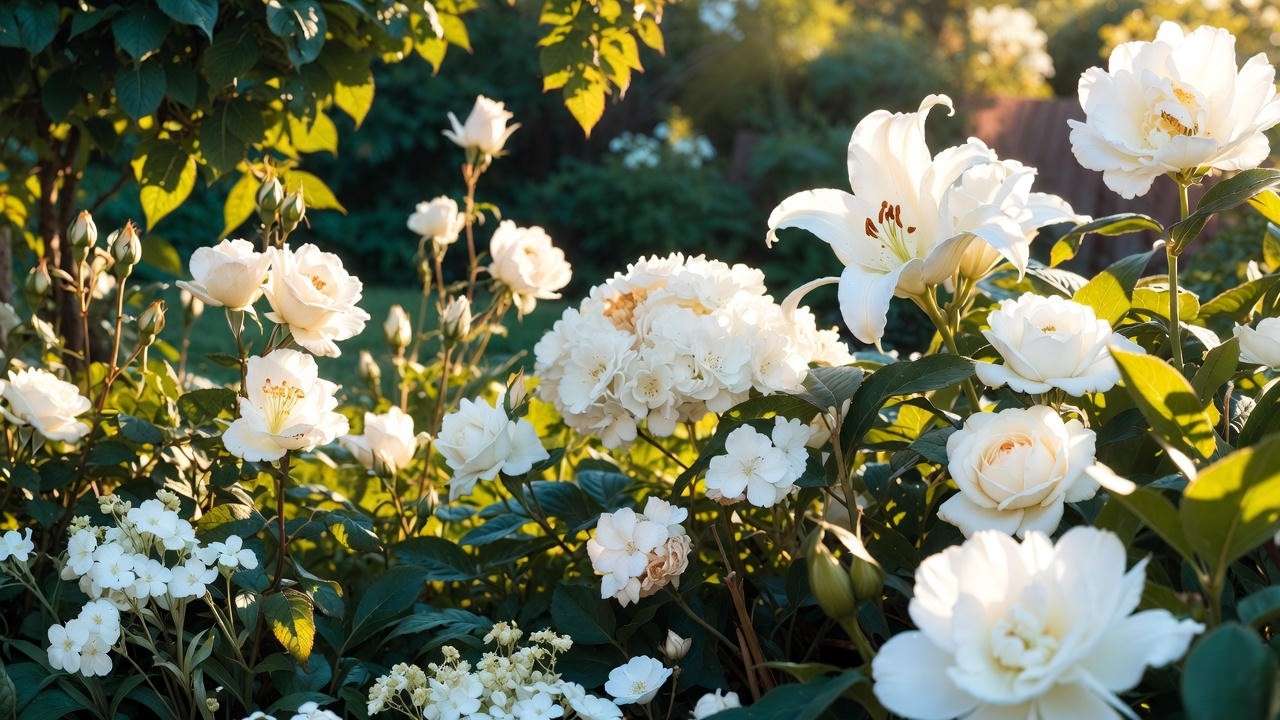
As your expert guide through this floral journey, I encourage you to start small: Pick 2–3 varieties that match your climate and space, follow the care tips we’ve covered, and observe what thrives. Over time, your garden will become a personalized haven, solving the everyday stresses of a busy life with its quiet elegance.
Which of these white wonders calls to you first—the fragrant gardenia for your patio or the towering angel’s trumpet for drama? Drop your thoughts in the comments below; I’d love to share more tailored advice or hear your success stories. Happy gardening—may your world bloom brighter! 🌿💚











