
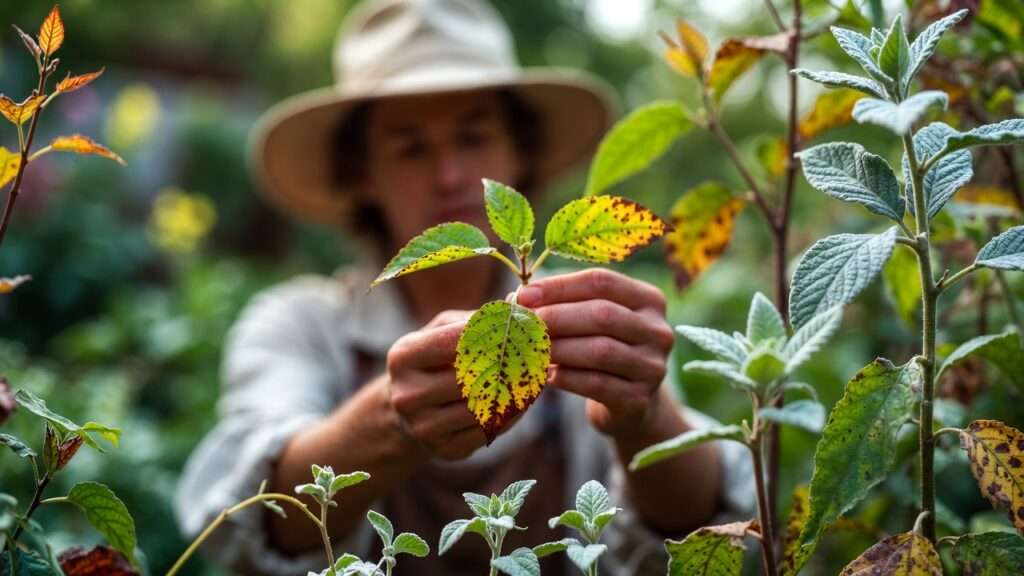
Imagine this: You step into your garden (or check your favorite indoor fiddle-leaf fig) and notice something’s off. Yesterday your tomato plants were lush and green; today, mysterious brown spots dot the leaves, or your prized rose bush has a strange white coating. 😱 Panic sets in — is it a disease, pest damage, nutrient deficiency, or just too much (or too little) water?
How to identify common plant diseases is one of the most searched questions among gardeners because early detection can literally save your plants! Catching issues quickly prevents spread, saves you money on replacements, and keeps your garden thriving all season long.
As plant care experts with over a decade of hands-on experience helping thousands of home gardeners, indoor plant enthusiasts, and tree owners, we’ve seen it all — from minor leaf spots to devastating tree blights. The good news? Most common plant diseases follow predictable patterns, and with the right visual cues, you can diagnose them like a pro without always needing a lab test.
In this comprehensive visual guide, we’ll walk you through the step-by-step process to spot issues early, cover the most common plant diseases (with real symptom descriptions and visuals), explain how to rule out non-disease problems first, and share proven prevention strategies. Whether you’re tending houseplants, vegetables, flowers, or shade/fruit trees, you’ll gain the confidence to act fast and keep your green friends healthy. 🌱
Quick Diagnostic Checklist (bookmark this!):
- Check both upper AND lower leaf surfaces
- Look for patterns: spots, wilting, powder, discoloration?
- Rule out environment first (watering, light, soil)
- Take close-up photos to track changes
- Act early — most diseases are manageable when caught soon!
Let’s dive in and turn you into a plant disease detective! 🕵️♀️
Why Early Detection Saves Your Garden (The Science Behind It)
Plant diseases don’t appear overnight — they follow the classic “disease triangle”: a pathogen (fungus, bacteria, virus), a susceptible host (your plant), and favorable conditions (humidity, poor airflow, wet leaves). When all three align, trouble starts.
Fungal diseases, which cause about 85% of plant health issues, spread via tiny spores carried by wind, water splash, insects, or dirty tools. Bacterial diseases thrive in wet conditions and enter through wounds, while viruses (often spread by pests) cause irreversible mottling and distortion.
The stakes are high: Globally, plant diseases cause massive losses — up to 40% in some crops — and home gardens aren’t immune. A single infected tomato plant can spread early blight to the whole row if not caught early. For trees, diseases like fire blight can kill branches or even entire young specimens in one season.
Benefits of mastering visual identification:
- Saves plants that would otherwise be discarded
- Reduces reliance on chemicals
- Prevents frustration from misdiagnosis (so many “nutrient issues” are actually fungal leaf spots!)
- Builds long-term garden resilience
Pro tip: Always inspect plants weekly, especially after rain or high humidity — early signs are subtle but save the day! 🍃
Step-by-Step Guide: How to Diagnose Plant Diseases Like a Pro
Diagnosing plant problems is part art, part science. Follow this expert process to avoid common mistakes.
The Expert Diagnostic Process
Step 1: Know your plant’s normal appearance Every variety has quirks — some tomatoes naturally have slightly purple-tinged leaves, while certain houseplants drop lower leaves as they grow. Establish a baseline.
Step 2: Examine the whole plant Don’t just look at leaves! Check:
- New vs. old growth
- Stems & branches
- Roots (gently lift if possible)
- Soil moisture & drainage
- Overall distribution (one side? Whole plant? Lower leaves only?)
Step 3: Differentiate signs vs symptoms
- Signs = visible pathogen (white powder = powdery mildew fungus, black dots = fungal fruiting bodies)
- Symptoms = plant’s reaction (wilting, yellowing, spots)
Step 4: Rule out non-disease causes first (This is crucial — 60-70% of “diseased” plants actually have cultural issues!)
- Over/underwatering → yellowing, wilting
- Poor light → leggy, pale growth
- Nutrient deficiency → specific patterns (e.g., yellow between veins = iron)
- Pests → sticky residue, webbing, visible bugs
Step 5: Note patterns & progression
- Round spots with halos? Likely fungal
- Angular, water-soaked? Bacterial
- Mottled/yellow patterns? Possibly viral
- One-sided wilting? Vascular wilt
Essential Tools for Accurate Identification 🔧
- Magnifying glass or phone macro lens (zoom in on tiny details!)
- Moisture meter (prevent root rot guesswork)
- Clean pruning knife (for stem/root checks)
- Notebook + camera (track changes over days/weeks)
With this method, you’ll catch 90% of issues correctly. Now, let’s look at the visuals!
Most Common Plant Diseases – Visual Symptom Gallery
This is the heart of the guide — detailed breakdowns of the diseases gardeners encounter most often.
Leaf Spots & Blights – The #1 Complaint
Fungal Leaf Spot (Alternaria, Septoria, etc.) These are super common on tomatoes, peppers, roses, and many houseplants.
Symptoms: Small, round to oval brown/black spots, often with yellow halos or concentric rings (target-like appearance). Spots may merge, causing leaves to yellow and drop. Lower leaves usually affected first.
Here are some clear examples of Septoria leaf spot on tomatoes (a classic fungal leaf spot):
Here are realistic close-ups showing the characteristic spots with yellow halos:
:max_bytes(150000):strip_icc()/identifying-and-controlling-septoria-leaf-spot-of-tomato-1402974-02-b556ef33db30454dbc021c3e7cea89b5.jpg)
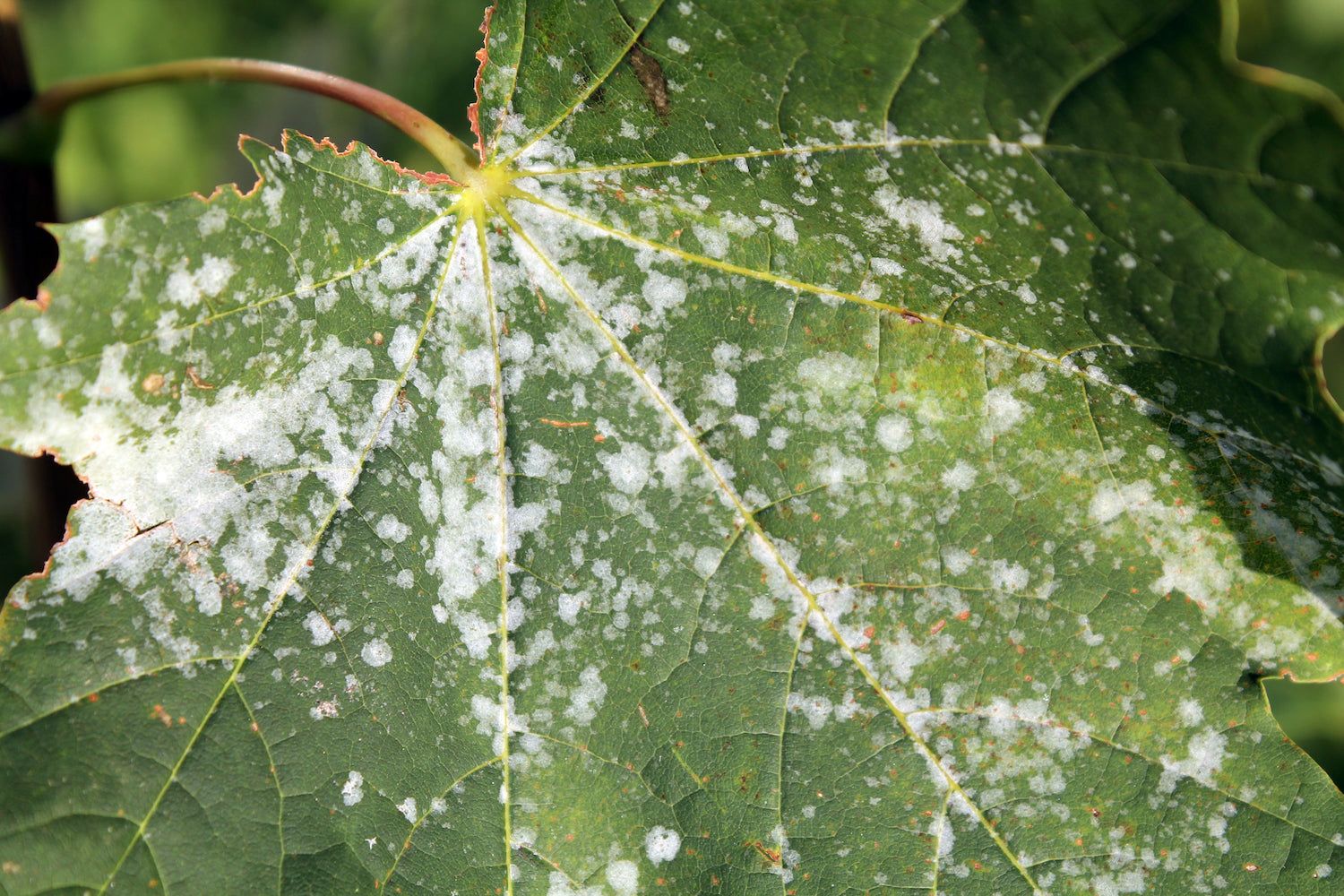
Powdery Mildew 🧀 Thrives in warm days, cool nights, and poor airflow — very common indoors and out.
Symptoms: White or grayish powdery coating on upper leaf surfaces, stems, flowers. Leaves may curl, yellow, or distort. Doesn’t kill quickly but weakens plants.
See the unmistakable white powder in these real examples:
Downy Mildew Fuzzy gray/purple growth on leaf undersides, angular yellow patches on top. Common on cucurbits, impatiens.
Downy Mildew (continued) This disease loves cool, wet weather and is especially devastating to cucumbers, melons, squash, and impatiens.
Symptoms: Yellow angular patches on the upper leaf surface (following vein patterns), with a characteristic fuzzy grayish-purple downy growth on the underside. Leaves eventually brown and die.
Here are excellent close-up examples showing the classic contrast between top and bottom:

Wilting & Root Issues – When the Plant Looks Sad 😢
Root Rot (Fusarium, Phytophthora, Pythium) One of the most common killers of both indoor and outdoor plants, especially in poorly drained soil or overwatered pots.
Symptoms: Yellowing/wilting leaves (often starting at the bottom), stunted growth, and when you gently pull the plant, roots appear brown, mushy, slimy, and have a foul smell. Healthy roots should be firm and white.
Check these real examples of severe root rot on tomatoes:

Verticillium & Fusarium Wilt These soil-borne vascular diseases are sneaky — they block water flow inside the plant.
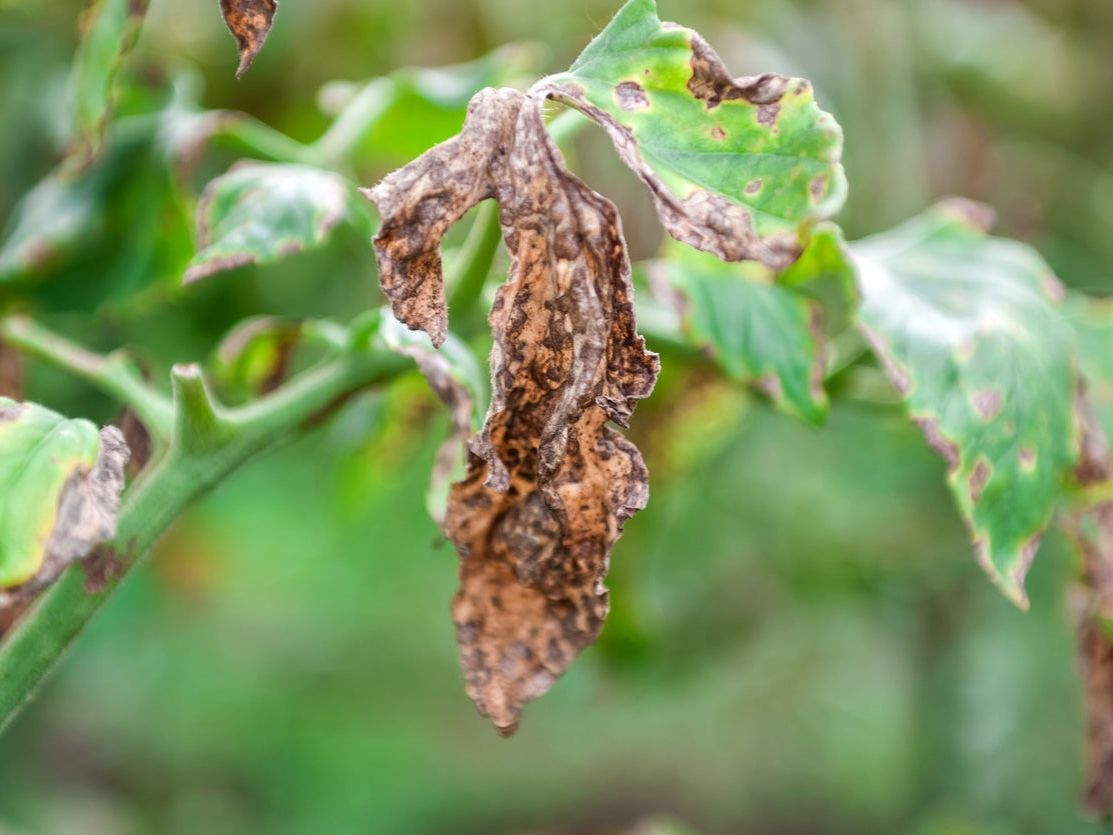
Symptoms: Gradual wilting, often one-sided or one branch at a time, yellowing between veins, and brown streaking/discoloration inside the stem when cut crosswise.
See the classic one-sided wilting and vascular browning here:
Rusts, Smuts & Other Fungal Superstars
Rose Rust (and similar rusts on hollyhocks, beans, etc.) Bright orange pustules appear on the undersides of leaves — unmistakable!
Symptoms: Raised orange or rust-colored spots/pustules, yellowing around them, premature leaf drop.
Bacterial & Viral Diseases
Bacterial Leaf Spot & Blight Common on peppers, tomatoes, and many ornamentals.
Symptoms: Angular, water-soaked spots that turn brown/black, often with yellow halos. Spots follow leaf veins (angular appearance). In wet weather, you may see bacterial ooze.
Real examples on pepper plants:
Mosaic Viruses (e.g., Tobacco Mosaic Virus) Spread by touch (even human hands after handling tobacco), aphids, or infected tools.
Symptoms: Mottled yellow-green patterns, distorted/bubbled leaves, stunted growth, mosaic-like appearance.
Tree-Specific Diseases Gardeners Often Miss 🌳
Anthracnose (on maples, oaks, sycamores) — Irregular brown spots/blotches, twig dieback.
Apple Scab (on crabapples, apples) — Olive-green to black velvety spots on leaves/fruit.
Fire Blight (on apples, pears, hawthorns) — Dramatic: shoots look scorched/blackened, with a “shepherd’s crook” bend.
Check out these heartbreaking but clear fire blight examples:

Prevention & Organic Control Strategies
Stop Diseases Before They Start – Your Prevention Playbook 🛡️
The best medicine is prevention! Follow these expert cultural practices:
- Improve airflow — Space plants properly, prune dense growth
- Water wisely — At the base in the morning, avoid wetting leaves
- Choose resistant varieties — Many modern tomatoes, roses, and cucumbers resist common diseases
- Maintain soil health — Add compost, ensure good drainage, rotate crops
- Sanitation is key — Remove fallen leaves/debris, disinfect tools with 10% bleach or alcohol
- Natural remedies (use preventatively):
- Neem oil for broad protection
- Baking soda + soap spray for powdery mildew
- Copper-based fungicides (organic-approved) for bacterial/fungal issues
Seasonal checklist: Clean up thoroughly in fall, mulch in spring, and monitor after rain!
When to Worry & Next Steps
Red flags that mean act fast or call for help:
- Rapid spread across multiple plants
- Entire plant collapse in days
- Oozing cankers on trees
- No improvement after cultural fixes
In these cases, contact your local cooperative extension service (free in most countries!) or send samples to a plant diagnostic lab. Many universities offer affordable testing.
Frequently Asked Questions (FAQs)
Is it disease or overwatering? Overwatering often causes uniform yellowing + soggy soil; diseases usually show spots, patterns, or one-sided symptoms.
Can I save a plant with root rot? Sometimes! Trim mushy roots, repot in fresh sterile soil, reduce water, and use a root stimulator — success rate ~50% if caught early.
Are there good apps for identification in 2026? Yes — PlantNet, PictureThis, and iNaturalist are excellent for initial guesses, but always cross-check with this guide or experts.
How to tell powdery mildew from dust? Powdery mildew wipes off but regrows quickly and often distorts leaves; dust stays gone.
Best time to treat fungal issues? Preventively or at first sign — early morning applications work best.
Conclusion & Call-to-Action
You’ve just armed yourself with one of the most complete visual guides to identifying common plant diseases available! 🌱✨ With regular inspections, these step-by-step diagnostics, and prevention habits, you’ll catch problems early and keep your garden, houseplants, and trees healthy and beautiful all year.
Bookmark this page, share your own plant photos in the comments (we love helping diagnose!), and subscribe for more expert tree care and plant care tips.
Happy gardening — may your plants stay disease-free and your thumbs forever green! 🪴💚











