
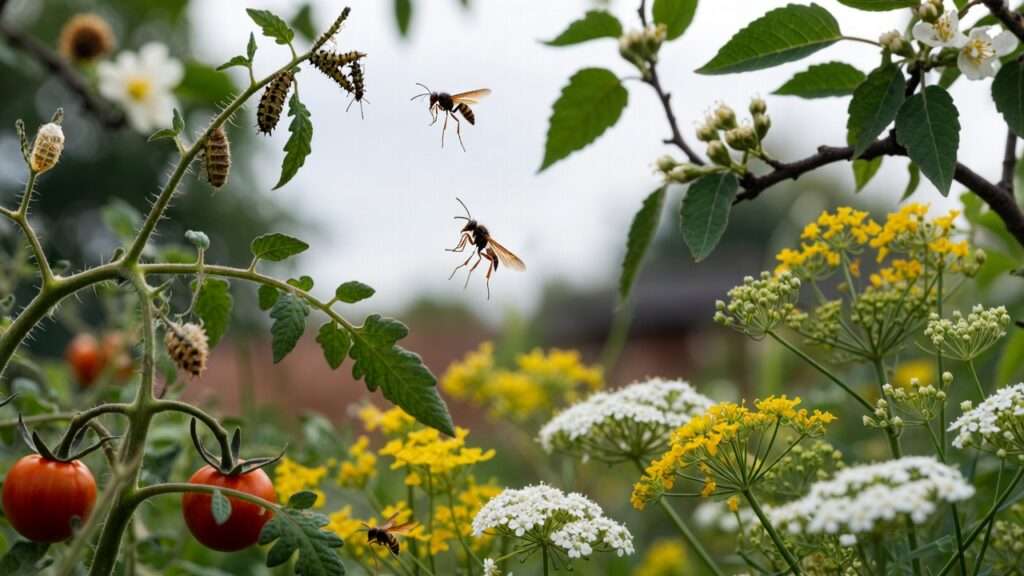
Imagine stepping into your garden one morning to find your beautiful tomato plants stripped bare, leaves reduced to lace-like skeletons by ravenous caterpillars. Or worse—your young fruit tree saplings defoliated by tent caterpillars, threatening next year’s harvest. 😱 This nightmare scenario plays out in gardens and orchards worldwide every season, leaving home gardeners and tree care enthusiasts frustrated and reaching for harsh chemical sprays.
But there’s a better, more elegant way: parasitic wasps for caterpillar control. These tiny, beneficial insects are nature’s precision strike team—silently targeting caterpillar eggs and larvae before they can cause serious damage. Unlike broad-spectrum pesticides that harm pollinators, beneficials, and the environment, parasitic wasps offer targeted, eco-friendly protection that builds long-term resilience in your garden ecosystem.
As a plant care and tree care expert with years of experience promoting sustainable practices, I’ve seen firsthand how integrating these natural allies transforms pest management. In this comprehensive guide, we’ll dive deep into why parasitic wasps are the ultimate natural solution, how they work, practical ways to use them, and tips to maximize their impact on your vegetables, ornamentals, fruit trees, and more. By the end, you’ll have the knowledge to reduce caterpillar damage dramatically—while nurturing biodiversity and healthier plants. Let’s unleash nature’s tiny heroes! ✨🪲
Why Caterpillars Are a Major Threat to Gardens and Trees
Caterpillars—the larval stage of moths and butterflies—may look harmless, but certain species wreak havoc on plants. Common culprits include:
- Tomato hornworms and tobacco hornworms (devastating solanaceous crops like tomatoes, peppers, and eggplants)
- Cabbage loopers and imported cabbageworms (targeting brassicas such as cabbage, broccoli, kale, and cauliflower)
- Army worms (stripping lawns, corn, and many vegetables overnight)
- Tent caterpillars and fall webworms (defoliating fruit trees, shade trees, and ornamentals)
- Codling moth larvae and other borers (damaging apples, pears, and nuts from the inside)
These pests chew through foliage, bore into fruits/stems, and weaken trees—leading to stunted growth, reduced yields, and increased susceptibility to diseases. In severe cases, heavy infestations can kill young trees or ruin entire vegetable harvests. 🌱🚫
Traditional chemical controls seem quick, but they come with hidden costs:
- Rapid development of pest resistance
- Harm to pollinators (bees, butterflies), predatory insects, and soil health
- Environmental runoff polluting waterways
- Residue concerns for edible crops
Shifting to biological controls like parasitic wasps addresses these issues head-on. They provide sustainable, long-term suppression by targeting pests at vulnerable life stages, reducing the need for repeated interventions and fostering a balanced ecosystem.
Understanding Parasitic Wasps: Nature’s Precision Pest Controllers
Parasitic wasps (often called parasitoids) differ dramatically from the aggressive social wasps we swat at picnics. Most are tiny (some smaller than a pinhead), non-stinging to humans, and focused solely on insect hosts. They rarely bother people or pets! 😊
Their life cycle is a masterpiece of biological engineering:
- Adult female wasps use keen antennae to locate caterpillar eggs or young larvae.
- She injects one or more eggs into (endoparasitic) or onto (ectoparasitic) the host.
- Wasp larvae hatch and feed internally/externally on the caterpillar’s non-vital tissues first, keeping the host alive long enough to grow.
- Eventually, the larvae kill the host and pupate—often emerging as adult wasps or forming visible cocoons.
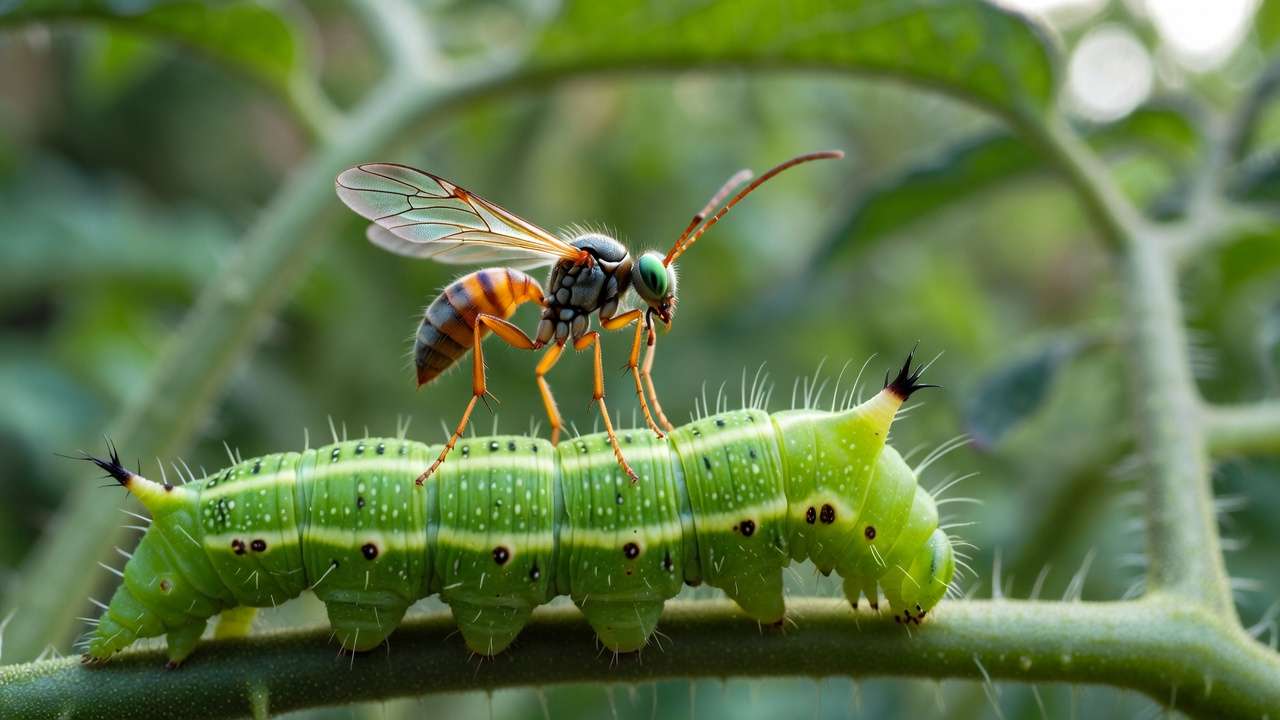
Key types highly effective for caterpillar control include:
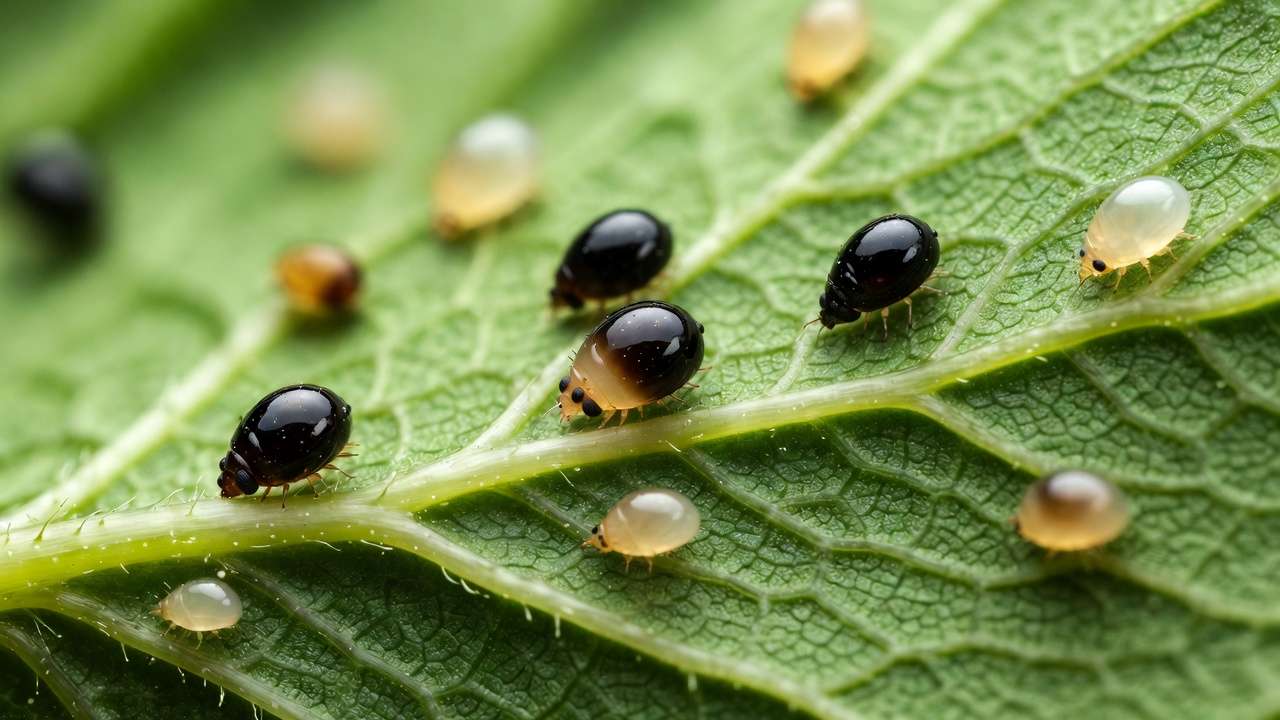
Trichogramma wasps 🌟 – Tiny egg parasitoids (<1 mm). Females lay eggs inside moth/butterfly eggs, turning them black (a telltale sign of success). Widely used commercially against corn earworm, armyworms, cabbage loopers, codling moth, and more. University extensions (e.g., UMN, UF/IFAS) report 70-90%+ egg mortality in treated areas.
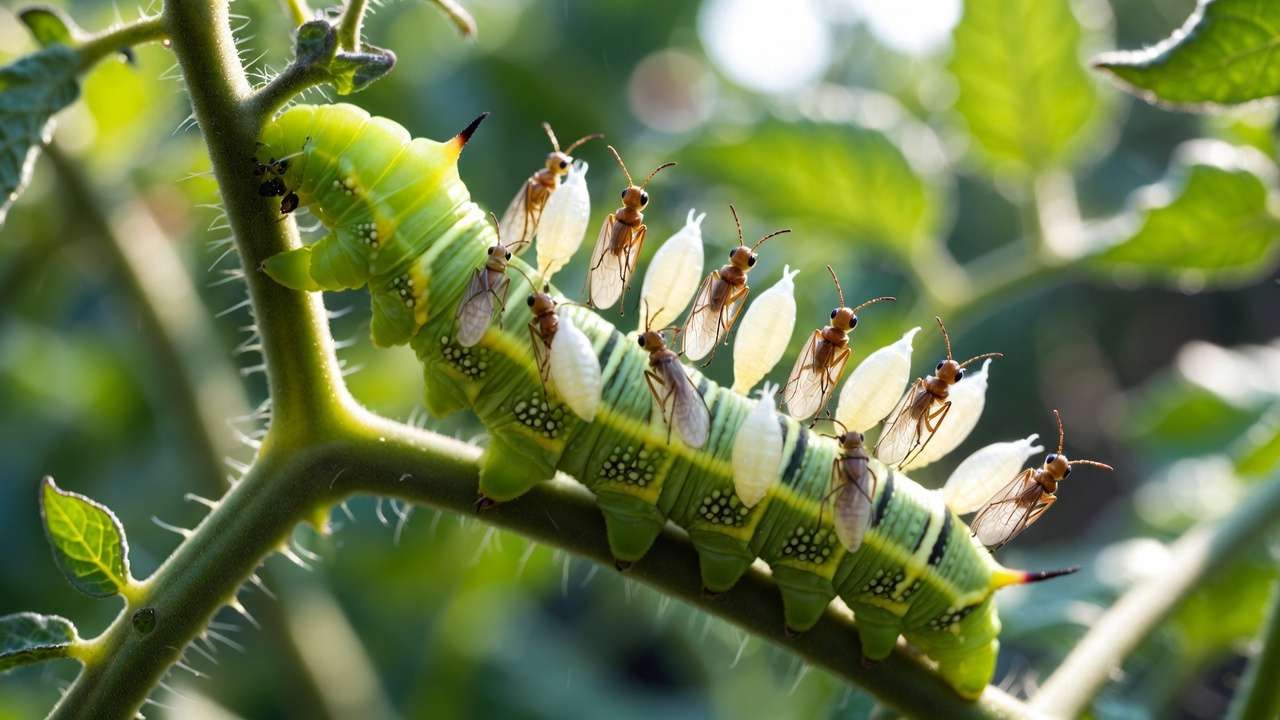
Braconid wasps (e.g., Cotesia congregata) – Attack larger caterpillars like tomato hornworms. Larvae emerge and spin white cocoons on the host’s back—don’t destroy these! They provide excellent control of hornworms, armyworms, and webworms.
Ichneumon wasps – Larger species targeting various caterpillars, including cutworms, tent caterpillars, and borers. Versatile and widespread in natural settings.
Here’s a quick comparison table for common pests:
| Caterpillar Pest | Primary Parasitic Wasp(s) | Parasitism Style | Effectiveness Notes |
|---|---|---|---|
| Tomato/Tobacco Hornworm | Cotesia (Braconid) | Larval | Cocoons visible; high success rates |
| Cabbage Looper/Worm | Trichogramma, Hyposoter | Egg/Larval | Egg parasitism prevents hatching |
| Armyworms | Trichogramma, Cotesia | Egg/Larval | Multiple releases for generations |
| Tent/Fall Webworms | Ichneumon, Braconid | Larval | Targets clusters effectively |
| Codling Moth (fruit) | Trichogramma platneri/pretiosum | Egg | Commercial releases reduce damage |
These wasps integrate seamlessly into organic and IPM (Integrated Pest Management) systems, outperforming chemicals in sustainability.
The Science Behind Parasitic Wasps as Effective Caterpillar Control
Parasitism occurs in two main forms:
- Endoparasitic — Larvae develop inside the host (e.g., many Braconids and Ichneumonids).
- Ectoparasitic — Larvae feed externally (less common for caterpillars).
Trichogramma species are especially potent egg parasitoids, preventing caterpillars from ever hatching. Studies from university extensions (e.g., University of Minnesota, University of Florida, UC IPM) show parasitism rates of 70-90% in released or conserved populations, significantly reducing pest outbreaks.
In field trials:
- Trichogramma releases in tomatoes and corn reduced hornworm and earworm damage by 80%+ compared to untreated plots.
- Native braconids and ichneumonids naturally suppress tent caterpillars in orchards without intervention.
Benefits over broad-spectrum pesticides:
- No pest resistance buildup (wasps evolve alongside hosts)
- Preservation of pollinators and other beneficials
- Long-term population regulation (wasps establish and reproduce)
- Safer for edible crops and ecosystems
This makes parasitic wasps a cornerstone of modern, sustainable plant and tree care.
How to Introduce and Release Parasitic Wasps in Your Garden
Purchasing and releasing Trichogramma (most common for home use) is straightforward. Reputable suppliers include Arbico Organics, Rincon-Vitova, Buglogical, and Planet Natural—look for fresh, live shipments with emergence guarantees.
Best timing: Release when adult moths are flying and laying eggs (monitor with pheromone traps or visual scouting). Start early in the season for prevention—e.g., spring for cabbage loopers, early summer for hornworms.
- Store cards/capsules at 50-60°F (refrigerator ok short-term); avoid freezing.
- Warm to room temperature (70-80°F) for 1-4 days until wasps begin emerging (males first).
- Hang or place Trichogramma cards (egg cards glued to paper) in the canopy or near plants—50,000–200,000 wasps per acre recommended, scaled down for gardens (e.g., 5,000–10,000 per 1,000 sq ft).
- Release in evening or cloudy weather to avoid heat/stress.
- Repeat every 1-2 weeks for 3-6 generations to cover overlapping pest cycles.
Dosage tips: For small gardens, start with 1-2 cards per 100 sq ft. For trees, place near foliage clusters.
Common mistakes to avoid: Releasing in hot midday sun (>90°F), using broad pesticides nearby (wait 7-14 days), or storing improperly. Success signs: Blackened host eggs or cocoons on caterpillars. 🎉
Attracting and Supporting Native Parasitic Wasps Naturally
While purchasing and releasing commercial parasitic wasps (especially Trichogramma species) gives quick, targeted results, the most sustainable approach is encouraging native populations to thrive in your garden and around trees. Native parasitic wasps—such as local braconids, ichneumonids, and trichogrammatids—are already adapted to your region’s climate, pests, and plants, often providing year-round, self-sustaining control once established. 🌸
Adult parasitic wasps need nectar and pollen for energy, as they don’t feed on hosts like their larvae do. Small, open-faced flowers with accessible nectar are ideal, allowing these tiny insects (many <1/8 inch) to feed easily.
Top nectar-rich plants to attract and support parasitic wasps (plant these now for maximum benefit!):
- Dill, fennel, cilantro, and parsley (Apiaceae family) – Classic favorites; their umbel flowers draw dozens of tiny wasp species. Let them bolt and bloom!
- Yarrow (Achillea millefolium) – Flat-topped clusters perfect for landing and feeding; perennial and drought-tolerant.
- Buckwheat – Fast-growing annual; blooms quickly and attracts a huge diversity of parasitic wasps (studies show high ichneumonid activity).
- Alyssum (sweet alyssum) – Low-growing, long-blooming; excellent border plant that supports small wasps continuously.
- Queen Anne’s lace (wild carrot) and Bishop’s flower (Ammi majus) – Umbrella-shaped blooms loved by beneficials.
- Sunflowers, goldenrod, mountain mint, and bee balm – Native options that provide pollen/nectar; sunflowers and mint family members are especially wasp magnets.
- Phacelia (purple tansy) – Shown in studies to boost parasitoid activity near crops.
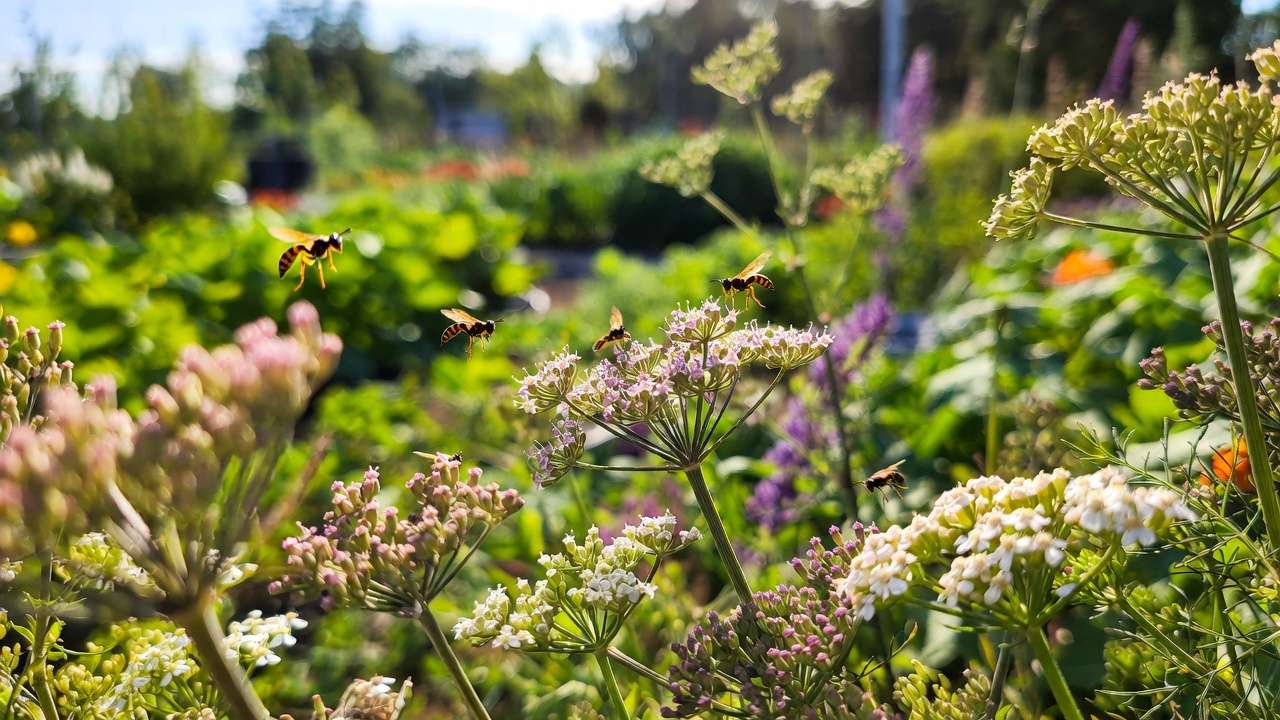
Insectary plant strategies:
- Create dedicated “insectary borders” or strips around vegetable beds, fruit trees, or tree lines—mix annuals and perennials for continuous bloom from spring to fall.
- Use companion planting: Interplant dill or fennel near tomatoes/brassicas to draw wasps close to pest hotspots.
- Go perennial: Yarrow, goldenrod, and mountain mint return yearly, building long-term habitat.
Creating habitat:
- Avoid broad-spectrum pesticides (even organic ones like spinosad can harm wasps—use targeted Bt only if needed, and time applications carefully).
- Provide shallow water sources (pebble-filled saucers) for drinking.
- Leave some “messy” areas: Overwintering spots in leaf litter or hollow stems help wasps pupate and emerge next season.
Building a thriving native population takes time—expect noticeable increases in 1-2 seasons as wasps reproduce and spread. Look for success signs: blackened moth eggs on leaves, white cocoons on caterpillars (leave them!), or tiny wasps hovering around flowers. With patience, your garden becomes a self-regulating ecosystem! 🐝✨
Integrating Parasitic Wasps into Your Overall Plant and Tree Care Routine
Parasitic wasps shine brightest in Integrated Pest Management (IPM)—combining them with other low-impact methods creates layered, resilient protection for vegetables, ornamentals, fruit trees, and shade trees.
Combining with other organic methods:
- Bacillus thuringiensis (Bt) – Use kurstaki strain (Dipel, Javelin) against young caterpillars; safe for most parasitic wasps if applied evenings.
- Hand-picking – Remove visible hornworms/tent caterpillars early; drop into soapy water.
- Row covers/floating fabric – Block egg-laying moths on brassicas/tomatoes in spring.
- Companion plants – Marigolds, nasturtiums, and garlic repel some pests while attractant flowers draw wasps.
Specific strategies for high-risk crops:
- Tomatoes/peppers: Release Trichogramma early for hornworms/fruitworms; scout for Cotesia cocoons on larvae.
- Brassicas (cabbage, broccoli, kale): Trichogramma + native ichneumonids/braconids target loopers and imported cabbageworms.
- Corn: Trichogramma excels against earworms/armyworms.
- Fruit/nut trees: Target codling moth with Trichogramma; tent caterpillars/webworms fall to native ichneumonids/braconids.
Special tips for tree care:
- Protect young saplings by releasing wasps near foliage clusters or planting attractant borders around the drip line.
- For established trees, encourage natives by underplanting yarrow/fennel; prune tent caterpillar webs early to expose larvae to wasps.
- Monitor: Check leaves for parasitized eggs/cocoons instead of spraying.
Seasonal calendar:
- Spring: Plant attractants; release Trichogramma preventively as moths emerge.
- Summer: Scout weekly; re-release if needed; maintain nectar sources.
- Fall: Cleanup (but leave some habitat); natives overwinter.
This holistic approach minimizes interventions while maximizing natural control—healthier plants, better yields, and thriving biodiversity! 🌳🍅
Success Stories, Case Studies, and Expert Insights
University extensions and real-world gardeners provide compelling evidence of parasitic wasps’ power.
From University of Minnesota Extension: Trichogramma releases achieve 70-90%+ egg parasitism in caterpillar pests, significantly reducing outbreaks in vegetables and field crops.
Penn State and Clemson highlight Cotesia wasps turning tomato hornworms into “cocoon-covered zombies”—one parasitized hornworm can produce dozens of wasps, amplifying control naturally.
UC IPM reports successful Trichogramma mass releases against codling moth in walnuts and tomato fruitworm, with damage reductions up to 80% in trials.
Home gardener examples:
- Organic growers release 2,000+ Trichogramma wasps to curb cabbage moths and hornworms—videos show dramatic before/after reductions in defoliation.
- In backyard settings, planting dill/fennel borders led to visible Cotesia cocoons on hornworms within weeks, slashing chemical needs.
Pro insights: Scout for signs—black eggs mean Trichogramma success; white cocoons on caterpillars indicate braconids (celebrate, don’t remove!). Monitor with pheromone traps for moth flights to time releases perfectly.
These stories show: When conditions align (timing, habitat, avoidance of broad sprays), parasitic wasps deliver transformative, lasting results. 📸 (Imagine photos here: parasitized hornworm with cocoons, blackened eggs on leaves, wasps on yarrow!)
Potential Limitations and Realistic Expectations
No method is perfect—parasitic wasps are incredibly effective but have constraints:
- Timing sensitivity: Releases must match pest egg-laying; too early/late reduces impact. Heavy existing infestations may need complementary controls first.
- Environmental factors: Extreme heat (>90°F), heavy rain, or wind can stress released wasps; natives fare better long-term.
- Not universal: Some caterpillars (e.g., those with strong chemical defenses) resist certain wasps; hyperparasites (wasps attacking wasps) occasionally reduce efficacy.
- Scale: In tiny gardens, natives may take seasons to build; commercial releases suit immediate needs but don’t always establish permanently.
Backup plans: Layer with Bt, hand removal, or row covers. For severe cases, spot-treat with targeted organics.
Protecting non-targets: Avoid broad releases if monarchs/butterflies are present—focus on pest-specific timing and natives. Parasitic wasps are harmless to humans, pets, pollinators, and plants—safe for edible crops!
Realistic outlook: Expect 50-90% suppression with good integration; full control comes from ecosystem balance over time.
FAQs About Parasitic Wasps for Caterpillar Control
❓ Do parasitic wasps sting people or pollinators? No! Most are too small and non-aggressive; they target only insect hosts. Safe around kids, pets, bees, and butterflies.
❓ How long do released wasps stay in my garden? Trichogramma live 1-2 weeks as adults but reproduce if hosts/nectar available. Natives persist and multiply seasonally.
❓ Can I use them indoors (greenhouses/houseplants)? Yes—Trichogramma works great in greenhouses for moth pests; release in enclosed spaces for best results.
❓ What’s the difference between buying Trichogramma vs. attracting natives? Purchased = fast, targeted boost; natives = sustainable, long-term, cost-free once established. Best: Combine both!
❓ Are they effective against all caterpillars? Highly effective on many (hornworms, loopers, armyworms, codling moth), less so on heavily defended or rare species—scout to match.
❓ How do I know if they’re working? Look for blackened eggs, cocoons on caterpillars, fewer new larvae, and wasps on flowers. Celebrate the signs! 🎉
Conclusion: Embrace Nature’s Tiny Heroes for a Thriving Garden
Parasitic wasps for caterpillar control offer a safe, powerful, eco-friendly alternative to chemicals—targeting pests precisely, preserving pollinators, and building resilient gardens and tree landscapes. From Trichogramma egg attacks to braconid cocoons on hornworms, these natural allies deliver real, science-backed results when integrated thoughtfully with habitat support and IPM.
Start small: Plant nectar flowers this season, scout pests, or try a Trichogramma release. Watch nature work its magic—your plants, trees, and local ecosystem will flourish.
Ready to let tiny heroes handle the heavy lifting? Your garden awaits! 🌱🐝❤️











