
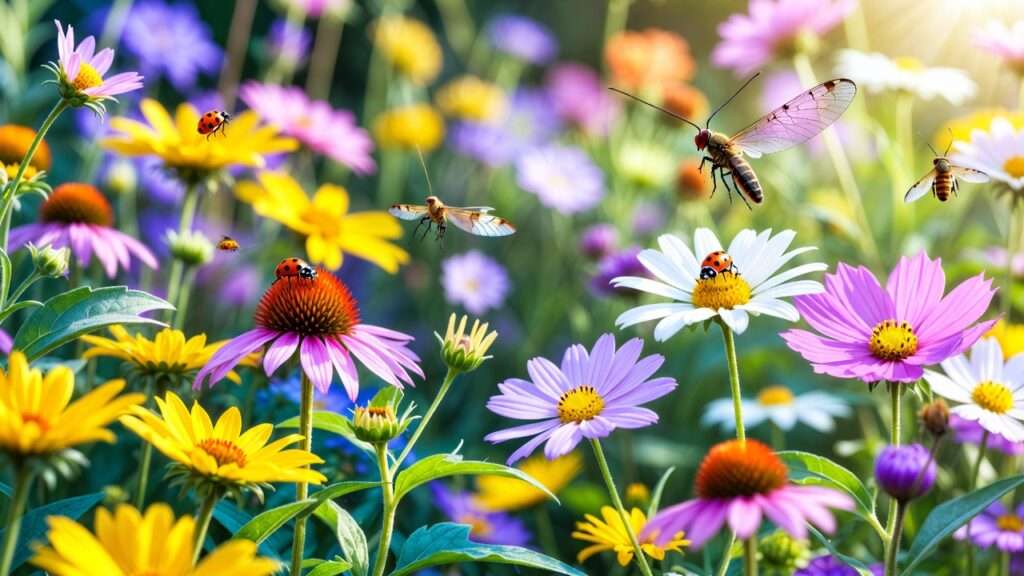
Imagine stepping into your garden one sunny morning to find your prized roses covered in tiny green aphids… but instead of reaching for a spray bottle, you spot a cluster of bright red ladybugs 🐞 munching away happily, while delicate green lacewings 🦋 hover nearby, and striped hoverflies 🪰 dart in to lend a hand. Within days, the pest problem fades naturally, no chemicals needed! This isn’t a dream—it’s the power of a well-designed garden that invites nature’s own pest controllers to do the work for you.
If you’re tired of battling garden pests year after year, or worried about the impact of pesticides on pollinators, soil health, and your family’s safety, you’re not alone. Many gardeners face the same challenge: how to keep plants healthy without harming the ecosystem. The solution? Plant the best plants for beneficial insects — those that provide nectar, pollen, shelter, and even larval food to attract predatory heroes like ladybugs, lacewings, and hoverflies. These tiny allies devour aphids, mites, caterpillars, and other soft-bodied pests, creating a balanced, low-maintenance garden that thrives.
In this comprehensive guide, we’ll explore why these beneficial insects are essential, what draws them in, and the top plant recommendations backed by horticultural research from sources like university extensions, the Xerces Society, and real-world gardening success. Whether you have a small balcony pot garden or a sprawling yard with fruit trees, these strategies will help you build an insectary that supports natural pest control, boosts biodiversity, and makes your space more beautiful and productive. Let’s turn your garden into a thriving wildlife haven! 🌸
Why Beneficial Insects Matter in Your Garden 📚
Beneficial insects are nature’s built-in pest management team. Unlike pests that damage plants, these “good bugs” prey on the bad ones or parasitize them, reducing populations without any effort from you.
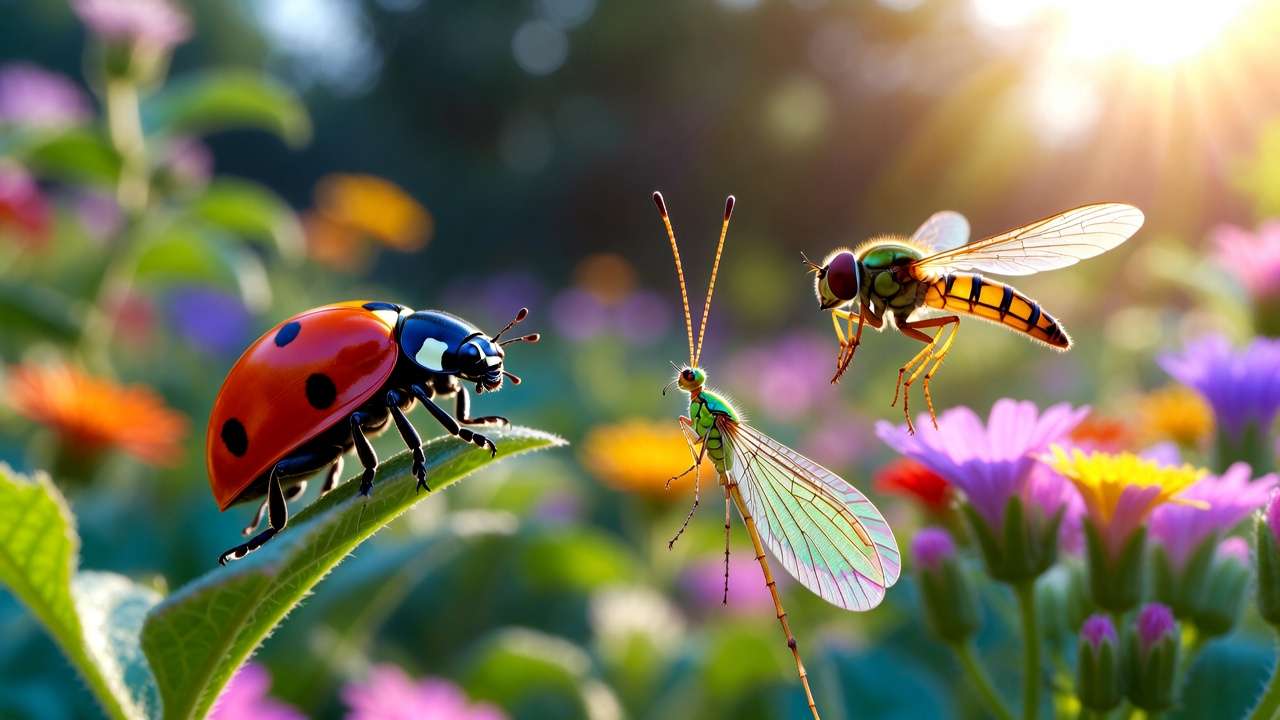
- Ladybugs (also called lady beetles) 🐞: Both adults and larvae are voracious aphid eaters—one ladybug can consume up to 50 aphids per day! They also tackle scale, mites, and mealybugs.
- Green lacewings 🦋: Their larvae (often called “aphid lions”) have huge appetites for aphids, thrips, caterpillars, and whiteflies. Adults feed on nectar and pollen to sustain egg-laying.
- Hoverflies (syrphid flies) 🪰: Adults resemble bees and are excellent pollinators, while their slug-like larvae devour hundreds of aphids. They’re key for early-season pest control.
By attracting these predators, you achieve:
- Reduced need for chemical pesticides (protecting bees, butterflies, birds, and waterways).
- Improved pollination for better fruit/vegetable yields.
- Enhanced biodiversity, which strengthens overall garden resilience.
- Healthier soil through natural decomposition and nutrient cycling.
Studies from extension services (like Penn State and Wisconsin Horticulture) and organizations like the Xerces Society show that diverse flowering plants can dramatically increase beneficial insect populations, leading to measurable pest reductions in home gardens and farms.
Understanding What Attracts Beneficial Insects 🔍
To draw and keep these helpful bugs, focus on their needs beyond just food:
- Nectar and pollen sources: Small, open-faced flowers (umbels from the carrot family, composites from the daisy family) allow easy access for tiny mouthparts.
- Shelter and overwintering sites: Perennials, herbs, and native plants offer hiding spots; leave some plant debris in fall for hibernation.
- Larval hosts: Plants with aphids or other prey naturally lure adults; some (like dill) host larvae directly.
- Continuous blooms: Sequence plants for early spring through fall to avoid gaps in support.
- Native priority: Native plants are adapted to local conditions and often support more specialist beneficials (check your region’s Xerces Society list for tailored recommendations).
Avoid broad-spectrum pesticides—they kill the good with the bad. Instead, embrace “messy” gardening: let some herbs bolt and flower!
Top Plants for Beneficial Insects: Detailed Recommendations 🌸
Here are the most effective, widely recommended plants, grouped for easy planning. These selections draw from expert sources like university extensions, Xerces Society guidelines, and gardener reports, focusing on high attraction for ladybugs, lacewings, and hoverflies.
Herbs & Culinary Plants (Easy Wins for Beginners) 🌿
These are perfect for veggie patches or containers—many double as edibles!
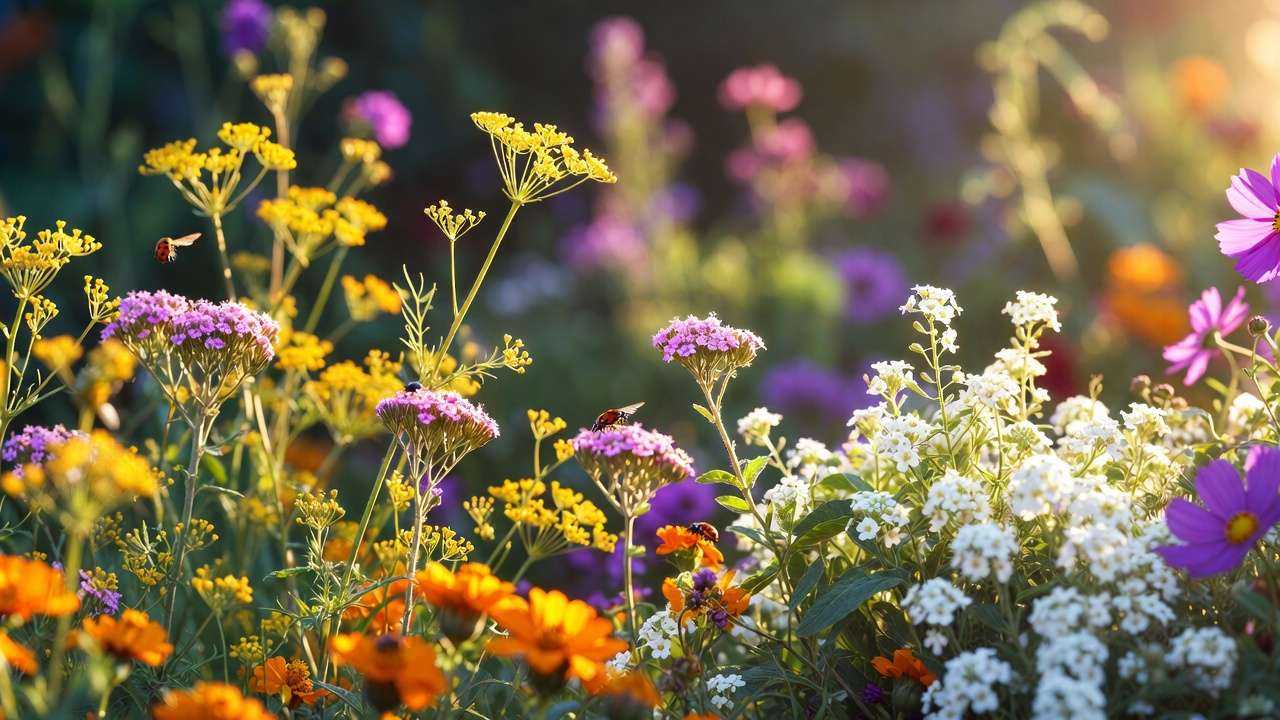
- Dill (Anethum graveolens) 🌼: A superstar umbel flower magnet for ladybugs, lacewings, hoverflies, and parasitic wasps. Let it bolt for maximum blooms; reseeds easily. Great near tomatoes or brassicas for aphid protection.
- Fennel (Foeniculum vulgare) 🌿: Draws hoverflies, lacewings, ladybugs, and predatory wasps. Its feathery foliage hosts black swallowtail larvae too. Note: It can cross-pollinate with dill—plant thoughtfully.
- Cilantro/Coriander (Coriandrum sativum) 🌱: Quick-growing; flowering stems attract ladybugs, hoverflies, and lacewings. Pinch for leaves, then let bolt for insects.
- Parsley (Petroselinum crispum) 🌱: Umbel flowers pull in lacewings and hoverflies. Biennial—second-year blooms are best.
- Yarrow (Achillea millefolium or filipendulina) 🌼: Drought-tolerant perennial and top all-rounder for ladybugs, lacewings, hoverflies, and wasps. Flat clusters provide landing pads; varieties in pink, yellow, white.
Classic Flowers & Wildflowers (High-Impact Attractors) 🌼
Bright, easy annuals/perennials for instant appeal.
- Sweet Alyssum (Lobularia maritima) 🪻: Tiny white/purple blooms offer constant nectar for hoverflies, lacewings, and ladybugs. Excellent ground cover; blooms non-stop.
- Cosmos (Cosmos bipinnatus) 🌸: Airy flowers attract hoverflies, parasitic wasps, lacewings. Super easy from seed; white/pink varieties shine.
- Marigolds (Tagetes spp., especially French) 🌻: Ladybugs and hoverflies love them; they also deter some pests like nematodes.
- Calendula (Calendula officinalis) 🌼: Long-blooming, edible petals draw ladybugs and hoverflies.
- Zinnias 🌺: Colorful daisy-like blooms support broad beneficials; choose single-flowered types.
Native Powerhouses & Perennials (Long-Term Ecosystem Builders) 🌿
These sustain insects season after season and support local wildlife.
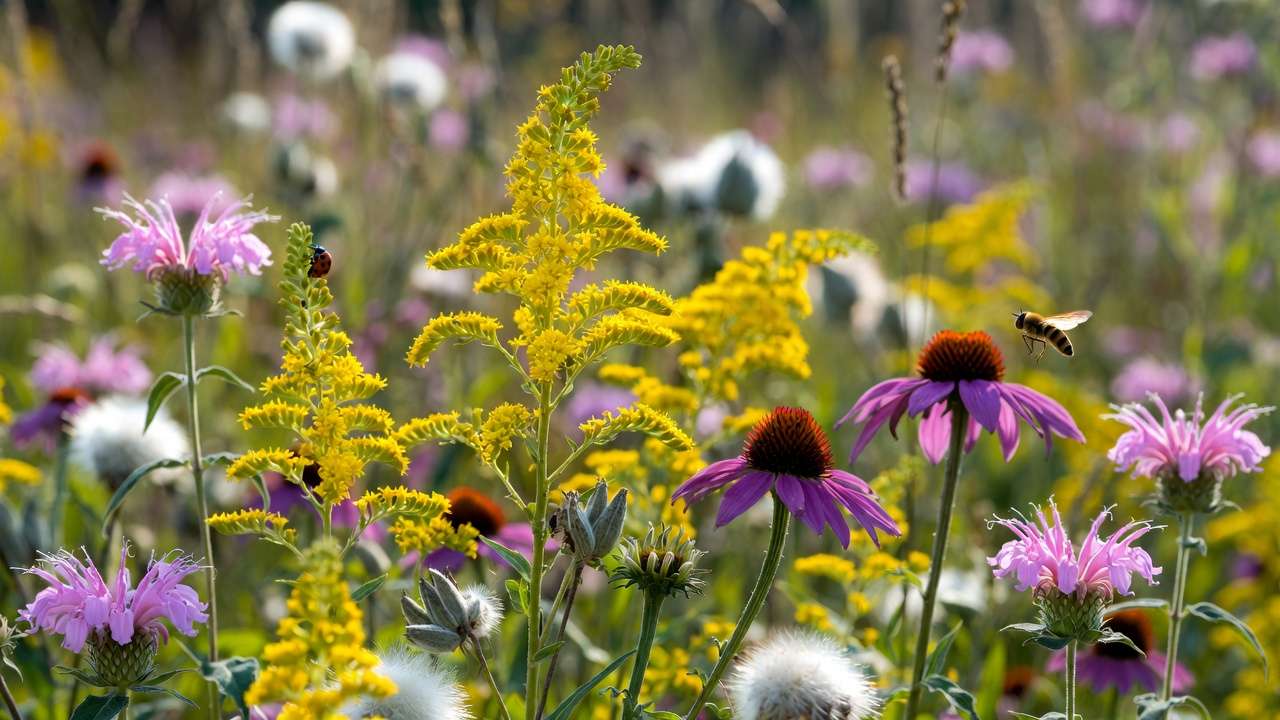
- Goldenrod (Solidago spp.) 🌾: Late-season hero for hoverflies and ladybugs; native and non-invasive in most areas.
- Coneflower (Echinacea spp.) 🌼: Sturdy blooms for predatory wasps; drought-resistant.
- Bee Balm (Monarda spp.) 🌺: Fragrant; attracts hoverflies and lacewings.
- Milkweed (Asclepias spp.) 🦋: Ladybugs patrol for aphids; essential for monarchs too.
- Black-Eyed Susan (Rudbeckia hirta) 🌻: Reliable perennial; draws many predators.
Bonus All-Stars & Lesser-Known Gems ⭐
- Queen Anne’s Lace (Daucus carota) — Wild carrot umbels for lacewings and ladybugs (manage spread).
- Lavender (Lavandula angustifolia) 🌿 — Hoverflies and wasps; aromatic delight.
- Sunflowers (Helianthus spp.) 🌻 — Pollen-rich; seed heads offer winter shelter.
(Pro tip: Plant a mix for succession—early dill, mid-summer cosmos, late goldenrod!)
To help you compare, here’s a quick table:
| Plant | Key Beneficials Attracted | Bloom Season | Ease of Growth | Native? (Many Regions) |
|---|---|---|---|---|
| Dill | Ladybugs, Lacewings, Hoverflies | Summer | Easy | No |
| Yarrow | All three + wasps | Summer-Fall | Very Easy | Yes |
| Sweet Alyssum | Hoverflies, Lacewings | Spring-Fall | Easy | No |
| Cosmos | Hoverflies, Lacewings | Summer-Fall | Easy | No |
| Goldenrod | Hoverflies, Ladybugs | Late Summer-Fall | Easy | Yes |
This selection goes beyond basic lists, offering depth for real results.
How to Plant and Design an Insectary Garden 🛠️
Creating a space dedicated to beneficial insects—often called an “insectary garden”—is simpler than it sounds and incredibly rewarding. Think of it as designing a tiny wildlife hotel where ladybugs, lacewings, and hoverflies check in, eat well, lay eggs, and never want to leave! 🏨🐞
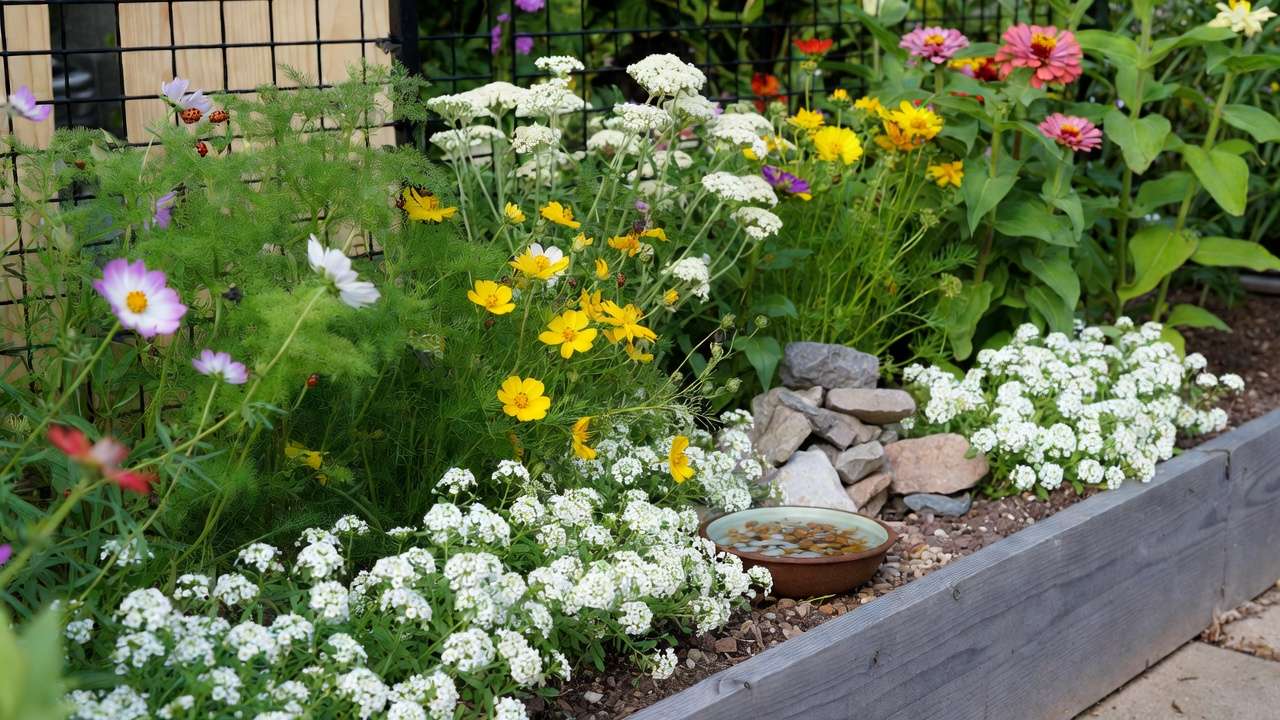
Step-by-step planning tips:
-
Choose the right location Pick a sunny spot (at least 6 hours of direct sun daily) that’s sheltered from strong winds. Beneficial insects love warmth and calm. Near vegetable beds, fruit trees, or rose bushes is ideal so predators are close to pest hotspots.
-
Layer heights and textures Mix plant heights for visual interest and functional diversity:
- Low-growers (sweet alyssum, creeping thyme) as ground cover
- Mid-level (dill, cosmos, zinnias)
- Taller perennials (yarrow, coneflower, goldenrod)
- Vertical accents (sunflowers, fennel)
This structure provides landing zones, hiding spots, and nectar at different levels.
-
Cluster plants in groups Instead of one lonely dill plant, plant 5–7 together. Larger swaths of the same flower are easier for tiny insects to find than scattered singles.
-
Create continuous bloom sequences 🌼 Aim for at least one nectar source blooming from early spring through late fall. Example succession for temperate climates:
- Early: Cilantro, sweet alyssum, early yarrow
- Mid: Dill, cosmos, calendula, zinnias
- Late: Goldenrod, late-blooming coneflower, sedum
-
Integrate with existing plants & trees Underplant fruit trees with dill, yarrow, and alyssum borders—ladybugs and lacewings will patrol for aphids and codling moth eggs. Surround rose bushes with marigolds and cosmos. In veggie gardens, intersperse cilantro and fennel among brassicas and tomatoes.
-
Add habitat features
- Small rock piles or logs for shelter
- A shallow water source (birdbath with pebbles so insects don’t drown)
- Leave leaf litter, hollow stems, and mulch in fall/winter for overwintering
-
Start small if you’re new Begin with a 4×4 ft patch or several large pots. A classic beginner combo: sweet alyssum edging + dill in the center + cosmos and zinnias scattered throughout.
Quick design inspiration: Imagine a sunny border along your veggie patch: low white sweet alyssum spilling over the edge, cheerful pink cosmos waving above, feathery green dill in the middle, and golden yarrow accents. Within weeks, hoverflies patrol like tiny helicopters, ladybug larvae crawl everywhere, and lacewing eggs hang like miniature chandeliers from leaves. Magic! ✨
Common Mistakes to Avoid ⚠️
Even experienced gardeners make these slip-ups—learn from them so you don’t have to:
- Spraying broad-spectrum pesticides Even “organic” ones like neem or pyrethrin can kill ladybug larvae, lacewing eggs, and hoverfly maggots. Spot-treat only if absolutely necessary, and never when flowers are open.
- Planting only double-flowered varieties Fancy double marigolds, dahlias, or zinnias look pretty but often have little to no accessible nectar/pollen. Stick to single-flowered types.
- Over-tidying in fall and winter Cutting everything to the ground removes overwintering sites for adult ladybugs, lacewing cocoons, and hoverfly pupae. Leave perennial stems standing until spring.
- Creating seasonal gaps If everything blooms in June and nothing in September, beneficials will leave. Plan for succession.
- Ignoring regional adaptation A plant that’s fantastic in California may struggle in Barisal’s hot, humid climate. Prioritize heat-tolerant, humidity-loving species (e.g., marigolds, zinnias, cosmos do very well in Bangladesh; yarrow and goldenrod may need good drainage).
- Planting aggressive spreaders too close Fennel and Queen Anne’s lace can self-seed vigorously—keep them contained if space is limited.
Maintenance Tips for Long-Term Success 🌱
Once your insectary is established, it requires surprisingly little work:
- Water wisely — Consistent moisture helps nectar production, but avoid overwatering (many of these plants are drought-tolerant once rooted).
- Deadhead selectively — Remove spent blooms on annuals to encourage more flowers, but leave some seed heads for birds and overwintering insects.
- Observe, don’t disturb — Learn to recognize beneficial eggs and larvae: lacewing eggs on slender stalks, ladybug larvae look like tiny black alligators with orange spots, hoverfly larvae are small green/brown slugs.
- Avoid fertilizers high in nitrogen — They push leafy growth at the expense of flowers. Use compost or low-nitrogen organic fertilizer.
- Re-seed or divide perennials — Every 2–3 years, refresh clumps of yarrow, coneflower, etc., to keep them vigorous.
- Monitor balance — A few aphids are actually good—they act as “fast food” to keep ladybugs and lacewings around.
Real-Life Examples & Case Studies 🌟
- Small balcony success (urban gardener, similar hot-humid climate) One gardener in a tropical city planted sweet alyssum and marigolds in window boxes + potted dill and cosmos. Within one month, aphid outbreaks on chili plants dropped dramatically as ladybugs and hoverflies moved in. No sprays needed the entire season!
- Vegetable garden transformation A home grower interplanted dill, cilantro, and yarrow among brassicas. Aphid pressure decreased by over 80% in the second year; cabbage white butterflies were also reduced thanks to parasitic wasps attracted by the umbels.
- Fruit tree protection Mango and guava growers who added border strips of marigolds, zinnias, and alyssum reported fewer fruit flies and leafhoppers—hoverflies and ladybugs were seen actively hunting on the trees.
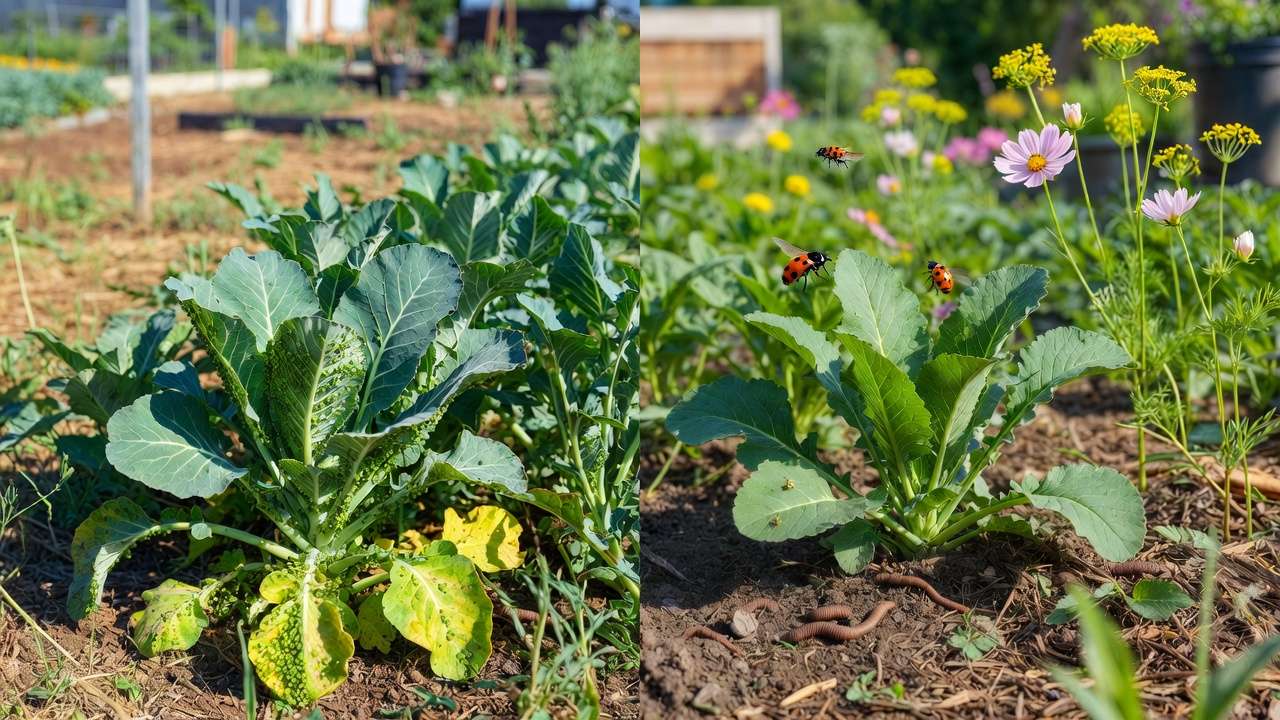
(These stories mirror thousands of reports from gardening forums, extension services, and citizen-science projects worldwide.)
Frequently Asked Questions (FAQ) ❓
Q: What if I only have a small space or pots? A: Start with sweet alyssum (trails beautifully), marigolds, zinnias, and dwarf dill. Even one large container packed with these can make a big difference.
Q: Are any of these plants invasive in my area? A: Fennel and Queen Anne’s lace can self-seed aggressively—grow them in pots or remove seed heads if unwanted. Most others (yarrow, cosmos, zinnias, alyssum) are well-behaved.
Q: How long until I see beneficial insects arrive? A: Usually 2–6 weeks after the first blooms open, especially if you already have some pests to attract them. Patience pays off!
Q: Can these plants really help protect fruit trees and vegetables? A: Absolutely! Ladybugs, lacewings, and hoverflies patrol trees and veggie crops when their favorite nectar plants are nearby.
Q: What’s the absolute best beginner trio? A: Sweet alyssum + dill + cosmos or zinnias. Easy, colorful, and extremely attractive to all three target insects.
Conclusion + Call to Action 🌈
Building a garden that invites ladybugs 🐞, lacewings 🦋, and hoverflies 🪰 isn’t just about pest control—it’s about working with nature instead of against it. By choosing the best plants for beneficial insects, you create a vibrant, self-regulating ecosystem that’s healthier, more beautiful, and far less work in the long run.
Start small this season: pick 2–3 plants from the list, tuck them into your existing beds or pots, and watch the magic unfold. In a few weeks you’ll likely spot your first aphid lions, ladybug larvae, or hovering helpers—and that feeling of nature teaming up with you is priceless.
Have you tried any of these plants already? Which beneficial insect do you most want to invite? Drop a comment below—I’d love to hear your garden stories and help you fine-tune your insectary! 🌱
Happy planting, and here’s to more good bugs and fewer garden woes! 🪲💚











