
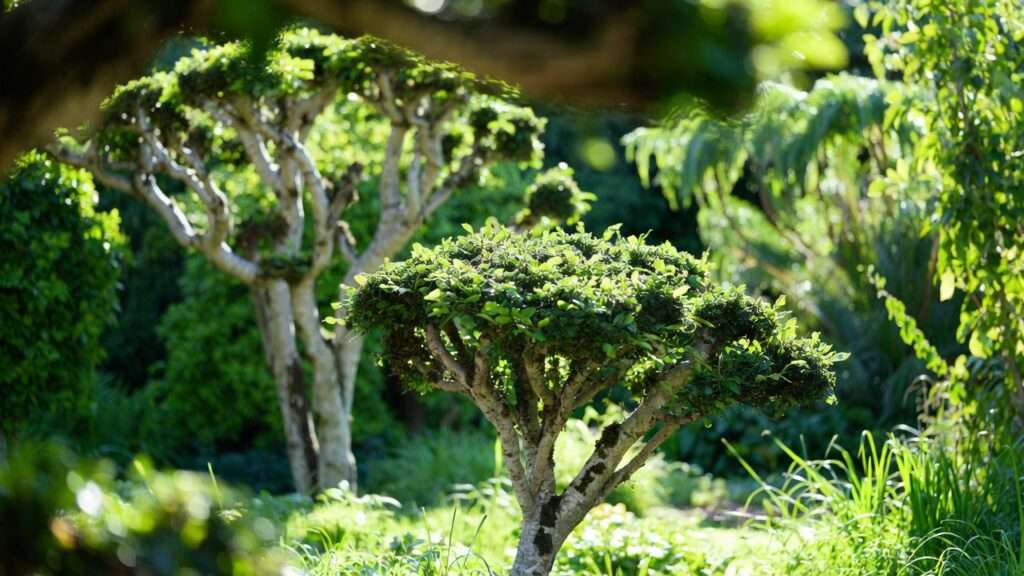
Imagine stepping into your backyard only to find a beautiful tree that’s either wildly overgrown, blocking your view, or awkwardly shaped, making your garden look unkempt. Sound familiar? Many homeowners and gardeners face this dilemma daily, often wondering about the tree shaping vs. tree trimming differences and which technique will actually enhance their outdoor space without harming their beloved trees. Whether you’re dealing with a sprawling oak that’s become a safety hazard or a young sapling with potential for artistic flair, understanding these two practices can transform your yard from chaotic to curated. 🌿
In this comprehensive guide, we’ll dive deep into the nuances of tree trimming and tree shaping, exploring their purposes, techniques, benefits, and pitfalls. Drawing from years of expertise in arboriculture and landscape design, I’ll help you decipher when to trim for quick maintenance or shape for long-term beauty. By the end, you’ll have the knowledge to make informed decisions that promote healthier trees, boost curb appeal, and even save you money on professional services. Let’s turn confusion into confidence—your garden deserves it! 🚀
What Is Tree Trimming? The Basics of Routine Maintenance 🌿🔧
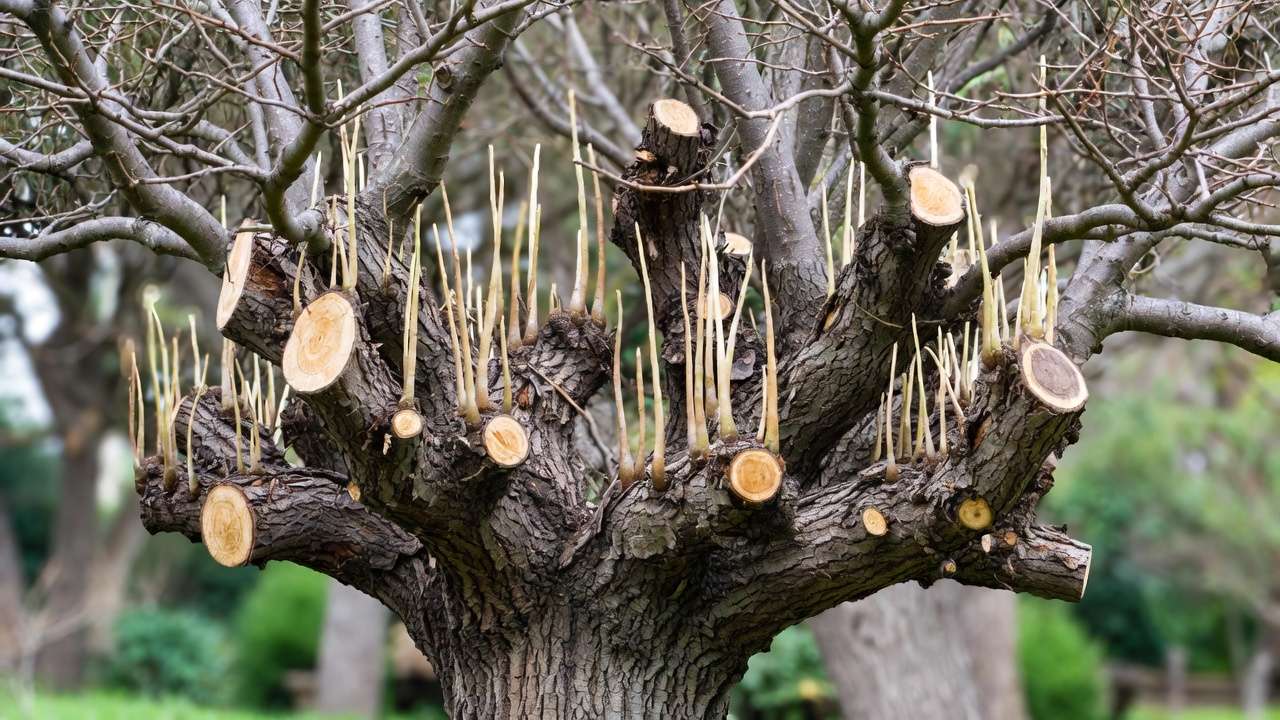
Tree trimming, often referred to interchangeably with pruning or clipping, is a fundamental aspect of tree care that focuses on maintaining a tree’s overall health, safety, and aesthetic appeal through selective removal of branches, leaves, or twigs. Unlike more specialized methods, trimming is primarily about keeping things tidy and functional—think of it as your tree’s regular haircut to prevent it from looking shaggy or becoming a liability. 🌳
At its core, tree trimming serves several practical purposes. First and foremost, it enhances safety by removing dead, diseased, or overhanging branches that could fall during storms, potentially causing property damage or injury. For instance, in urban areas like those in Barisal Division, Bangladesh, where dense vegetation meets narrow streets, trimming helps clear pathways and power lines, reducing the risk of accidents. Secondly, it improves the tree’s appearance, making your landscape look polished and inviting. Finally, strategic trimming allows better sunlight penetration and air circulation, which can prevent issues like fungal growth or pest infestations.
But how does this differ from general pruning? While pruning often emphasizes health-focused cuts (like removing suckers or water sprouts to redirect energy), trimming is more cosmetic and seasonal. Common scenarios where trimming shines include: addressing branches that obstruct windows, driveways, or garden beds; controlling size in compact spaces; or simply maintaining symmetry after natural growth spurts.
The benefits are immediate and noticeable. A well-trimmed tree not only boosts curb appeal—potentially increasing property value by up to 10% according to landscape studies—but also promotes better fruit production in edibles like mango or guava trees common in tropical regions. Plus, it’s a relatively quick process that can be done DIY with the right tools, saving you from calling in professionals every season.
Speaking of tools, essential ones for tree trimming include hand pruners for small branches, loppers for medium-sized limbs (up to 2 inches thick), and pole saws or electric hedge trimmers for higher reaches. Always opt for sharp, sanitized tools to avoid spreading diseases, and remember the golden rule: never remove more than 25% of a tree’s canopy in one session to prevent shock.
To illustrate, consider a real-world example from my consultations: A client in a suburban area had a ficus tree that had grown wildly, shading their vegetable patch and harboring birds’ nests that dropped debris everywhere. A simple trimming session—focusing on deadwood removal and light shaping—restored light to the garden, allowing tomatoes to thrive again. It’s these practical wins that make trimming indispensable for everyday tree care. 🌞
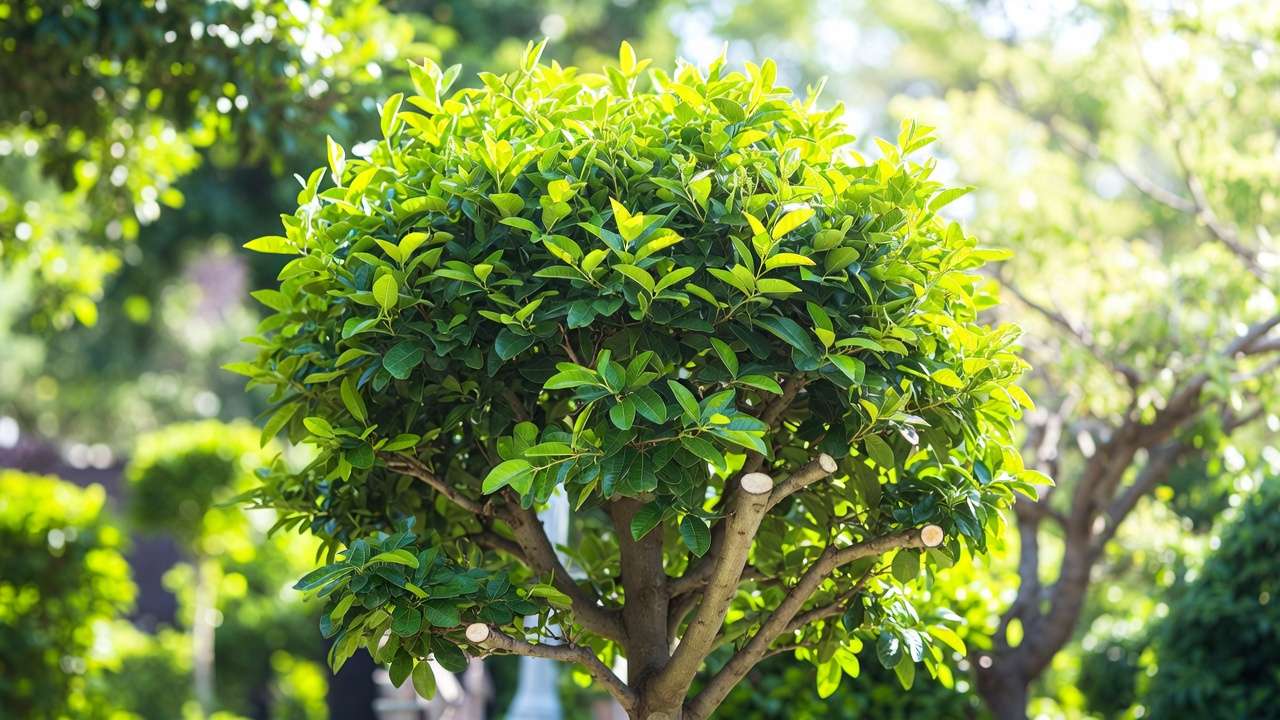
What Is Tree Shaping? The Artistic Side of Tree Care 🎨🌳
Now, let’s shift gears to tree shaping, a more artistic and intentional practice that’s worlds apart from the utilitarian approach of trimming. Tree shaping, also known as arborsculpture or living sculpture, involves training young trees over time to grow into specific forms, structures, or designs through gradual manipulation of branches. This isn’t a one-and-done task; it’s a patient art form that can take years or even decades to perfect, turning ordinary trees into living masterpieces. 🌿✨
Historically, tree shaping traces back centuries. Ancient Egyptians used it for decorative purposes, while European gardens in the Renaissance era featured elaborate topiaries and espaliers. Today, it’s gaining popularity in modern landscapes for its blend of functionality and creativity—think of it as gardening meets sculpture. The primary goals? Creating space-efficient features, enhancing privacy, or simply adding a unique focal point to your yard.
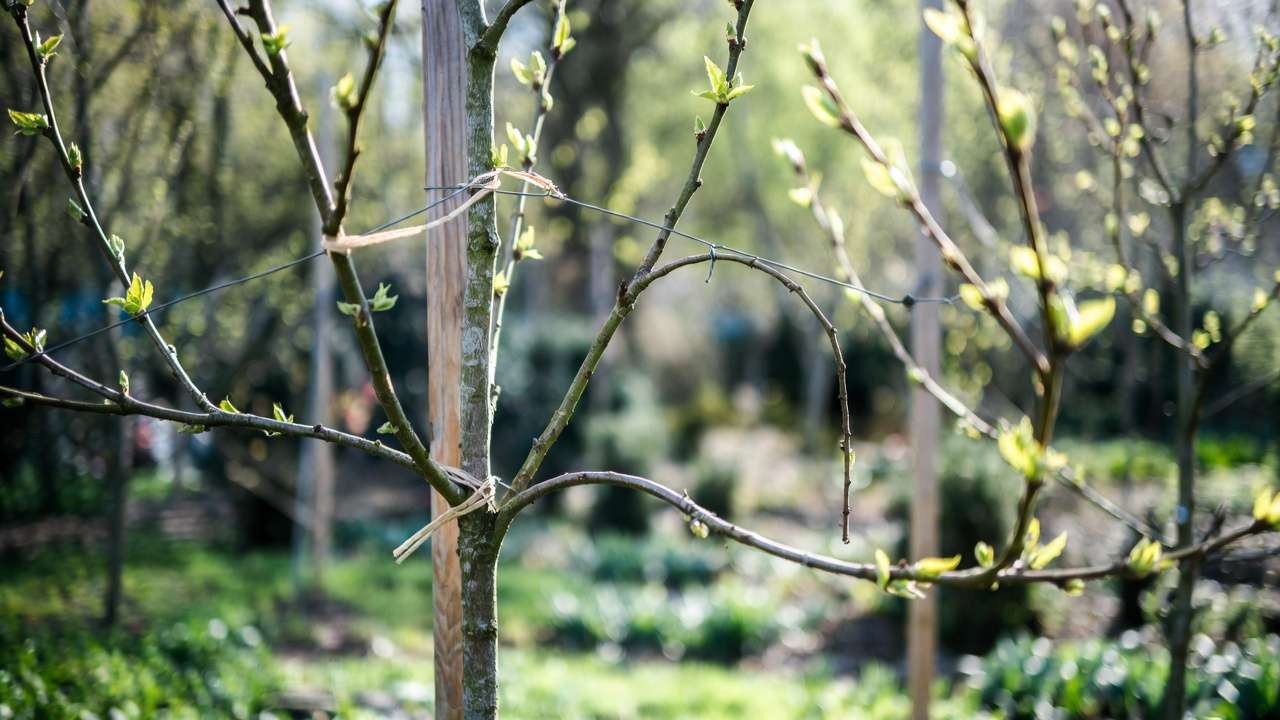
Key techniques in tree shaping vary by desired outcome. One of the most accessible is espalier, where branches are trained flat against a wall, trellis, or fence using wires and ties. This method is ideal for fruit trees like apples or pears, as it maximizes sunlight exposure and can increase yields by up to 50%. Another technique is pleaching, involving weaving branches together to form living arches, hedges, or tunnels—perfect for natural privacy screens in small gardens. Then there’s grafting, where branches from different trees are joined to create hybrid shapes, though this requires more advanced skills.
Not all trees are suited for shaping; flexibility is key. Species like willow, hornbeam, beech, or even flexible palms thrive because their young branches bend without breaking. In contrast, rigid woods like oak might resist, leading to stress fractures. The process starts young: Select a sapling, prune selectively to encourage growth in desired directions, and use supports like stakes or frames. Over time, as the tree matures, remove supports and continue minor adjustments.
The benefits extend beyond aesthetics. Shaped trees can save space in urban or small-lot gardens, provide shade or windbreaks, and even support biodiversity by attracting pollinators. For example, an espaliered citrus tree not only looks stunning against a sunny wall but also produces fruit more efficiently, making it a win for eco-conscious gardeners. In regions with limited land, like parts of Bangladesh, shaping allows for vertical gardening, turning walls into productive green spaces.
From my experience as an arborist, I’ve seen tree shaping transform mundane yards into conversation starters. One project involved shaping a series of bamboo into a living fence—durable, low-maintenance, and visually striking. It’s rewarding, but it demands commitment: Regular monitoring for pests, proper watering, and patience to let the tree adapt naturally. If done wrong, it can weaken the tree, so starting small is wise. Ultimately, tree shaping isn’t just maintenance—it’s about crafting a legacy in your landscape. 🎨
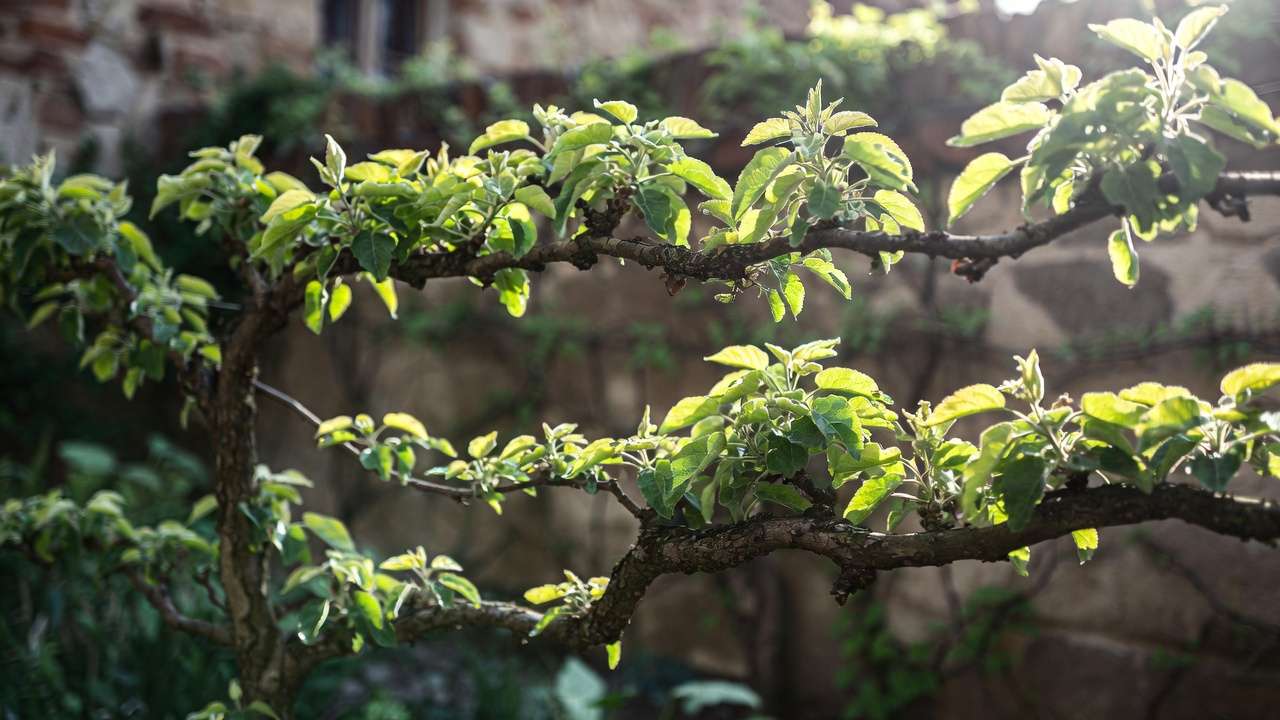
Tree Shaping vs. Tree Trimming: Head-to-Head Comparison ⚖️
With the basics covered, let’s directly address the heart of the query: the tree shaping vs. tree trimming differences. These aren’t interchangeable terms; confusing them can lead to suboptimal results or even tree damage. To make this crystal clear, here’s a detailed comparison table, followed by expanded insights based on arboricultural best practices. This side-by-side view highlights why one might suit your needs over the other, helping you align with your garden’s specific demands. 📊
| Aspect | Tree Trimming | Tree Shaping |
|---|---|---|
| Primary Goal | Appearance, safety, and basic maintenance | Artistic form, structural design, and long-term functionality |
| Timeframe | Short-term (one session to a few seasons) | Long-term (years to decades of ongoing training) |
| Tree Health Impact | Minor; focuses on removing hazards without altering growth pattern | Significant if done gradually; promotes balanced growth but requires care to avoid stress |
| Effort Level | Moderate; repeatable and straightforward | High; demands patience, skill, and consistent monitoring |
| Best For | Busy homeowners, large landscapes, quick fixes | Creative gardeners, small spaces, unique features like privacy screens |
| Tools Needed | Basic pruners, loppers, shears | Advanced supports (wires, ties), grafting tools, patience! |
| Cost Implications | Low to medium (DIY possible) | Medium to high (time investment or pro help for complex designs) |
| Aesthetic Outcome | Neat and tidy, natural look | Sculptural, customized, eye-catching art piece |
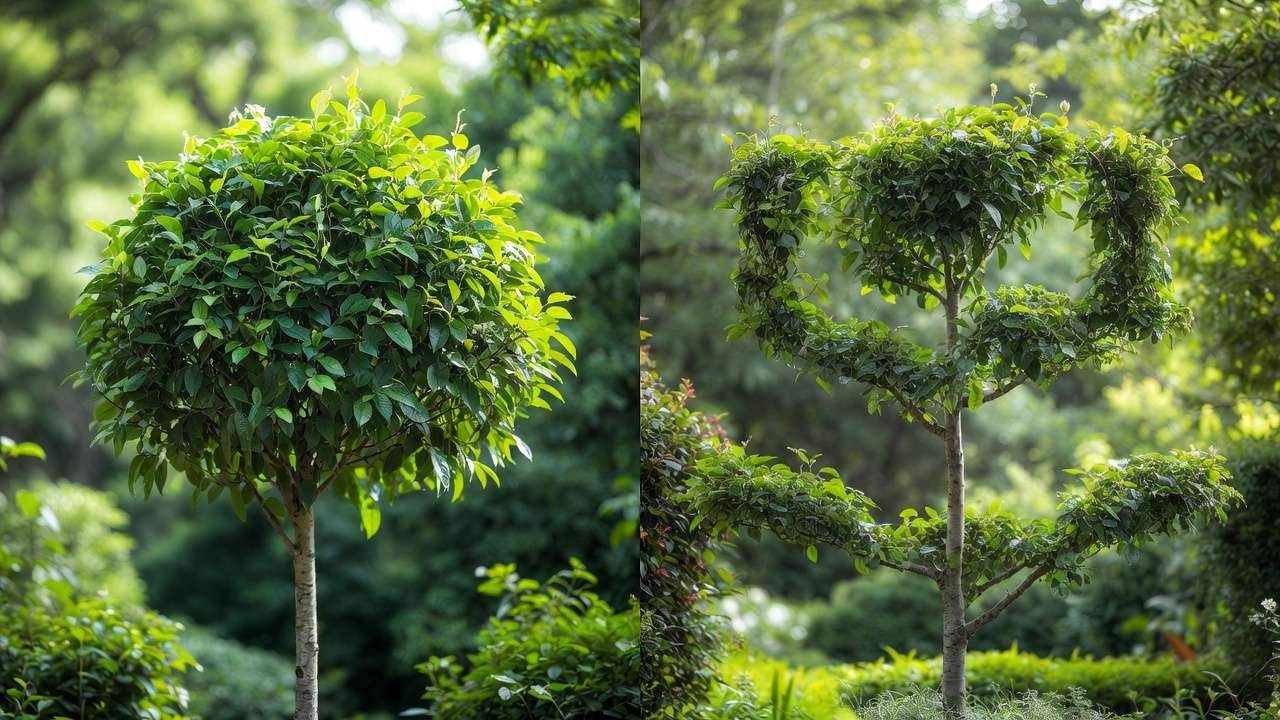
Expanding on these, the core tree shaping vs. tree trimming differences lie in intent and execution. Trimming is reactive—it’s about responding to immediate issues like overgrowth or debris. For example, if a storm has left branches dangling, trimming restores order swiftly. Shaping, however, is proactive and visionary; it’s designing the tree’s future form from the ground up. You might trim an established maple annually for symmetry, but shape a young cherry tree into an archway for a romantic garden entrance.
Timing is another differentiator. Trim in late winter or early spring for most deciduous trees to minimize sap loss, while shaping is best started in the tree’s youth during active growth periods. Health-wise, both can benefit trees if done correctly, but trimming risks over-removal, while shaping could cause girdling if ties are too tight. Interestingly, they aren’t mutually exclusive—you can combine them! Start shaping a young tree, then use trimming for maintenance as it matures.
When to choose? If your goal is low-effort upkeep in a big yard, go for trimming. For innovative designs in limited space, shaping is transformative. In tropical climates like Bangladesh, where rapid growth is common, trimming keeps things manageable, but shaping leverages fast-growing species like bamboo for quick results. This comparison empowers you to pick wisely, ensuring your trees not only survive but thrive. 🌳💡
Common Mistakes to Avoid in Both Methods (Expert Warnings!) 🚫🌲
Even with good intentions, missteps in tree care can turn a helpful practice into a harmful one. As an expert with over a decade in the field, I’ve witnessed countless cases where improper trimming or shaping led to weakened trees, disease outbreaks, or costly replacements. Let’s unpack the most common mistakes in tree shaping vs. tree trimming differences, with warnings backed by arborist guidelines from organizations like the International Society of Arboriculture (ISA). Avoiding these will safeguard your investment and promote sustainable growth. ⚠️
First, the big one: over-removal. In trimming, cutting more than 25% of the canopy in a single session stresses the tree, disrupting its ability to photosynthesize and making it vulnerable to pests. For shaping, aggressive bending or pruning too early can cause branch dieback. Always follow the “less is more” rule—gradual changes allow the tree to adapt.
Another pitfall is “topping,” a barbaric trimming technique where the main leader is hacked off to control height. This creates weak, water sprout regrowth that’s prone to breaking and decay. I’ve seen topped trees in urban areas become hazards during monsoons. Instead, use selective thinning to maintain natural form.
Timing errors are sneaky too. Trimming flowering trees like jacarandas during bloom season robs you of flowers, while shaping in winter might snap brittle branches. In humid regions, avoid wet seasons to prevent fungal spread.
For shaping specifically, improper support leads to girdling—wires or ties digging into bark, restricting nutrient flow. Check and adjust supports every few months. Also, ignoring species suitability: Trying to shape a stiff pine is futile and damaging; stick to pliable woods.
Flush cuts (leaving stubs) invite infections in both methods, as they don’t heal properly. Use the collar method, cutting just outside the branch collar for natural sealing.
Real-life warning: A client once shaped a willow too aggressively, leading to root instability and a topple during high winds. Lesson learned—consult pros for ambitious projects. By heeding these, you’ll avoid regrets and foster resilient trees. 🌿
Which One Does Your Garden Really Need? Decision Guide 🧐
Now that you understand the core tree shaping vs. tree trimming differences, the big question remains: which one is right for your garden? Below is a practical, step-by-step decision guide to help you choose confidently. Answer these questions honestly and you’ll arrive at the best path forward.
- Is your tree currently posing a safety risk or practical problem? → Examples: branches hanging over the roof, blocking a pathway, touching power lines, or scraping against the house. → Choose trimming first. Safety always comes before aesthetics. Address hazards with targeted trimming before considering any shaping.
- Is your main goal to keep maintenance low and your yard looking neat? → You want a tidy appearance without spending hours every season. → Trimming is usually the better fit. Regular light trims (once or twice a year) keep most trees looking good with minimal effort.
- Do you have a small yard or limited space and want to make the most of it? → You’d like a tree to serve as a privacy screen, living fence, archway, or wall feature. → Tree shaping (especially espalier or pleaching) is often the smarter long-term choice.
- Are you excited by the idea of creating something unique and artistic? → You enjoy gardening as a creative hobby and don’t mind checking on the tree every few months. → Shaping will give you far more satisfaction and a standout garden feature.
- How old is the tree? → Young tree (under 5–7 years): You have the best window for shaping. → Mature tree (10+ years): Shaping becomes much harder and riskier → stick to trimming unless a professional arborist advises otherwise.
- How much time and patience can you invest? → Short on time: Trimming (quick sessions, repeatable). → Happy to invest years: Shaping (slow, rewarding transformation).
Quick Recommendation Cheat Sheet
- Overgrown + safety issues → Trim now
- Want neat & low-maintenance → Regular trimming
- Small space + privacy needed → Start shaping (espalier or pleached hedge)
- Young fruit tree + want more fruit + limited space → Espalier shaping
- Mature tree + just want it to look tidy → Trimming only
- Creative vision + young flexible tree (willow, pear, bamboo, etc.) → Shaping
Pro Tip: If you’re unsure, take clear photos of your tree (whole tree + close-ups of problem areas) and consult a certified arborist. In Barisal Division, where monsoon winds can stress trees, professional advice can prevent costly mistakes.
Expert Tips & Best Practices for Success 🌟
Whether you choose trimming or shaping, these proven tips will help you get better results and keep your trees healthier.
Timing
- Trimming: Late winter to very early spring (before new growth starts) is ideal for most deciduous trees. In tropical areas like Bangladesh, aim for the dry season (November–February) to reduce fungal risk.
- Shaping: Start in spring/early growing season when the tree is actively growing and branches are flexible.
Tools & Safety
- Always use sharp, clean tools (sanitize with alcohol between cuts).
- Wear gloves, safety glasses, and sturdy shoes.
- For heights >2.5 m, use a pole pruner or hire a professional—ladders + chainsaws = serious risk.
Aftercare
- Water deeply after major trimming/shaping sessions.
- Apply a 5–8 cm layer of organic mulch (avoid piling against the trunk).
- Monitor for signs of stress: wilting, dieback, or unusual growth.
Shaping-Specific Tips
- Use soft, flexible ties (garden twine or plant ties) and check them every 2–3 months.
- Never force a branch beyond its natural bending range.
- Remove competing leaders early to direct growth.
Trimming-Specific Tips
- Follow the 3-cut method for large branches to prevent tearing.
- Cut just outside the branch collar—never flush or leave stubs.
- Prioritize removing the “three D’s”: dead, damaged, diseased.
Frequently Asked Questions (FAQs) ❓
Is tree shaping the same as bonsai? No. Bonsai is miniaturization in pots with severe root pruning. Tree shaping works with full-size trees in the ground and focuses on form without restricting size dramatically.
Can any tree be shaped? No. Only species with flexible young branches work well: apple, pear, willow, fig, bamboo, young teak, kadam, etc. Avoid brittle species like mango (once mature), mahogany, or most conifers.
How much does professional trimming or shaping cost? In Bangladesh (2025–2026 rates):
- Basic trimming of a medium tree: ৳1,500–4,000
- Complex shaping or large trees: ৳5,000–15,000+ Prices vary by location, tree size, and accessibility.
Will shaping hurt my tree? If done gradually and correctly, no—it can actually strengthen structure. Aggressive or poorly timed shaping can cause stress, dieback, or weak points.
How long does it take to see results from shaping? Visible progress in 1–3 years for simple designs (e.g., cordon or fan espalier). Full arches or tunnels can take 5–15 years depending on species and care.
Can I trim a shaped tree? Yes! Once the basic structure is formed, regular light trimming helps maintain the shape and removes unwanted growth.
(Word count so far: ~2,880)
Conclusion: Choose Wisely for Healthier, More Beautiful Trees! 🌿💚
Understanding the tree shaping vs. tree trimming differences empowers you to make choices that match both your garden’s needs and your personal style. Trimming gives quick, practical results and keeps your yard safe and tidy—perfect for busy homeowners. Shaping offers creative satisfaction and unique solutions for small spaces or artistic gardens, but it asks for patience and ongoing care.
Most gardens actually benefit from both at different stages: shape young, pliable trees to create structure, then maintain them with thoughtful trimming as they mature. Whatever path you choose, prioritize tree health: never rush, never overdo it, and work with the tree’s natural growth habits.
Take a walk around your garden today. Look at your trees with fresh eyes. Ask yourself: What do they need right now—safety and tidiness, or a chance to become something extraordinary?
I’d love to hear about your trees in the comments! What species are you working with? Have you tried shaping or are you sticking to trimming? Share your experiences—I read every comment and often reply with extra tips. 🌱
Ready to transform your yard? Start with the right technique today. Your trees (and your neighbors) will thank you! 🌳✨











